
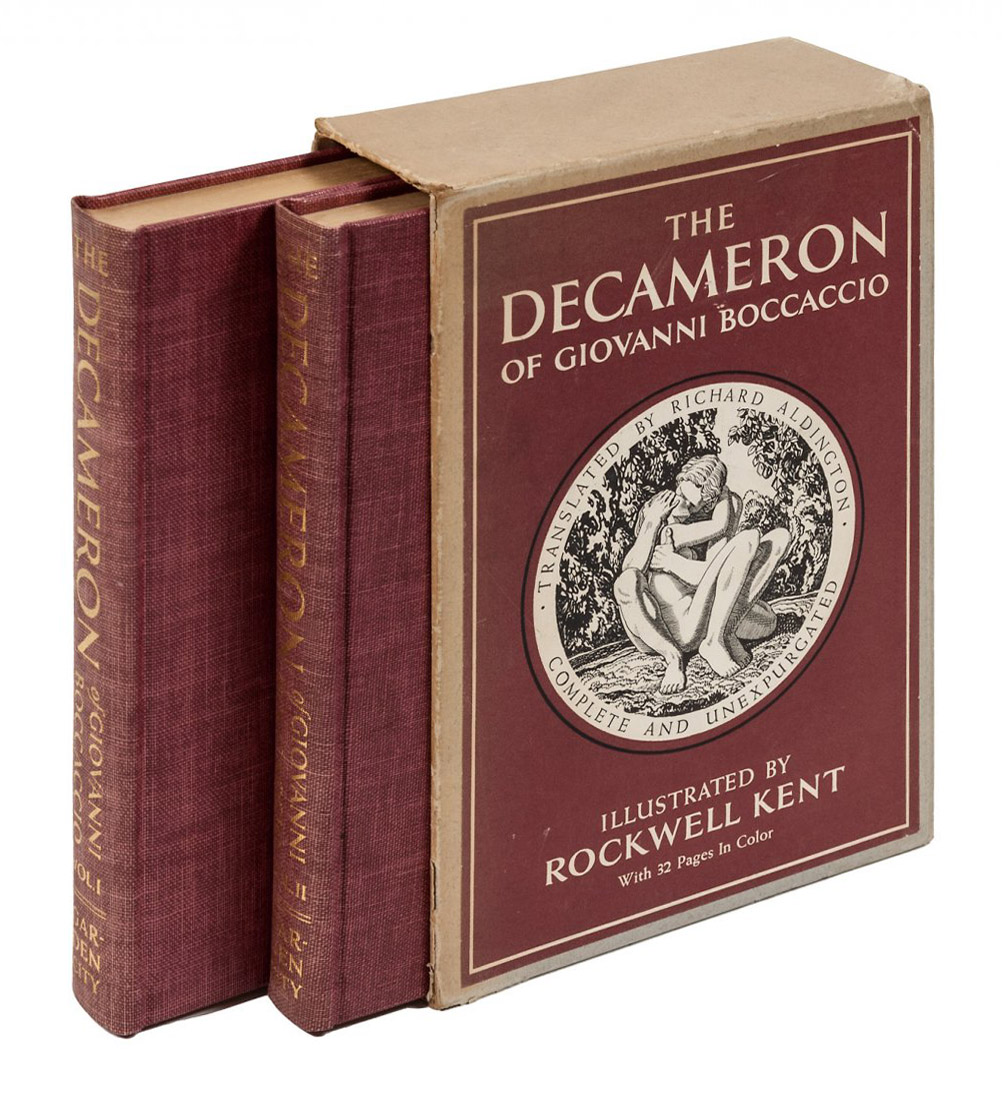
The Decameron by Giovanni Boccaccio follows ten young people–seven women and three men–who take shelter from the Black Plague outside of medieval Florence. Each day, over the course of ten days, members of the group must entertain the others with a tale, for a total of one hundred stories throughout their quarantine. Boccaccio (1313–1375) uses this rural escape as a framing device for tragic, comedic, even erotic stories from a widely diverse sources. Through long chains of translations, Boccaccio was exposed to ancient Indian and Middle Eastern narratives, which he added to or altered for his own purposes. Some tales borrow from Italian oral tradition or other local sources, including a French one shared with Geoffrey Chaucer (which became the “The Reeve’s Tale” in The Canterbury Tales). Even if you didn’t read the book during your university days, now is the perfect time for The Decameron.


 Travel Between The Pages