No Book Deals For Traitors

Author Barry Lyga has posted an open letter signed by more than 250 authors, agents, booksellers, and publishers supporting their opposition to any publisher signing up President Donald Trump or members of his administration for any further book deals.

“Traditionally, members of an outgoing administration can—and do—rely on the cushion of a fat book contract with a healthy advance. In the case of the Trump Administration and its history of outrages, lies, and incitement to insurrection, we cannot allow this to stand. No one should be enriched for their contribution to evil,” Lyga wrote in an email to PW.

Titled “No Book Deal for Traitors,” the letter reads, as follows:

NO BOOK DEALS FOR TRAITORS

THIS IS A LETTER OF INTENT FROM PUBLISHING PROFESSIONALS OF THE UNITED STATES.

We all love book publishing, but we have to be honest — our country is where it is in part because publishing has chased the money and notoriety of some pretty sketchy people, and has granted those same people both the imprimatur of respectability and a lot of money through sweetheart book deals.

As members of the writing and publishing community of the United States, we affirm that participation in the administration of Donald Trump must be considered a uniquely mitigating criterion for publishing houses when considering book deals.

Consequently, we believe: No participant in an administration that caged children, performed involuntary surgeries on captive women, and scoffed at science as millions were infected with a deadly virus should be enriched by the almost rote largesse of a big book deal. And no one who incited, suborned, instigated, or otherwise supported the January 6, 2021 coup attempt should have their philosophies remunerated and disseminated through our beloved publishing houses.

“Son of Sam” laws exist to prevent criminals from benefiting financially from writing about their crimes. In that spirit, those who enabled, promulgated, and covered up crimes against the American people should not be enriched through the coffers of publishing.

We are writers, editors, journalists, agents, and professionals in multiple forms of publishing. We believe in the power of words and we are tired of the industry we love enriching the monsters among us, and we will do whatever is in our power to stop it.

Posted in Books, USA, Writing | Tagged | Leave a comment

Sometimes You Need To Keep Going


Posted in Art, Books | Tagged , , | 2 Comments

across those borders where only teachers travel

WOODWORK

Bill Manhire

Children are building their teacher a coffin.
There it is in the paper, somewhere in Holland,

a good plain coffin made of many parts,
and two of the children

call each day and talk to the teacher
to keep the teacher posted. Is she happy?

She is ill but quite contented.
What will they give her to take with her

into the earth at last, or across those borders
where only teachers travel? There is dark energy there

and multiplication tables, and many children are in a room
with chisels and planes and spirit levels.

They must be making something wonderful.
Everything needs to be straight.

I made a boat, a tie-rack, a wooden spoon.
The boat sat on a mantlepiece in several different houses.

It was happy with its yellow funnel,
somewhere it is sailing. And everywhere children are waving and working hard.
They are building their teacher a coffin.

I first discover Bill Manhire’s writing when I visited New Zealand last year. He is a prize-winning poet and fiction writer, and has won several New Zealand Book Awards, a number of significant fellowships, and he was the 1997/1998 New Zealand Te Mata Estate Poet Laureate. Manhire was also honored with the 2007 Prime Minister’s Award for Literary Achievement. Manhire is the director of the International Institute of Modern Letters, centre for Creative Writing at Victoria University of Wellington. He has coordinated several bestselling anthologies, and his poetry and fiction is published in New Zealand, the UK, and the USA. His most recent poetry collection is Some Things to Place in a Coffin (Victoria University Press, 2017).


Posted in Books, Writing | Tagged , , | Leave a comment

Amsterdam Says No To Overtourism

Amsterdam has long been one of my favorite cities in the world, but on recent visits I have been put off by the sheer volume of tourists. The notoriously tolerant residents of the city seem to have finally had enough of drunken, littering, short-term visitors and are enacting regulations to stem the tide of overtourism.

With a resident population of less than 875,000, Amsterdam has been overwhelmed by a flood of close to 20 million tourists a year. And if you’ve ever been to the city you know that the vast majority of visitors stay and congregate in the picturesque, old historic heart of town. Many of those tourists come from other European countries for long weekends or very brief stays. They frequently book the cheapest accommodations and cram extra people in hotel rooms or Airbnbs.

In recent years, the municipal government has attempted to limit the number of nights per year that homes can be rented for short term occupancy. It has also cracked down on loutish tourist behavior with stricter city ordinances. Now the city is looking at the impact of cannabis tourism.

Last year, Mayor Femke Halsema commissioned a survey of visitors which included questions on their relationship to coffee shops. The survey revealed that 57% of foreigners visiting the center of Amsterdam say that visiting a coffee shop is a “very important reason” for their visit. When asked about whether or not they would return if they were unable to access coffee shops, 34% of tourists from overseas said that they were unsure, while 11% said that they would not.

Mayor Halsema has proposed regulations which would limit access to cannabis coffee shops to Dutch residents. thereby reducing the attraction of legal drugs to tourists and making tourism in the city easier to manage. The new ordinances are expected to come into effect in 2021. Personally, I’m happily planning to return to an Amsterdam that resembles the city that I’ve loved for decades.

Posted in Architecture, Europe, Tourism | Tagged , , | 1 Comment

Seems Like A Good Idea

Posted in Books | Tagged , | 1 Comment

Talking Books

I have an on-again, off-again interest in podcasts. When I’m traveling, I tend to catch-up on the podcasts that I’ve been meaning to listen to for a while. Since I’ve been stuck at home, my podcast consumption has been limited. That is until I discovered the new website created by David Wilk. Livewriters.com is a podcasting website that curates a collection of podcasts for readers, authors and publishers. In addition, Livewriters provides news and resources about podcasting for the book community, a forum for industry discussion, access to podcasting and audio experts in the field and more. Livewriters officially launches tomorrow, January 12, with new features to be added to the site over the next several weeks.


Posted in Books, ebooks, Tech, USA, Writing | Tagged , , | Leave a comment

National Parks

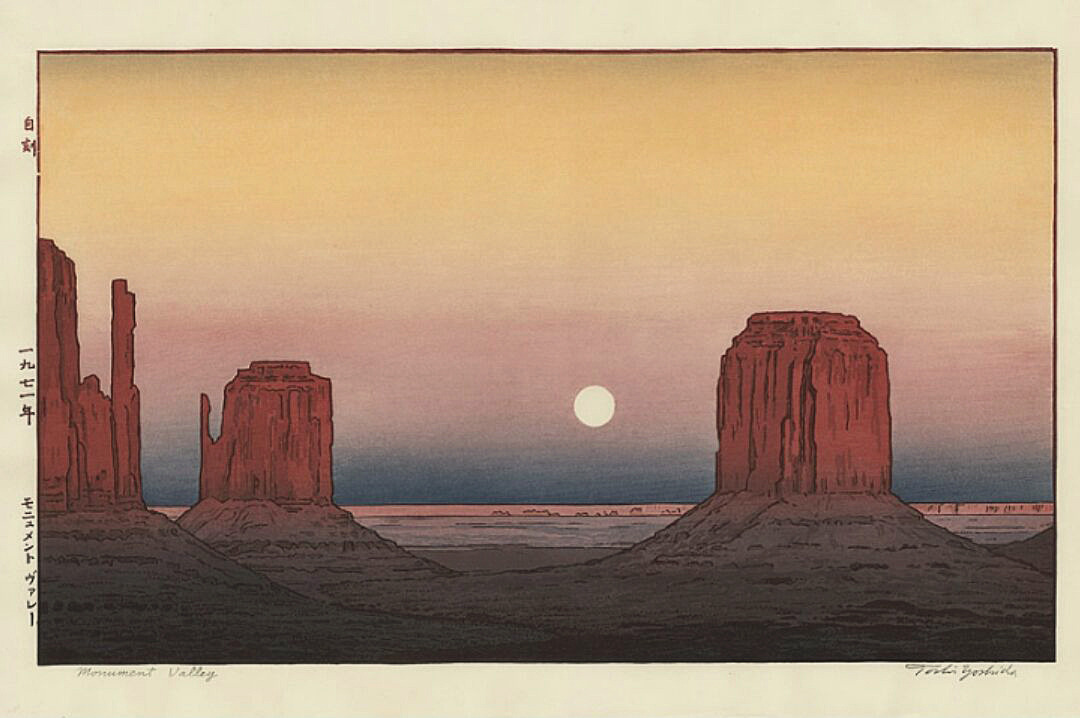
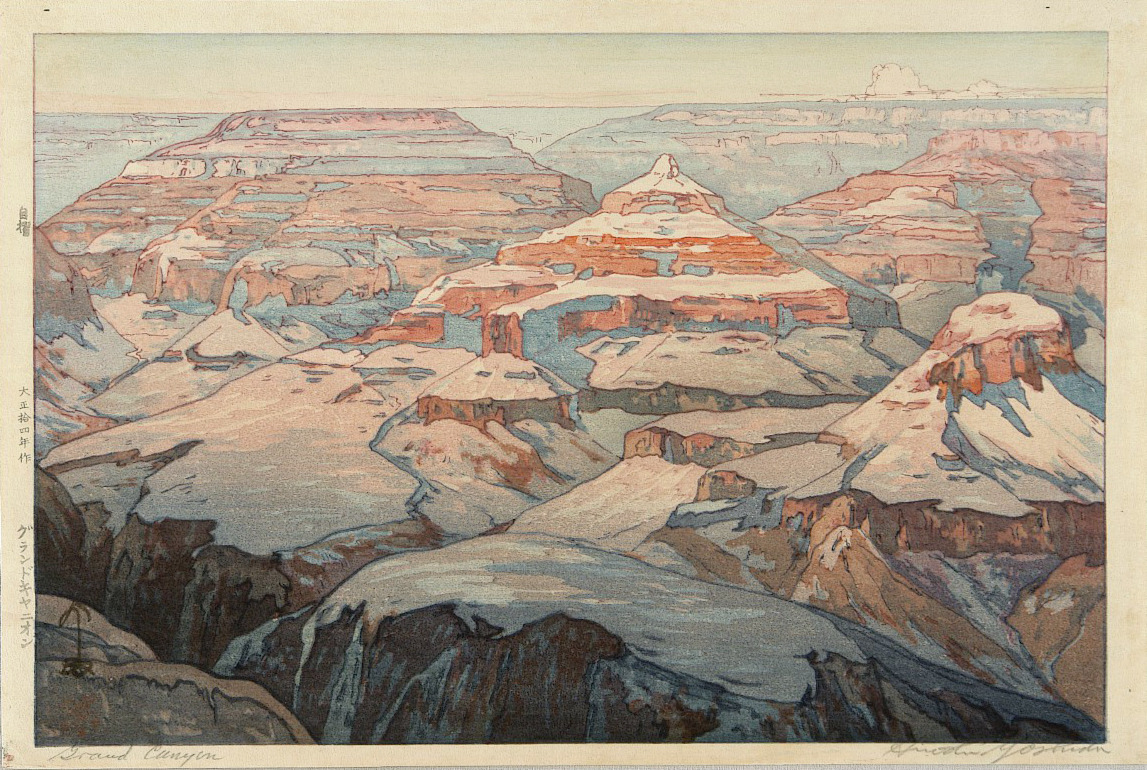
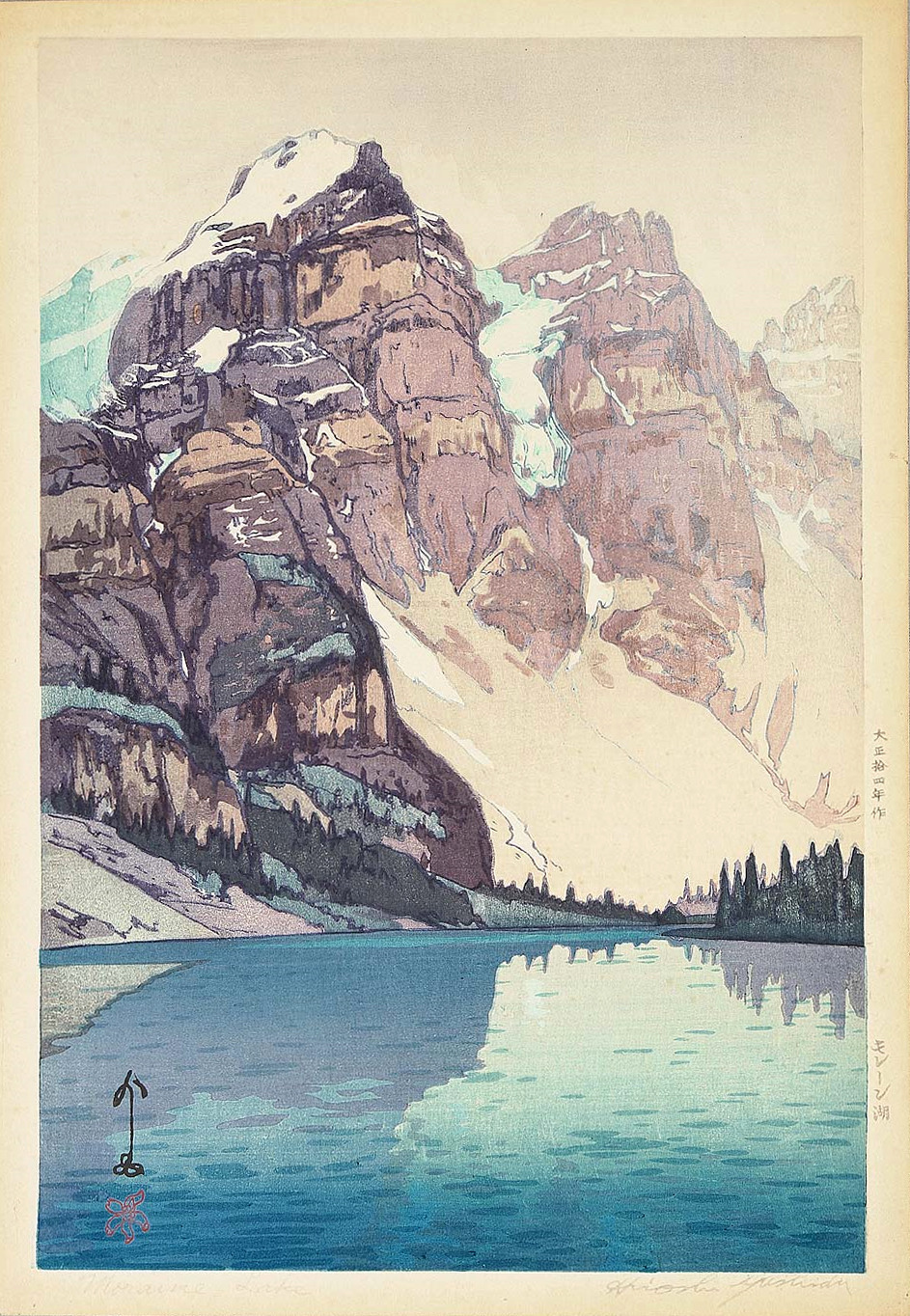
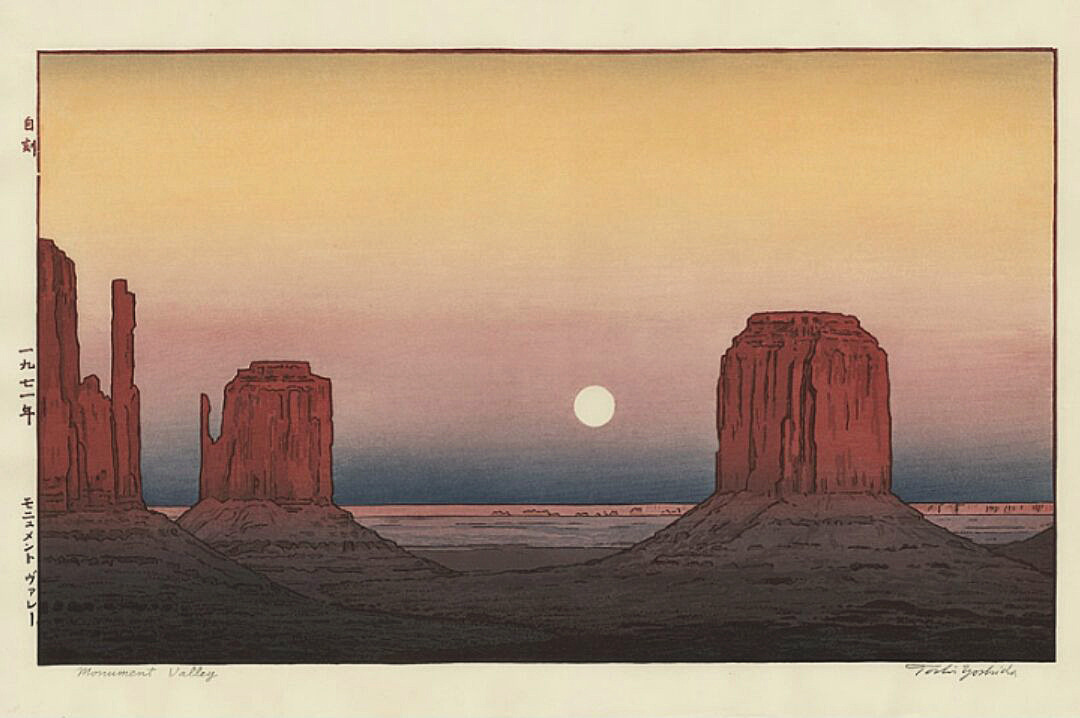
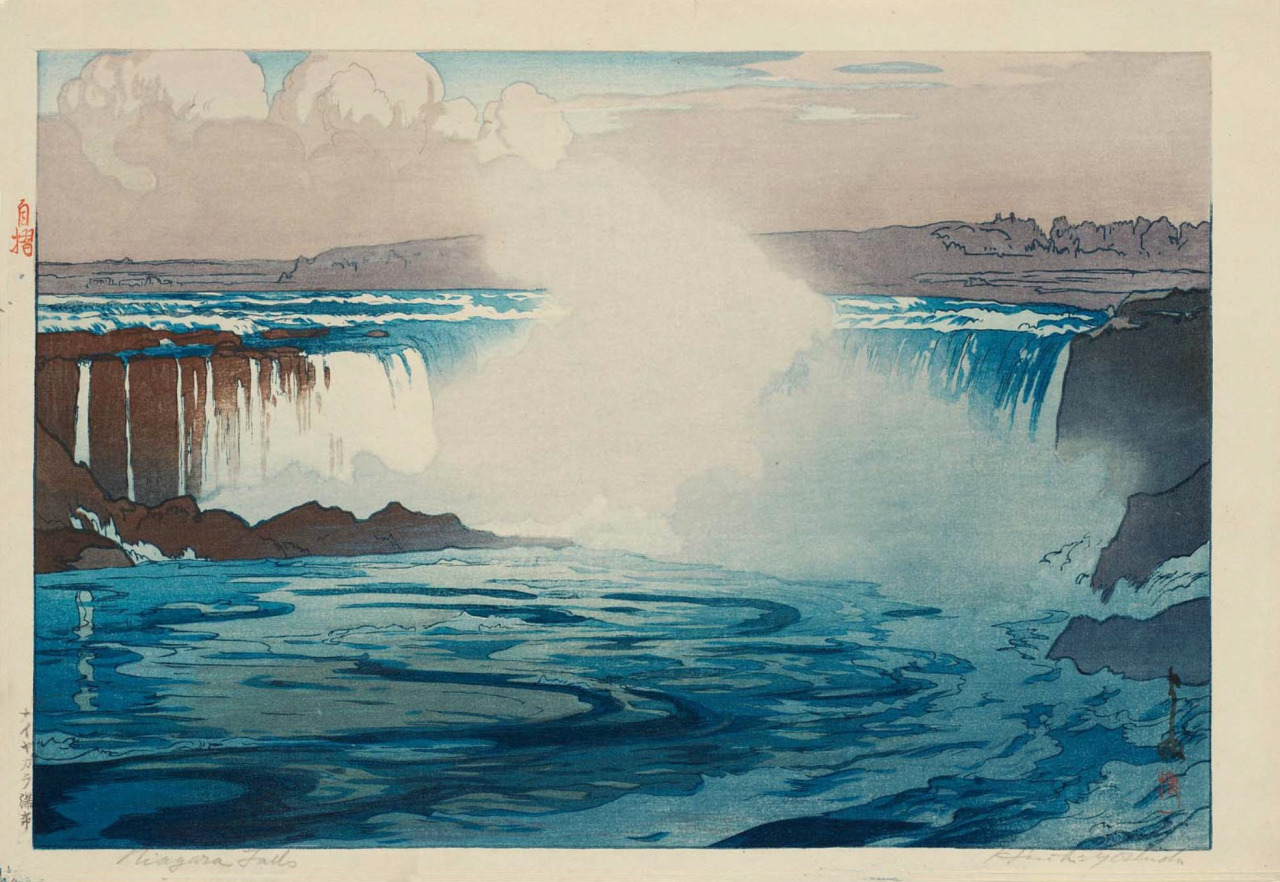
Hiroshi Yoshida (吉田 博Yoshida Hiroshi, September 19, 1876 – April 5, 1950) was a 20th-century Japanese painter and woodblock printmaker. He is regarded as one of the greatest artists of the shin-hanga style, and is noted especially for his excellent landscape prints. Yoshida travelled widely, and was particularly known for his images of non-Japanese subjects done in traditional Japanese woodblock style, including the Taj Mahal, the Swiss Alps, the Grand Canyon, and other National Parks in the United States.

Posted in Art, Asia, USA | Tagged , , | 1 Comment

Lessons from the 20th Century

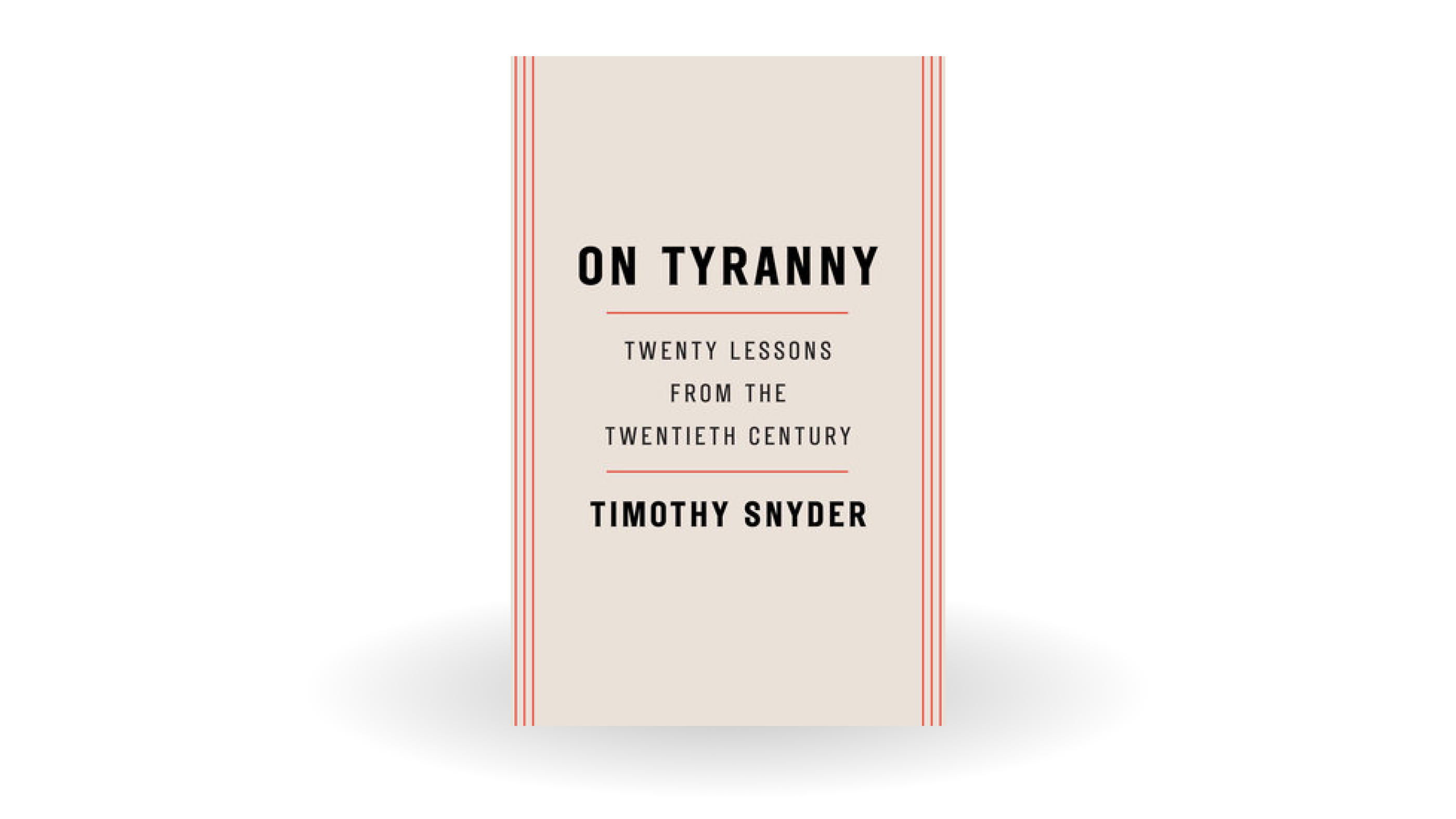
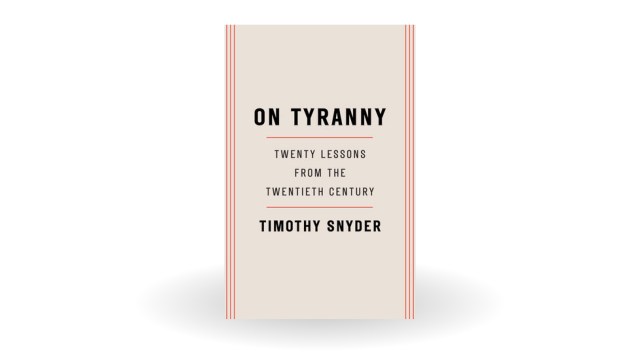
Following the horrific events of last week, I am not alone in reflecting back on the cautionary warnings of Yale historian Timothy Snyder. His short, but powerful book On Tyranny: Twenty Lessons from the Twentieth Century published just days after the Trump inauguration, succinctly presented a roadmap for addressing the threats to democracy inherent in the malignant regime.

1. Do not obey in advance. Much of the power of authoritarianism is freely given. In times like these, individuals think ahead about what a more repressive government will want, and then start to do it without being asked. You’ve already done this, haven’t you? Stop. Anticipatory obedience teaches authorities what is possible and accelerates unfreedom.

2. Defend an institution. Follow the courts or the media, or a court or a newspaper. Do not speak of “our institutions” unless you are making them yours by acting on their behalf. Institutions don’t protect themselves. They go down like dominoes unless each is defended from the beginning.

3. Recall professional ethics. When the leaders of state set a negative example, professional commitments to just practice become much more important. It is hard to break a rule-of-law state without lawyers, and it is hard to have show trials without judges.

4. When listening to politicians, distinguish certain words. Look out for the expansive use of “terrorism” and “extremism.” Be alive to the fatal notions of “exception” and “emergency.” Be angry about the treacherous use of patriotic vocabulary.

5. Be calm when the unthinkable arrives. When the terrorist attack comes, remember that all authoritarians at all times either await or plan such events in order to consolidate power. Think of the Reichstag fire. The sudden disaster that requires the end of the balance of power, the end of opposition parties, and so on, is the oldest trick in the Hitlerian book. Don’t fall for it.

6. Be kind to our language. Avoid pronouncing the phrases everyone else does. Think up your own way of speaking, even if only to convey that thing you think everyone is saying. (Don’t use the internet before bed. Charge your gadgets away from your bedroom, and read.) What to read? Perhaps “The Power of the Powerless” by Václav Havel, 1984 by George Orwell, The Captive Mind by Czesław Milosz, The Rebel by Albert Camus, The Origins of Totalitarianism by Hannah Arendt, or Nothing is True and Everything is Possible by Peter Pomerantsev.

7. Stand out. Someone has to. It is easy, in words and deeds, to follow along. It can feel strange to do or say something different. But without that unease, there is no freedom. And the moment you set an example, the spell of the status quo is broken, and others will follow.

8. Believe in truth. To abandon facts is to abandon freedom. If nothing is true, then no one can criticize power, because there is no basis upon which to do so. If nothing is true, then all is spectacle. The biggest wallet pays for the most blinding lights.

9. Investigate. Figure things out for yourself. Spend more time with long articles. Subsidize investigative journalism by subscribing to print media. Realize that some of what is on your screen is there to harm you. Learn about sites that investigate foreign propaganda pushes.

10. Practice corporeal politics. Power wants your body softening in your chair and your emotions dissipating on the screen. Get outside. Put your body in unfamiliar places with unfamiliar people. Make new friends and march with them.

11. Make eye contact and small talk. This is not just polite. It is a way to stay in touch with your surroundings, break down unnecessary social barriers, and come to understand whom you should and should not trust. If we enter a culture of denunciation, you will want to know the psychological landscape of your daily life.

12. Take responsibility for the face of the world. Notice the swastikas and the other signs of hate. Do not look away and do not get used to them. Remove them yourself and set an example for others to do so.

13. Hinder the one-party state. The parties that took over states were once something else. They exploited a historical moment to make political life impossible for their rivals. Vote in local and state elections while you can.

14. Give regularly to good causes, if you can. Pick a charity and set up autopay. Then you will know that you have made a free choice that is supporting civil society helping others doing something good.

15. Establish a private life. Nastier rulers will use what they know about you to push you around. Scrub your computer of malware. Remember that email is skywriting. Consider using alternative forms of the internet, or simply using it less. Have personal exchanges in person. For the same reason, resolve any legal trouble. Authoritarianism works as a blackmail state, looking for the hook on which to hang you. Try not to have too many hooks.

16. Learn from others in other countries. Keep up your friendships abroad, or make new friends abroad. The present difficulties here are an element of a general trend. And no country is going to find a solution by itself. Make sure you and your family have passports.

17. Watch out for the paramilitaries. When the men with guns who have always claimed to be against the system start wearing uniforms and marching around with torches and pictures of a Leader, the end is nigh. When the pro-Leader paramilitary and the official police and military intermingle, the game is over.

18. Be reflective if you must be armed. If you carry a weapon in public service, God bless you and keep you. But know that evils of the past involved policemen and soldiers finding themselves, one day, doing irregular things. Be ready to say no. (If you do not know what this means, contact the United States Holocaust Memorial Museum and ask about training in professional ethics.)

19. Be as courageous as you can. If none of us is prepared to die for freedom, then all of us will die in unfreedom.

20. Be a patriot. The incoming president is not. Set a good example of what America means for the generations to come. They will need it.

Posted in Books, Freedom of Speech, History, USA, Writing | Tagged , , , | Leave a comment

A Year of Good Reading

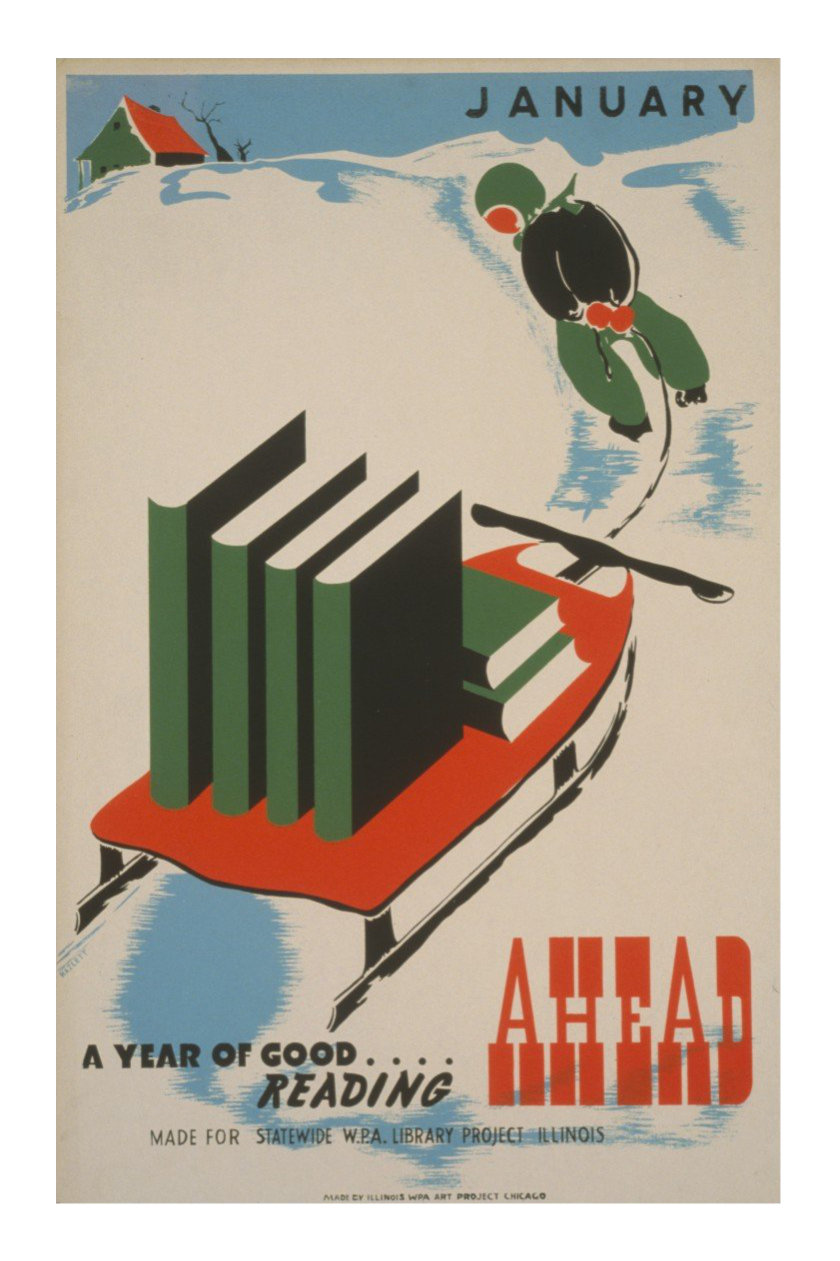
January. A year of good reading ahead is a wonderful book poster from a large WPA collection from the Library of Congress. The series of posters was created by the Federal WPA during the 1930s.


Posted in Books, History, Libraries, USA | Tagged , , | 1 Comment

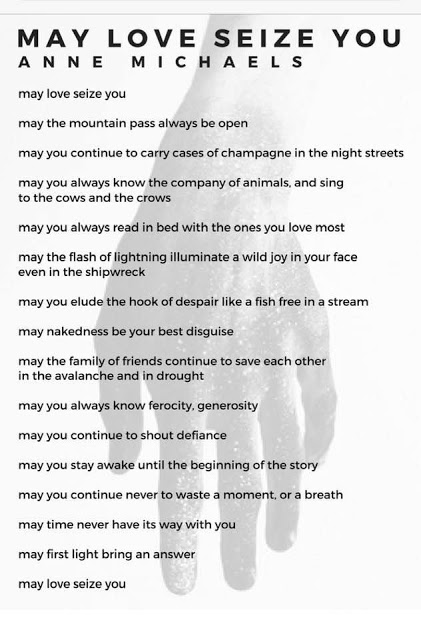
may you elude the hook of despair


Posted in Canada, Writing | Tagged | Leave a comment