
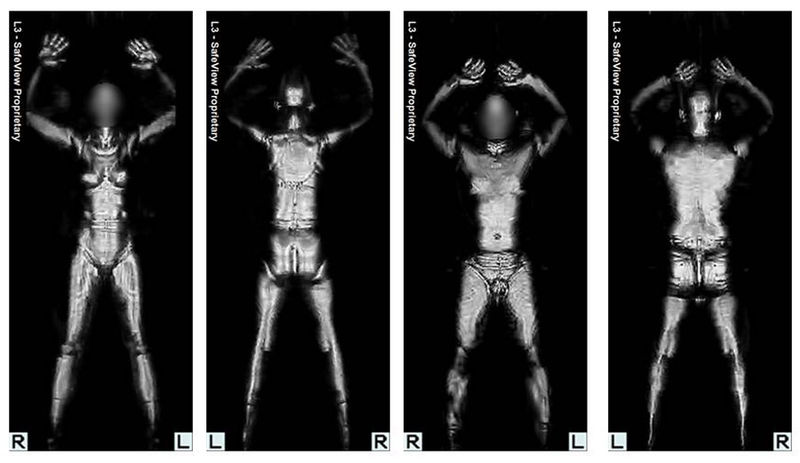
The European Commission recently decided to ban the controversial “backscatter x-ray” machines (which emit directed ionized radiation) from all of the EU’s 27 member country airports “in order not to risk jeopardizing citizens’ health and safety”. Meanwhile in the U.S., the Transportation Safety Administration (TSA) has already installed more than 250 backscatter x-ray machines across the USA. It has also installed 260 “millimeter wave” machines, which use radio waves instead of radiation.
As a flyer in the U.S., your only alternative to a machine scan is to request a physical pat down. In my own case, due to an implanted medical device, I have had to go through the physical pat-down routine for years, like it or not. I recently got into an arguement with a TSA screener at Newark Liberty Airport after he tried to coerce me into a scanner after I requested a pat-down and provided documentation of need. The result was an annoying wait while my belongings sat 30 feet away.
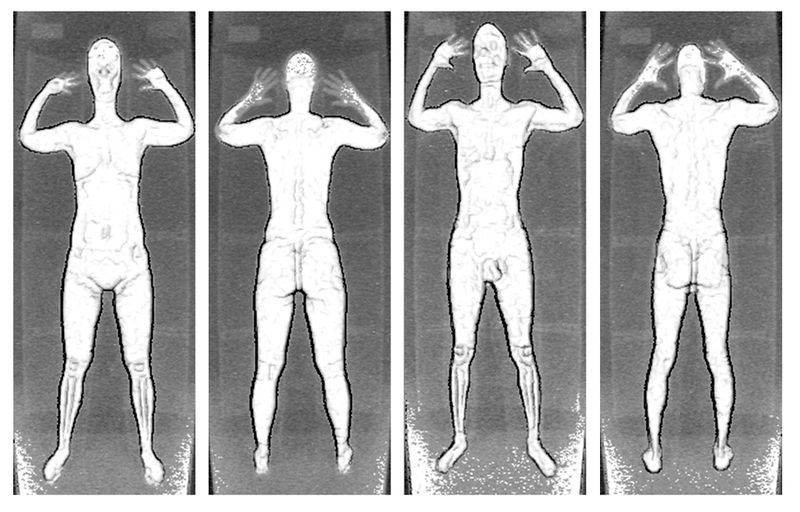
There are currently only three scanning options at U.S. airport:
- Metal detectors—magnetic pulses reflect off metal on or in a person
- Backscatter x-ray—low dose x-rays
- Millimeter wave scanning—radio waves
Each scanner option has its own dangers, especially for travelers with particular medical issues. And, it’s often difficult, if not impossible to determine which type of scanner the TSA is trying to herd you through. There’s no easy solution, but travelers must stand-up for their own health and safety risking the inconvenience and discomfort.


 Travel Between The Pages