
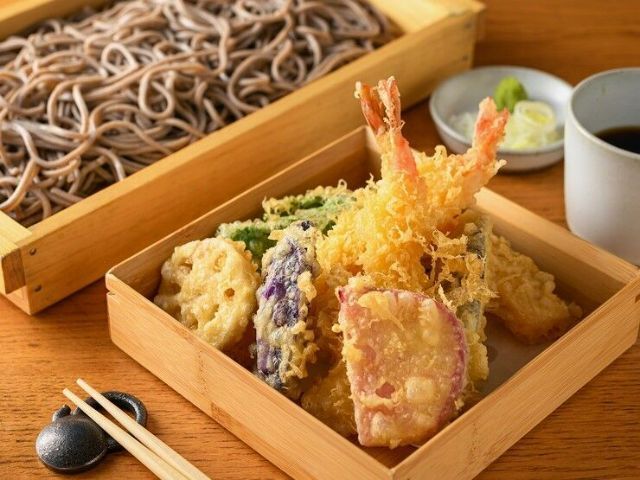
As I may have mentioned 20 or 30 times, I’ve been planning a trip to Japan and keep falling down Japan related rabbit holes. Like any sane person, I love Japanese cuisine, but as a vegetarian it’s sometimes difficult to find acceptable dishes. One of my guilty pleasures is tempura. While I rarely eat deep fried food these days, I’m willing to make an exception for tempura. But I was today years old when I learned that Japanese tempura was originally a Portuguese import.
Long a tradition staple of Japanese dining—fried vegetables or tempura (天ぷら)—was introduced by Portuguese traders who had a presence in Japan for about a century until being banished in 1639 for proselytizing, the ruling shogunate believing that Christianity was a threat to a stable society.

The recipe adapted from peixnhos da horta (little fish of the garden) for battered and fried green beans came to be known as tempura is etymologically tied to Christianity, being a Lenten substitute for a filling meal for those too poor to afford actual fish as a break from fasting, coming from the Latin tempora which indicated the time for abstaining.
Now you can impress your friends with a bit of Japanese/Portuguese trivia.


 Travel Between The Pages