Parallel Reality Travel Is Here

This week Delta launched a personalized flight monitor, its latest tool to make airport experiences smoother. The first deployment is at Detroit’s DTW airport in the McNamara Terminal. Most air travelers frequently consult the flight information display screens; many of us multiple times. With crowding around screens and an often overwhelming amount of information,  frustration can set in—as such, Delta teamed up with Misapplied Sciences for a novel system for tracking your personal flight information: Parallel Reality.
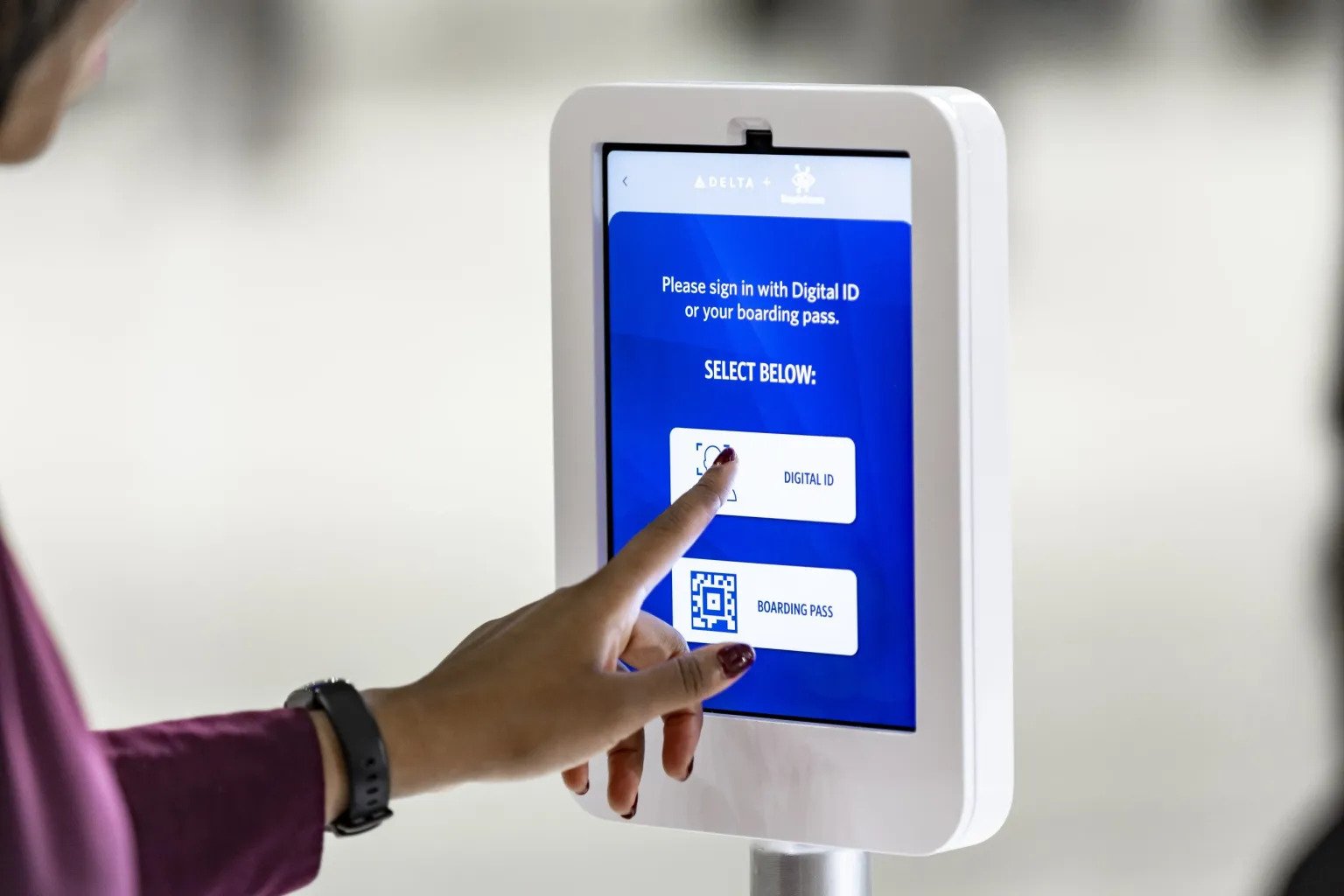
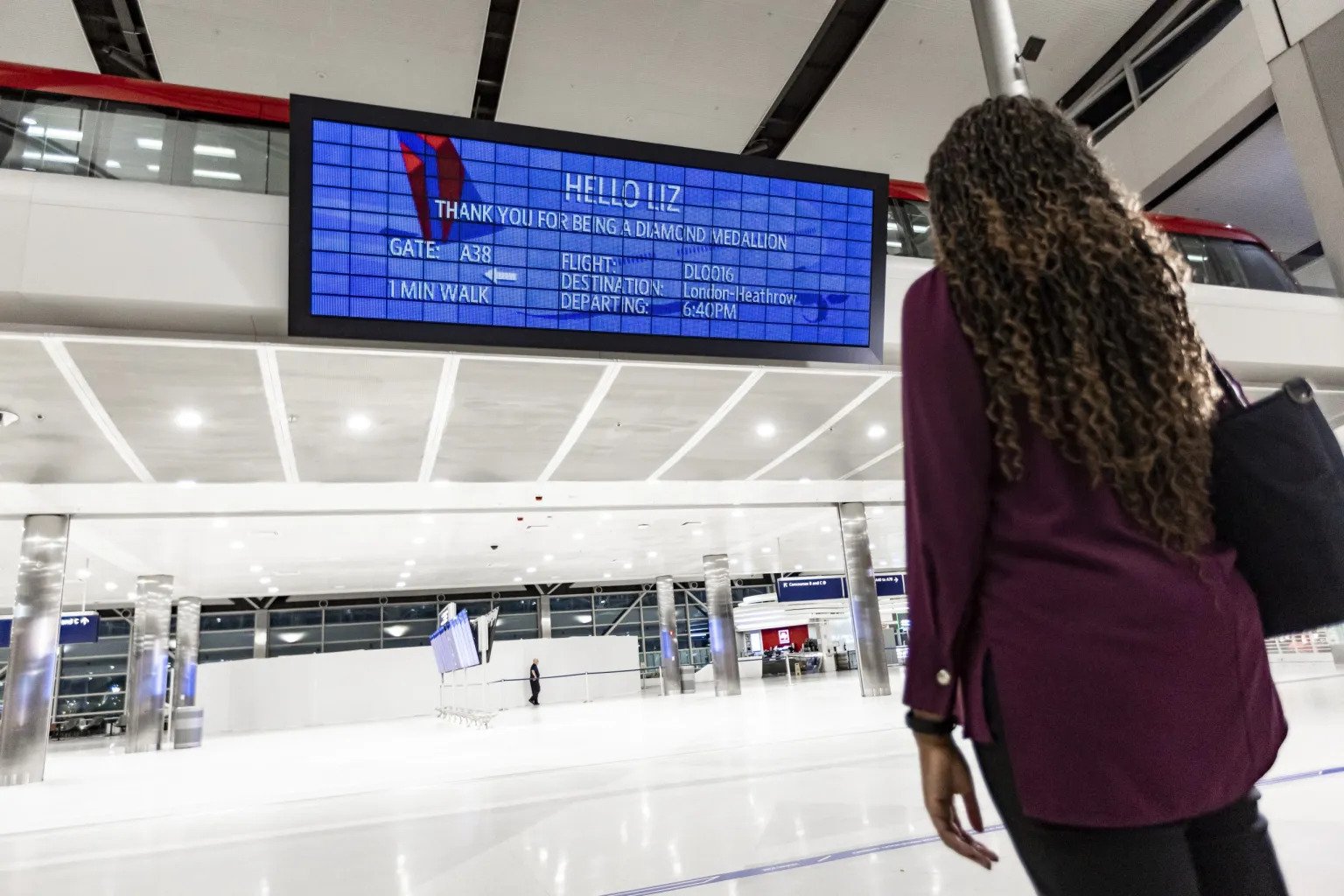
Parallel Reality uses a kiosk, billboard and facial recognition, or a scan of a printed or digital boarding pass to display an individual’s personal flight information. What’s kind of mindblowing is that the person standing beside you will only sees their own—yours is not visible to them. In fact, no one else can see your information. The special screens can show up to 100 passengers’ personalized information at a time.

Each LED pixel can simultaneously display millions of different light rays. Once you’ve signed in, a sensor tracks you and sends your unique light rays your way. The only way anyone else can see your personized data is if they place their face against yours.
Greg Forbes (Managing Director of Airport Experience at Delta) says the new displays solve an old design problem, “The challenge of the flight information display, which has been around for absolutely decades, is a problem—for example, if you think about multi-languages. We tried to find ways where if you scan your boarding pass, it’ll highlight your information for a moment, things like that. But I think we hit the design limits of that form and now this is the next stage…I think everyone has that moment of dread. Those times where one thinks, “Maybe I got it wrong or I didn’t catch a gate change or something like that. You look 100 times to check, right? If we can give that moment of reinsurance, all the better.”
Posted in Air Travel, Public Transport, Tech, Tourism, USA | Tagged , | Leave a comment

The Oldest House in NYC

Having spent quite a bit of my childhood in the New York City Borough of Brooklyn, I am more than a little chagrinned to admit that I never visited the oldest house in NYC which is located there. In fact, I passed by the location many times completely unaware. Of course, it’s easy to blame my family for never even pointing it out to me.

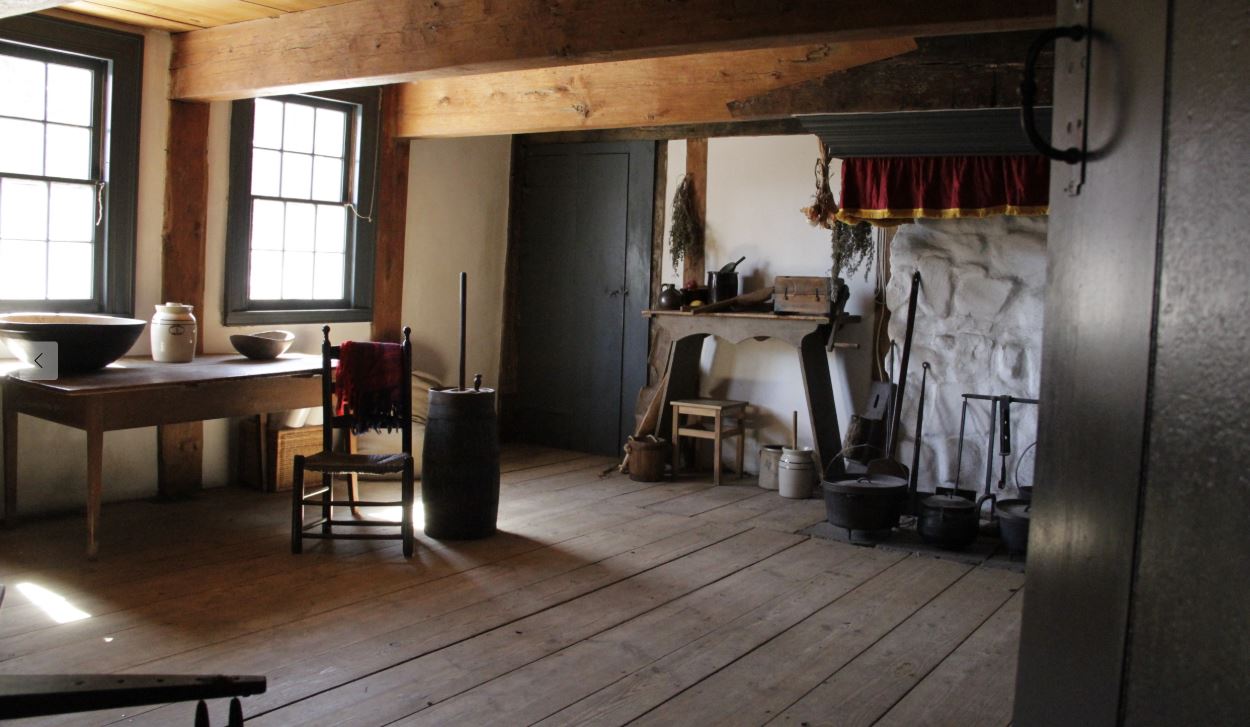
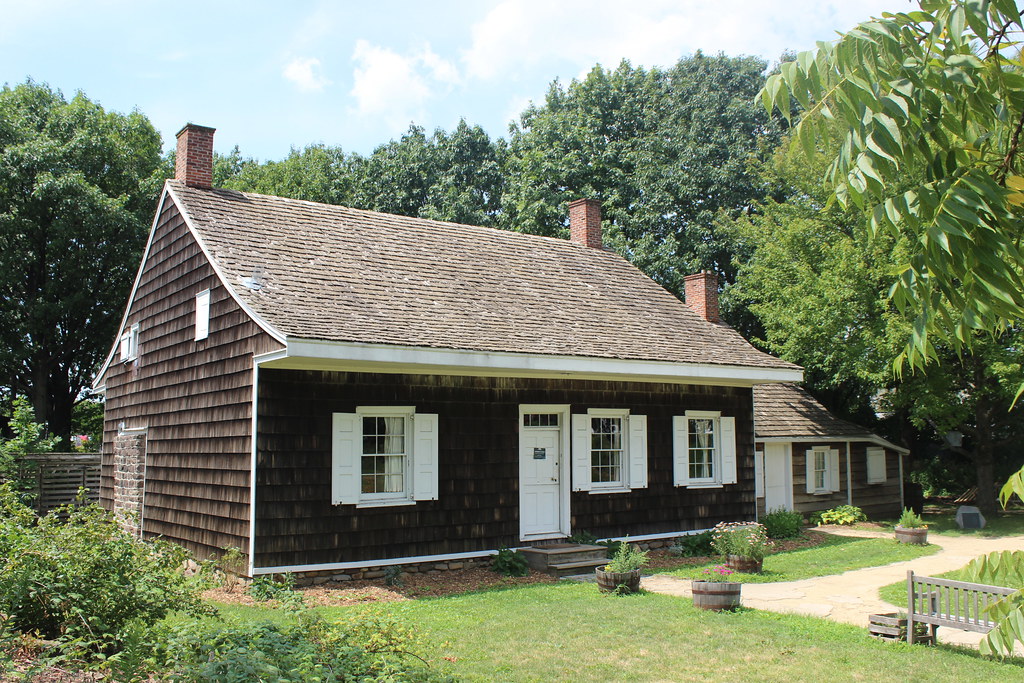
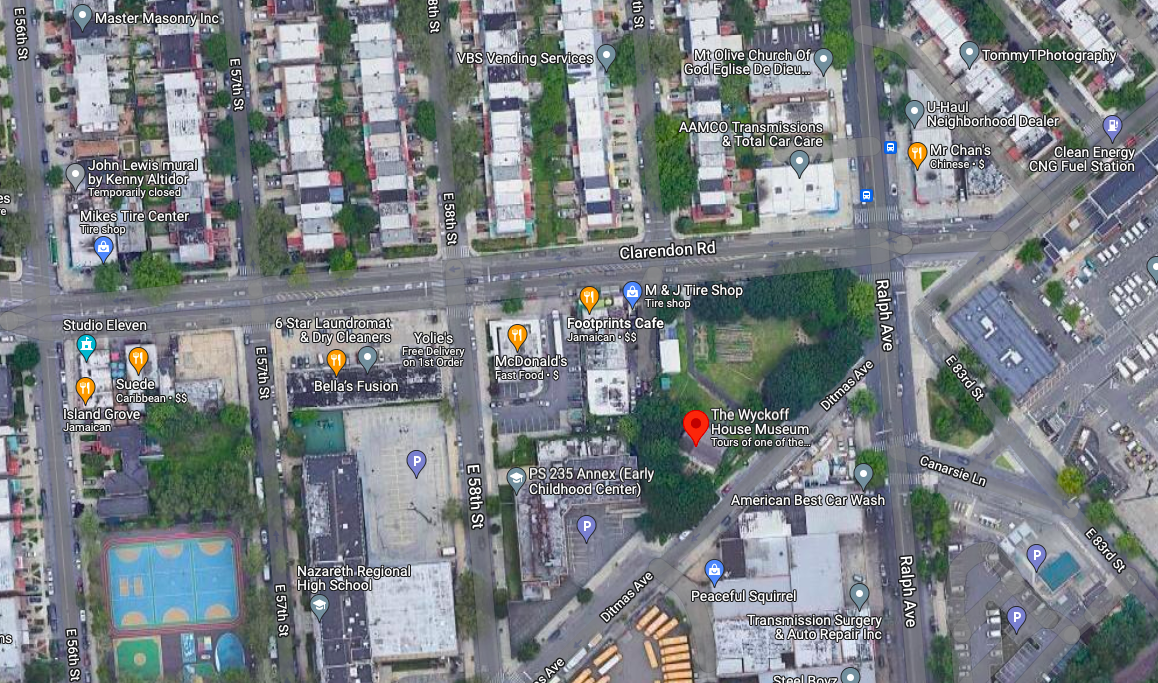
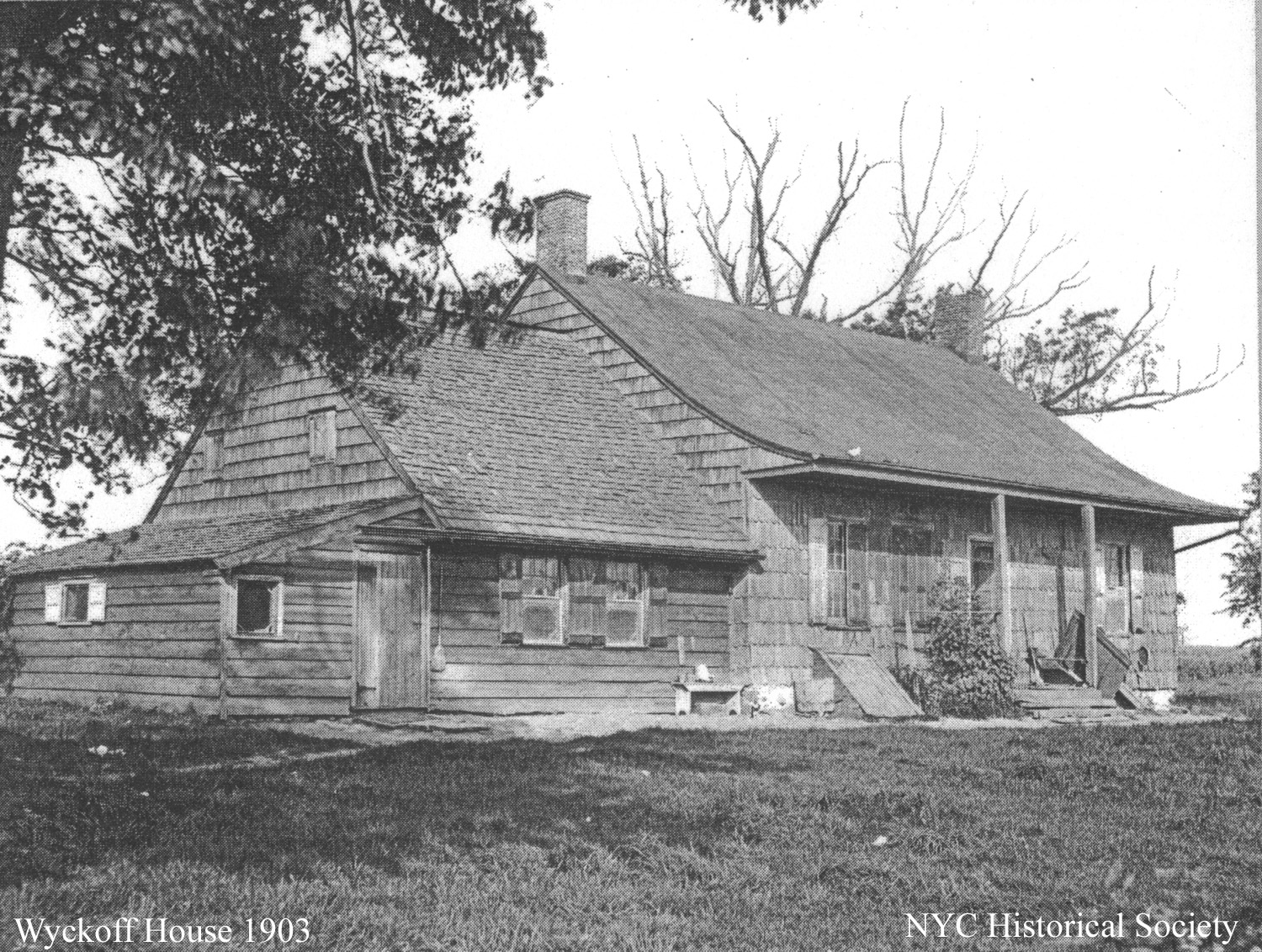
Now known as the Wyckoff House, the unassuming home was the first building in NYC to achieve historic landmark status. The house was built for the original occupants Pieter Claesen Wyckoff and his wife, Grietje Van Ness-Wyckoff in 1652. The home was a single room with a packed earth floor, unglazed windows, a large open hearth, and doors at either end. The video below, from the history series New Netherland Now offers a short historical perspective on the site.

It’s miraculous that the house survived the growth of urban Brooklyn. Thanks to descendants of Pieter and Grietje Wyckoff the home was saved from demolition in the early 20th century and donated  to the New York City Parks Department.


Posted in Architecture, Europe, Film, History, Museums, Tourism, USA | Tagged , , , | Leave a comment

Magical Europe

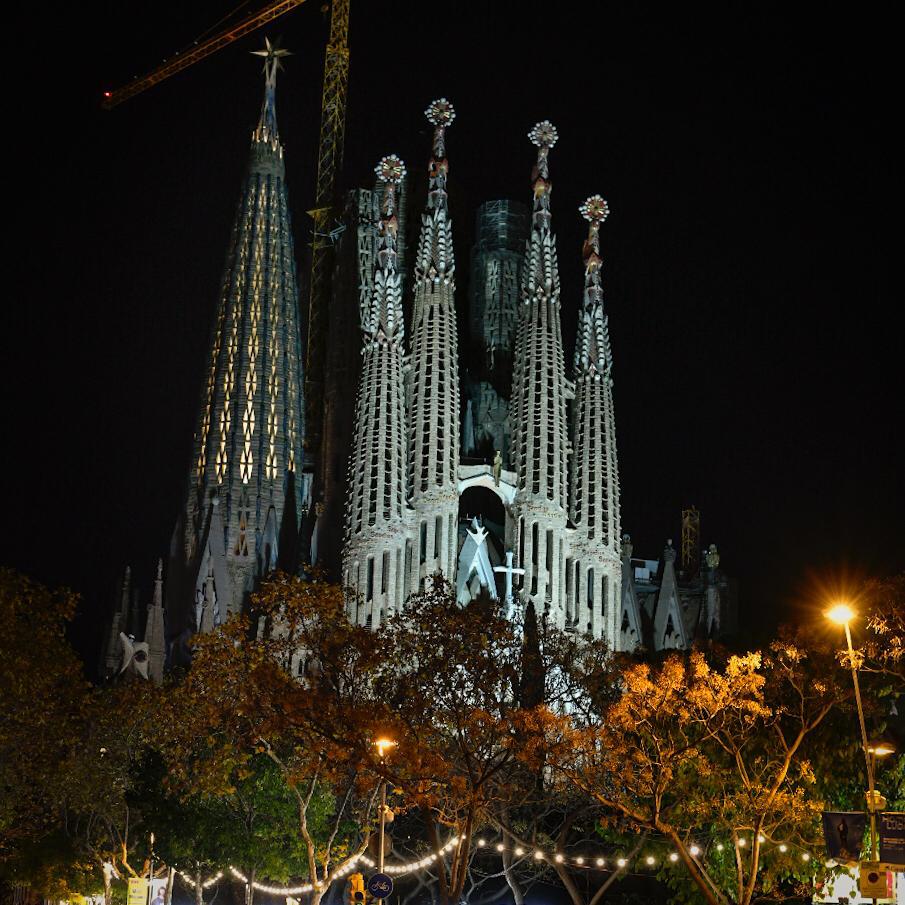
Magical Europe is a captivating timelapse video created by Stan Chang . He spent two years traveling around Europe with his wife and small son capturing a stunning array of sites. The compilation of timelapse videos that he created on his family’s sojourns on the continent is breathtaking. I was amazed by the number of places that I’ve visited over the last five decades, but equally motivated to see all of the sites that I missed.


Posted in Architecture, Europe, Film, Photography, Tourism | Tagged , , , , | 2 Comments

When did it become so strange

I was captivated by the charming video Nine Letters, which was written and directed by the Brazilian-Swiss filmmaker Cristina Müller. The poignant short film is built around a series of letters and cards ranging from the 1930s to the present day, each of them written by someone who, like Müller, is somewhere other than home. The letters are narrated in the writers’ original language, while  the  accompanying visuals offer meditative views of New York City passing through the seasons.


Posted in Art, Europe, Film, South America, USA, Writing | Tagged , , , , | Leave a comment

To be without choice

“Somebody said that we were less than human and not fit for freedom. Somebody said we were like children and could not be trusted to think for ourselves. Somebody owned our flesh, and decided if and when and with whom and how our bodies were to be used… Somebody’s saying that we must have babies whether we choose to or not. Doesn’t matter what we say, doesn’t matter how we feel. Meanwhile, those somebodies who claim they’re ‘pro-life’ aren’t moved to help the living… Oh, yes, we have known how painful it is to be without choice.” -1989, We Remember: African American Women Are for Reproductive Freedom brochure.

To Be Without Choice, 2019 by Tatyana Fazlalizadeh 

Posted in Art, USA, Writing | Tagged | Leave a comment

Library of Unwanted Manuscripts

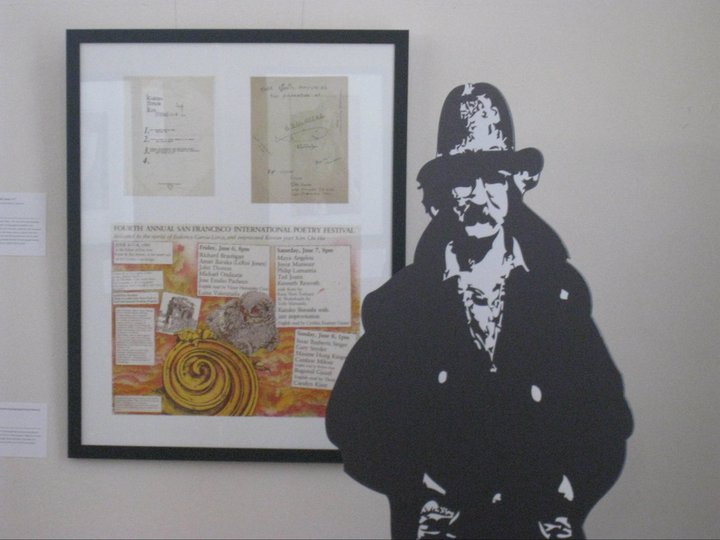
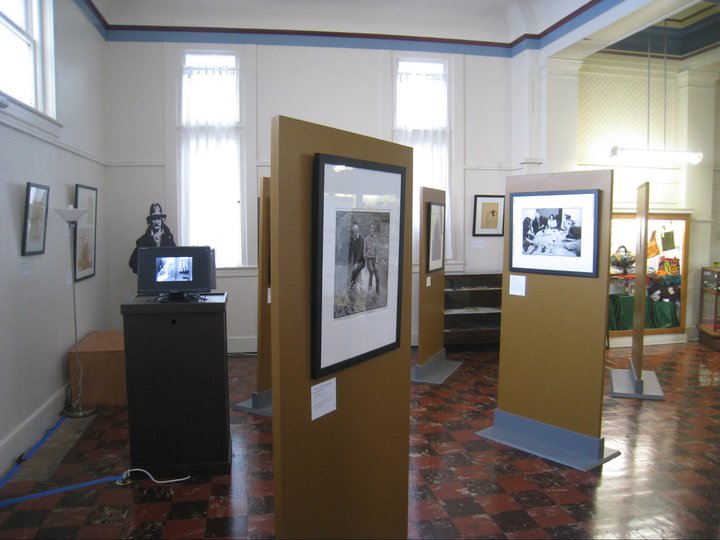
I’ve been an admirer of the writing of Richard Brautigan since I first read his books In Watermelon Sugar  and Trout Fishing in America when I was a teenager. I was recently reminded of the existence in Vancouver, Washington, of a library for “unwanted” manuscripts — manuscripts that no publisher wanted to publish called the Brautigan Library. Housed in a local library, it was inspired by Richard Brautigan’s 1971 novel The Abortion: An Historical Romance 1966, which describes a library for “the unwanted, the lyrical and haunted volumes of American writing.” Authors could place their manuscripts anywhere they liked on the library’s shelves, happy to have them preserved there though no readers could find them.

Inspired by this, in 1990 Todd Lockwood, of Burlington, Vermont, started The Brautigan Library, inviting submissions of unpublished manuscripts and encouraging visitors to read them. Lockwood’s library closed in 2005, but in 2010 its contents were taken from storage and moved to Vancouver, where John Barber, a faculty member at Washington State University, now curates it. It currently contains more than 300 manuscripts, and Barber now accepts electronic submissions. You can browse the catalog here.

The French writer David Foenkinos wrote a novel in which a librarian reads Brautigan’s book and decides to create Brautigan’s library as part of the municipal library that he manages in a little town in Brittany. It’s called Le mystère Henri Pick. In 2019, a French film based on the book was released. You can stream it here.

Posted in Books, Film, Libraries, USA, Writing | Tagged , , , | 1 Comment

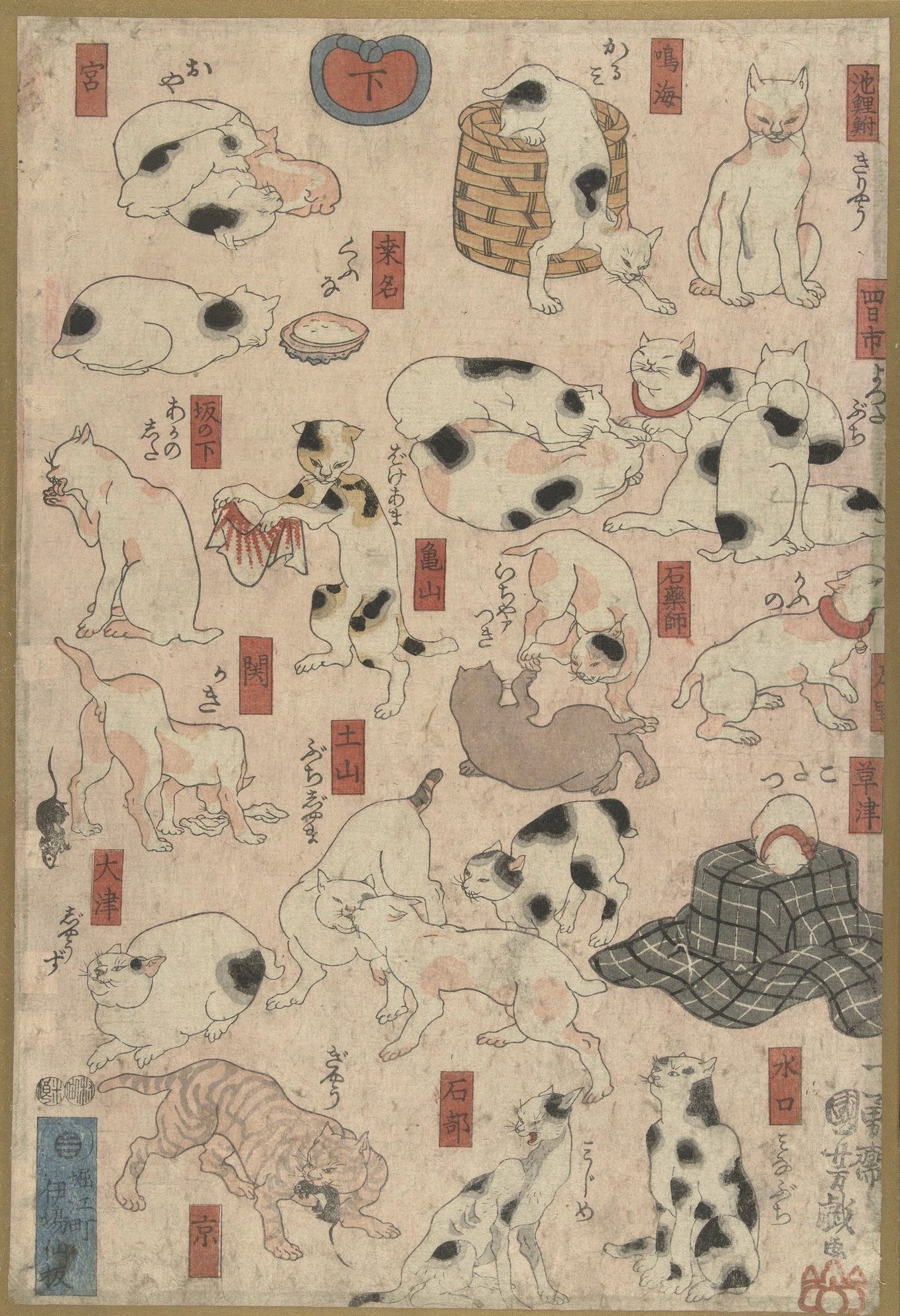
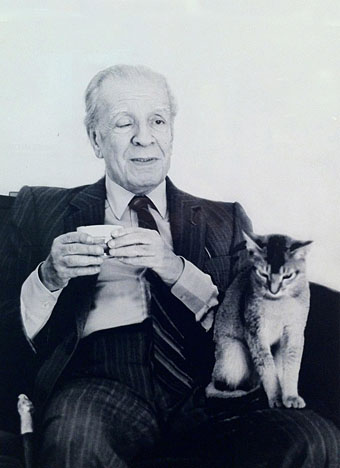
Another Caturday in Catopolis

To a cat

Mirrors are not more wrapt in silences
nor the arriving dawn more secretive;
you, in the moonlight, are that panther figure
which we can only spy at from a distance.
By the mysterious functioning of some
divine decree, we seek you out in vain;
remoter than the Ganges or the sunset,
yours is the solitude, yours is the secret.
Your back allows the tentative caress
my hand extends. And you have condescended
since that forever, now oblivion,
to take love from a flattering human hand.
You live in other time, lord of your realm —
a world as closed and separate as dream.

Jorge Luis Borges (translated by Alastair Reid, 1977)


Posted in Animation, Art, Books, Film | Tagged , | Leave a comment

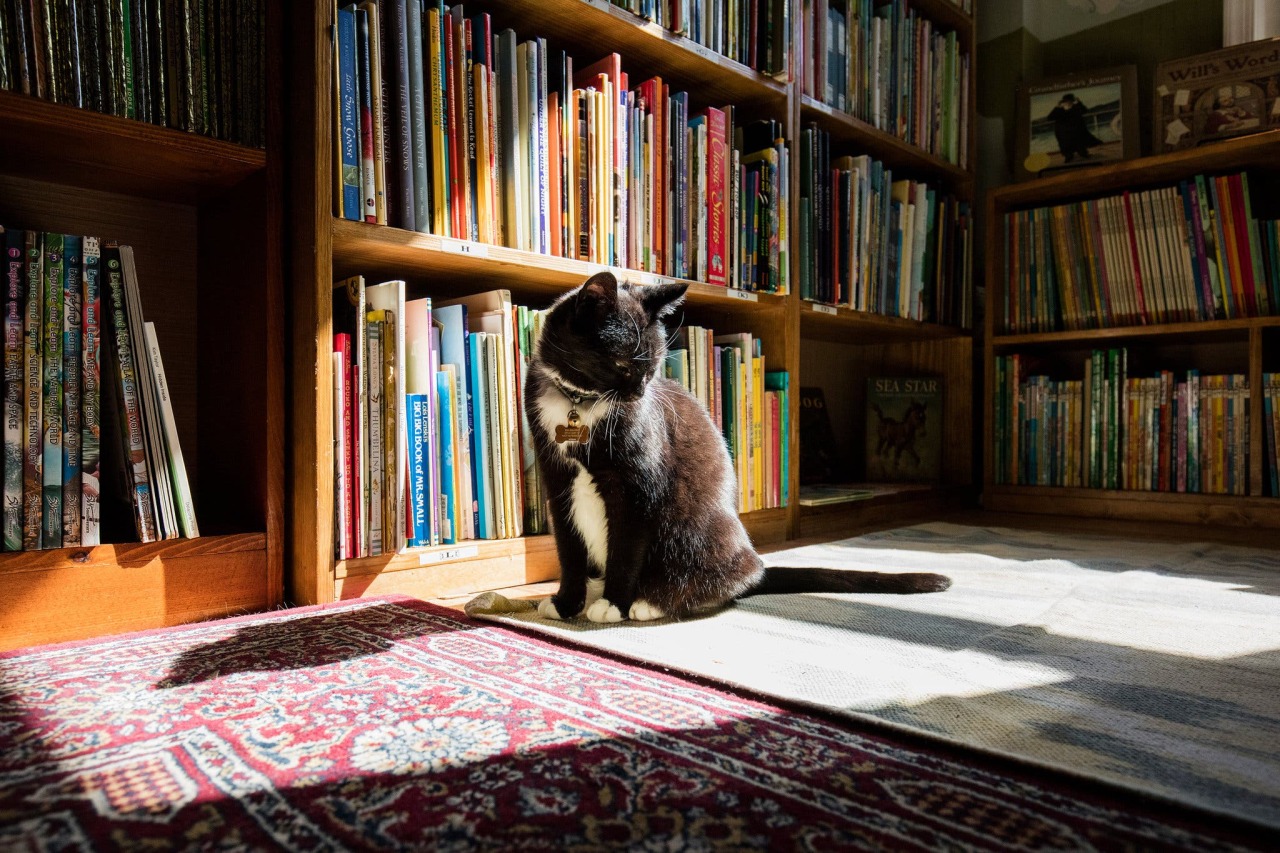
Another World Just Waiting At My Fingertips


Posted in Books, Libraries, USA, Writing | Tagged , | Leave a comment

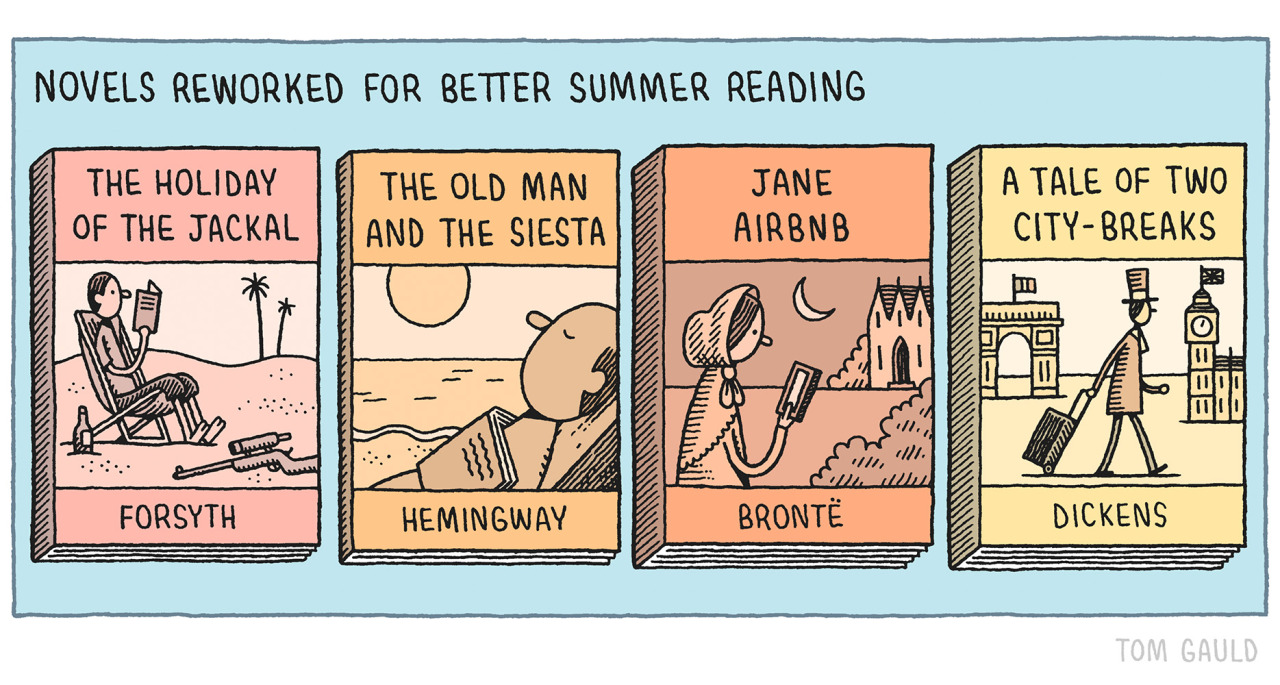
Summer Reading


Posted in Art, Books | Tagged , , , , | Leave a comment

Civilization Begins

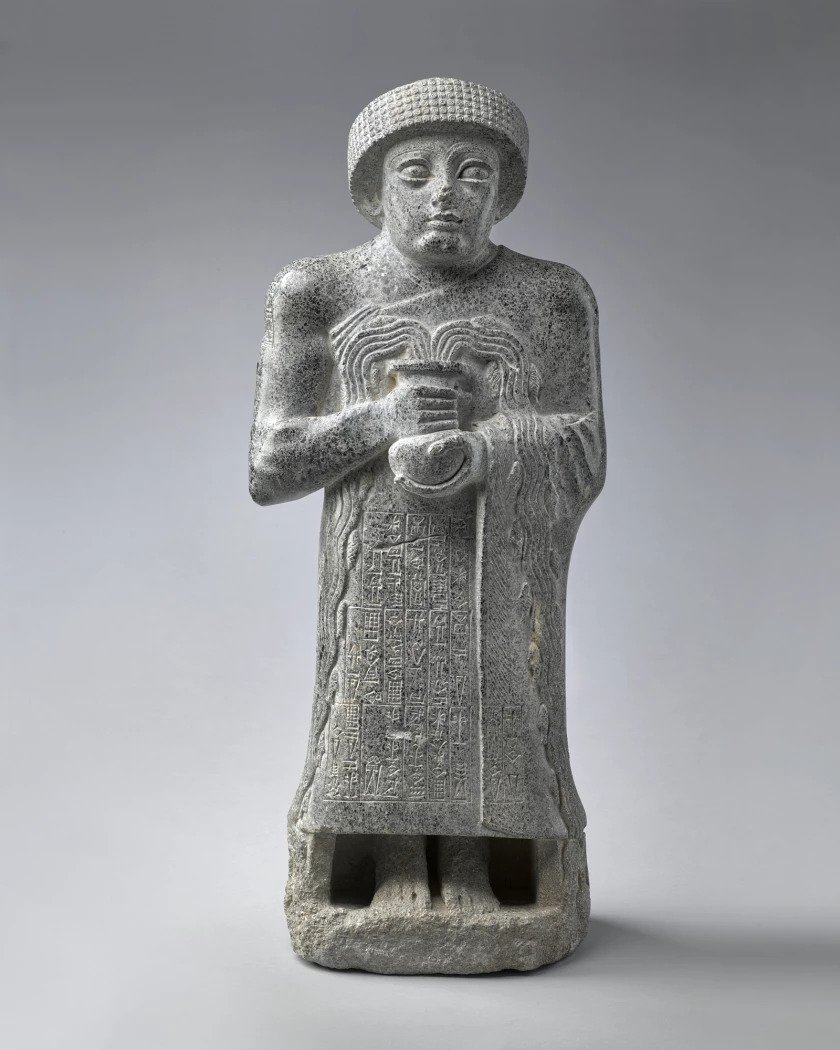
I recently stumbled upon a link to Mesopotamia Online which is an immersive exploration of Mesopotamian art objects. The exhibition Mesopotamia: Civilization Begins was on view in 2021 at the Getty Villa. It was organized by the Musée du Louvre, Paris, and the J. Paul Getty Museum.

The digital exhibition is an intriguing look at some of the most amazing ancient art produced along the Middle East’s famous Fertile Crescent between the Tigris and Euphrates rivers, centered in modern-day Iraq. The show goes back to the origins of urban civilization when Mesopotamia began to emerge in force around 3400 BC.

Posted in Architecture, Art, History, Middle East, Museums, USA | Tagged , , , | Leave a comment