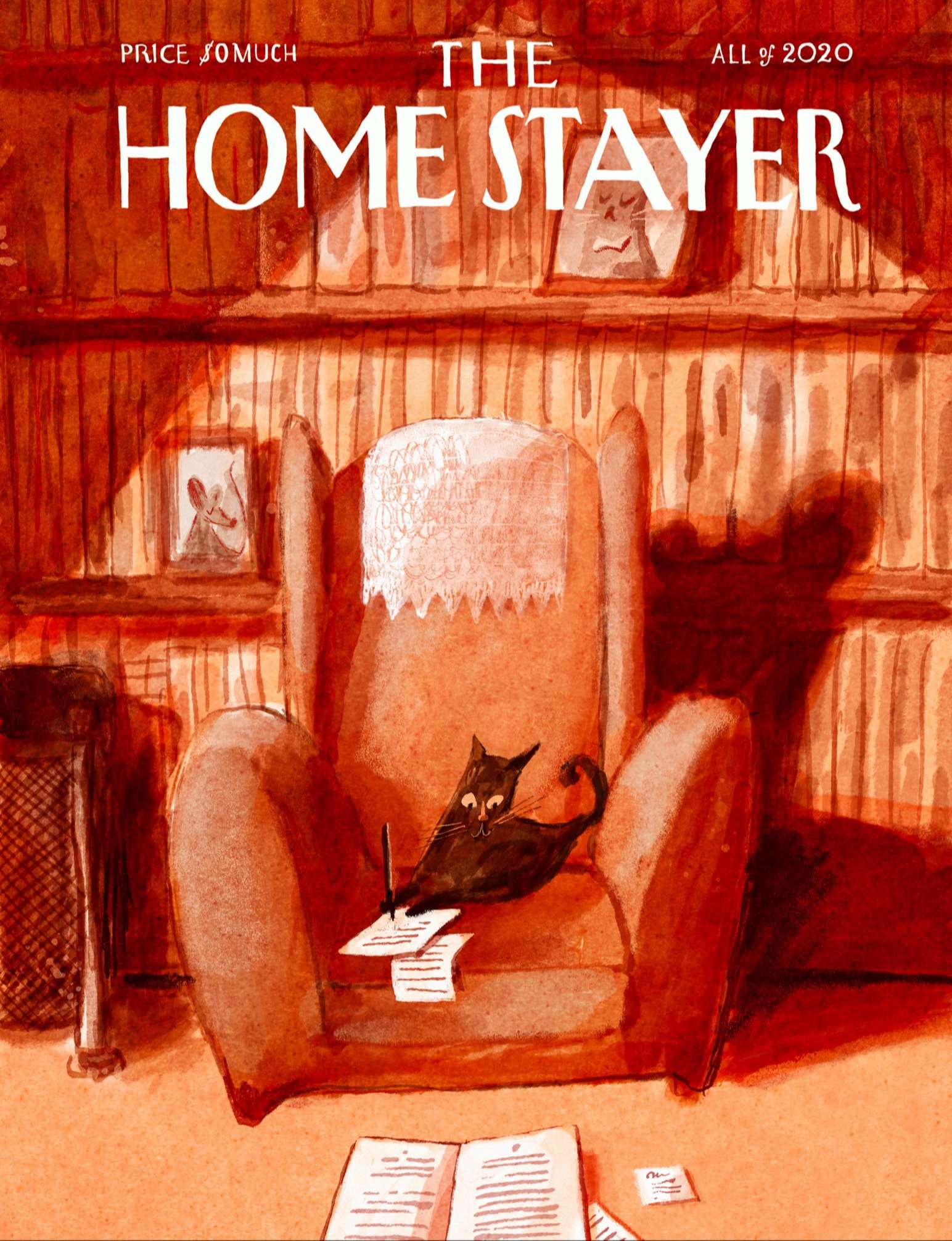
I really emjoyed this riff on New Yorker covers created by Tokyo-based artist and designer Luis Mendo. If you liked them as much as I do, check-out his other work and consider buying prints or postcards too.

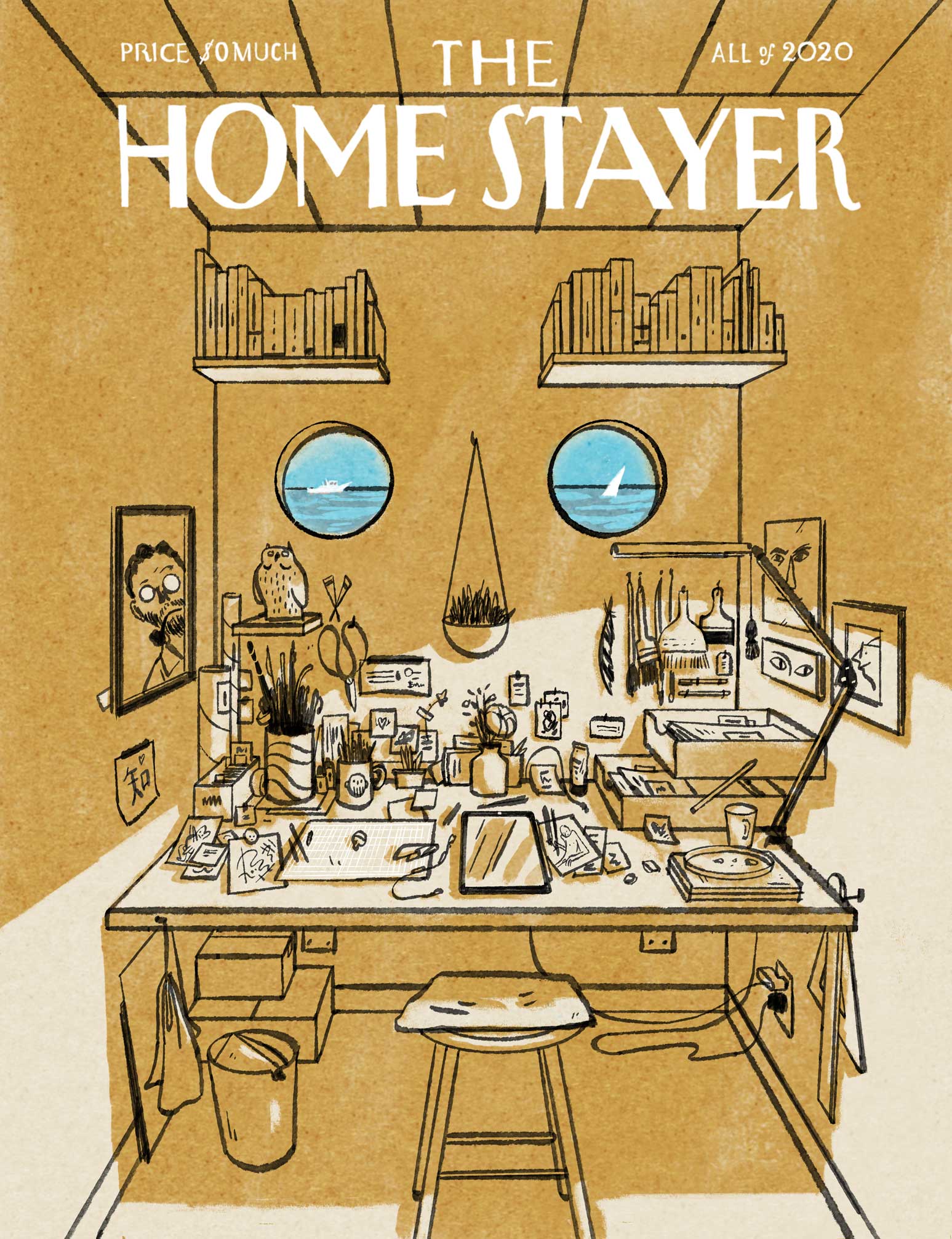
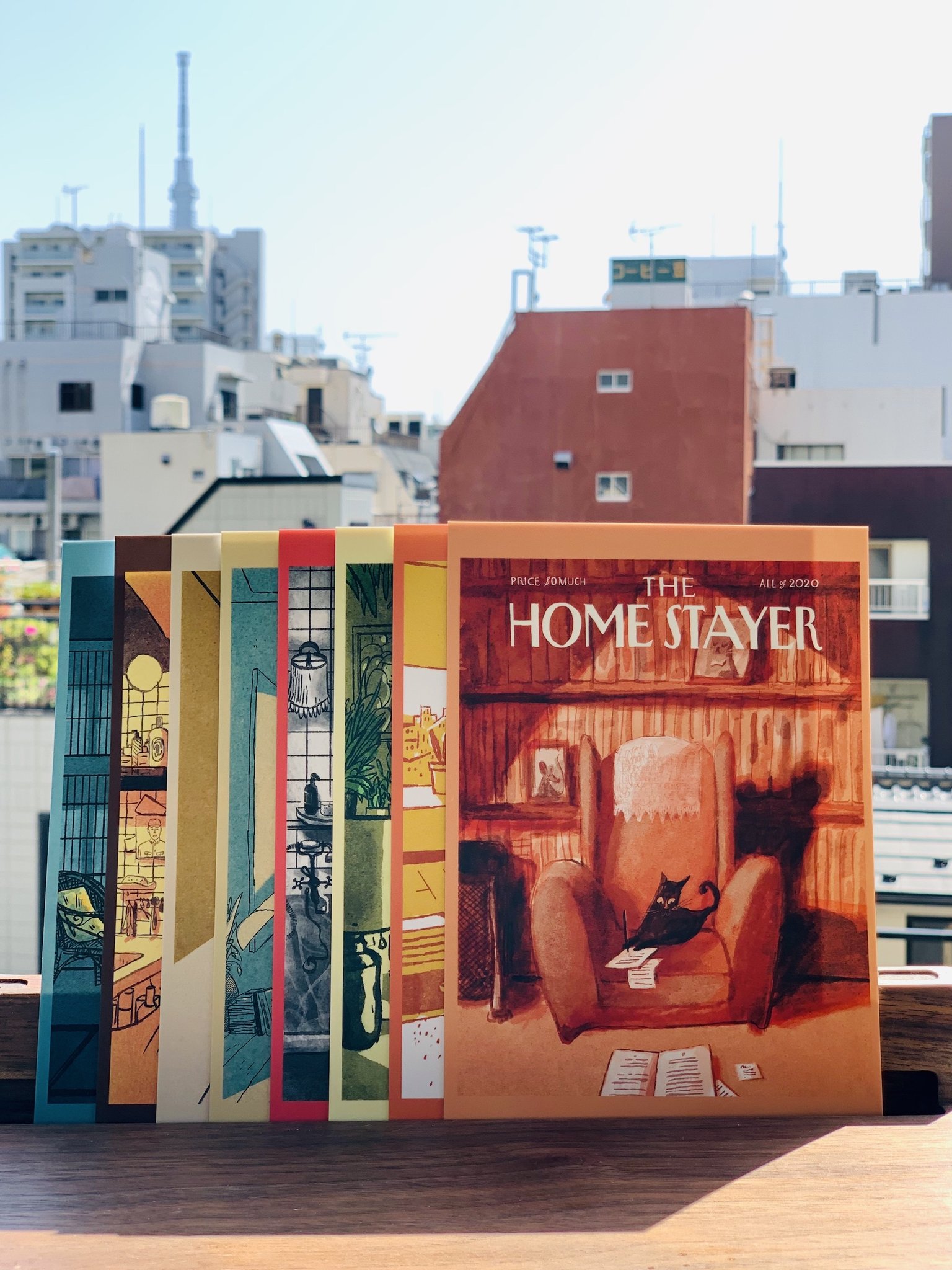
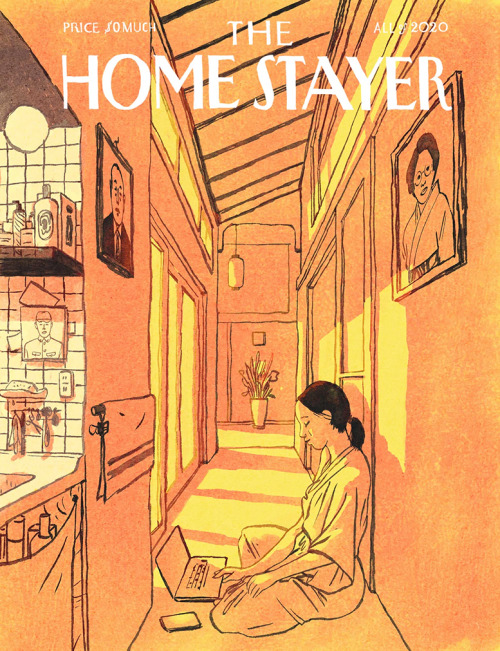
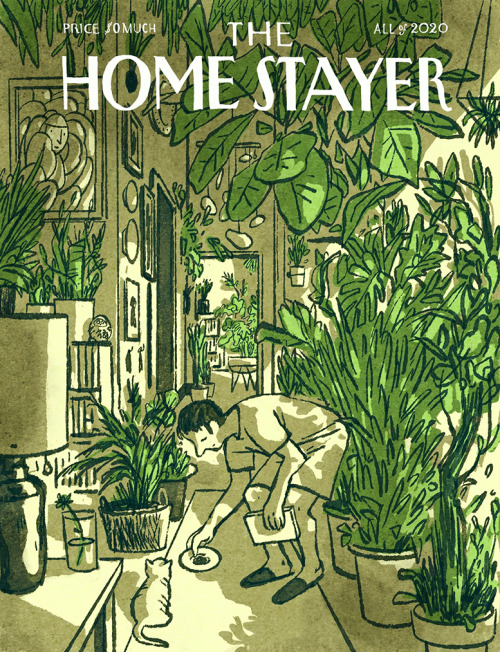
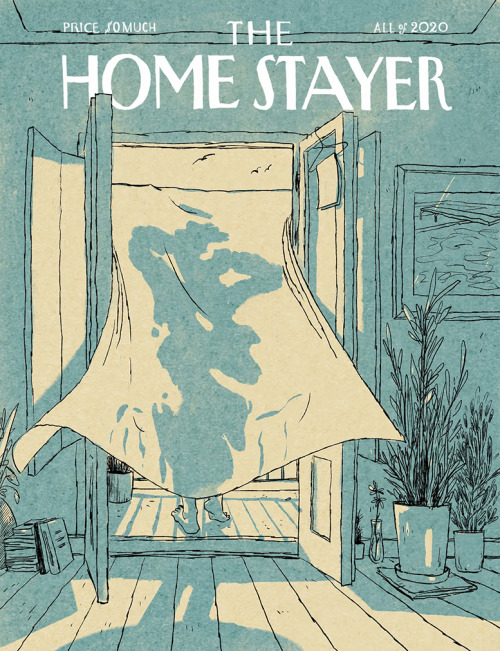
I really emjoyed this riff on New Yorker covers created by Tokyo-based artist and designer Luis Mendo. If you liked them as much as I do, check-out his other work and consider buying prints or postcards too.
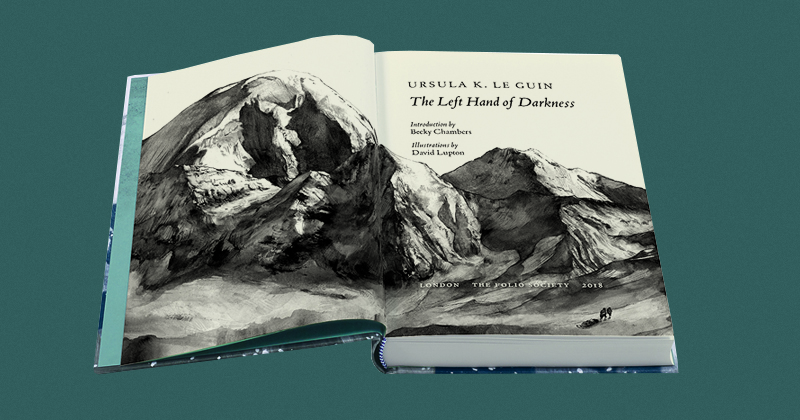
“(…) Hate Orgoreyn? No, how should I? How does one hate a country, or love one? Tibe talks about it; I lack the trick of it. I know people, I know towns, farms, hills and rivers and rocks, I know how the sun at sunset in autumn falls on the side of a certain plowland in the hills; but what is the sense of giving a boundary to all that, of giving it a name and ceasing to love where the name ceases to apply? What is love of one’s country; is it hate of one’s uncountry? Then it’s not a good thing. Is it simply self-love? That’s a good thing, but one mustn’t make a virtue of it, or a profession. … Insofar as I love life, I love the hills of the Domain of Estre, but that sort of love does not have a boundary-line of hate. And beyond that, I am ignorant, I hope.”
— Ursula K. Le Guin, The Left Hand of Darkness (1969)
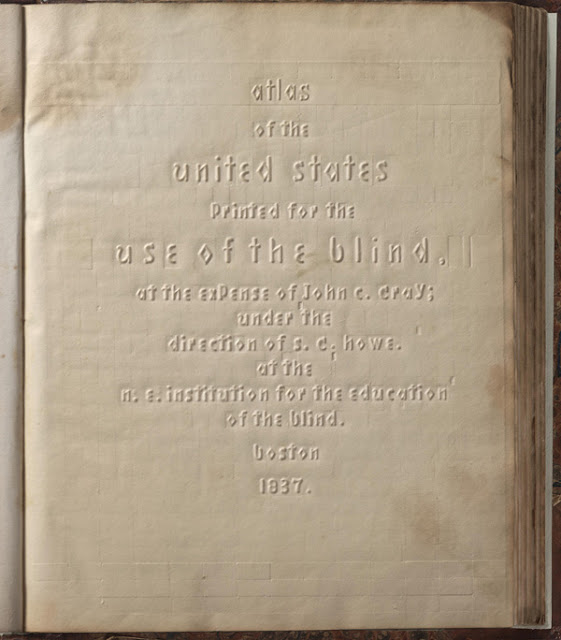
The Atlas of the United States Printed for the Use of the Blind was published in 1837 for children at the New England Institute for the Education of the Blind in Boston. The entire volume was printed without ink, the text and maps in this special atlas were created with heavy paper embossed with letters, lines, and symbols. It’s likely that this is the first atlas produced for the blind to read without the assistance of a sighted person. Braille had been invented by 1825, but was not widely used until much later. It represented letters well, but could not represent shapes and cartographic features.
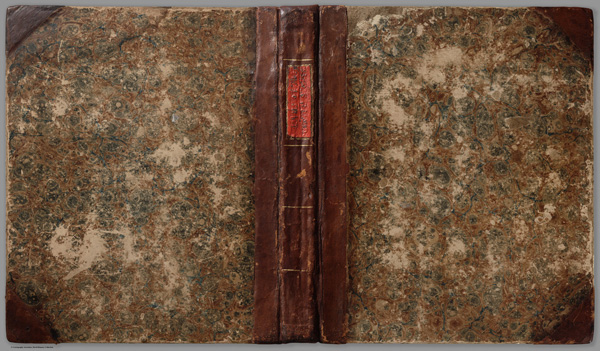
The covers of the atlas. Even the title label on the spine is raised and embossed, saying “Atlas of The United States.”
Samuel Gridley Howe was the founder and president of the New England Institute and produced the atlas with the assistance of John C. Cray and Samuel P. Ruggles. Howe was an early advocate for people with disabilities and believed that blind children could be taught geography through maps created with his special paper embossing process. In his introduction to the atlas, Howe notes that crude attempts had been made to create maps for the blind, but they used primitive methods of creating relief and required the assistance of a sighted person. He claimed that his new embossing method was superior in all respects.
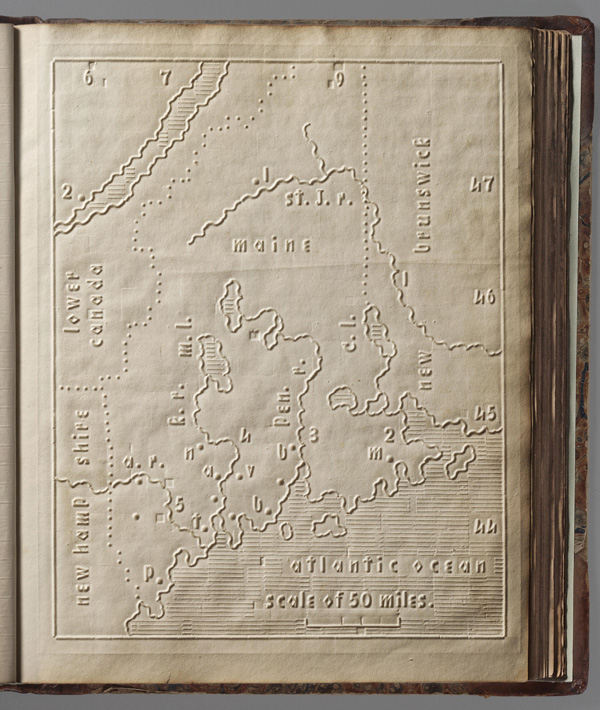
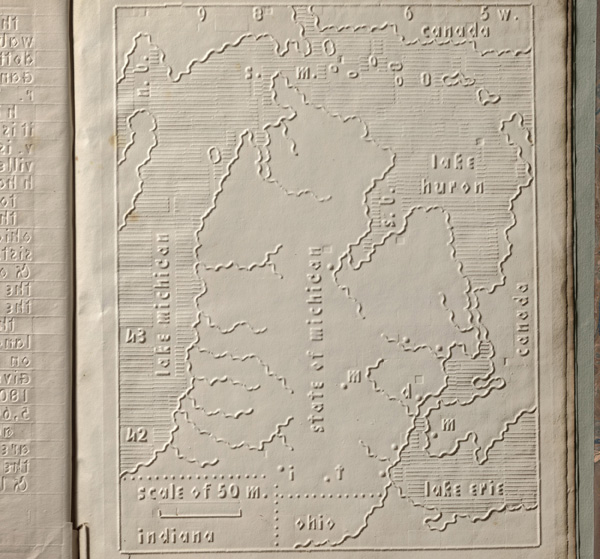
Only five copies of the book are known to have survived. The atlas includes 24 state maps and 1 of Washington D.C., with a page of text describing each state and the symbols used on the maps.
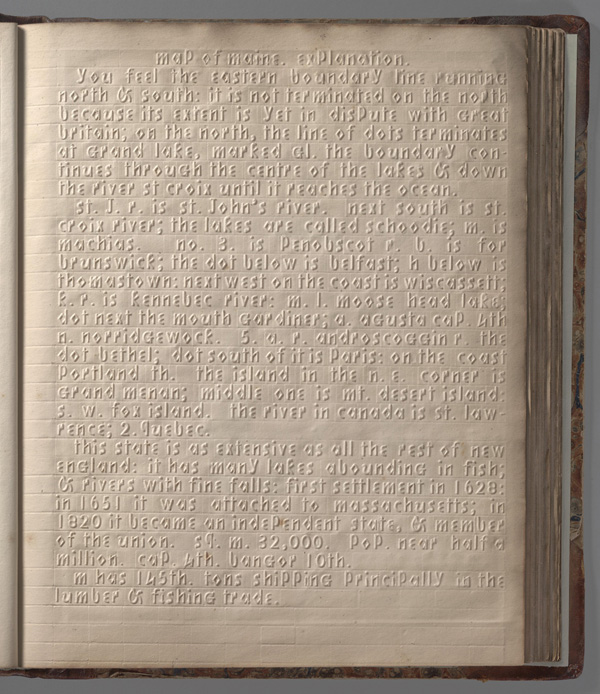 You can view the entire atlas at davidrumsey.comYou can view the entire atlas at davidrumsey.com..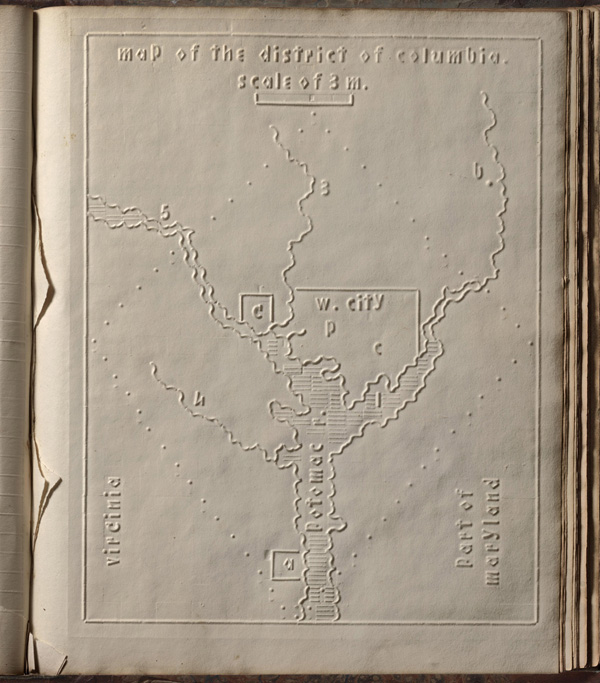
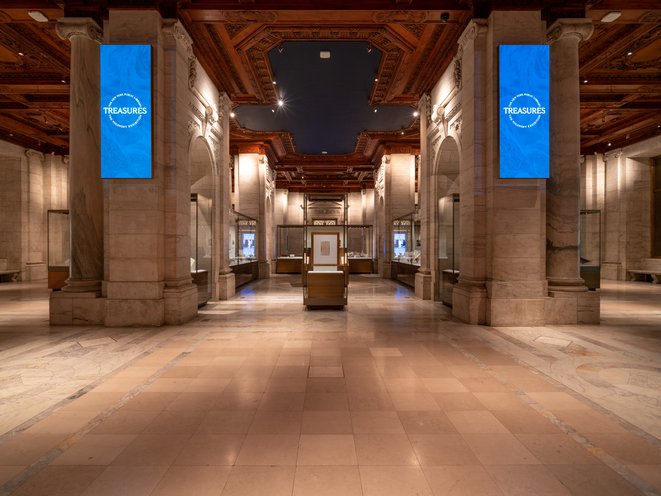
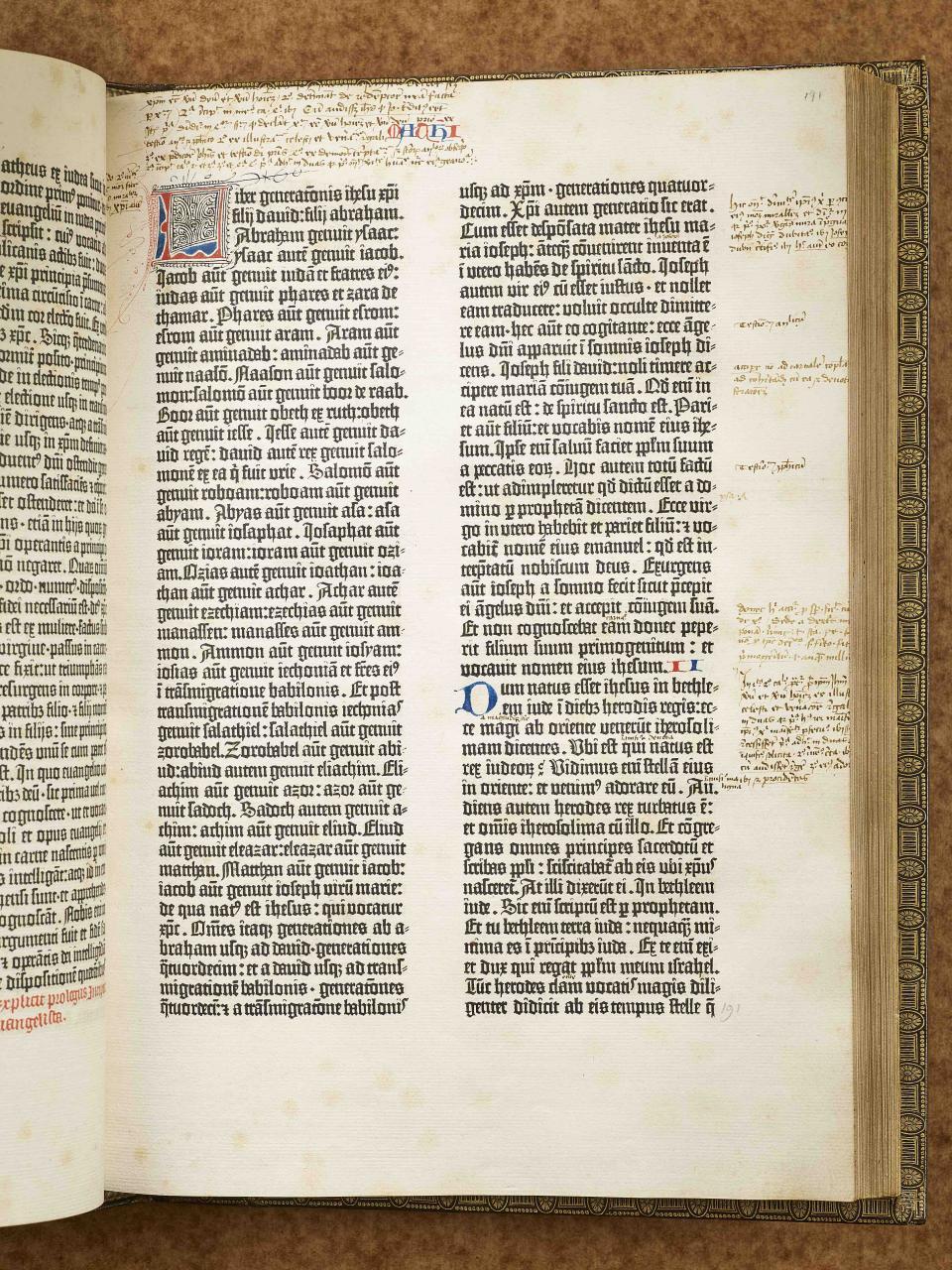
One month from today, the New York Public Library will be launching its first ever permanent exhibition. Treasures will offer rotating highlights from the NYPL’s collection of 56 million items spanning 4,000 years of history.
For more than 125 years, The New York Public Library has collected, preserved, and made accessible the world’s knowledge. Now, for the first time, the Polonsky Exhibition of The New York Public Library’s Treasures showcases some of the most extraordinary items from the 56 million in our collections, inspiring and empowering visitors to discover, learn, and create new knowledge—today and in the years ahead.

Located at the iconic 5th Avenue main library Schwarzman Building, the NYPL’s Treasures Exhibition, opening on September 24, will offer a permanent, in-person, and free look at the Library’s treasures, featuring over 250 items. Exhibits will rotate over time and the ongoing show will aim to “spark further thought, curiosity, investigation, and research.”

Visitors will be able to view items such as Charles Dickens’ cat’s paw letter opener, an original copy of the Bill of Rights; manuscripts of classic works by Virginia Woolf, Maya Angelou, Malcolm X; the original dolls owned by the real-life Christopher Robin that inspired the Winnie The Pooh stories; Thomas Jefferson’s copy of the Declaration of Independence; and many of old photos, historical documents, and artwork.
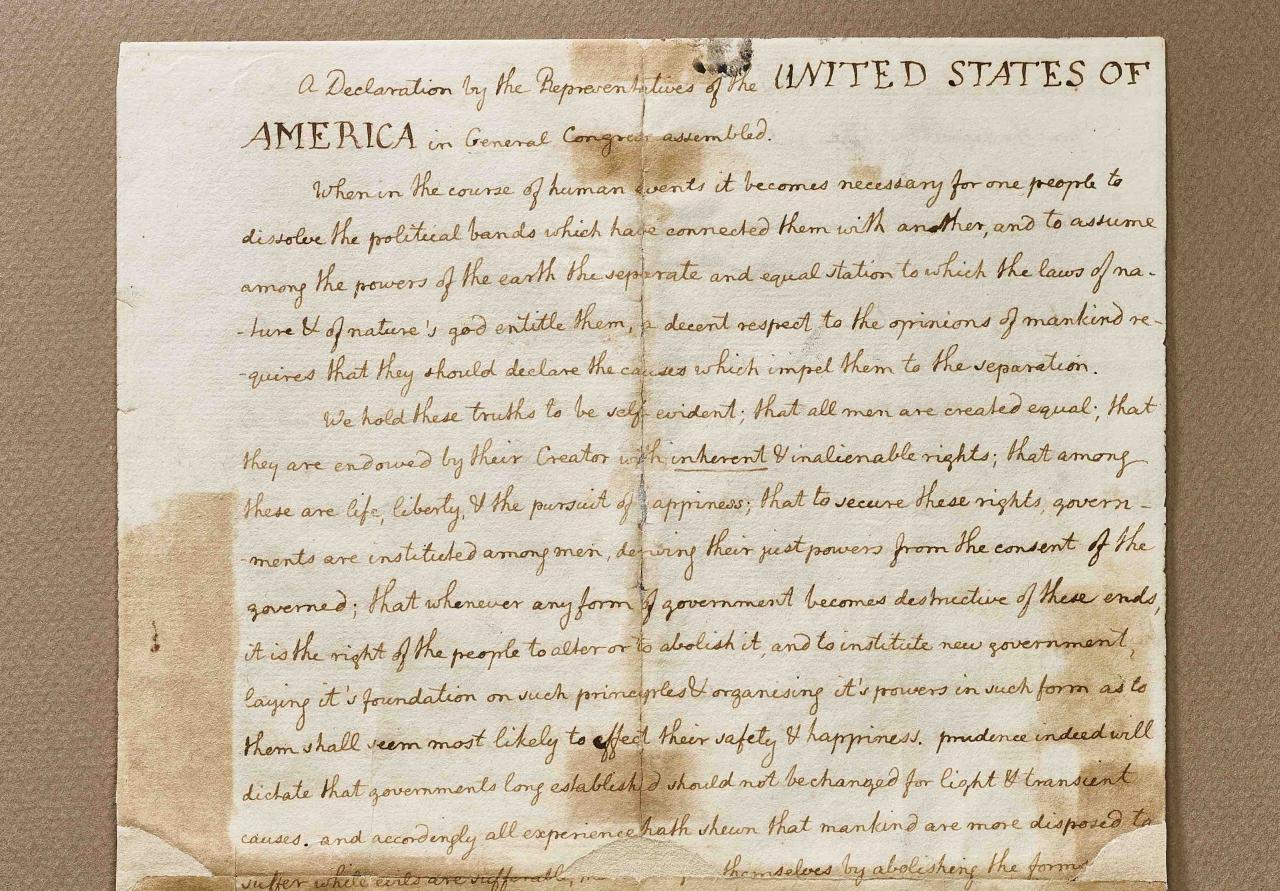

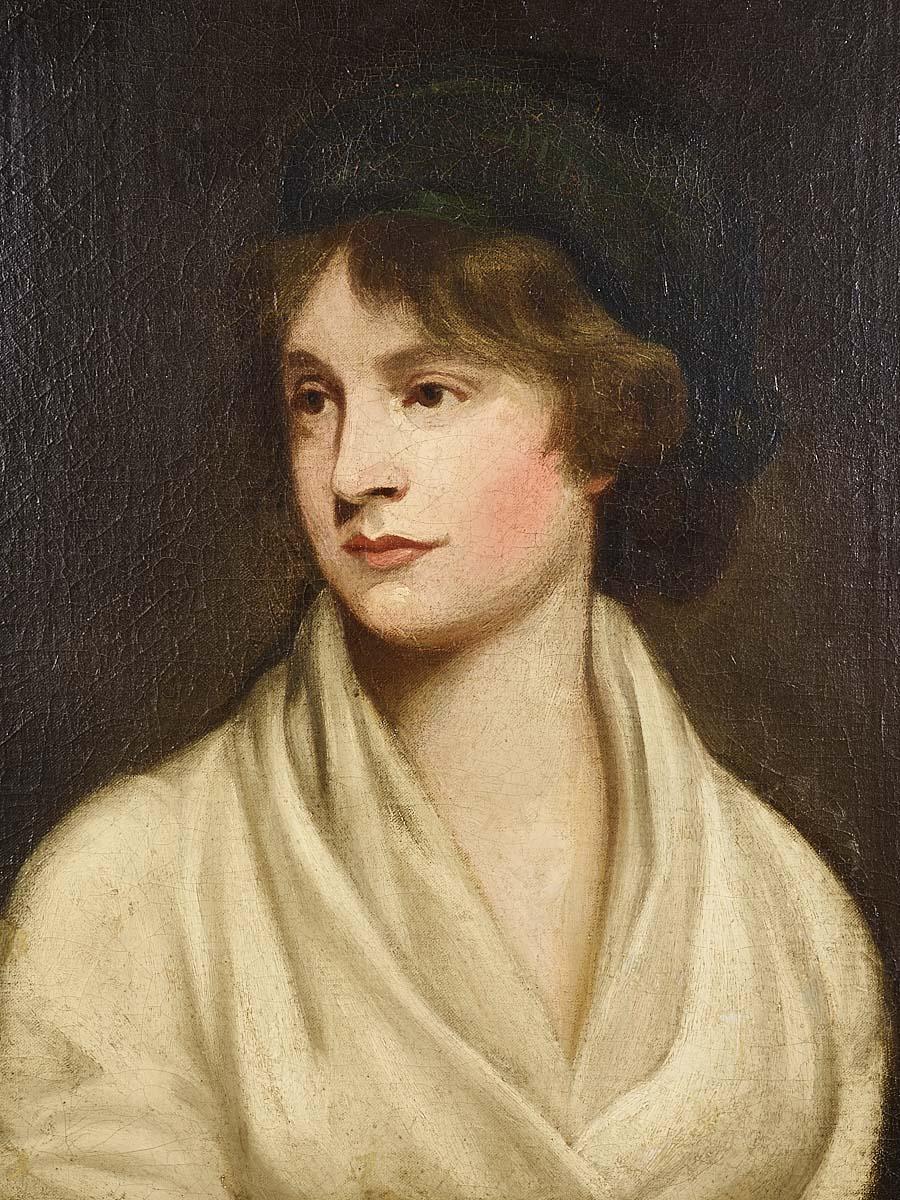
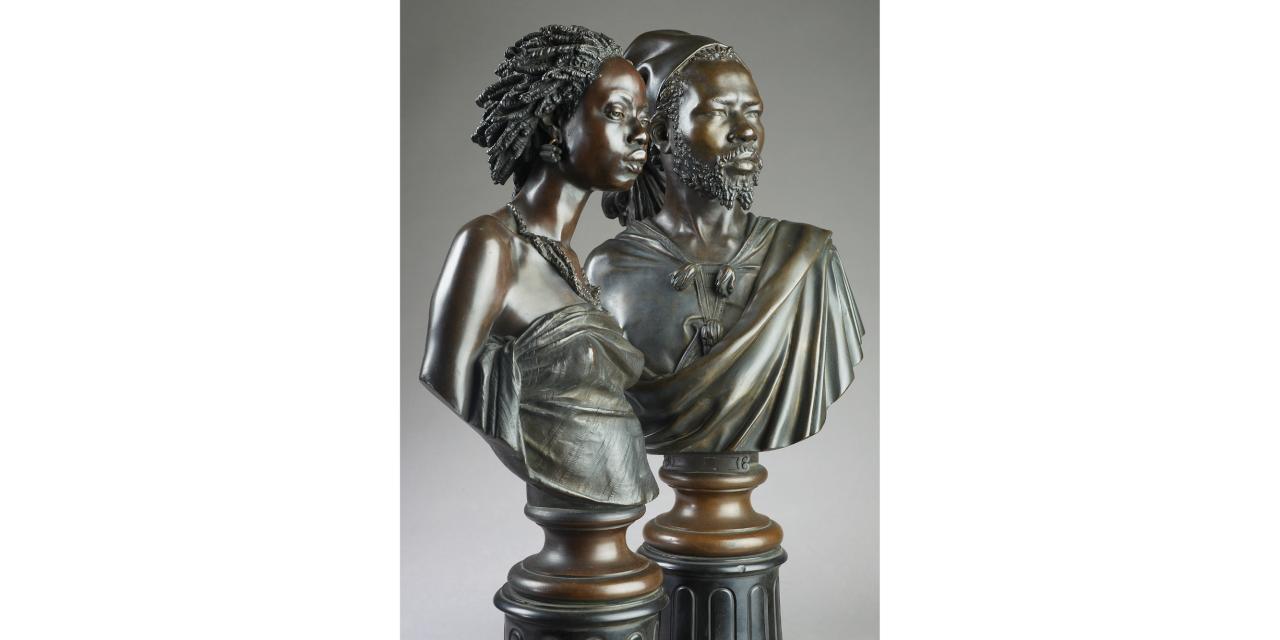


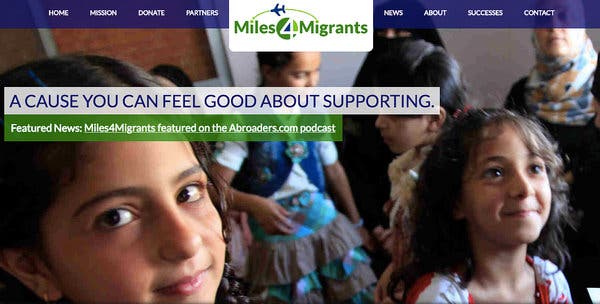
This week has left many of us wondering how we can help folks caught up in the many current crises around the world. The wonderful organization Miles4Migrants, a non-profit founded back in 2016, has been using donated frequent flyer miles to provide people impacted by war, violence, persecution and disaster with the opportunity to migrate safely. The group works with individuals and families who are legally allowed to travel, but can’t afford airfares. Miles4Migrants relies on public donations and also collaborates with other non-profits to make these difficult journeys a little easier. This past week the organization received 52 million frequent flyer miles and credit card points, $15,000 in travel vouchers and $100,000 in cash donations. If you’d like to donate and want to find out more about the project visit Miles4Migrants right here.


The recent United Nation’s report on climate change should be a wake-up call to humanity. But we have been warned about these challenges for decades and have done little about them. Way back in 1988, the great writer Kurt Vonnegut wrote a letter to the people of 2088 addressing these self-same issues. In the video below, everybody’s favorite Sherlock Holmes reads Vonnegut’s missive to the future to a contemporary audience.
It’s a straightforward message:
1. Reduce and stabilize your population.
2. Stop poisoning the air, the water, and the topsoil.
3. Stop preparing for war and start dealing with your real problems.
4. Teach your kids, and yourselves, too, while you’re at it, how to inhabit a small planet without helping to kill it.
5. Stop thinking science can fix anything if you give it a trillion dollars.
6. Stop thinking your grandchildren will be OK no matter how wasteful or destructive you may be, since they can go to a nice new planet on a spaceship. That is really mean, and stupid.
7. And so on. Or else.
NB: If the video does not appear on your version of TBTP, please click on the short url at the bottom of your email.

I love these chalkboards from the folks at Barnes & Noble bookstores and the nook e-reader.


 Travel Between The Pages