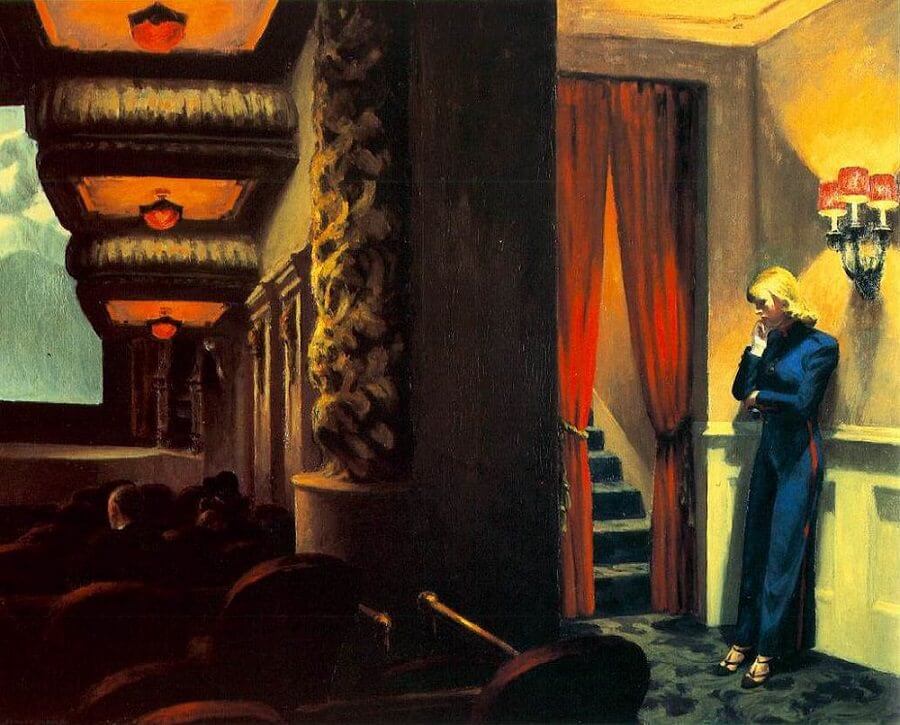
We can have our pick of seats…

“Edward Hopper’s New York Movie

by

Joseph Stanton


We can have our pick of seats.
Though the movie’s already moving,
the theater’s almost an empty shell.
All we can see on our side
of the room is one man and one woman—
as neat, respectable, and distinct
as the empty chairs that come
between them. But distinctions do not surprise,
fresh as we are from sullen street and subway
where lonelinesses crowded
about us like unquiet memories
that may have loved us once or known our love.
Here we are an accidental
fellowship, sheltering from the city’s
obscure bereavements to face a screened,
imaginary living,
as if it were a destination
we were moving toward. Leaning to our right
and suspended before us
is a bored, smartly uniformed usherette.
Staring beyond her lighted corner, she finds
a reverie that moves through
and beyond the shine of the silver screening.
But we can see what she will never see—
that she’s the star of Hopper’s scene.
For the artist she’s a play of light,
and a play of light is all about her.
Whether the future she is
dreaming is the future she will have
we have no way of knowing. Whatever
it will prove to be
it has already been. The usherette
Hopper saw might now be seventy,
hunched before a Hitachi
in an old home or a home for the old.
She might be dreaming now a New York movie,
Fred Astaire dancing and kissing
Ginger Rogers, who high kicks across New York
City skylines, raising possibilities
that time has served to lower.
We are watching the usherette, and the subtle
shadows her boredom makes across her not-quite-
impassive face beneath
the three red-shaded lamps and beside
the stairs that lead, somehow, to dark streets
that go on and on and on.
But we are no safer here than she.
Despite the semblance of luxury—
gilt edges, red plush,
and patterned carpet—this is no palace,
and we do not reign here, except in dreams.
This picture tells us much
about various textures of lighted air,
but at the center Hopper has placed
a slab of darkness and an empty chair.
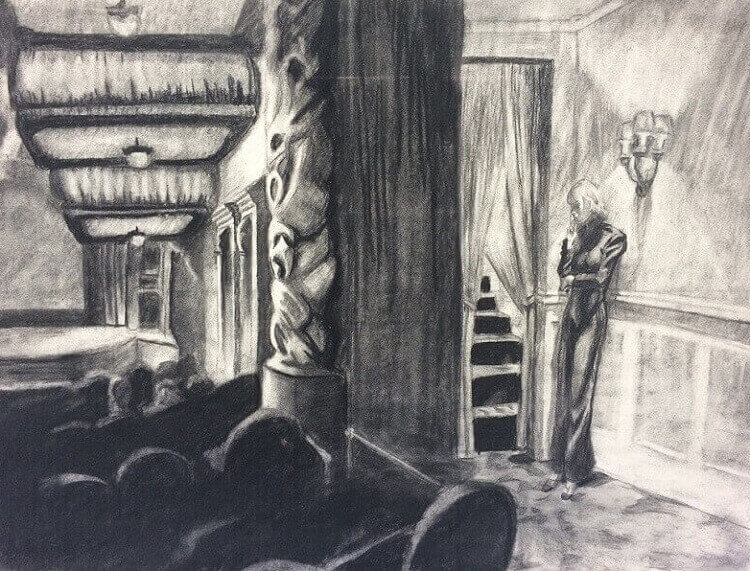
Study for Hopper’s 1939 painting. The woman posing under the light fixture was Hopper’s wife Jo.

 

Posted in Art, movies, USA, Writing | Tagged , , , | 1 Comment

August Antidote

Just when the dog days of summer were settling in I stumbled upon the refreshing little tilt-shift video below. Filmed by Jorg Daiber for his marvelous Little Big World series, this slice of alpine heaven focuses on the very popular Austrian tourist town of Hallstatt.

NB: if you receive your TBTP posts via an email server, it may be necessary to click on the short url to view this video.
 

Posted in Europe, Film, Tourism | Tagged , , | 2 Comments

Songs of Experience

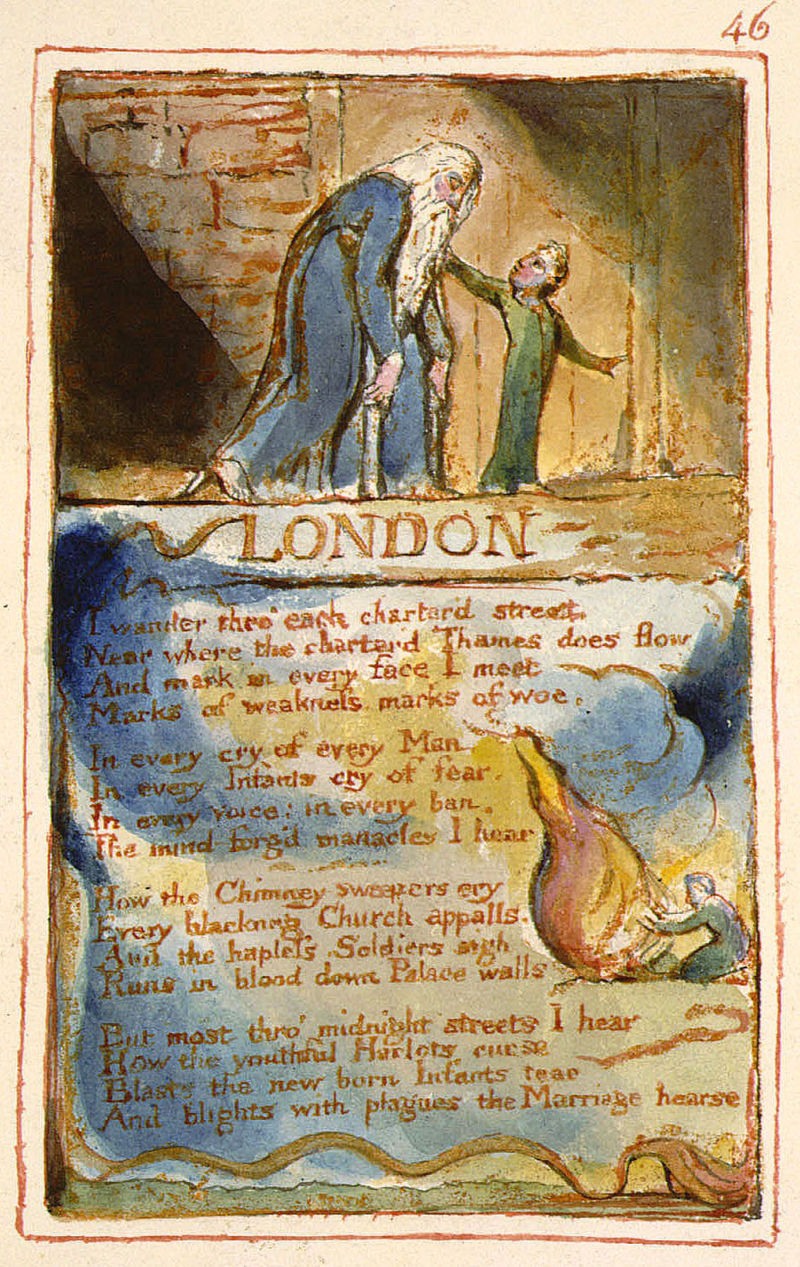
The animated film (below ) by Alex Robinson transposes William Blake’s 1794 poem London over images of an imagined contemporary London. The Blake poem references the effects of an oppressive society on people and nature. The piece is taken from Blake’s “Songs of Experience” and reflects the artist’s literary social criticism of  the imposition of laws which restricted the freedom of individuals. 
I wander thro’ each charter’d street,
Near where the charter’d Thames does flow.
And mark in every face I meet
Marks of weakness, marks of woe.

In every cry of every Man,
In every Infants cry of fear,
In every voice: in every ban,
The mind-forg’d manacles I hear

How the Chimney-sweepers cry
Every blackning Church appalls,
And the hapless Soldiers sigh
Runs in blood down Palace walls

But most thro’ midnight streets I hear
How the youthful Harlots curse
Blasts the new-born Infants tear
And blights with plagues the Marriage hearse

NB: If you receive TBTP via email, you may need to click on the short url to see the video. 

Posted in Art, Books, Europe, Film, Writing | Tagged , , | 1 Comment

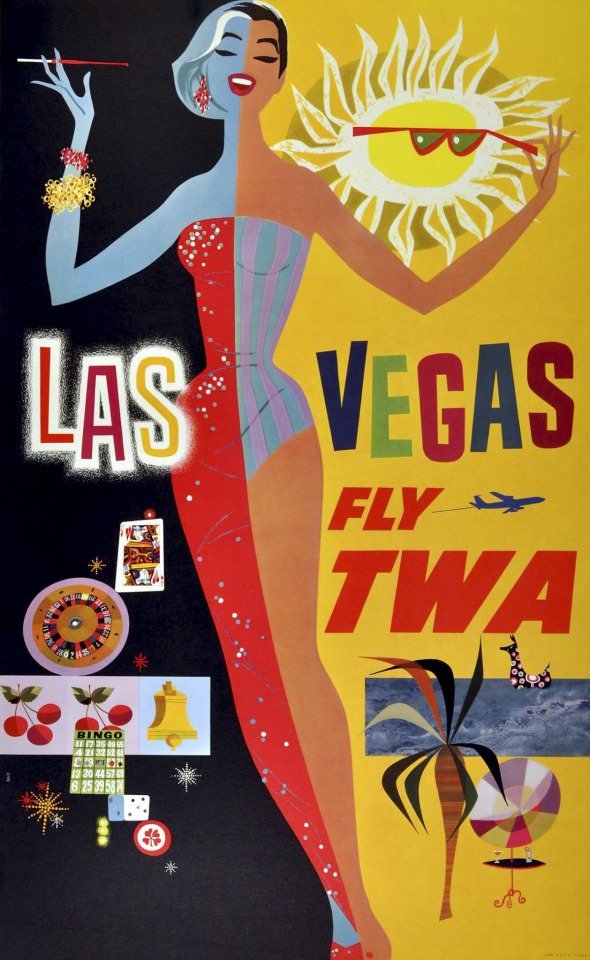
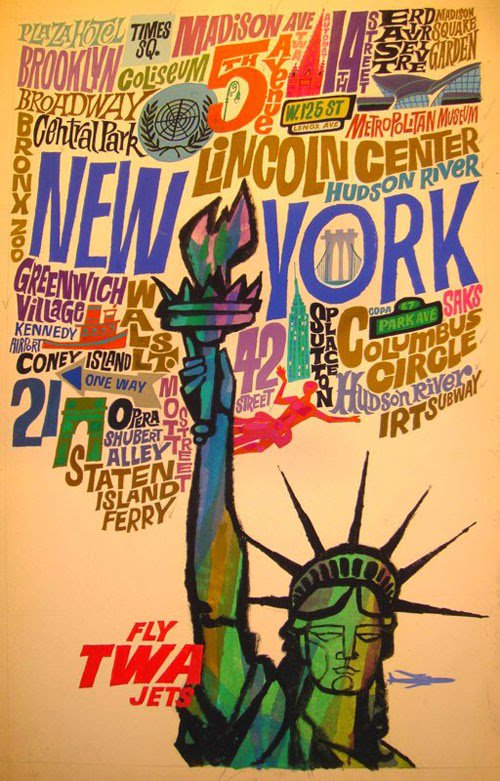
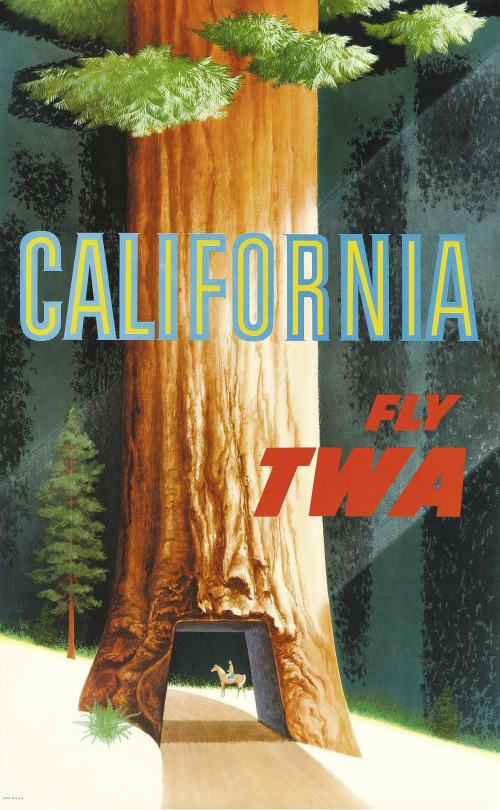
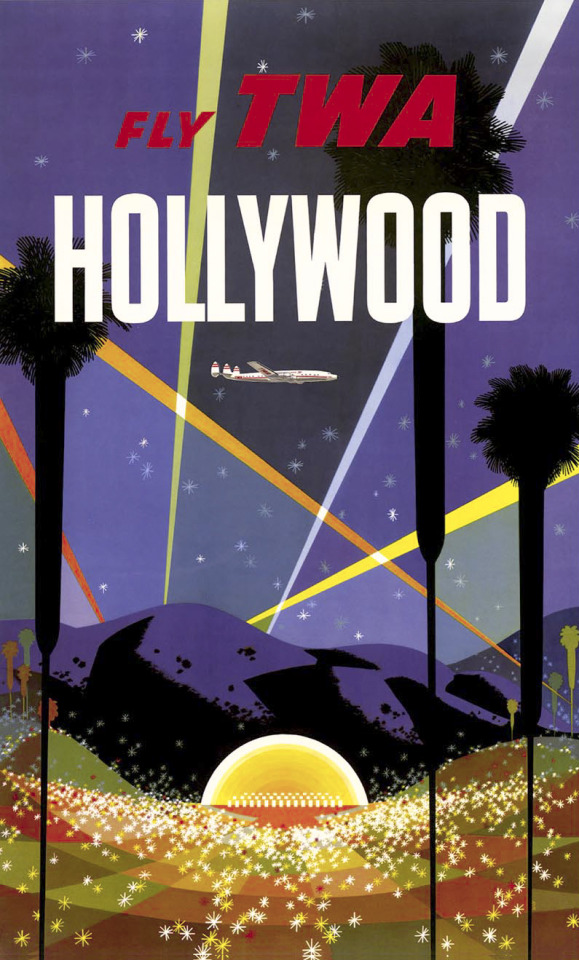
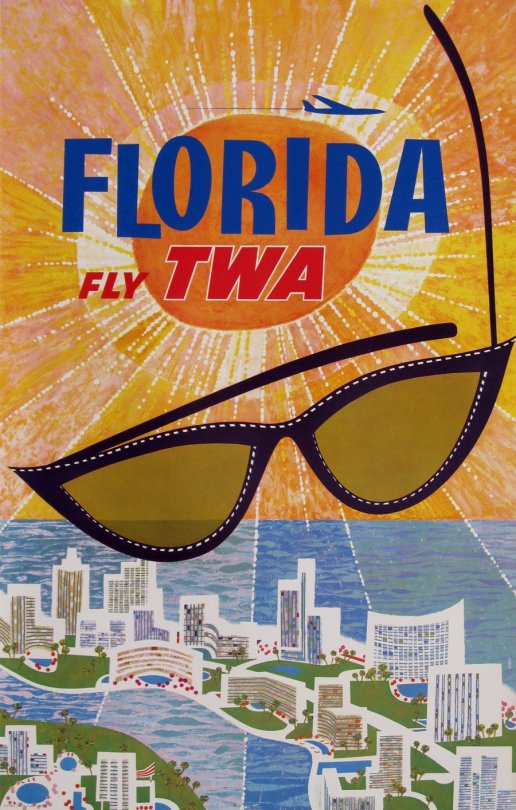
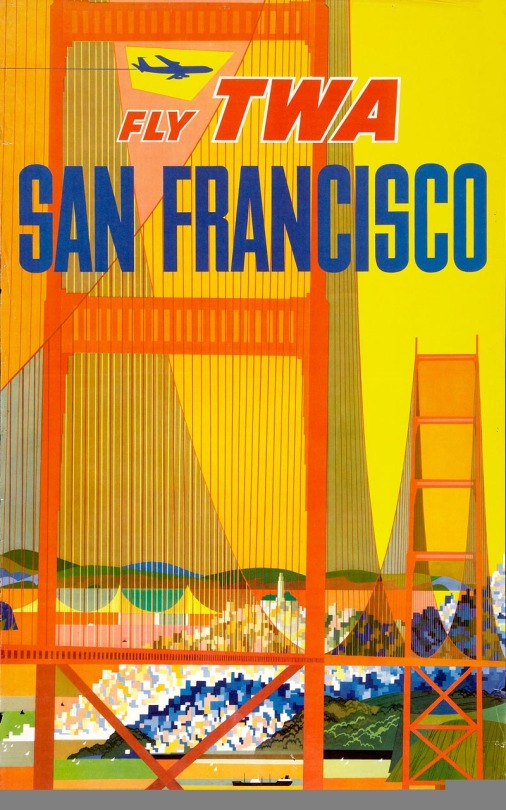
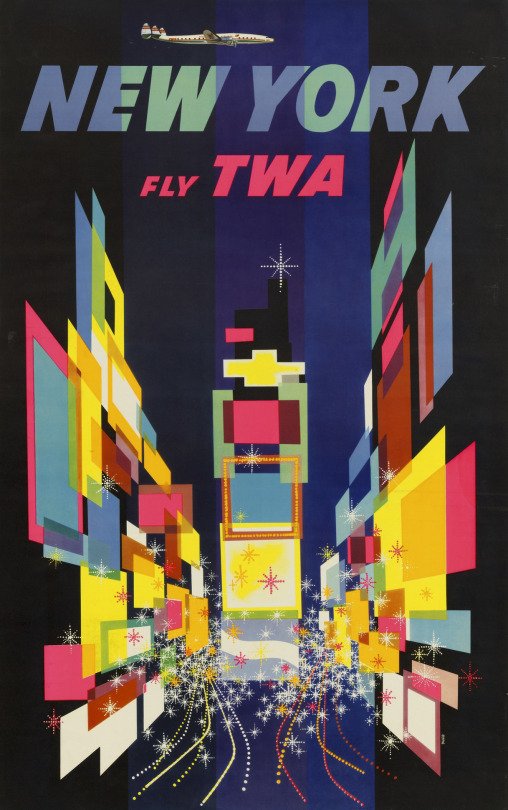
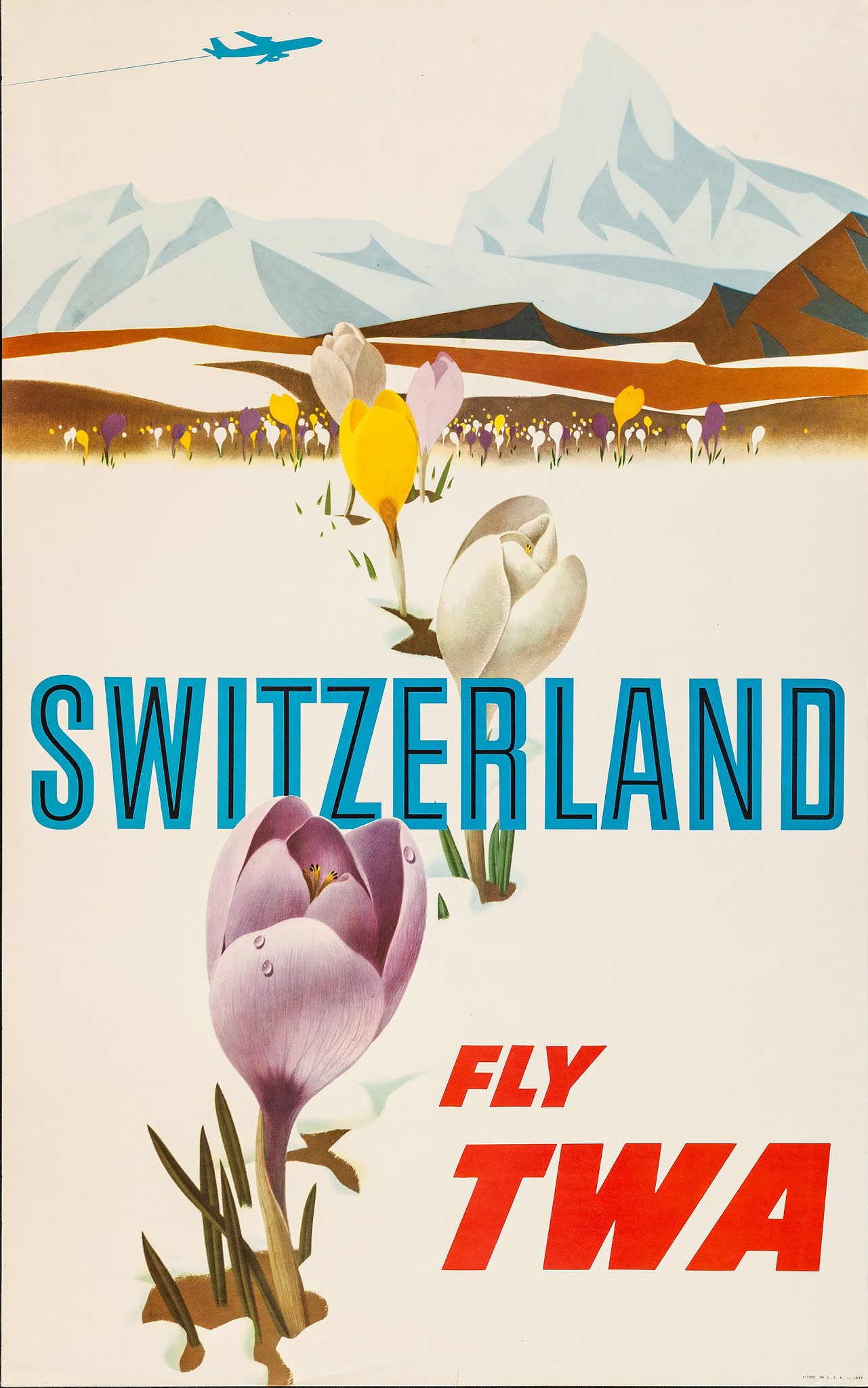
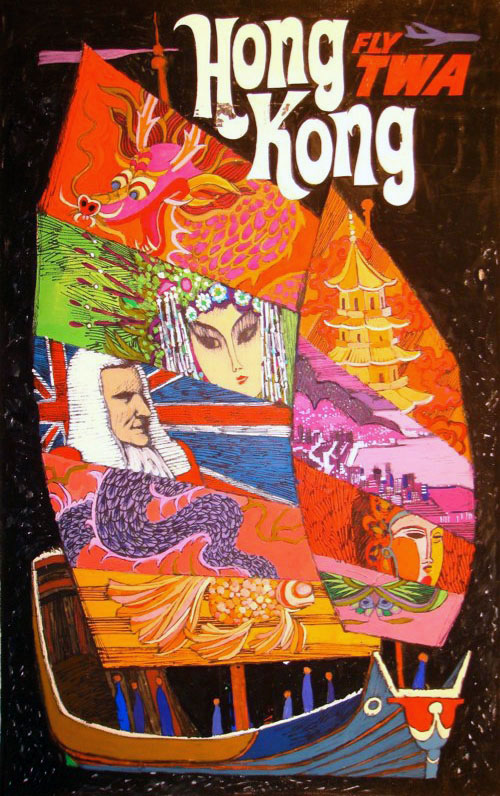
Pack up let’s fly away

I have always been enamored with classic travel poster art. And there’s nothing better than the old school posters that were created for TWA in the 1950s and 1960s by David Klein.


Posted in Art, Asia, Europe, Public Transport, Tourism, USA | Tagged , , , | 2 Comments

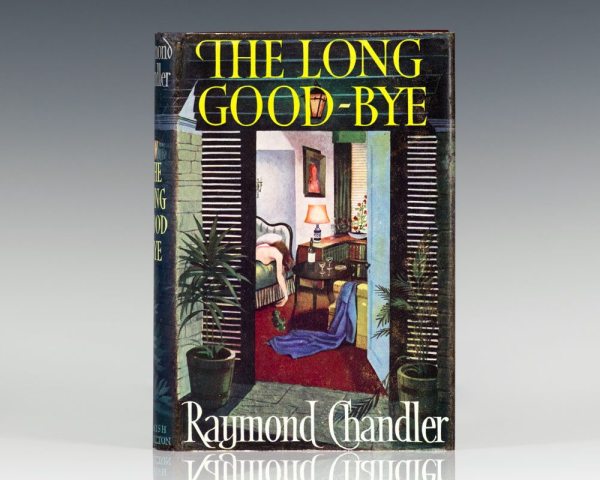
A Long Goodbye

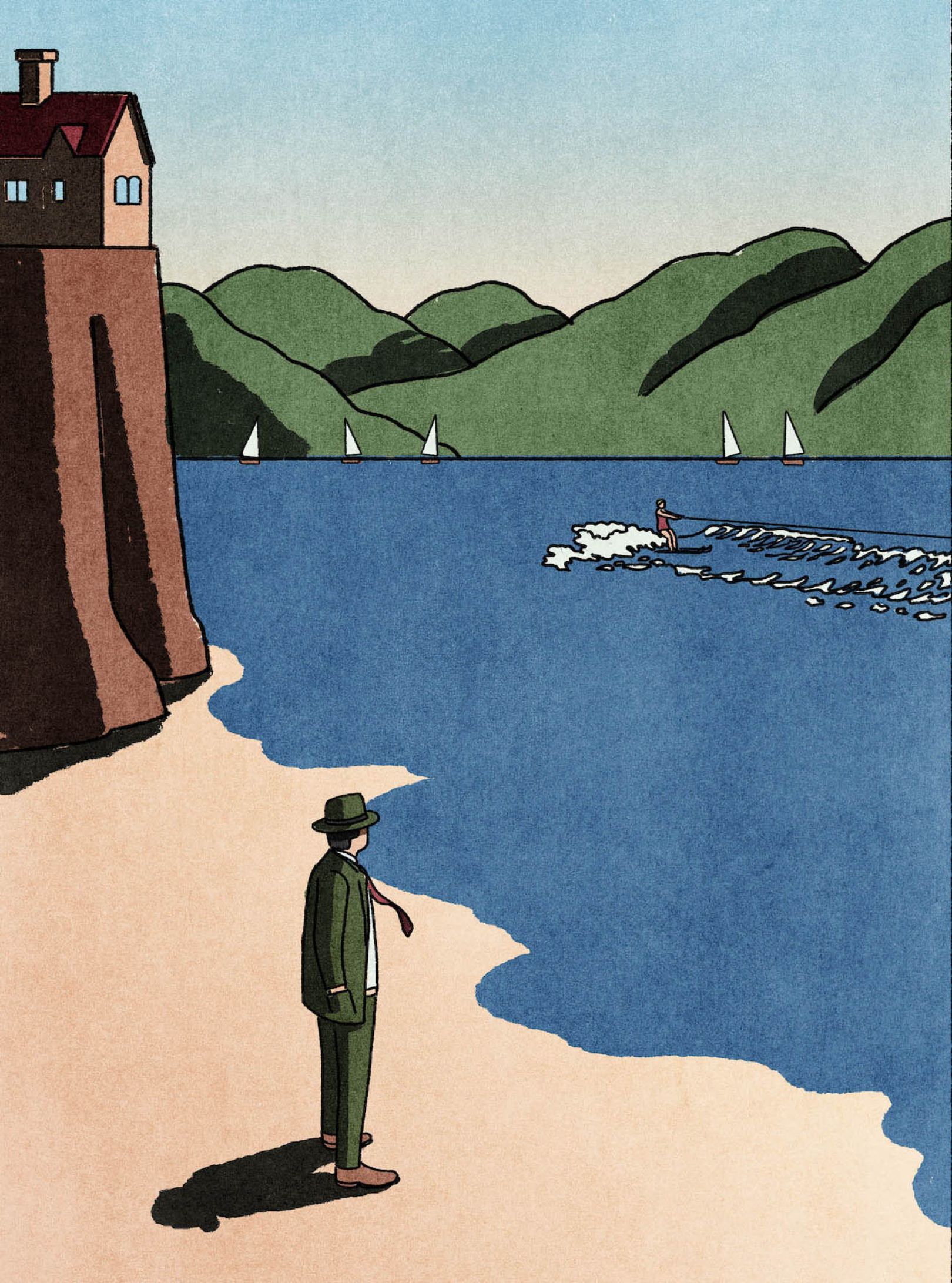
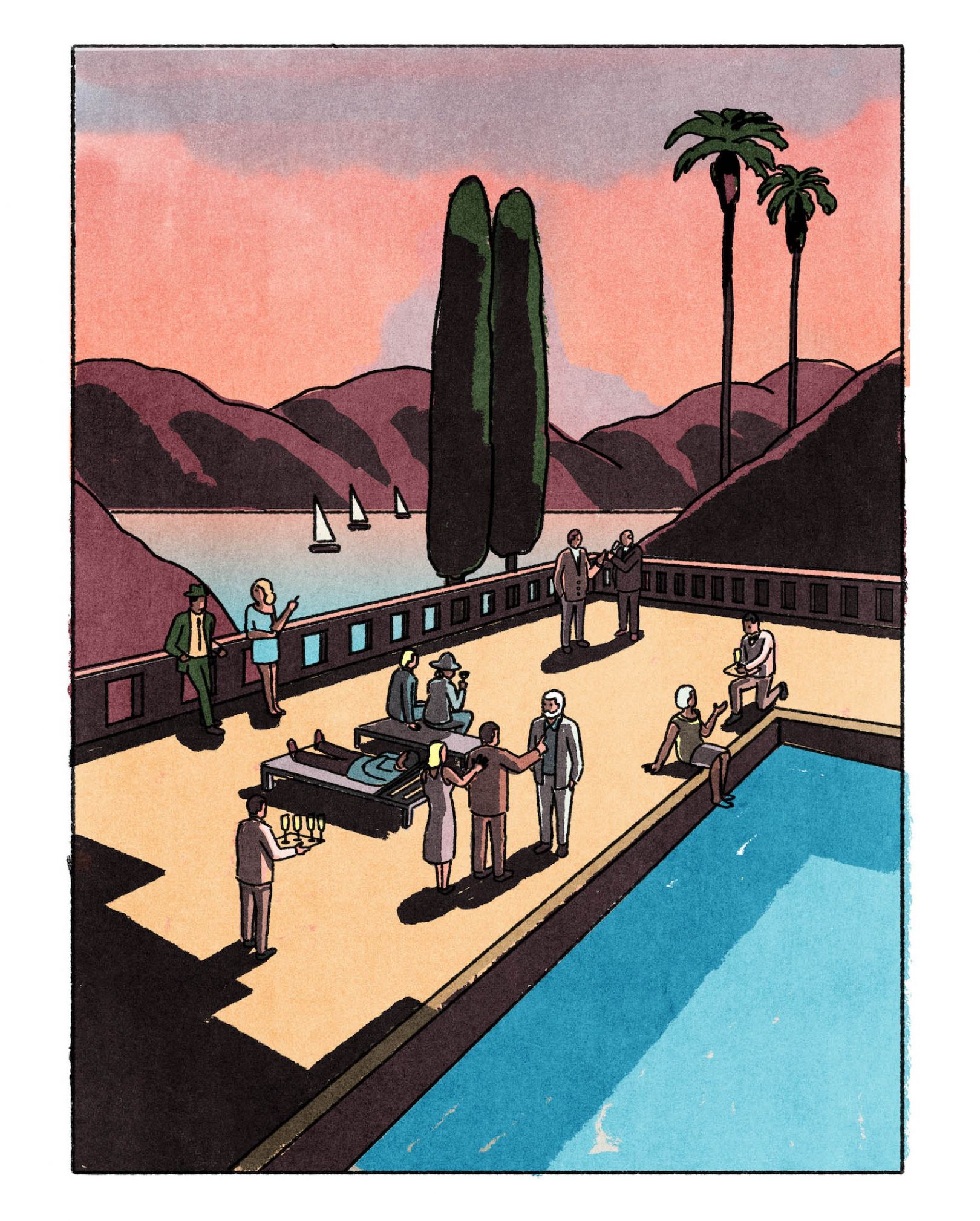
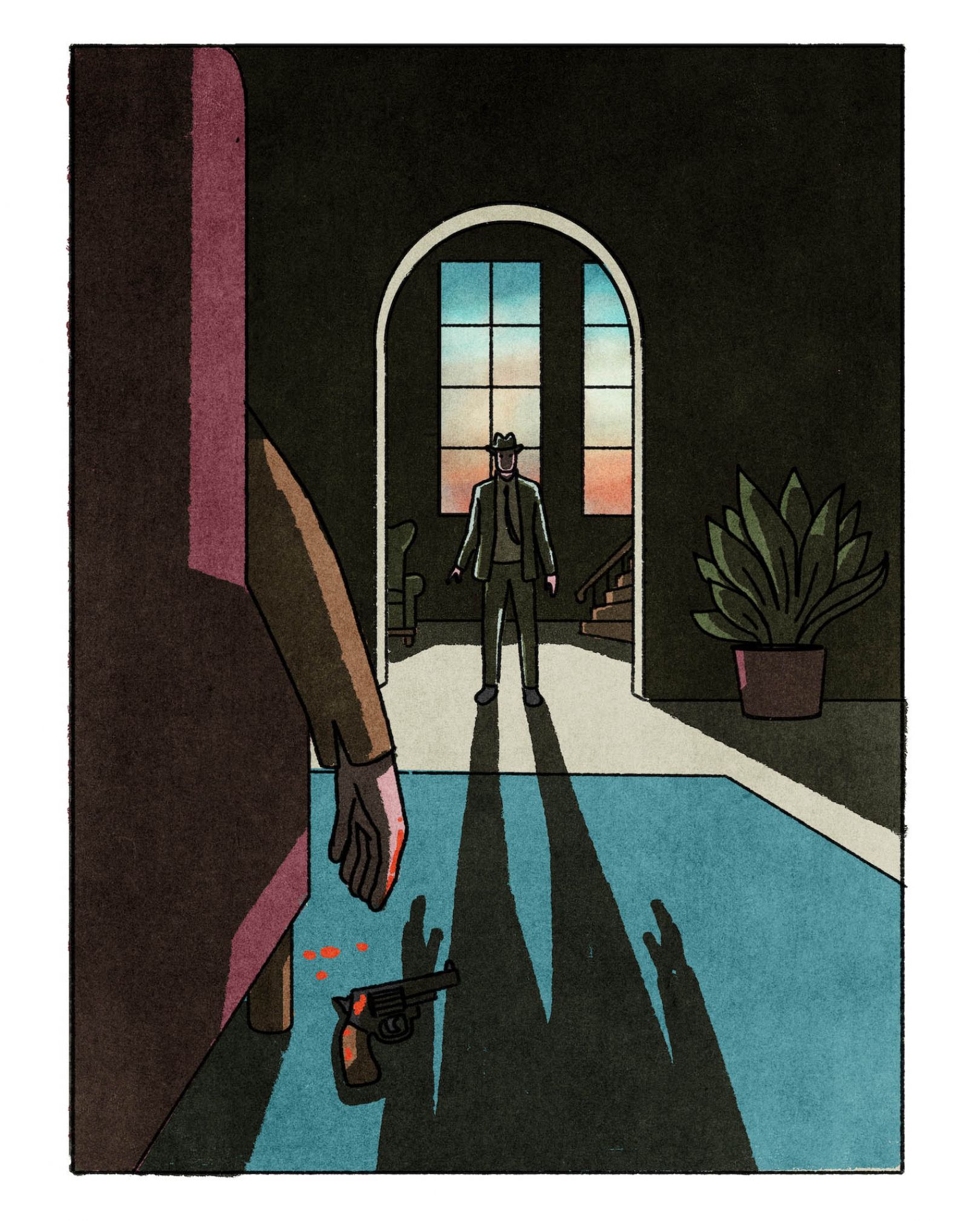
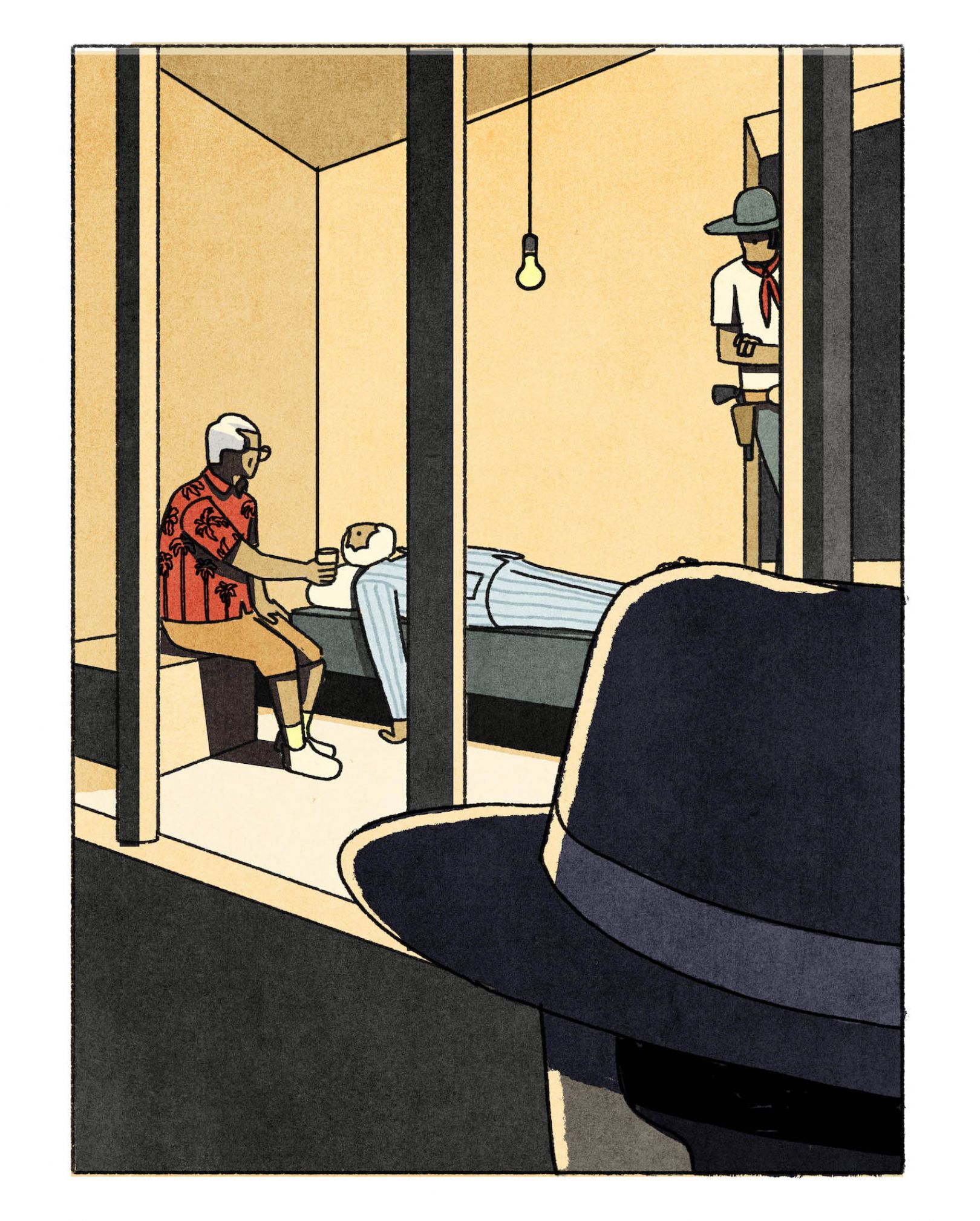
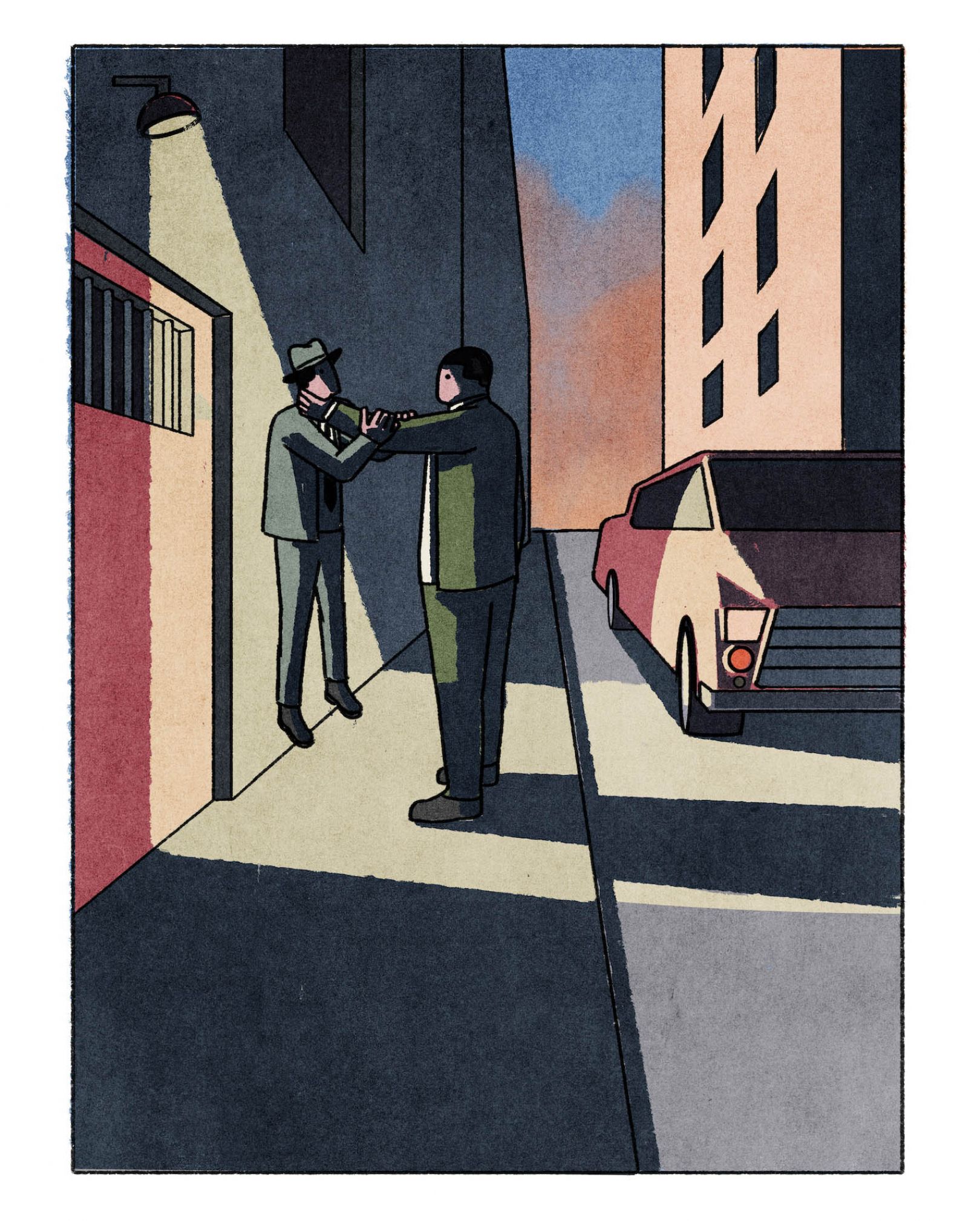
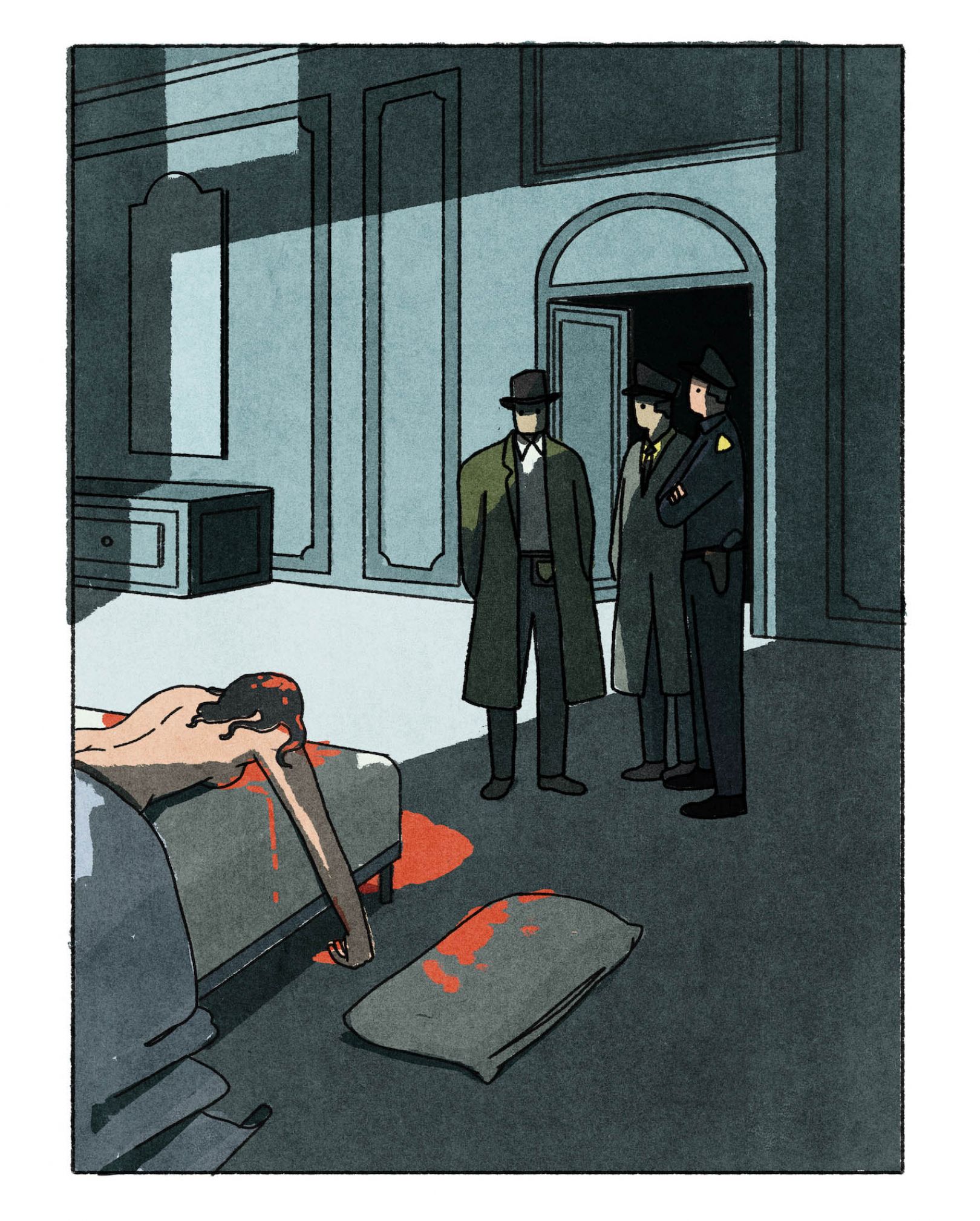
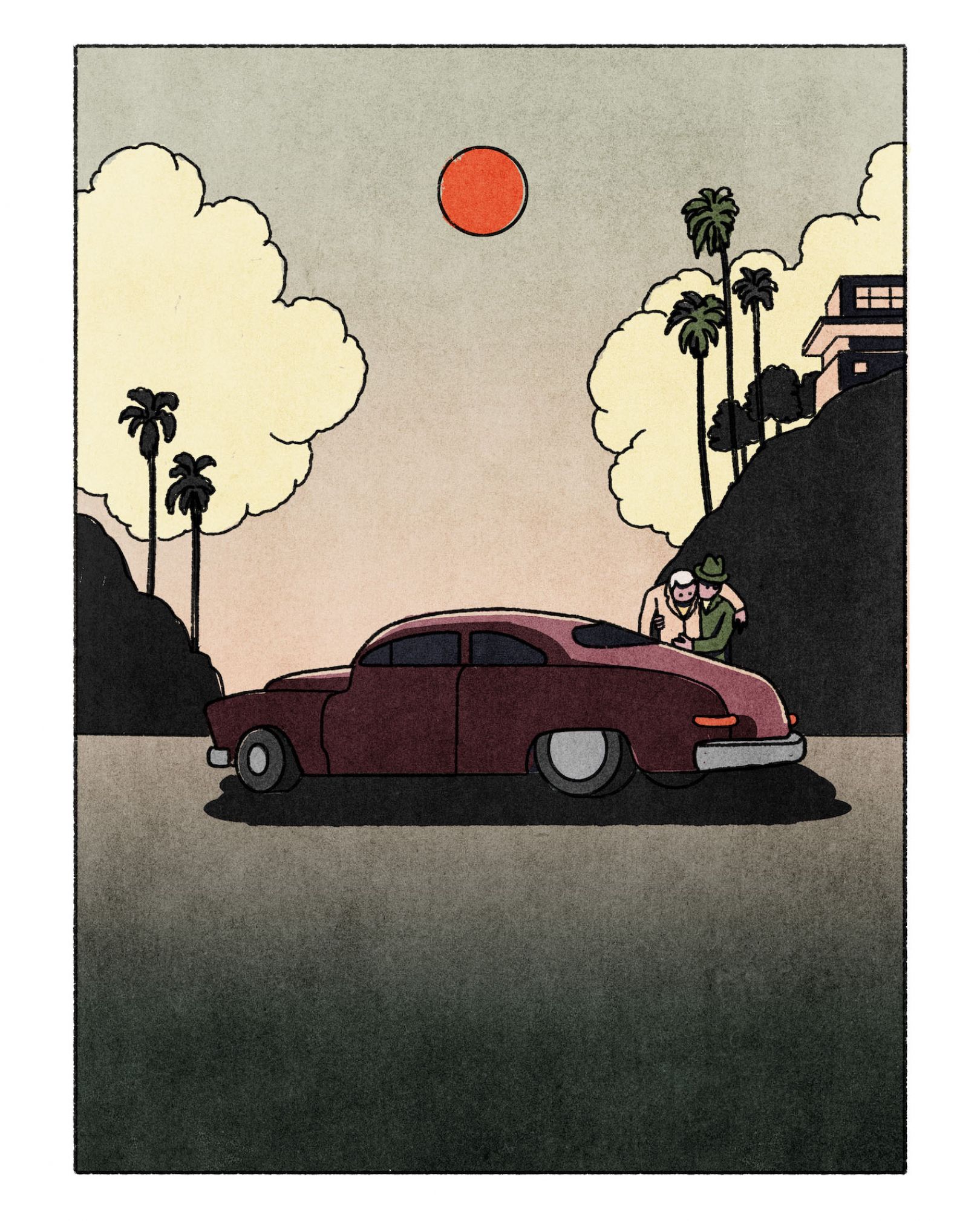
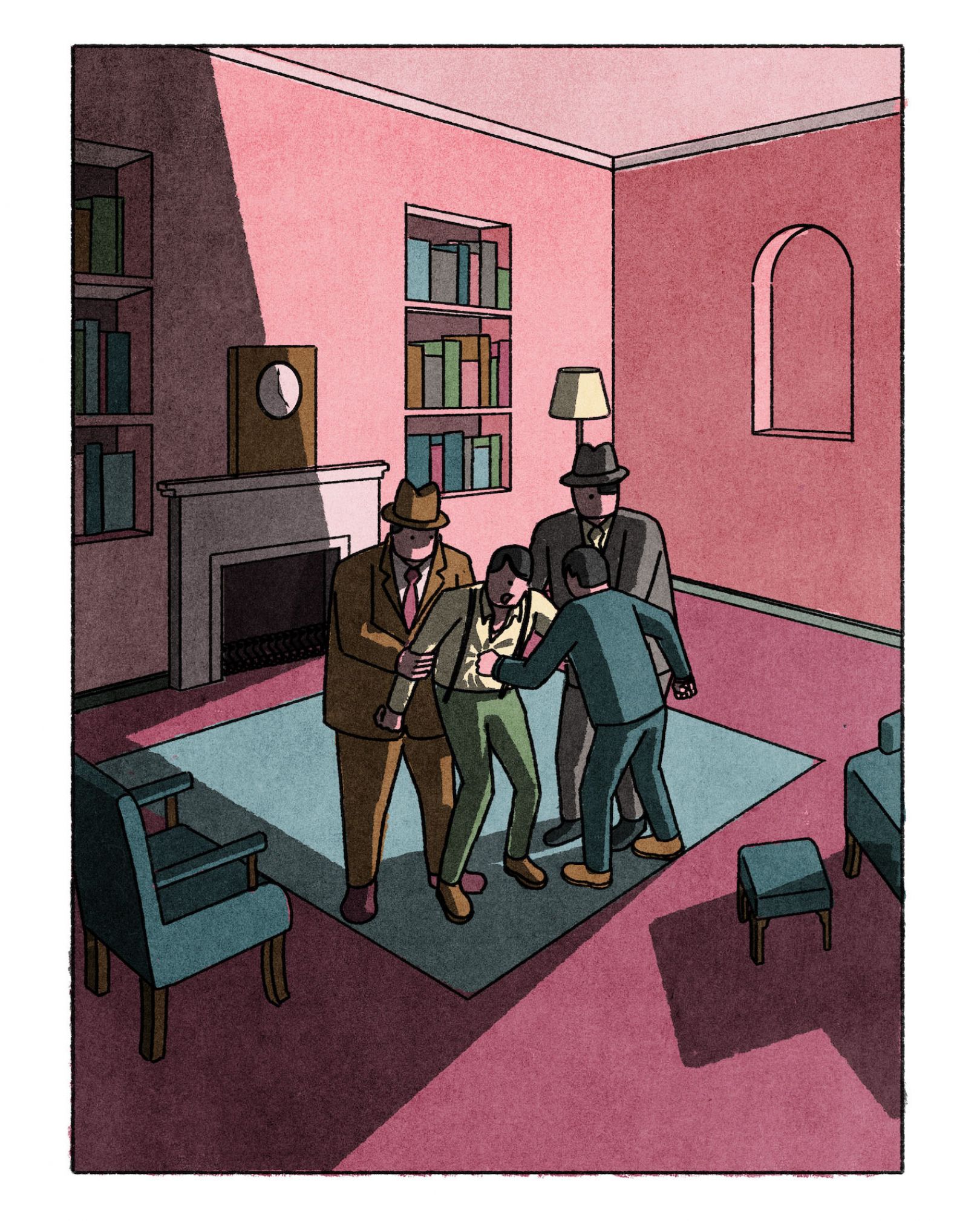
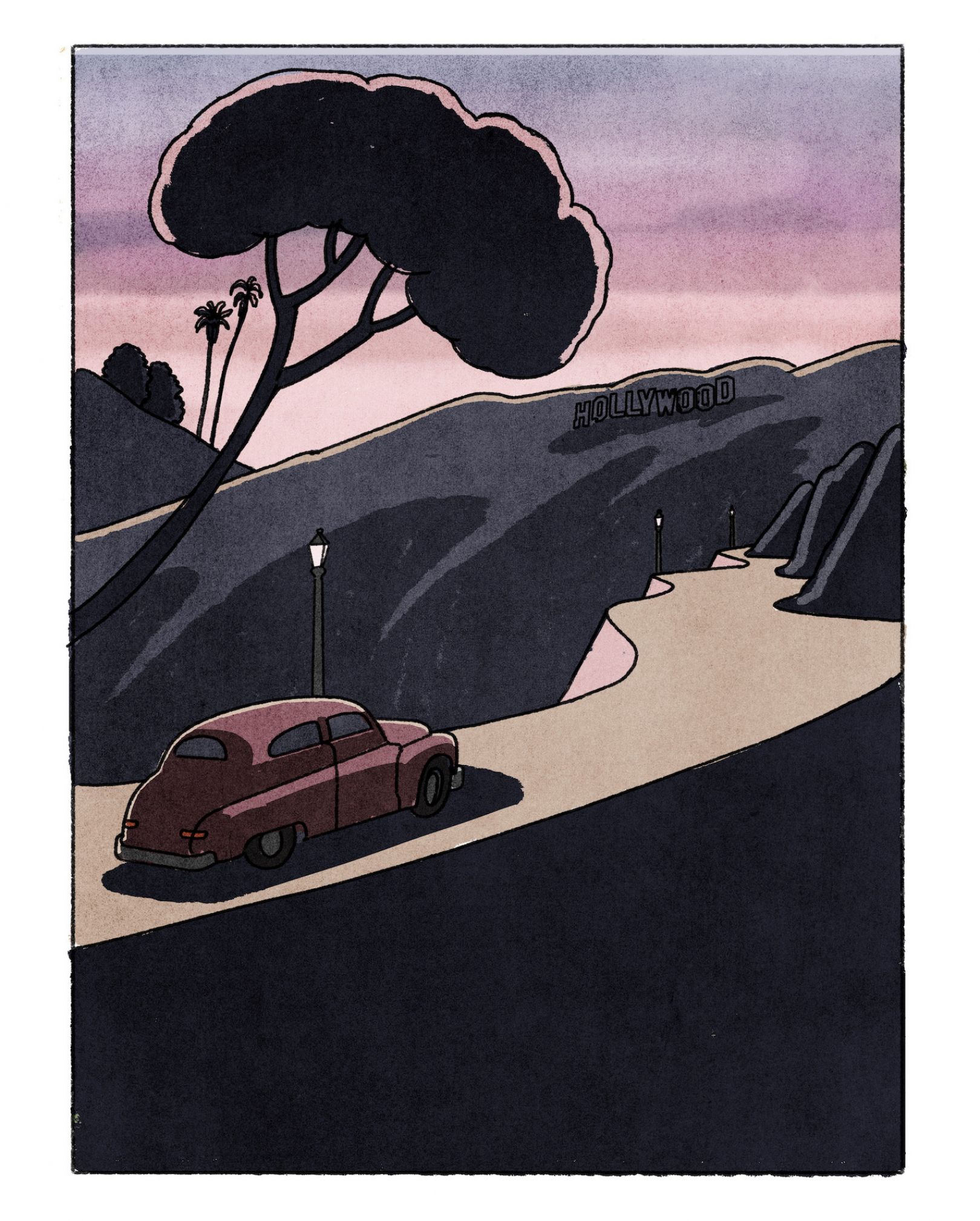
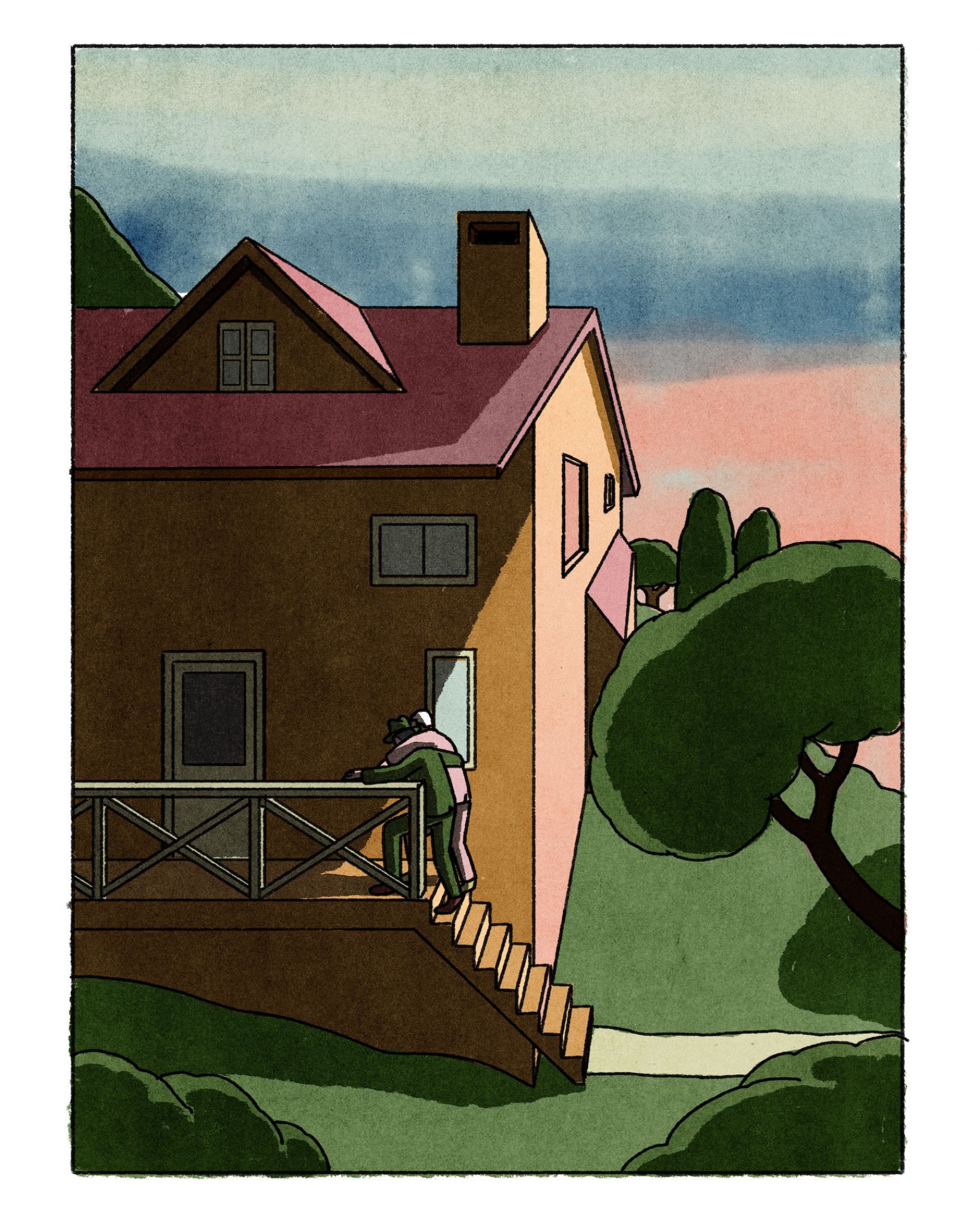
There have been numerous editions of the classic Raymond Chandler noir detective novel The Long Goodbye since its initial publication in 1953. But to my knowledge there hasn’t been a fully illustrated version until now.

The upcoming publication was created for Chinese publisher Yilin Press by the immensely talented German illustrator Kurt Kremmerz. Avoiding clichéd interpretations of Chandler’s iconic hard-boiled and dark thrillers, Kremmerz landed on a style that manages to incorporate an authentic California feel to the work.


Posted in Art, Books, USA, Writing | Tagged , , , , | Leave a comment

Victory

Raven Saunders

“Victory”

by

Denis Johnson


the woman whose face has just finished breaking
with a joy so infinite

and heavy that it might be grief has won
a car on a giveaway show, for her family,

for an expanse of souls that washes from a million
picture tubes onto the blank reaches

of the air. meanwhile, the screams are packing
the air to a hardness: in the studio

the audience will no longer move, will be caught
slowly, like ancient, staring mammals, figuring

out the double-cross within the terrible progress
of a glacier. here, i am suddenly towering

with loneliness, repeating to this woman’s
only face, this time, again, i have not won.

Posted in Asia, USA, Writing | Tagged , , | 1 Comment

London’s Folly

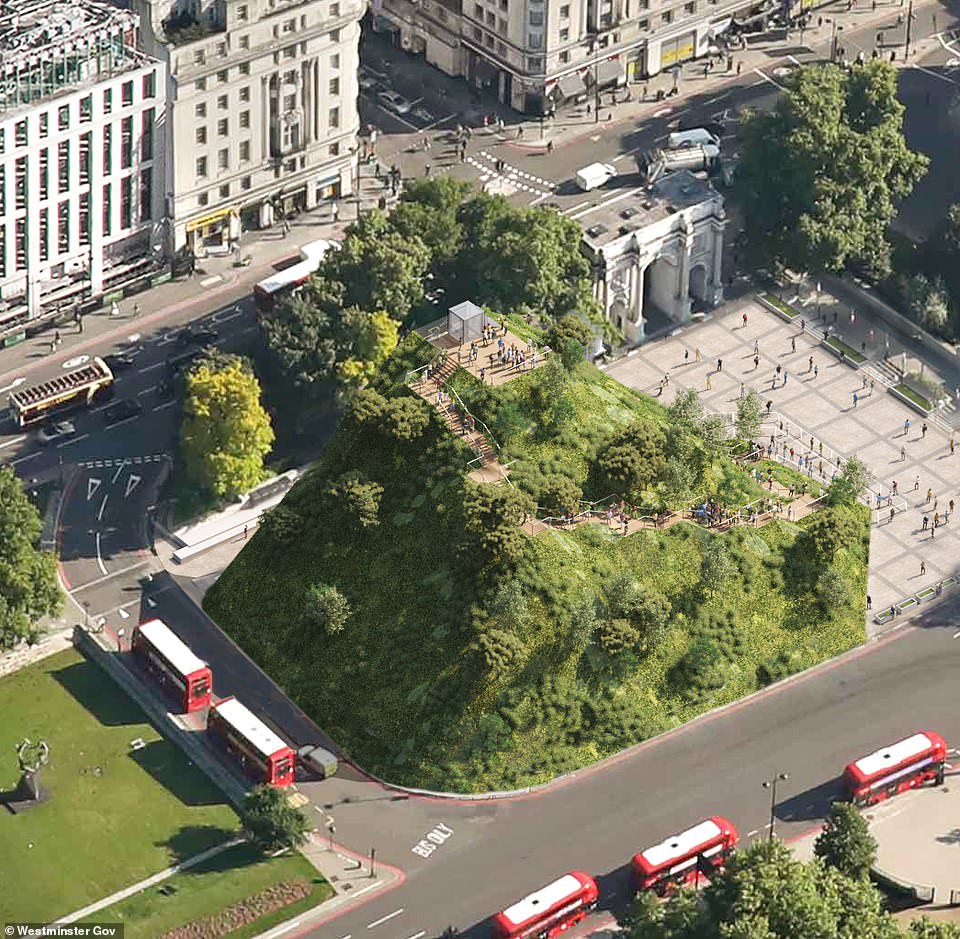
I’ve spent a lot of time in London over the last two centuries and I’ve visited hundreds of local tourist attractions. I even wrote a guidebook for budget travelers to the city. But I’ve never seen anything like the latest tourism failure from the Westminster Council.

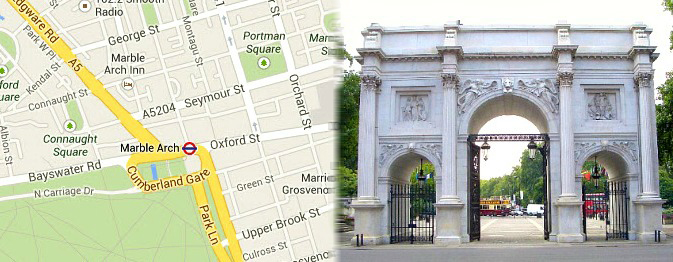
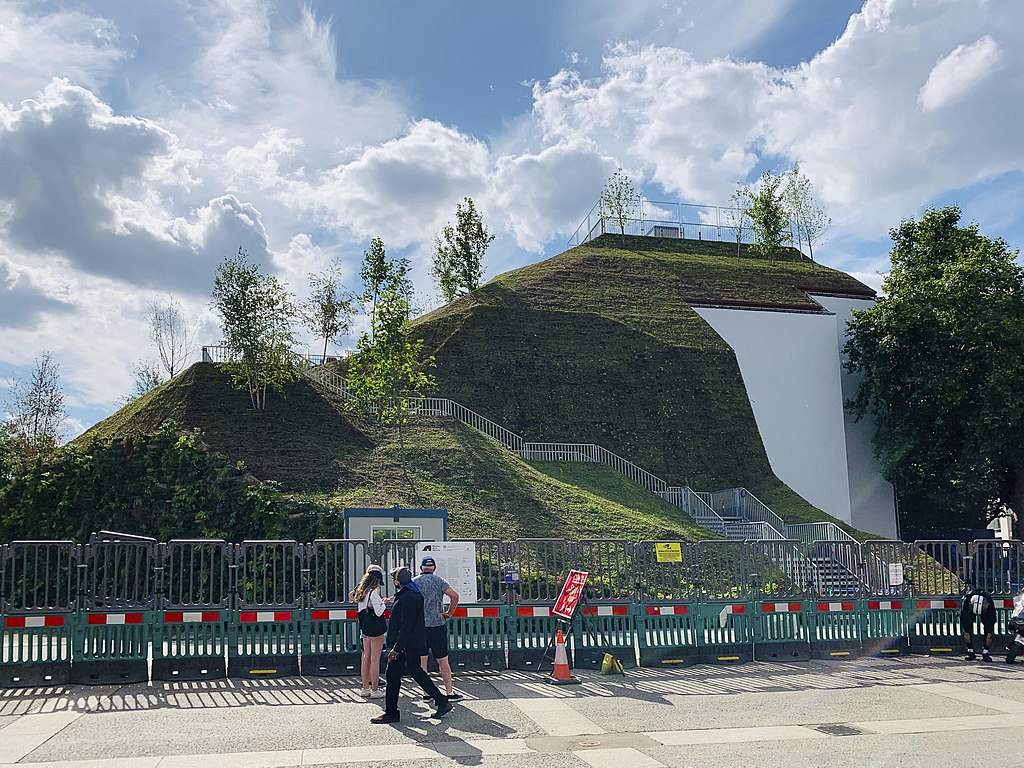
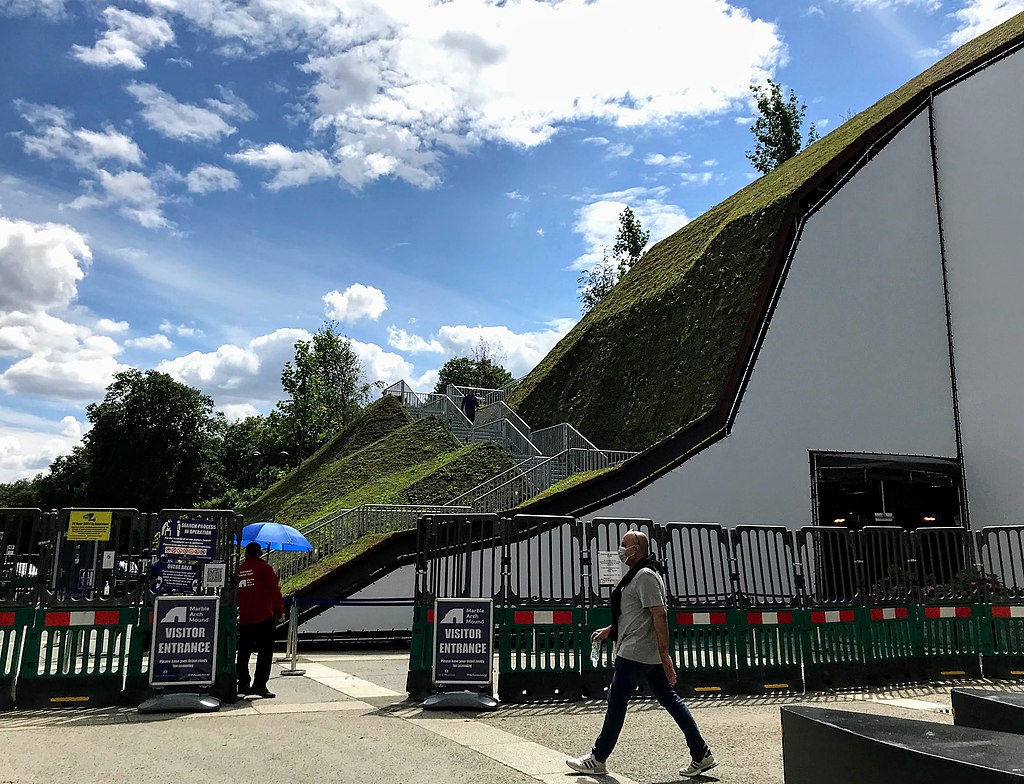
The Marble Arch Mound or Marble Arch Hill is a temporary, 25-meter(82 ft) high artificial hill erected near the famous 1820s Marble Arch by Hyde Park. It has a viewing platform on the top that’s reached by climbing a metal stairway and  a planned interior event space. There were also plans for an art gallery and a foodhall. The exterior was supposed to be covered in grass and lavishly landscaped. However, when the Mound opened to the public on July 26th, it lacked all of the advertized amenities. After the initial visitors complained about paying £4.50 to climb some stairs for a uninspiring view of Oxford Street, it quickly closed shortly afterwards.

According to the Westminster City Council, the attraction will soon re-open and stay up until January, 2022. I still don’t see why anyone would pay to climb a small artifical hill when London has so many more attractive viewing spots, including some pretty great real hills.

Posted in Architecture, Europe, Tourism | Tagged , , | 4 Comments

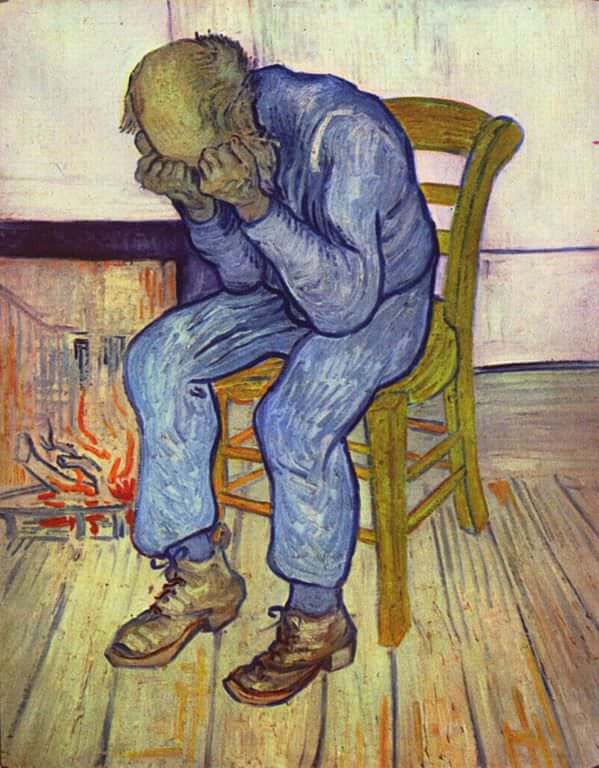
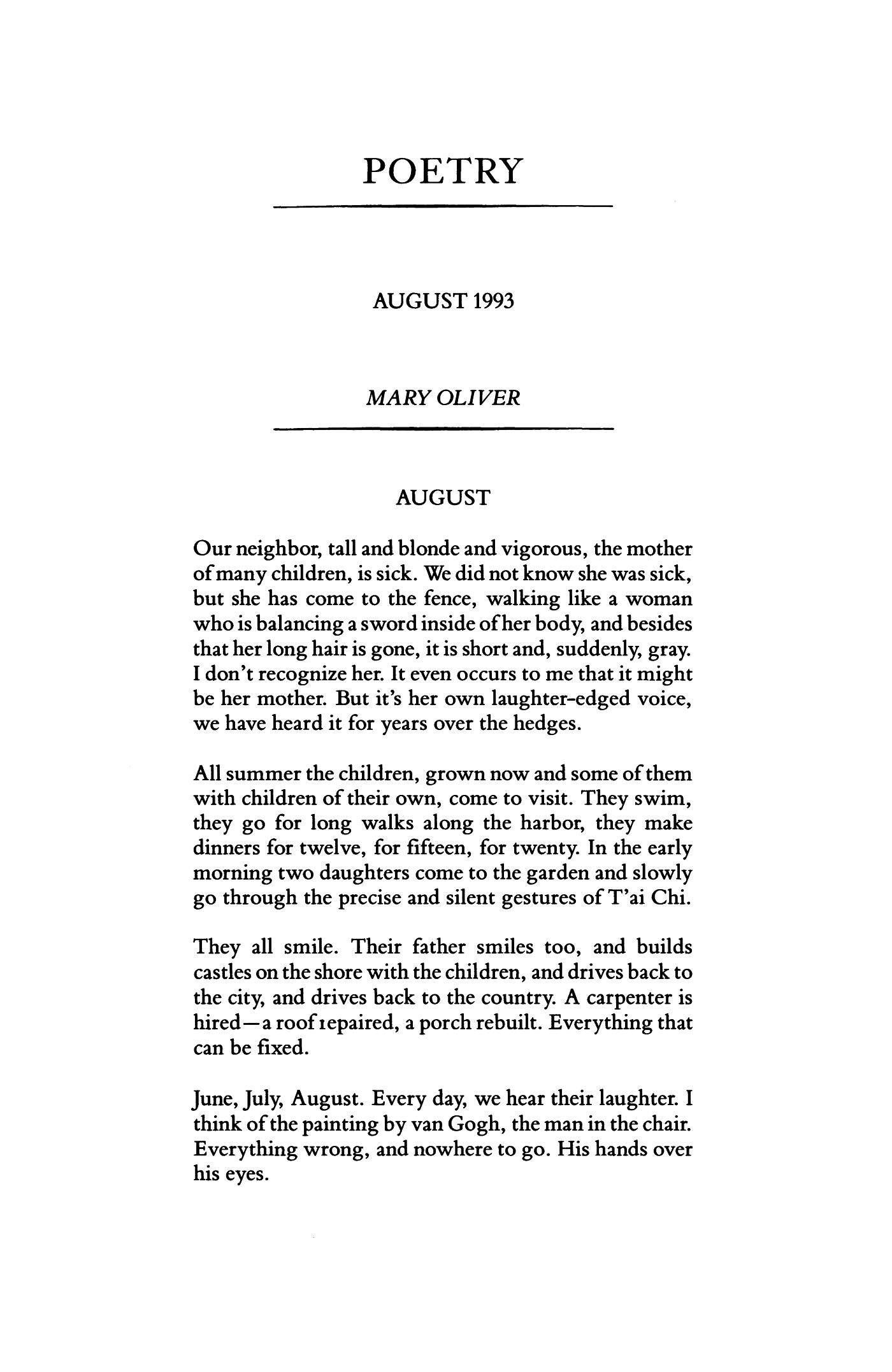
August


Posted in Art, Books, USA, Writing | Tagged , , | Leave a comment

Serpentine Saturday

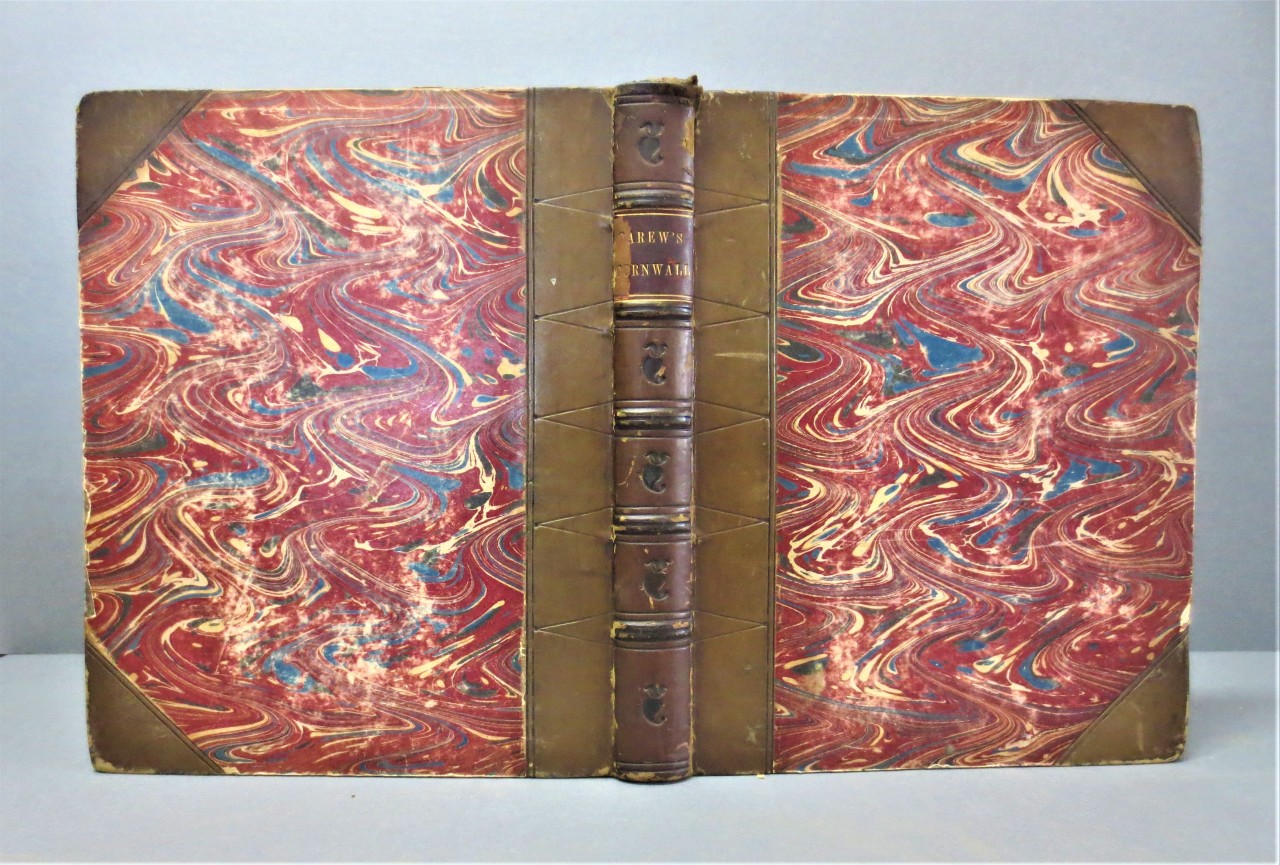
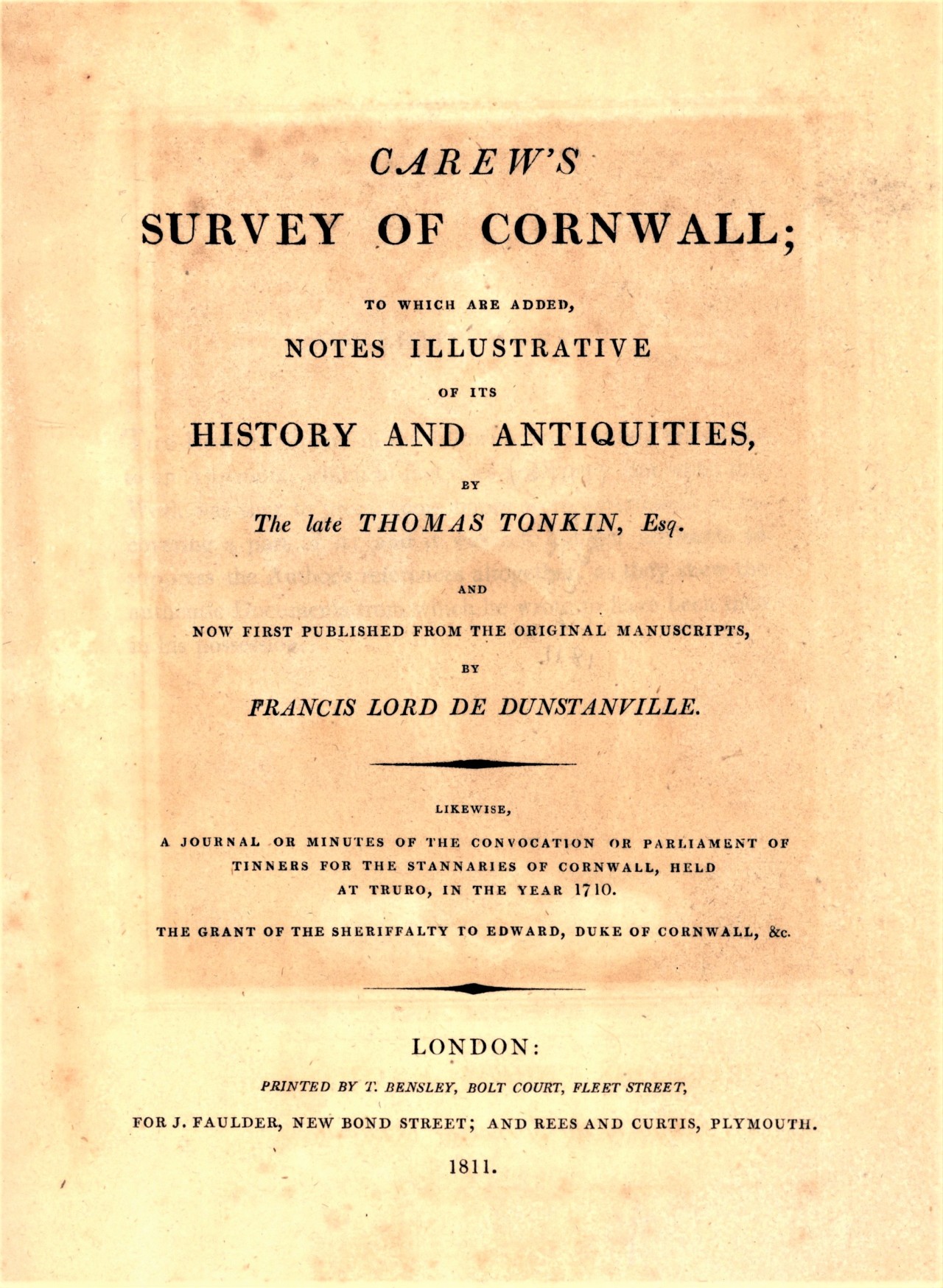
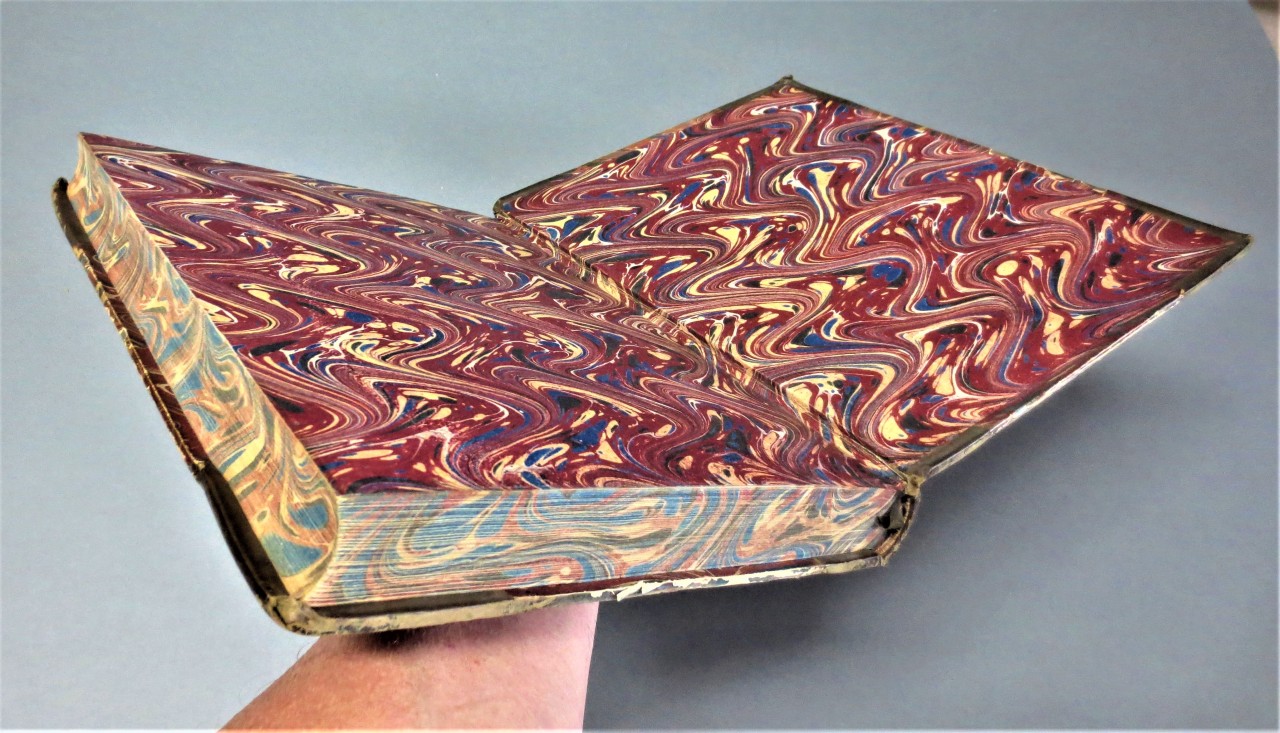
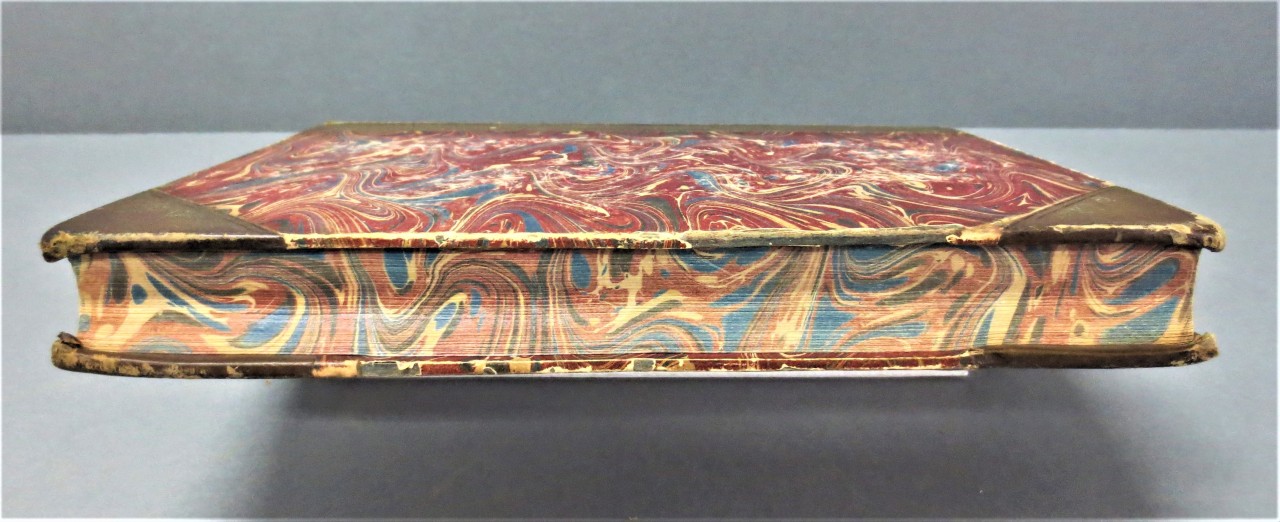
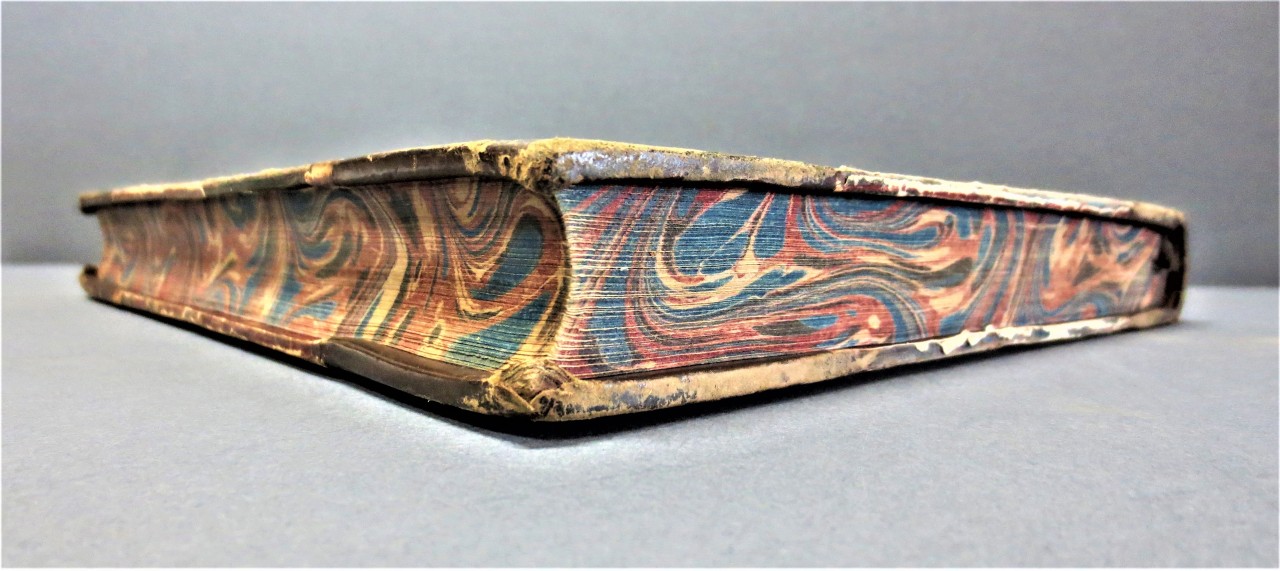
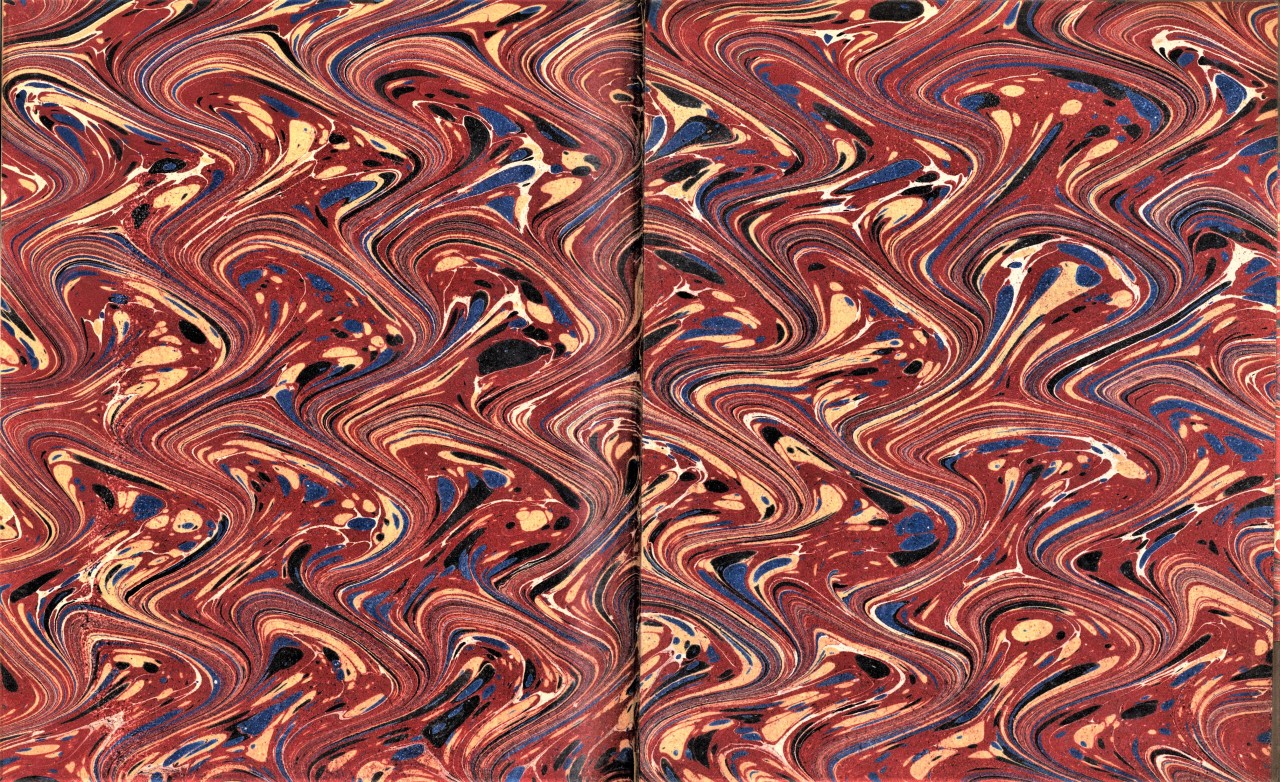
The wavy patterns on the edges, covers, and endpapers on this tooled and blind-stamped, half-bound book are from Carew’s Survey of Cornwall . This edition was printed in London by Thomas Bensley for J. Faulder and Rees and Curtis in 1811, although Carew’s book was originally published in 1602.  The marbled-paper pattern on this volume is what the University of Washington’s site on Patterned Papers identifies as Serpentine.

The pattern begins with a Turkish base. “A comb with one set of teeth is drawn through the bath twice vertically, once in either direction with the second pass halving the first. This step is repeated horizontally. Then the final step is to draw a comb, with one set of teeth set at slightly wider intervals, through the bath once vertically in wavy lines reminiscent of the way in which a snake moves.“ As we’ve noted before, when marbling the edges of a book, the text block is clamped tightly shut, and once dipped, the excess fluid is blown or shaken off quickly to prevent it from running into the book. Once dry, the marbled edges are burnished.

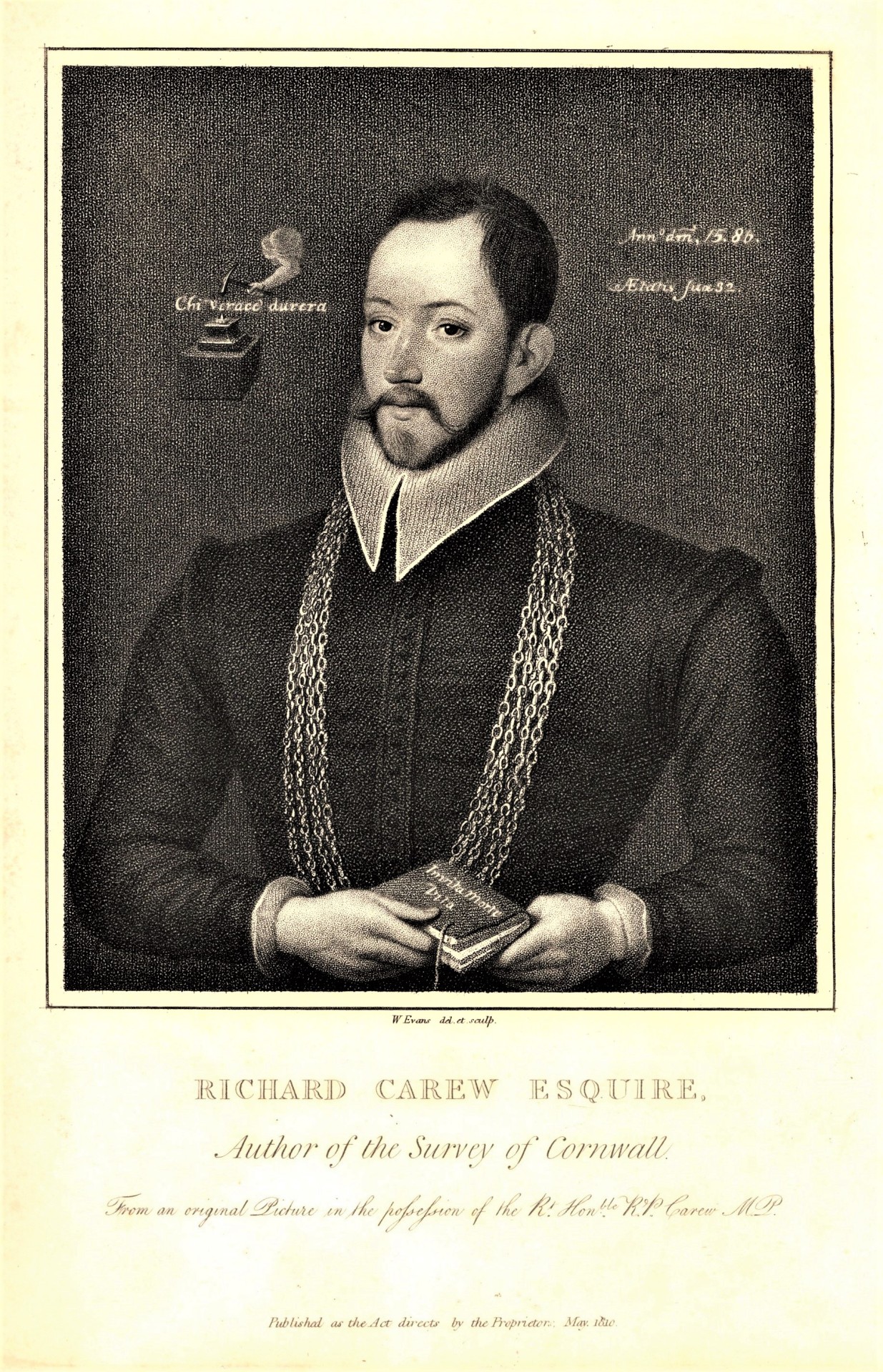
The frontispiece is a portrait of Richard Carew from 1586, rendered here as a stipple engraving by English engraver William Evans. Carew is shown holding a book with the Latin inscription Invita Morte Vita (In spite of life and death), and in the background there is an allegorical hammer and anvil with the Italian inscription Chi’verace durerà (Who is true will last).


Posted in Art, Books, Europe, History, Libraries, Writing | Tagged , , , | Leave a comment

Subtle Differences


Posted in Art, Books, Writing | Tagged , | Leave a comment