Saving Traditional Techniques

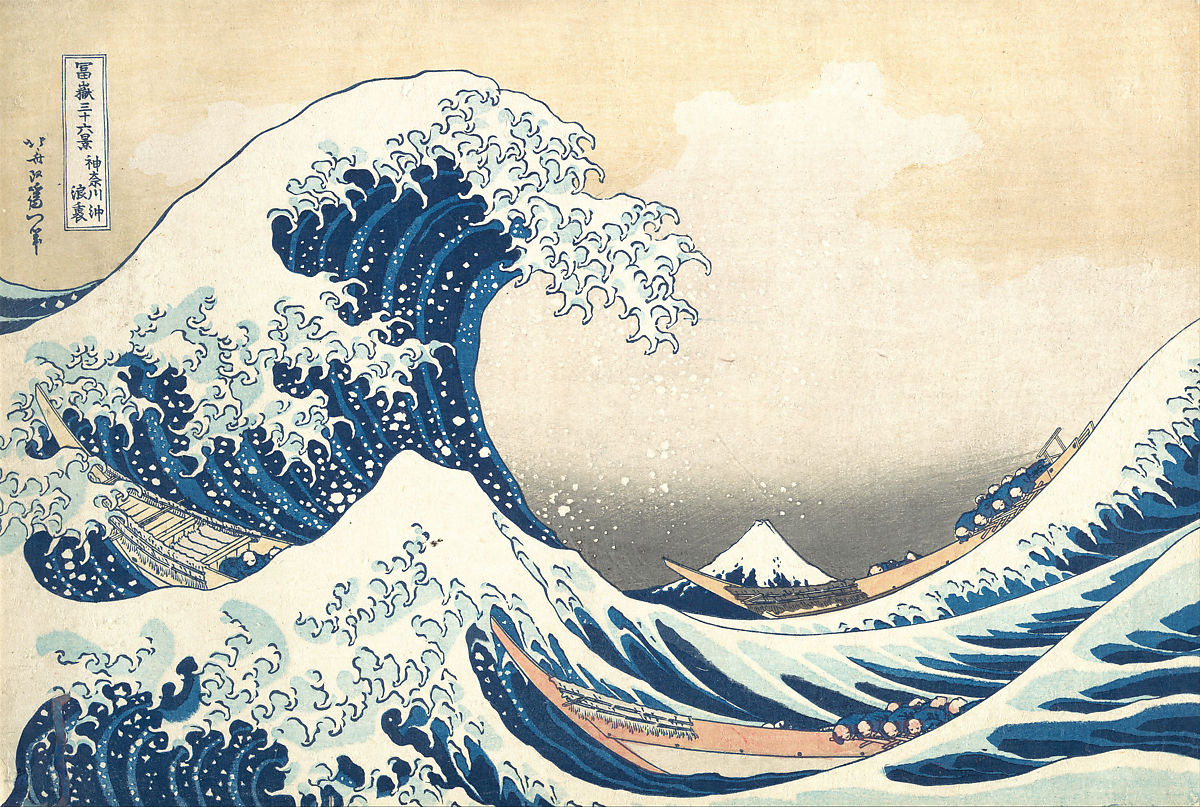
I first became enamored with traditional Japanese printmaking many years ago when I saw a show at Amsterdam’s Rijksmusem on Van Gogh’s personal collection of prints. The collection is now housed at the Van Gogh Museum. There are many steps in making traditional Japanese woodblock prints (ukiyo-e), but the short video below focuses on the printing process as demonstrated by master printmaker Keiji Shinohara.  His deliberate precision is impressive and mesmerizing.

Posted in Art, Asia, Film, Museums, Tech | Tagged , , , , | 3 Comments

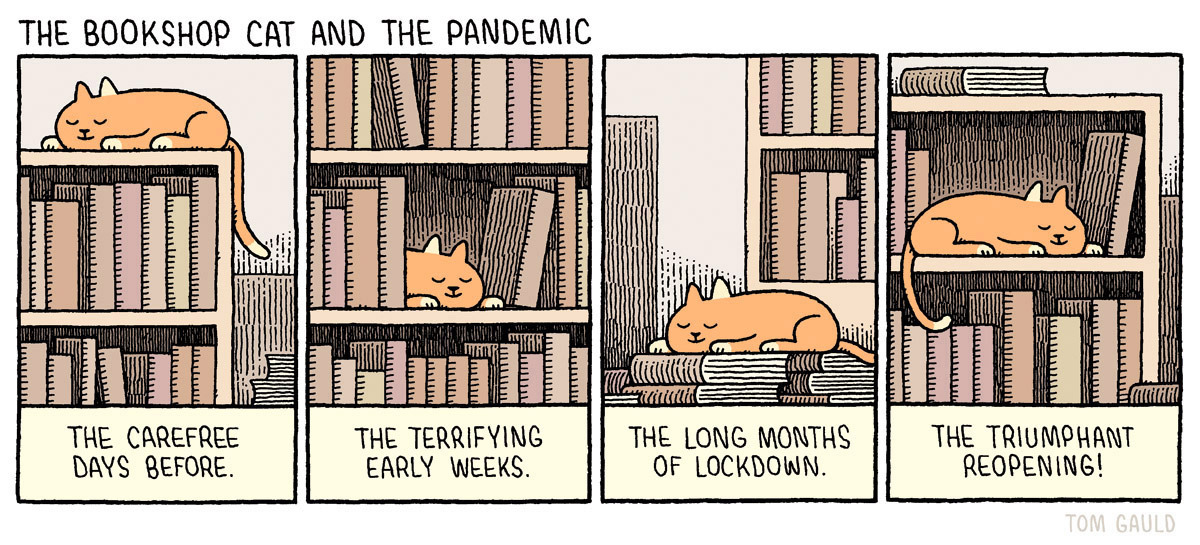
How A Bookshop Cat Copes


Posted in Animation, Art, Books, Bookstore Tourism | Tagged , , | Leave a comment

Climate Crisis

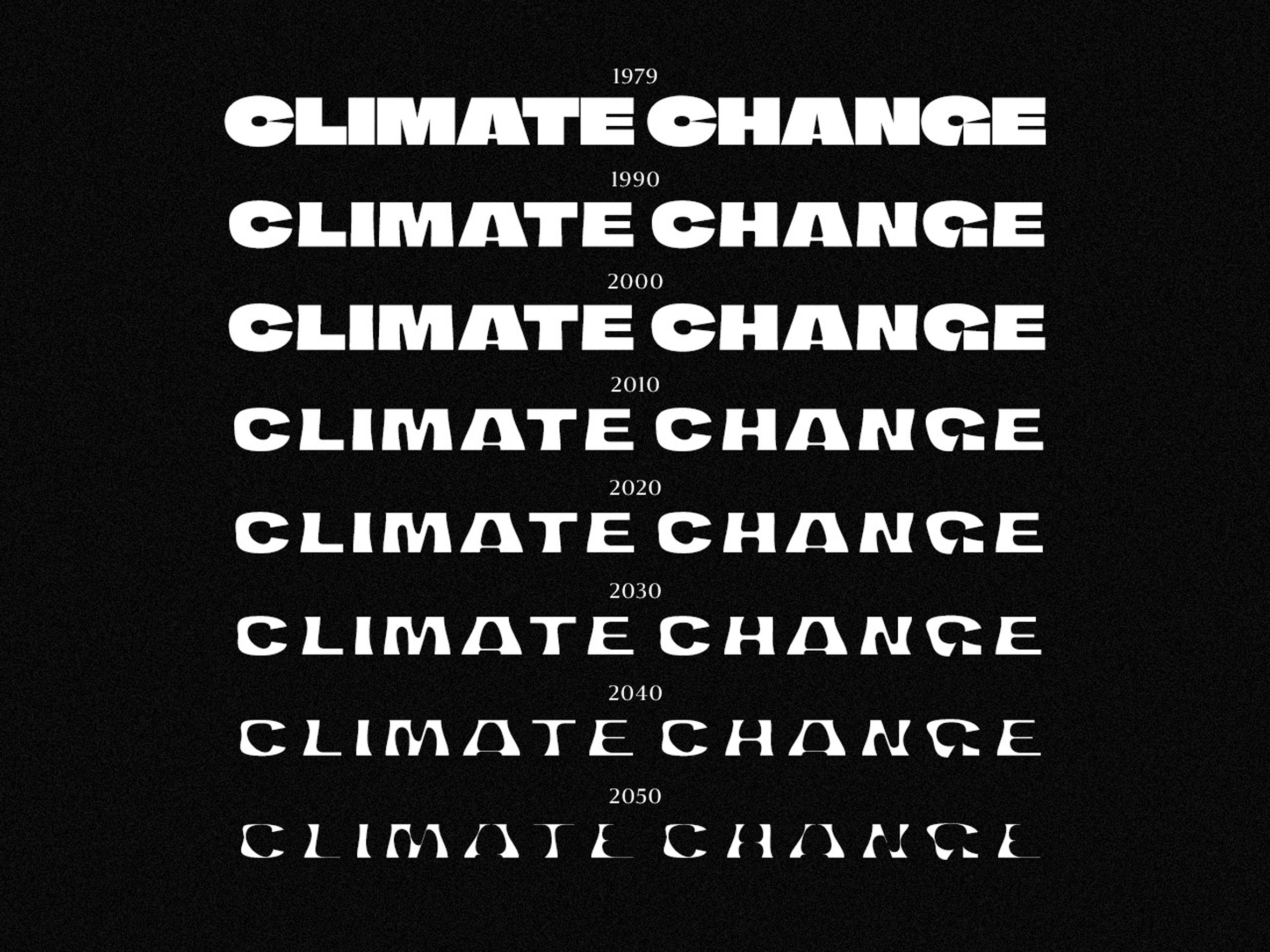
Finland’s Helsingin Sanomat newspaper has created a free and downloadable variable font that aims to make the urgency of climate change tangible by mirroring the declining amount of Arctic sea ice in its disappearing letterforms. While a regular typeface has certain pre-determined styles like bold or italic, the Climate Crisis Font allows users to adjust its font weight with the help of a sliding timescale.This allows them to select any year between 1979 when satellite measurements of Arctic ice first began and 2050, by which time it is expected to have shrunk by 30 per cent.

In 1979, the font, much like the ice, is at its thickest, with extra bold characters and what Helsingin Sanomat‘s art director Tuomas Jääskeläinen describes as “icy sharp edges”. But as the years go by, the silhouette of the letters becomes ever more curved and thin as if they were melting away or sinki ng into the ocean.The exact weight of the font at any point is based on historical data from the US National Snow and Ice Data Center (NSIDC), as well as future projections released by the Intergovernmental Panel on Climate Change (IPCC).


Posted in Europe, Tech | Tagged , , , | 1 Comment

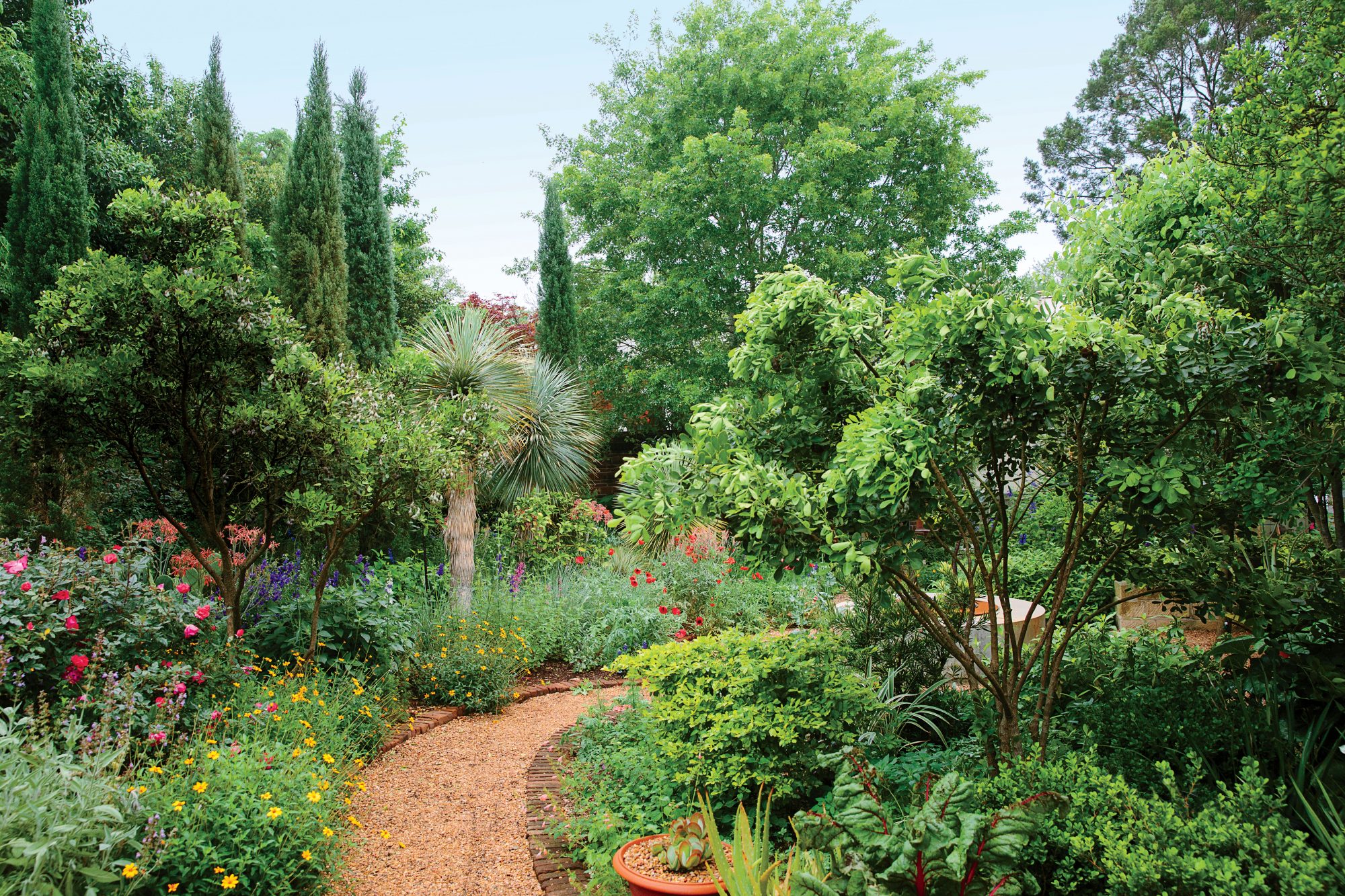
your secret belief in perpetual spring

IN PERPETUAL SPRING

Amy Gerstler

Gardens are also good places
to sulk. You pass beds of
spiky voodoo lilies
and trip over the roots
of a sweet gum tree,
in search of medieval
plants whose leaves,
when they drop off
turn into birds
if they fall on land,
and colored carp if they
plop into water.
Suddenly the archetypal
human desire for peace
with every other species
wells up in you. The lion
and the lamb cuddling up.
The snake and the snail, kissing.
Even the prick of the thistle,
queen of the weeds, revives
your secret belief
in perpetual spring,
your faith that for every hurt
there is a leaf to cure it.
Posted in Writing | Tagged , | Leave a comment

On the Fiery Edge of Oblivion

Just when I managed to pull myself away from obsessively checking in on the Fagradalsfjall volcanic eruption in Iceland, the local band Kaleo released this astonishing music video. The performance video for Skinny was filmed live during a volcanic eruption in southwestern Iceland.

Posted in Europe, Film, Music | Tagged , , | Leave a comment

Mystery, History & some Cartography

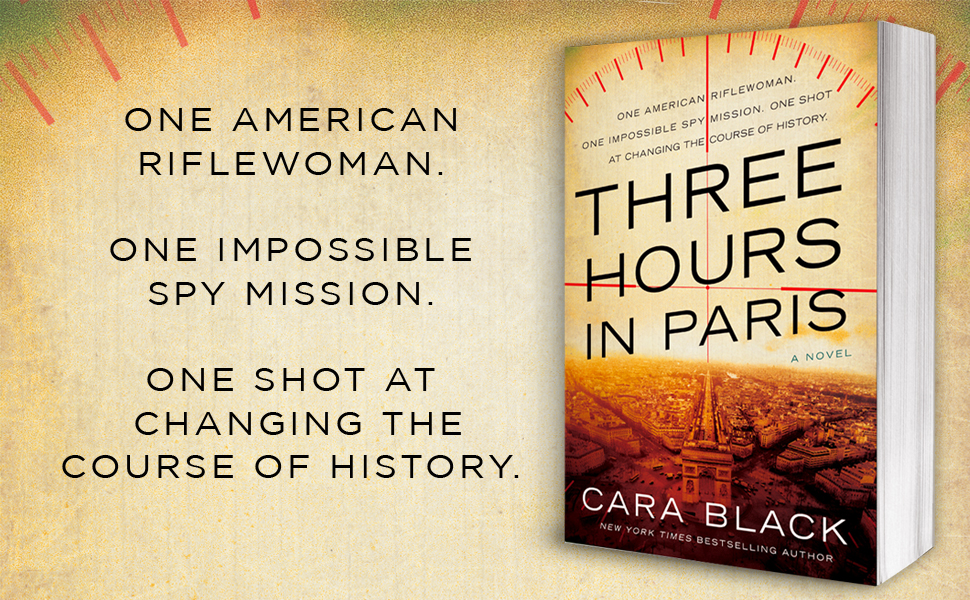
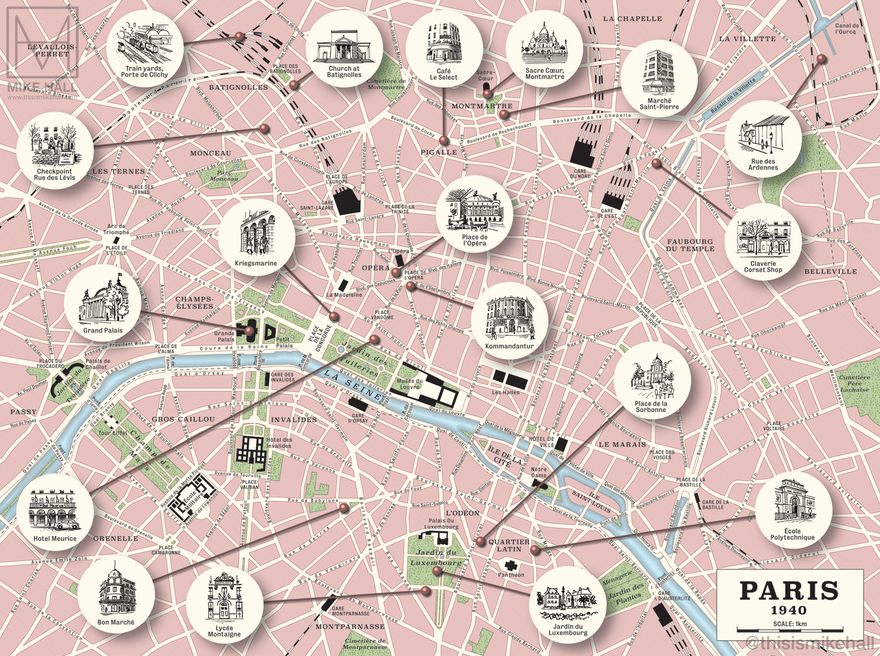
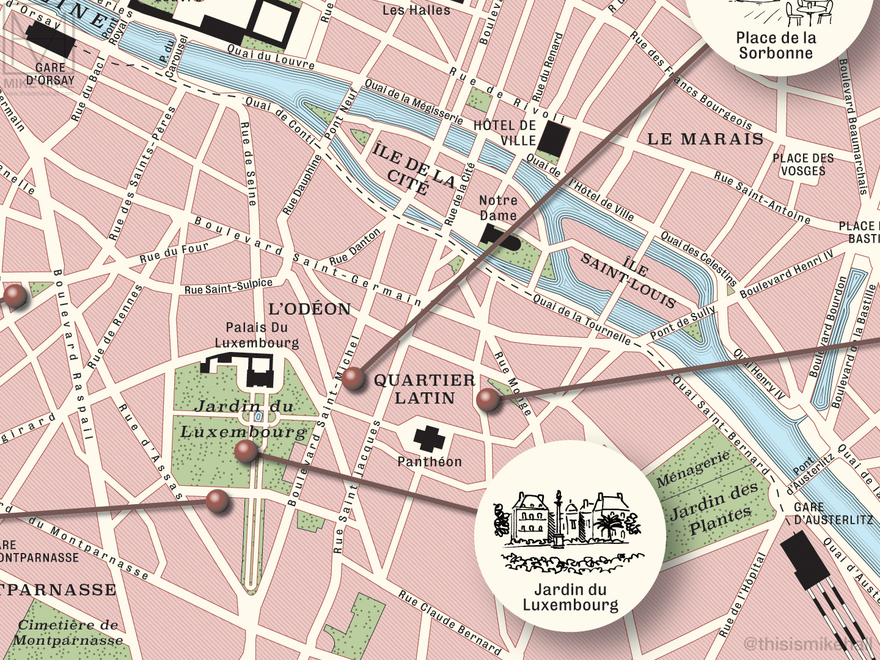
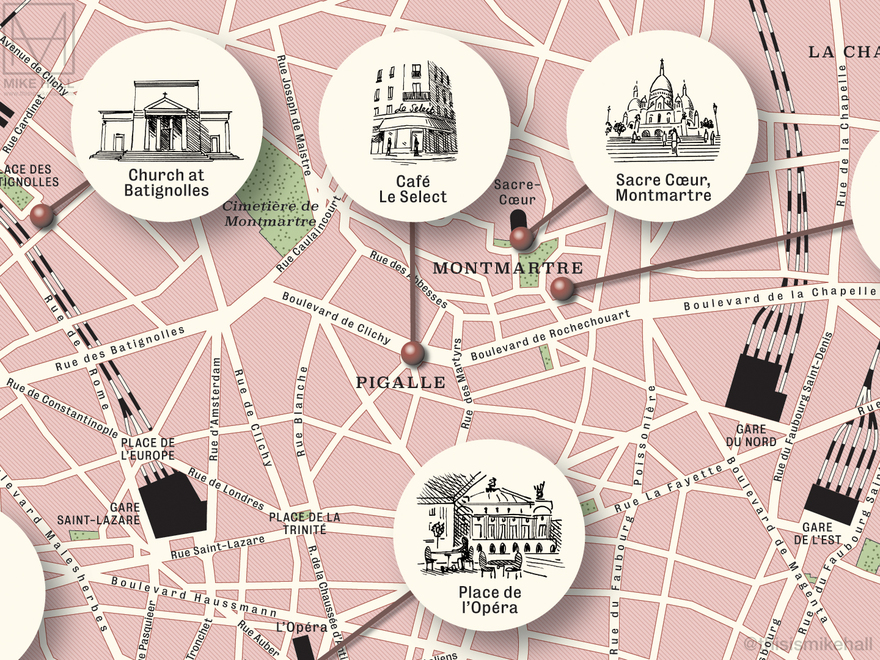
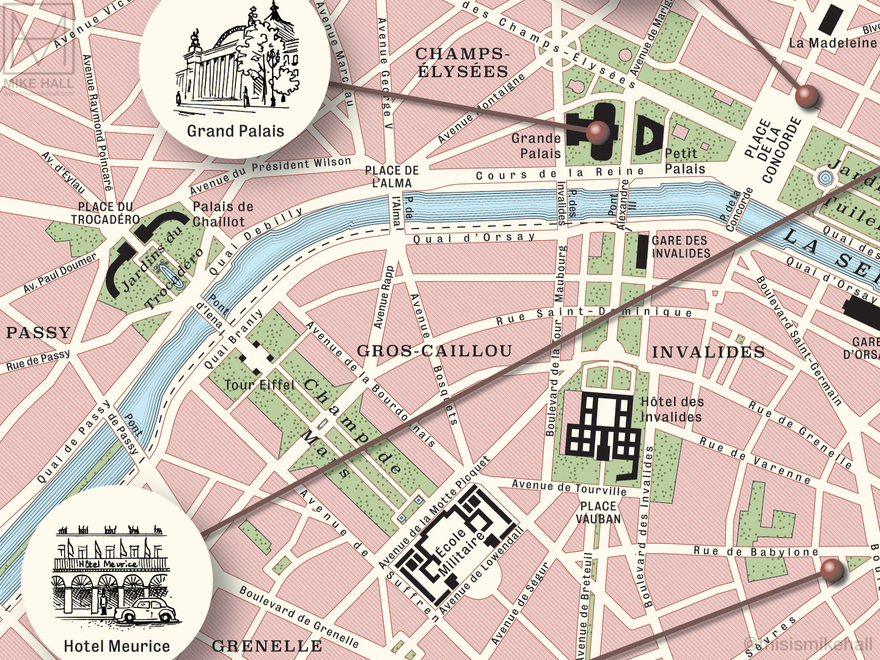
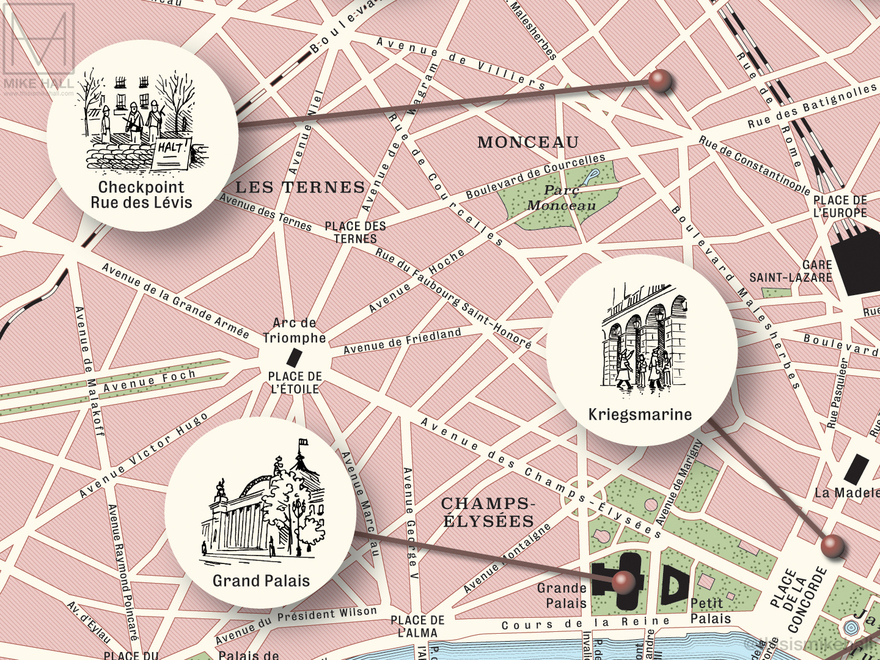
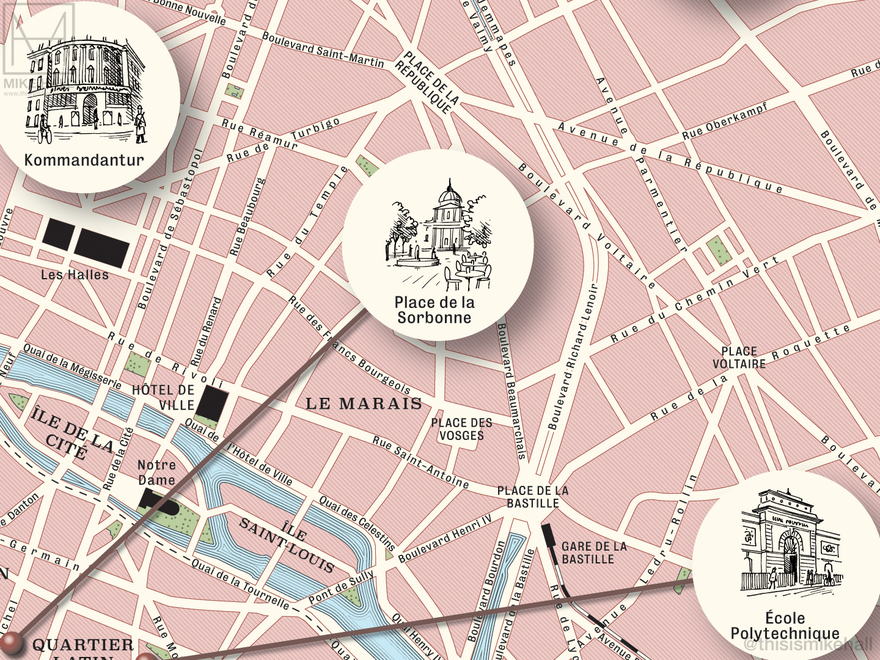
One of the joys of being vaccinated against Covid-19 has been the ability to return to bookstore browsing. On my most recent visit to our local indie bookshop (shout out to Newtown Bookshop ) I picked up a copy of Cara Black’s latest criminally fun excursion to Paris. Leafing through the novel before adding it to my to be read pile, I noticed that the book had a terrific Paris 1940 map that highlighted locations in the book. And I was chuffed to note that the map was the work of Valencia, Spain-based illustrator and map designer Mike Hall, who consistently creates all sorts of cartographic designs and artwork for numerous publications. Take a gander at his website, I’m sure you’ll recognize some of his excellent work.

Here’s what Hall had to say about the project:

I was commissioned by the publishers Soho Press to create this illustrated period-style map of Paris for the endpapers of the novel “Three Hours In Paris” by Cara Black (published in April 2020), a thriller set in the French capital during the Nazi occupation in World War II. The map displays eighteen locations around the city that are key to the plot, each illustrated by simple pen sketches, as well as famous landmarks. The brief required the design to resemble tourist guide maps of the 1930s-1940s. To achieve this, I used a limited colour palette and period-style typefaces for the text labels (Brandon Grotesque and Clarendon); I was also careful to ensure that the detail was correct for the period, researching plans of Paris from the 1930s and omitting any modern-day details or landmarks that didn’t exist until later, such as the Périphérique orbital motorway. As a further illustrative touch and to relate to the theme of the story, I had the idea of creating the illusion of pins and string connecting to the illustration bubbles, in the manner of maps created by detectives in their investigations.


Posted in Art, Books, Europe, History, Maps, Writing | Tagged , , , , , | 2 Comments

This book can help save the Planet

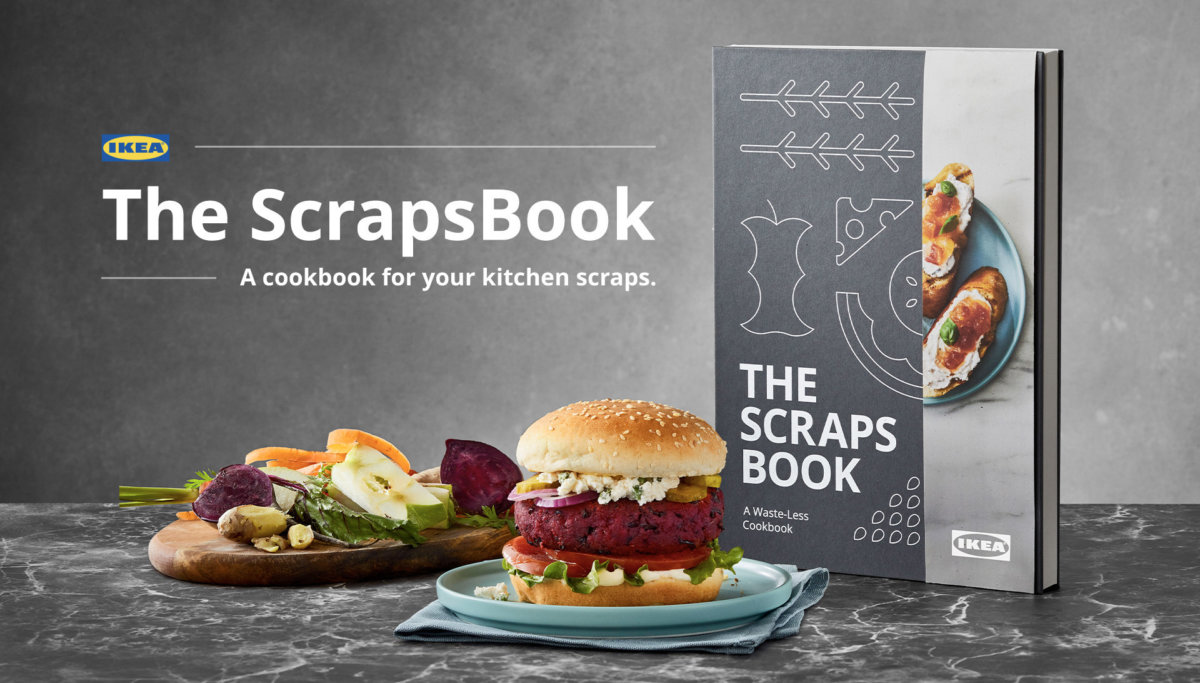
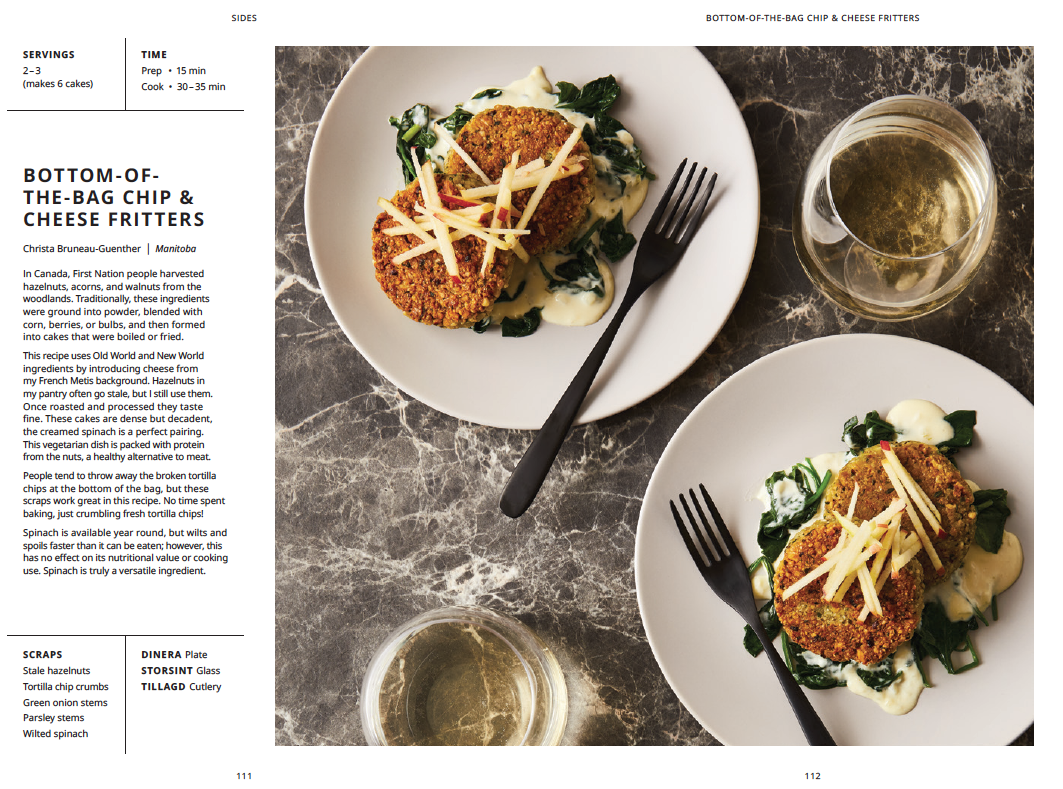
The international retail giant Ikea has published a cookbook for creative cooking with recycled food waste called The ScrapsBook and it’s available to download for free.

IKEA has created The ScrapsBook, in collaboration with chefs from across North America. This cookbook is dedicated to cooking with the little things we usually throw away. Or, as we like to call it, “scrapcooking.”

Scrapcooking is about finding the beautiful possibilities in that banana peel, radish top, or even the chicken bones you’re about to toss, and make the most of everything available to you. It’s little things like these that can add up to make a big difference.

Here’s a trailer:


Posted in Books, Europe | Tagged , , | Leave a comment

Flipping Brilliant

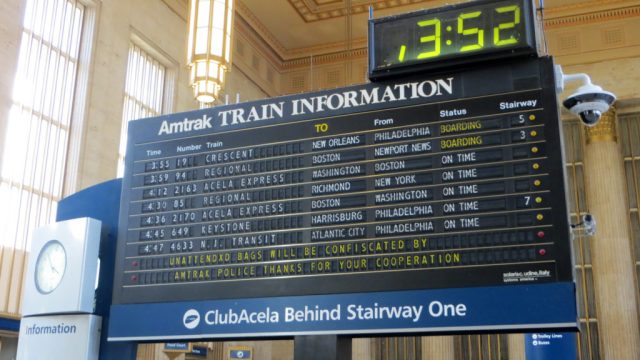
If you ever wax nostalgic for the old iconic railway station flipboards like the one pictured above from Philadelphia’s 30th Street Station, you are going to love this story.
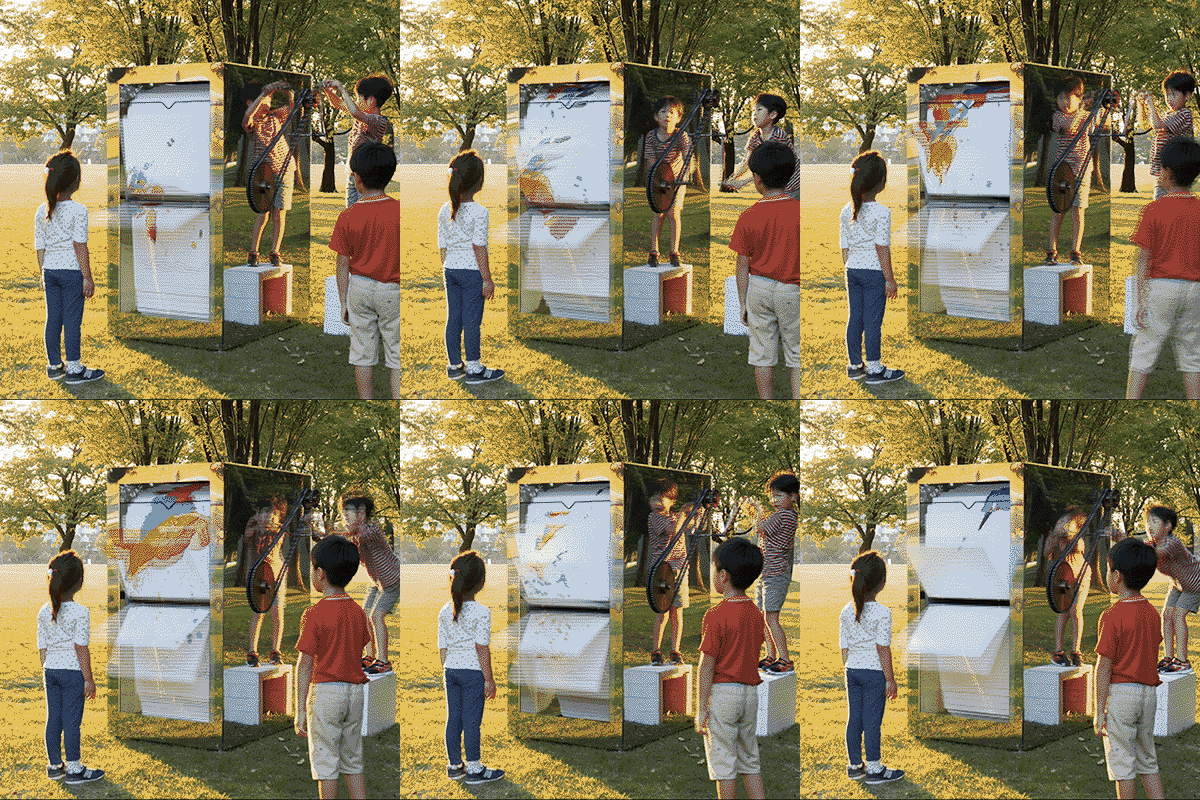
Chee-Kit Lai, founder of Mobile Studio Architects, has created what may be the world’s largest flipbook at Kanazawa Art Center in Japan. Installed in the center’s garden, the flipbook basically scales up the split-flap display technology used in old-school rail station departure boards. Gallery visitors can operate it via a large mechanical crank. Turning the crank rotates the book to flip the pages, setting in motion a hand-drawn animated sequence showing a kingfisher bird diving into water.

The individual animation frames were created by 100 participants in art workshops, held locally in Tokyo and online, with illustrations final received from contributors in Kyoto, Hiroshima, Nagano and London.

The animation shows the moment a kingfisher bird dives into the water to catch a fish. As the bird dives into the water it breaks the blank surface of the drawing to create a splash of colors. You can see how the flipbook was created and watch it in action via the film below.
Posted in Animation, Art, Asia, Books, Museums | Tagged , , | 3 Comments

Was Mordor actually in Siberia

I haven’t watched much classic Soviet-era Russian television, but I imagine that little of the content was as weird as the recently rediscovered version of J.R.R. Tolkien’s The Lord of the Rings. Embedded below are parts 1 and 2 of the production that has had the fans buzzing this past week. Even if you’re not a huge fan, it’s worth a look for the crazy, lo-fi special effects and oddball Soviet interpretations of the classic fantasy tale. This crazy made-for-TV movie was re-titled Khranteli  or The Keepers. Fans of Soviet era rock music will want to check it out just for the soundtrack.

Posted in Books, Europe, Film, movies, Music | Tagged , , , | Leave a comment

Irish Blessings

© Grant Snider Incidental Comics


Posted in Art, Europe | Tagged , | Leave a comment