
We may or may not be on a break, it depends who you ask. Please check back soon.
We may or may not be on a break, it depends who you ask. Please check back soon.

As I may have mentioned 20 or 30 times, I’ve been planning a trip to Japan and keep falling down Japan related rabbit holes. Like any sane person, I love Japanese cuisine, but as a vegetarian it’s sometimes difficult to find acceptable dishes. One of my guilty pleasures is tempura. While I rarely eat deep fried food these days, I’m willing to make an exception for tempura. But I was today years old when I learned that Japanese tempura was originally a Portuguese import.
Long a tradition staple of Japanese dining—fried vegetables or tempura (天ぷら)—was introduced by Portuguese traders who had a presence in Japan for about a century until being banished in 1639 for proselytizing, the ruling shogunate believing that Christianity was a threat to a stable society.

The recipe adapted from peixnhos da horta (little fish of the garden) for battered and fried green beans came to be known as tempura is etymologically tied to Christianity, being a Lenten substitute for a filling meal for those too poor to afford actual fish as a break from fasting, coming from the Latin tempora which indicated the time for abstaining.
Now you can impress your friends with a bit of Japanese/Portuguese trivia.

Westeros vs Britain & Ireland


Birth country of most recent immigrants


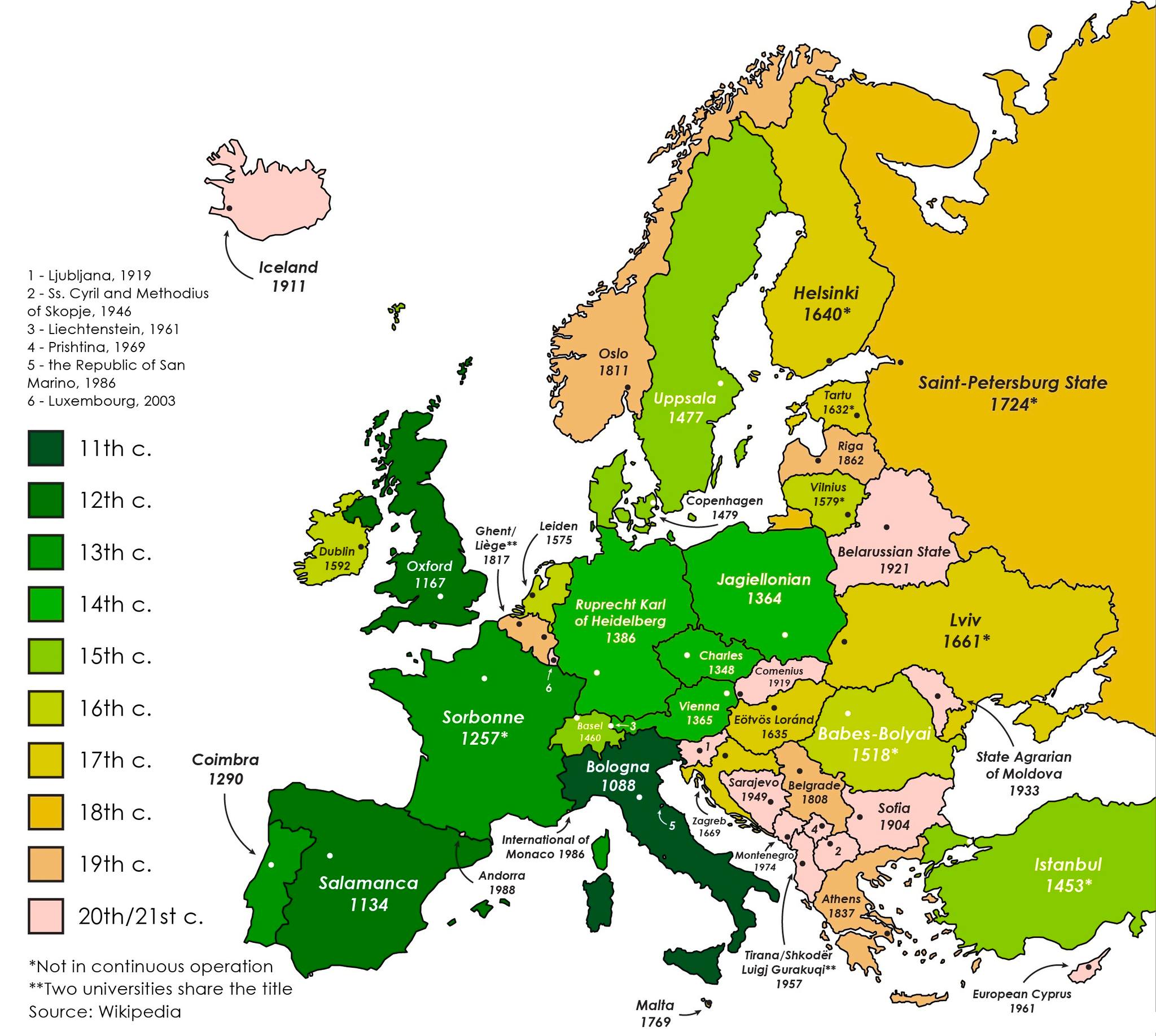
Establishment of Europe’s oldest universities
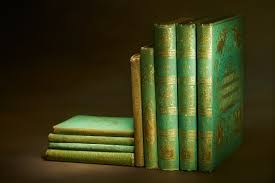
A very nice, well-appointed lady spends about an hour browsing the stock, including the locked cases. After building a rather formidable stack of unrelated books worth over $3,500 (including some very scarce Mark Twain first editions), I couldn’t resist asking:
What do you collect?
Oh nothing, but I will purchase these.
(My curiosity getting the better of me) A gift?
No. I am going to use them to decorate my daughter’s bathroom.
(Silly me! I failed to notice that the books were all various shades of green. This is a good thing, since the books will soon be color-coordinated with the mold).
Let me help you carry these out to your car.
(phone call – grownup)
I have a book I want to sell.
What is it?
It’s by John Stainback. It’s called “The Wayword Bus”
Who’s the publisher?
I just said, John Stainback
He’s the author, sort of. Let’s try again, what does the copyright page say?
Where’s that?
Sorry, I can’t use it. Thanks for calling.
phone call…
I have a bunch of old books I want to sell on e-bay. Can you tell me what they are worth?
Why would I want to do that?
My friend said to call you and that you know a lot about books.
You are missing my point. Why should I waste my time helping you?
So I can know what reserve to put on my books.
I charge for appraisals.
Well this isn’t an appraisal. I just want to know what they are worth.
Sorry, you will have to call someone else. Good luck!

(Woman mid-thirties, pondering a purchase)
I have never read a book this long. It would really have to be good for me to read this one (149 pps.).
(Woman, in her mid 30s)
Do you have the “Titanic” book?
No.
I’d like to read it.
Uh huh.
Did you know it’s a true story, except for the romantic part?
(this is worse than I thought!)
You have a book I want, but it’s $30. Would you take less? I just want to look at the pictures.
It’s too hot in here! Why don’t you turn on the air conditioning or something?
You could take off your sweater.
Have you read all these books?
Of course! I never sell a book without reading it first.
(Real long pause)
When do you watch TV?
Hi, are you hiring?
No. Not at this time.
I like books.
So do I.
I promise not to get in the way. I could just read or something.
Have you ever seen the Guggenheim Bible?
Yes.
Wow!
phone call…
Are you hiring?
No.
Good! Can I have your company’s name?
Why?
I have to tell the Unemployment Department that I am looking for a job.
This is the Unemployment Department. Can I get your name?
(click)
phone call…
I have a rare book.
What do you have?
It’s called Sea Wolf.
By London.
Yea.
What makes you think it’s rare?
It’s signed by him.
Is it a first edition?
Yea.
Who is the publisher?
Dell.
It’s a paperback?
Yea.
What year was it published?
1976.
He must have been pretty old when he signed it.
Yea, he was.
I have to go now.
Do you want to buy it?
No.
(Customer fills out search card: 16 Chapels)
(me) Oh, you’re after books on European Churches?
No, just books about the 16 Chapels.
16 Chapels?
Yea, you know the one with the big painting on the ceiling.
We will let you know what we find (once we stop convulsing).
There are more at the BookMine, which is an online bookshop in California.

Presently the smell of coffee began to fill the room. This was morning’s hallowed moment. In such a fragrance the perversity of the world is forgotten, and the soul is inspired with faith in the future […]. Some day, incredible though it might seem, spring would come with its birds, its buttercups in the home-field.
― Halldór Laxness, Independent People

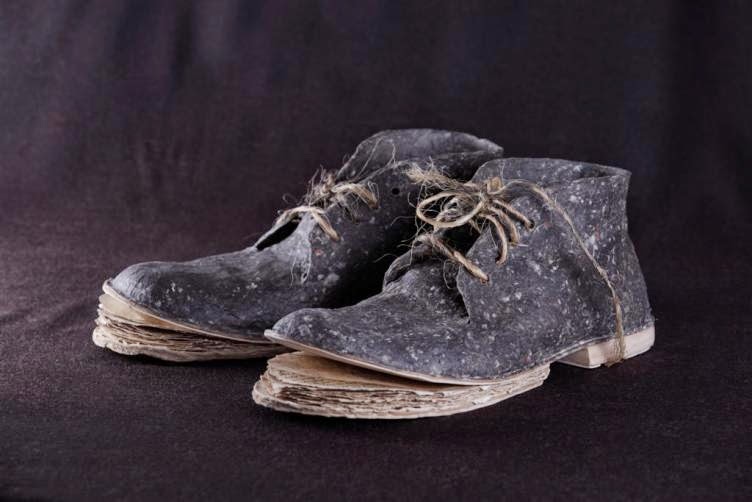
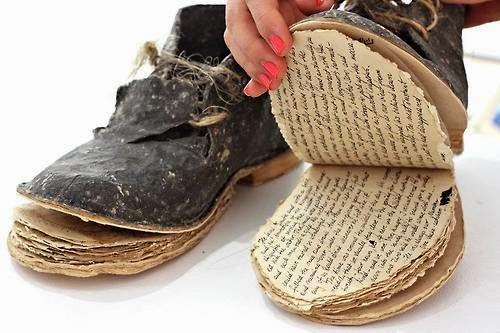
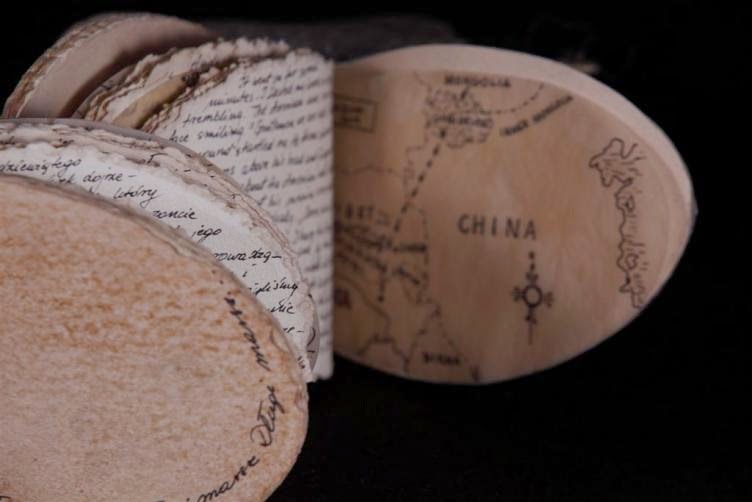
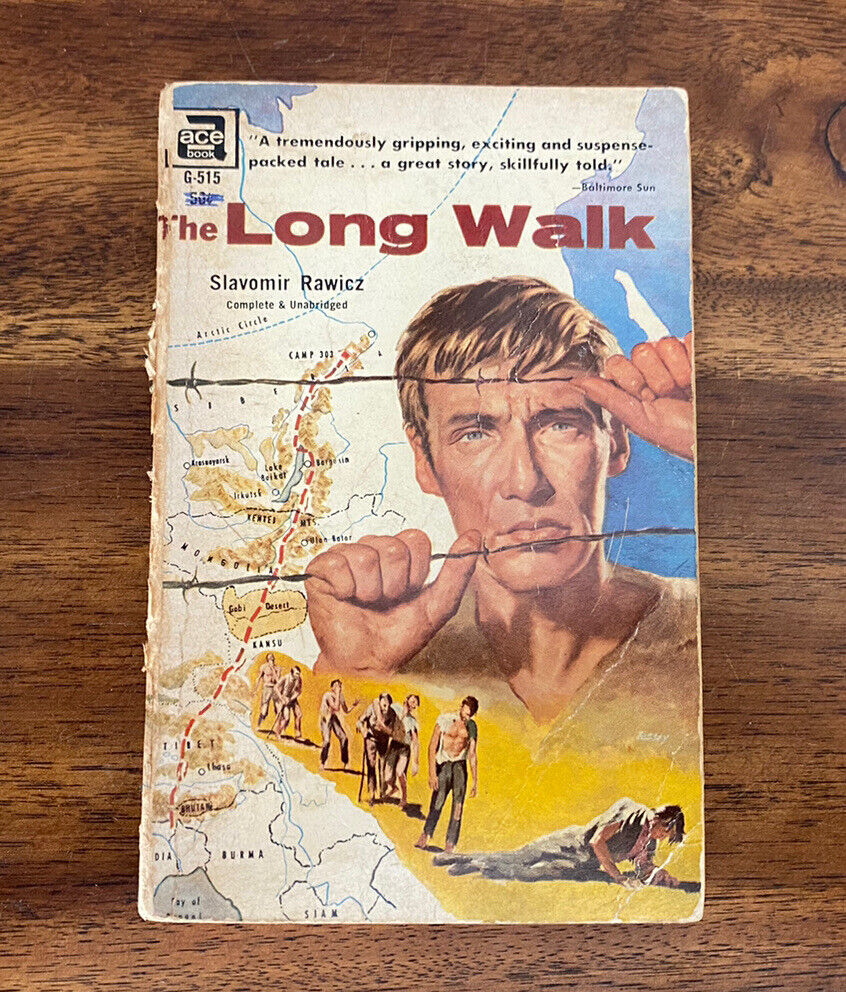
In a ghost-written book called The Long Walk, author Rawicz claimed that in 1941 he and six others had escaped from a Siberian Gulag camp and begun a long journey south on foot (about 6,500 km or 4,000 mi), supposedly travelling through the Gobi Desert, Tibet, and the Himalayas before finally reaching British India in the winter of 1942.
In 2006, the BBC released a report based on former Soviet records, including statements written by Rawicz himself, showing that Rawicz had been released as part of the 1942 general amnesty of Poles in the USSR and subsequently transported across the Caspian Sea to a refugee camp in Iran, leading the report to conclude that his supposed escape to India never occurred.
In May 2009, Witold Gliński, a Polish World War II veteran living in the UK, came forward to claim that the story of Rawicz was true, but was actually an account of what happened to him, not Rawicz. Gliński’s claims have been severely questioned by various sources. The son of Rupert Mayne, a British intelligence officer in wartime India, stated that in 1942, in Calcutta, his father had interviewed three emaciated men who claimed to have escaped from Siberia. According to his son, Mayne always believed that their story was the same as that of The Long Walk—but telling the story decades later, his son could not remember their names or any details. Subsequent research failed to unearth confirmatory evidence for the story.

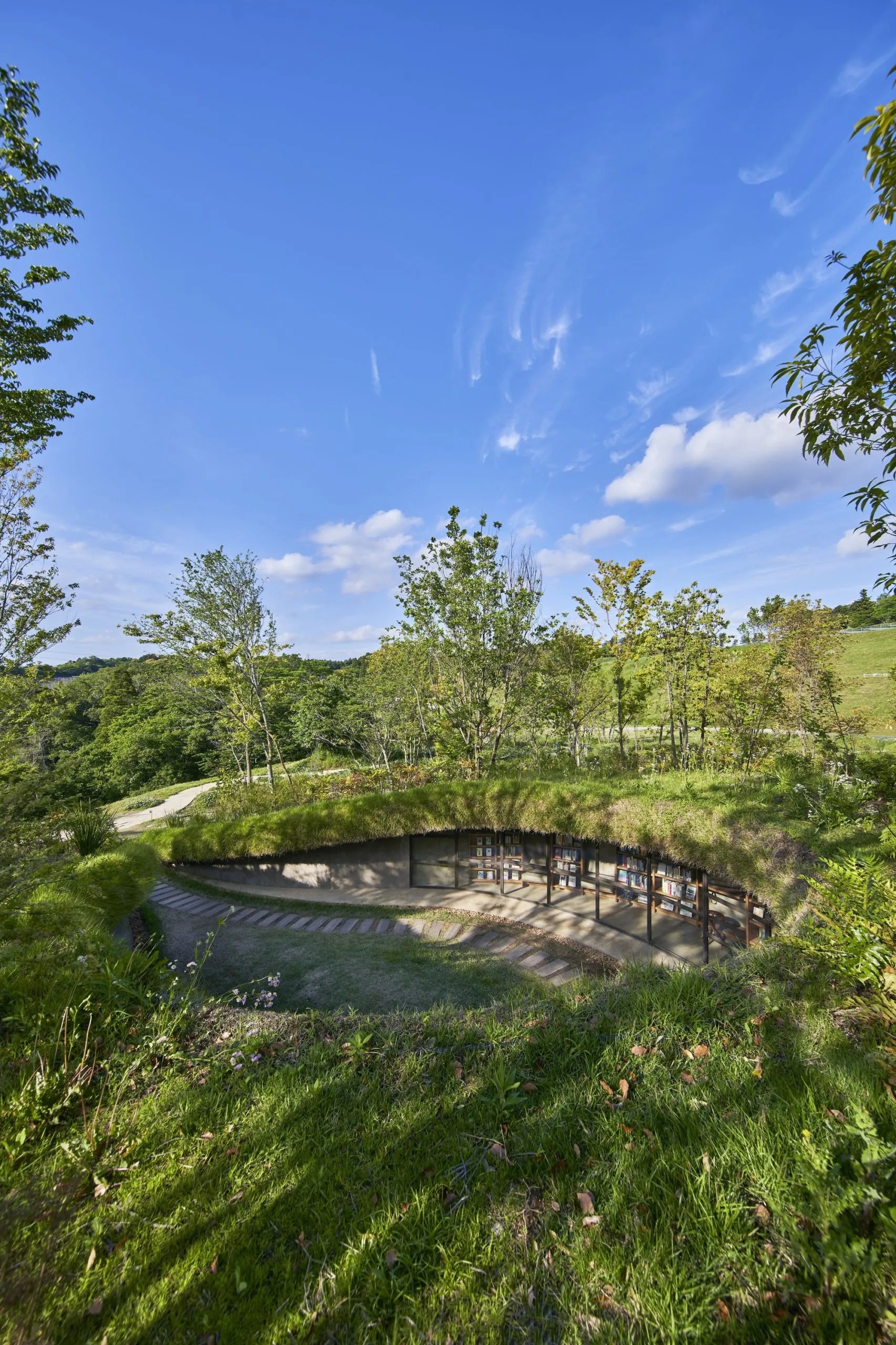
Nestled in a copse in a corner of a verdant field in Kisaru, Japan there’s an inviting library built to serve local residents of a farming community. Designed by architect Hiroshi Nakamura, Library in the Earth occupies a space that was once a natural valley filled with construction debris, leaving only flat, dry land above. Rather than imposing another structure upon the already altered landscape, the studio chose to carve a path into the earth leading to ‘Mother Pond,’ the locals’ affectionate term for the pond in the area. The gesture of leaving the upper layer intact in order for the plants and microorganisms to flourish was an acknowledgement of the soil’s role as a life-giver.

Taking the form of a water droplet, the library is accessed by descending to the entrance of a bookshelf-lined corridor. Overhead, living grass hangs from the concrete slab edges which cantilever from the retaining walls, introducing a dampness that changes along with the seasons.

Symbolism is embedded throughout the library’s structure: the way the bookshelves’ vertical frames support each other in mutual reinforcement recalls community strength, and the central skylight reminds readers of their connection to the world above. These thoughtful details encapsulate the project’s essence as “a library that thinks of the earth while being embraced in the wisdom of the earth and human beings.”



Sometimes web surfing serendipity ticks all of the boxes. Regular readers are au fait with my life-long love of cartography, my near obsession with historic travel guides, and my background as an erstwhile history teacher, so you won’t be too surprised that this website is in my wheelhouse.
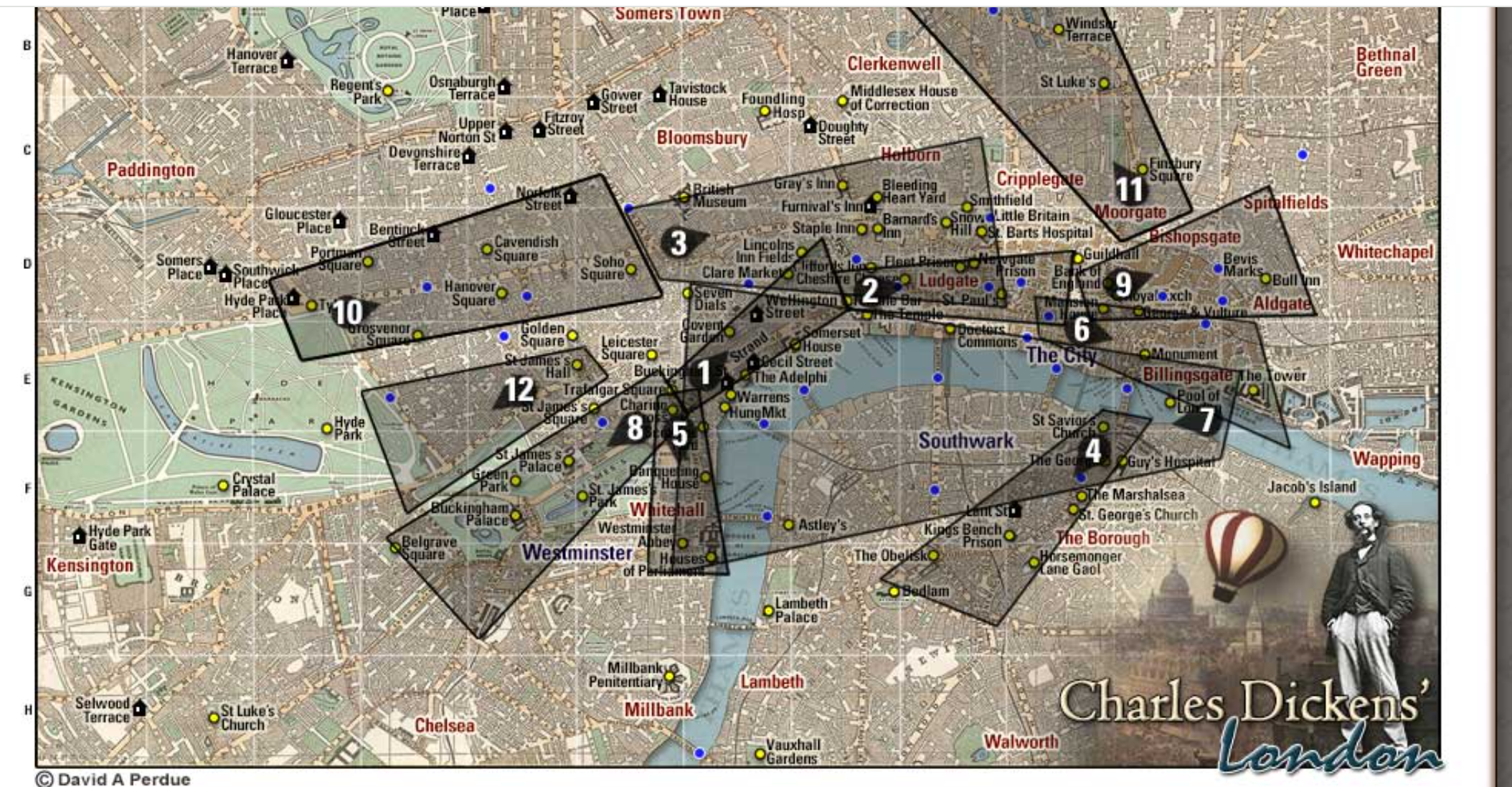
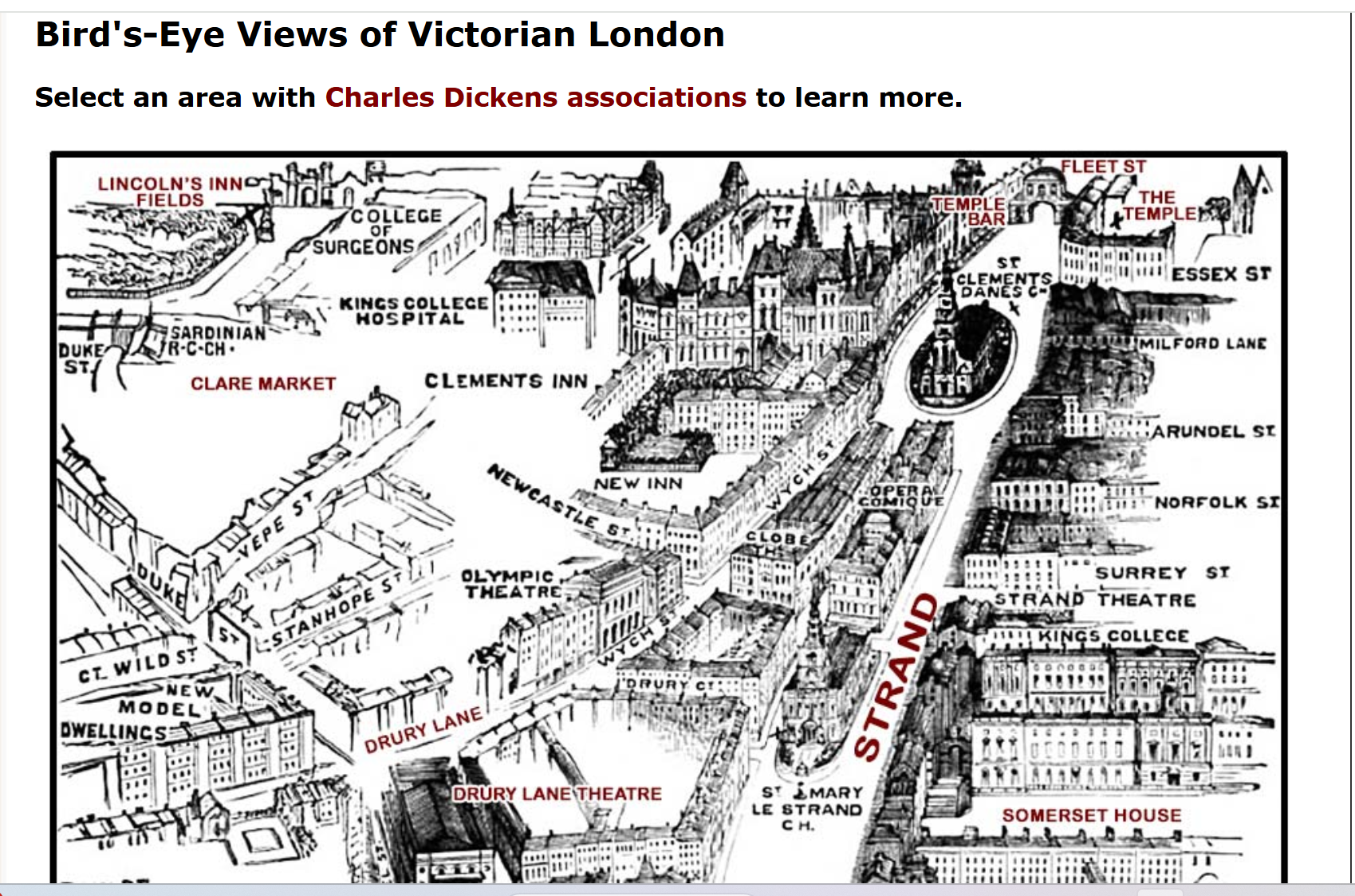
The Charles Dickens Page allows you to view a number of bird’s eye views of London neighborhoods, as captured by Thomas Sulman in the 1880’s. These maps were originally published in 1886, in a London guidebook by Herbert Fry.




 Travel Between The Pages