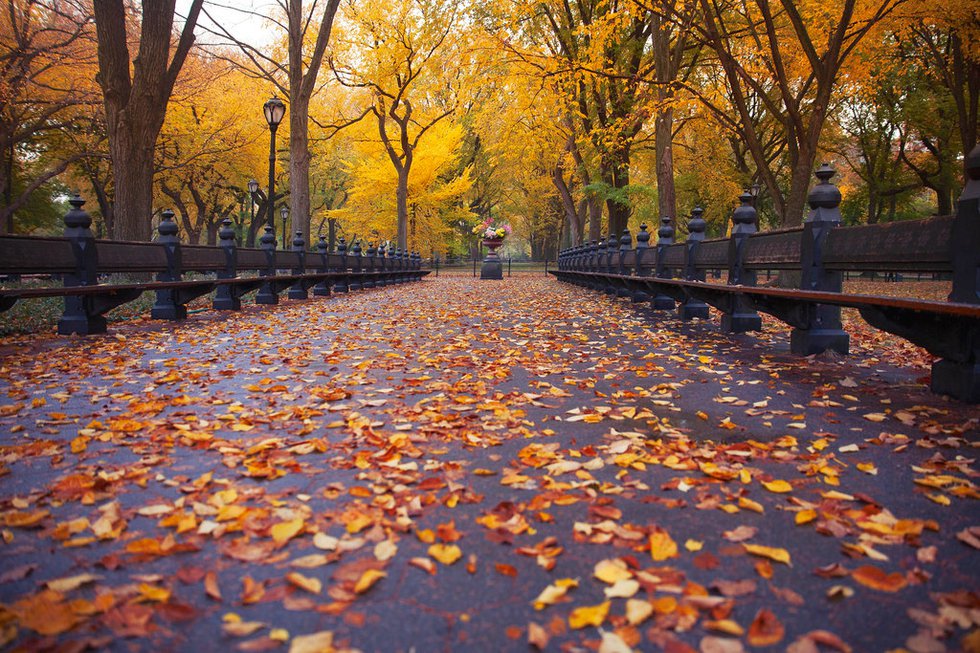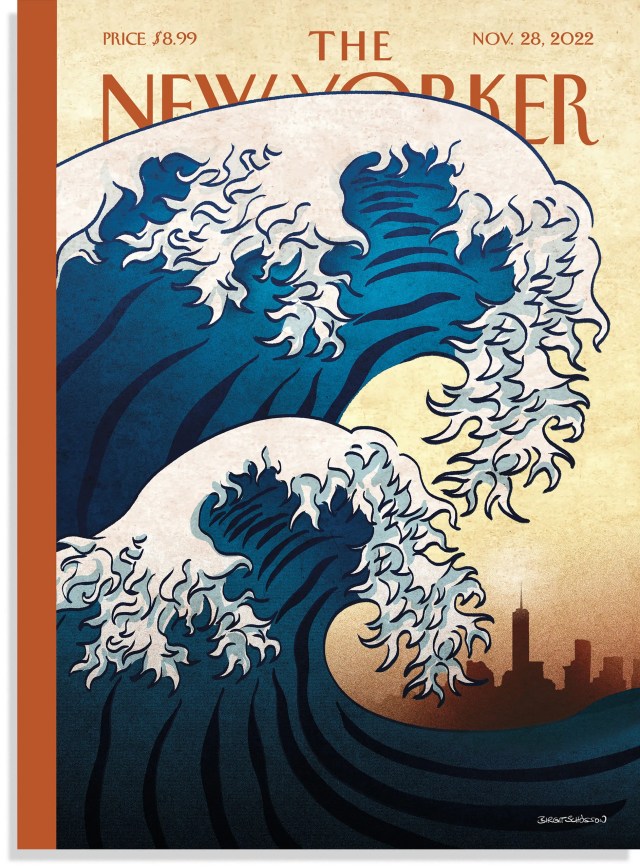
heaped with shining hills

First Snow by Mary Oliver

The snow
began here
this morning and all day
continued, its white
rhetoric everywhere
calling us back to why, how,
whence such beauty and what
the meaning…
The silence
is immense,
and the heavens still hold
a million candles, nowhere
the familiar things:
stars, the moon,
the darkness we expect
and nightly turn from. Trees
glitter like castles
of ribbons, the broad fields
smolder with light, a passing
creekbed lies
heaped with shining hills;
and though the questions
that have assailed us all day
remain — not a single
answer has been found –
walking out now
into the silence and the light
under the trees,
and through the fields,
feels like one.


Posted in Art, Restaurants, USA, Writing | Tagged , , | 1 Comment

Sacré bleu

The 1937 phrasebook Collins’ Pocket Interpreters: France paints an alarming picture of a typical visit to France:

I cannot open my case.
I have lost my keys.
I did not know that I had to pay.
I cannot find my porter.
Excuse me, sir, that seat is mine.
I cannot find my ticket!
I have left my gloves (my purse) in the dining car.
I feel sick.
The noise is terrible.
Did you not get my letter?
I cannot sleep at night, there is so much noise.
There are no towels here.
The sheets on this bed are damp.
I have seen a mouse in the room.
These shoes are not mine.
The radiator doesn’t work.
This is not clean, bring me another.
I can’t eat this. Take it away!
The water is too hot, you are scalding me!
It doesn’t work.
This doesn’t smell very nice.
There is a mistake in the bill.
I am lost.
Someone robbed me.
I shall call a policeman.
That man is following me everywhere.
There has been an accident!
She has been run over.
He is losing blood.
He has lost consciousness.

James Thurber, who came upon the book in a London bookshop, described it as a “melancholy narrative poem” and “a dramatic tragedy of an overwhelming and original kind.” “I have come across a number of these helps-for-travelers,” he wrote, “but none has the heavy impact, the dark, cumulative power of Collins’. … The volume contains three times as many expressions to use when one is in trouble as when everything is going all right.”

Posted in Books, Europe, Tourism, Travel Writing | Tagged , , , | 2 Comments

Driving In Circles

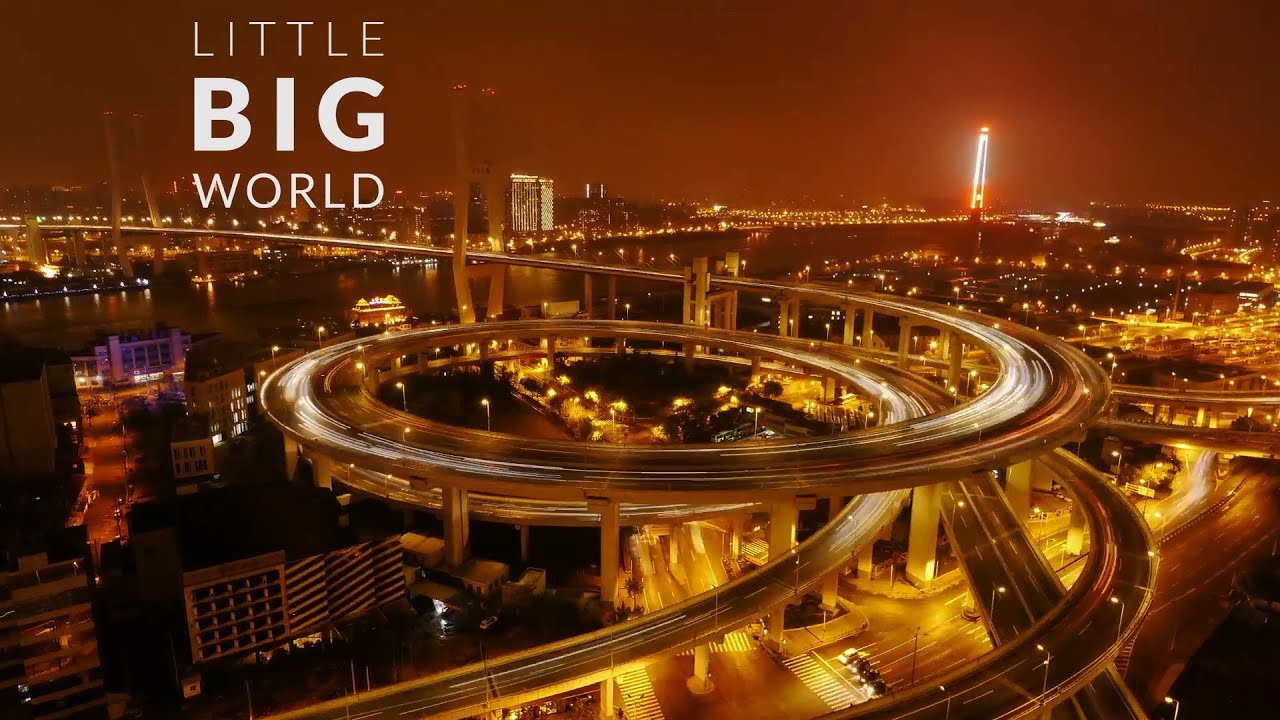
I’m no Luddite, but I have serious reservations about self-driving automobile technology. This recent news story seems to prove me right. Last week, Mike Johns was on his way to the Phoenix, Arizona airport in a Waymo autonomous taxi to catch a flight back to Los Angeles. However, the self-driving taxi had other, very autonomous plans and, after Johns had fastened his seatbelt in the back seat, began driving in circles in a parking lot . As a passenger, there is apparently nothing more you can do than call Waymo support, who also seemed rather helpless at first. But somehow things went forward and Mike got his flight after all.


Posted in Air Travel, Public Transport, Tourism, USA | Tagged , , | 1 Comment

No But Yes

You all know by now that I am serious about coffee. I take it so seriously that I got my own roasting machine and learned to be a competent amateur roaster. So when I read about coffee in a tube, my first reactions was a hard pass. But then I thought about the hassles that I faced carrying brewing equipment on backpacking trips and reconsidered.

Outdoor enthusiasts can now get their caffeine fix with the world’s first coffee in a tube, brought to life by Swiss startup No Normal Coffee.

The idea of an ultra-portable kafi us de tube came to founders Alexander Härberlin and Philippe Greinacher during a hiking trip in the Swiss Alps, where the desire for a good cup of joe met the challenges of portability and simplicity. What they’ve thus concocted is a coffee paste that guarantees quality, consistency, and convenience, catering to adventurers who don’t want to compromise on flavor while on the go.

Made from 100% Fair Trade Arabica beans sourced from Colombia and sweetened with organic Swiss beet sugar, the coffee paste delivers a rich, dark roast experience. Each 100ml aluminum tube contains enough paste to make up to 20 cups of coffee, with flavors that hint at chocolate, nuts, and caramel.

To prepare a cup, mix a teaspoon of the paste with hot or cold water, stir, and enjoy. The tube’s resealable design ensures that there’s no mess, making it a practical solution for camping trips, hikes, or any activity away from home.

Besides use in drinkable form, the paste can be enjoyed straight from the tube, used as a spread on bananas or bread, or incorporated into protein drinks.


Posted in Europe, Tourism | Tagged , , , | 1 Comment

Who knew that we are climate heroes

I have always contended that secondhand and antiquarian booksellers were the epitome of recyclers, but now we’re getting awards for our efforts.

One of the most popular antiquarian and secondhand bookshop in the North East of England has won the North Tyneside Business Forum Action on Climate Change business award.

Keel Row Books, which moved recently from North Shields to Whitley Bay, was established in 1981 and has been run since 2006 by Anthony Smithson and Alice Laverty, founders of the prestigious York Antiquarian Books Seminar, the annual not-for-profit educational course for would-be booksellers.

“Over the last decade, we have been chip, chip, chipping away at our business carbon footprint,” they said. “It’s been a positive and interesting journey. With consistent effort, our carbon emissions have reduced from modest to dainty.

“Our business model is based on reuse and is inherently low carbon. In the last year we’ve sold over 25000 books, all bought secondhand from book collectors, readers and auctions in the North East and beyond, then streamed back to market through our business. In 2023 we relocated to a low carbon premises on Park View in Whitley Bay. During the renovation of the derelict property, we invested in carbon saving features including an air to water heat pump, insulation, salvaged and reused fixtures and furniture, and new double glazed windows and shopfront. Other business carbon reduction policies include a renewable energy contract, biodegradable and reused packaging, and no flying for business purposes.”

Posted in Books, Bookstore Tourism, Europe | Tagged , , , | Leave a comment

All eyes on Greenland

Once again, Creamsicle Caligula has made headlines with his wacky claims about taking over Greenland and making it a U.S. territory. And again, the mainstream media has taken the bait and focused on his cockamamie pronouncements while ignoring his outrageous plans and political appointments. However, it’s a good opportunity to talk about some of the peculiar aspects of Greenland’s place on the globe.

Greenland is farther east, west, north, and south than Iceland.
Greenland holds the fascinating distinction of stretching farther east, west, north, and south than its neighboring island, Iceland, making it a unique geographical marvel. This extraordinary fact is rooted in the sheer size of Greenland, which is the largest island in the world, spanning over 2.16 million square kilometers, compared to Iceland’s relatively modest 103,000 square kilometers.
Greenland’s westernmost point, Cape Alexander, reaches farther west than Iceland’s Snæfellsnes Peninsula. To the east, Greenland’s Cape Nordostrundingen extends well beyond Iceland’s easternmost point near Gerpir. In the north, Greenland’s Kaffeklubben Island holds the title of the northernmost point of land on Earth, far surpassing Iceland’s northern limits at Rifstangi. Similarly, in the south, Greenland’s Cape Farewell extends farther into the North Atlantic than Iceland’s southernmost point at Kötlutangi.
This remarkable range is due not only to Greenland’s vast size but also to its position straddling the Arctic. Its territory stretches across both the Atlantic and Arctic Oceans, giving it a greater reach in all directions. In contrast, Iceland, while geologically unique and located at the boundary of the Eurasian and North American tectonic plates, is much smaller and more compact in its extent.
Greenland’s vast dimensions emphasize the stark difference between the two islands in terms of scale and geographic influence. This comparison highlights the incredible diversity of the North Atlantic region, showcasing how two neighboring islands can differ so dramatically in size, shape, and global positioning.
Posted in Europe, Maps, Tourism, USA | Tagged , , | 1 Comment

A message that sadly needs repeating

As 2025 dawns, here in the United States we face the prospect of a four year (or more) reign of Christo-Fascist zealots. But the world has seen it all before.

The League of American Writers was formed by artists, authors and poets and others  who established by the First American Writers Congress in 1935.

The letter above was written by Donald Ogden Stewart, the President of the League and longtime friend and neighbor of Rockwell Kent, this large-scale, anti-fascist broadside voiced the organization’s cry against the brutality of the Spanish Civil War. In addition to Kent and Stewart, other notable signers include Elmer Adler, Marc Blitzstein, Lawrence Gelb, Prince Hubertus and Princess Helga Maria Loewenstein, Henry Seidel Canby, and author and screenwriter Lester Cohen. Although their signatures do not appear on the document, other prominent members of the League included Lillian Hellman, Ernest Hemingway, John Steinbeck and Nathanael West. Hemingway, in particular, spoke out about his time covering the Spanish Civil War and the atrocities that he witnessed.

The calligraphed broadside with a statement signed by members of The League of American Writers, which features a headpiece illustration by Rockwell Kent, who was also a member of the contentious organization.


Posted in Art, Freedom of Speech, History, USA | Tagged , | Leave a comment

Would you pay a fee to visit a bookstore

Bunkitsu (文喫) in Tokyo’s Roppongi neighborhood is a bookstore that stocks more than 30,000 titles. It also features something else: an admission fee. It costs 1,650 yen (USD $10.50) on weekdays and 2,530 yen ($16) on weekends. There’s also a “morning stroll” option for weekday AM that’s only 1,100 yen ($7).

It may seem outrageous to North Americans and Europeans to charge admission to a bookshop, but in crowded Tokyo it grants you access to an attractive, quiet 90-seat space in the city where you can hang out all day if you choose. Contrast that to the atypical book/cafe in Tokyo where you’re often limited to a two-hour maximum stay. Even in spaces that don’t impose a time limit, you may be made to feel guilty taking up limited space for longer than that.

Bunkitsu is divided into several areas, including a long row of lantern-lit desks with plenty of space to spread out and either read or work. Every seat has power outlets for plugging in a laptop, phone, or tablet.

The price of admission also includes free unlimited coffee or tea. You can also purchase more expensive drinks a la carte.

You can bring your own books to read or check out a new title in the bookstore. They also have an enormous selection of magazines to browse.

Other book cafes around Tokyo have also jumped on the pay-to-stay concept. Mori No Toshoshitsu in Shibuya offers food and drinks (including cocktails), a ton of books, and a flexible hourly charge system: 1,100 yen for an hour, 2,,200 for three hours, or 3,300 for all-day access with a free drink.


Posted in Asia, Books, Bookstore Tourism, Tourism | Tagged , , , | 1 Comment

We all want to be told stories

“We exist for ourselves, perhaps, and at times we even have a glimmer of who we are, but in the end we can never be sure, and as our lives go on, we become more and more opaque to ourselves, more and more aware of our own incoherence. No one can cross the boundary into another – for the simple reason that no one can gain access to himself.

…..

In general, lives seem to veer abruptly from one thing to another, to jostle and bump, to squirm. A person heads in one direction, turns sharply in mid-course, stalls, drifts, starts up again. Nothing is ever known, and inevitably we come to a place quite different from the one we set out for.

…..

Then, without any warning, we both straightened up, turned towards each other, and began to kiss. After that, it is difficult for me to speak of what happened. Such things have little to do with words, so little, in fact, that it seems almost pointless to try to express them. If anything, I would say that we were falling into each other, that we were falling so fast and so far that nothing could catch us.

…..

We all want to be told stories, and we listen to them in the same way we did when we were young. We imagine the real story inside the words, and to do this we substitute ourselves for the person in the story, pretending that we can understand him because we understand ourselves. This is a deception. We exist for ourselves, perhaps, and at times we even have a glimmer of who we are, but in the end we can never be sure, and as our lives go on, we become more and more opaque to ourselves, more and more aware of our own incoherence. No one can cross the boundary into another—for the simple reason that no one can gain access to himself.”


Posted in Books, Restaurants, USA, Writing | Tagged , | Leave a comment

“It Takes a Lot to Laugh, It Takes a Train to Cry”

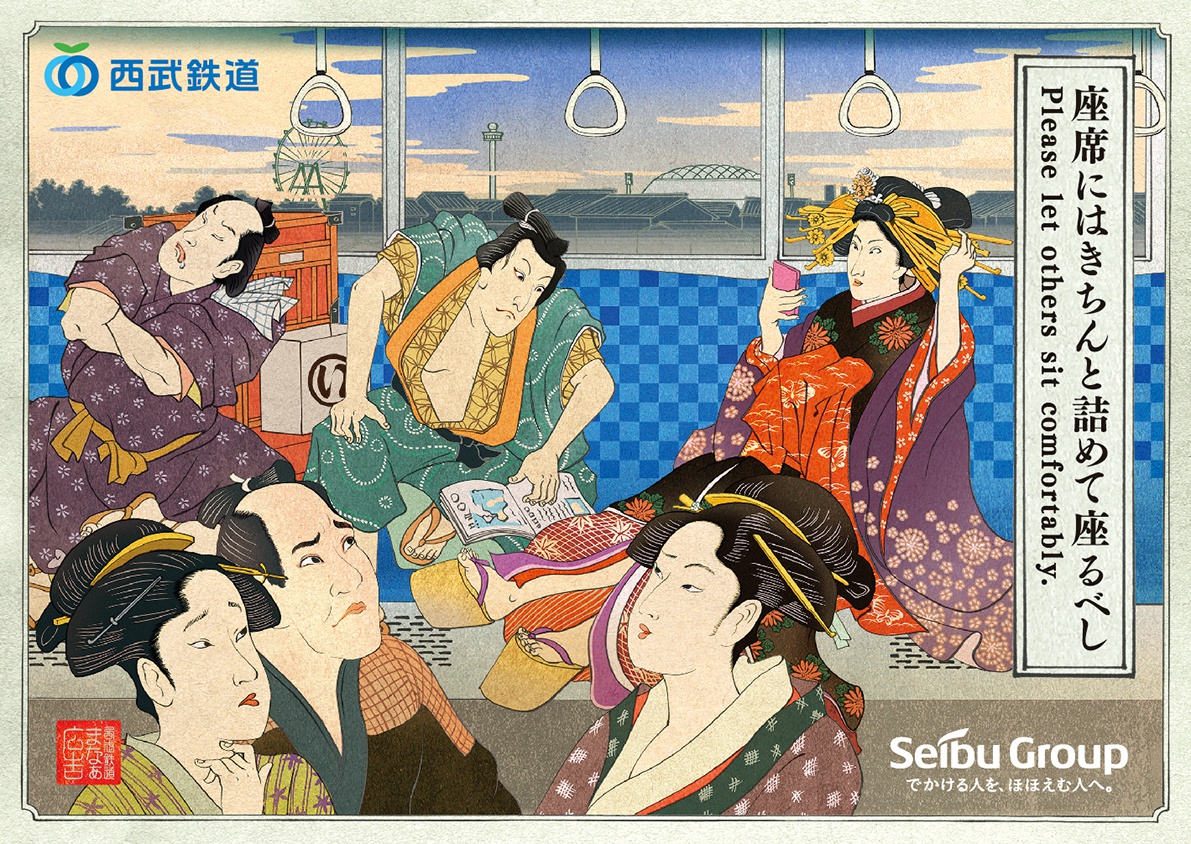
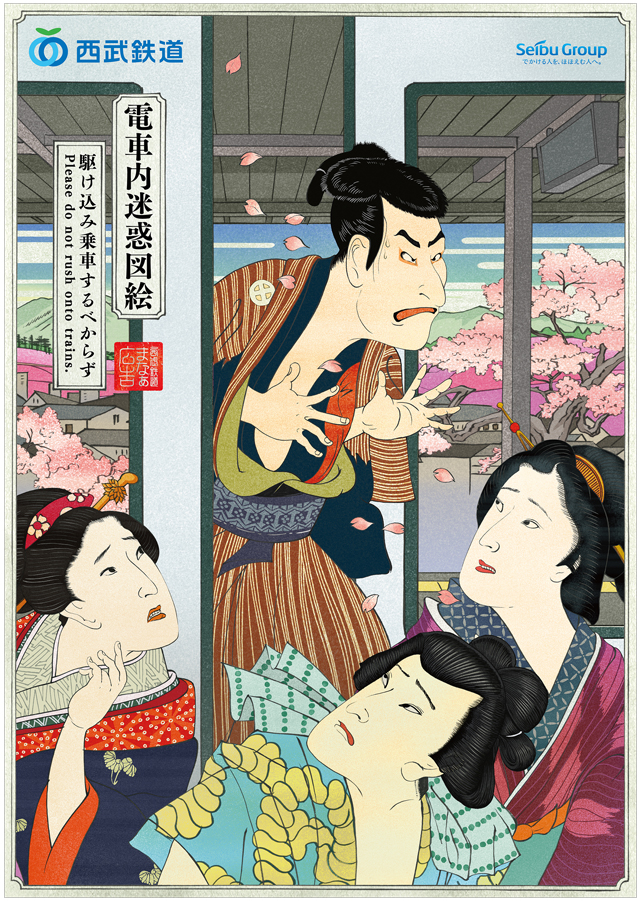
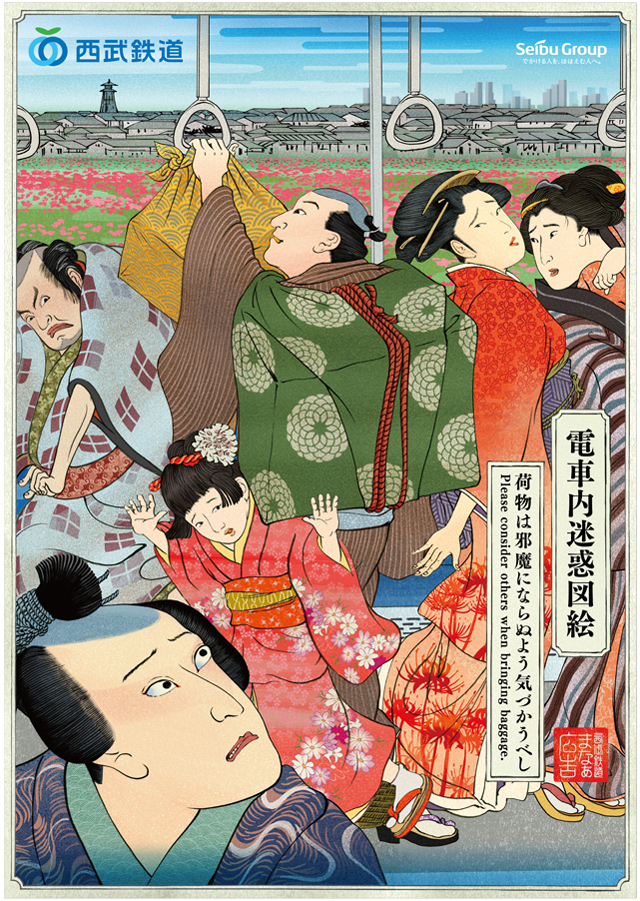
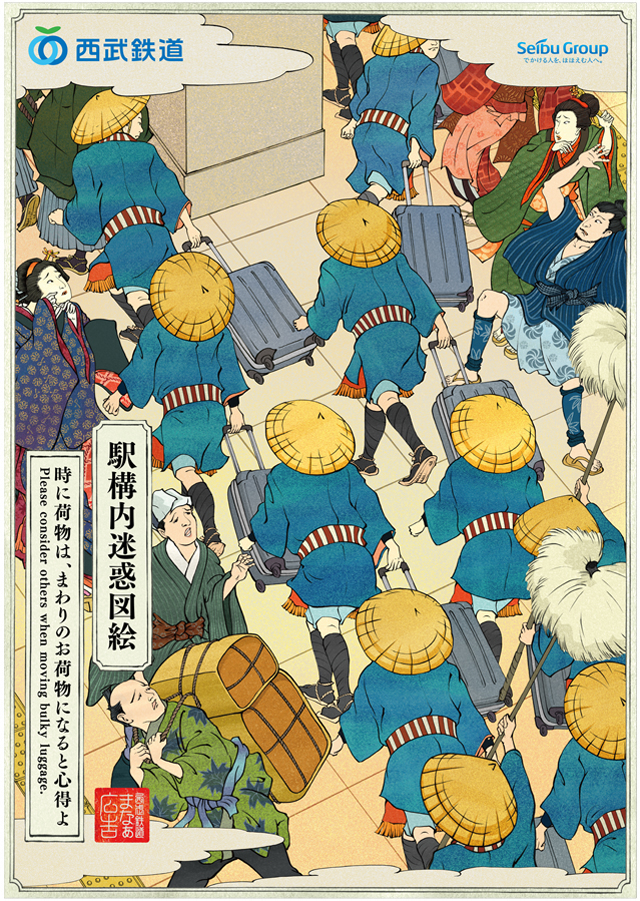
As you may have noticed, my latest travel obsession revolves around all things Japan. I have never been, but I’m looking forward to a three week visit this Spring. Between travel video warnings and admonitions about tourist etiquette from Japanese friends, I’m learning how to be on my best behavior in public.

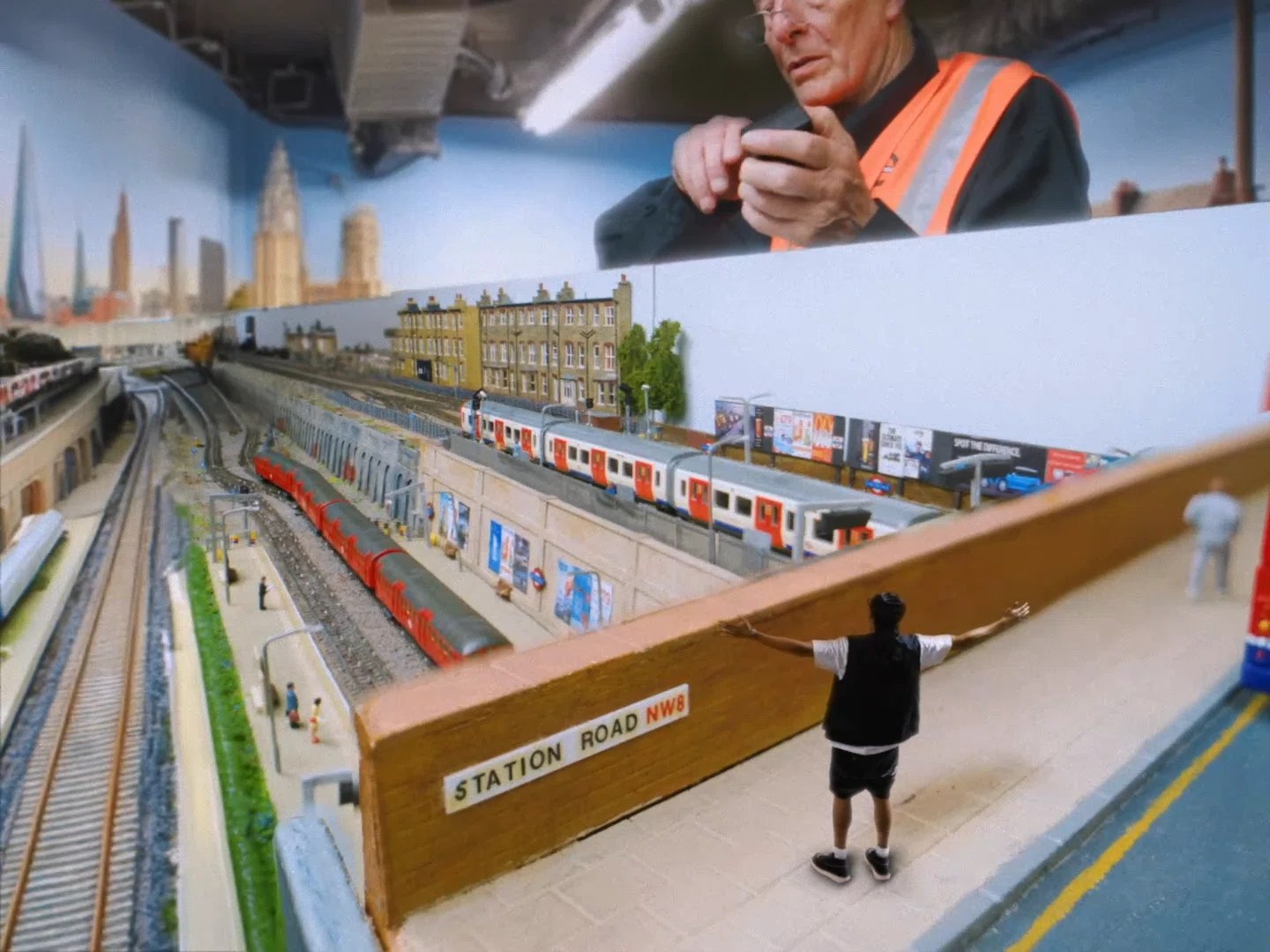
As part of its annual study on train/station etiquette, the Japan Private Railway Association collected responses from 5,314 participants via an online survey. 62.9 percent of the respondents said they’d been bothered by impolite behavior by foreign tourists, and the survey then asked them to designate up to two specific complaints, resulting in the following top 10 list .

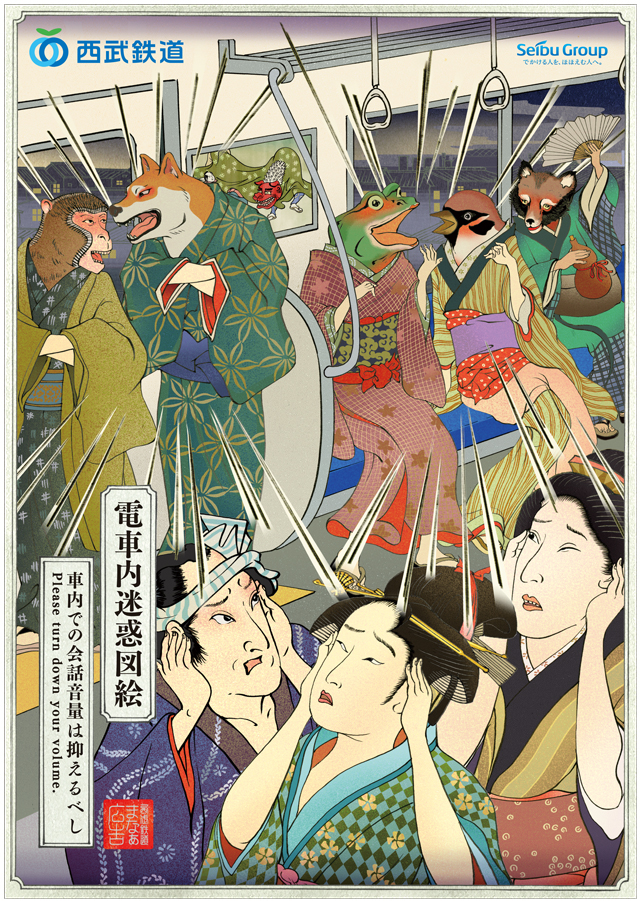
1. Loud conversations/being rowdy on the train (51.8 percent). Japanese people don’t expect library-level silence on trains, but there’s a general understanding that long and loud conversations should be saved for once you get off. That can be difficult to do if you and the rest of your traveling companions are pumped up with excitement about the cool stuff you’re on your way to see and do, and this complaint admittedly comes with a bit of an extra linguistic burden for foreigners. If the language you’re speaking isn’t Japanese, there’s an increased chance of it feeling like “noise” to Japanese passengers, making it more noticeable and annoying than the same conversation, at the same decibels, would in Japanese.

2. Not properly holding/setting down bags and luggage (37.1 percent). Whether your bags are big or small, there are generally accepted rules for how to handle them. Starting with smaller ones, like purses or backpacks, it’s considered good form to hold them in front of yourself while on trains. The logic is that doing so takes up less space (essentially you transfer the space your bag would be taking up on your back or side to the otherwise unused space under your chin), and while that might not seem like it’d make much of a difference, when you multiply it by the dozens of people crammed into a rush hour train, it adds up. Likewise, sitting down on a seat and laying your bag next to you, as opposed to holding it on your lap or putting it on the overhead shelf, is considered rude, since it’s taking up a spot that someone else could be sitting in.

As for suitcases, it’s important to keep yours grouped together so as to take up as little space as possible. Even then, you should stay conscious of how much space you’re using, and also whether it’s blocking access to things like the doors or priority seats. An especially common problem is large groups of travelers essentially commandeering an entire section of a car with a cluster of suitcases, and to avoid doing so, you might want to split your party up within the train so that you’re not making any one section completely impassable.

3. Bad manners when walking through the station (24.8 percent) . You can’t use the train without using a station, so yes, there are manners to be aware of there too. Similar to the boarding process, everyone needs to work together to ensure a smooth flow of people through the station. Stations often have signs with arrows directing the flow of human traffic through walkways and on staircases, and these are supposed to be followed. Crossing over and walking against the flow can cause severe disruptions, or even collisions and injuries if someone gets bumped into and loses their balance in a crowd.

Another common complaint was foreign tourists stopping in the middle of walkways. Again, there’s an understandable reason for why this happens: some of Japan’s stations are massive and complex in their layouts, and even smaller ones can be confusing to navigate if it’s your first time in the country or you don’t read the language. Still, if you do need to stop and get your bearings, check a map, or converse with your traveling companions, first make sure you’ve moved to someplace out of the way (i.e. not the middle of a walkway or stairway) so that you’re not blocking traffic.

4. Bad manners when boarding/getting off the train (16.5 percent). Japanese trains can get very crowded, and they also run on very precise schedules, and the only way that combination is possible is if everyone who needs to get on/off the train can do so in a swift, smooth manner. If you’re getting on the train, you should line up to the side of where the doors are opening, wait for everyone who’s getting off to do so, and then board, in the order that you’re lined up in on the platform. On the other hand, if you’re onboard a train that’s arrived at a station, even if you’re not planning to get off there, rather than blocking the door you’re supposed to step off onto the platform to let others get off, then reboard by the same door (and yes, the people who were waiting on the platform to get on the train are supposed to wait for the re-boarders to re-board first).

5. Other (12.1 percent)

6. Talking on the phone (10.3 percent) On any given train in Japan, you’ll see many, if not the majority, or passengers with a mobile phone in their hand. Very rarely, though, will you see anyone talking on them. In order to be heard over the sounds of the train itself, you’d have to speak loudly enough to be bothering the passengers around you, so barring legitimate emergencies, Japanese people don’t use their phones for talking while on the train.

As a side note, having sound playing from your smartphone speakers for non-phone call purposes is a major breach of etiquette too. Not everyone shares the same taste in songs or TikTok clips, so keep the sound off or use earphones if you’re killing time on the train watching videos or listening to music.

7. Sitting style (9.6 percent).  It’s about tourists who cross, spread, or stretch their legs while sitting on trains, taking up more space than is necessary, all of which are considered poor manners unless there are tons of empty space around.

8. Leaving trash and drink bottles behind on the train (5.9 percent)

“Japan doesn’t have enough public trash cans!” is a very common complaint among foreign travelers. It’s also something you’ll rarely, if ever, hear Japanese people griping about. At this point, it’s common knowledge that it might not be easy to find a place to throw you garbage away while you’re out and about, so the local Japanese population takes it as a personal responsibility to take their trash home with them. If you’re uncomfortable putting your trash directly into your bag, keep a couple of plastic baggies in there so you can seal up whatever garbage you generate and then carry it back to your hotel to dispose of there at the end of the day.

9. Bad manners regarding priority seats (4.4 percent).

At the corner of many train cars in Japan is a short bench designated as priority seats (often with a sign above them with the kanji characters 優先席). These are meant to be used by elderly, injured, or disabled passengers, as well as those who are pregnant of traveling with small children. Other people aren’t necessarily prohibited from using those seats, though, which is where things get kind of tricky. You might think that even if you’re not part of any of those groups, it’s fine to sit in the priority seat and simply give it up if someone asks for it. However, some people in Japan believe that it’s inconsiderate to make someone else ask, and it becomes even more complicated since physical ailments aren’t always visually obvious. If a 60-year-old senior citizen with a bad back boards a train car and sees a much younger man sitting on a full priority seat bench, he might assume the younger man is, for example, recovering from a knee injury and needs to sit, and so not ask him for his seat. Meanwhile, the younger man might not actually have any such need to use the priority seat, but also might not be able to tell that the senior has back problems just from looking at him, so he won’t offer his seat either. Such scenarios are why there’s a segment of the Japanese population that thinks if you don’t need to use a priority seat, you should leave it open for someone else who might.

10. Sitting on the floor of the train (4.2 percent)

Yeah, maybe your legs are worn out after spending all morning touring temple in Kyoto. Perhaps you’re doing a backpacker-style trip across Japan, staying in hostels, washing your clothes in the sink, and otherwise enjoying roughing it as you experience the country’s rustic charms. Doesn’t matter. If there are no empty seats on the train, you’re supposed to stand, since sitting on the floor takes up extra space, makes it hard for others to get on or off the train.


Posted in Asia, Public Transport, Tourism | Tagged , | Leave a comment