Copenhagen For Free

This summer Copenhagen is rewarding visitors who support sustainable tourism with a wide range of free perks. Travelers can earn rewards at Copenhagen attractions ranging from a free lunch or a cup of coffee to a kayak tour or even a free entrance to a museum. All you need to do is, for instance, bike instead of drive, take the train ,help maintain the city, work in an urban garden, or pledge to sustainable behavior. It’s a win-win for tourists and the city.

For example, get a free cup of coffee when you purchase an entry ticket to the Museum of Copenhagen, if you arrive on foot, by bike or metroOr, get a free vegetarian lunch by volunteering in the urban garden Øens Have. Help out in the urban garden at Northern Europe’s largest urban organic garden and enjoy a delicious meal.
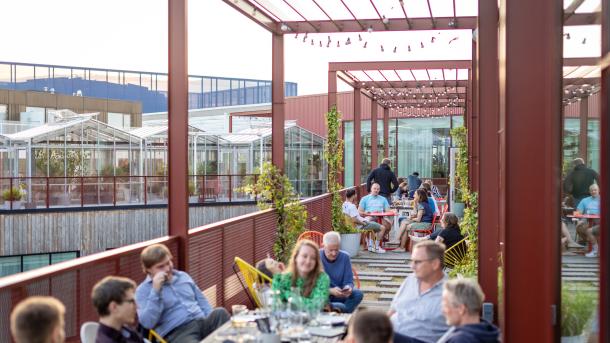
Other freebees include a free drink at one of Copenhagen’s best rooftop bars. Zoku, a new type of business hotel in Ørestad, is supporting those who travel by bike or public transport with a free Nørrebro Bryghus beer. Their rooftop and greenhouse is a plant lover’s paradise. Just head up to the 5th floor whenever you like and show the team a picture of your bike or public transport card. They’ll be happy to get you settled in with your eco-friendly brew.

If the video above fails to open in your browser, please click on this link to play it.
 

Posted in Art, Europe, Public Transport, Restaurants, Tourism | Tagged , , , | 1 Comment

Weeding out some stuff

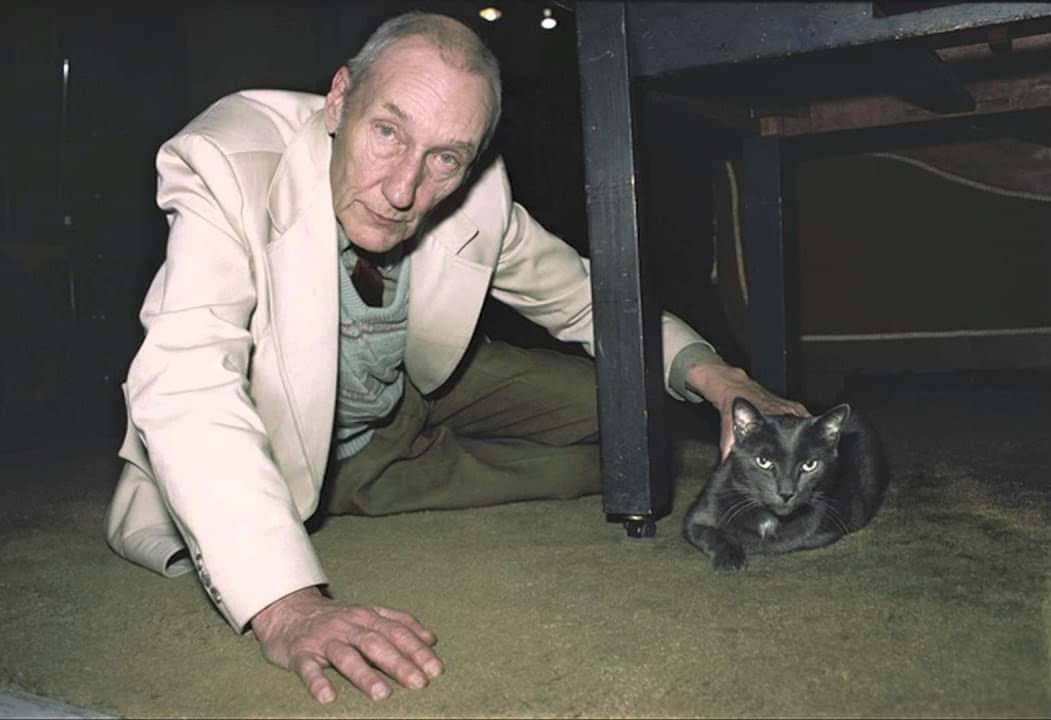
“My relationship with cats has saved me from a deadly and pervasive ignorance. I prefer cats to people, for the most part. Most people aren’t cute at all, and if they are cute they very rapidly outgrow it.”

William S. Burroughs

During my convalescence from a recent medical escapade, I started to weed out some of the saved and bookmarked ephemeral. This seems like as good a place as any to deposit some.

𝙷𝚎𝚛𝚖𝚊𝚗𝚗 𝙷𝚎𝚜𝚜𝚎, 𝚂𝚒𝚍𝚍𝚑𝚊𝚛𝚝𝚑𝚊 (𝟷𝟿𝟸𝟸)


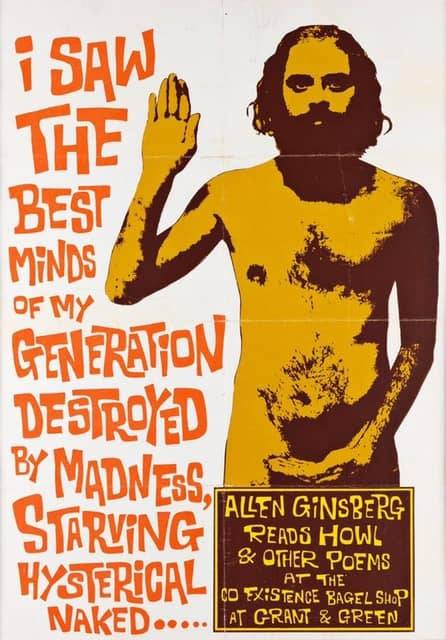
I had the good fortune to meet Allen Ginsberg at a reading in Princeton, N.J. long, long ago. The weather was miserable and the turnout was small, but Ginsberg spent more than an hour reading from a number of his books and stayed to chat with the small crowd. What i remember most was his personal warmth and generosity. He answered every question as though it was meaningful to him.

When Tolkien drew his maps and covered them with names, he felt no need to bring all the names into the story. They do their work by suggesting that there is a world outside the story, that the story is only a selection; and the same goes for the hints of other creatures unaffected by and uninterested in the main plot. Middle-earth is different from its many imitators in its density, its redundancy, and consequently its depth…

Tom Shippey, J.R.R. Tolkien: Author of the Century

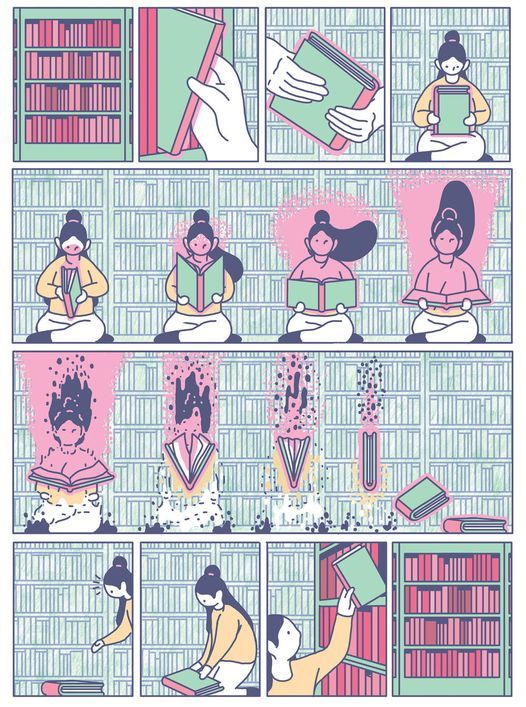
Posted in Animation, Books, Libraries, USA, Writing | Tagged , , , | Leave a comment

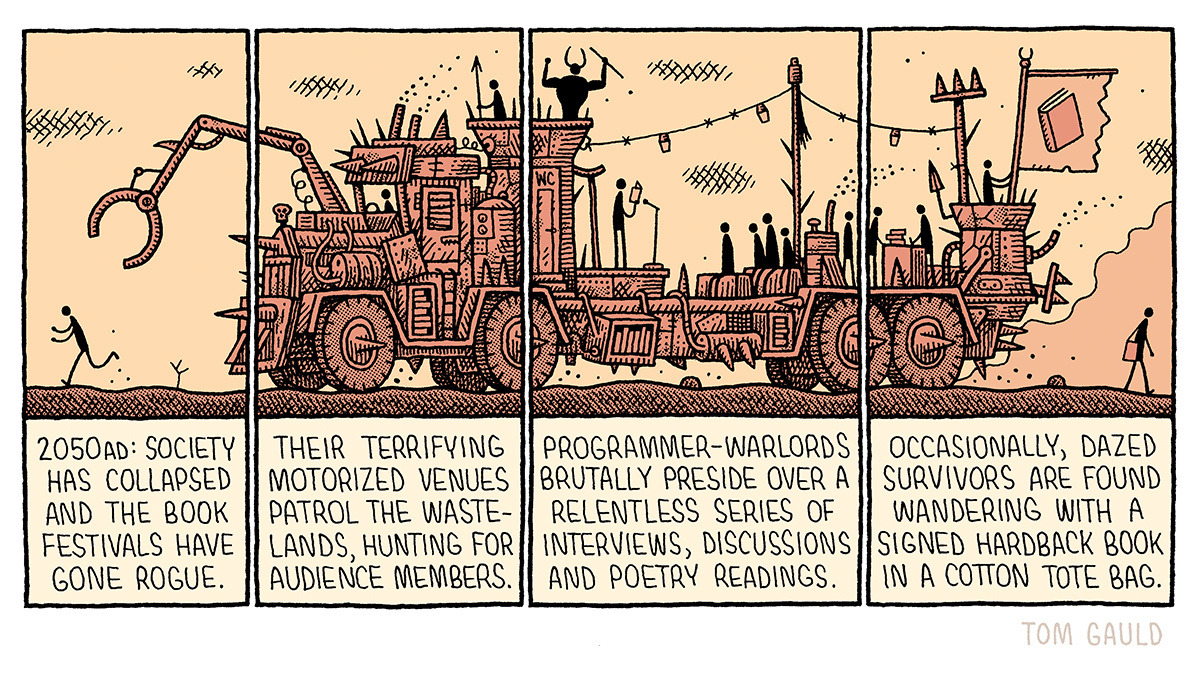
Post-apocalyptic Book Fest


Posted in Animation, Art, Books | Tagged , , | Leave a comment

Selling Nature

I have fond memories of exploring the Greek islands way back in the 20th century when it was still possible to find secluded beaches and little family run hotels. Alas, mass tourism has made all of that unlikely. The Berlin-based anonymous Greek artist who goes by the name Krank has made a bold statement with a powerful land art installation on the island of Paxos.

Here’s what the artist had to say about the work: SOLD by The Krank (@the.krank)
140m2 land art installation for @paxosbiennale MANIFESTO OF MEMORY

SOLD is an artwork created on a beach using stones collected on site, with the dark ones forming the word SOLD. The choice of the word is highly charged, suggesting the commodification and privatization of land and coastline. The juxtaposition of the natural beauty with human intervention and development adds a dimension of timeliness and urgency to the work.

The placement of the word on the ground, reminds of the stamps used in real estate sales and serves as a form of protest. The work invites the viewer to consider the environmental and social consequences of selling, exploiting land and building development. SOLD is therefore not only an artistic creation, but also a political statement. In this way, I add my voice to a broader dialogue on environmental justice and sustainability.


Posted in Art, Europe, Tourism | Tagged , , , , | 2 Comments

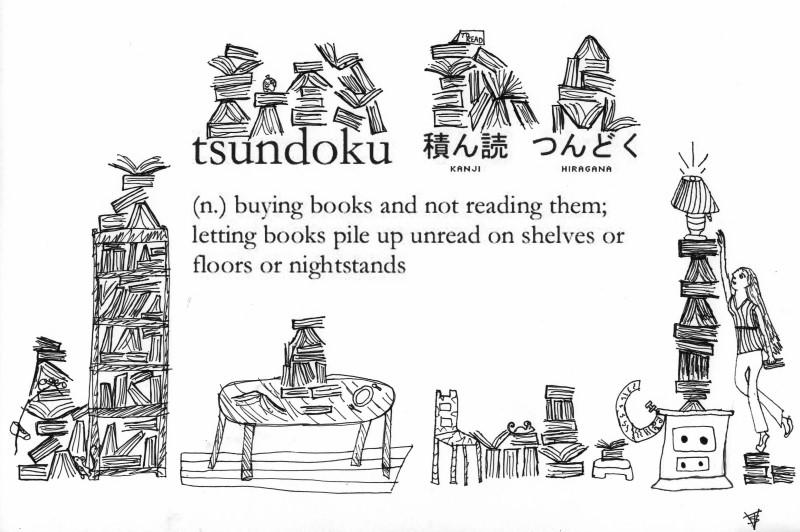
Are you guilty of tsundoku

The Japanese word tsundoku means buying books and letting them pile up unread. The word dates back to the very beginning of modern Japan, the Meiji era (1868–1912) and has its origins in a pun. Tsundoku, which literally means reading pile, is written in Japanese as 積ん読. Tsunde oku means to let something pile up and is written 積んでおく. Some wag around the turn of the century swapped out that oku (おく) in tsunde oku for doku (読) – meaning to read. Then since tsunde doku is hard to say, the word got mushed together to form tsundoku.

Can any Japanese speakers in the audience tell me if there is an equivalent term for acquiring digital books and never getting around to reading them.


Posted in Asia, Books | Tagged , , , | 10 Comments

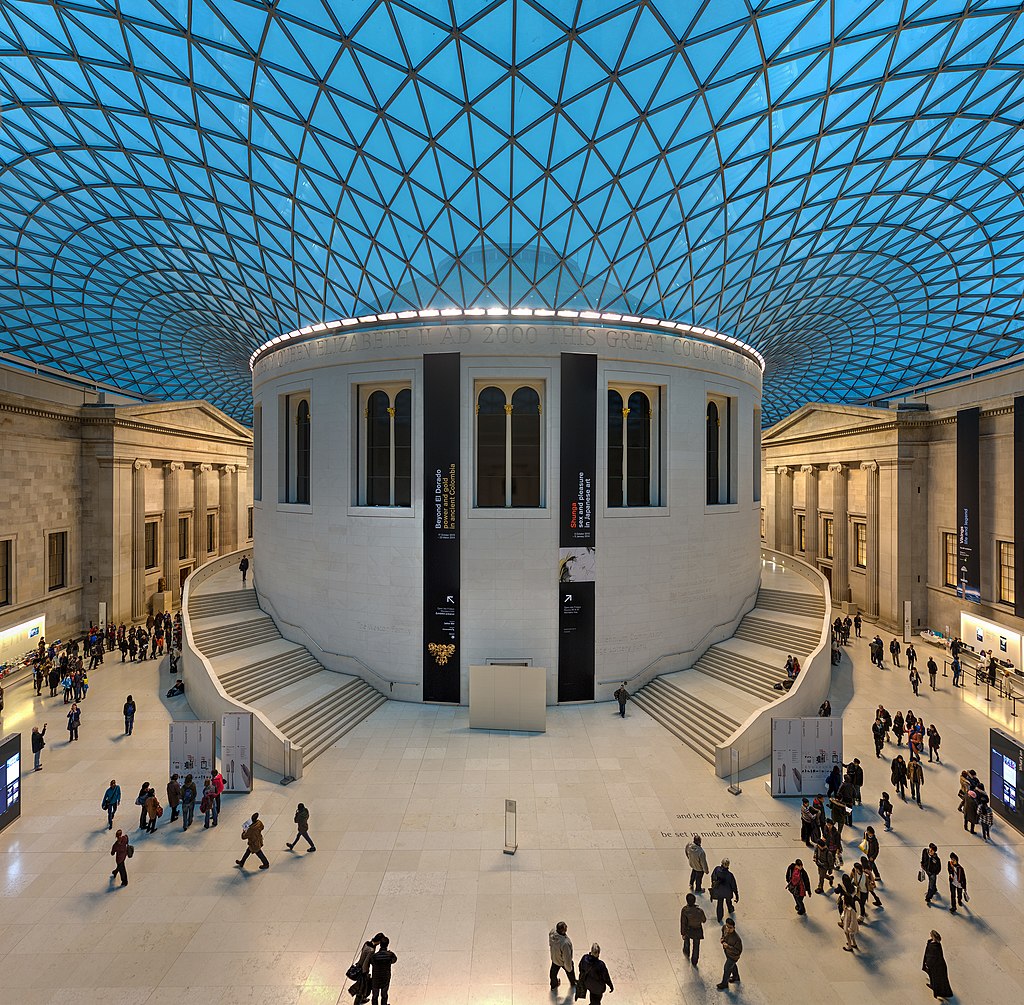
Reading Room

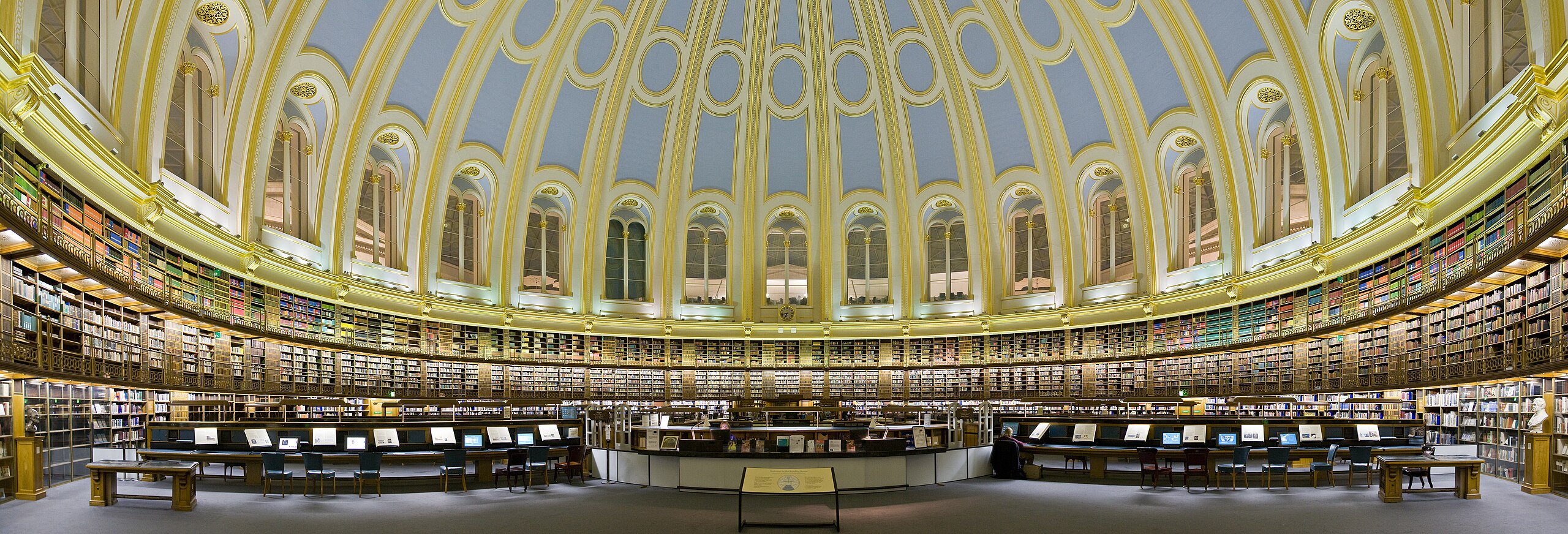
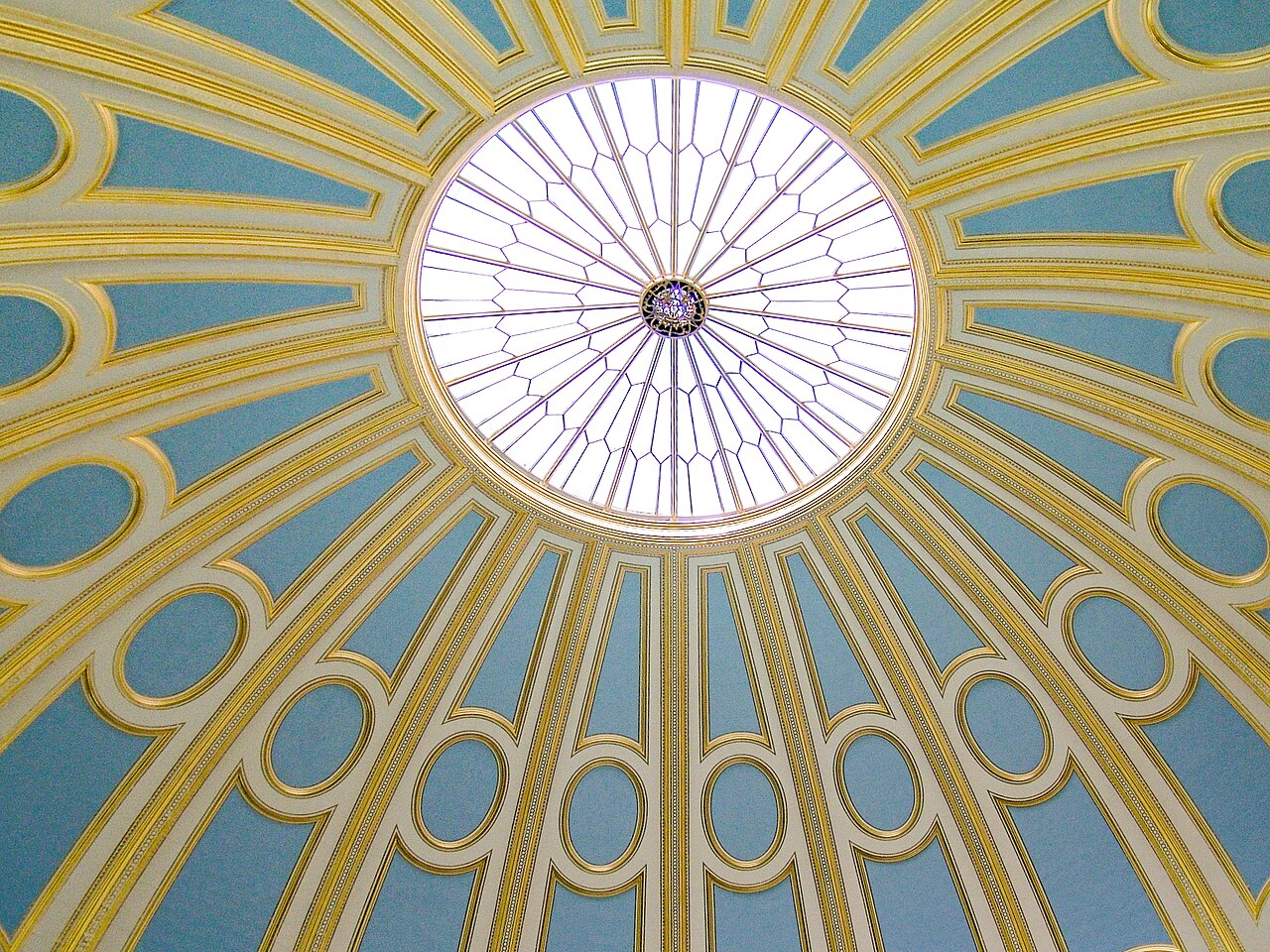
The British Museum in London has reopened its famous circular Reading Room for visitors with free tours .The historic Reading Room was built between 1854 and 1857 to a design by Sydney Smirke using cast iron, concrete, and glass. Much of its renown rests on its impressive dome, inspired by the Pantheon in Rome, with a ceiling made out of papier-mâché. Famous users of the Reading Room have included Karl Marx, Lenin, Virginia Woolf, Bram Stoker, Oscar Wilde, and Sir Arthur Conan Doyle. In 1997 the books were moved to the new British Library building in St Pancras.

The Reading Room has since been restored and reopened to house a modern information center and a collection of 25,000 books, catalogues and other printed material. It was used for special exhibitions from 2007 until 2013 and currently houses the Museum’s archive which is available for students and researchers to access.

The general public can now visit without requiring tickets when the museum is open. There are also free 20-minute tours every Tuesday at 11am and 12 noon. Each tour has a capacity of 20 people with places on a first-come, first-served basis. Photography will not be permitted in the Reading Room.

Posted in Architecture, Europe, History, Libraries, Museums, Tourism | Tagged , , , , | 1 Comment

secret from the river

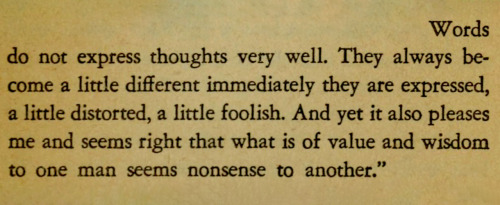
“Have you also learned that secret from the river; that there is no such thing as time? That the river is everywhere at the same time, at the source and at the mouth, at the waterfall, at the ferry, at the current, in the ocean and in the mountains, everywhere and that the present only exists for it, not the shadow of the past nor the shadow of the future.”

Hermann Hesse, from Siddhartha (New Directions, 1951, first published in 1922)


Posted in Books, Europe, Writing | Tagged , , | Leave a comment

Alien Picnic

I recently ran across a reference to the fantastic Russian Sci-Fi classic Roadside Picnic by Arkady and Boris Strugatsky that included a link to a free online version of the novel. You can read or download the book here.

The Strugatsky brothers were strongly influence by Stanisław Lem but later they went on to develop their own, unique style of science fiction writing that emerged from the period of Soviet rationalism in Soviet literature and evolved into novels interpreted as works of social criticism. Their best-known novel, Piknik na obochine, has been translated into English as Roadside Picnic.

“Roadside Picnic is a “first contact” story with a difference. Aliens have visited the Earth and gone away again, leaving behind them several landing areas (now called the Zones) littered with their refuse. The picnickers have
gone; the pack rats, wary but curious, approach the crumpled bits of cellophane, the glittering pull tabs from beer cans, and try to carry them the glittering pull tabs from beer cans, and try to carry them home to their holes.
Most of the mystifying debris is extremely dangerous. Some proves useful—eternal batteries that power automobiles—but the scientists never know if they are using the devices for their proper purposes or employing (as it were) Geiger counters as hand axes and electronic components as nose rings. They cannot figure out the principles of the artifacts, the science
behind them. An international Institute sponsors research. A black market flourishes; “stalkers” enter the forbidden Zones and, at risk of various kinds of ghastly disfigurement and death, steal bits of alien litter, bring the stuff out, and sell it, sometimes to the Institute itself.” from Ursula K. Le Guin’s forward to the 1977 U.S. edition.

All in all, a great read for a hot summer day.


Posted in Books, Europe, Writing | Tagged , , | 1 Comment

That Girl

Like many art lovers, I am a sucker for Vermeer’s wonderful paintings. And, of course, I am fascinated by the mysterious “Girl with the Pearl Earring.” Whenever I am in the Netherlands, I make time to visit the underappreciated Mauritshuis Museum in The Hague.  I recently stumbled upon the museum’s post on its website exploring the results of an in depth study of that girl.

Was the Girl a complete mystery? No, certainly not. The painting had already been examined in 1994. But over the last 25 years, the technical possibilities have improved significantly, so now we can investigate more deeply than in the previous century. Because this painting appeals so much to the imagination, there were questions we still wanted to answer.

How did Vermeer create this wonderful painting? What lies beneath the visible composition? What kind of pigments did he use? Where did they come from? How has the painting changed since it left Vermeer’s studio?

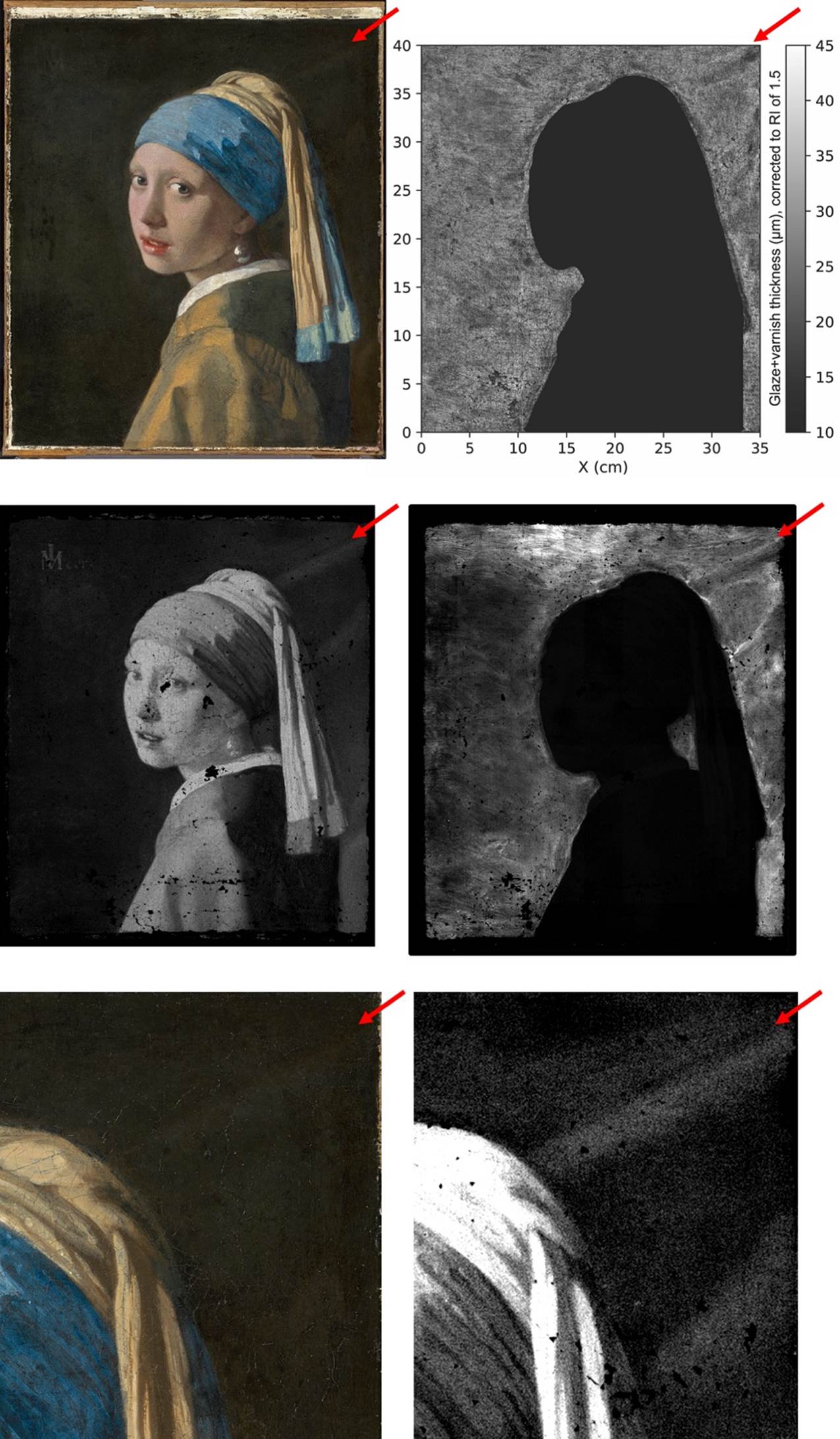
“One of the most surprising findings was that the background is not simply an empty dark space; Vermeer painted the Girl in front of a green curtain. Imaging techniques visualised diagonal lines and colour variations that suggest folded fabric in the upper right-hand corner of the painting. The curtain has disappeared over the course of the centuries as a result of physical and chemical changes in the translucent green paint.”


Posted in Uncategorized | Tagged , , , | Leave a comment

Welcome to the city of love

The BBC has released a new promotional video to gin-up some excitement for the upcoming 2024 Olympic Games in Paris. Titled ‘Welcome to the City of Love,’ the short weaves a heartwarming narrative that blends Parisian romance with the passion of Olympic athletes.


Posted in Animation, Europe, Film, Tourism | Tagged , , , | 1 Comment