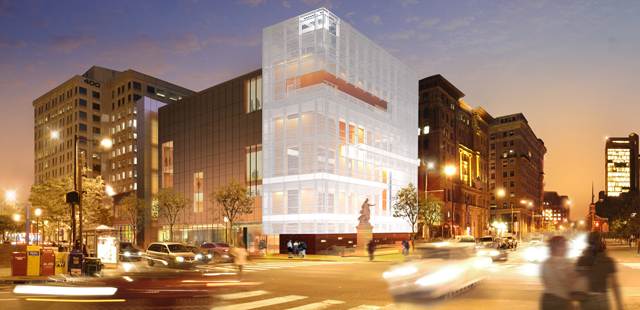
Located across the street from the Liberty Bell, and just up the block from Independence Hall, the new National Museum of American Jewish History is the only museum soley dedicated to chronicling the American Jewish Experience. The NMAJH’s grand opening is set for November 12 through 14, but the actual “public” opening is at Noon on November 14th. Complimentary timed-tickets are available electronically at specialevents@nmajh.org.
Covering 25,000 square feet and three and a half floors of the Museum’s new building, the core exhibition will offer a layered experience through which visitors will explore more than 350 years of Jewish life in America through evocative objects, telling moments, and state-of-the-art interactive media. In addition, the Only in America® Gallery/Hall of Fame will celebrate the lives and achievements of eighteen Jewish Americans who exemplify a central theme of the Museum—that America has provided individuals with extraordinary opportunities.
Building on the dynamic interaction between the Museum’s location on Independence Mall, the history and traditions of the Jewish people, and the broader national experience, the core exhibition will highlight the diverse backgrounds, expectations, and experiences of Jews who came to and made their homes in the United States. Visitors to the exhibition will explore how and when Jews immigrated to America, the choices they faced, the challenges they confronted, and the ways in which they shaped, and were shaped by, their American home.
On each floor of the core exhibition, visitors will encounter people, episodes, ideas, and experiences that highlight the religious, social, political, and economic lives of America Jews. They will see historical objects, enter period environments, and experience cutting-edge interactive technology. Visitors of every background will learn about aspects of Jewish religious life, including major holidays, rituals, and lifecycle events.
4th floor — Foundations of Freedom: 1654 – 1880
3rd floor — Dreams of Freedom: 1880 – 1945
2nd floor — Choices and Challenges of Freedom: 1945 – Today
1st floor — Only in America® Gallery/Hall of Fame
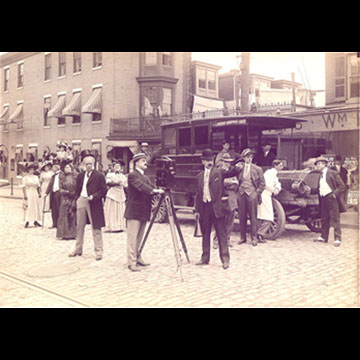
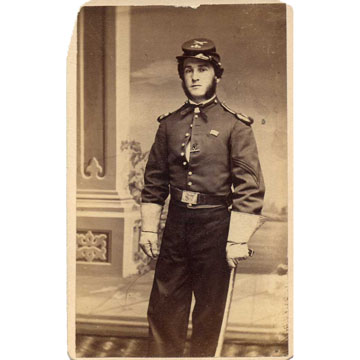
The core exhibition will be the first major exhibit devoted solely to the experiences of Jews in North America, from the 1654 arrival of Jewish refugees from Recife, Brazil, to today. Beginning on the fourth floor of the exhibition, entitled Foundations of Freedom, 1654-1880, visitors will examine the democratic principles that early Jewish immigrants embraced and incorporated into their own emerging communities. The Foundations of Freedom profiles the earliest Jewish communities and captures the flavor of everyday Jewish life in America from the colonial era through the late 1800s.
Foundations of Freedom reflects the process by which a tiny minority sought, defended, and tested freedom—in political affairs, in relations with Christian neighbors, and in their own understanding of what it meant to be Jewish. It will explore issues that are at once historical and familiar: creating new communities, intermarriage, integration, preserving faith, and maintaining rituals in the absence of Jewish institutions and services. This floor will introduce the lively tug-of-war between religious innovation/experimentation and continuity, and will raise questions about what it meant to be a small minority in a young and still-evolving nation. The chapter ends on the eve of the great migration from Eastern Europe that began in the late 1800s, a point at which the Jewish community had gained a measure of security and acceptance, but was about to undergo a tremendous transformation.
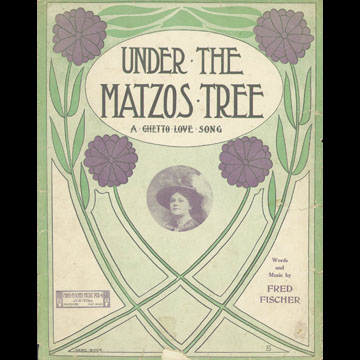
Moving downstairs to the Museum’s third floor, Dreams of Freedom, 1880-1945, the exhibition chronicles the migration of millions of immigrants who came to the United States beginning in the late 19th century and who profoundly reshaped the American Jewish community and the nation as a whole. The first section of floor three considers events and themes related to immigration and integration: getting to America, making a home, the reception immigrant Jews received, and learning to negotiate American society. The second section takes up American Jewish life after the end of free and open immigration in 1924. Through the lenses of the fine and performing arts, political activism, and religious expression, it explores how Jews defined, for themselves and their neighbors, what it meant to be an American Jew during an insecure period of American, and world, history. The final section of Dreams of Freedom delves into how American Jews experienced World War II.
Choices and Challenges of Freedom, 1945-Today, the museum’s second floor galleries, begins in the immediate postwar period with stories of migration, from war torn Europe, the Middle East, the Caribbean, and the Soviet Union. Likewise, between 1945 and 1965, about a third of all American Jews left large urban centers and established themselves in new suburban communities. For Jews and non-Jews alike, a suburban home became a sign of success, prestige, and security-a “Shangri-La” for the middle class. The theme of migration highlights a dynamic new beginning—a new chapter in the American Jewish story, with new responsibilities for American Jews: to Jewish refugees and migrants from hostile countries, to the new State of Israel, and to their American brethren.
Choices and Challenges of Freedom examines the creation of the State of Israel, and in particular what the foundation of the state meant to American Jews, as well as the role they played in its foundation. It explores Jews’ role in the fight for civil rights, and traces new demographic trends as Jews moved into suburbs and new urban frontiers. Suburban moves and professional advancement were accompanied by an unprecedented period of synagogue building in which Jews redefined both the spaces and the content of their spiritual lives. Choices and Challenges of Freedom will also highlight Jewish roles in postwar culture—including leisure activities and summer camping—and counterculture. The narrative takes visitors to the present day, engaging visitors in a thematic exploration of contemporary—and largely timeless—topics. It concludes by offering museum visitors a chance to share their personal views and reactions in two high-tech, interactive experiences: Contemporary Issues Forum and It’s Your Story.
On the Museum’s first floor, the Only in America® Gallery/Hall of Fame will illustrate the choices, challenges and opportunities eighteen Jewish Americans encountered on their path to remarkable achievement. Through the lives of real people—some well known, others less so—the Only in America® Gallery/Hall of Fame will weave compelling stories from the past and present with the larger themes of the Museum’s core exhibition. The extraordinary individuals featured in the Only in America® Gallery/Hall of Fame will illustrate that a hallmark of the American Jewish experience has been an unparalleled opportunity to aspire, achieve and possibly change the world. The Only in America® Gallery/Hall of Fame will be an innovative combination of multimedia, original artifacts and interactive experiences.
The first eighteen individuals to be featured in the Only in America® Gallery/Hall of Fame are:
Irving Berlin
Leonard Bernstein
Louis Brandeis
Albert Einstein
Mordecai Kaplan
Sandy Koufax
Esteé Lauder
Emma Lazarus
Isaac Leeser
Golda Meir
Jonas Salk
Menachem Mendel Schneerson
Rose Schneiderman
Isaac Bashevis Singer
Steven Spielberg
Barbra Streisand
The Museum is located at 101 South Independence Mall East.


 Travel Between The Pages
Congratulations on this article and to Philadelphia for setting up this Museum, to preserve the Jewish history and stories both in the US and elsewhere.
Great post! I suggest everyone make it a rule to never miss an allegedly “minor” museum.
These lesser known museums usually have better exhibits and teach you more than the bigger venues. I still remember the best museum I’ve ever seen – the International Game Fish Association Fishing Hall of Fame & Museum. And I only went inside because I had previously missed out on the official starting point of the Laura Ingalls Wilder Historic Highway.
It sure beats the heck outta paying $20 to have a timed ticket to see 9 minor works of art froma traveling show.