Here in the Americas we are in the midst of a two-fer holiday season. We can take a short break from the horrors of real life and celebrate the festive spookiness of Halloween and the Day of the Dead (Día de Muertos). While most people around the world have become well acquainted with Halloween traditions, Dia de Muertos celebrations have only recently been recognized outside of North and South America.
Day of the Dead or Día de Muertos has been celebrated for centuries in Mexico. The Mexica or Aztecs had memorialized their dead during the summer: Miccailhuitontli (for children) and Hueymicailhuitl (for adults). During Spanish colonial occupation the European Catholic calendar was imposed in Mexico and the celebrations honoring the dead were moved to All Souls Day, celebrated on November 1st.

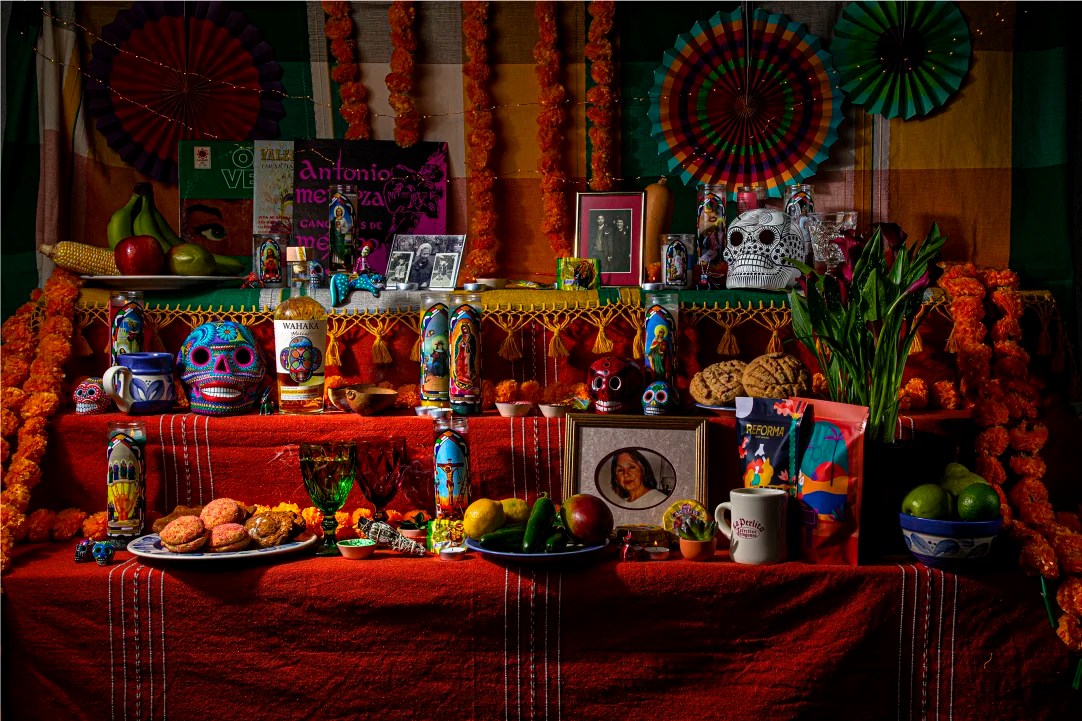
Traditionally, the indigenous people of Mexico held the belief that life on earth is just preparation for the next world and that it was essential to maintain a personal relationship with the dead. Historically,families have gathered in the cemetery during this celebration to welcome the souls on their annual visit home. People also create altars known as ofrendas with traditional elements of the season, such as cempasúchil (marigold) flowers, copal incense, fresh pan de muerto bread, candles, papel picado, and calaveras (sugar skulls). Photographs, mementos, and favorite items used by the departed are included.
The pre-Colonial people of Mexico believed that when a person died, their teyolia, or inner force, went to one of several afterworlds, depending on how they died, their social position, and their profession. Interestingly, how people behaved during their lives didn’t matter. There were special afterlifes for children, warriors, women in labor, people who died by drowning, and all others. This belief still endures today, with special altars built on October 28 for people who have died in accidental deaths, November 1 for deceased children, and November 2 for adults who have died a natural death.
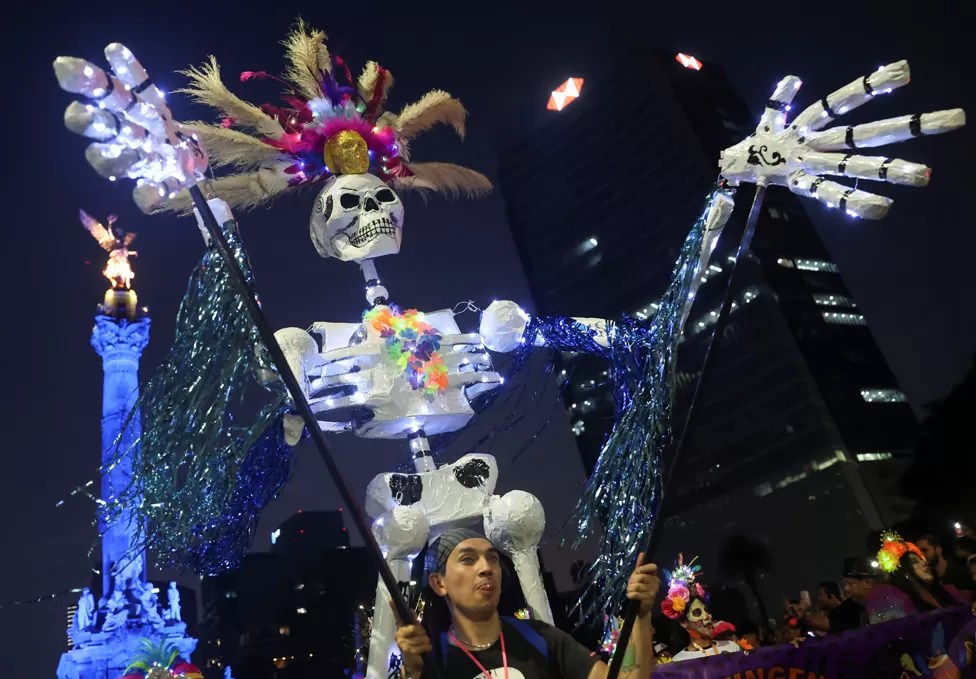
In Mexico, the festival is traditionally called Día de Muertos. However, in the U.S. and other English-speaking countries, it is usually referred to as Día de los Muertos, a back-translation of the Day of the Dead into Spanish.

In Mexico, folks prepare for the Day of the Dead well in advance. Farmers grow flowers, and artisans craft decorations, sugar skulls, folk art, and other items for the festivities. The Día de Muerto is observed from October 28 to November 2. In many rural areas, the celebrations begin on October 28. However, the festivities mostly occur in larger cities and metropolitan areas on November 1 and 2.

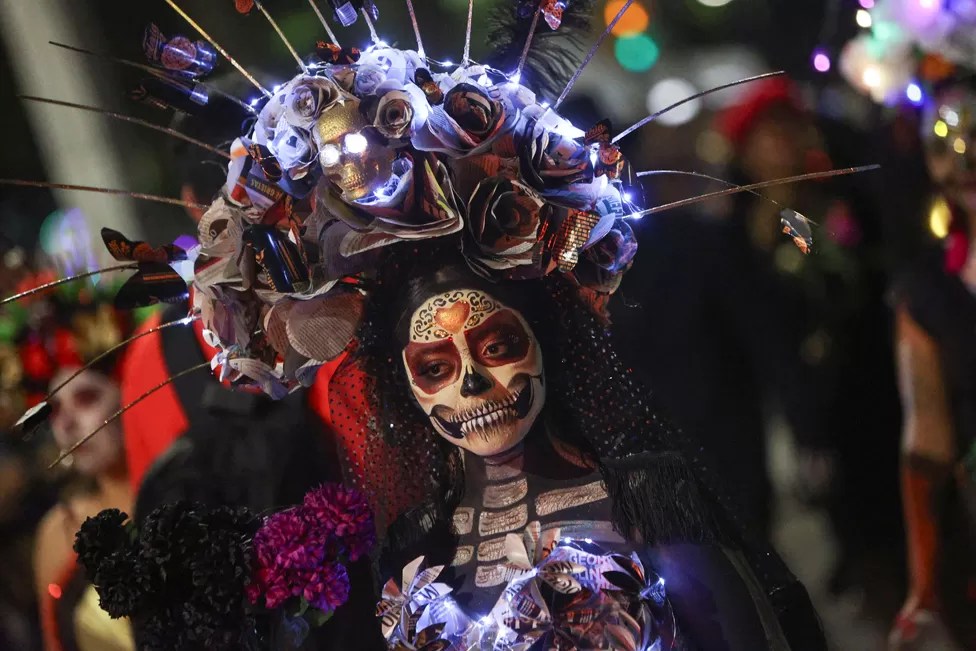
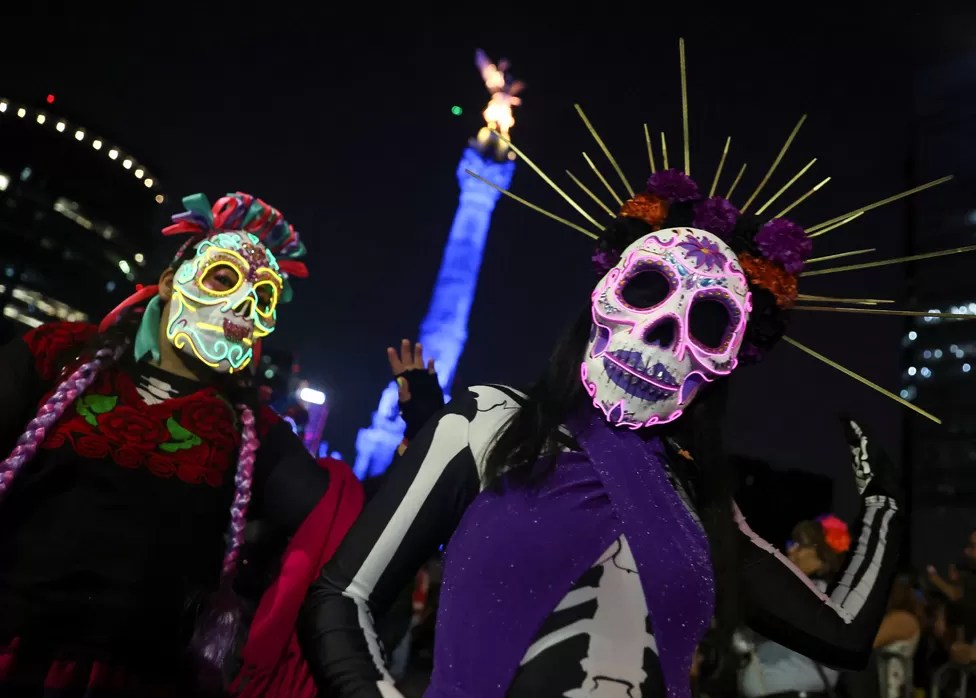
Since the festival has spread to the U.S., people on both sides of the border have begun to wear costumes for the holiday. In some areas there are even elaborate costumed parades. Since the Day of the Dead and Halloween overlap on the calendar there has been a blending of the festivites especially in the U.S., with a blurring of the lines between the Mexican and European traditions.


 Travel Between The Pages