
I first learned about the 15th century incunabula Mirabilia Romae while I was researching a magazine article on the history of the travel guidebook. One of the earliest European printed guidebooks, the Mirabilia Urbis Romaea is a geographically arranged inventory of the musts-see sites of Rome. It also covers the city’s architectural heritage, ancient monuments, organizing them by function – temples, baths, bridges, hills, and more. As the book progresses, factual descriptions of the monuments are interwoven with legends and anecdotes. The Incunabula Short Title Catalogue lists eight editions believed printed in the 1470s. All are exceedingly rare, and only two of the eight editions have appeared publicly for sale in modern times.
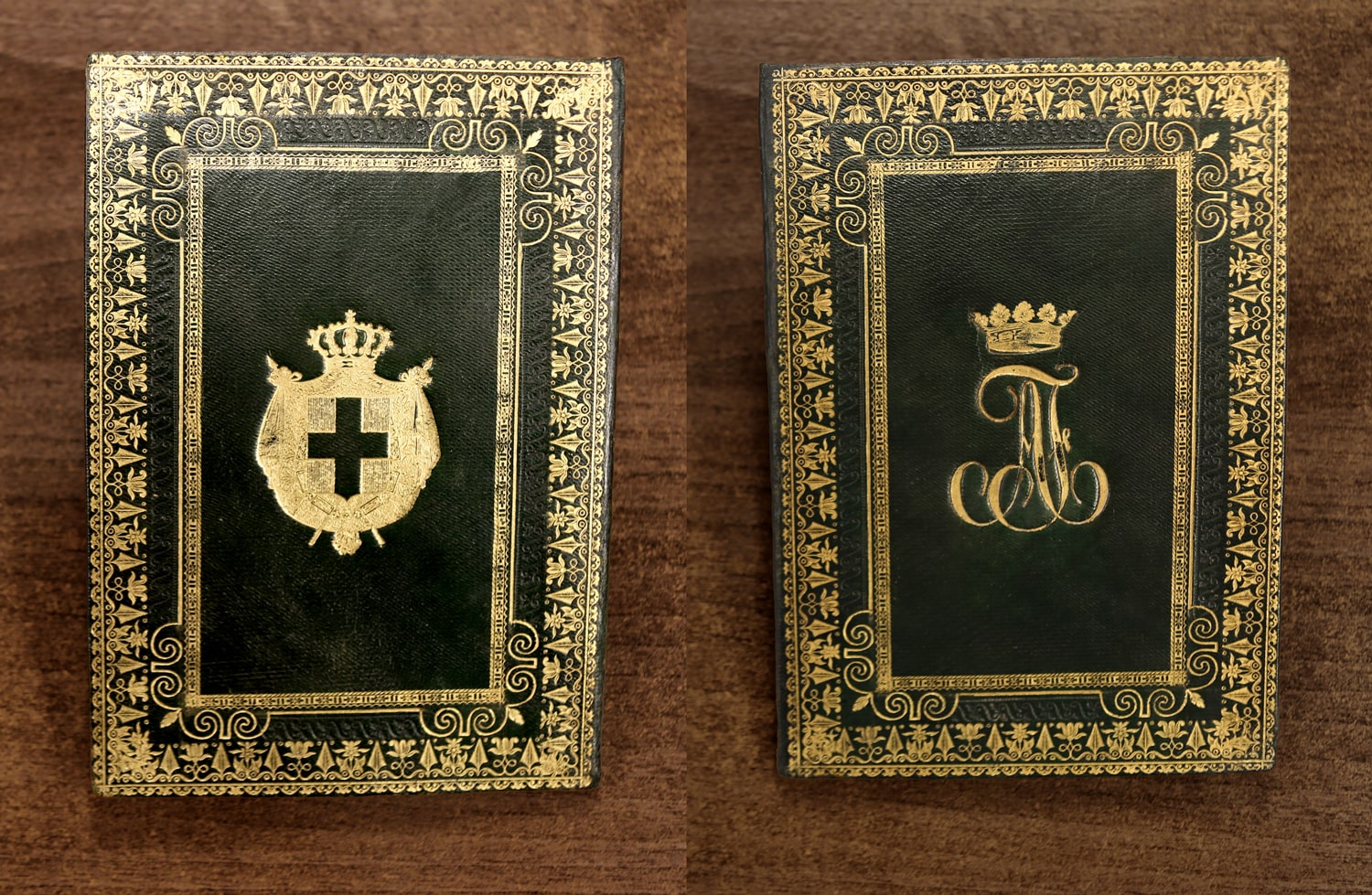
Recently, a 1475 edition which was beautifully bound in green morocco for the library of Prince Ferdinando of Savoy, first duke of Genoa, with his coat of arms and initials in gilt on the covers has surfaced for sale in London. This is one of the earliest known editions.
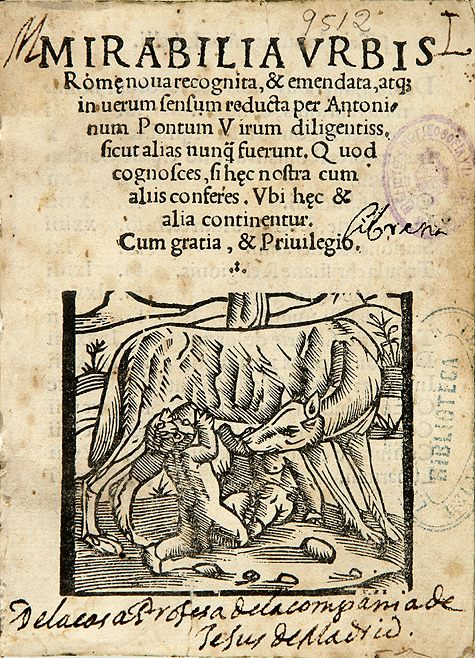
Mirabilia Romae (“The marvels of Rome”) was composed about 1140-50 by an anonymous writer, sometimes identified as Benedict, Canon of St Peter’s, as a guide for the pilgrims to the city. First printed in the early 1470s, it was reprinted multiple times over the following century, and translated into Italian, English, Spanish, and German.

This “Renaissance Baedecker” is assigned to the printer Giovanni de Reno, active in Sant’Orso (Valle d’Aosta, Italy), on the basis of the type and watermark. It can be yours for the paltry sum of £60,000.


 Travel Between The Pages