

Today marks the official re-opening of one of New York City’s finest art museums after a nearly five year closure for renovation. While the Frick Collection may not be a secret to the city’s art lovers, most visitors to NYC don’t seem to know that it exists.
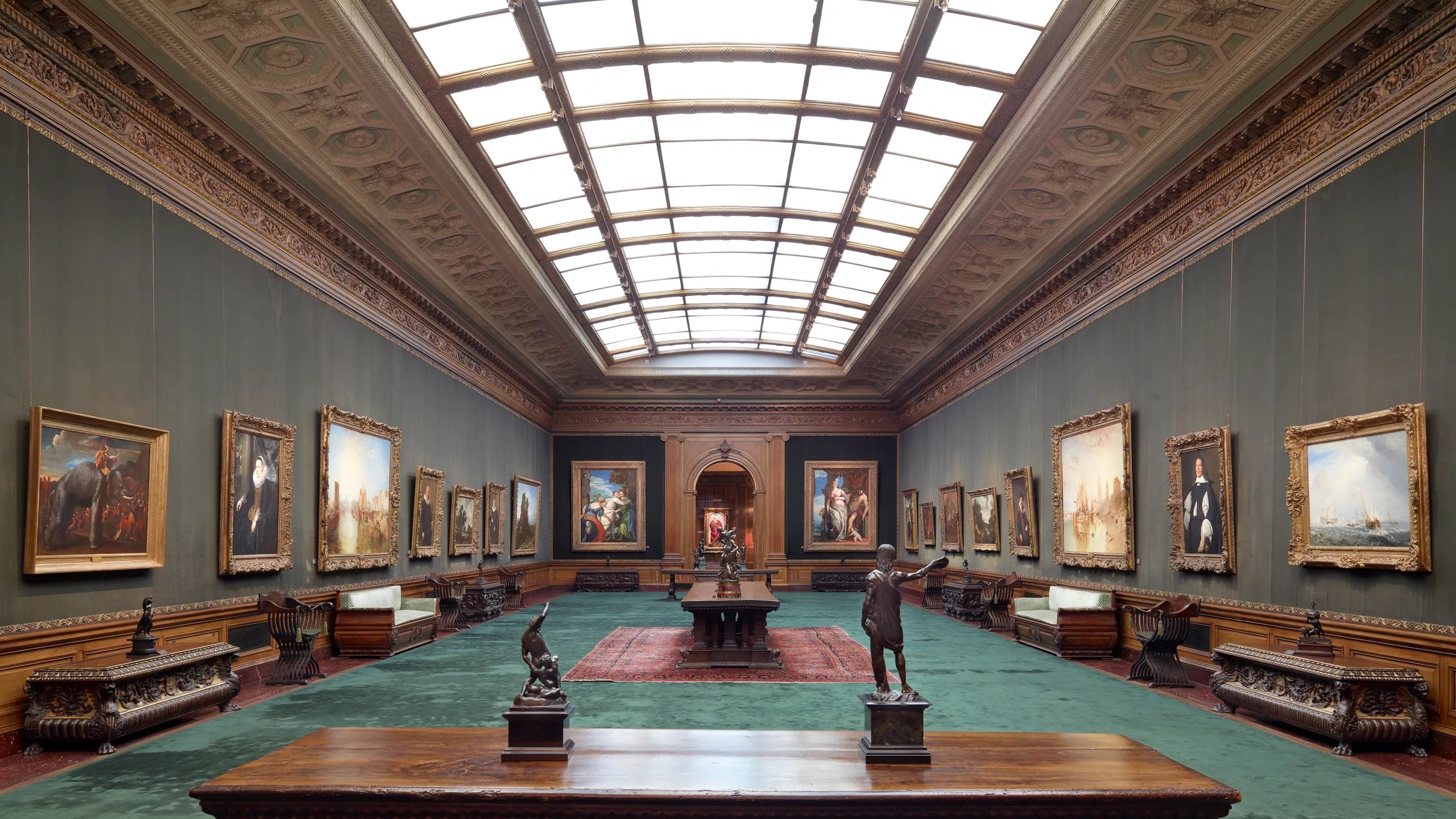
Once residence to the robber baron Henry Clay Frick (1849-1919), the museum has been undergoing a $220 million renovation and expansion, inside and out. Frick assembled the core collection over a brief few decades, and gifted it to the public. It also celebrates, like many art museums, the complicated power of private wealth. (Frick’s benevolent populism had serious limits; he is notorious in the annals of American labor as an adamant anti-unionist.)

The Frick is an impressive “house” museum, which is much more accessible than the grand Met. In 1935, when the house opened as a museum, it officially transitioned to a monument, one that has been added to more than once over the years.
The renovation, designed by Selldorf Architects with Beyer Blinder Belle Architects and Planners, which includes a two-level reception hall, a coat check, and cafe, and Special Exhibition galleries, where a three-picture blockbuster titled “Vermeer’s Love Letters” will debut in June.

Personally, I always go to the Frick for the Vermeers. Frick’s interest in Vermeer was also unusual for a time when the Golden Age Dutch painter was by no means the trophy artist he is now. Frick collected three pictures by him. The two smaller ones hang in a narrow corridor near the skylit Garden Court (added in the 1930s by the architect John Russell Pope). The largest one, the velvety pollen-gold “Mistress and Maid” (1666-67), is in the West Gallery and was the very last painting that Frick bought.

When asked for advice from New York tourists, I encourage the art lovers to make time for the Frick collection. Now with the newly completed renovations, I think that it should be on everyone’s list.


 Travel Between The Pages