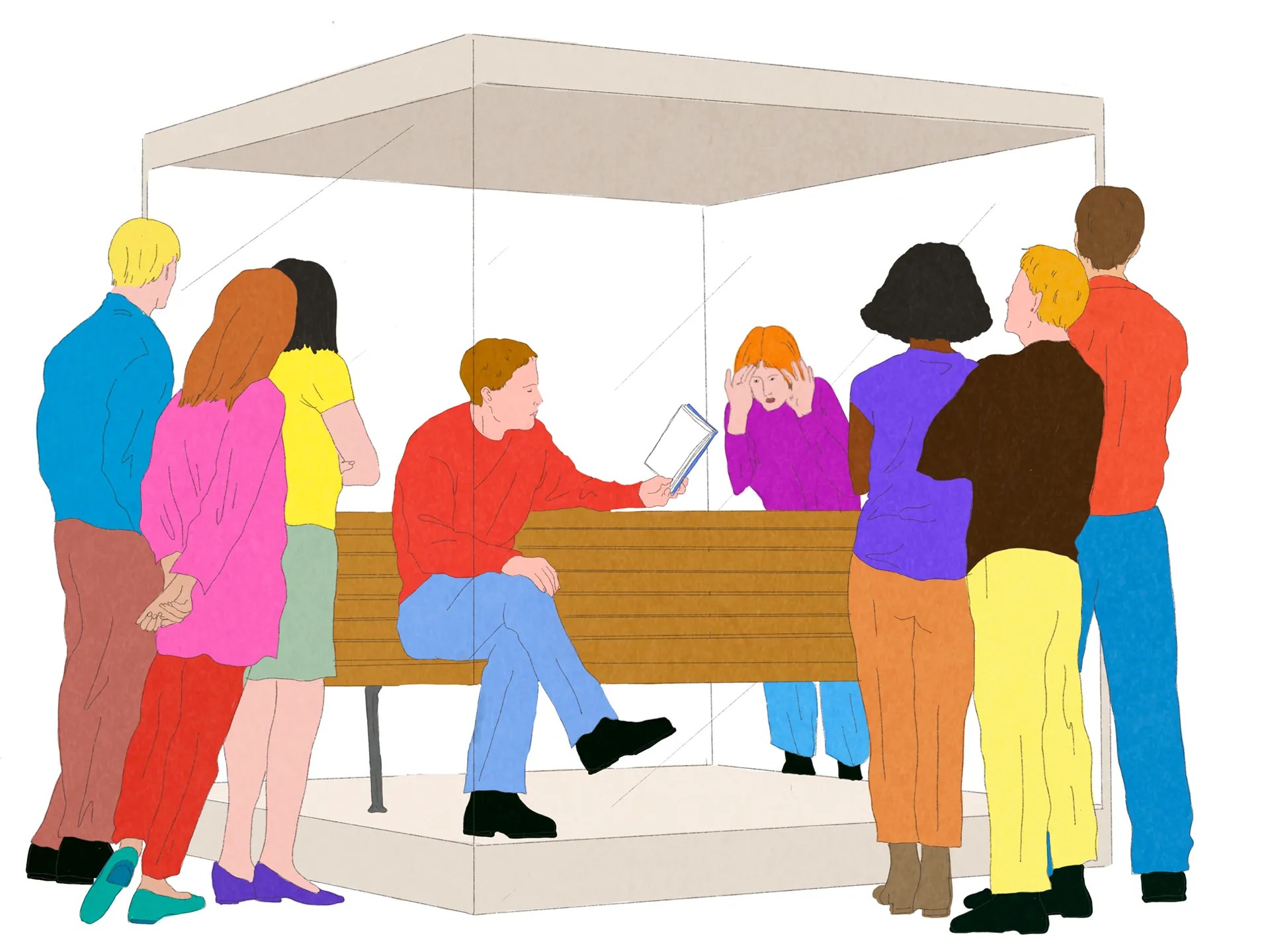
If all human activity can be measured on a spectrum of authenticity and performativity, what metrics can we use to weed out the genuine from the fabricated? Will we just know? And why do we care? If our culture of liberal individualism demands anything of us, it is to be, above all else, authentic. To be seen as a poseur or a phony—a person who affects rather than is—violates some nebulous code of acceptable self-cultivation. from The Curious Notoriety of “Performative Reading” [The New Yorker; ungated]

The character “kuma” (熊), meaning bear in Japanese, was selected as kanji of the year for 2025, the Japan Kanji Aptitude Testing Foundation announced Friday, after a year defined by a surge in bear encounters and nationwide unease amid a string of attacks.
“Kuma” received 23,346 votes, 12.3% of the total cast by the public. Japan saw record-high injuries and fatalities from bear attacks in 2025, along with repeated sightings in urban and residential areas. The encounters fueled public anxiety, forced the cancellation of events and the closure of schools, and caused extensive damage to crops in rural communities, straining local economies.
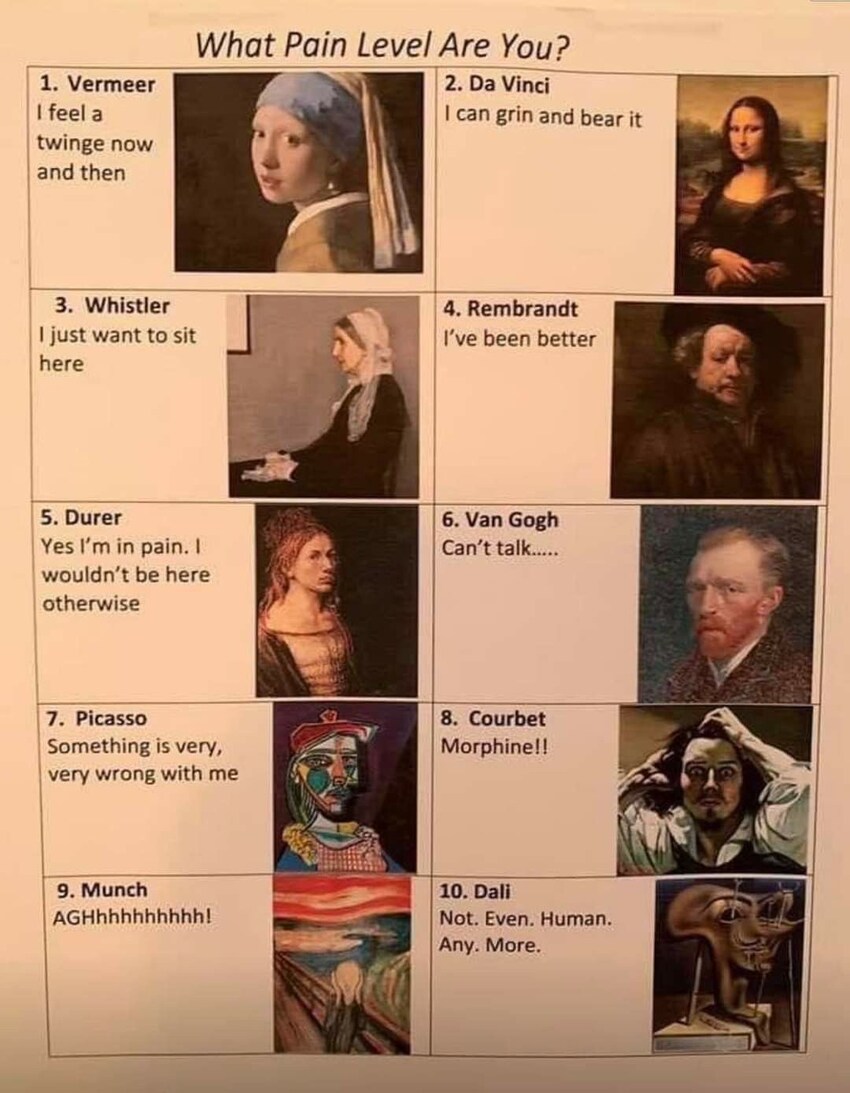

“The logic of algorithms tends to repeat what “works,” but art opens up what is possible. Not everything has to be immediate or predictable. Defend slowness when it serves a purpose, silence when it speaks and difference when evocative. Beauty is not just a means of escape; it is, above all, an invocation. When cinema is authentic, it does not merely console but challenges. It articulates the questions that dwell within us and sometimes even provokes tears that we did not know we needed to express.”
– Pope Leo XIV
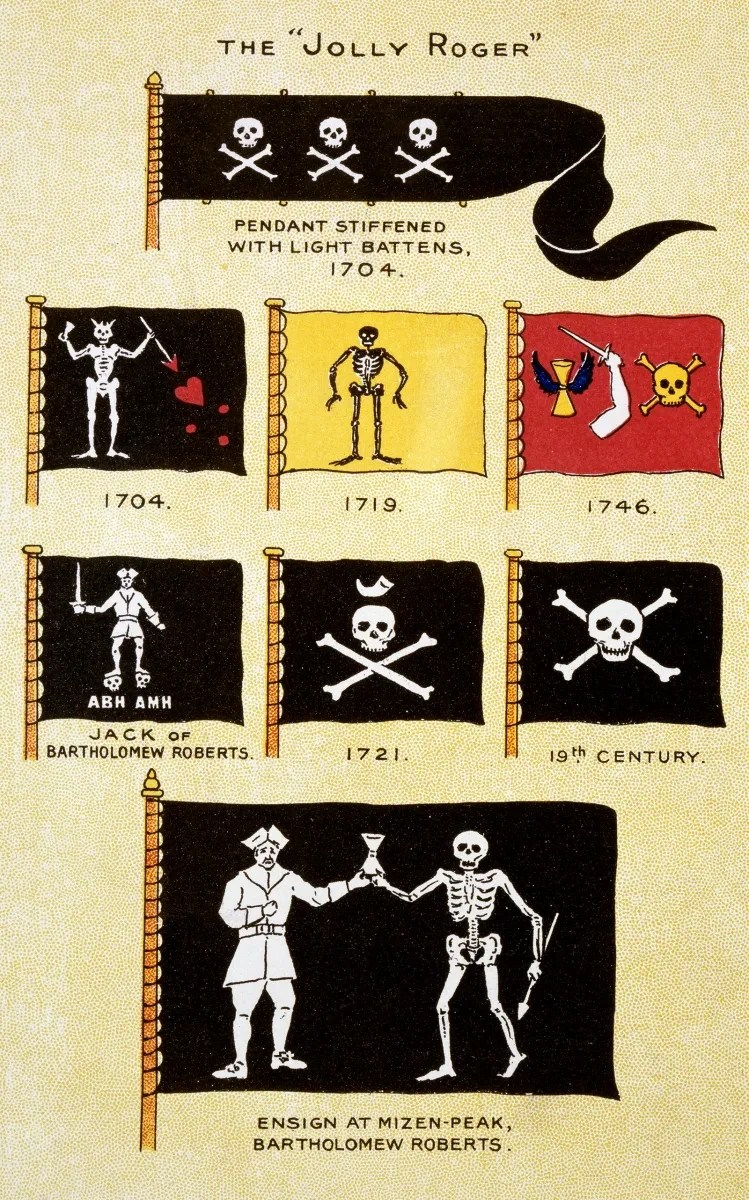
If you think of a pirate flag or ‘Jolly Roger’, you might imagine a white skull and crossbones on a black background – an image as strongly associated with pirates as treasure chests and saying ‘arrr’.
While this was a popular flag design towards the end of the ‘golden age’ of piracy, many pirates active during the late 17th and early 18th centuries had their own unique flags featuring symbols associated with death.
The flags weren’t for decoration: pirates used them to communicate with ships under attack, to threaten, frighten and force surrender from the crews.
Learn more, including where pirate flags came from, how they were used, and the designs of some famous Jolly Rogers. Click here .
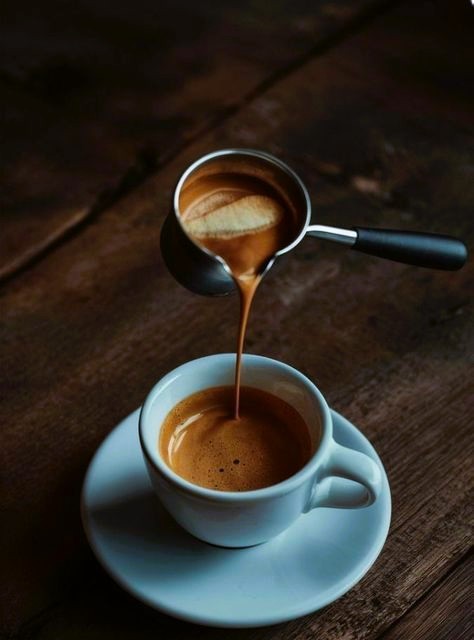
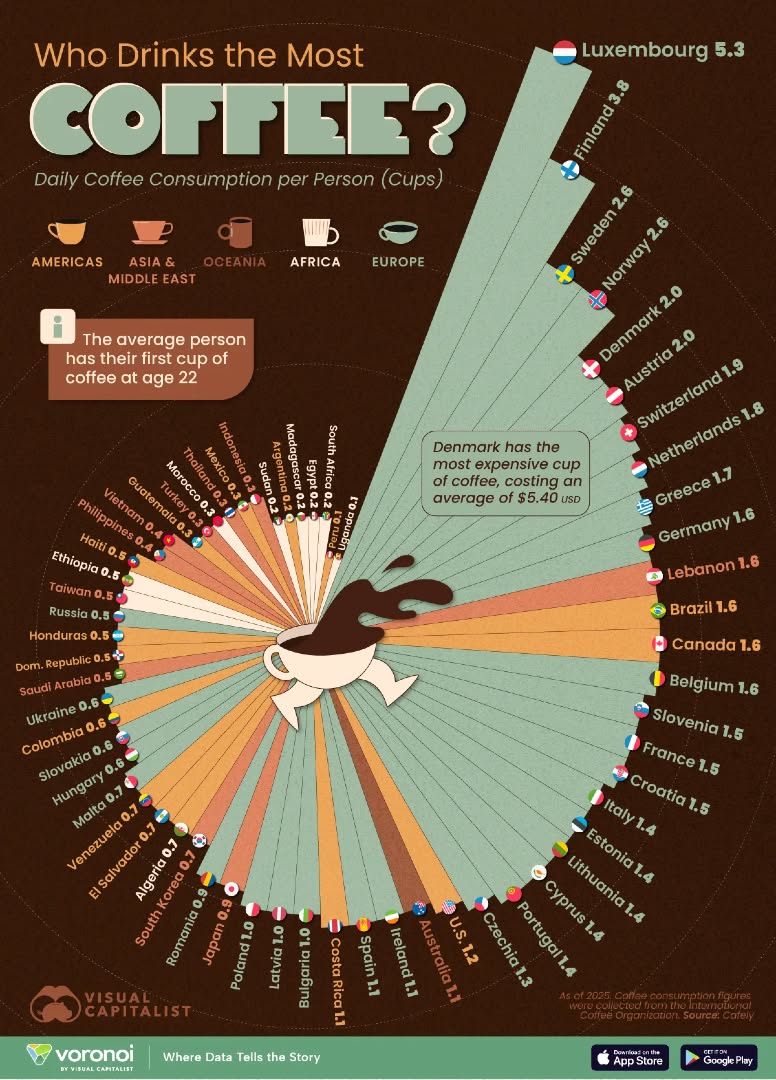
Coffee ☕!
Helping people face the world without slapping the crap out of someone since 800 A.D.

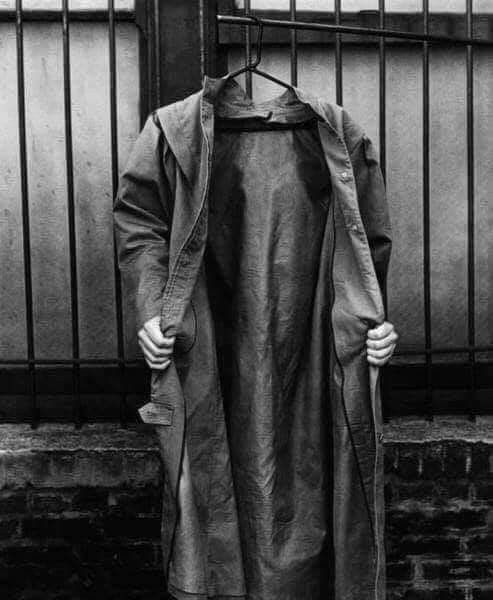
“Whenever someone who knows you disappears, you lose one version of yourself. Yourself as you were seen, as you were judged to be. Lover or enemy, mother or friend, those who know us construct us, and their several knowings slant the different facets of our characters like diamond-cutter’s tools. Each such loss is a step leading to the grave, where all versions blend and end.”
― Salman Rushdie

Pope Leo has a personal take on the “recline or don’t recline” issue.
This Makes It Hard To Plan The Day
“I arise in the morning torn between a desire to improve the world and a desire to enjoy the world. This makes it hard to plan the day.”
― E.B. White

“Immature people crave and demand moral certainty: This is bad, this is good. Kids and adolescents struggle to find a sure moral foothold in this bewildering world; they long to feel they’re on the winning side, or at least a member of the team. To them, heroic fantasy may offer a vision of moral clarity. Unfortunately, the pretended Battle Between (unquestioned) Good and (unexamined) Evil obscures instead of clarifying, serving as a mere excuse for violence — as brainless, useless, and base as aggressive war in the real world.”
Ursula K Le Guin



 Travel Between The Pages