
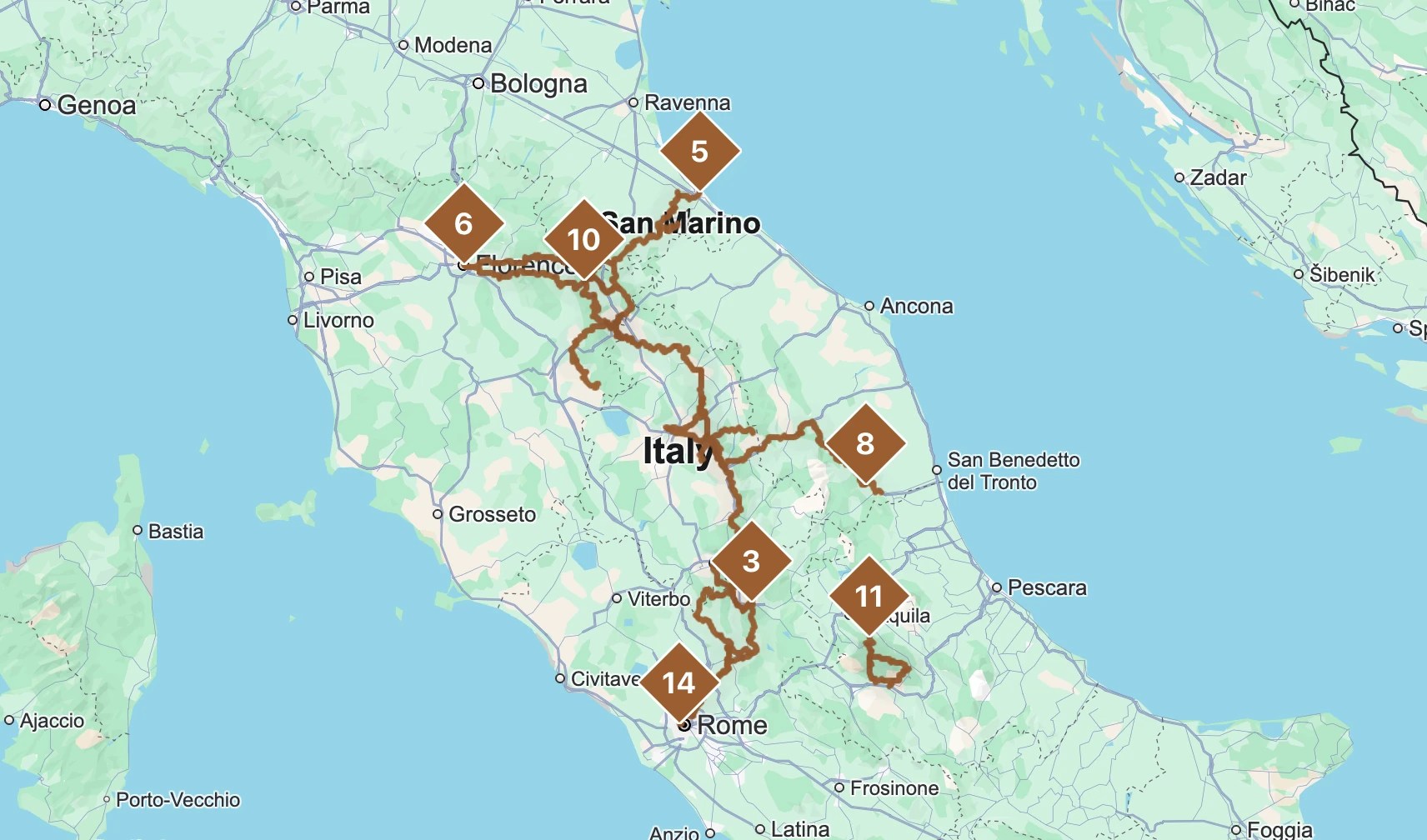
. Italy has launched a huge new hiking trail crossing six of its regions , their version of the Camino de Santiago that traces the Saint’s walk across Italy and finishes in Assisi. I am the world’s least religious person, but I had a spiritual experience visiting Assisi and the tomb of St. Francis.
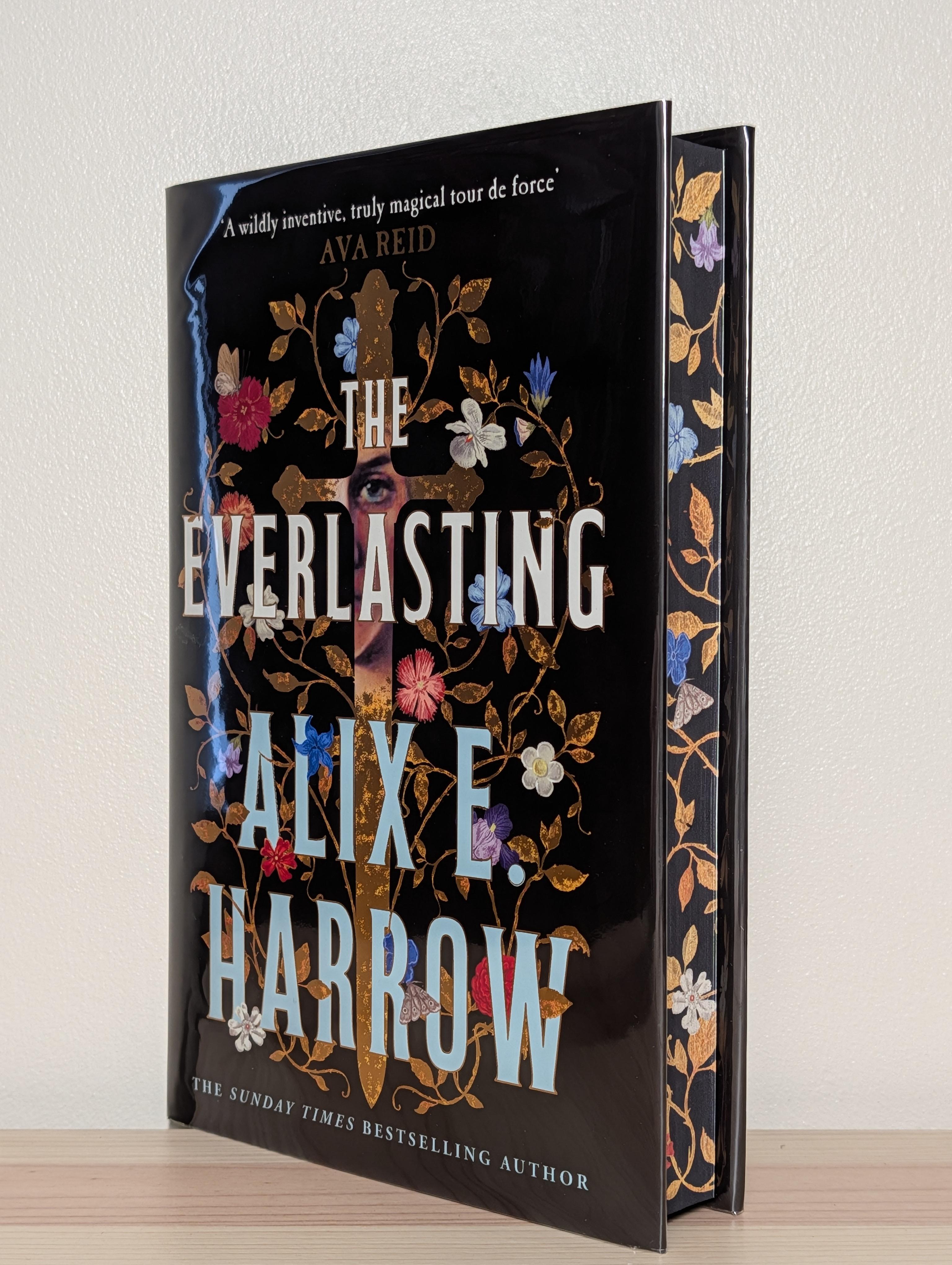
The winners of the 2026 Hugo Awards, honoring the best in science fiction and fantasy, were presented at the LACon V. The winners:
Best Novel: The Everlasting by Alix E. Harrow (Tor)
Best Novella: The River Has Roots by Amal El-Mohtar (Tordotcom)
Best Novelette: “Never Eaten Vegetables” by H.H. Pak (Clarkesworld, Issue 220)
Best Short Story: “In My Country” by Thomas Ha (Clarkesworld, Issue 223)
Best Series: Old Man’s War by John Scalzi (Tor)
Best Graphic Story or Comic: A Wizard of Earthsea: A Graphic Novel, written by Ursula K. Le Guin, adapted and art by Fred Fordham (Clarion Books)
Best Related Work: Inventing the Renaissance by Ada Palmer (University of Chicago Press)
Best Dramatic Presentation, Long Form: Sinners, screenplay by Ryan Coogler, directed by Ryan Coogler (Proximity Media, Warner Bros. Pictures)
Best Dramatic Presentation, Short Form: Murderbot: “All Systems Red,” written by Paul Weitz & Chris Weitz, directed by Roseanne Liang, based on the book All Systems Red by Martha Wells (Apple TV)
Best Game or Interactive Work: Clair Obscur: Expedition 33, developed by Sandfall Interactive, published by Kepler Interactive
Best Editor Short Form: Neil Clarke
Best Editor Long Form: Diana M. Pho
Best Professional Artist: John Picacio
Best Semiprozine: Uncanny Magazine, publisher and editor-in-chief: Michael Damian Thomas; managing editor Monte Lin; poetry editor Betsy Aoki, podcast producers Erika Ensign and Steven Schapansky
Best Fanzine: nerds of a feather, flock together, editors Roseanna Pendlebury, Arturo Serrano, Paul Weimer; senior editors Joe Sherry, G. Brown, Vance Kotrla
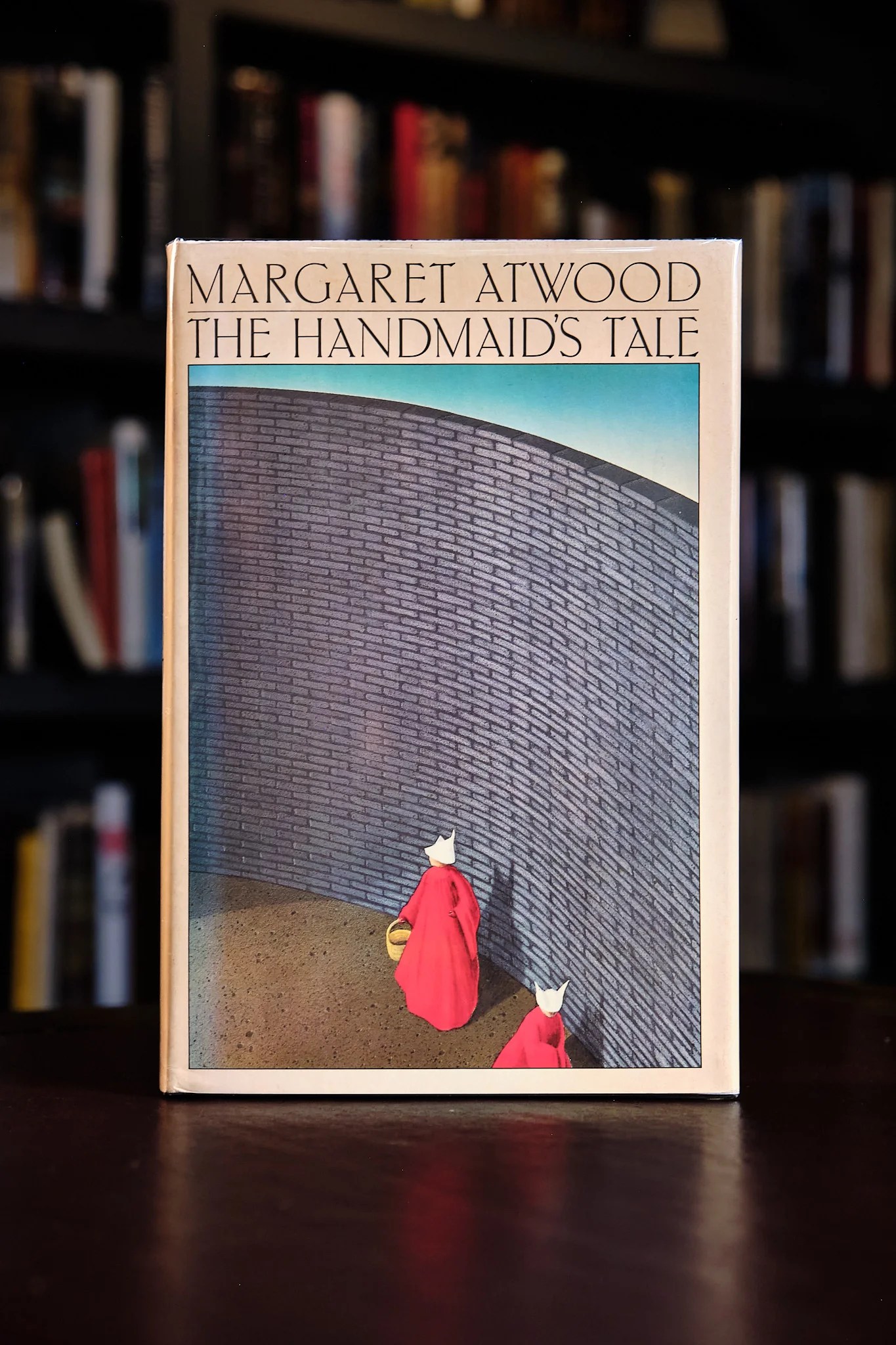
How Margaret Atwood came to write The Handmaid’s Tale – This was an intriguing look into her writing process for the iconic novel.
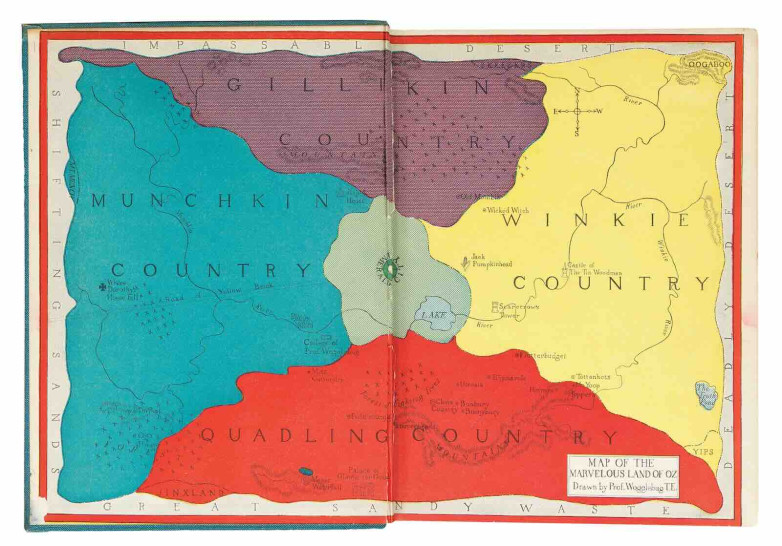
The Sunderland Collection of world maps has announced the creation of Ex Carta, a sister collection dedicated to fictional and world-building cartography that spans more than 700 years across over 160 maps from 1506 to the present day.
Ex Carta’s first institutional loan will be to the upcoming exhibition Fantastische Karten/Fantastical Maps at the Zurich Central Library in Switzerland, from September 4 through 5 December 5. Maps from literature, film, games, and role-playing worlds will trace how visual storytelling has informed imaginary geographies for centuries.
Beginning with the first printed maps of Dante’s Hell (1506), the collection extends through landmark works including Treasure Island, Jules Verne’s adventure novels, Robinson Crusoe, Peter Pan, The Wonderful Wizard of Oz, Alice’s Adventures in Wonderland, Winnie-the-Pooh, The Hobbit, The Lord of the Rings, The Chronicles of Narnia, Agatha Christie‘s novels, Dune, Asterix, and Game of Thrones.
It also includes iconic fictional cartographies from film and television such as Star Wars, Star Trek, Indiana Jones and the Last Crusade, The Mummy, and the Marauder’s Map from the Harry Potter series. From the worlds of gaming and interactive fiction, highlights include printed maps from Dungeons & Dragons, Call of Cthulhu, RuneQuest, Forgotten Realms, Myst, World of Warcraft, Final Fantasy, Elden Ring, and Pokémon. Ex Carta also holds first edition examples of historical works that inspired or perpetuated story-worlds, such as Mountains of Kong, Atlantis, and Captain Bligh’s Narrative of the Mutiny on the Bounty.
“Early maps often show mythical creatures, imaginary islands, excerpts from Biblical stories, and other narratives, directly influencing writers and game-makers working years later,” said Helen Sunderland-Cohen, Director of Ex Carta and The Sunderland Collection. “Ex Carta showcases the fascinating interweaving between maps and storytelling. It is a love letter to the human imagination, and the magic of stories, including those we create ourselves through playing games or being inspired by the stories we hear.”
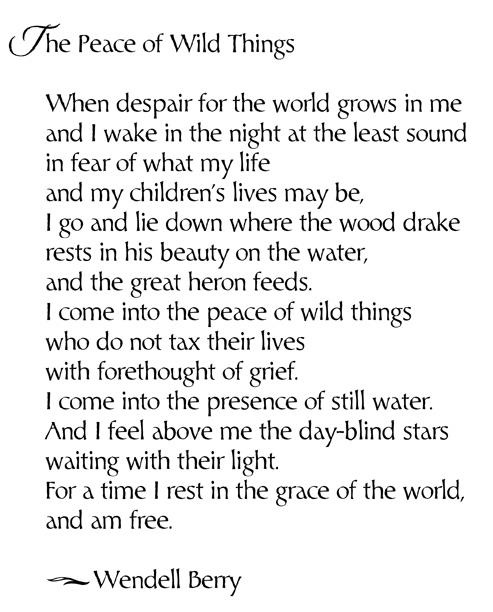
Novelist and poet Wendell Berry spent his life farming his land for food and for prose. It was land his family farmed and lived on for seven generations before him, in Henry County Kentucky.
He died at his home in Port Royal, Kentucky at age 92.
Berry started his career as a writer as an academic. He studied at the University of Kentucky, then Stanford, and had taken a prestigious position as an English professor at New York University by the time he was 28. But city life was never for him.
In the 1968 essay A Native Hill, Berry wrote about his decision to leave behind the New York literary world just two years into his career, in favor of his home county in Kentucky. “I had made a significant change in my relation to the place: before it had been mine by coincidence or accident; now it was mine by choice. My return, which at first had been hesitant and tentative, grew wholehearted and sure. I had come back to stay. I hoped to live here the rest of my life.”
It was a hope he accomplished. The land Berry farmed in Henry County became the primary inspiration for his work as a writer and as an environmentalist. He was a stark critic of industrialized farming, and generally skeptical of technology. He never owned a computer–preferring instead to hand write his work, and then type it up on a typewriter he purchased new in 1956 and never needed to replace
Berry’s writing was an endeavor in slowing down, and noticing his surroundings – whether these were trees, people, or the imprint of a breeze on a hill – as in the 2001 poem “June Wind.”
“Light and wind are running
Over the headed grass
As though the hill had
Melted and now flowed.”
ther poems used similarly sharp prose to comment on the broader political sphere. “Against the War in Vietnam” was published in 1968.
“In the name of ourselves we ride
at the wheels of our engines,
in the name of Plenty devouring all,
the exhaust of our progress falling
deadly on villages and fields
we do not see. We are prepared
for millions of little deaths.”
Berry was awarded the National Humanities Medal by President Obama in 2012, and he became the first living author inducted into the Kentucky writer’s Hall of Fame in 2015.
Berry’s writing is a lesson for the ages on slowing down, noticing, and deeply loving and respecting our surroundings.
via NPR


