Tudor Books

Recently, my favorite museum in North America the Metropolitan Museum of Art in New York City opened an impressive new exhibition, The Tudors: Art and Majesty in Renaissance England. Spanning King Henry VII’s seizure of the throne in 1485 to the death of his granddaughter Queen Elizabeth I in 1603, the Tudor era was a period when the arts thrived. In this exhibition, more than 100 objects bring all of that to the fore through vibrant portraits, tapestries, sculpture, armor, and, of course, Tudor books and manuscripts.

Books and manuscripts on view include:

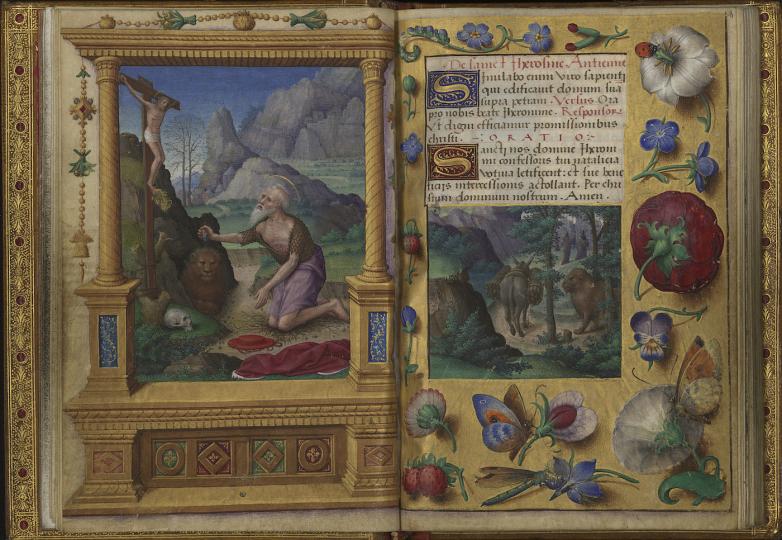
The Book of Hours of Mary of England, Queen of France (pictured above), tempera on vellum ca. 1495-1500 with miniature attributed to the Master of Claude de France, ca. 1514. This book was gifted by King Louis XII to his bride, Mary, sister to Henry VIII. She later presented it to Henry.

Two editions of Astronomicum Caesareum, an astrological text used by royalty to map the stars to make critical decisions, printed in 1540 by Georg and Petrus Apianus with hand-colored woodcuts by Michael Ostendorfer. According to the Met, “Henry VIII, who owned the finest contemporary books on the market, likely kept his copy alongside other astronomical books in the Secret Jewel House at the Tower of London.” Watch this book “in motion” here.

“Acts of the Apostles and the Apocalypse,” a stunning Flemish manuscript on vellum, ca. 1519–27, with a miniature attributed to Lucas Horenbout (Flemish, Ghent 1490/95–London 1544) or Susanna Horenbout (active ca. 1520–1550). The illustrations show the Tudor dragon and greyhound, Tudor roses, and the Beaufort portcullis of Henry VIII’s grandmother.

The Psalter of Henry VIII . This tempera on parchment prayerbook, with miniatures by the French artist Jean Mallard, was used by the king himself—it even features his handwritten annotations.

Two Bibles are highlighted: The Coverdale Bible, printed in 1535, with title page designed by Hans Holbein the Younger, and The Great Bible of 1540, printed on vellum, with title page attributed to Lucas Horenbout; the hand-tinted and parchment-printed edition on view was owned by Henry VIII.

Instruction of a Christen Woman by Juan Luis Vives was printed in London in 1557. Was this one of Queen Elizabeth I’s favorites? According to the Met, it was originally written in Latin for the young princess Mary.

Tabula Cebetis, and De Mortis Effectibus,” a 1507 scholarly manuscript transcribed by an Italian friar, was meant to be a gift for Henry VII.

Octonaries Upon the Vanitie and Inconstancie of the World,” ca. 1600, is an ink and watercolor manuscript made by a woman, Esther Inglis (French or British), who transcribed and painted devotional texts.

The First and Chief Groundes of Architecture Used in All the Auncient and Famous Monymentes (1563) by John Shute is the first architectural treatise printed in English. Shute wrote it at the request of King Edward VI, but it was published during the reign of Queen Elizabeth I.

The exhibition will remain on view through January 8, 2023.


Posted in Art, Books, Europe, History, Libraries, Museums, Tourism, USA | Tagged , , , | 1 Comment

The Right to Read

In response to the ongoing rightwing hysteria of school students free access to books Federal legislation was introduced last week that would expand access to school libraries and codify student First Amendment Rights. The Right to Read Act (S. 5064 and H.R. 9056), introduced by Rhode Island Senator Jack Reed and Arizona Representative Raúl Grijalva, would put a certified school librarian in every public school library across the country.

Among the Right to Read Act provisions:

  • Up to $500 million in Comprehensive Literacy State Development Grants
  • An increase in the Innovative Approaches to Literacy Program to $100 million
  • A concerted investment in the recruitment, training, and retaining of certified school librarians
  • Reaffirming student First Amendment Rights to access school library materials, with expanded liability protection for teachers and school librarians.

“Literacy is the cornerstone of a high-quality education in every society, yet today we are seeing our nation’s children subjected to politically led efforts to block access to books. Censoring our education system based on bias is national travesty.” said Rep. Grijalva in the press release for the Right to Read Act. “We must ensure that our school libraries are equipped to empower and engage students from every background which is why I am proud to introduce the Right to Read Act with Senator Reed. This legislation will support the development of effective school libraries, including recruitment and retention of librarians, and provide federal funding for literacy resources in high need communities. This bill will also help protect the right to access diverse, inclusive school library collections. Together, we will build and develop effective school libraries with diverse and robust resources to deliver positive and formative opportunities for students.”

Posted in Books, Freedom of Speech, Libraries, USA, Writing | Tagged , | Leave a comment

Room to Swing

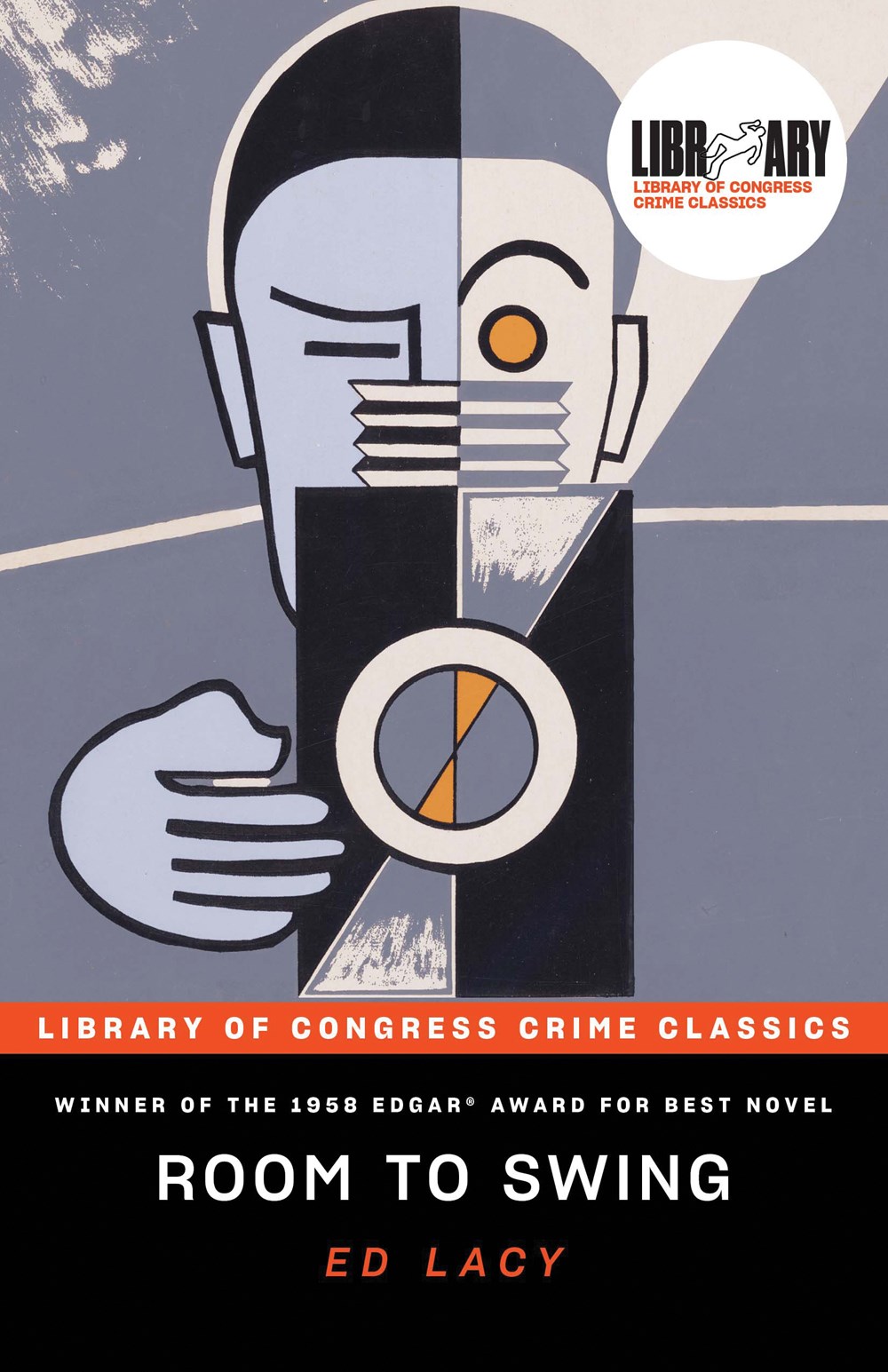
It’s always good news when the U.S. Library of Congress announces the release of a reissued classic. The Library of Congress Crime Classics series features some of the finest American crime writing from the 1860s to the 1960s. Drawn from the Library’s unequalled collections, series editor and mystery expert Leslie S. Klinger has selected scarce and lesser known titles that represent a range of genres, from “cozies” to police procedurals. Priced and formatted for wide readership and classrooms, each volume includes the original text, as well as a contextual introduction, brief biography of the author, notes, recommendations for further reading, and suggested discussion questions. Crime Classics are published by Poisoned Pen Press, an imprint of Sourcebooks, in association with the Library of Congress.

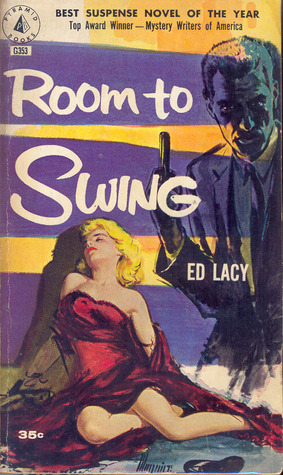
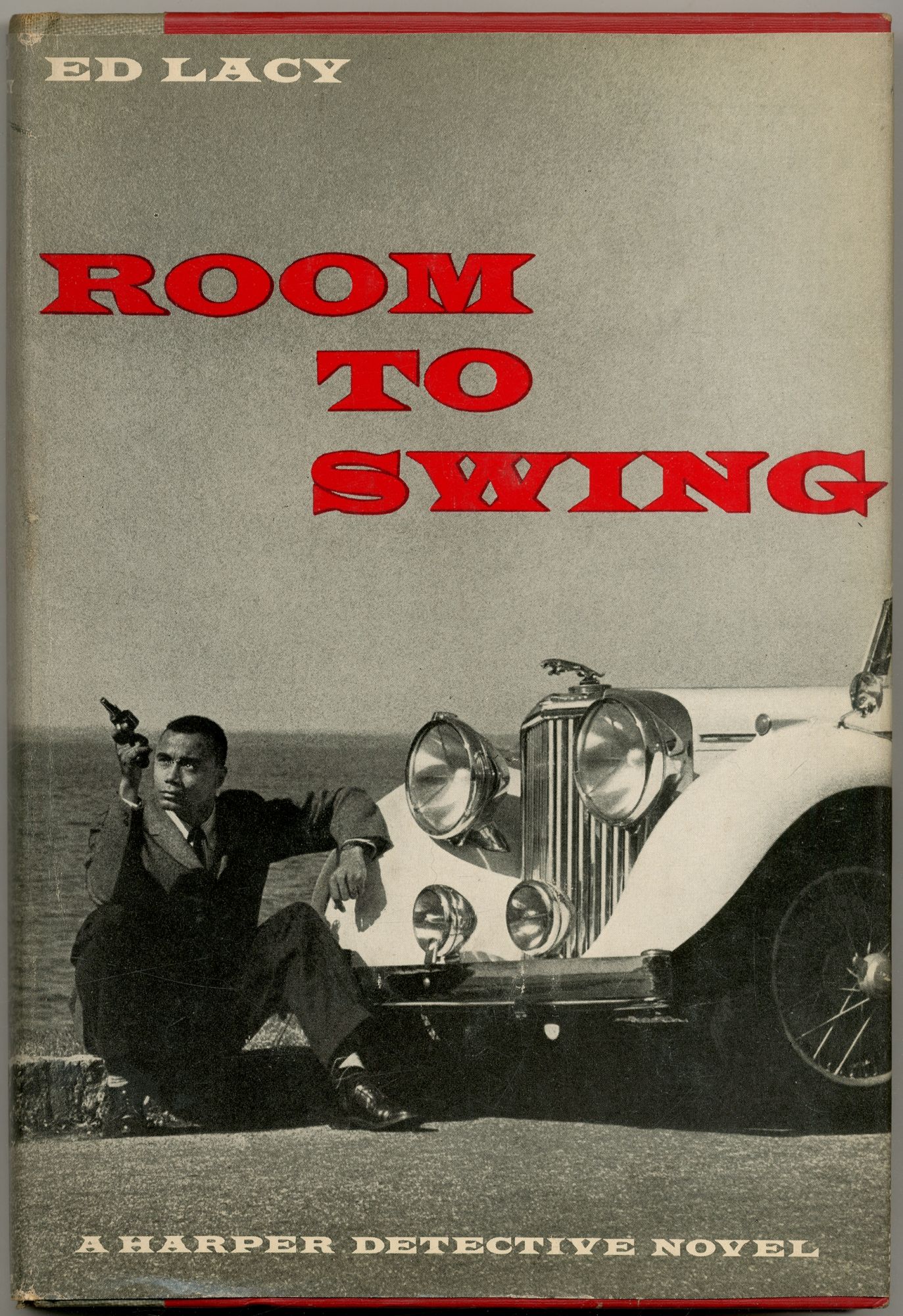
Room to Swing  by Ed Lacy, published by Poisoned Pen Press, in association with the Library of Congress features Toussaint Moore a Black, college-educated, decorated war veteran. When he’s hired by producers of a reality television show to keep tabs on the whereabouts of an accused rapist, the gig goes quickly south; Moore finds the man murdered and himself framed for the deed. Moore flees to the small Ohio town where the dead man committed his crime but encounters a whole new level of resistance and racism as a Black man asking questions in a small-minded, predominantly White town. Using his wits, he sets a trap for the real killer in this  1958 Edgar Award-winning novel.

Ed Lacy was the pen name for Leonard S. Zinberg, a New Yorker who wrote more than 30 Noir crime novels published as paperback originals (“Go for the Body,” “Shakedown for Murder,” “Sin in Their Blood”) and more than one hundred short stories in a career that spanned nearly three decades. He was Jewish, married to a Black woman, a communist for many years, and an early and ardent advocate of civil rights for Black Americans. (Ralph Ellison, who moved in many of the same New York literary and social circles, reviewed Zinberg’s first book in 1940 in New Masses, a Marxist magazine.) When Zinberg died in Harlem of a heart attack in 1968 at age 56, the New York Times reported his pulp paperbacks had sold more than 28 million copies.

Posted in Books, Libraries, USA, Writing | Tagged , , | Leave a comment

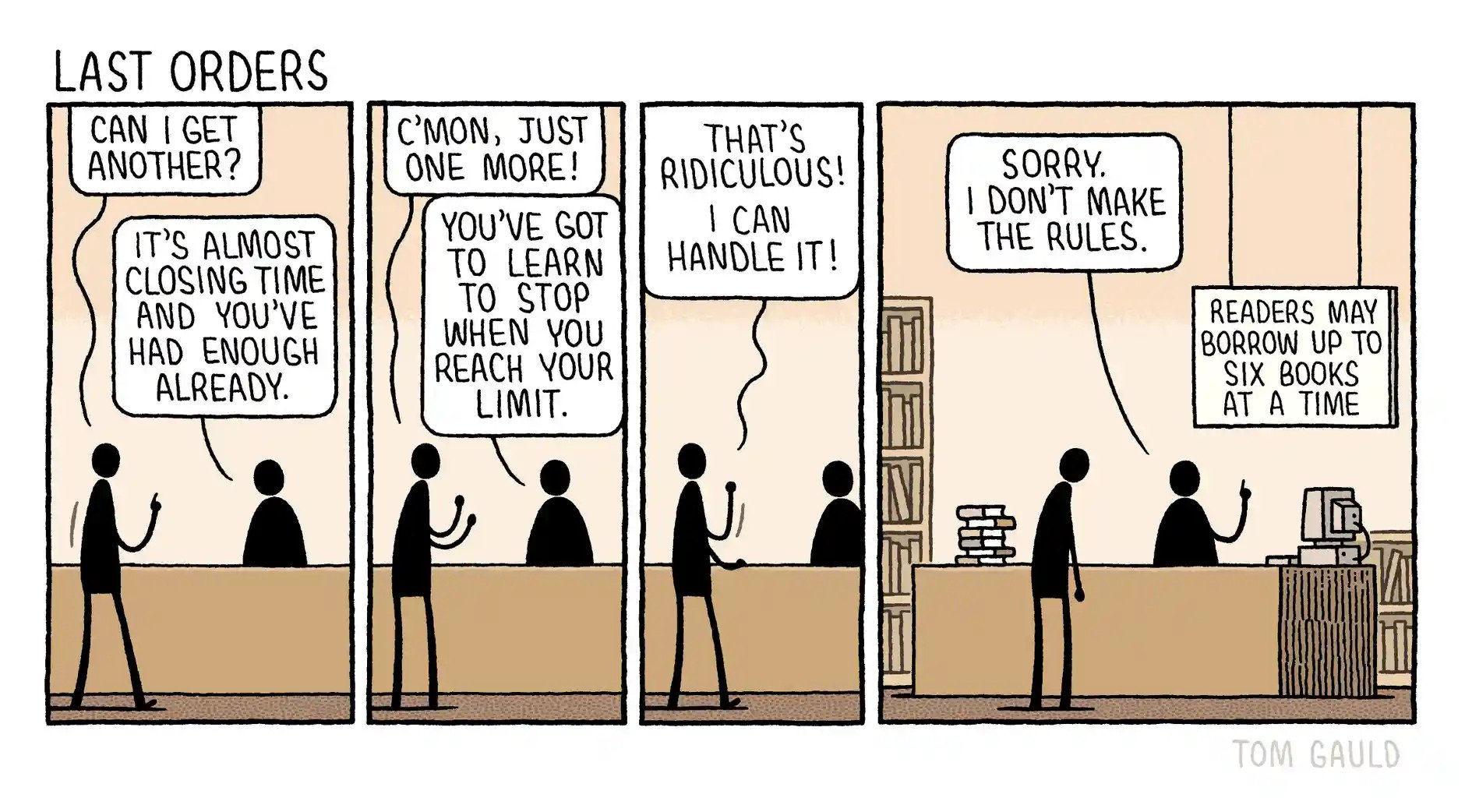
Last Orders


Posted in Art, Books, Libraries | Tagged , | Leave a comment

Munich and a little Oktoberfest

Each year around this time Munich and its Oktoberfest seems to get a bit of attention in the media. I’ve only been to Munich twice and Oktoberfest one time, but I’m a big fan. Ironically, I managed to get an invite into a festival beerhall tent from some Irish residents of Munich and not my German friends. The wonderful tilt-shift video below is from Joerg Daiber of Little Big World  who compiled some great footage of the city and its festival in miniature.


Posted in Europe, Film, Tourism | Tagged , , , | 4 Comments

What then do we want words for?

“By the Numbers”

by

Hob Broun


[1]

THEY WORKED AT THE enclosed mall in King of Prussia. They wore plastic nametags, the corporate logo above a deep groove accommodating a Dymo label. Jenelle for the record store, Courtney for the bookstore. They had received reprimands for lateness.

[2]

Dinner is interesting. The plastic bag doesn’t melt in the boiling water. You cut off the top with scissors and lobster Newburg comes out.

From the paper: “Dartmouth Warnell, 19, of North Philadelphia, while attempting to escape from police custody, was shot and killed in the parking lot of the Afro-American Cultural Museum. A warrant for driving-while-suspended had been outstanding.”

The table is a phone company cable spool which occasionally insinuates a splinter. The
VCR format is unchic: Beta. The movie from the rental store traces an anchorwoman who finally turns into a werewolf on the air. They’ve seen it before.

[3]

Saturdays there are special events at the mall. It could be a ho-ho banjo band in red vests and sleeve garters. Or a begonia club. Or a cat show. There might be Cub Scouts all over the place. Everyone seems to put in the extra effort on a Saturday. Their jaws ache from smiling.

[4]

Courtney and Jenelle together in a bath. Pubic hair is ugly, but they’re afraid to shave. Many products for the hair, each based on a wholesome foodstuff. Plastic bottles bobbing.

J: I wish my toes were long and thin like yours.

[4A]

Courtney and Jenelle in a stall shower, embracing in soap foam. Why they’re late all the time. Mist.

[4B]

Courtney and Jenelle washing clothes by the Orinoco. (Black-and-white, dubbed.)

C: Why can’t I get my skirts as bright as yours?

J: You’re not beating them hard enough.

Rising smoke in the distance, music of chain saws.

[5]

She had enough imagination to feel molten plastic when she took the albums from the carton. These were red mostly, with lettering in white. There was a song about land reform, another about mascara. She thought of wearing leather next to the skin.

“Where would I find language instruction tapes?” She shelved the travel guides in overstock, felt once more this alien regret at not being able to type. Letters to show the way. Orange signs in her sightline: Romance Cooking Health & Fitness. She thought about her eyes in someone else’s face on posters all over town.

“Do you have How to Avoid Probate?”

[6]

Jenelle’s mother lives by herself in Cherry Hill in a house that’s almost paid for. Dad is trying to make a cleaning service go in south Alabama; he calls often, seems not to be doing well. She has brown hair, type O blood, allergies to shellfish and aluminum foil.

Courtney’s mother is Japanese, a war bride. Her father died last summer of asbestosis. Her brother is in his third year of biochemistry at Drexel. She is right-handed, underweight, wears glasses to correct a mild astigmatism.

[7]

They could be married to men like sleds on rails: top ten percent of the class, membership in a rowing club, an ability to anticipate currency fluctuations. They could be plain in Quaker bonnets, humming as they card wool, shaded sweetly by belief.

[7A]

Rod turned back to her in his belted leather coat of a too-shiny material that was not leather. His wide dark eyes glistened with forgiveness. Courtney inhaled the coat’s laboratory musk as he gathered her up in his arms.

[7B]

Jenelle heard the whispers in passing, her gray skirts brushing the cobbles, the black book cradled in her hand. She had broken the silence in fear, but her quiet simple words had then seemed to lift all eyes in the meetinghouse.

[8]

Was it a party? Jenelle is lying in bed, cold cucumber slices balanced on her face. She has unplugged the stereo, forbidden music. Wondering if he really will phone tonight, Courtney wishes for an interesting birthmark. Someone downstairs is raking leaves. Jenelle has an enema and feels better.

J: Why don’t we have towels that match? With our initials intertwined in a contrasting color?

C: I don’t know.

[o]

Strollers were unconsciously arranged around the fountain; the mothers could not wake their children. Earring Emporium had not had a customer all day. An NCR repairman set down his tool kit and wandered aimlessly. The sound track was muddy for Cinema III’s matinee. A man with no family bought a badminton set and charged it. An aquarium burst spontaneously at Petsateria; there was a brief waterfall over jagged glass, and then little flips on the carpet….

Courtney took the taped package out from behind the stockroom fire extinguisher. Her mouth was dry. The package felt funny. Too heavy? Too light? She was late for the rendezvous….

Jenelle put the mustard on her pretzel left-to-right, signing everything was go. Slowly, as if browsing, they moved toward the Westgate exit, past Jeans World, Muffy’s, the Cookie Castle. They were being followed. The two men wore state trooper glasses and trim black chin beards, but weren’t as young as they thought. Were they DEA? Libyans? No hesitation. Jenelle took the silver gun from under her rabbit jacket and gave each one two in the face. JFK time, brains on a pink dress….

Courtney and Jenelle hydroplaning in a white Camaro, spinning across three lanes of expressway, coming out of it and going harder on. The windshield a gray boil. Hiss of the police-band radio. Swerving headlights. The needle edging past 100….

“Don’t you read?” Courtney said.

“No, I’ve finished school.”

“Read and you’d know nothing ever happens to us. Just these little vignettes we’re not even aware of.”

“You mean it?”

“Anyway they do.”

“Okay.”

Jenelle threw the package out the window, bit off the tip of the silver barrel. The gun was made of wax and contained a thin lime syrup.

[—1]

Courtney and Jenelle in a cemetery with hoagies. From this elevation it is possible to see a white church, the empty river. New shoots of grass are just starting. The air is soft, receptive to the least aroma trace. Starlings forage between grave aisles, behind bronze-doored crypts. Oil trickles over Courtney’s lip. Jenelle catches it on her finger.

C: I wish we were in our eighties and could look back.

J: Me too.

[oo]

What then do we want words for?

The tab on a file.

To say this was in Pennsylvania, during the second term of Reagan.

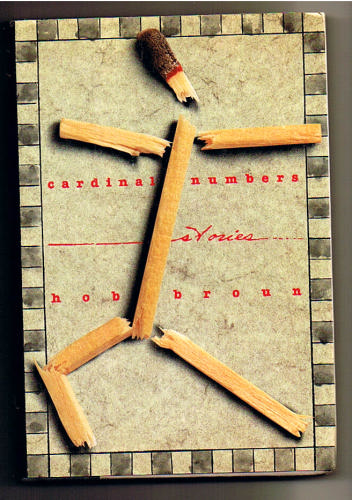
I am slightly nonplussed by the idea that I didn’t know anything about the extraordinary life of the late writer Hob Broun until I stumbled on the short story above. Hob Broun (born Heywood Orren Broun; 1950 – December 16, 1987) was an author who was born in New York City, but lived and wrote in Portland, Oregon. Following the publication of his first novel, Odditorium, Broun required spinal surgery to remove a tumor that ultimately saved his life but resulted in his paralysis from the neck down. Remarkably, he finished a second novel–and wrote the stories in Cardinal Numbers–using a kind of writing-machine: an oral catheter (or ‘sip-and-puff device’) connected to a customised word processor, triggered by his breath whenever a letter flashed on the screen. Using this technology, he completed a second novel, Inner Tube, and wrote the short stories contained in a posthumously published collection entitled Cardinal Numbers  which was edited by Gordon Lish and which won an Oregon Book Award in 1989. He was working on a third novel when he died of asphyxiation after his respirator broke down in his home in Portland, Oregon. He was thirty-seven years old. 


Posted in Books, Tech, USA, Writing | Tagged , , , | 1 Comment

Take the Train

Those of you who stop by TBTP regularly know that I’m a big fan of public transit and clever transit advertising. The short video below from Denmark ticks all of the boxes and best of all it features a great soundtrack by the incomparable Chrissie Hynde.

homepage link


Posted in Europe, Film, Public Transport | Tagged , , , | 1 Comment

It’s That Shirley Jackson Time of the Year

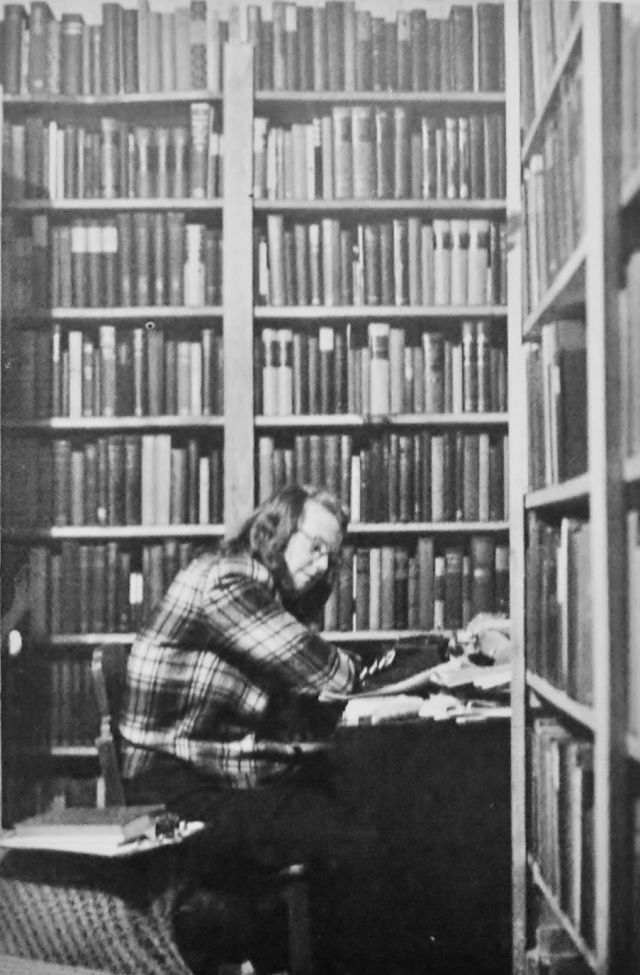
Like most U.S. students of my generation I was introduced to the work of Shirley Jackson through her story “The Lottery.” A small town in Vermont is the setting for “The Lottery,” and the town square where the locals gather to ritually stone to death one of their citizens was based on the square in North Bennington where the author lived. Jackson told one friend the story was about anti-Semitism, a prejudice she felt keenly in North Bennington.

My personal favorite from Jackson is We Have Always Lived in the Castle. In that novel, Jackson embodies two aspects of her personality into two eccentric, damaged sisters: one hypersensitive and frightened, unable to leave the house, the other a sort of devious prankster who may or may not have murdered the rest of her family for her fragile sister’s sake.

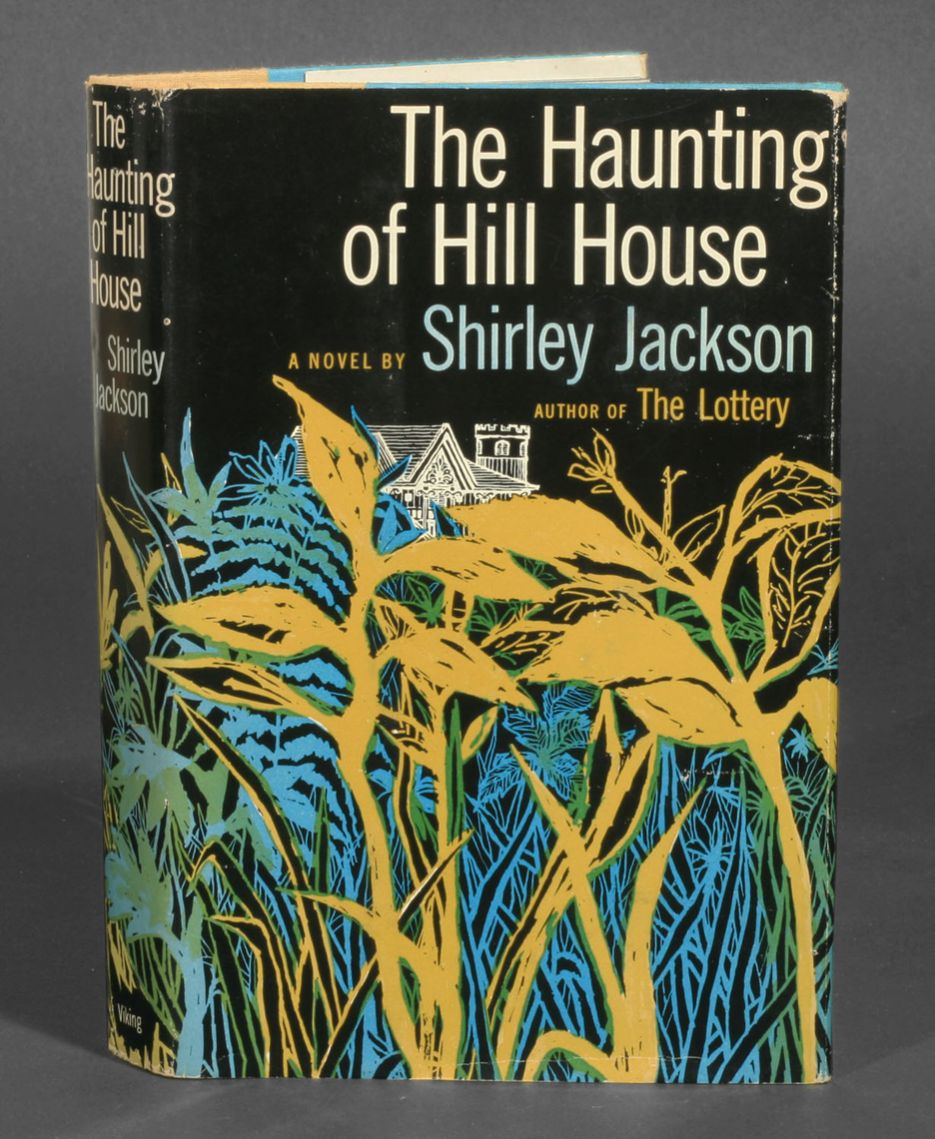
But it seems that when October rolls around each year all that folks remember is Jackson’s supernatural tale The Haunting of Hill House.  According to Laura Miller’s excellent introduction to the 2006 Penguin Classic edition, “Like all good ghost stories, Shirley Jackson’s The Haunting of Hill House sets a trap for its protagonist.”

Shirley Jackson wrote about the mundane evils hidden in everyday life and about the warring and subsuming of selves in a family, a community and sometimes even in a single mind. She wrote about prejudice, neurosis and identity. An unfortunate impression persists (one Jackson encouraged, for complicated reasons) that her work is full of ghosts and witches. In truth, few of her greatest stories and just one of her novels, The Haunting of Hill House, contain a suggestion of genuinely supernatural events. Jackson’s forté was psychology and society, people in other words — people disturbed, dispossessed, misunderstanding or thwarting one another compulsively, people colluding absently in monstrous acts. She had a jeweler’s eye for the microscopic degrees by which a personality creeps into madness or a relationship turns from dependence to exploitation.

You can read more about Jackson and The Haunting of Hill House here.


Posted in Books, Film, USA, Writing | Tagged , , | 1 Comment

Mushroom Season

MUSHROOMS
by Sylvia Plath

Overnight, very
Whitely, discreetly,
Very quietly

Our toes, our noses
Take hold on the loam,
Acquire the air.

Nobody sees us,
Stops us, betrays us;
The small grains make room.

Soft fists insist on
Heaving the needles,
The leafy bedding,

Even the paving.
Our hammers, our rams,
Earless and eyeless,

Perfectly voiceless,
Widen the crannies,
Shoulder through holes. We

Diet on water,
On crumbs of shadow,
Bland-mannered, asking

Little or nothing.
So many of us!
So many of us!

We are shelves, we are
Tables, we are meek,
We are edible,

Nudgers and shovers
In spite of ourselves.
Our kind multiplies:

We shall by morning
Inherit the earth.
Our foot’s in the door.


Posted in Books, USA, Writing | Tagged , , | 1 Comment

This took me back to childhood

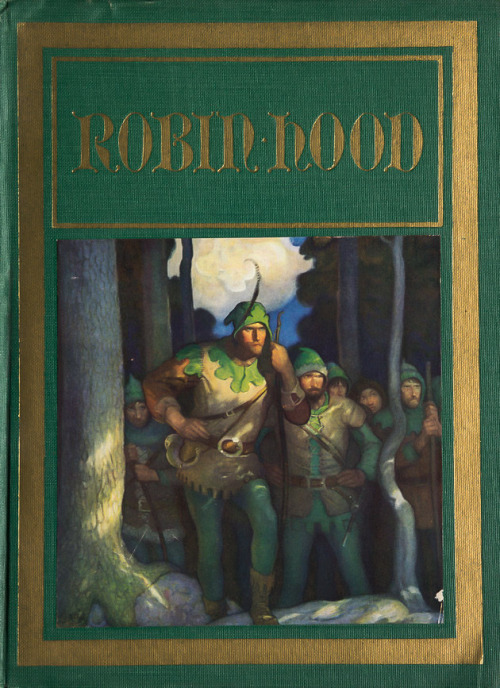
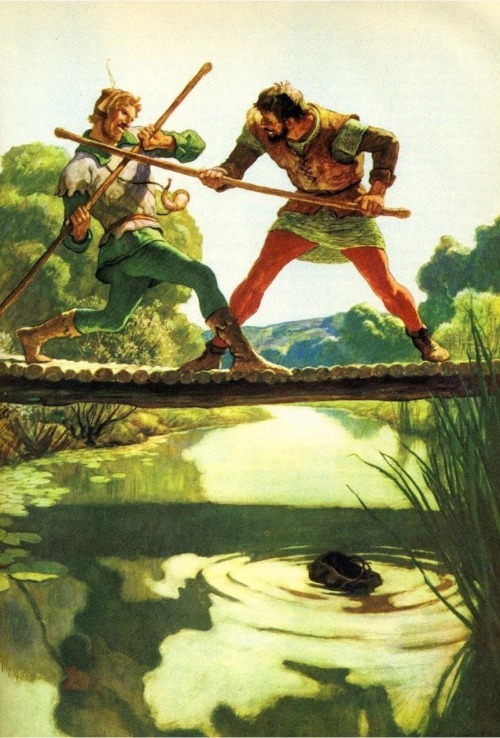
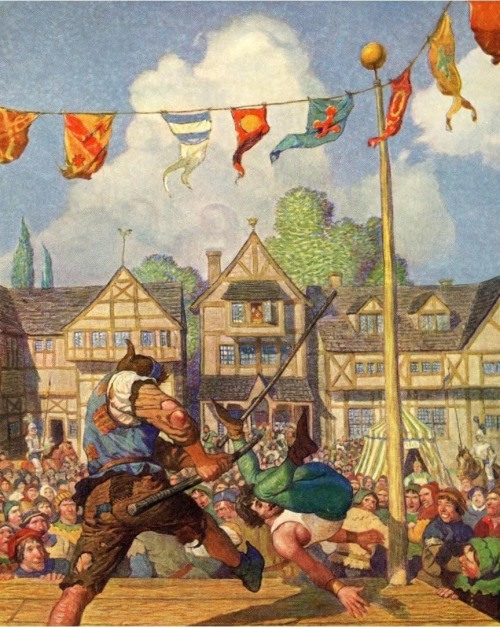
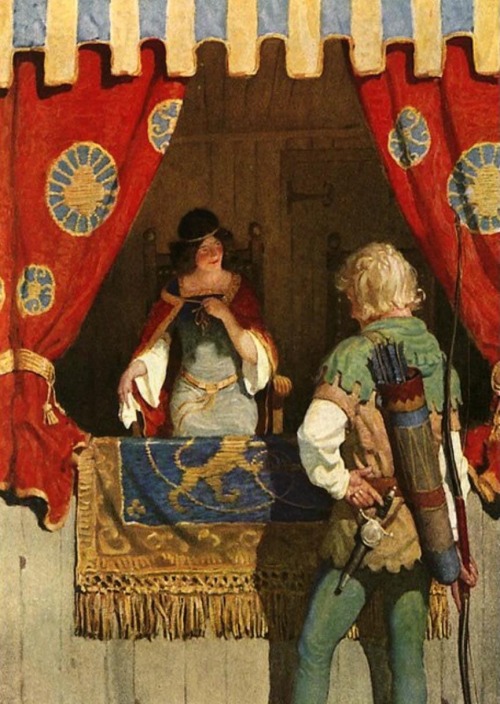
It’s always a bit serendipitous when one randomly discovers a blog post on a book that transports one right back to childhood.  This copy of ROBIN HOOD by Paul Creswick. (Philadelphia: McKay, 1917), illustrated by N.C. Wyeth, was one of the  volumes in my tiny personal library. I also owned well-worn copies of Treasure Island, Rip Van Winkle, Robinson Crusoe, The Mysterious Island, and The Yearling, all illustrated by Wyeth. Each of the books was a flea market find that often had significant wear, but I treasured them nonetheless.

source


Posted in Art, Books, USA, Writing | Tagged , , , , | Leave a comment