
Is Iceland Real

Last month, Icelandair launched a social media campaign that takes a tongue- in- cheek look at whether Iceland is  “real”  as opposed to AI-generated. The “Expedition Iceland” campaign was developed by social-first agency Kubbco in partnership with Icelandic agency Hvíta húsið.

The two-minute film (below) follows a fictional online conspiracy theorist who doesn’t believe that Iceland is real, and confidently shares his views with his followers. Because how could its spectacular landscape with volcanoes, hot springs, lava fields, geysers, Northern lights, and puffins possibly be real.

His sister, who is confident in her knowledge that Iceland is indeed real, tries to prove it to him by taking him there. Informing her brother and a quirky third character that Iceland has an airline, her brother replies sarcastically: “Great, is it called ‘Icelandair’?”


As the group travels to Iceland, our hero remains sceptical, asking distrustful questions such as “If we really are in Iceland, where is all the ice?” and pointing out that they must be in the world’s largest warehouse watching a green screen because there are no trees and “trees don’t grow on green screens”.


Throughout the film, the trio explores the beautiful Icelandic landscape, and while our conspiracy theorist friend argues that the puffins are robots and the hot springs are really just hot tubs, his conviction appears to wear off towards the end, when his sister encourages him to tell his followers that Iceland is a real country.


However, still wearing his T-shirt with the slogan “Iceland is AI-generated”, he changes his mind, grabs the phone and runs off, repeating his stance that Iceland isn’t real.


The film ends with a narrator saying the tagline “Iceland. It’s real.”


The campaign launched on November 10th and will run across Instagram, Facebook, YouTube, and the Icelandair website for four to six weeks. Additional fun content is expected to be rolled out, with details still to be confirmed.

Gísli Brynjolfsson, Director of Marketing, Icelandair, said: “In these both strange and wonderful times, where AI is everywhere, we wanted a fun and culturally relevant way to show people that Iceland is as real and stunning as it gets. Kubbco instantly understood the mission and brought forward an idea that speaks the same language we all use online: playful, curious, and a little mischievous.”


Posted in Uncategorized | Tagged , , | 1 Comment

Paris, 1964

I’ve always been a big fan of Dionne Warwick and a fan of Burt Bacharach & Hal David tunes. So what a treat to stumble upon this YouTube clip of Dionne singing her Bacharach hit “Walk On By” on the roof of the Paris headquarters of Radio France in 1964. Je l’aime tellement.

If the video refuses to launch in your browser, please click on this link.


Posted in Uncategorized | Tagged , , | 1 Comment

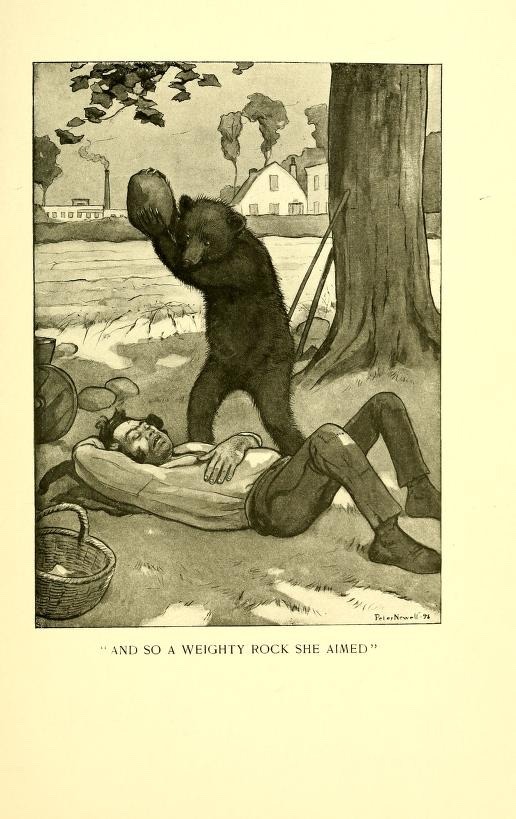
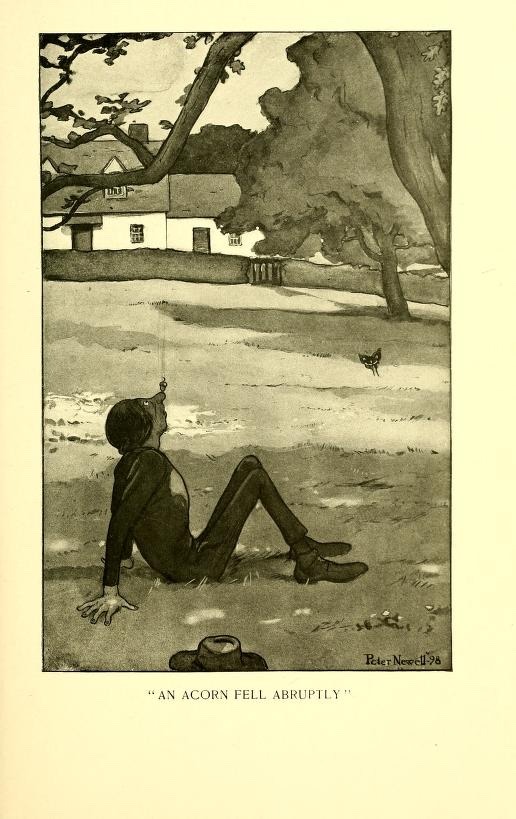
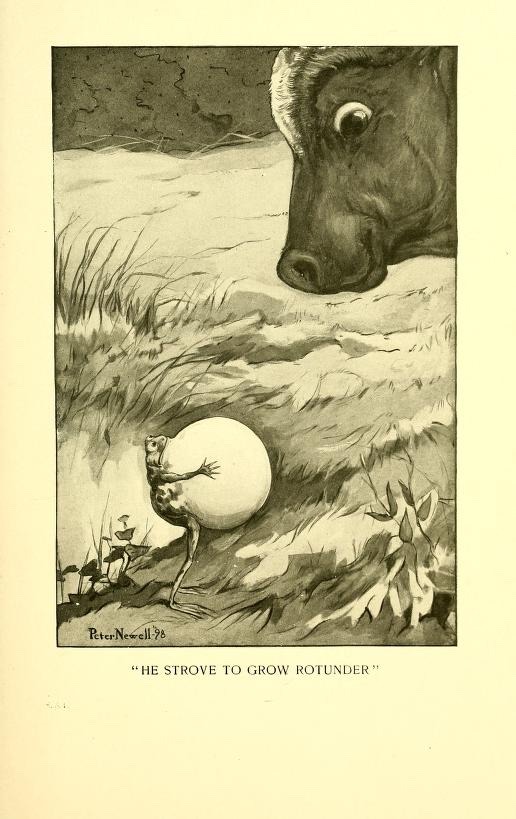
Fables for the Frivolous

One of the earliest works by the American parodist Guy Wetmore Carryl, this collection of fables are adapted from Jean de La Fontaine’s Aesop-style originals from more than 200 years earlier. Carryl’s light-hearted re-tellings are rendered in verse, each ending without fail with a moral and a (normally dubious) pun. This particular edition benefits also from a series of illustrations by the wonderful Peter Newell. As well as this take off of Fontaine, Carryl also leant his parodying pen to Grimm’s Fairy Tales, including “How Little Red Riding Hood Came To Be Eaten” and “How Fair Cinderella Disposed of Her Shoe”.


Posted in Uncategorized | Tagged , , , | Leave a comment

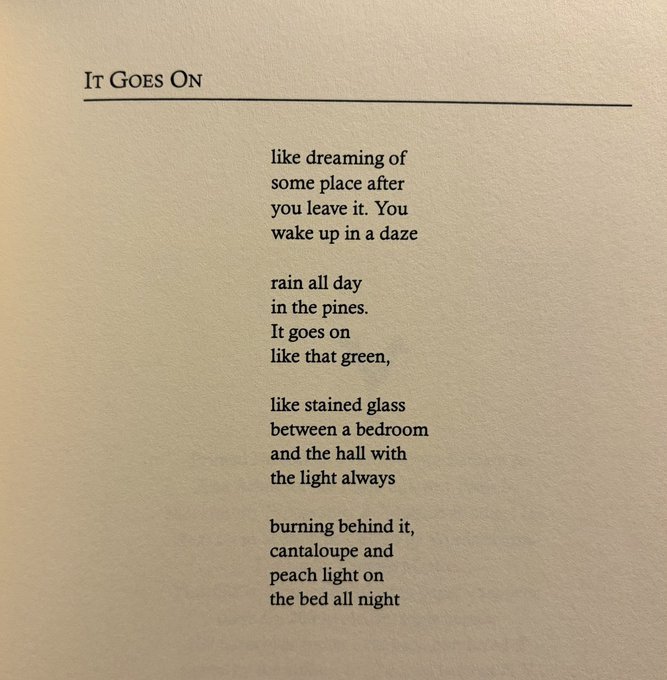
It Goes On

by Lyn Lifshin


Posted in USA, Writing | Tagged | Leave a comment

Either you get the bear, or the bear gets you

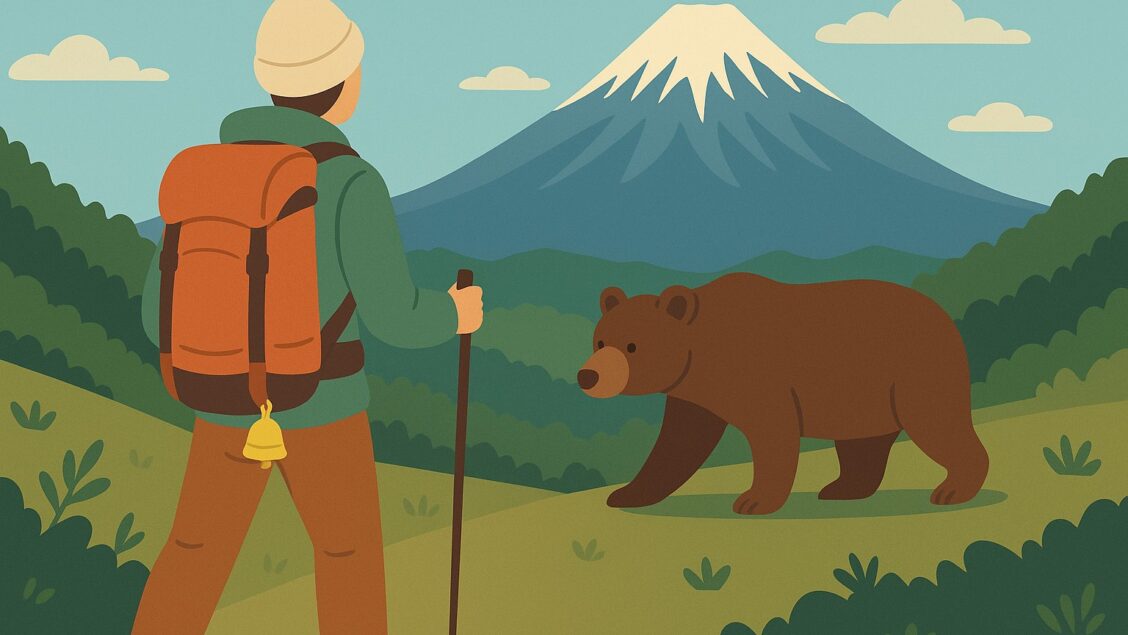
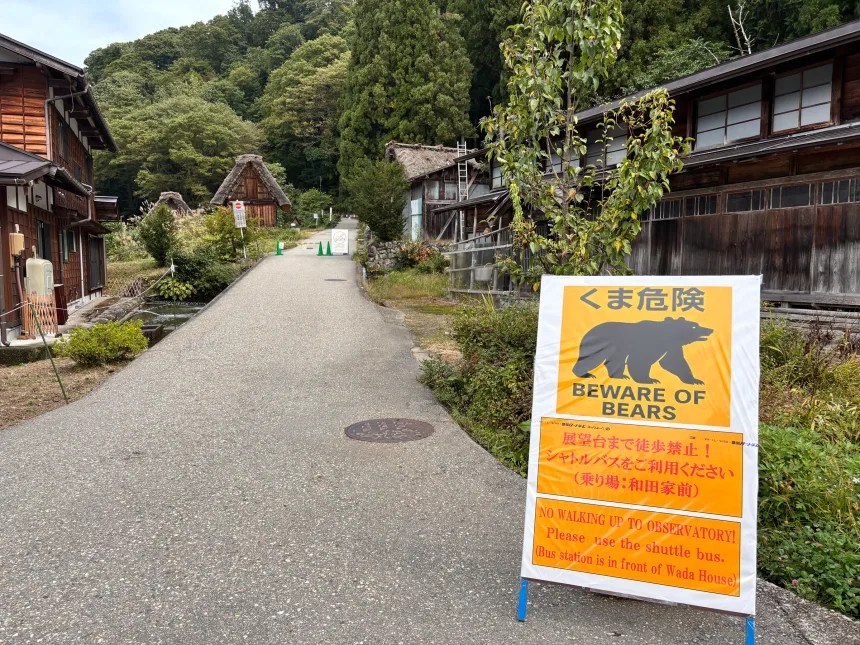
In a surprise move, the U.S. State Department has issued a safety warning for parts of Japan, a country that has long been considered one of the safest in the world to visit, because of an increase in bear attacks in the north of the country.

More than thirteen people have been killed by bears, and over 100 hundred seriously injured, so far in Japan this year. Recently, bear sighting in Maruyama Park in the northern city of Sapporo has led authorities there to close the park for two weeks. The U.S. Consulate in Sapporo, which is near Maruyama Park, issued the warning, noting that in addition to the park, bears have also been spotted in residential areas in Hokkaido and Akita prefectures.

The consulate advises U.S. citizens in the area to avoid the park during the closure (although the consulate remains open), be aware of their surroundings, and report any further sightings of bears to local authorities.

The bear warnings have not affected the travel advisory level for the country of Japan, which remains at Level 1 – Exercise Normal Precautions. This is the lowest level in the four-tier advisory system operated by the State Department, meaning that U.S. citizens visiting the country don’t need to take any additional steps outside of what they would normally do to ensure their safety and security abroad.

https://www.youtube.com/shorts/5fx0AdcUwdI


Posted in Asia, Travel Writing | Tagged , , , , | Leave a comment

Monks Month Madness

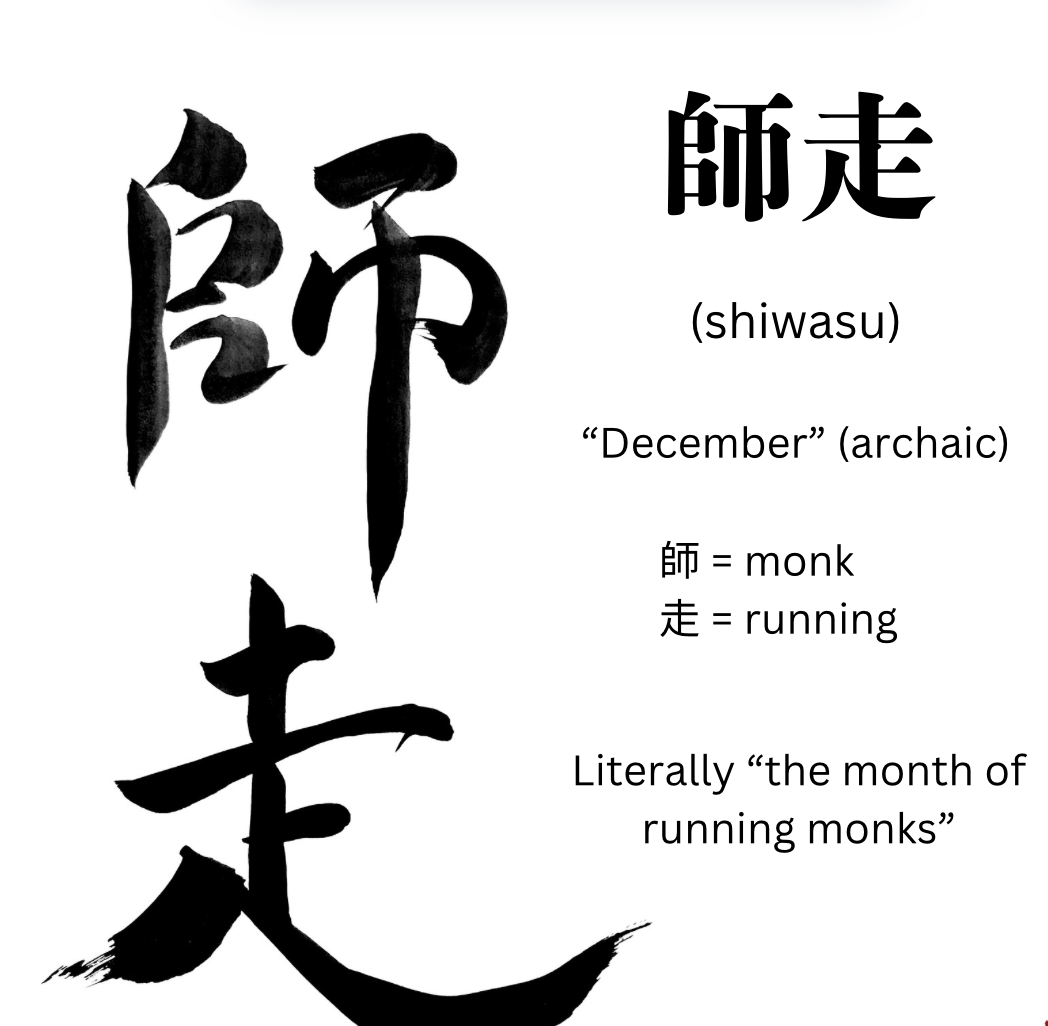
Like many countries, Japan uses a 12-month calendar. The names are very simple. January is literally “Month one” 一月, February is “Month two” 二月, etc.

However, before the Meiji Restoration (mid-1800s) it was common to use an older 12-month system. These months’ names referenced the weather and the seasons.

December is 師走.

The kanji:

師 = teacher or religious mentor. In this case it means “monk”.

走 = running

December is known as “師走 – Shiwasu” in Japanese. The word “師” refers to teachers, mentors, or those who serve as role models—leaders in Buddhism and Christianity, for instance. The word “走” means “to run.”

Why is December called Shiwasu? It is commonly said that even those who are usually calm and composed, like monks, are so busy in December that they seem to be running around.

One reason monks are particularly busy at the year’s end is the annual Buddhist ritual called Butsumyō-e, held in late December. This ceremony involves chanting the names of Buddhas and Bodhisattvas, repenting for the sins committed during the year and praying for spiritual and physical purification.

While ordinary individuals can also participate in this ritual, for those who cannot, monks travel to various temples to perform it on their behalf.

In addition to such ceremonies, many families honor their ancestors during the New Year period, which adds to the concentrated activity. This custom seems to have become the more prominent reason for the busyness of the year-end season in modern times.

炬燵(こたつ Kotatsu) :

Even today in Japan, many households bring out their kotatsu to keep warm. A kotatsu is a heating device consisting of a frame (known as kotatsu-yagura or kotatsu-desk) placed on the floor or tatami mats, with a heat source inside and covered with a blanket to create a cozy, localised warm space.

The history of the kotatsu dates back approximately 600 years to the Muromachi period. At that time, Japanese people used built-in hearths called irori to stay warm. It is said that the kotatsu originated when people placed clothing over these hearths to warm their feet.

Posted in Uncategorized | Tagged | 1 Comment

Every Metro Needs This

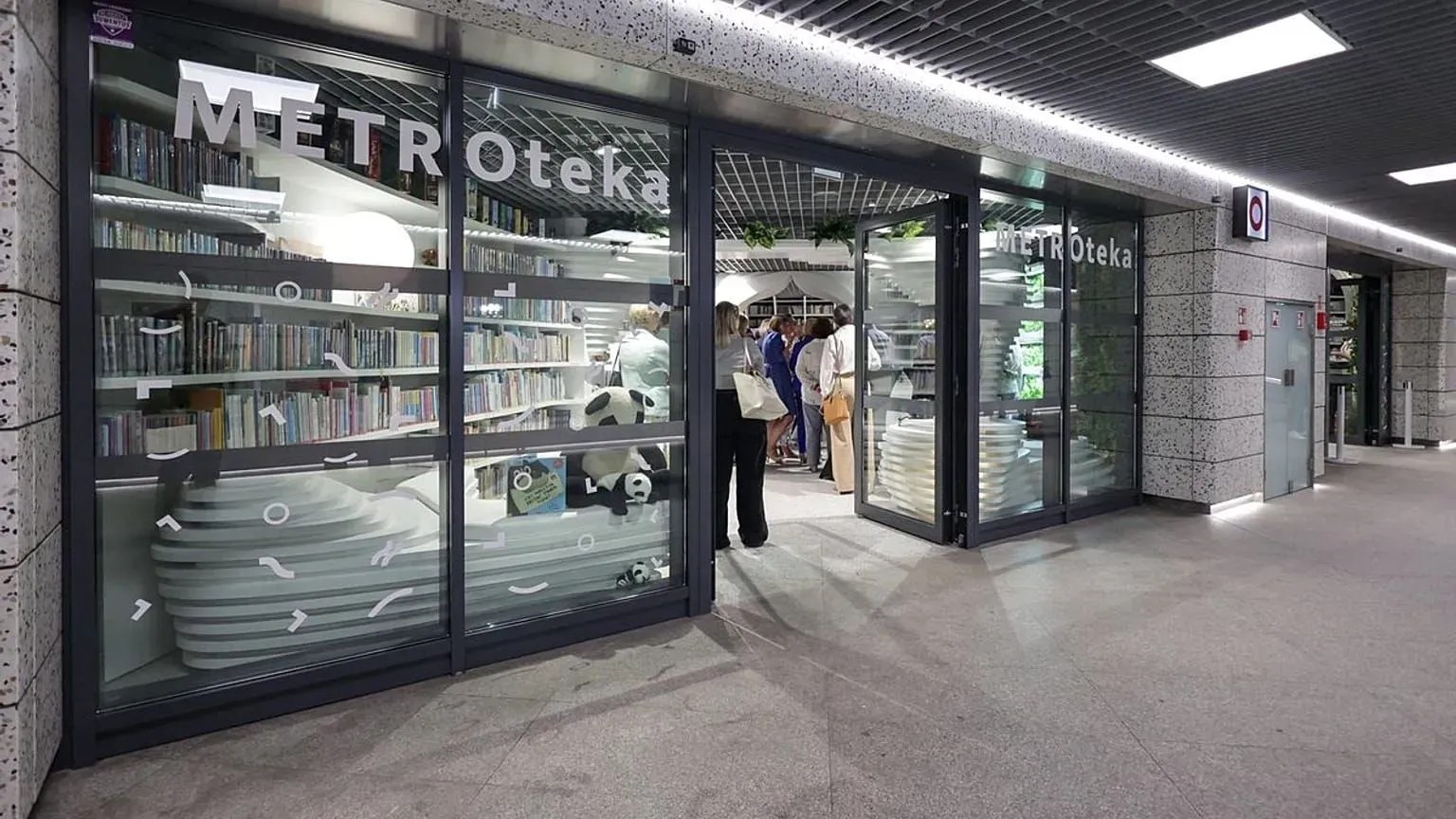
Metroteka is a concept that is both simple and exciting for readers and book lovers. Warsaw Poland’s Metro now houses more than 16,000 books in an accessible free lending library exclusively for transit passengers. Separated into reading zones for adults and children, a “borrow a laptop” desk for those who’d rather work than binge, and a chill-out café-style space with hot beverages.

A special feature in the library is a hydroponic garden wall of fresh herbs and flowers (basil, oregano, nasturtiums, and pansies) right inside the station. It’s not just aesthetic flair, but food for thought (literally and metaphorically), as the library team plans to use it as a conversation piece about sustainability.

In an era when so many commutes are synonymous with screen time, be that on phones, tablets, or even laptops, the Metroteka takes a gentle “what if we did things differently?” approach. The local library team says the dream is for the space to become “an educational and cultural center, and not just a place where you borrow your books from.”


Posted in Uncategorized | Tagged , , , | Leave a comment

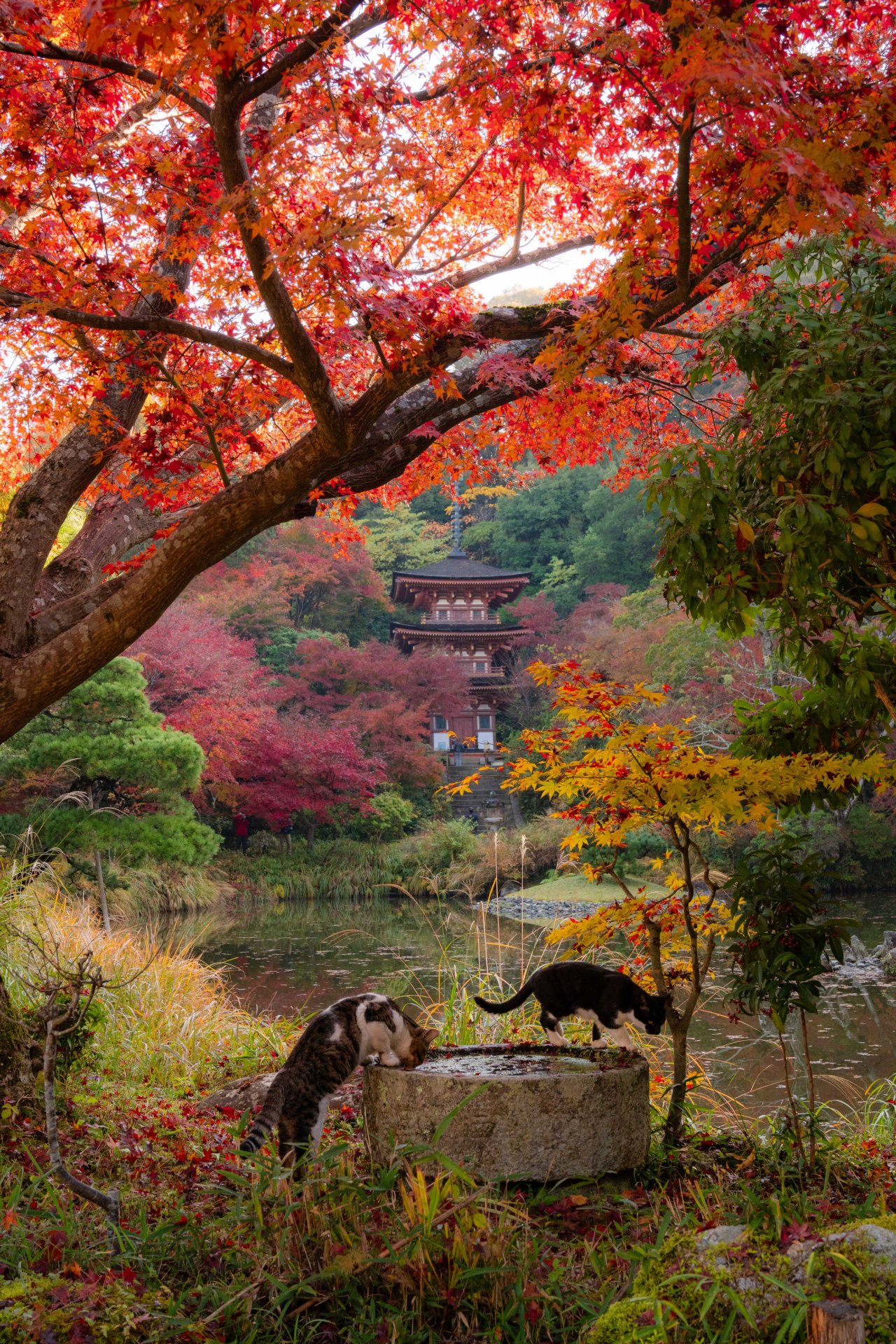
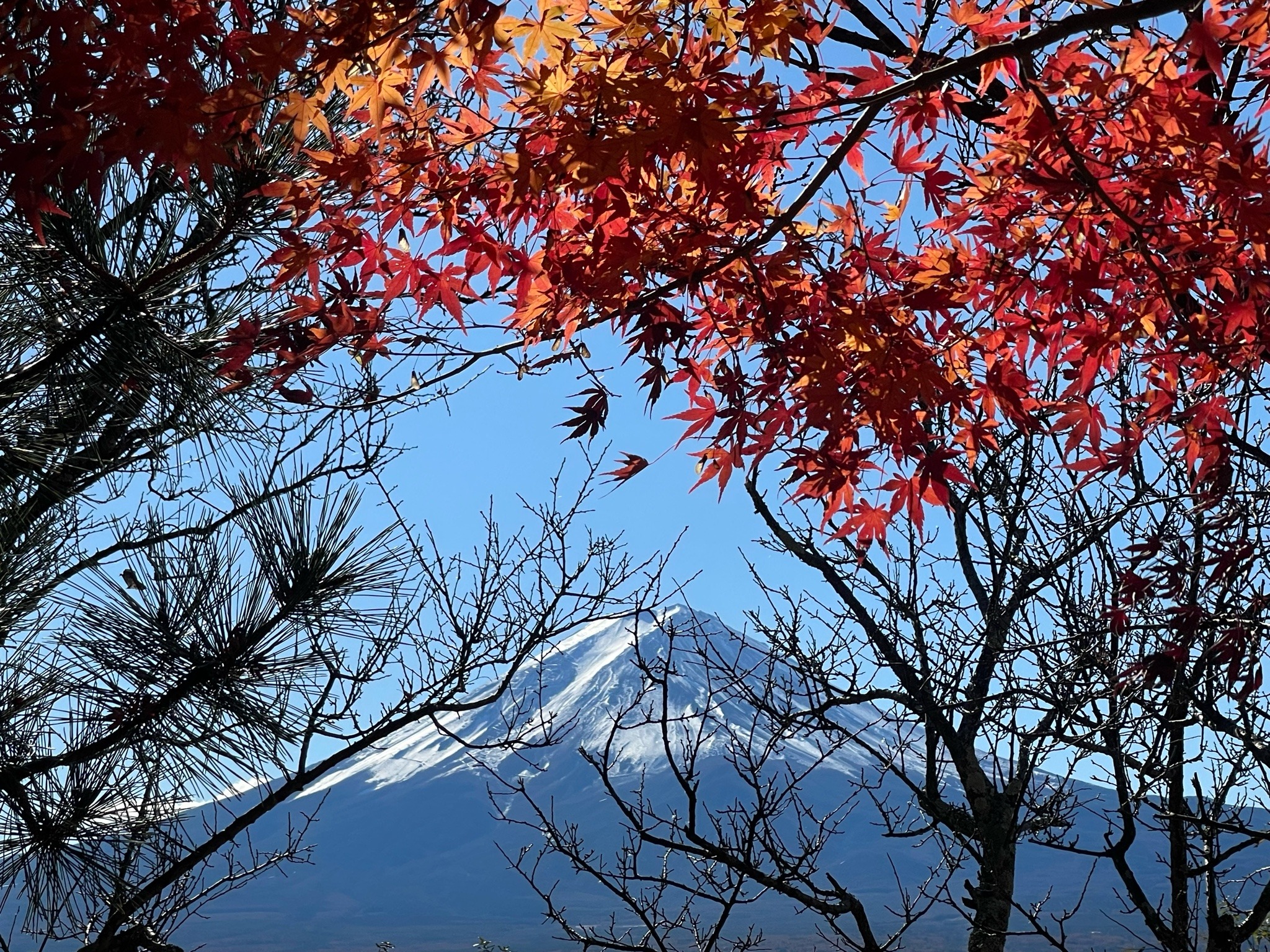
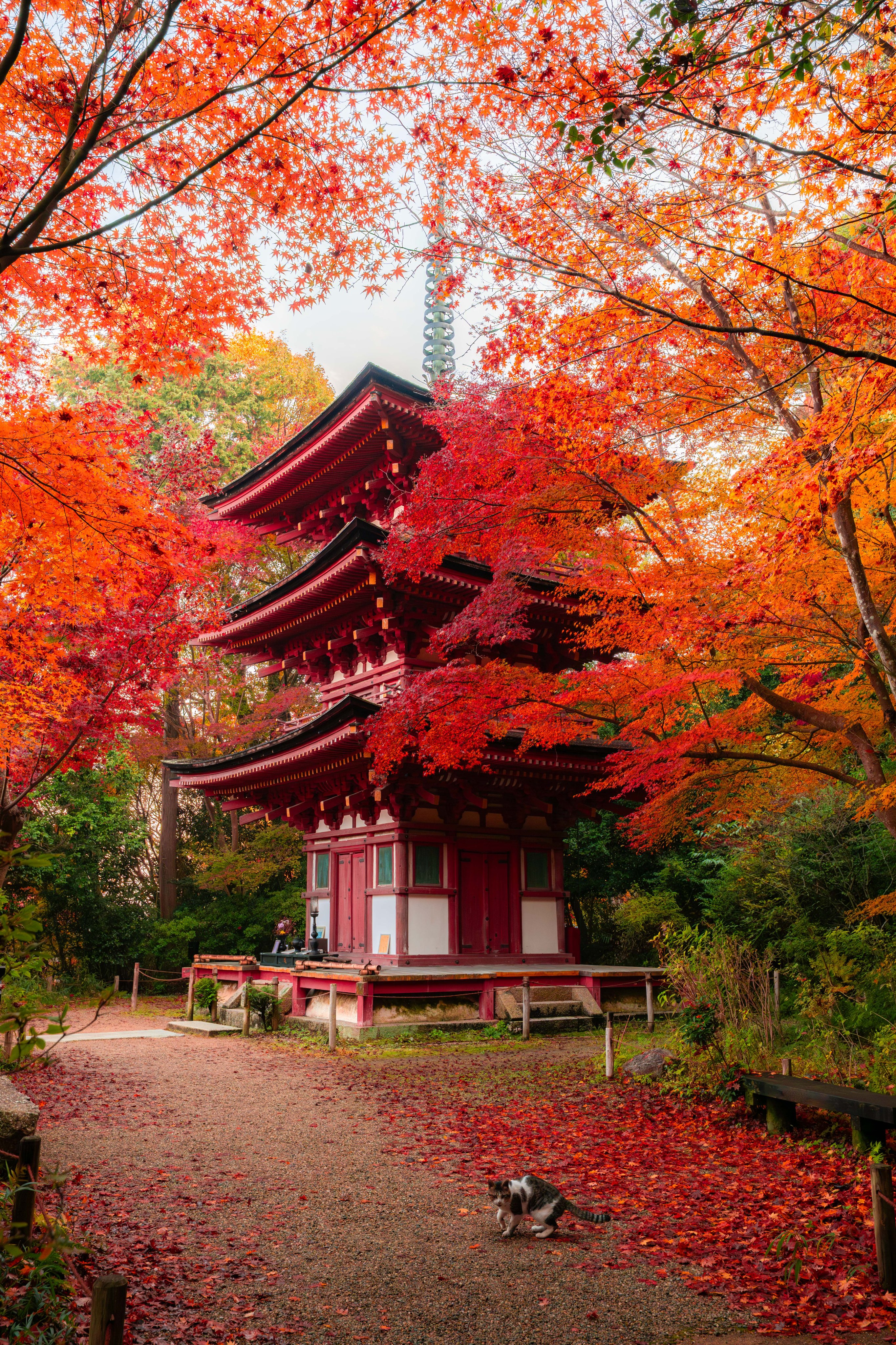
Autumn in Japan

へたっぴ写真家


Posted in Uncategorized | Tagged | Leave a comment

Ashmolean Advent

The Ashmolean Museum’s online Advent calendar 2025 is now live with a sampling from the Oxford museum’s treasures.

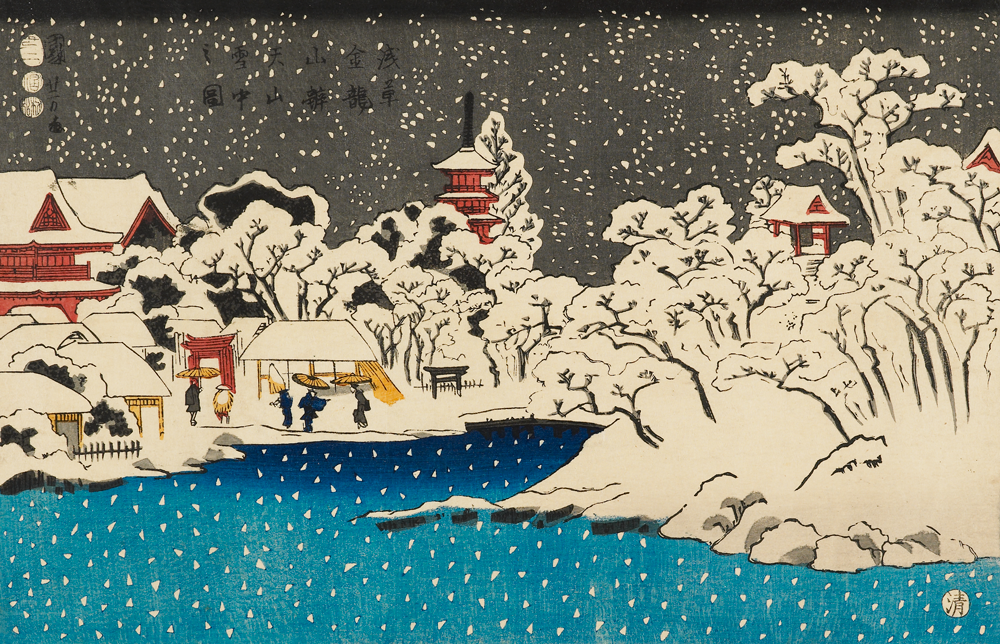
First up is : View of snow on Benten Hill at Kinryūzan Temple in Asakusa by Utagawa Kuniyoshi

Kuniyoshi was one of the last great masters of the Japanese ukiyo-e style of woodblock printing. He is probably best known for his prints of warriors and battles of legendary heroes, but also created designs of ghosts, cats, beautiful women, actor prints and landscapes.

This print shows snow at the Kinryūzan Temple in Asakusa, Tokyo and is from Kuniyoshi’s series of Famous Places in Edo (modern Tokyo). The temple sits across a lake with snow-laden trees on the right. Small figures in front of the temple hold umbrellas against the snow.

Kuniyoshi was born in Edo (modern day Tokyo) on 1 January 1798 and in 1811 he began an apprenticeship at the Utagawa school of printmakers, under the leadership of the celebrated Utagawa Toyokuni I (1769-1825). He remained in Toyokuni’s studio until 1814 when he set up on his own and was given the artist name Kuniyoshi.


Posted in Uncategorized | Tagged , , | Leave a comment

Too Many Rivers To Cross

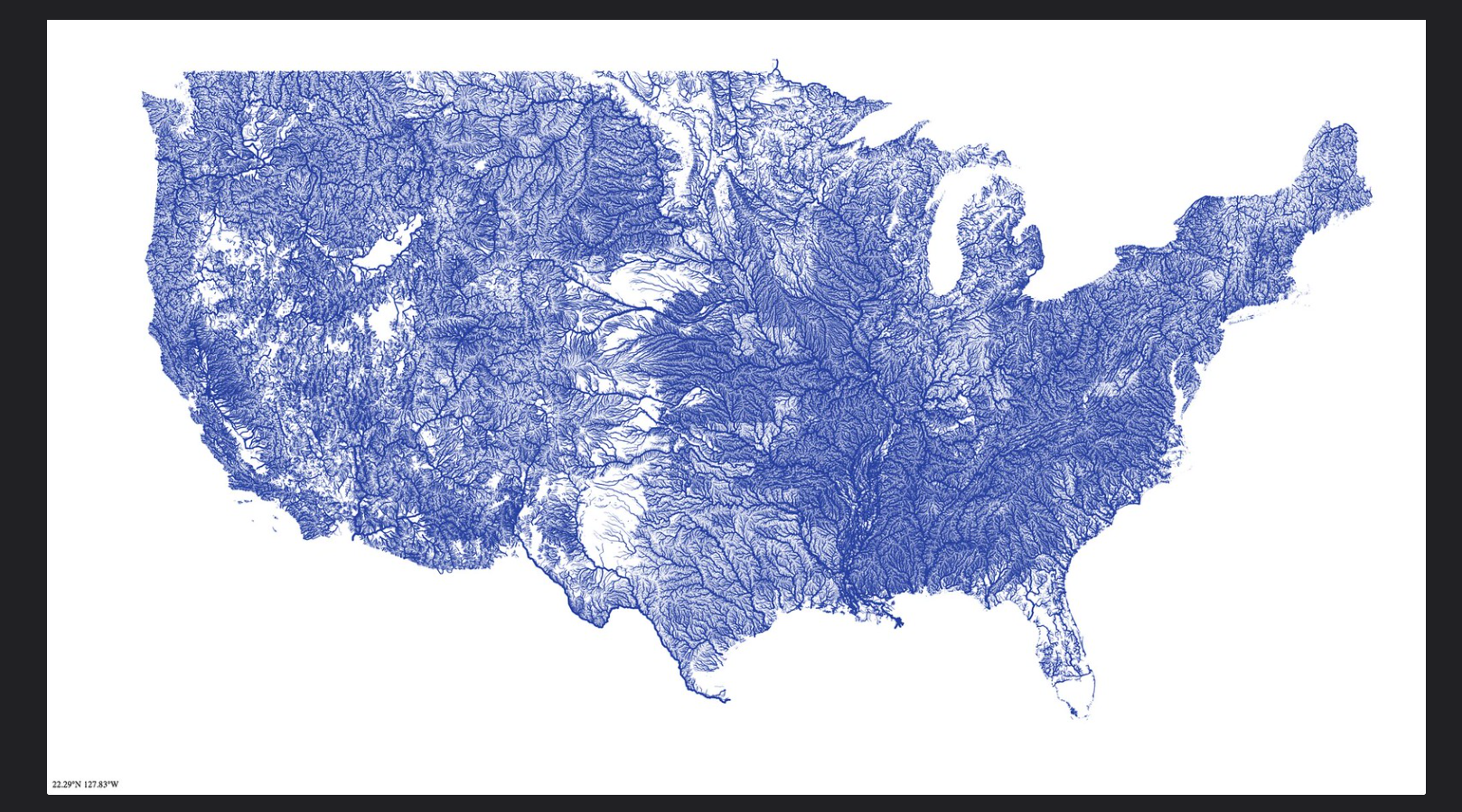
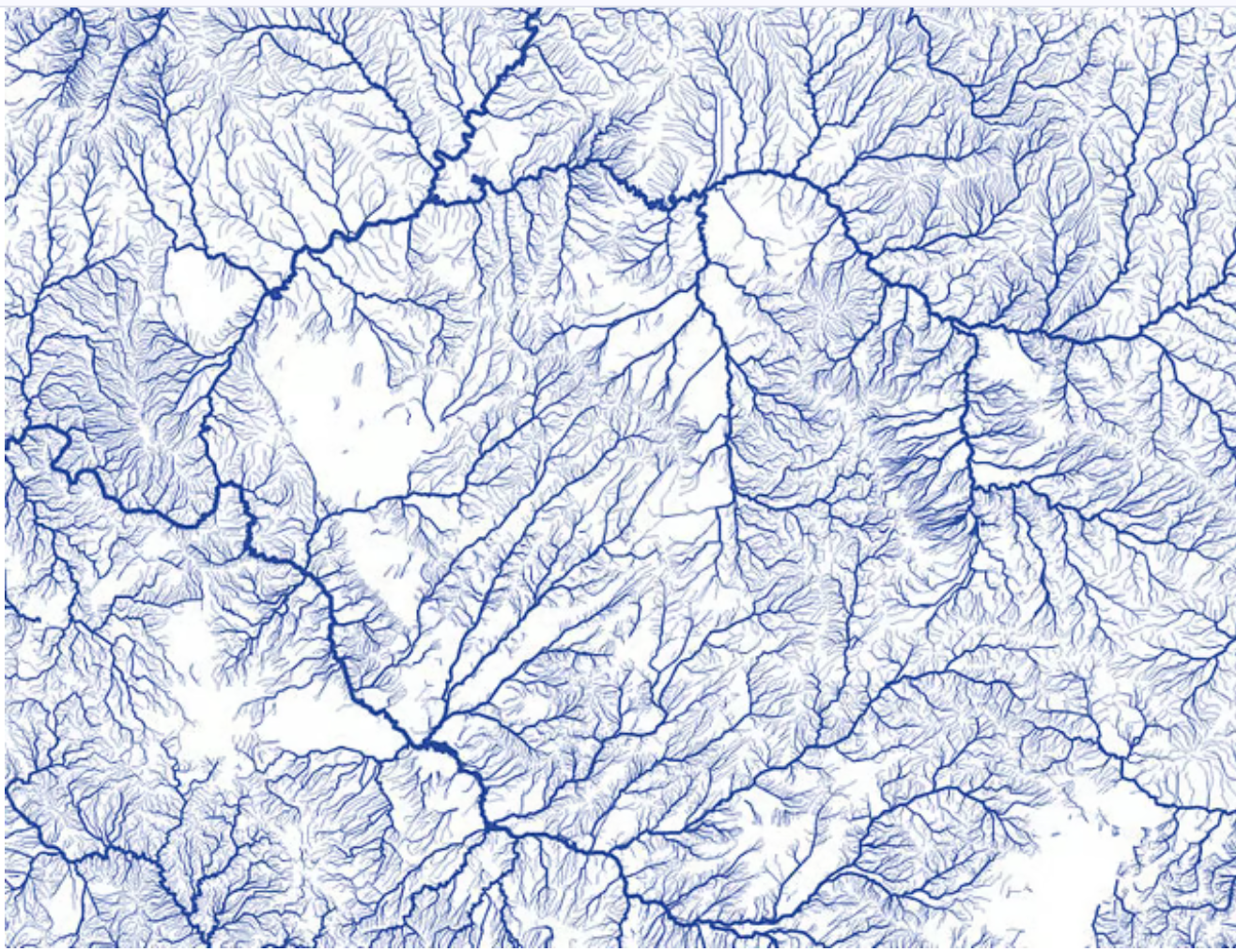
Possibly inspired by All Streets, Ben Fry’s map of all the streets in the US, Nelson Minar built a US map out of all the rivers in the country.


Posted in Cartography, Maps, USA | Tagged , | Leave a comment