Peace, Love & Books

If you are a regular visitor here, then you know that I love an inspiring narrative about the power of literature and reading. For Californian Davina Agudelo-Ferreira, her personal story about the life-changing influence of the written word is especially compelling. As a youngster growing up in Colombia, she experienced firsthand the trauma caused by the criminal cartels and the brutal drug trade.

Literature became Davina’s sanctuary from a dangerous world. Over time, however, it became more than that – it became the way in which she could make a real difference to the community around her.

In particular, Davina’s grandfather was an enormous influence on growing interest in poetry, reading and writing. As a published poet, his love of language inspired his granddaughter.

After moving to Los Angeles to study theater arts, she also took a journalism course at UCLA, which exposed her to many of the issues facing the Latin American community in the United States. This led to a new project – Alegría Magazine. With this magazine, Davina found she had a platform to showcase the diversity and strength of LatinX authors, poets, and writers.

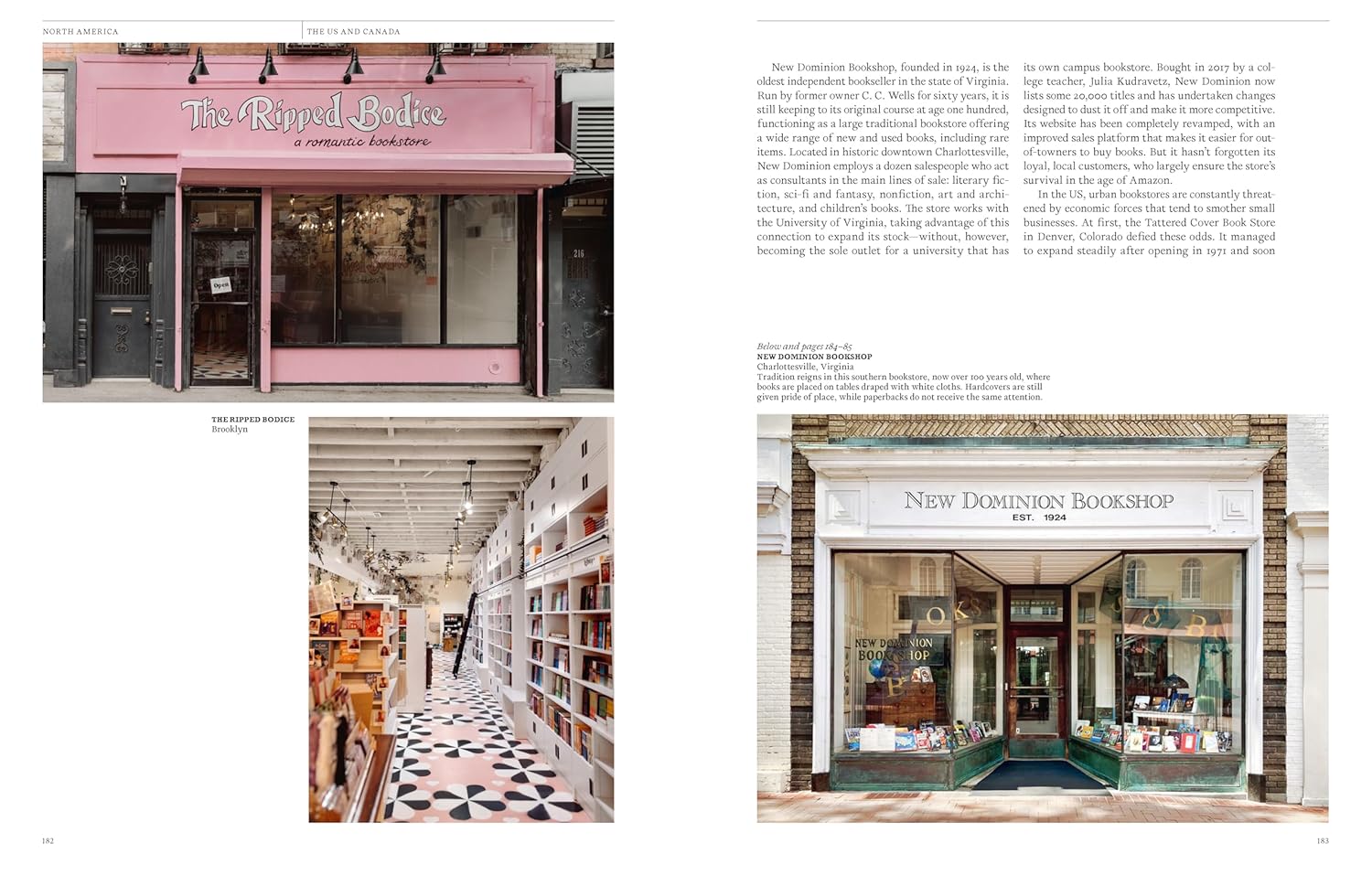
After launching the magazine, Davina bought a van and set about transforming the vehicle into a bookstore on wheels. With this mobile center of literature and writing, she travelled across California, bringing the work of LatinX writers to new audiences around the state, and also hosting reading and writing programs for underprivileged children.

This in turn led to the creation of Alegría Publishing, where LatinX writers can find a home. She also hosts the Alegría Writing Collective, where she gives writers the skills and understanding they need to launch their own careers.

Posted in Uncategorized | Tagged , , , , | Leave a comment

The world in verse

Every city, every forest, mountain, and every river has its own poem waiting to be discovered. You can uncover that geographic poetry on the MultiVerse – an interactive map where a single click anywhere in the world generates a unique poem inspired by that location. From the cobblestone streets of Edinburgh to foggy San Francisco Bay MultiVerse lets you explore not just geography, but language, emotion, and imagination.


Posted in Uncategorized | Tagged , , , , | 1 Comment

August Bonfires

Gozan Okuribi (bonfires) held on the evening of August 16 is one of Kyoto’s many popular and symbolic religious ceremonies in summer. Okuribi (bonfires) are said to send off ancestors’ spirits to the other side. People believe ancestral spirits come back to their homes from August 13 to 16 (obon). It is said that Gozan Okuribi became an annual event after the Muromachi and Edo periods (15th – 17th century). Gozan Okuribi consists of five different characters on five mountains: “Daimonji” (Great), “Myo-Ho” (Buddha’s remarkable teaching), “Funagata” (ship), “Hidari Daimonji” (Great (depicted on the left mountain)) and “Toriigata” (shrine gate). These five characters are lit one by one every 5 min. from 8 pm.

There are several views on the beginning; however the origin of the ceremony is unknown. Some historical sources say there used to be a custom to send off ancestors’ spirits by throwing burning torches into the air. In contrast, the present Gozan Okuribi adopts the style to light up the fire bed of each mountain.

The light up time of  five characters:
August 16

Daimonji (Great):8:00 PM
Myo-Ho (Buddha’s remarkable teaching):8:05 PM
Funagaa (ship):8:10 PM
Hidari Daimonji (Great (depicted on the left mountain)):8:15 PM
Toriigata (shrine gate):8:20 PM


Posted in Uncategorized | Tagged , , , | Leave a comment

Come and say G’day

Australia was actually on my top five travel destination list for the coming year before I saw the new Tourism Australia ad campaign. Tourism Australia has brought back its big-budget “Come and Say G’day” campaign, and this time it’s doubling down on the usual Aussie charm, celebrity star power, and a talking kangaroo named Ruby. The $130 million follow-up to its 2022 tourism push aims to rekindle global travel interest by combining local flavor with wide-reaching appeal.

Rather than relying on one brand ambassador, the campaign takes a more localized route by creating tailored versions for five major markets. In the U.S., Robert Irwin plays the hero in a lighthearted scene where a tourist’s phone is snatched by an emu in South Australia. Over in the UK, Nigella Lawson brings a touch of humor and nostalgia as she hosts a winery lunch—complete with a wink to the classic “shrimp on the barbie” line. Meanwhile, in Asia, familiar faces like Sara Tendulkar, Yosh Yu, and Abareru-kun share personal stories that connect them to Australia’s landscapes and culture.

Ruby the Kangaroo returns as the animated face of the brand, still voiced by Rose Byrne. Originally introduced as part of the post-pandemic campaign, Ruby has now cemented her place as a recognizable brand symbol. According to Tourism Australia, she’s become one of their strongest assets for building warmth, personality, and consistency across markets.

Posted in Uncategorized | Tagged , , , | 2 Comments

Perfect Job


Posted in Art, Books, Writing | Tagged , | 2 Comments

Warsaw Old and New

It is often said that the best way to get a sense of a city is by walking the streets. The second best route is probably by bike. YouTube creator MrTiuro got on his bike and really got to see Warsaw, Poland up close and personal.  He begins his hyperlapse tour in the Old Town district, travels through it and then ends up in the new commercial hub in Warsaw’s Wola district. It’s difficult to believe that most of Warsaw was painstakingly rebuilt after World War II.

Posted in Uncategorized | Tagged , , , , | Leave a comment

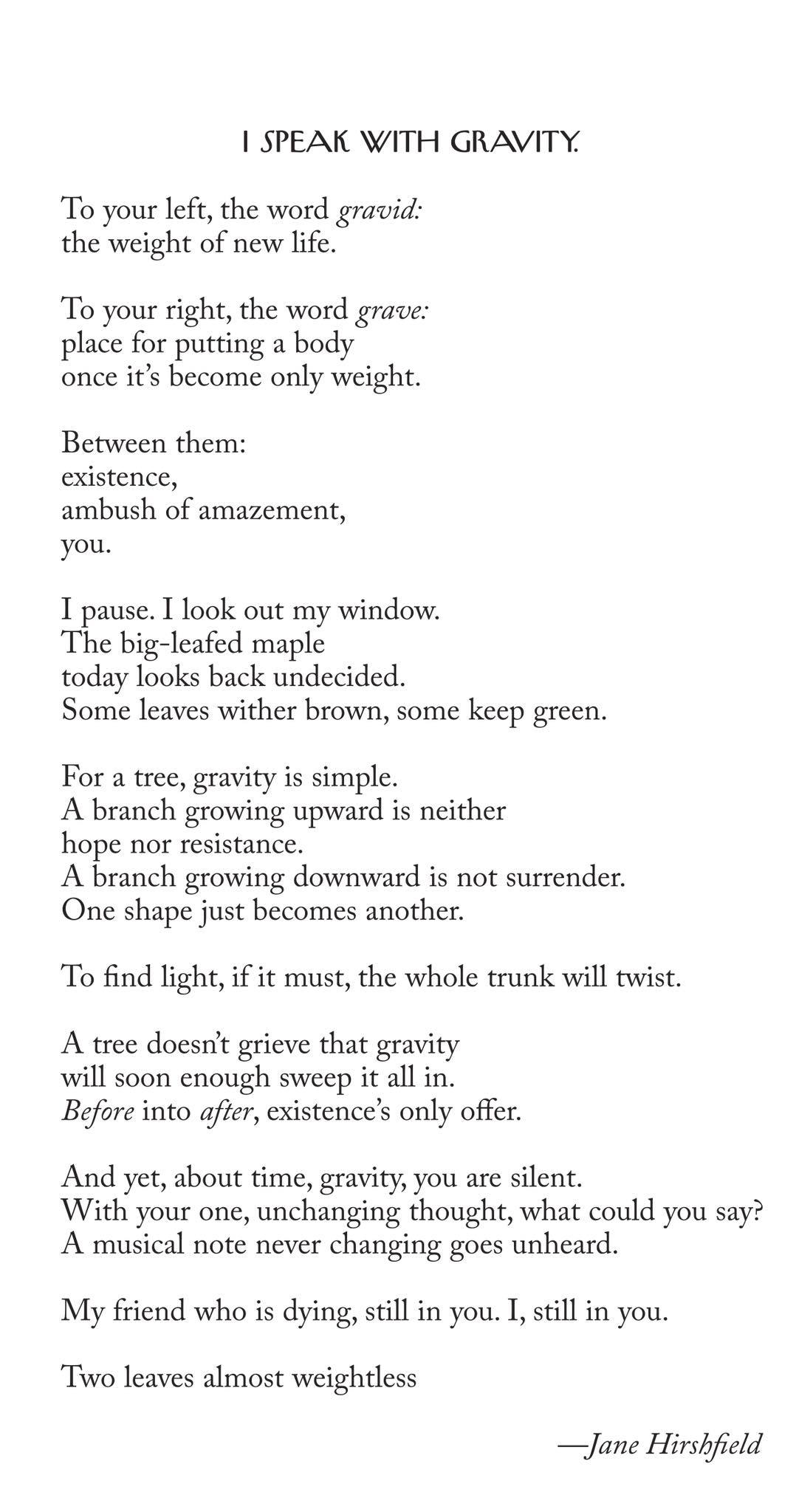
We see that there really is nothing left to write about.

LATE ECHO

John Ashbery

Alone with our madness and favorite flower
We see that there really is nothing left to write about.
Or rather, it is necessary to write about the same old things
In the same way, repeating the same things over and over
For love to continue and be gradually different.
Beehives and ants have to be re-examined eternally
And the color of the day put in
Hundreds of times and varied from summer to winter
For it to get slowed down to the pace of an authentic
Saraband and huddle there, alive and resting.
Only then can the chronic inattention
Of our lives drape itself around us, conciliatory
And with one eye on those long tan plush shadows
That speak so deeply into our unprepared knowledge
Of ourselves, the talking engines of our day.
Posted in Uncategorized | Tagged | 1 Comment

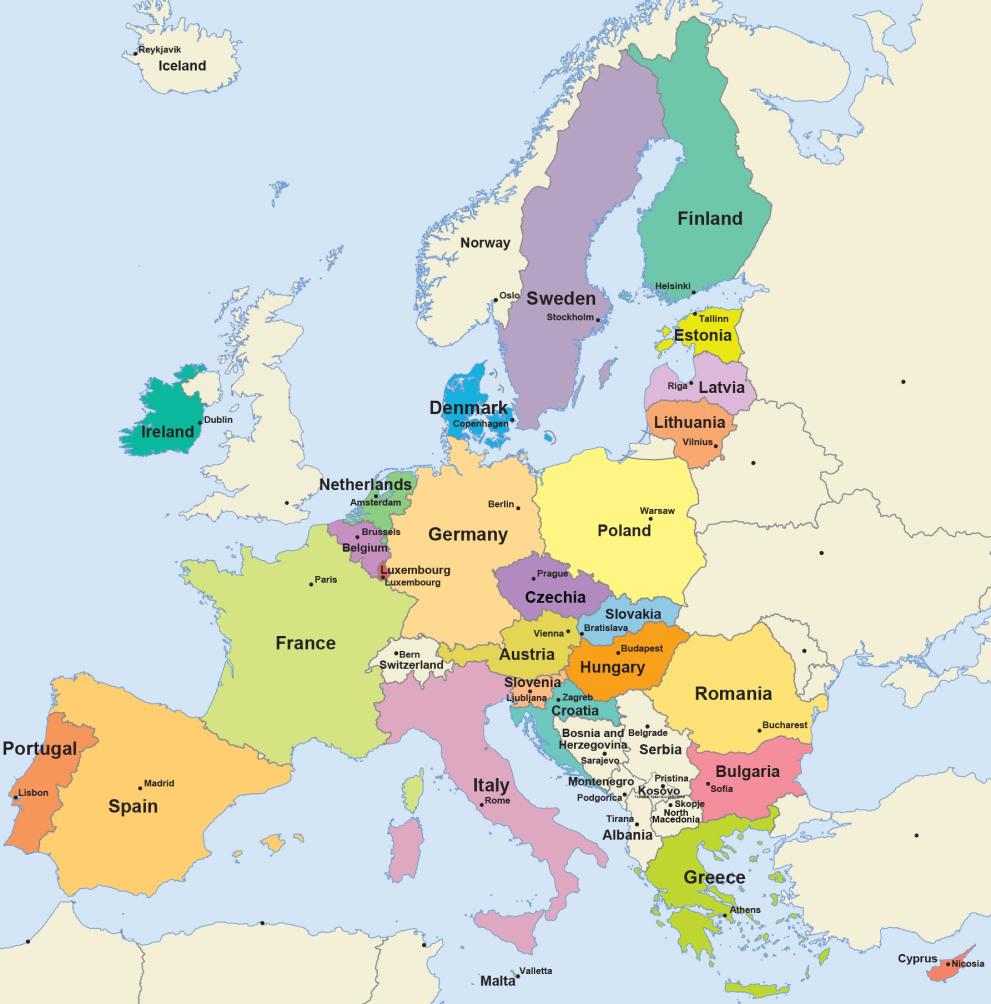
Where in the world is the Republiko of Zendia

How do you find a republic that never existed ? During the 1950s Cold War, U.S Army cryptologist Lambros D. Callimahos created the mythical  “Republiko of Zendia” to use in wargaming for U.S. military intelligence codebreakers simulating the invasion of Cuba.

The original map of Zendia now hangs on the wall of the library at the National Cryptologic Museum. The “Zendian problem,” in which cryptanalysts students were asked to interpret intercepted Zendian radio messages, formed part of an advanced course that Callimahos taught to NSA cryptanalysts in the 1950s. Graduates of the course were admitted to the “Dundee Society,” named for an empty marmalade jar in which Callimahos kept his pencils.

Posted in Cartography, History, Libraries, Maps, USA | Tagged , , , , | 1 Comment

How 19th century literature can help survive autocracy

I must admit that I was never a big reader of 19th century French literature, other than Jules Verne. And, I somehow didn’t read Stendahl’s The Charterhouse of Parma. However, I was intrigued by a New York Times article that suggested that the 19th century novel might offer a template for surviving a 21st century autocracy.

The Stendhal Novel That Doubles as a Playbook for Surviving Autocracy – The New York Times (gift link) suggests some of the tactics Stendhal’s heroine employs to dodge the depredations of her oppressive prince and his entourage — 26 handy bullet points :

1. Never criticize the prince in word or deed, or voice any disloyal thought. It will get back to him.
2. Make the prince see you as indispensable, without making him resent your skills and influence.
3. Radiate prestige and prosperity at court to bolster your status and enhance the prince’s self-regard.
4. Adopt the fashions of the court, even if they are ridiculous, to show social and political orthodoxy.
5. Never appear independent-minded, virtuous or enthusiastic; it fosters suspicion.
6. Track court gossip at all times; be alert to calumnies against you and to changing princely priorities.
7. Cultivate allies among the prince’s family and intimate circle.
8. Cultivate powerful allies outside the prince’s circle.
9. Recognize that your allies may be unable to help you, or may betray you. Have backup plans.
10. Study the motives and aims of allies, rivals and foes alike, so you know how best to manipulate them.
11. Grant favors to allies, rivals and foes alike, to make them beholden to you (though it may not work).
12. Never regard your own status as secure. Work at all times to buttress it.
13. If you excite envy, expect retaliation — work to pre-empt it.
14. Anticipate attacks against you from rivals for the prince’s favor. Thwart them, and strike back in kind.
15. Know that even if the prince seems to like you, he may seek to destroy you, for sport or out of malice.
16. Act as if you are under surveillance at all times, because you are.
17. Know whom you can trust, but be careful what you let them know, and anticipate their likely slip-ups.
18. Make yourself popular with the common people as a hedge against smears.
19. Avoid becoming so popular with the common people that the prince feels threatened.
20. Be prepared to defend yourself effectively but respectfully when rivals denounce you to the prince.
21. Do not expect the law to protect you; the judiciary is surrendered to the will of the prince.
22. If your influence wanes, invent a conspiracy against the prince; punish its members to impress him.
23. If you are threatened with incarceration in domestic or foreign prisons, leave the country at once.
24. When you travel, carry a passport that will pass muster with border officials and court spies.
25. In life or death situations, enlist the help of powerful enemies through blackmail or bribery.
26. If, for self-preservation, you must resort to illegal actions, plan well and cover your tracks.


Posted in Books, Europe, Writing | Tagged , , , | 2 Comments

Summer (is fleeting)

Originally composed as the main theme for Takeshi Kitano’s 1999 film Kikujiro, Joe Hisaishi’s beautiful piece “Summer” has long been cherished in Japan as the soundtrack of nostalgic summer memories. Now, this beloved masterpiece is reimagined as a short film.

Set in a high school in the Japanese countryside that’s slated to close next spring, the story follows members of the school’s broadcasting club as they face their “final summer.” It quietly captures their everyday moments as they try to leave something behind—an imprint of youth, memory, and time.

With no spoken dialogue, the 7-min short film relies solely on music, visuals, and the nuanced expressions of the cast to evoke an emotional coming-of-age narrative. There’s more information about the cast and production on the main site.

If the video fails to load in your browser, please click HERE.

Posted in Asia, Film, Music | Tagged , , | Leave a comment