Don’t Call It The Underground (but it is)

If you visit here on a regular basis, you are well aware that we at TBTP World HQ are big fans of urban transit networks. So we get preternaturally excited when a new service launches in one of our favorite cities.

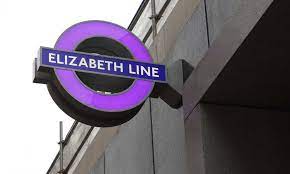
Technically, the Elizabeth Line is just the first part of Crossrail, an expansion of the London’s rail system so extensive that it is most certainly it’s own thing, not part of the London Underground. But is does run under London, so it is the London underground.

You can get a sneak peek and a virtual ride on the Elizabeth Line, which opens this week, through the video below.


Posted in Europe, Public Transport, Tourism | Tagged , , , | Leave a comment

Recommended Reading


Posted in Art, Books, Writing | Tagged , , | 2 Comments

World Poetry Day

Home

by Warsan Shire

no one leaves home unless
home is the mouth of a shark
you only run for the border
when you see the whole city running as well

your neighbors running faster than you
breath bloody in their throats
the boy you went to school with
who kissed you dizzy behind the old tin factory
is holding a gun bigger than his body
you only leave home
when home won’t let you stay.

no one leaves home unless home chases you
fire under feet
hot blood in your belly
it’s not something you ever thought of doing
until the blade burnt threats into
your neck
and even then you carried the anthem under
your breath
only tearing up your passport in an airport toilet
sobbing as each mouthful of paper
made it clear that you wouldn’t be going back.

you have to understand,
that no one puts their children in a boat
unless the water is safer than the land
no one burns their palms
under trains
beneath carriages
no one spends days and nights in the stomach of a truck
feeding on newspaper unless the miles travelled
means something more than journey.
no one crawls under fences
no one wants to be beaten
pitied

no one chooses refugee camps
or strip searches where your
body is left aching
or prison,
because prison is safer
than a city of fire
and one prison guard
in the night
is better than a truckload
of men who look like your father
no one could take it
no one could stomach it
no one skin would be tough enough

the
go home blacks
refugees
dirty immigrants
asylum seekers
sucking our country dry
niggers with their hands out
they smell strange
savage
messed up their country and now they want
to mess ours up
how do the words
the dirty looks
roll off your backs
maybe because the blow is softer
than a limb torn off

or the words are more tender
than fourteen men between
your legs
or the insults are easier
to swallow
than rubble
than bone
than your child body
in pieces.
i want to go home,
but home is the mouth of a shark
home is the barrel of the gun
and no one would leave home
unless home chased you to the shore
unless home told you
to quicken your legs
leave your clothes behind
crawl through the desert
wade through the oceans
drown
save
be hunger
beg
forget pride
your survival is more important

no one leaves home until home is a sweaty voice in your ear
saying-
leave,
run away from me now
i dont know what i’ve become
but i know that anywhere
is safer than here
Posted in Writing | Tagged | Leave a comment

Experience Some Peace

It has been a difficult week for anyone who has been paying attention. Here’s a pleasant break from the depressing news of the world with some soothing,  bucolic scenes from the Lake District, a mountainous region in NW England that inspired the tales of Beatrix Potter. The lovely short film is part of an exhibition on Potter at the V&A.

The Lake District is a region and national park in Cumbria, North West England known for its glacial lakes and rugged fell mountains. Beatrix Potter eventually settled here after growing up in her ‘unloved birthplace’ of London, becoming an award-winning sheep farmer and respected member of the local community. When Potter died aged 77 on 22 December 1943, she left 14 farms and more than 4,000 acres to the National Trust.
Produced and directed by award-winning filmmaker and photographer Terry Abraham, this film captures intimate shots of the native wildlife that Potter would have sketched and later immortalised in her storybooks, alongside epic panoramic footage of its mountains and lakes, featuring locations where Potter lived, worked and admired.
 

Posted in Books, Europe, Film, Museums, Tourism | Tagged , , , | Leave a comment

Everybody Loves a Good Book Hoax

When I was a young child growing up outside of New York City one of the most popular late-night radio personalitues was the wonderful raconteur Jean Shepard. Although he became better known for writing the classic holiday film A Christmas Story, I will always remember him as a story teller on the radio. I recently learned about a hilarious literary hoax that Shepard perpetrated in 1956.

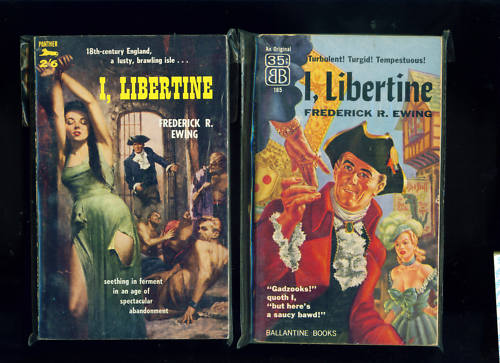
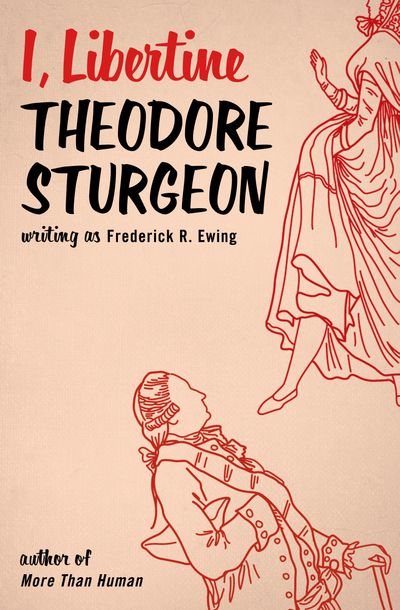
Irritated at the way bestseller lists were compiled Shepherd asked his listeners to visit bookstores and request a nonexistent book, I, Libertine, by the imaginary author Frederick R. Ewing. The large number of requests drove the title onto the New York Times bestseller list, and, encouraged by its popularity, bookstores began to order the novel. So Shepherd and publisher Ian Ballantine got the sci-fi writer and novelist Theodore Sturgeon to write the book, following the plot that Shepherd had described to his listeners.
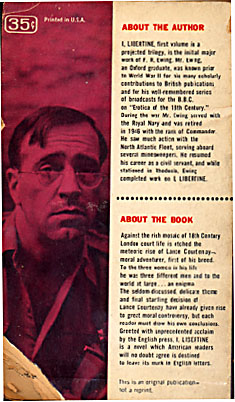
Ballantine Books published the novel in hardcover and paperback in September 1956, using a photo of Shepherd in place of the fictious Ewing on the rear cover, and donated the proceeds to charity.

The front cover displays a quote: “‘Gadzooks,’ quoth I, ‘but here’s a saucy bawd!'”. The cover painting by Frank Kelly Freas includes hidden images and inside jokes: The sign on the tavern, Fish & Staff, has a shepherd’s staff and an image of a sturgeon, referencing both Sturgeon and Shepherd. A portion of the word often spoken on the air by Shepherd – “Excelsior!” – can be seen on the paperback cover in a triangular area at extreme left, where it is part of the decoration on the coach door. The entire word is visible on the hardcover dust jacket, which features more of the illustration.


Posted in Books, USA, Writing | Tagged , , , | 2 Comments

Art Against War

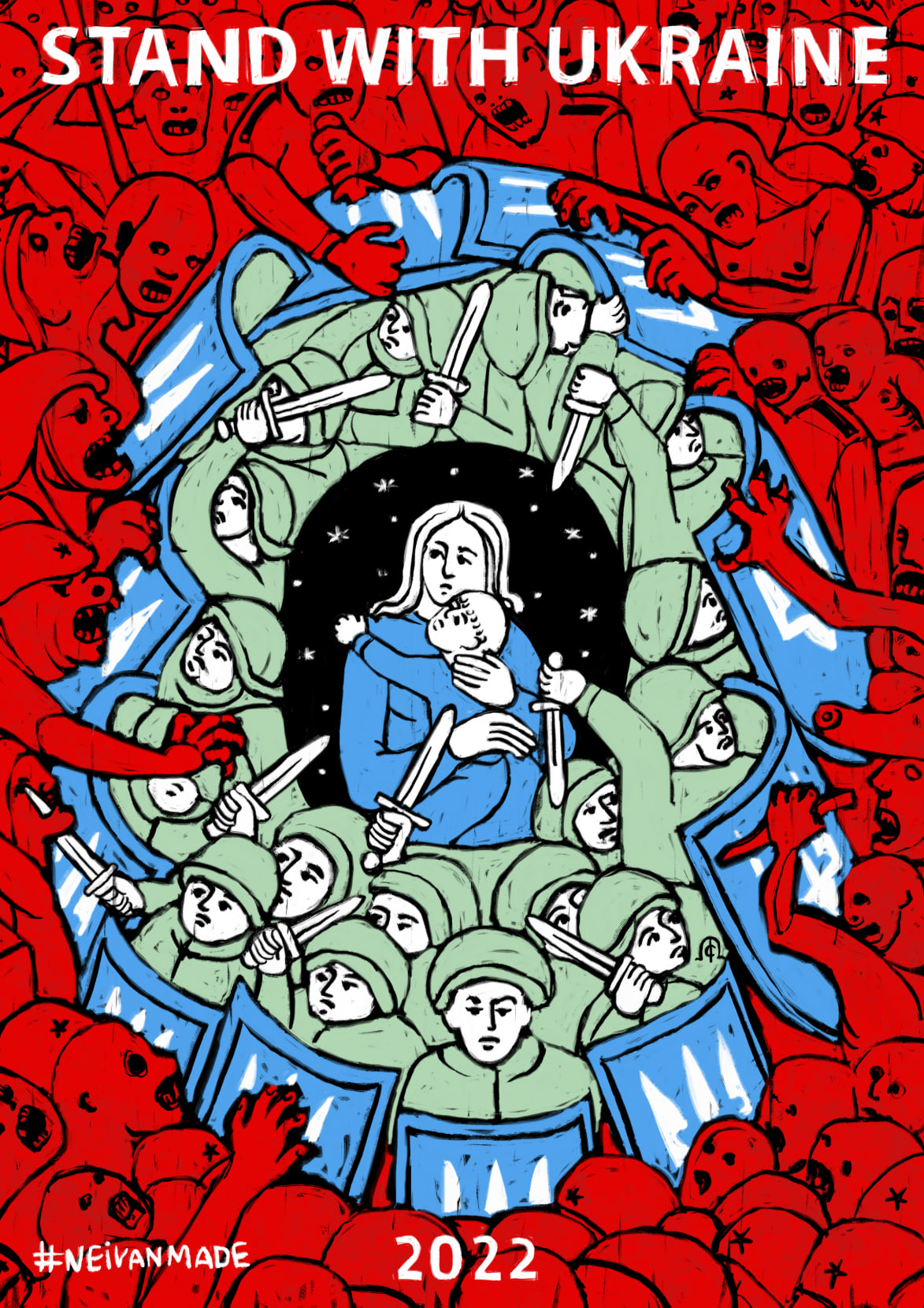
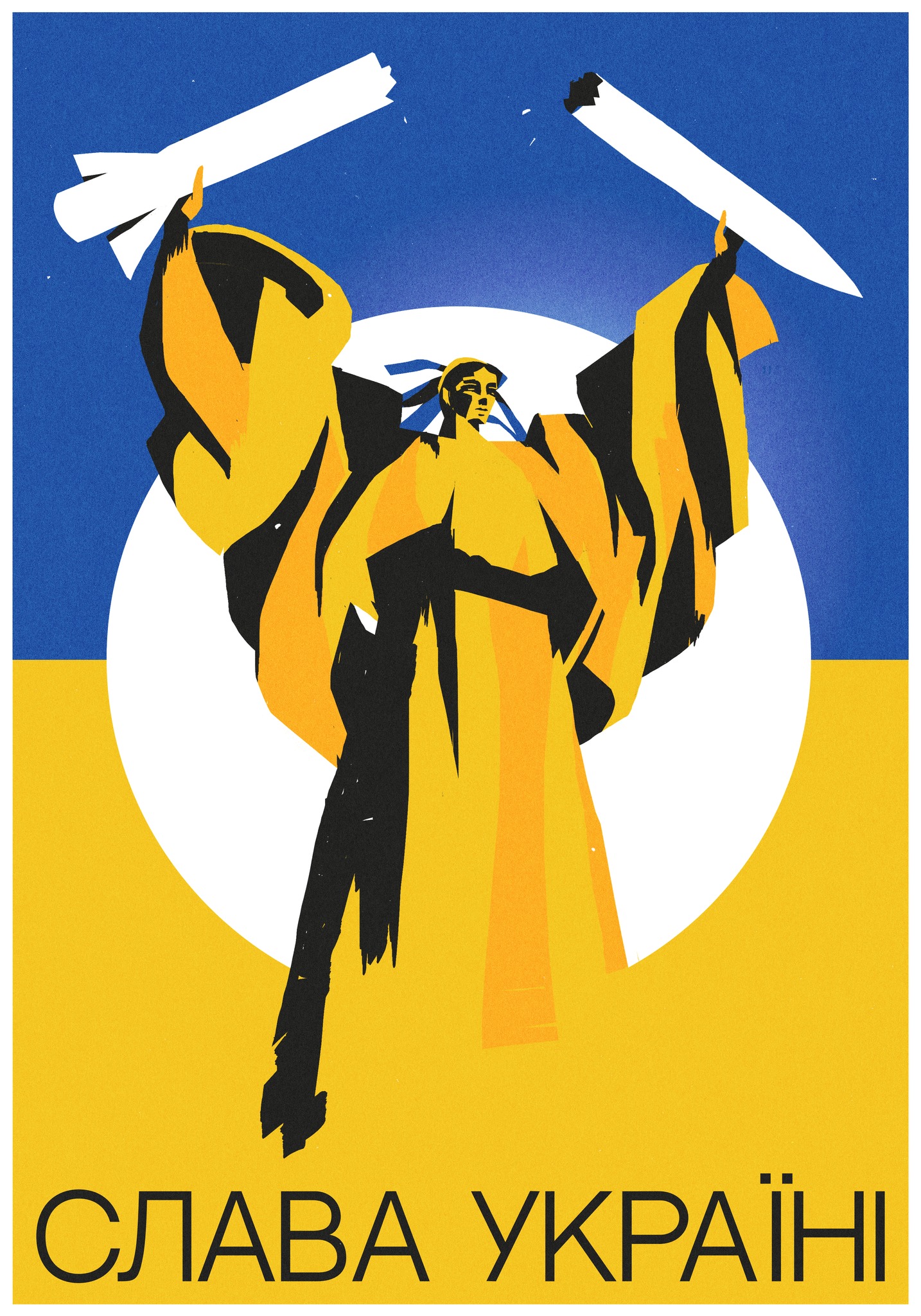
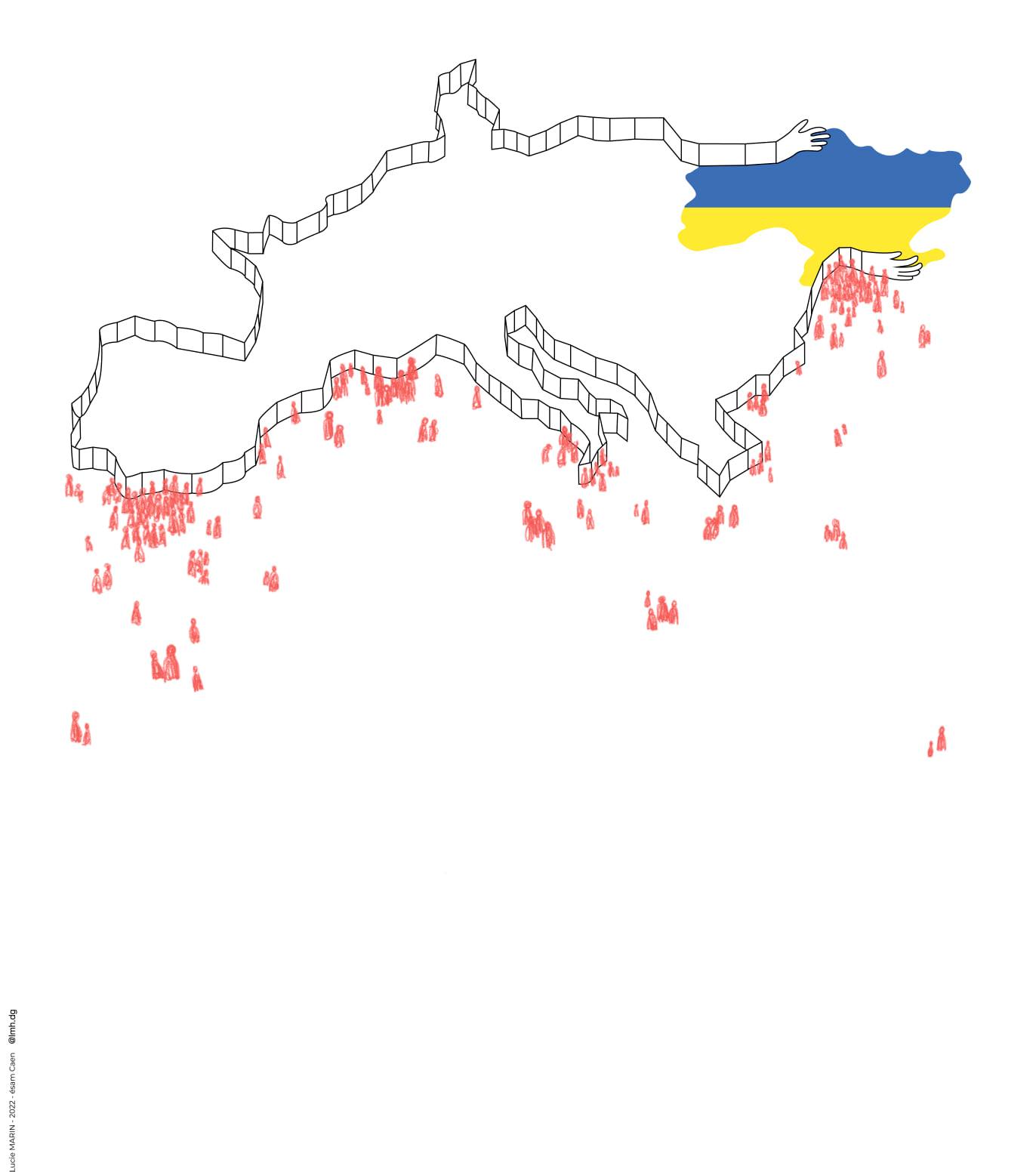
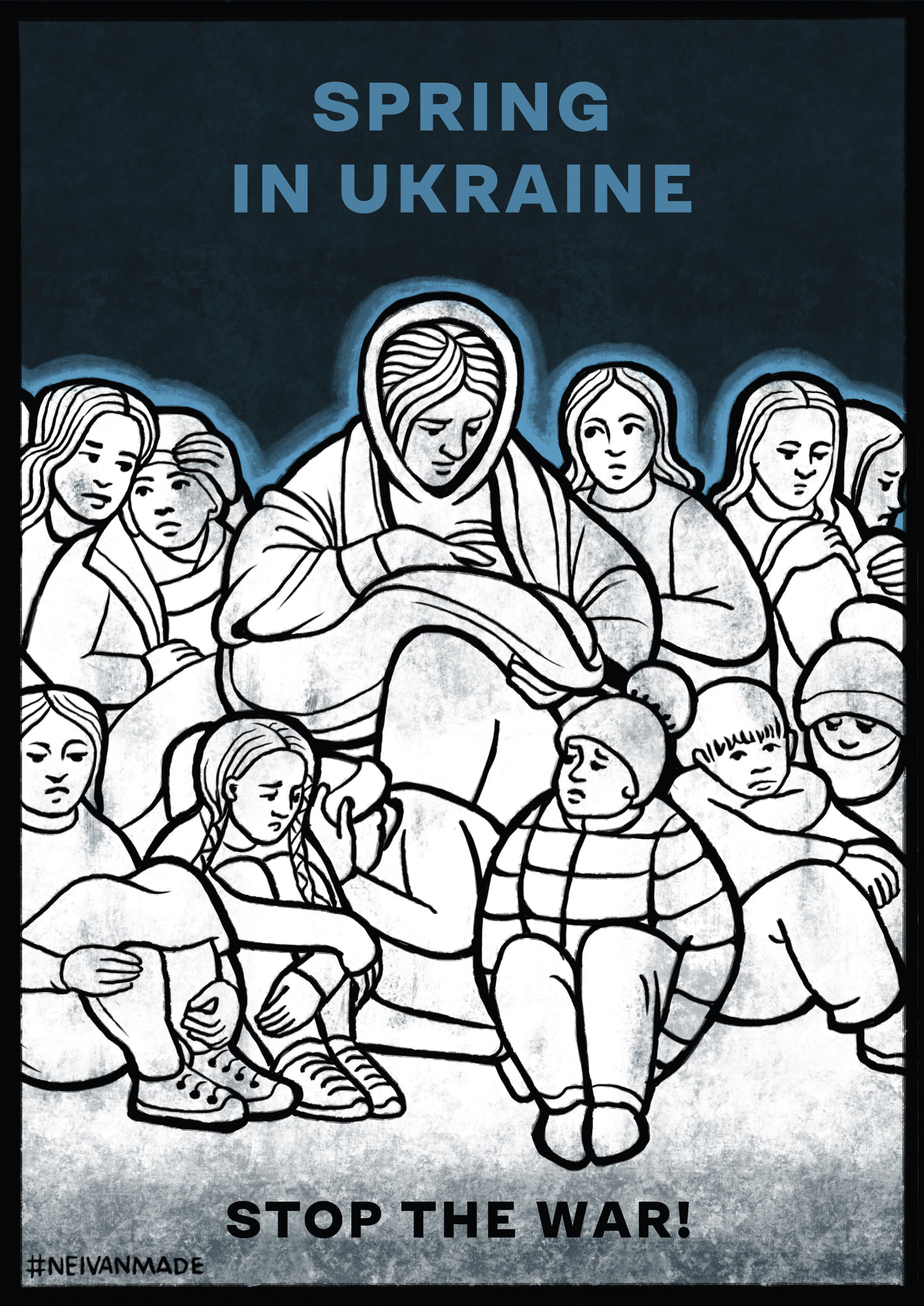
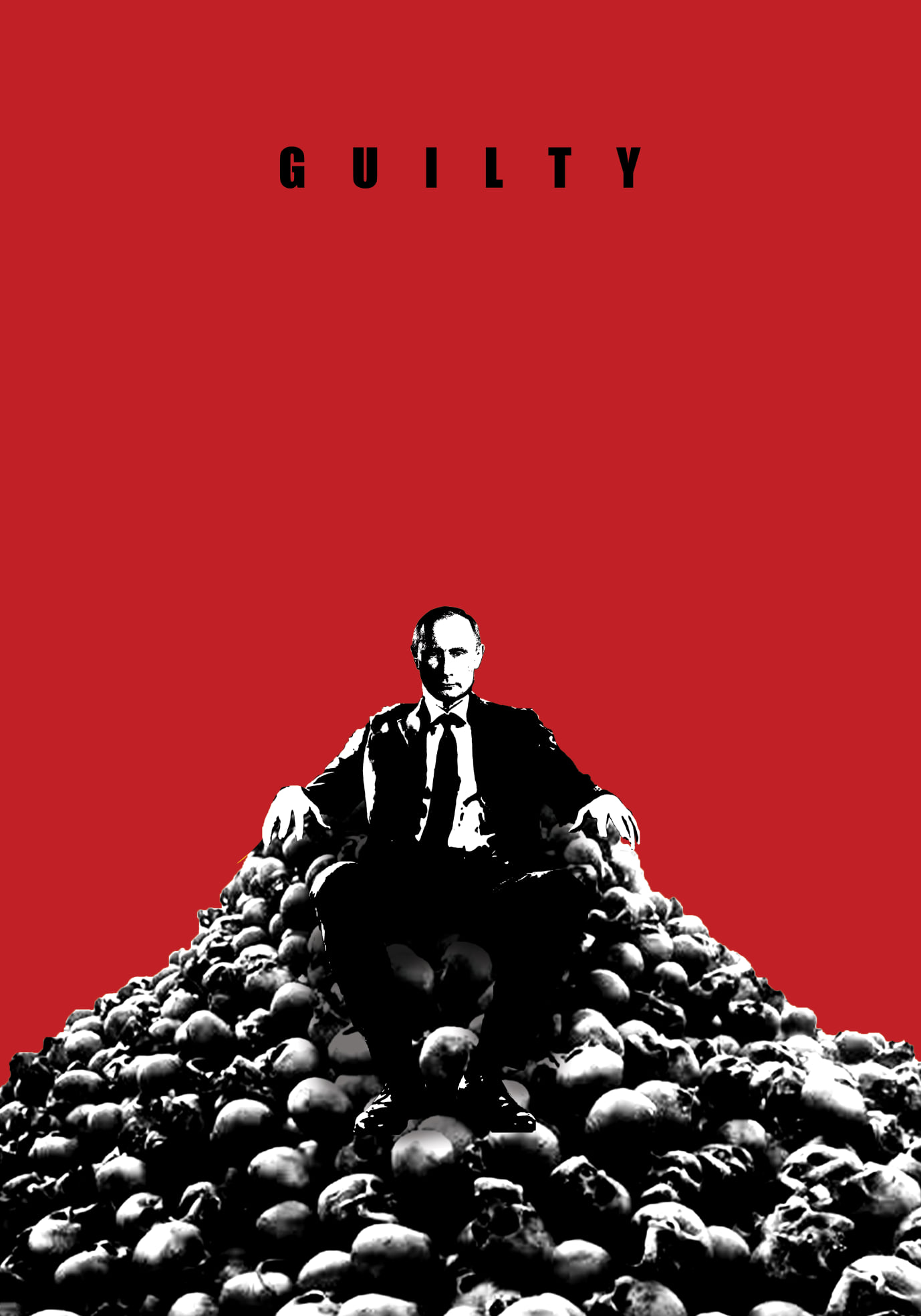
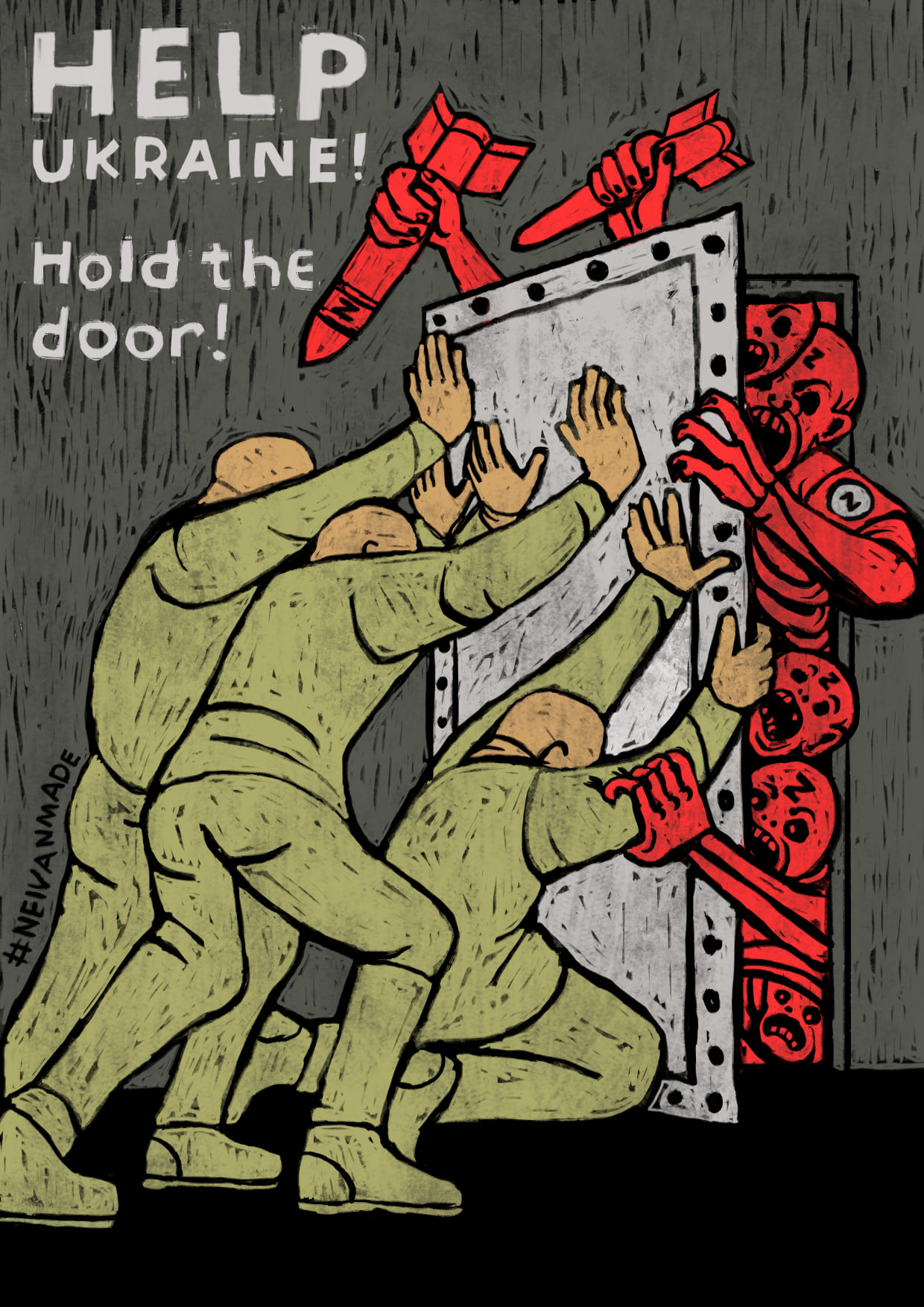
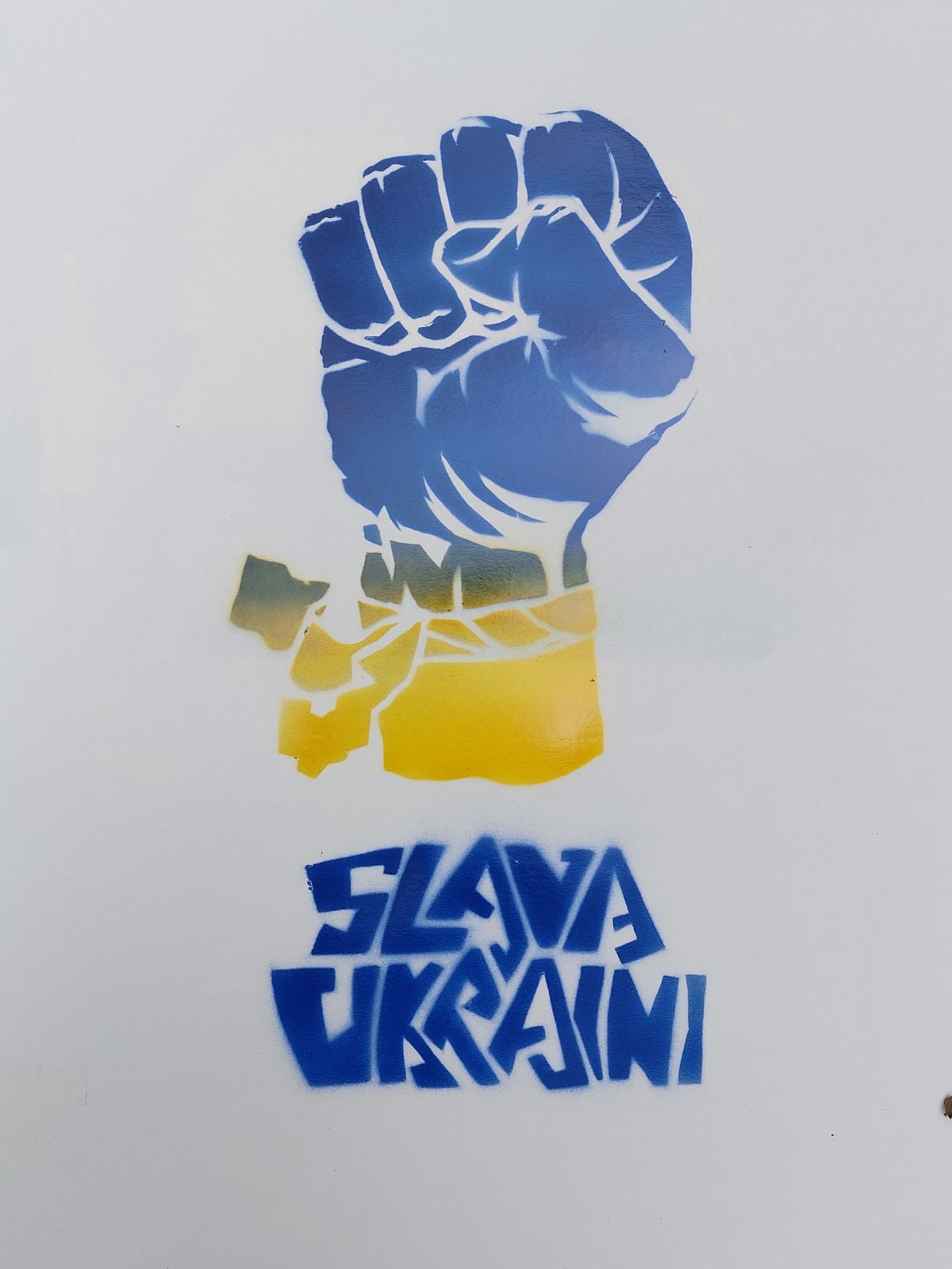
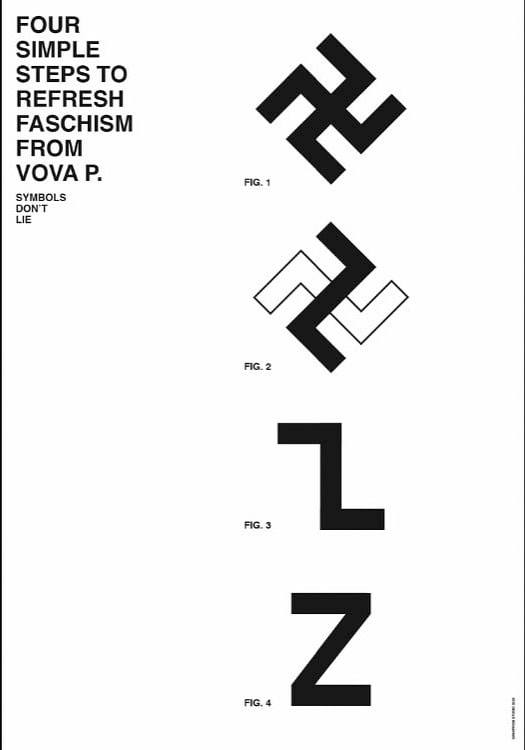
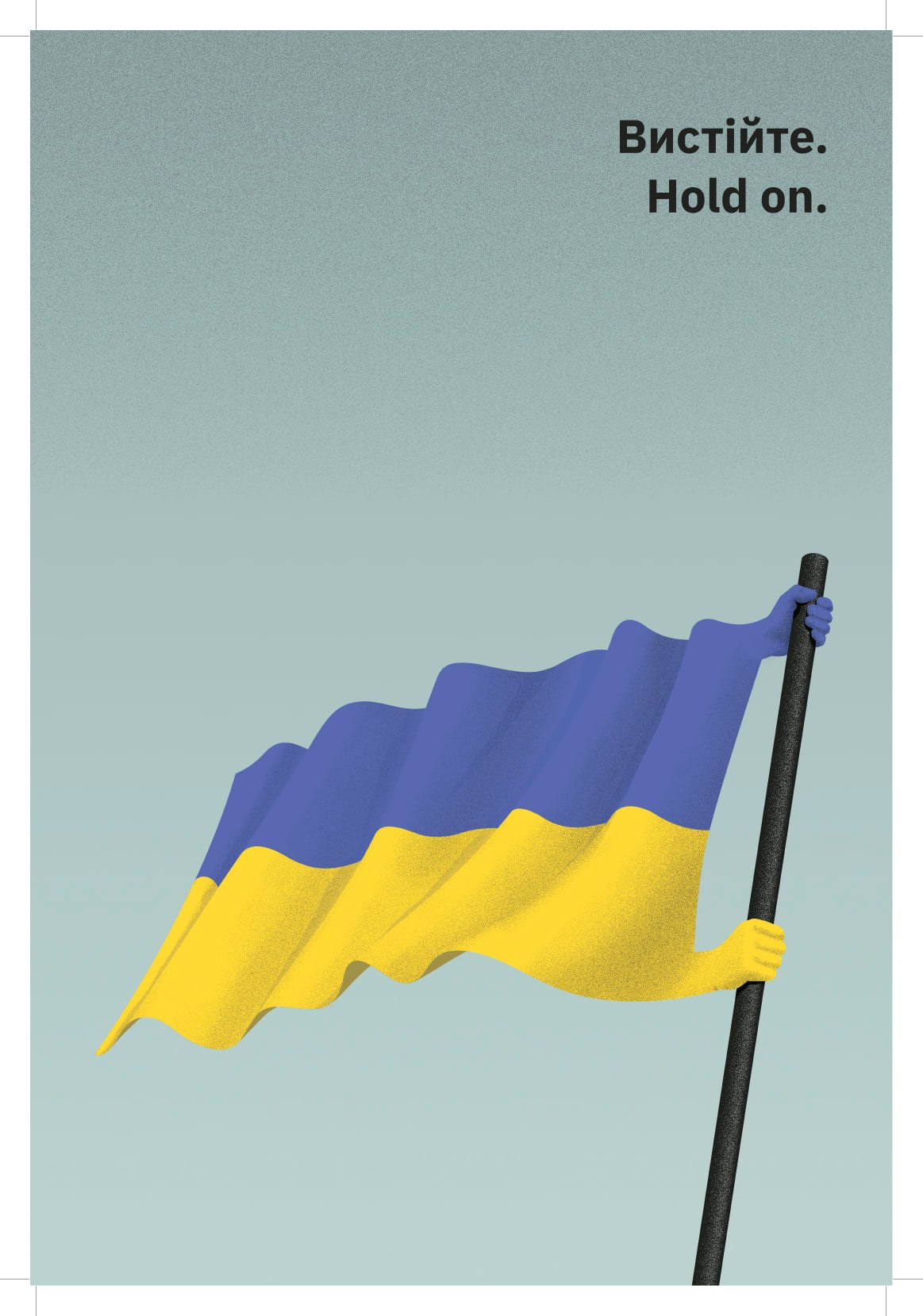
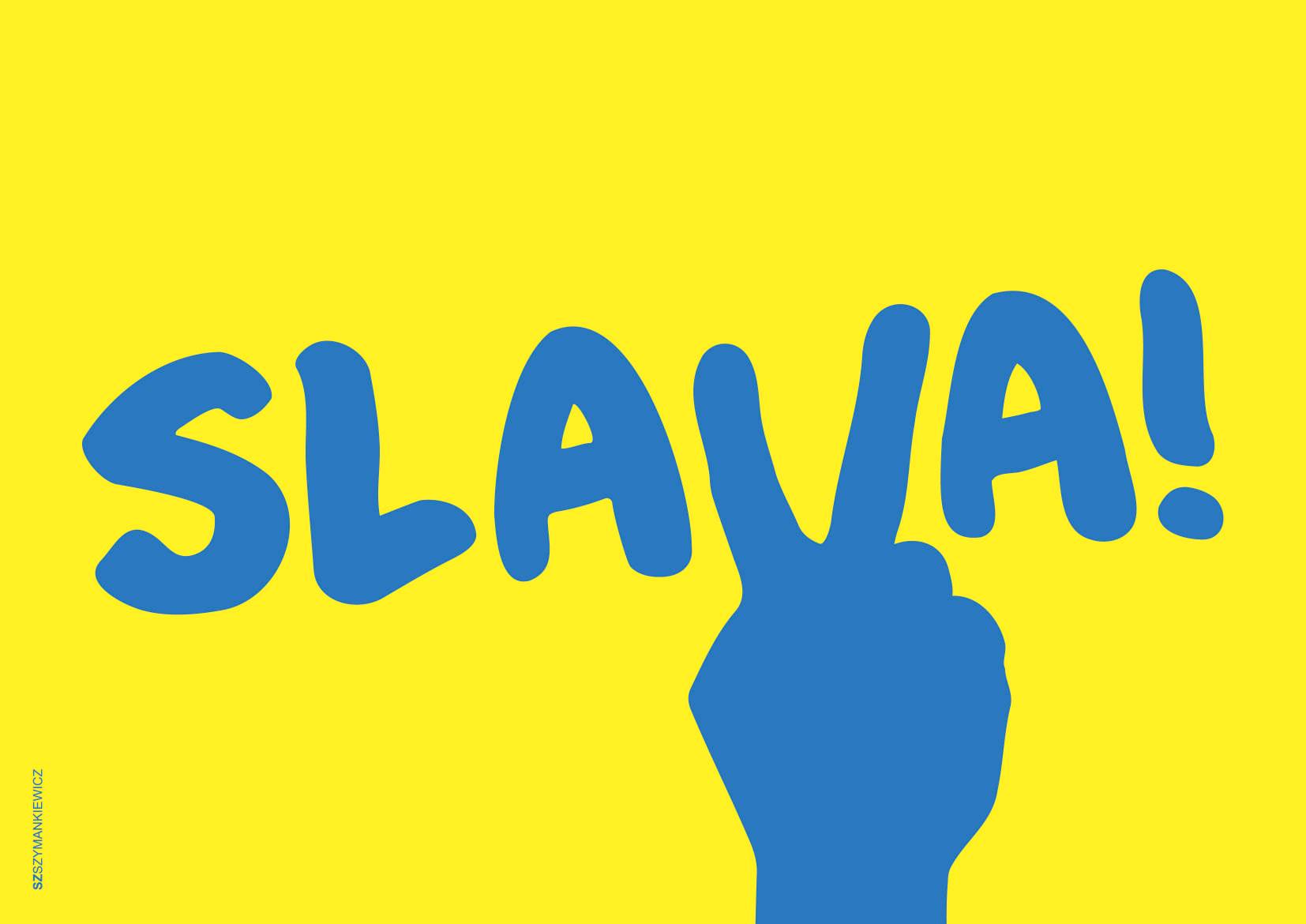
 The 4th Block is an association of Ukrainian artists and designers that is focused on social justice and environmental issues. It was founded in 1991 by graphic designer Oleg Veklenko  after his personal experience dealing with the Chernobyl nuclear plant disaster. For 30 years, the group has created posters to call attention to social and environmental problems. Along with a triennial show, they also created a museum at the Kharkiv State Academy of Design and Arts. Its collection includes approximately 11,000 posters  that call attention to the problems of nuclear safety and security, environmental protection, alternative energy source development, and more.

4th Block Community posts design work on Instagram and Facebook to raise awareness of Vladimir Putin’s crimes against humanity and to raise funds to help Ukraine and Ukrainians fight the fascism of the 21st century. For more, head to the links above.

Posted in Art, Europe, History, Museums | Tagged , , , | Leave a comment

Book the Vote

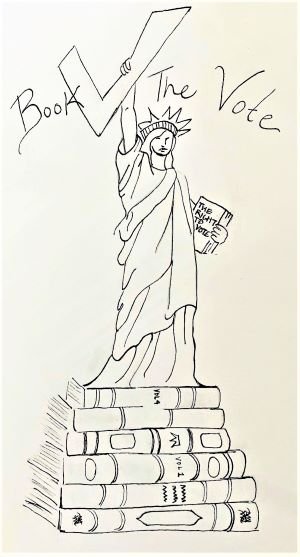
The group Writers for Democratic Action along with dozens of independent booksellers, librarians, and the student group Democracy Matters has launched a new project called  Book the Vote, with the aim of registering more voters, particularly in battleground states, before the November  2022 U.S. elections. The effort will take place in bookstores and libraries, where nonpartisan voter registration tables will be set up with the participation of writers and local voter registration groups. Plans call for BTV tables to be available to register voters on Saturdays this spring. During this summer, the tables will be open on Sundays, too, and by fall, tables will be staffed five days a week. WDA said that the Book the Vote project “aims not only to add the unregistered to voter rolls, but to nurture civic resistance to anti-democratic manipulations of elections.”

WDA noted that last year “19 states passed more than 30 laws to make voting more difficult, mainly in the name of voter fraud that never happened. Gerrymandering after the 2020 census specifically targeted the power of Black, Latino, and Native American voters. The Supreme Court and state legislatures have gutted the 1965 Voting Rights Act, and the Congress, stymied by the filibuster, has been unable to pass much needed voter protection legislation. The urgent defense of democracy falls to citizens, who must vote in numbers never seen before, voting in part to keep the vote.”

If you are interested in the project, there’s More information here.


Posted in Books, Bookstore Tourism, Freedom of Speech, Libraries, USA, Writing | Tagged , , | Leave a comment

‘Theatrum orbis terrarum’

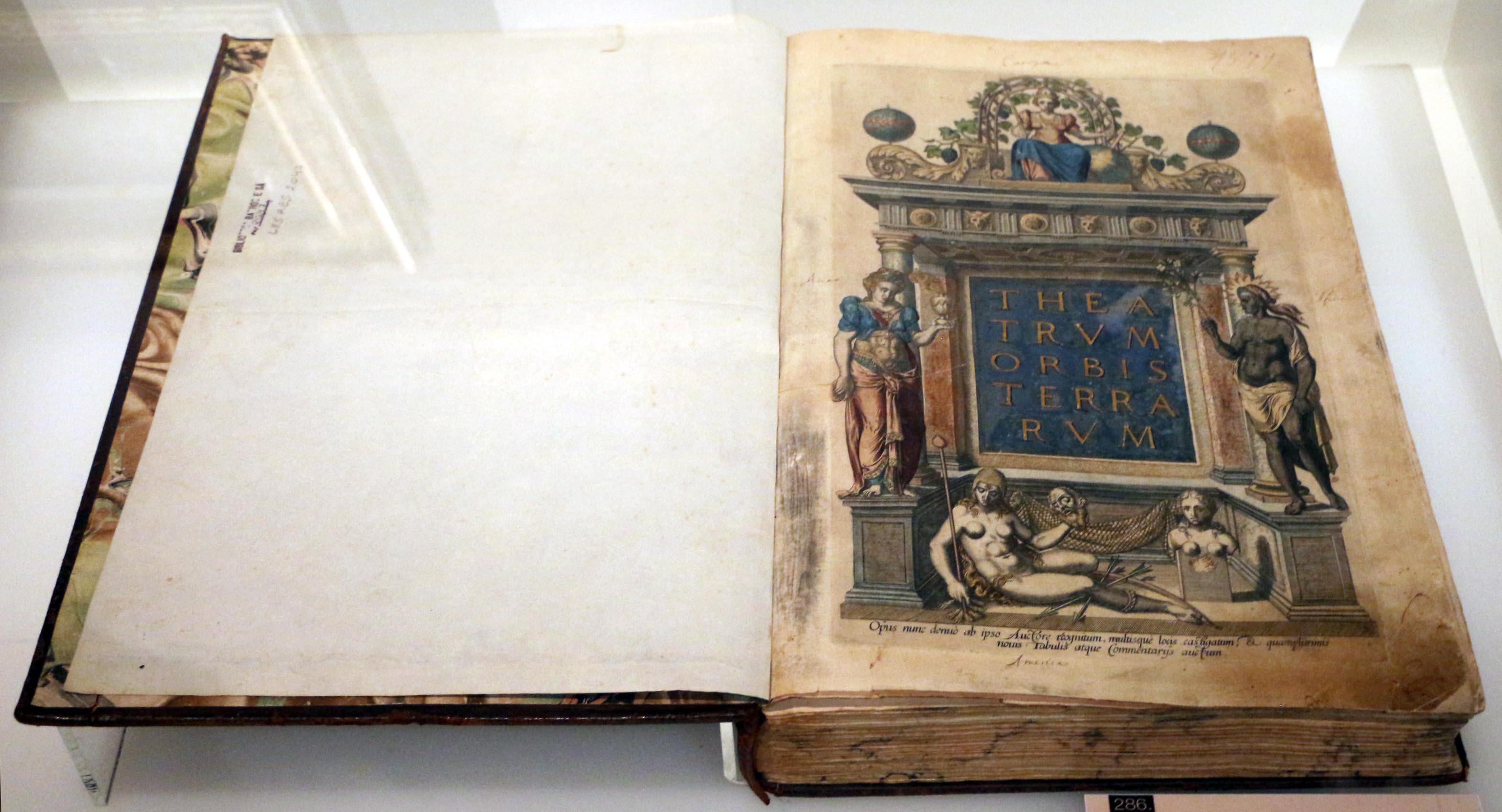
I have been fascinated by globes and atlases all of my life. When I was in 1st grade, I convinced my Mother to buy me a small spinning globe for my bedside table. When I was at university, I came this close to doing a masters degree in Cartography, but the University of Florida was too cheap to provide a fellowship. Over the years, I’ve been particularly intrigued by the ‘Theatrum orbis terrarum’ which was the first ‘modern’ world atlas. Abraham Ortelius printed his ‘Theatrum orbis terrarum’ at the end of the sixteenth century in Antwerp. Before the publication of Ortelius’ atlas maps were printed and sold separately or composite atlases could be made to order. These composite atlases were usually commissioned by the aristocracy or the military.

Ortelius’ ‘Theatrum orbis terrarum’ was a collection of maps, all of the same size and all with the same look & feel, sold as a single volume. This book was also not custom made for one client, but was published in several copies for sale to multiple customers. First published in 1571 ,the ‘Theatrum orbis terrarum’ consisted of 53 individual maps. The atlas was immediately successful and the first edition quickly sold out. New editions were soon published and German, French, Spanish, English and Italian editions also soon appeared.

Now it’s possible to explore Ortelius’ atlas for yourself on the Royal Library of the Netherland’s Digital Masterpiece: Theatrum orbis terrarum. This digitized copy of the Atlas Ortelius allows visitors to view all pages of the atlas and pan and zoom around each of the atlas’ 53 individual maps. The library’s digitized version of the atlas also includes a guided tour of the ‘Theatrum orbis terrarum’. This guided tour provides information about some of the more interesting maps in the atlas and about the contemporary knowledge & understanding of the world from which the maps were drawn.

The Atlas Ortelius which has been digitized here is the library’s own copy. This copy of the atlas includes the 53 maps from the first Dutch edition from 1571. The copy also includes later additions and must have been bound some time after 1584.


Posted in Books, Europe, History, Libraries, Maps, Museums | Tagged , , , | 1 Comment

“Nothing behind me, everything ahead of me, as is ever so on the road.”

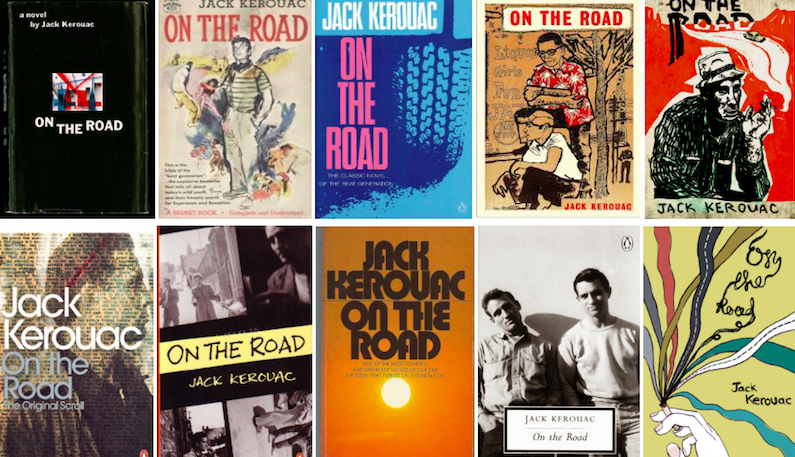
Like many old codgers from my generation, the Beat writer Jack Kerouac had a tremendous influence on my adolescent world view. His seminal novel On The Road encouraged wanderlust for millions of young people, including yours truly. This week marked the centennial of Kerouac’s birth and to celebrate the occasion, we can hear him read from his 1957 Beat classic, On the Road. The 28-minute recitation was apparently recorded on an acetate disc in the 1950s but thought lost for decades. It re-surfaced during the late 1990s.


Posted in Books, Uncategorized, USA, Writing | Tagged , , | Leave a comment

Is History Repeating

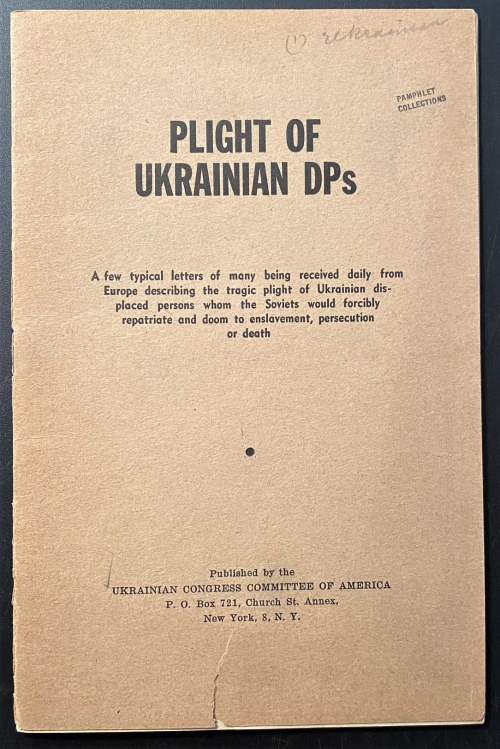
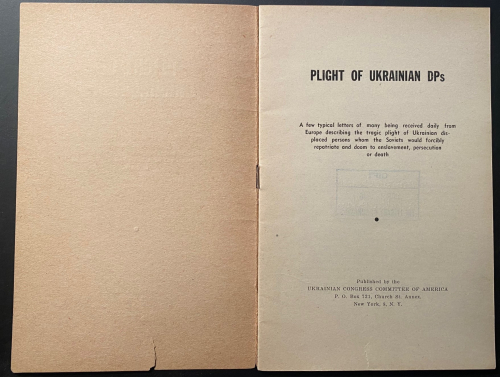
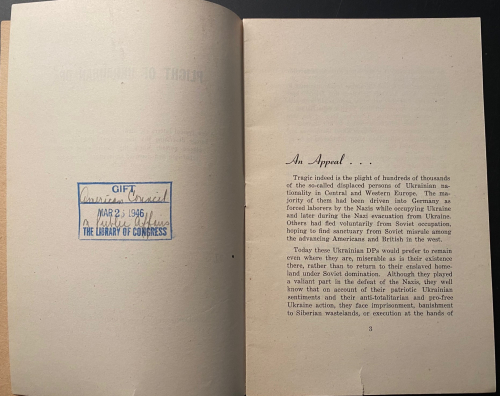
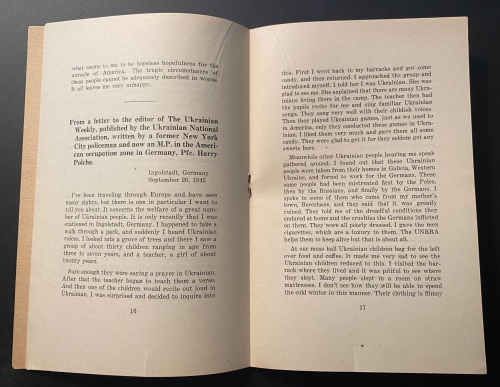
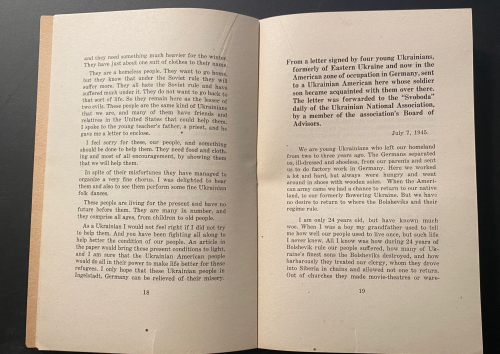
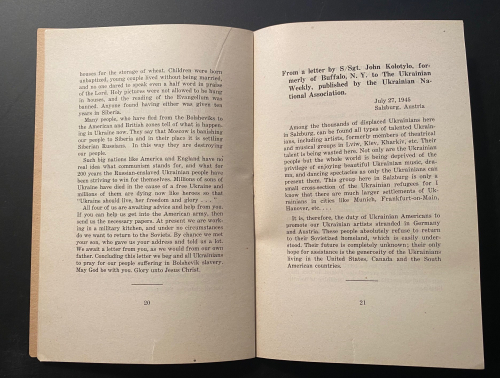
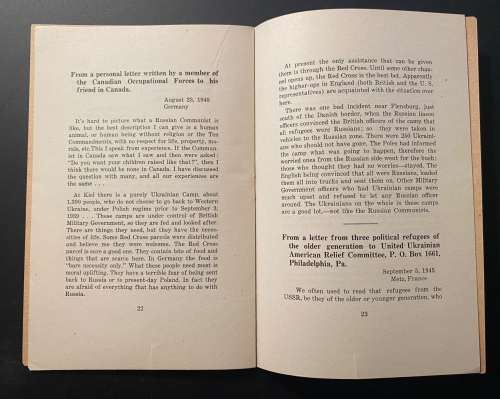
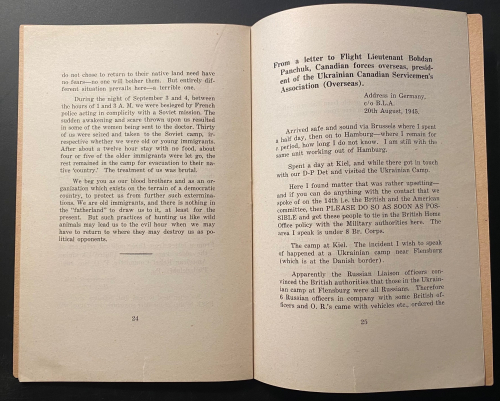
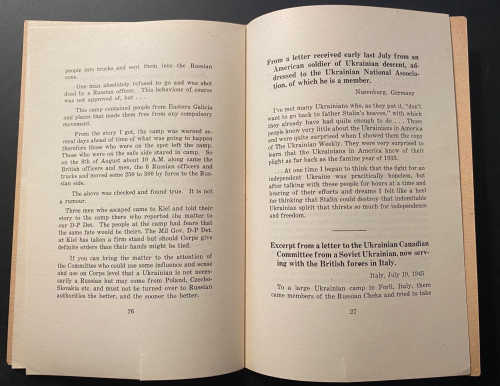
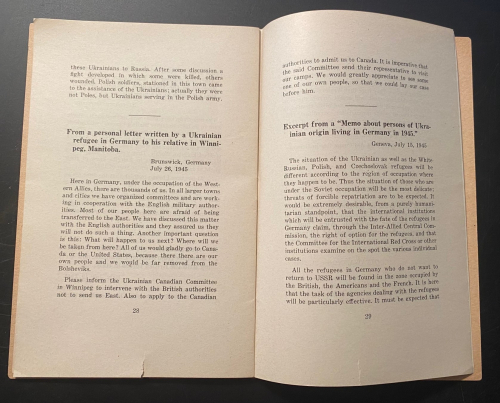
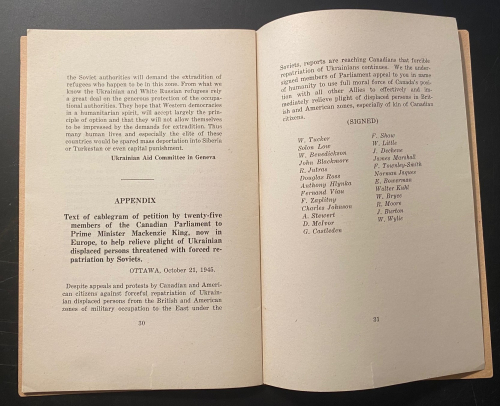
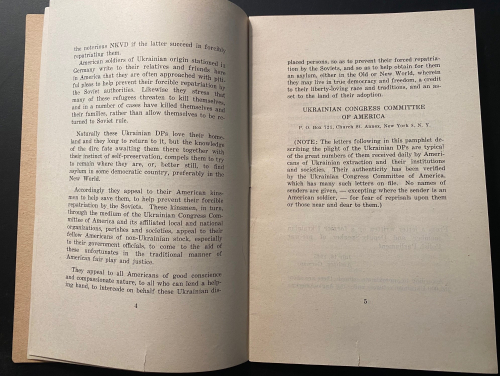
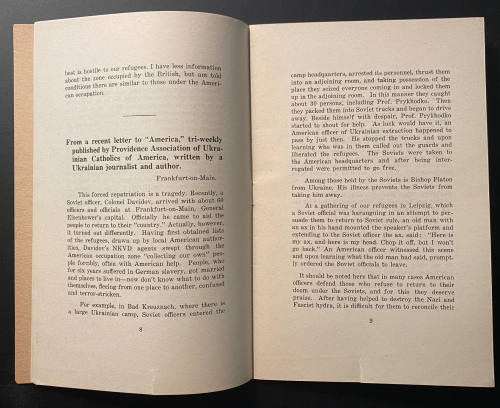
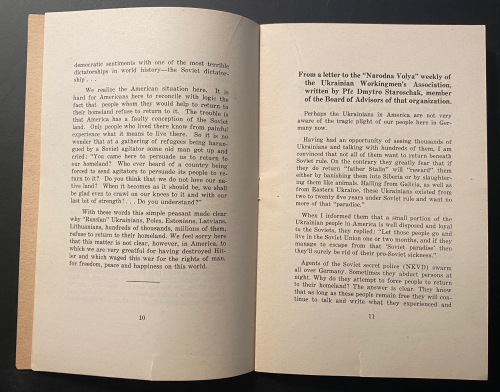
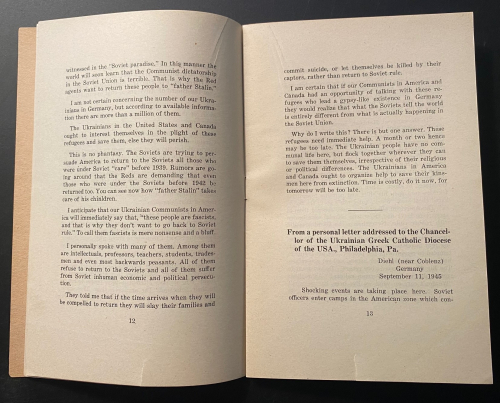
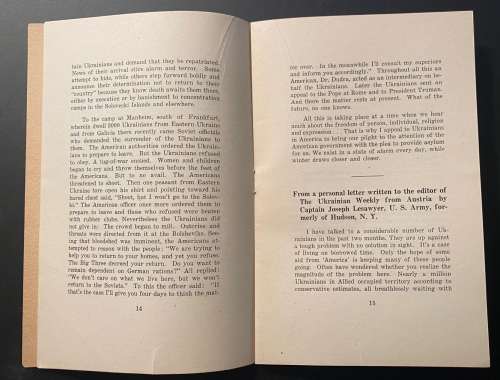
The pamphlet Plight of Ukrainian DPs : a few typical letters of many being received daily from Europe describing the tragic plight of Ukrainian displaced persons whom the Soviets would forcibly repatriate and doom to enslavement, persecution or death, was published in 1945. In just 31 pages, it describes the plight of Ukrainian displaced persons at the end of WWII. These millions of Ukrainians  had been war refugees or slave laborers forcibly moved by the Germans in their invasion of the Soviet Union and sent to work in German factories and on farms. Although some of the Ukrainians technically volunteered and were supposed to be paid for their labor, most were treated as virtual slaves. They were known as Ostarbeiter (Eastern Laborer), and at the end of the war many were repatriated to their country of origin. Of the 3.5 million Ostarbeiter, about 2.5 million remained alive at war’s end, with the vast majority–over 2 million–being from the Ukraine. This pamphlet details some of the terrible accounts of Ukrainians being repatriated to the Soviet Union and being treated as collaborators, criminals, and worse, some simply executed, while hundreds of thousands of others were sent on for “re-education”, with many winding up in the Soviet Gulags. It was a nightmare position to be in–the slave laborer returned home after the war to be treated as a criminal, and slave again.


Posted in Europe, History | Tagged , , , , | 2 Comments