A Modern Fairytale

If you visit TBTP on a regular basis, you are likely aware that I am a big fan on cartoonist Tom Gauld. Now he has published a wonderful children’s book just in time for the holiday season. The Little Wooden Robot and the Log Princess is a beautifully illustrated modern fairytale with an endearing message about the unique bond between siblings and the power of loyalty.

 For years, the king and queen tried to have a baby. Their wish was twice granted when an inventor and a witch gave them a little wooden robot and an enchanted log princess. There’s just one catch, every night when the log princess sleeps, she transforms back into an ordinary log. She can only be woken with the magic words “Awake, little log, awake.”

The two are inseparable until one day when the sleeping log princess is accidentally carted off to parts unknown. Now it’s up to her devoted brother to find her and return her safely to the kingdom. They need to take turns to get each other home, and on the way, they face a host of adventures involving the Queen of Mushrooms, a magic pudding, a baby in a rosebush, and an old lady in a bottle.

You can discover more about the book right here.

Posted in Art, Books, Writing | Tagged , , , | 1 Comment

Not Dracula

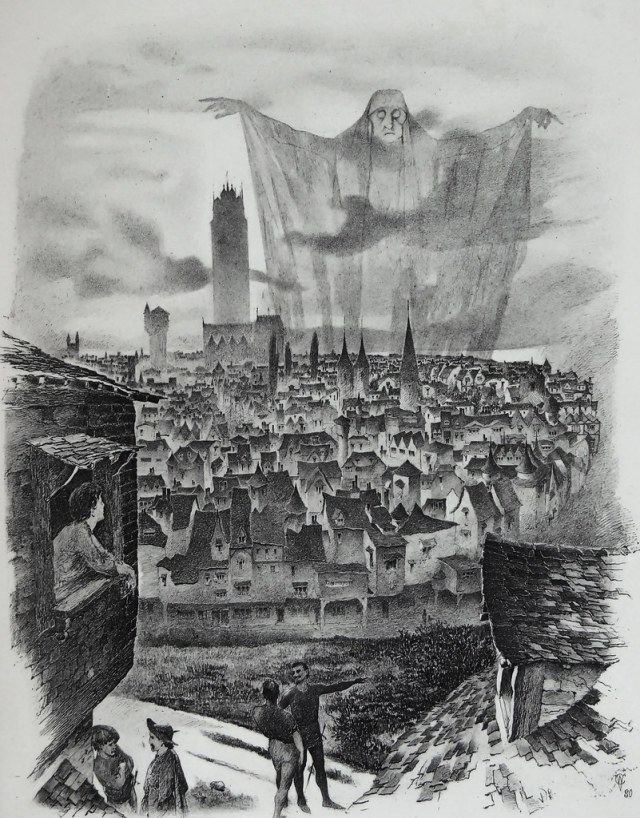
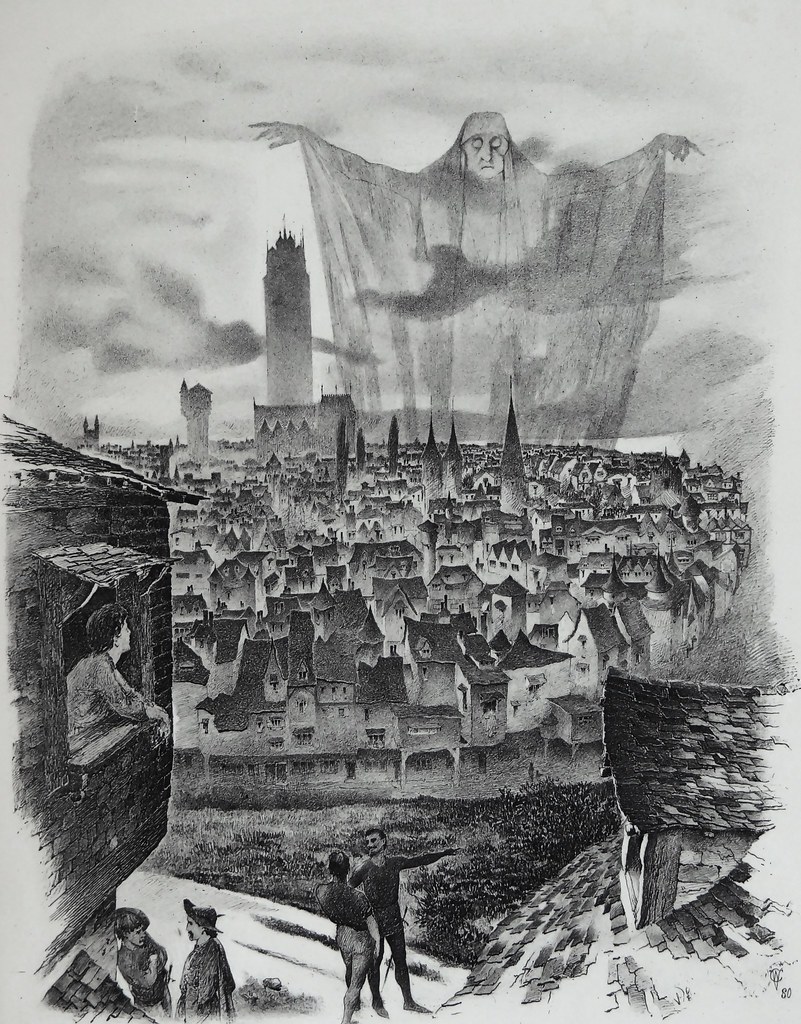
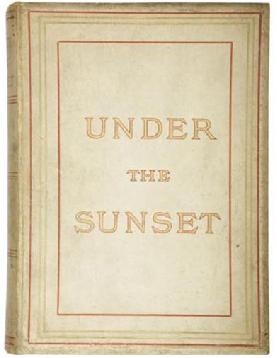
I am embarrassed to admit that I never read this Bram Stoker fantasy/horror collection. Under the Sunset is a collection of short stories by Bram Stoker (the author of Dracula), first published in 1881. It was illustrated by W. V. Cockburn and William FitzGerald.

The stories in the collection are:

  • “Under the Sunset”
  • “The Rose Prince”
  • “The Invisible Giant”
  • “The Shadow Builder”
  • “How 7 Went Mad”
  • “Lies and Lilies”
  • “The Castle of the King”
  • “The Wondrous Child”

Under the Sunset

Far, far away, there is a beautiful Country which no human eye has ever seen in waking hours. Under the Sunset it lies, where the distant horizon bounds the day, and where the clouds, splendid with light and colour, give a promise of the glory and beauty which encompass it.

Sometimes it is given to us to see it in dreams.

Now and again come, softly, Angels who fan with their great white wings the aching brows, and place cool hands upon the sleeping eyes. Then soars away the spirit of the sleeper. Up from the dimness and murkiness of the night season it springs. Away through the purple clouds it sails. It hies through the vast expanse of light and air. Through the deep blue of heaven’s vault it flies; and sweeping over the far-off horizon, rests in the fair Land Under the Sunset.

This Country is like our own Country in many ways. It has men and women, kings and queens, rich and poor; it has houses, and trees, and fields, and birds, and flowers. There is day there and night also; and heat and cold, and sickness and health. The hearts of men and women, and boys and girls, beat as they do here. There are the same sorrows and the same joys; and the same hopes and the same fears.

If a child from that Country was beside a child here you could not tell the difference between them, save that the clothes alone are different. They talk the same language as we do ourselves. They do not know that they are different from us; and we do not know that we are different from them. When they come to us in their dreams we do not know they are strangers; and when we go to their Country in our dreams we seem to be at home. Perhaps this is because good people’s homes are in their hearts; and wheresoever they may be they have peace.

The Country Under the Sunset was for long ages a wondrous and pleasant Land. Nothing there was which was not beautiful and sweet and pleasant. It was only when sin came that things there began to lose their perfect beauty. Even now it is a wondrous and pleasant land.

As the sun is strong there, by the sides of every road are planted great trees which spread out their thick branches. So the travellers have shelter as they pass. The milestones are fountains of sweet cold water, so clear and bright that when the wayfarer comes to one he sits down on the carved stone seat beside it and gives a sigh of relief, for he knows that there is rest.

When it is sunset here, it is the middle of the day there. The clouds gather and shade the Land from the great heat. Then for a little while everything goes to sleep.

This sweet, peaceful hour is called the Rest Time.

When it comes the birds stop their singling, and lie close under the wide eaves of the houses, or in the branches of the trees where they join the stems. The fishes stop darting about in the water, and lie close under the stones, with their fins and tails as still as if they were dead. The sheep and the cattle lie under the trees. The men and women get into hammocks slung between trees or under the verandahs of their houses. Then, when the sun has ceased to glare so fiercely and the clouds have melted away, the living things all wake up.

The only living things that are not asleep in the Rest Time are the dogs. They lie quite quiet, only half asleep, with one eye open and one ear cocked; keeping watch all the time. Then if any stranger comes during the hour of Rest, the dogs rise up and look at him, softly, without barking, lest they should disturb anyone. They know if the new comer is harmless; and if it be so they lie down again, and the stranger lies down too till the Rest Time is over.

But if the dogs think that the stranger is come to do any harm, they bark loudly and growl. The cows begin to low and the sheep to bleat, and the birds to chirp and sing their loudest notes, but without any music in them; and even the fishes begin to dart about and splash the water. The men awake and jump out of their hammocks, and seize their weapons. Then it is an evil time for the intruder. Straightway he is brought into the Court and tried, and if found guilty sentenced, and either put into prison or banished.

Then the men go back to their hammocks, and all living things retire again till the Rest Time is over.

It is the same in the night as in the Rest Time, if an intruder comes to do harm. In the night only the dogs are awake, and the sick people and their nurses.

No one can leave the Country Under the Sunset except in one direction. Those who go there in dreams, or who come in dreams to our world, come and go they know not how; but if an inhabitant tries to leave it, he cannot except by one way. If he tries any other way he goes on and on, turning without knowing it, till he comes to the one place where only he can depart.

This place is called the Portal, and there the Angels keep guard.

Exactly in the middle of the Country is the palace of the King, and the roads stretch away from it on every side. When the King stands on the top of the tower, which rises to a great height from the middle of his palace, he can look along the roads, which are all quite straight.

They seem to become narrower and narrower as they get further, till at last they are lost altogether in the mere distance.

Round the King’s palace are gathered the houses of the great nobles, each being close in proportion to the rank of its owner. Outside these again come the houses of the lesser nobles; and then those of all the other people, getting smaller and smaller as they get further.

Every house, big and little, stands in the middle of a garden, which has a fountain and a stream of water in it, and big trees, and beds of beautiful flowers.

Farther off, away towards the Portal, the country gets wilder and wilder. Beyond this there are dense forests and great mountains full of deep caverns, as dark as night. Here wild animals and all cruel things have their home.

Then come bogs and fens and deep shaky morasses, and thick jungles. Then all becomes so wild that the road gets lost altogether.

In the wild places beyond this no man knows what dwells. Some say that the Giants who still exist, live there, and that all poisonous plants there grow. They say that there is a wicked wind there that brings out the seeds of all evil things and scatters them over the earth. Some there are who say that the same wicked wind brings out also the Diseases and Plagues that there exist. Others say that Famine lives there in the marshes, and that he stalks out when men are wicked – so wicked that the Spirits who guard the land are weeping so bitterly that they do not see him pass.

It is whispered that Death has his kingdom in the Solitudes beyond the marshes, and lives in a castle so awful to look at that no one has ever seen it and lived to tell what it is like. Also it is told that all the evil things that live in the marshes are the disobedient Children of Death who have left their home and cannot find their way back again.

But no man knows where the Castle of King Death is. All men and women, boys and girls, and even little wee children should so live that when they have to enter the Castle and see the grim King, they may not fear to behold his face.

For long, Death and his Children stayed without the Portal and all within was joy.

But there came a time when all was changed. The hearts of men grew cold and hard with pride in their prosperity, and they heeded not the lessons which they had been taught. Then when within there was coldness and indifference and disdain, the Angels on guard saw in the terrors that stood without, the means of punishment and the lesson which could do good.

The good lessons came – as good things very often do – after pain and trial, and they taught much. The story of their coming has a lesson for the wise.

At the Portal two Angels for ever kept watch and guard. These angels were so great and so watchful, and were always so steadfast in their guardianship, that there was only one name for them both. Either or both of them would, if spoken to, have been called by the whole name. One of them knew as much as the other did about anything which could have anything known about it. This was not so strange, for they both knew everything. Their name was Fid-Def.

Fid-Def stood on guard at the Portal. Beside them was a Child-Angel, fairer than the light of the sun. The outline of its beautiful form was so soft that it ever seemed to be melting into the air; it seemed a holy living light.

It did not stand as the other Angels did, but floated up and down and all around. Sometimes it was but a tiny speck, and then it would suddenly, without seeming to be making any change, be bigger than the great Guardian Spirits that were the same for ever.

Fid-Def loved the Child-Angel, and as it rose now and again, they spread their great white wings, and it would sometimes stand on them. Its own beautiful soft wings would gently fan their faces as they turned to speak.

But the Child-Angel never went over the threshold. It looked out into the wilderness beyond; but it never put even the tip of its wing over the Portal.

It was asking questions of Fid-Def, and seemed to want to know what was without, and how all there differed from all within.

The questions and the answers of the Angels were not like our questions and answers, for no speech was needed. The moment a thought occurred of wanting to know anything, the question was asked and the answer given. But still the question was given by the Child-Angel and answered by Fid-Def; and if we knew the no-language that the Angels were not-speaking we would have heard thus. Fid-Def was talking to Fid-Def:

“Is not Chiaro beautiful?”

“He is very beautiful. He will be a new power in the Land.”

Here Chiaro, who was standing with one foot on the plume of Fid-Def’s wing, said:

“Tell me, Fid-Def, what are those dreadful-looking Beings beyond the Portal?”

Fid-Def answered:

“They are Children of King Death. That dreadfullest one of all, enwrapt in gloom, is Skooro, an Evil Spirit.”

“How horrible they look!”

“Very horrible, dear Chiaro; and these Children of Death want to pass through the Portal and enter the Land.”

Chiaro, at the terrible news, soared up aloft, and got so big that the whole of the Country Under the Sunset was made bright. Soon, however, he grew smaller and smaller till he was only a speck, like the coloured ray seen in a dark room when the sun comes in through a chink. He asked of the Angels of the Portal:

“Tell me, Fid-Def, why do the Children of Death want to get in?”

“Because, dear Child, they are wicked, and wish to corrupt the hearts of the dwellers in the Land.”

“But tell me, Fid-Def, can they get in? Surely, if the All-Father says, No! they must stay ever without the Land.”

After a pause came the answer of the Angels of the Portal:

“The All-Father is wiser than even the Angels can conceive. He overthroweth the wicked with their own devices, and he trappeth the hunter in his own snare. The Children of Death when they enter – as they are about to do – shall do much good in the Land, which they wish to harm. For lo! the hearts of the people are corrupt. They have forgotten the lessons which they have been taught. They do not know how thankful they should be for their happy lot, for of sorrow they wot not. Some pain or grief or sadness must be to them, that so they may see the error of their ways.”

As they spoke, the Angels wept in sorrow for the misdeeds of the people and the pain they must endure.

The Child-Angel answered in awe:

“Then this most horrible Being, too, is to enter the Land. Woe! woe!”

“Dear Child,” said the Guardian Spirits, as the Child-Angel crept into their bosoms, “on you devolves a great duty. The Children of Death are about to enter. To you has been entrusted the watching of this dread Being,Skooro. Wheresoever he goeth, there must you be also; and so naught of harm can happen – save only what is intended and allowed.”

The Child-Angel, awed by the greatness of the trust, resolved that his duty should be well done. Fid-Def went on:

“You must know, dear Child, that without darkness is no fear of the unseen; and not even the darkness of night can fright if there be light within the soul. To the good and pure there is no fear either of the evil things of the earth or of the Powers that are unseen. To you is trusted to guard the pure and true. Skooro will encompass them with his gloom; but to you is given to steal into their hearts and by your own glorious light to make the gloom of the Child of Death unseen and unknown.”

“But from evil-doers – from the wicked, and the ungrateful, and the unforgiving, and the impure, and the untrue you will keep afar off; and so when they look for you to comfort them – as they must ever – they will not see you. They will see only the gloom which your far-off light will make seem darker still, for the shadow will be in their very souls.”

“But oh, Child, our Father is kind beyond belief. He orders that should any that are evil repent, you will on the instant fly to them, and comfort them, and help them, and cheer them, and drive the shadow afar off. Should they only pretend to repent, meaning to be again wicked when the danger is past; or should they only act from fear, then will you hide your brightness so that the gloom may grow darker still over them. Now, dear Chiaro, become unseen. The time approaches when the Child of Death is to be allowed to enter the Land. He will try to steal in, and we shall let him, for we must work unseen and unknown, that we may do our duty.”

Then the Child-Angel faded slowly away, so that no eye – not even the eye of Fid-Def – could see him; and the Guardian Spirits stood as ever beside the Portal.

The Rest Time came; and all was quiet in the Land.

When the Children of Death afar off in the marshes saw that nothing was stirring, save that the Angels stood as ever on guard, they determined to make another effort to gain entrance to the Land.

Accordingly they resolved themselves into many parts. Each part took a different form, but all together they moved on towards the Portal. Thus the Children of Death drew a-nigh the threshold of the Land.

On the wings of a passing bird they came; on a cloud that drifted slowly in the sky; in the snakes that crawled on the earth – in the worms, and mice, and moles that crept under it; in the fishes that swam and the insects that flew. By earth and water and air they came.

So without let or hindrance; and in many ways, the Children of Death entered the country Under the Sunset; and from that hour all in that fair Land was changed.

Not all at once did the Children of Death make themselves known. One by one the bolder spirits amongst them, stalking with fell footsteps through the Land, filled all hearts with terror as they came.

However, each and all of them left a lesson for good in the hearts of the dwellers in the Land.

You can read the entire book and more at Bram Stoker Online Full text and PDF versions of the entire collection.

Posted in Art, Books, Europe, Writing | Tagged , , , | Leave a comment

Moving Light

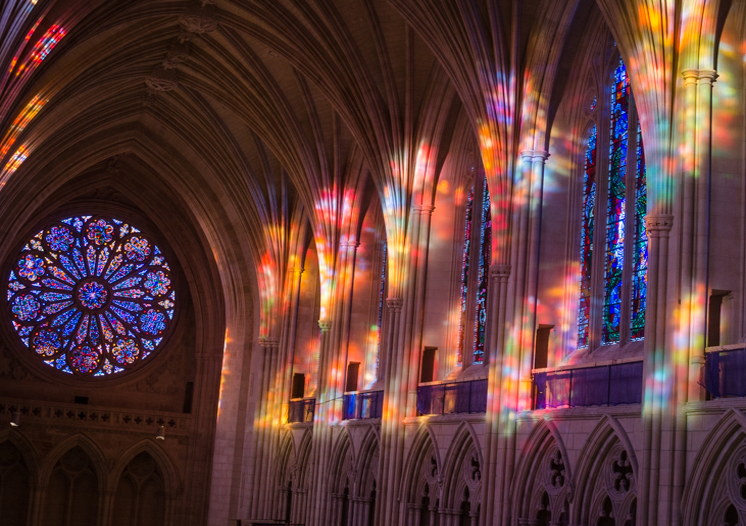
Many years ago when I was writing a travel guide for Washington D.C., I discovered that one of its least visited sites was also one of its most beautiful. Overlooking the nation’s capital, the Washington National Cathedral is one of America’s loveliest churchs. The gorgeous video below provides a window on the sublime attraction.
The time lapse video of sunlight moving through the stained glass windows at the Washington National Cathedral is by Colin Winterbottom. With Gregorian chant music by Brian Eno. Visit: colinwinterbottom.com  to learn more about the time lapse video — part of the exhibition “Scaling Washington” at the National Building Museum .

NB: if the video does not appear, please click the short url link.

Posted in Architecture, Art, Music, Tourism, USA | Tagged , , | 2 Comments

Magical Mystery Tours

Japan is famous for its proliferation of gachapon, or capsule vending machines, which sell everything from exotic beverages to underwear. This summer, Peach Aviation, a Japanese airline that mainly flies domestic routes, began installing special vending machines that offer discounted airfares.

Last week, the airline installed its first gacha vending machine in Tokyo’s popular Shibuya district, filled with round-trip mileage points to domestic destinations flying out of Tokyo’s Narita Airport. The process is a gamble, and only after opening  the prize capsules do buyers find out where they’re going. The locations include cities in Okinawa and the northern prefecture of Hokkaido.

Vending machine users pays 5,000 Japanese yen ($44) and receives 6,000 Japanese yen ($53) worth of mileage points, which can only be used toward the destination they won. Using the code printed on a sheet of paper inside the capsule, people then exchange these points for airfare to book online. It also comes with a miniature pin badge and a “mission” for the flier for when they reach their destination. Not much of a deal, but I guess the fun is in the mystery.

Posted in Air Travel, Asia, Tourism | Tagged , , , , | Leave a comment

Don’t Judge This Book By Its Covers

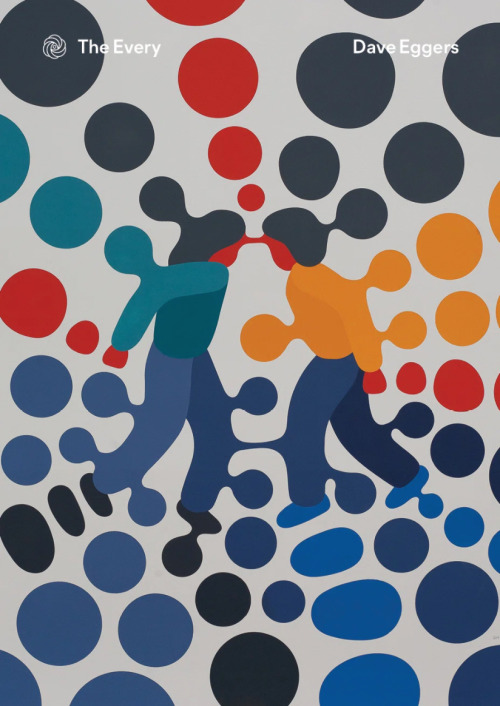
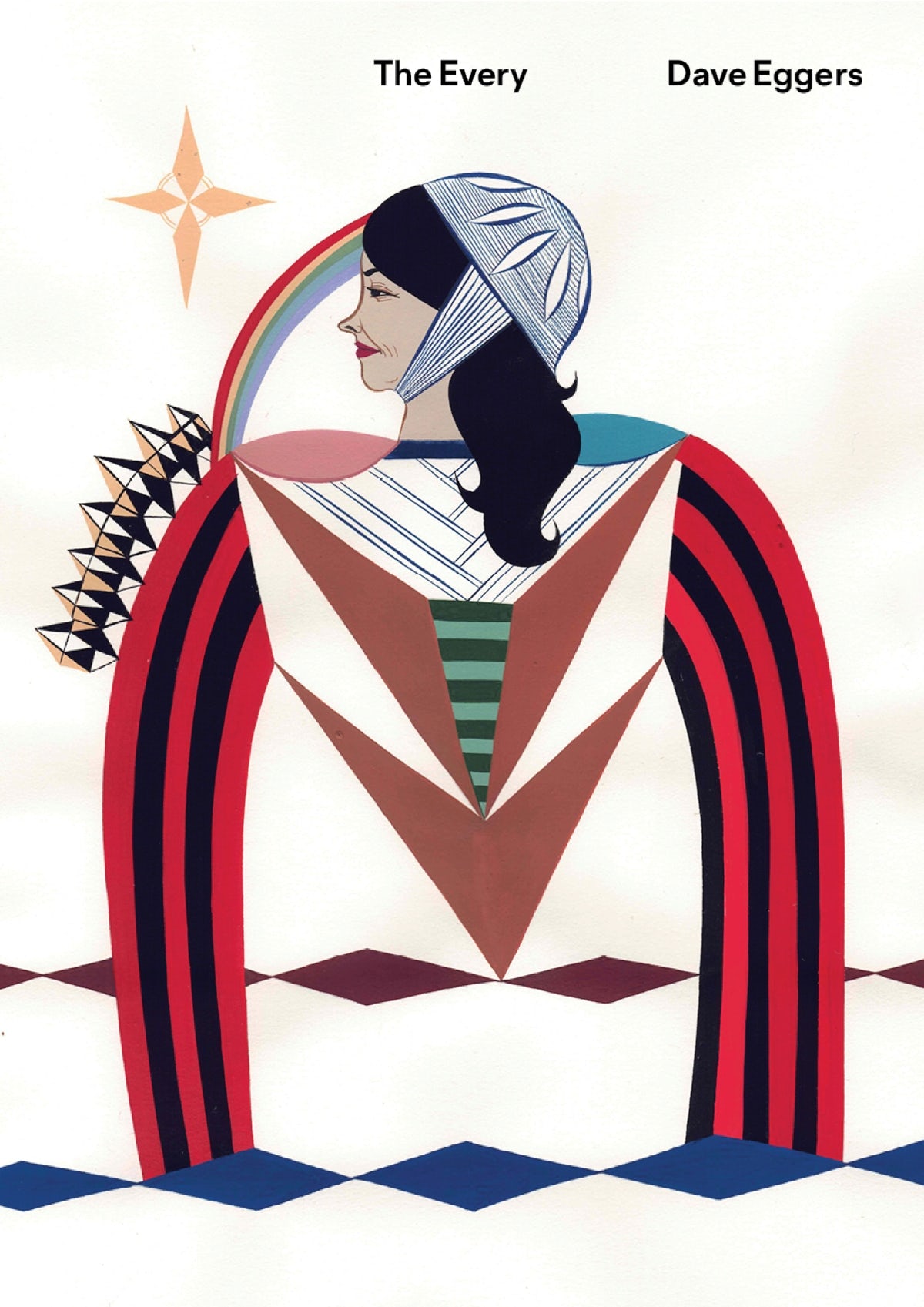
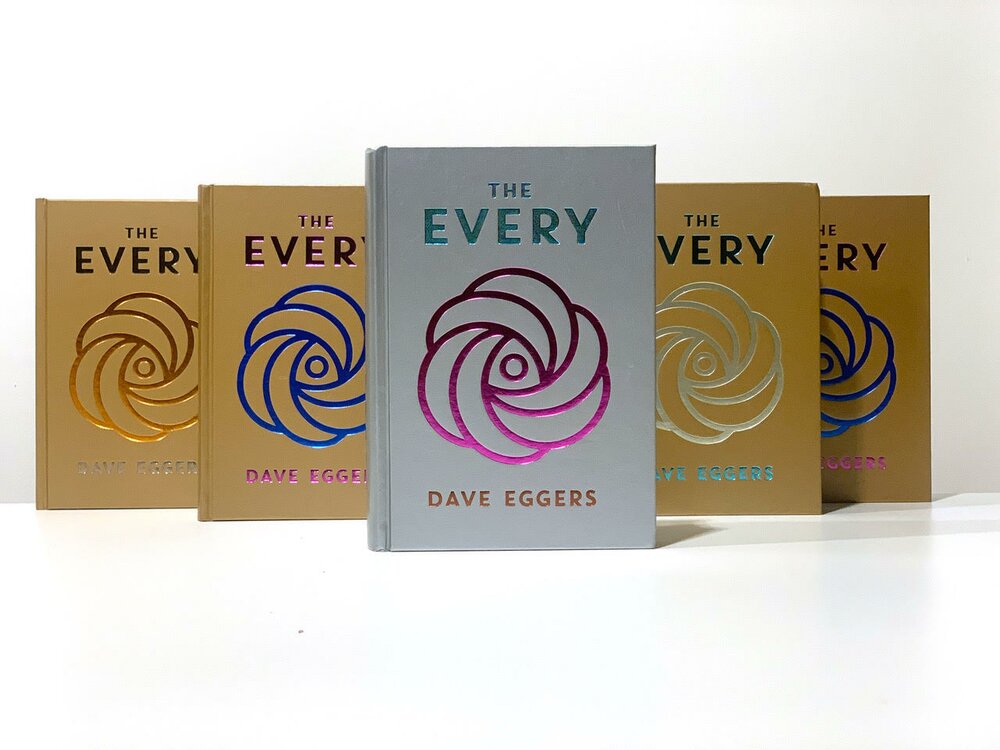
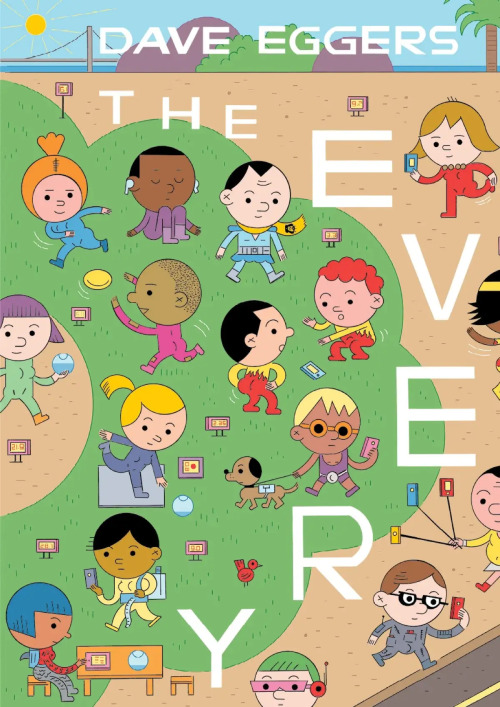
I’ve been looking forward to Dave Eggers’ follow-up to his best-selling tech novel The Circle and now its been released with an added surprise. His new book , The Every , is a sequel to his previous novel which skewered Facebook, Google and Amazon and with it comes 32 new artworks to adorn the cover. The publisher he founded, McSweeney’s, is releasing the book, and it states on their website that the hardcover version of the novel will boast a “dizzying, ever-expanding, and entirely randomized array of cover variations” for years to come.

Eggers commissioned art director Sunra Thompson for the project, who found that the dust jacket printer they were using could run different cover designs on one sheet of paper at once, offering the opportunity to print dozens of different versions at the same time. Thompson decided to take full advantage this printing feature and hired a wide array of artists to design a completely new version of The Every cover. Each cover artist received an advance copy of the book along with a short description. Some designers created entirely new works and others used existing pieces that they felt connected to the story.
The story of The Every follows similar themes to The Circle – human nature, power dynamics, how we interact as a society under surveillance, and the technology of late-stage capitalism.

Eggers’ new book in hardcover is only available at McSweeney’s (the author’s own publishing company) and select indie bookstores. The novels are randomly distributed, meaning that bookshops won’t know which covers they’ll get. The author has refused to allow the hardcover copies to be sold on Amazon, but seems OK with Bezos selling the paperback version for some reason.

Posted in Art, Books, Tech, USA, Writing | Tagged , , , | 1 Comment

Bibliotherapy, Journaling, and Some Bloodletting

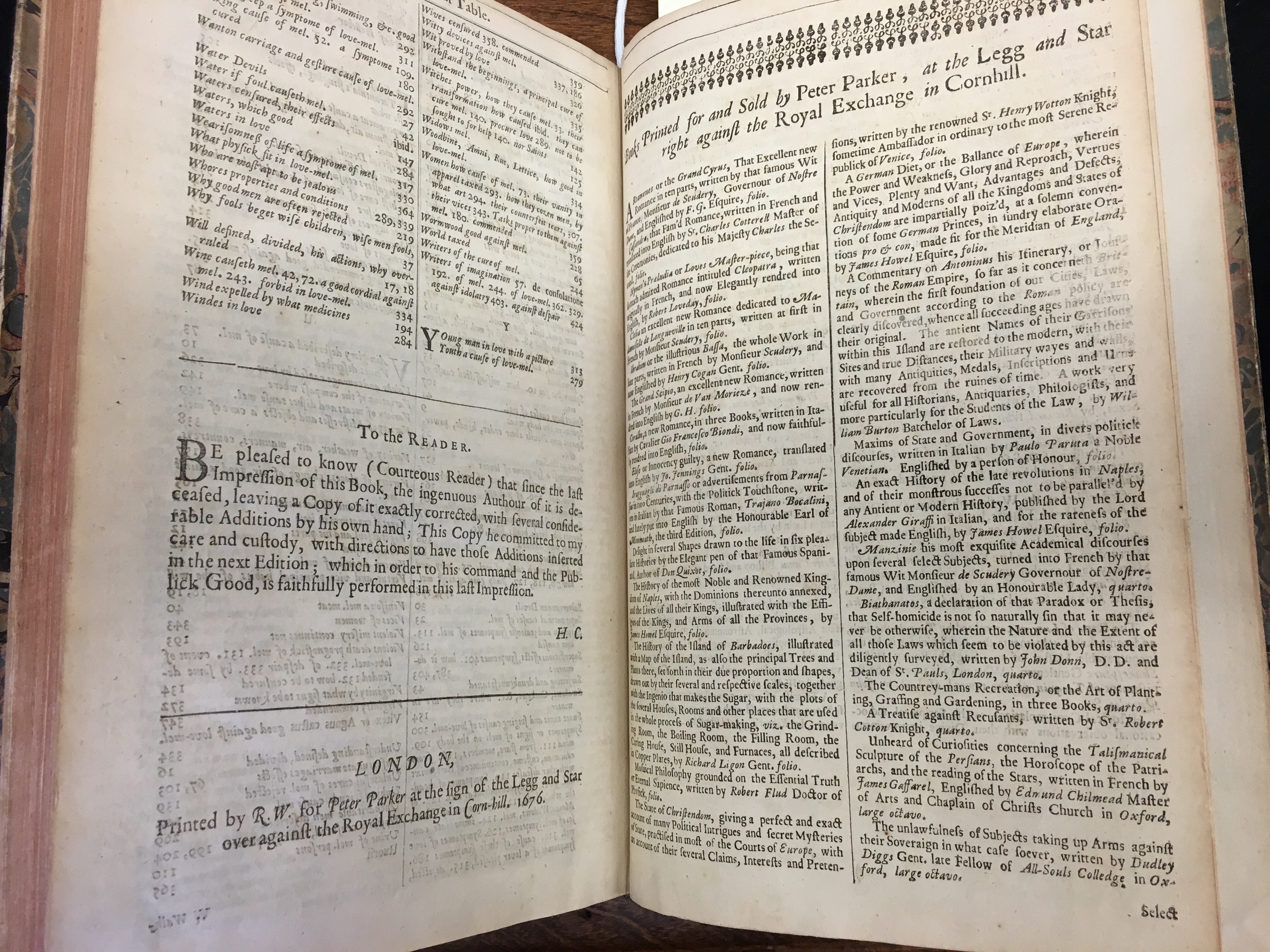
Early in the 17th century,Oxford University scholar Robert Burton published what is now considered to be the first English language self-help manual, The Anatomy of Melancholy. The book offers Burton’s ideas on the nature and symptoms of melancholy or depression, as well as his notions for curatives such as  exercise and diet, but also bibliotherapy, journaling, and selective bloodletting.

The University of Oxford’s Bodleian Library is now showing an exhibition on the book called  Melancholy: A New Anatomy. This exhibition explores the broad range of early modern therapies and treatments for melancholy and also shows the surprising similarities with modern approaches. The nature of – and evidence-base for – modern therapies may have changed, but they often bear a remarkable resemblance to those first suggested by Robert Burton 400 years ago: from the suggestion to ‘be not solitary, be not idle’ to looking for “Mirth and merry Company.”

The  Bodleian Library exhibition brings together a diverse group of academics from the university’s departments of psychiatry, English, and clinical neurosciences to explore the surprising parallels between Burton’s seventeenth-century treatise and modern-day research into mental health. Bibliotherapy (therapeutic reading) and scriptotherapy (therapeutic writing) are two cited examples of concepts that might seem new but, as Burton proves, have a long history.

Melancholy: A New Anatomy is on view through March 20, 2022.

!title!
AuthorBurton, Robert, 1577-1640.
TitleThe anatomy of melancholy, what it is. : With all the kindes, causes, symptomes, prognostickes, and severall cures of it. : In three maine partitions with their seuerall sections, members, and subsections. : Philosophically, medicinally, historically, opened and cut up. / By Democritvs Iunior. ; With a satyricall preface, conducing to the following discourse. !ocr!
The Argument of the Frontifpiece.
TEn diftind Squares here feen apart. 6 Beneath them kneeling on his knee,
ASuperftitious man you fee :
He fafts, prayes, on his Idol fixt,
Tormented hope and fear betwixt :
For hell perhaps he takes more pain,
Then thou doft heaven it felfto gain.
Alas poor Sonl, I pitie thee,
what ftars incline thee fo to be?
¬En
Are joyn’d in one by Cutters at.
I old Democritus #nder a tree,
Sits on a ftone with book on knee;
About him bang there many features,
of Cats, Dogs, and fuch like creatures,
of which he makes Anatomy,
The feat of black choler to fe.
Over bis head appears the skie,
And Saturn Lord of melancholy.
3elotiria
Democrifus Abderites
Selitude
ΤHE
7 Bxt fee the Madman rage down right
With furious looks, a gafily fght.
Naked in chains bound doth he lie,
And roars amain he knows not why?
obferve him; for as in a glafs,
Thine angry portraiture it wis.
His picture keep ftill in thy prefence;
Iwixt him and i hee, ther’s no difference.
ΑΝΑΤΟMY
MELANCHOLY.
What it is, with all the hines causes,
Sympfomes. Prognostichas, & Saurall cures of it,
In three Partifions,with their severall
Sections, members & sublections,
OF
2 Tot h’ left a landskip of Jealoufie,
Prefents it felfe unto thine ey e.
A King fifber, a Swan, an Hern,
Two fighting Cocks you may difcern ;
Two roaring Bu lls each other hie,
To affault concerning Venery.
Symboles are thefe dey nomon Soveraign plants to purge tbe veins
Philesyphically, maicinally,
CHitorically, gend & cut ye.
By
89 Borage and Hellebor fill two fcenes,
Conceive the reft by that’s afore.
3 The next of Solitarinefs,
A portraiture doth well exprefs,
By fleeping dog, cat: Buck and Do,
Hares, Conies inthe defart go :
Fats, Omls the fbady bawers over,
In melancholy darkneffe hover.
Mark well : If’t be not as’t fhould be,
Blame the bad Cutter, and not me.
of melancholy,and chear the heart,
of thofe black fumes which make it fmart;
To clear the Brain of mifty fogs,
which dull our fenfes, and Sonl clogs.
The beft medicine that ere God made
For this malady ifwell affaid.
Democrifus Junior .
Qeith a Sabyricah GPrefae, Conducing
fo the followring Discourse.
The SeuentiEdriéion, correttd and
augmentd by the Author.
Omne tulit prunétum, qui miscnit vtile ulei.
10 Now laft of all to fill a place,
Prefented is the Authors face;
And in that habit which he wears,
Fnamorato
Hipocoridriacus
4 Ith under Columne there dotb ftand His Image to the world appears.
Inamoratowith folded band;
Dorn hangs bis head, terfe and polite, That by bis writingsyou may guefs.
Some ditty fure be doth indite.
His lute and books about bim lie,
As fymptomes of his vanity.
If this do not enough difclofe,
To paint bim, take thy felf by th’ nofe.
7Co.h
His mind no art can well exprefs,
It was not pride, nor yet vain glory,
(Though others doe it commonly)
5 Hypocondriacus leans on his ar.,
Wind in bis fide doth him much harm,
And troubles him full fore God knows,
Much pain he hatb and many woes.
About him pots and glaffes lie,
Newly bronght from’s Apothecarg.
This Saturn’s afpects fignifie,
Tou fee them portraid in the skie.
Made bim do this : if you muft know,
The Printer would needs have it fo.
Then do not fromn er fcoffe at it,
Deride not, or detract a whit.
For furely as thou doft by him,
He will doe the fame again.
Then look upon’t, bebold and fee,
As thou lik t it, ſo it likes thee.
Superstitiofis.
Demoerifus
Funior
Maniacus
And I for it will ft and in view,
Thine to command, Reader Adiew.
London
Printed for H: Cripps and areto befold
at his Shop in Popes-head Allie
and by E: Wallis at the Hors fho
in the Old Baley.
660
Borago
Helleborus
PERA

Posted in Books, Europe, History, Libraries, Writing | Tagged , , , , , | Leave a comment

Graphic Lessons on the Twentieth Century

When Dr. Timothy Snyder’s powerful book  On Tyranny: Twenty Lessons from the Twentieth Century was published in 2017, I was a vocal evangelist for the book and its message. Now, the Yale history professor has released an updated and illustrated edition. Designed and illustrated by Nora Krug, the book utilizes historical imagery to emphasize the relationships between political events of the past and present, and to underscore that our future is deeply rooted in our history. “More importantly,” she explains, “this combination of mediums allows me to admit to the fact that we don’t exist in a vacuum, that we can only exist in relationship to the past, that everything we think and feel is thought and felt in reference to it, that our future is deeply rooted in our history, and that we will always be active contributors to shaping how the past is viewed and what our future will look like.”

This graphic history lesson would make an excellent gift for young people grappling with the current political crisis. Get it from your indie bookseller, or from Bookshop.org .

Posted in Art, Books, Europe, Freedom of Speech, History, USA, Writing | Tagged , , | 2 Comments

The Great American Novel ?

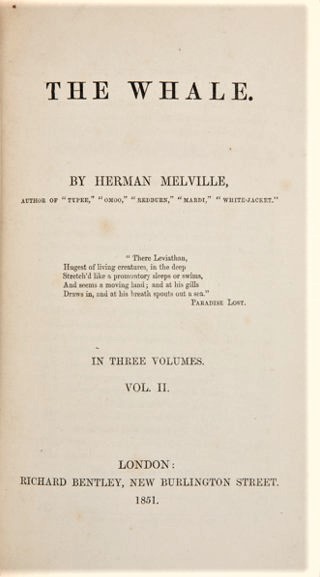
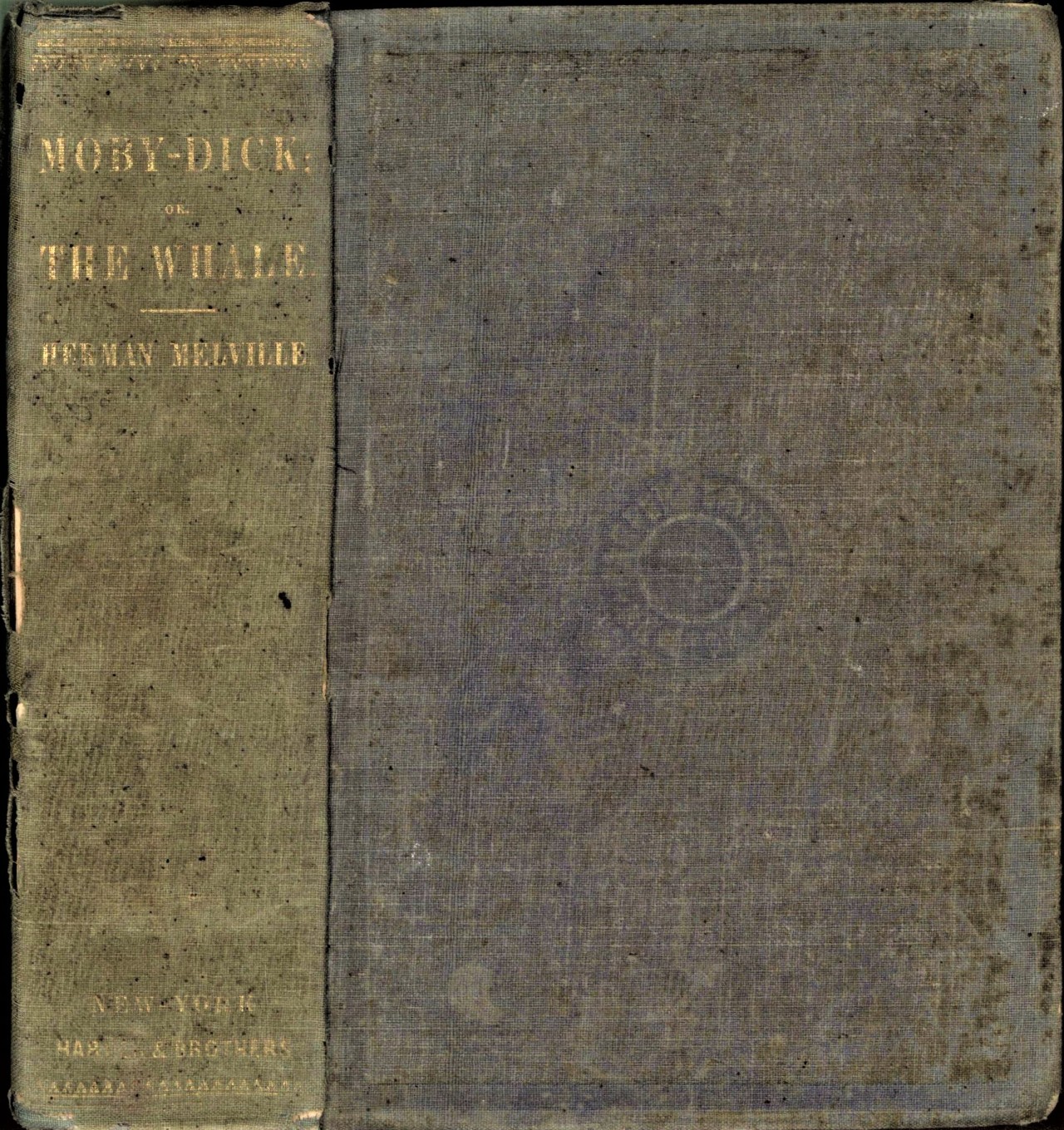
During this week in 1851, Herman Melville’s Moby-Dick was first published as The Whale in three volumes by Richard Bentley in London. Almost one month later in November, the first American edition was published in New York by Harper & Brothers. Although many think of Melville’s classic novel as the “Great American Novel,” Moby Dick was a 19th-century bomb, and only received recognition as a literary icon in the 20th century.

Despite his iconic status now, Melville was not a particularly successful writer during his life. Slow sales of Melville’s previous novels convinced Bentley to reduce the printing The Whale to only 500 copies, and of that, only 300 sold in the first 4 months. The remaining unbound sheets were bound in a cheaper casing in 1852, and in 1853 there were still enough remaining sheets to again bind into an even cheaper edition.


The first American edition had 2,951 copies. About 1,500 sold in 11 days, but then sales slowed to less than 300 the next year. After two years, copies of the first edition were still available, and almost 300 were destroyed in the 1853 fire of Harper’s warehouse.

Although the text for the second printing was printed from the original plates, ordinarily during this time a new title page would be reset to reflect the new printing. However, because of its small run, the number 1 in 1851 on the original plate was simply replaced by a number 5 – in a different font!! Two other small printings of the first edition would follow: 1863 (253 copies) and 1871 (277 copies). The British and American first editions were the only two to be printed in Melville’s lifetime, and only 3,215 copies were sold in the 19th century. Melville earned only $1,260 from the English and American editions, and he died in 1891 an unheralded author.


Posted in Books, History, USA, Writing | Tagged , , | 1 Comment

A Perfect Time To Visit The Haunted Bookshop


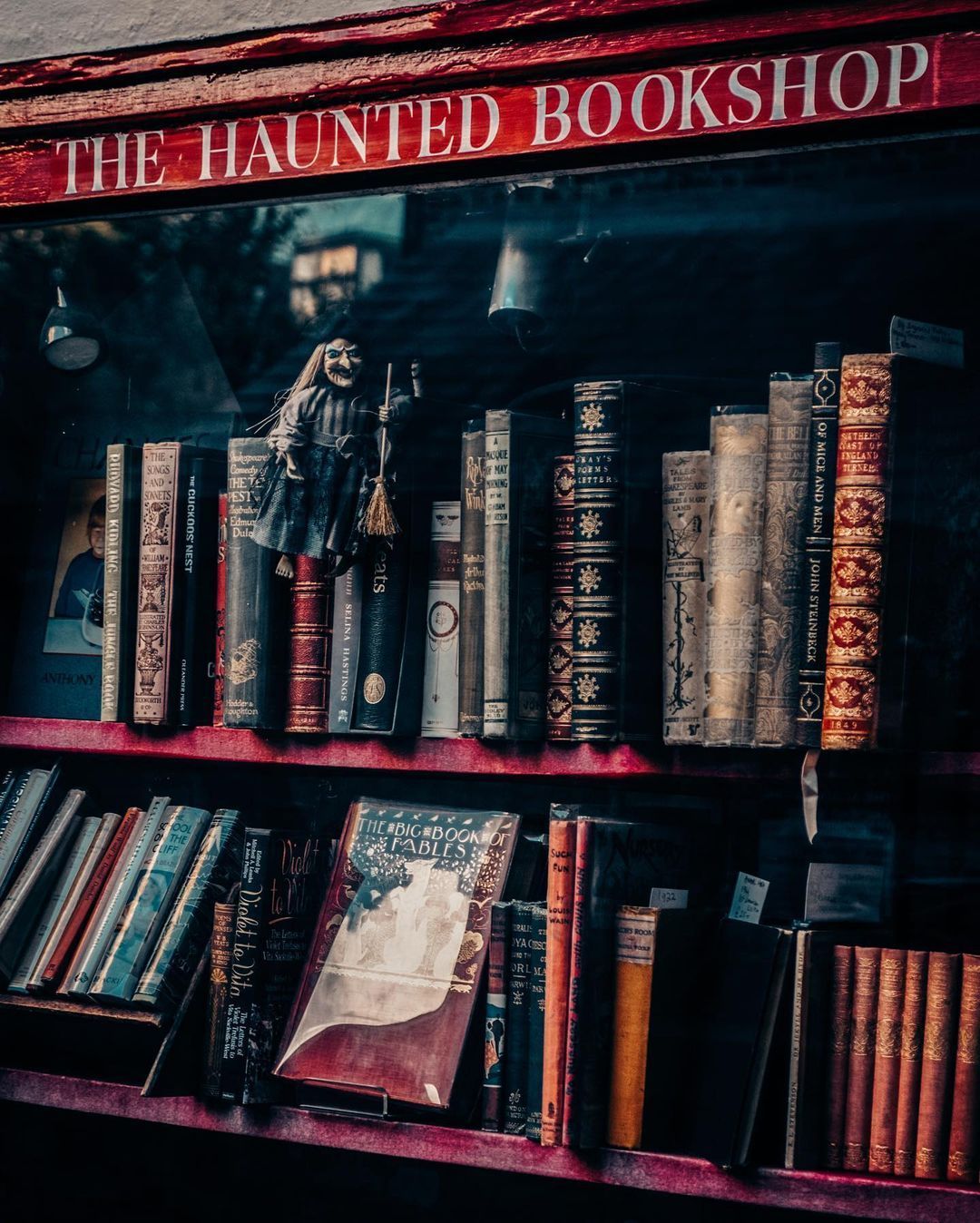
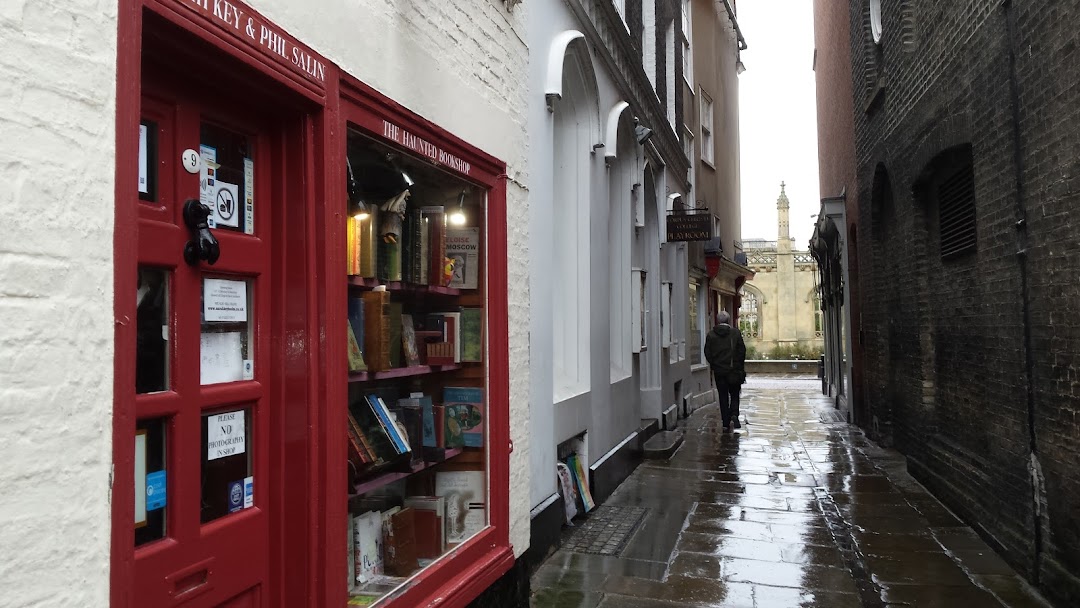
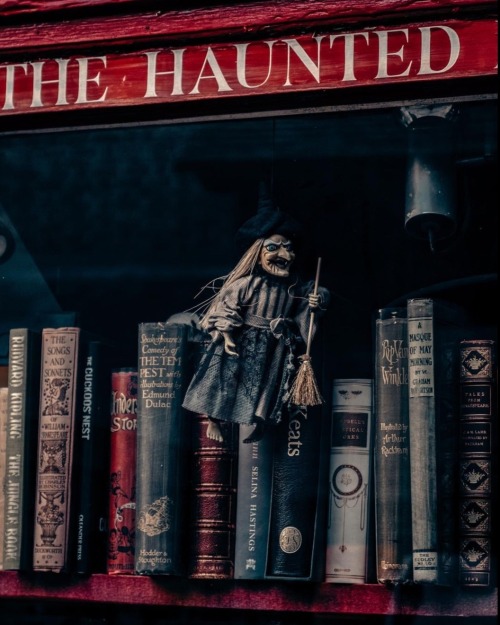
What better time of the year to visited The Haunted Bookshop than at the Halloween season. Located in Cambridge, England and fittingly found down a dark, spooky alleyway, the diminutive bookstore more than lives up to its name. Packed floor to ceiling with secondhand and antiquarian titles, the shop is known for its female spector that appears with the scent of violets and disappears just as quickly.

Overlooked by the historic old St.Edward King and Martyr Church, The Haunted Bookshop dates back to the early 1700s, but didn’t become a bookstore until the 20th century. Over the centuries it has been a private home, an alehouse, and even a residence for Cambridge Univercity students. It came under the current proprietor Sarah Keys ownership in 1994. She now runs her enterprise Sarah Key Books out of the narrow, three story store, specialising in children’s and illustrated books.

While the original bookshop owner frequently saw the ghost of an old man in the basement during his tenure, most booktore browsers report a female apparition dressed in a white gown.


Posted in Books, Bookstore Tourism, Europe, History, Tourism | Tagged , , , , | 4 Comments

Unspoken Autumn

Everything that Acts Is Actual

BY DENISE LEVERTOV
From the tawny light
from the rainy nights
from the imagination finding
itself and more than itself
alone and more than alone
at the bottom of the well where the moon lives,
can you pull me
into December? a lowland
of space, perception of space
towering of shadows of clouds blown upon
clouds over
                  new ground, new made
under heavy December footsteps? the only
way to live?
The flawed moon
acts on the truth, and makes
an autumn of tentative
silences.
You lived, but somewhere else,
your presence touched others, ring upon ring,
and changed. Did you think
I would not change?
                              The black moon
turns away, its work done. A tenderness,
unspoken autumn.
We are faithful
only to the imagination. What the
imagination
             seizes
as beauty must be truth. What holds you
to what you see of me is
that grasp alone.
Denise Levertov, “Everything that Acts Is Actual” from Collected Earlier Poems 1940-1960. Copyright 1949, © 1979 by Denise Levertov.
Posted in Writing | Tagged | Leave a comment