Small is beautiful (bookshop version)

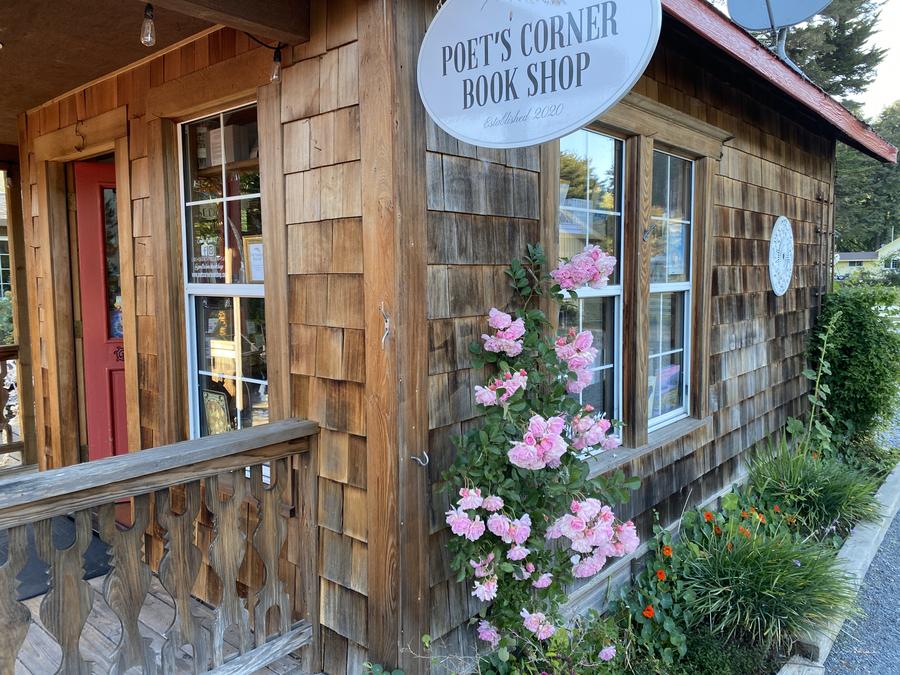
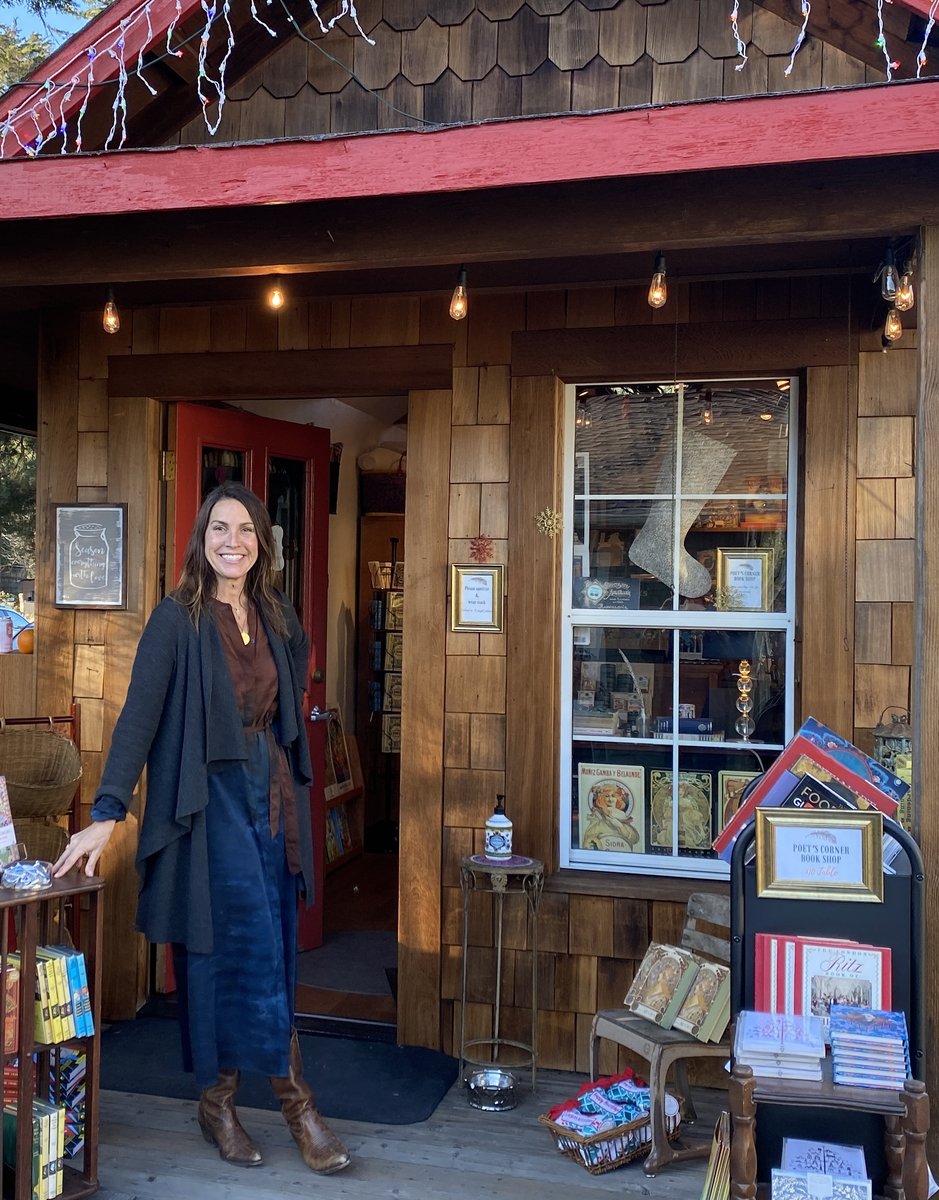
I’ve visited bookstores all over the world, including some really, really small shops. Probably the tiniest of all was Twizel Bookshop in the little New Zealand mountain town of the same name. Here in North America, the cozy Poet’s Corner Book Shop in Sonoma California is now claiming the title of smallest bookstore in America.

Stephanie Culen, owner of Poet’s Corner Book Shop, “decorates” the outside of her tiny, 250 sq. ft. shop, before opening in Duncans Mills on Thursday, September 30, 2021. (Photo by John Burgess/The Press Democrat)

Last year, New York City transplant Stephanie Culen spotted the little 25-square -foot cabin for rent in the village of Duncans Mills and took the bookstore ownership leap. The shop, which carries both new and secondhand books, is nearing its one year anniversary and is thriving.


Posted in Books, Bookstore Tourism, USA | Tagged , | 2 Comments

One Hundred Seconds to Midnight

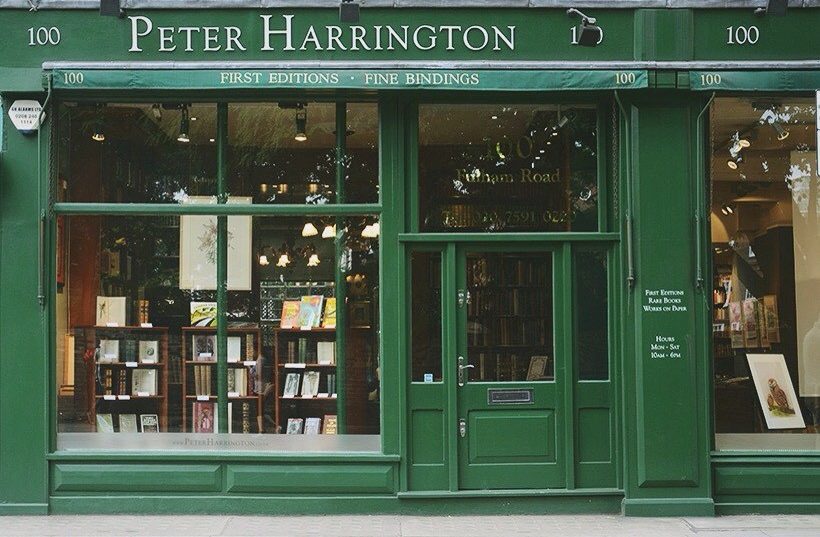
One Hundred Seconds to Midnight is a new collection focusing on the literary and scientific history of climate change dating back to the fifteenth century.  The innovative exhibition will go on display at the London Frieze Masters Art Fair this month in the run-up to the 2021 United Nations Climate Change Conference in Glasgow.

Curated by London rare book dealers Peter HarringtonOne Hundred Seconds to Midnight is an allusion to the current time on the Doomsday Clock, which is continually updated to indicate our proximity to climate catastrophe. The exhibit features 800 first edition books as well as items such as the 1970 board game Ecology (‘The Game of Man and Nature’) and is centered on the core collection belonging to David L. Wenner.

“This important collection is the first on the theme of climate change, the dominant issue of our times,” says Pom Harrington, owner of Peter Harrington. “It has been three years in the making and comprises an astonishing range of museum-grade material, scientific as well as emotional, including magazines which are very hard to get hold of. We hope it will be made available to the public as it could easily go straight into a museum for display.”

The wide-ranging exhibit includes a 1485 first edition on weather forecasting by Frenchman Firmin de Beauval; Mettallum Martis (1665) the earliest printed account of fossil fuel usage by English ironmaster Dud Dudley; and a first edition of influential forestry book Sylva by seventeenth-century diarist and horticulturalist John Evelyn.

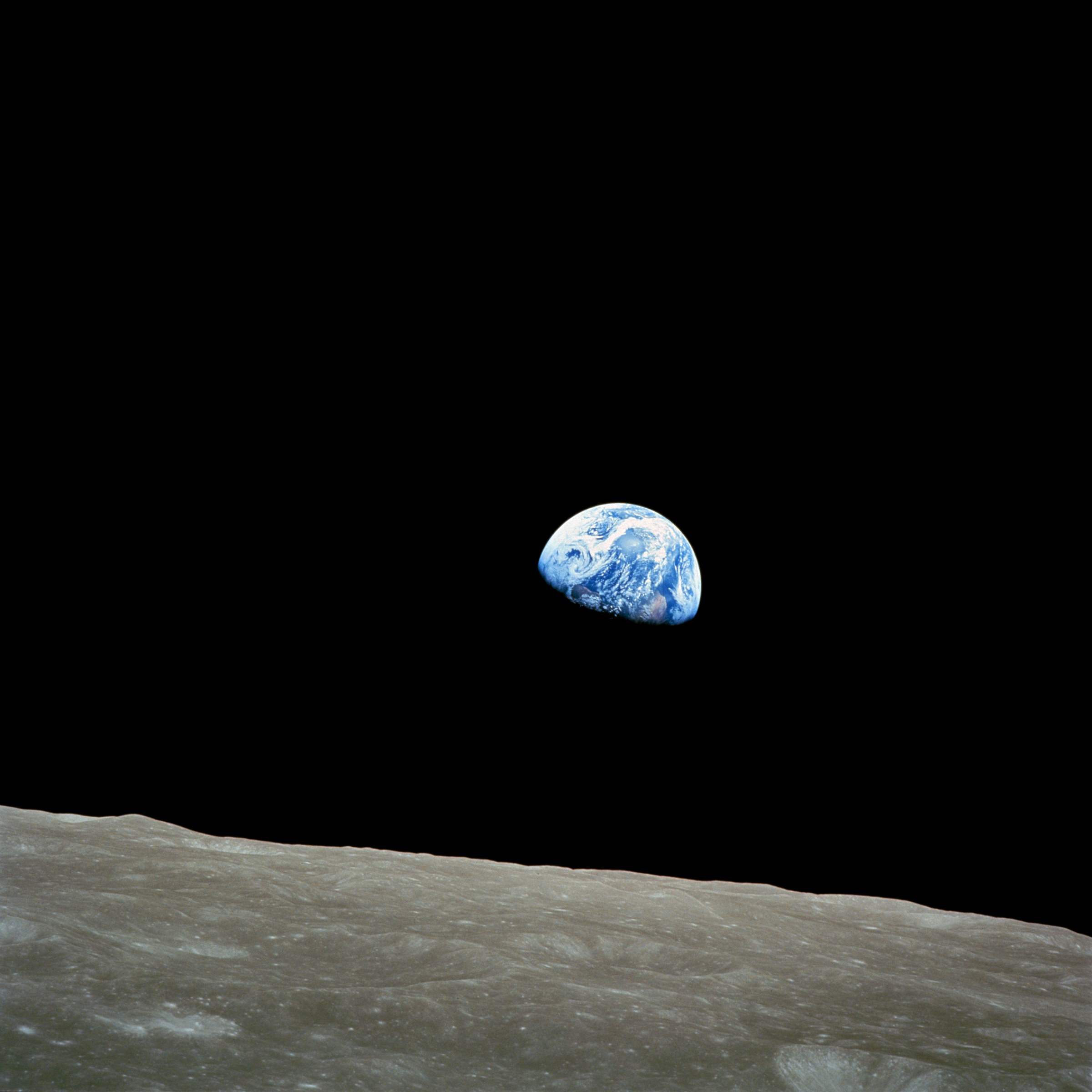
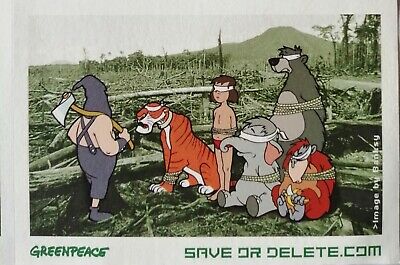
Among the art featured is Earthrise, the first full color photograph of Earth taken by astronaut William Anders during the Apollo 8 lunar mission in 1968; a lithograph of early environmentalist Alexander Humboldt (1769-1859); and Banksy’s Save or Delete poster for a 2002 Greenpeace campaign against deforestation.

A portion of the sale proceeds will go to the conservation charity World Land Trust. There is a special microsite to accompany the collection, an online catalogue, and a video.


Posted in Art, Books, Bookstore Tourism, Europe, History | Tagged , , , | Leave a comment

Rules for Flyers

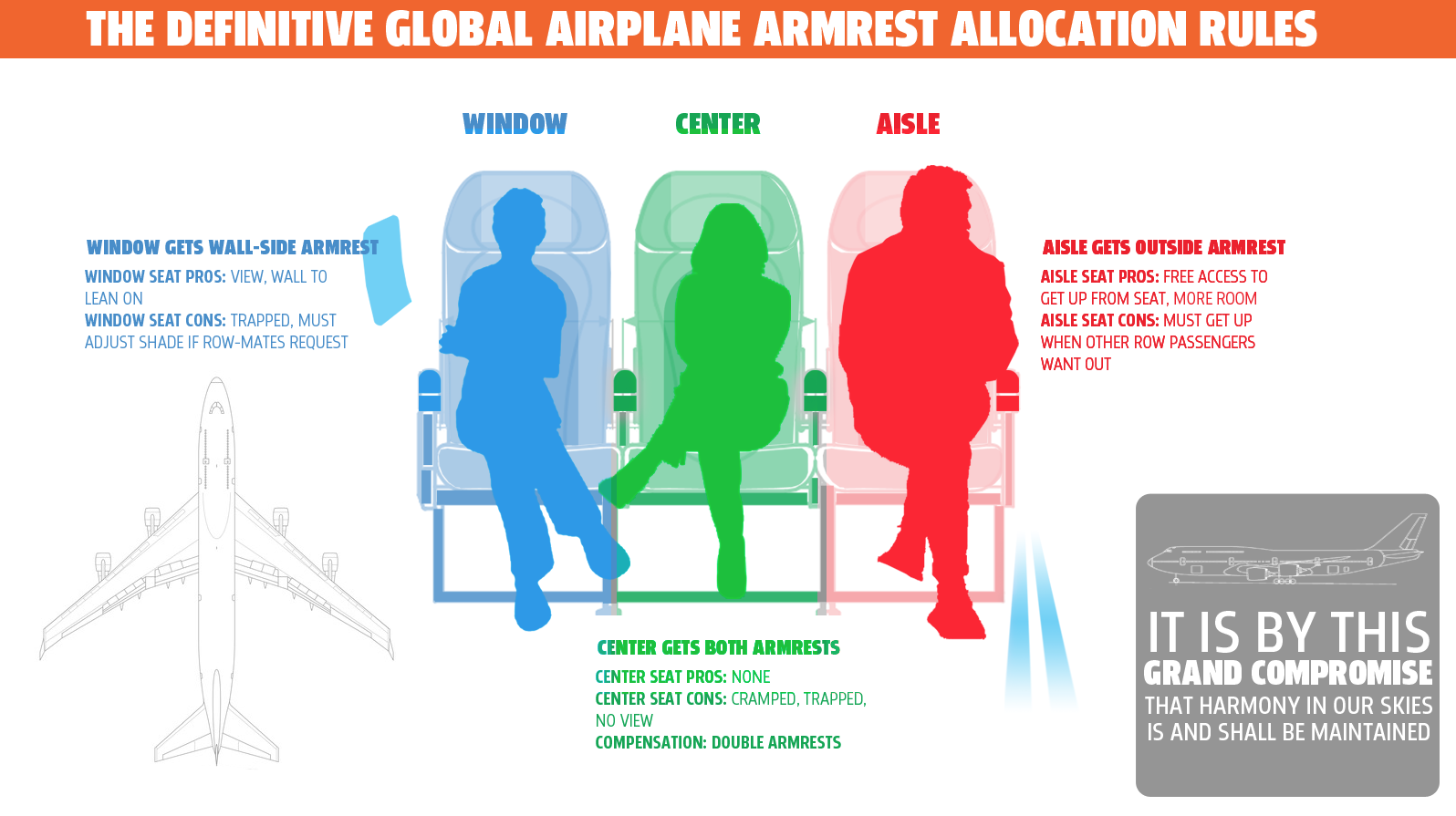
Although I haven’t been in a plane for nearly two years, I still ruminate about proper travel etiquette, such as armrest access. This article from the website Jalopnik settles the ongoing arguement regarding equitable sharing of airliner armrests.

Here’s the straightforward explanation by seat:

Aisle

This seat gets the outside armrest only. The aisle seat enjoys free access to leave the row to use the bathroom, considerable stretching room on the aisle side, and the most open feel of the row.

The responsibilities of the aisle seat are to get up to allow your row-mates access to bathrooms or the rest of the aircraft.

Center

This seat gets the both armrests. The center seat has none of the benefits of the aisle or window, and as such is compensated with the use of both the armrests that border the seat.

It is generally agreed to be the worst seat in the row, and as such deserves the compensatory extra armrest.

Window

This seat gets the wall-side armrest. The window seat has, of course, the window, which reveals the miracle of heavier-than-air flight to those who are still capable of feeling such joys, hence why it’s the most popular seat choice for children. The wall also offers valuable lean-against-to-sleep options, and a modicum of privacy, if you push your face into the wall as you have a phone call or whatever.

The downsides are you’re just as trapped as the middle seat, and you may be asked to adjust the window shade, which you really should comply with if requested reasonably.

Posted in Air Travel, Tourism | Tagged , | 2 Comments

Seeing Into Tomorrow

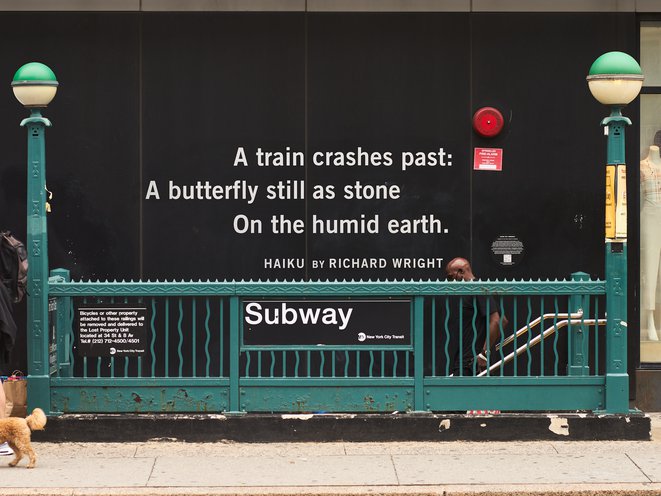
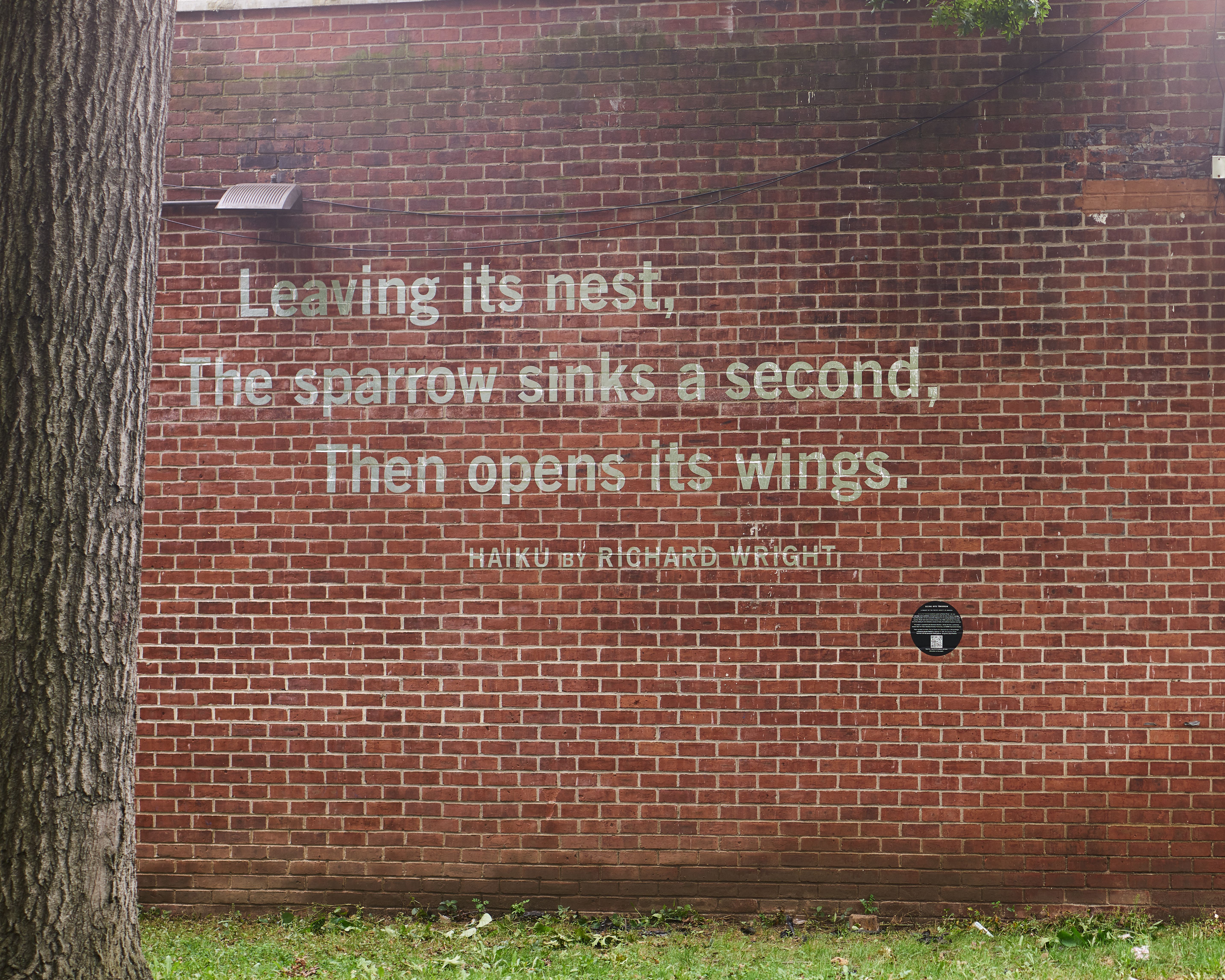
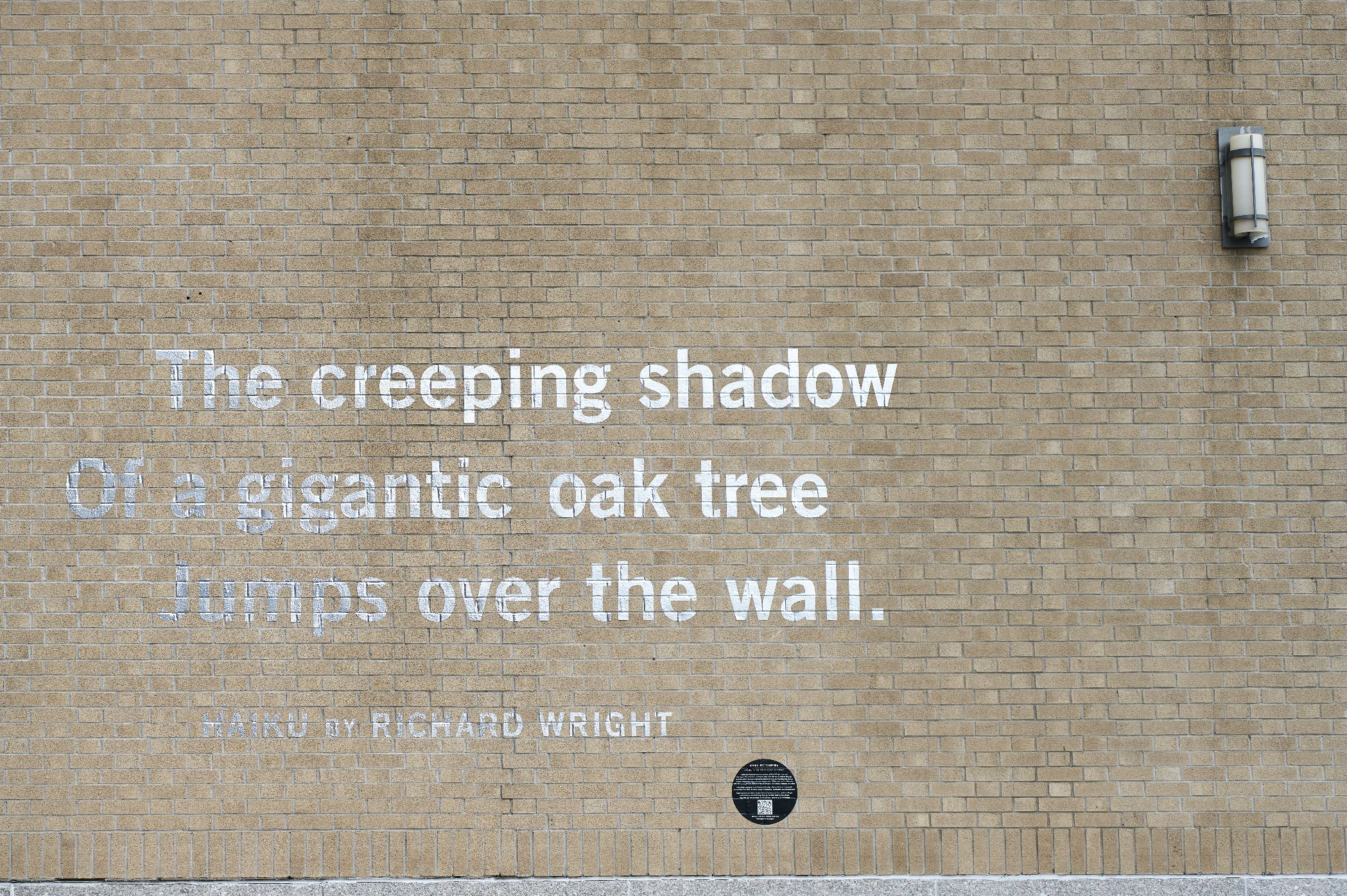
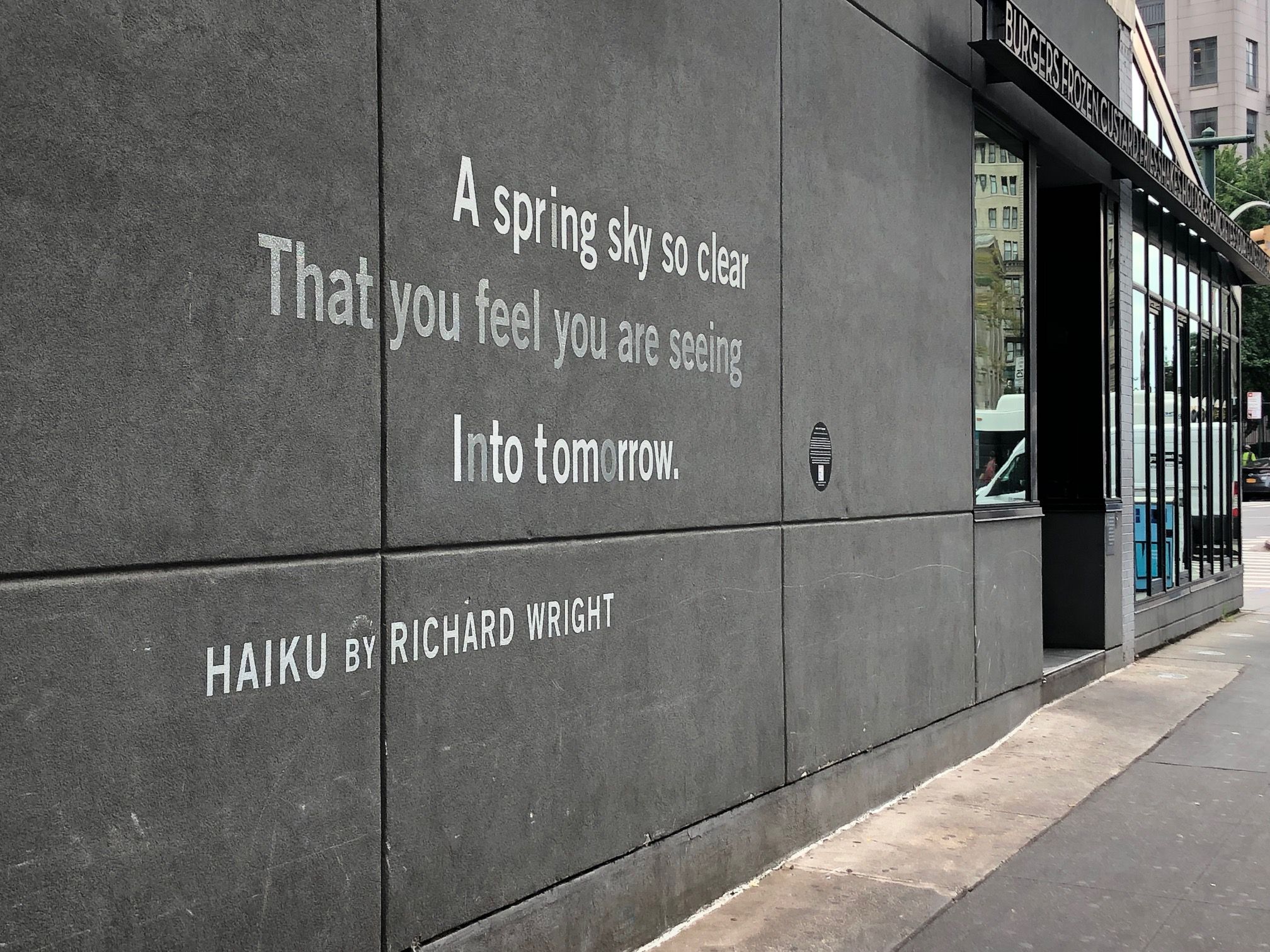
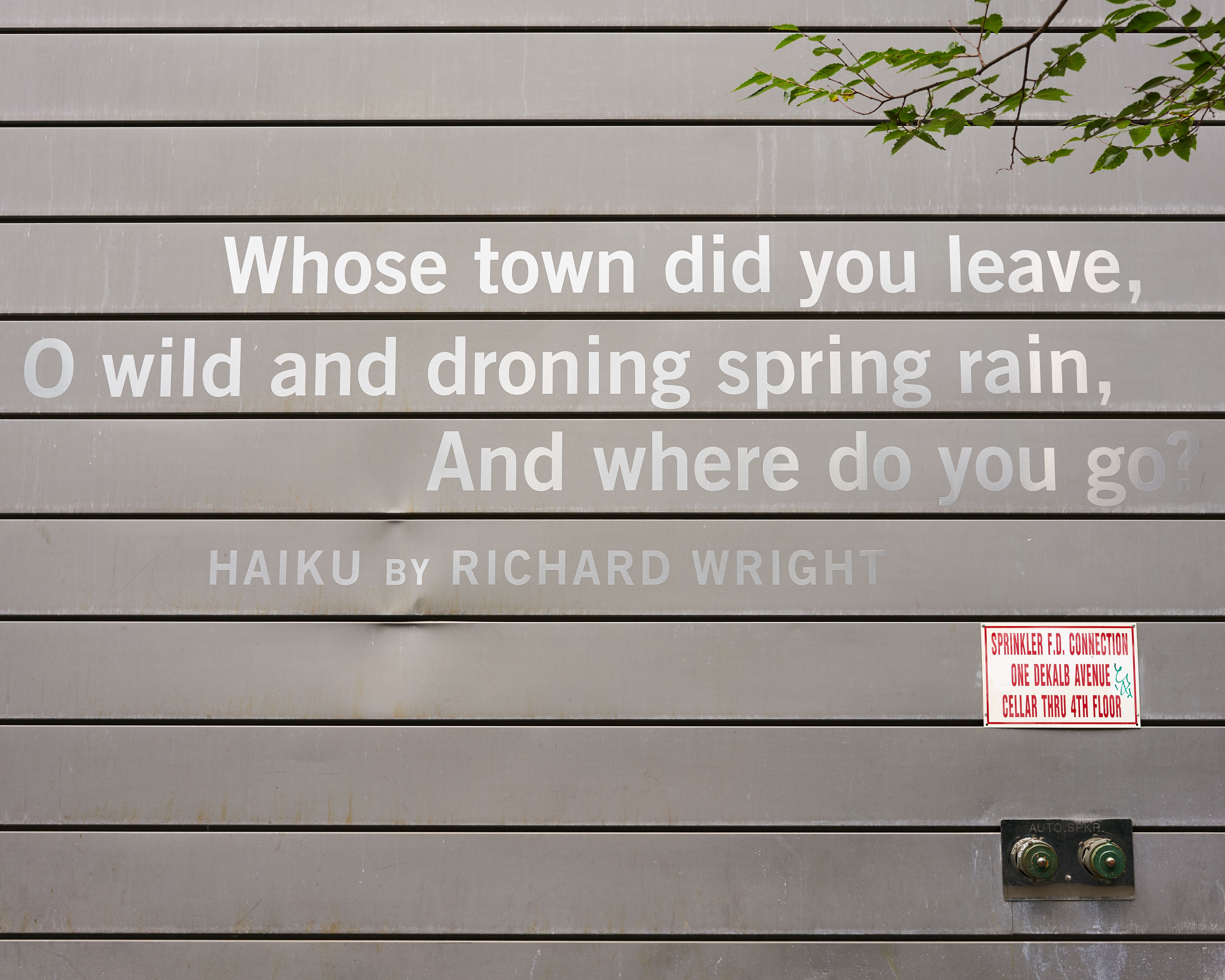
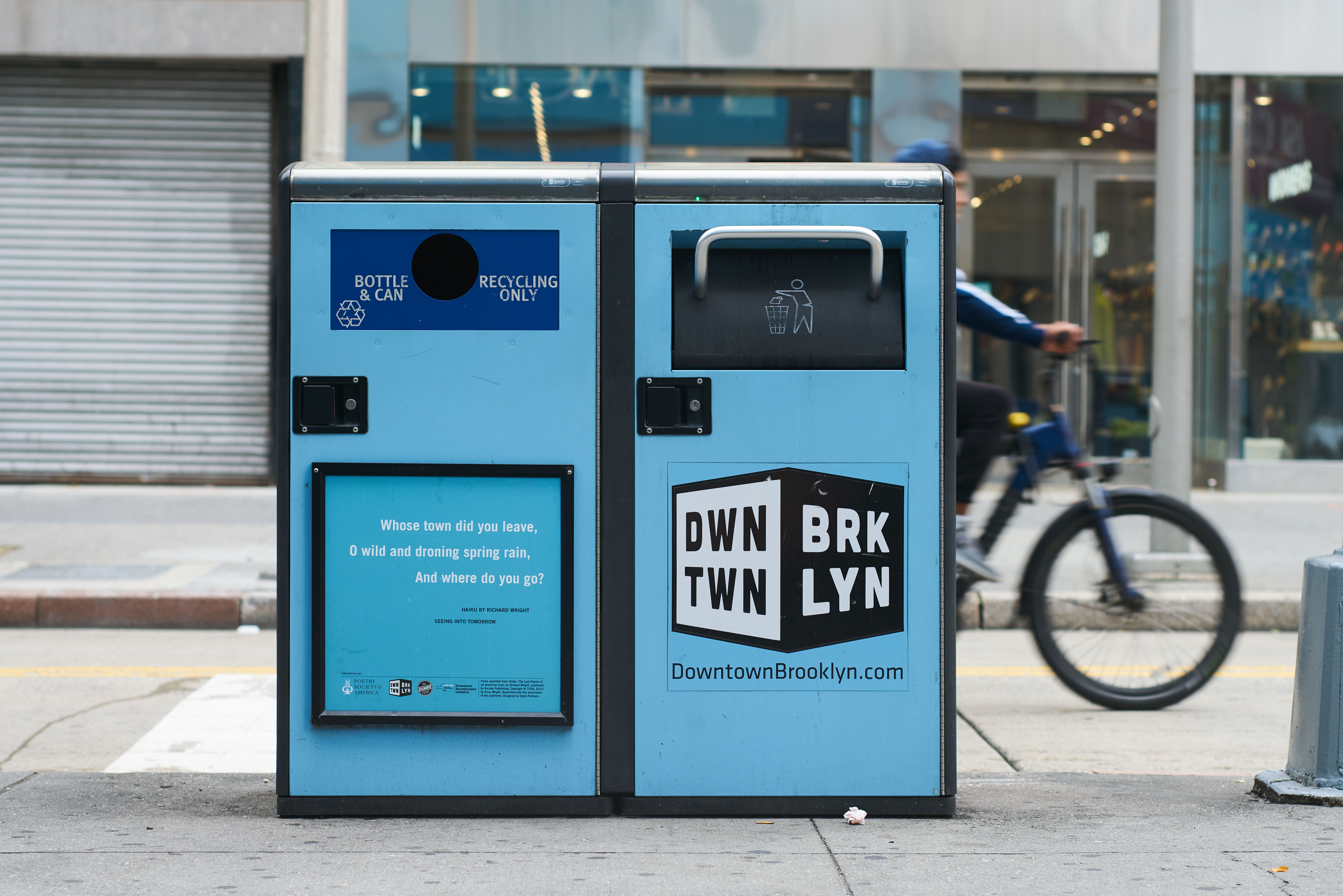
In my early adolescence I was deeply moved by the powerful writings of Richard Wright. It was difficult to imagine that anyone who read his novel Native Son or memoir Black Boy would not be enraged by his depictions of America’s racial injustice. But I didn’t know that Wright also wrote poetry, including thousands of works of haiku. Seeing Into Tomorrow is a wonderful project in Brooklyn, New York that is transforming works by Richard Wright into poetry murals.

Wright spent the two years of his life writing more than 4,000 works of haiku. The author’s 17-syllable poem are surprisingly hopeful and uplifting.

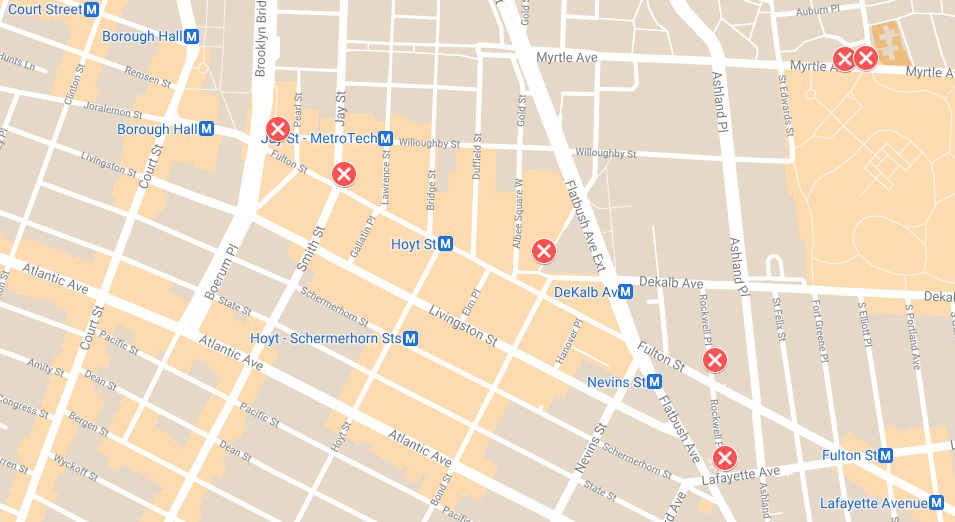
Seeing Into Tomorrow was designed by Doyle Partners  for the Poetry Society of America. The multi-site installation invites viewers to travel through the neighborhoods of Downtown Brooklyn and Fort Greene to discover this lesser known side of one of America’s greatest authors. The mural sites range from the Fulton Mall shopping district to cultural landmark to small stores at the NYCHA Whitman Houses. You can use the map below to visit all the sites.

In the coming weeks,more poems will be added to the project, including haikus on 38 Big Belly recycling bins such as the one below.


Posted in Uncategorized | 1 Comment

“The mystery of life isn’t a problem to solve, but a reality to experience.”

I must admit that I am more than a bit curious to see the latest film version of the sci-fi classic Dune. Although David Lynch’s Dune is regularly panned, I enjoyed it with some reservations when it was first in theaters.

My first exposure to Frank Herbert’s long running saga was courtesy of my local library. I remember borrowing a well-worn copy of the first edition pictured above. And, although I thought that the series was initially brilliant, by book five of the original Frank Herbert books I lost interest.

For the uninitiated, the Dune saga was launched in 1965 when American writer Frank Herbert published Dune. The bestselling novel, set far in the future where intelligent computers have been banned, won the inaugural Nebula Award for best novel in 1965 and the 1966 Hugo Award.

When Frank Herbert died in 1986, his son Brian took over the series, co-writing prequels and sequels with Kevin J Anderson. The franchise is active with Brian Herbert and Anderson regularly releasing new books. Still, the original six books by Frank Herbert remain at the core of the Dune experience for most fans. The books in reading order are, Dune (1965), Dune Messiah (1969), Children of Dune (1976), God Emperor of Dune (1981), Heretics of Dune (1984), and Chapterhouse: Dune (1985).

The Dune saga revolves around the spice melange, which is only found on the desert planet of Arrakis. Melange is a drug that lengthens life, heightens awareness, unlocks visions of the future and facilitates interstellar space travel. However, it is guarded by massive sandworms in a barren desert-style landscape.

Frank Herbert’s challenges in getting the original novel published are worthy of a book in themselves. After rejections from more than twenty publishers, Dune was finally picked up by Chilton Books which was known primarily for publishing car repair manuals for home mechanics.

Over the years, I’ve run across some later printings of the book’s first edition, but nothing that would fetch the $15,000 that first editions of Dune are getting these days.

Posted in Books, Film, movies, USA, Writing | Tagged , , , | 1 Comment

Song of the Open Road

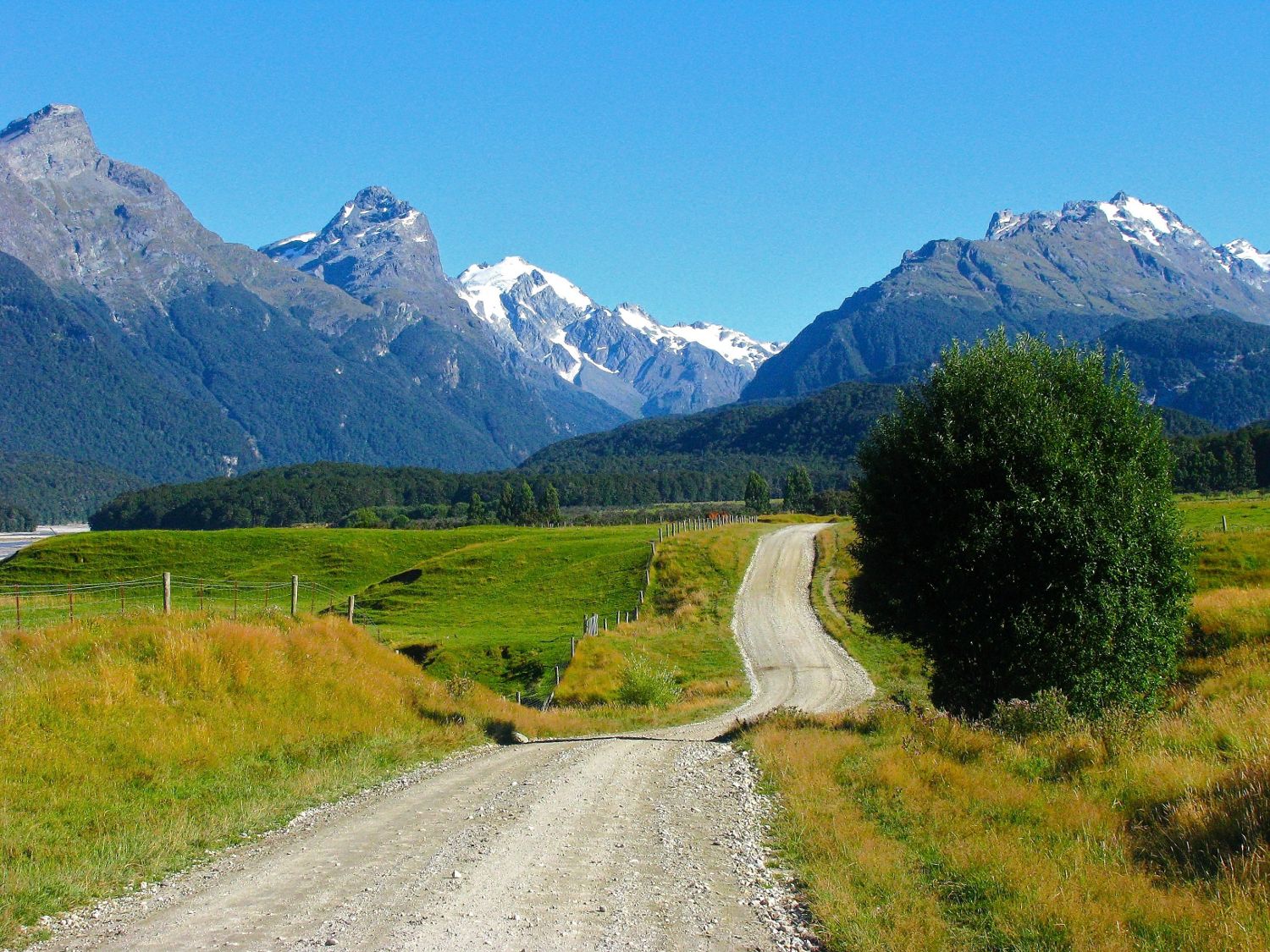
Feeling wistful and nostalgic these days for the open road. What better poet to capture the way of the road than Walt Whitman.

Song of the Open Road, 4

The earth expanding right hand and left hand,
The picture alive, every part in its best light,
The music falling in where it is wanted, and stopping where it is not wanted,
The cheerful voice of the public road, the gay fresh sentiment of the road.

O highway I travel, do you say to me Do not leave me?
Do you say Venture not—if you leave me you are lost?
Do you say I am already prepared, I am well-beaten and undenied, adhere to me?

O public road, I say back I am not afraid to leave you, yet I love you,
You express me better than I can express myself,
You shall be more to me than my poem.

I think heroic deeds were all conceiv’d in the open air, and all free poems also,
I think I could stop here myself and do miracles,
I think whatever I shall meet on the road I shall like, and whoever beholds me shall like me,
I think whoever I see must be happy.


Posted in Books, Tourism, Writing | Tagged , , | Leave a comment

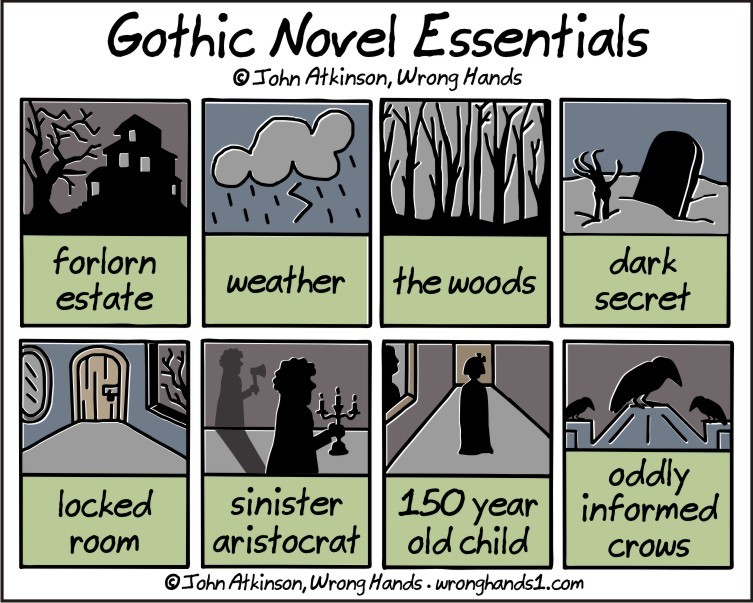
Gothic Essentials


Posted in Art, Books | Tagged , , | Leave a comment

Why Fall Into Autumn

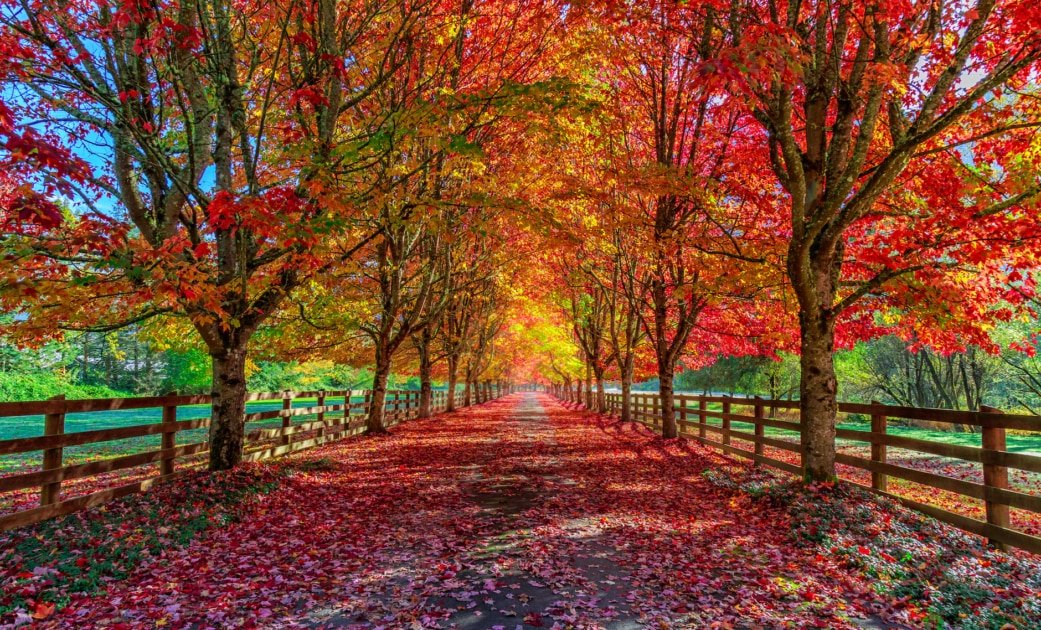
Yesterday’s post got me thinking about why we English speaking folks in North America use both Fall and Autumn to describe the season between Summer and Winter. Why does it have two acceptable and apparantly interchangable names? And why do British speakers of English prefer Autumn to Fall ?

So a little research turned up a reasonable explanation. The earliest term for the season is autumn, which shows up in English in the 14th century. It was derived from the Latin word autumnus. Prior to this period, the season was referred to as Harvest. As this could be both confusing since it might refer to the time of the year and the actual harvesting of agricultural products, autumn was a helpful addition to English. It took another three centuries for the term fall, which described the actual process of leaves falling from trees, to be widely used to designate the intermediary season between Summer and Winter.Even so, Fall didn’t enter the dictionary until 1755.

Still, none of this explains why colonial English speakers seem to have taken up Fall over Autumn. In fact, by the late 19th century, a majority American English speakers and writers appear to have cleaved to Fall. Maybe it was our propensity toward shortcuts or simply intellectual lasitude. These days, Autumn seems to be making a comeback, at least in my region of the continent.


Posted in Europe, History, USA, Writing | Tagged , , | 1 Comment

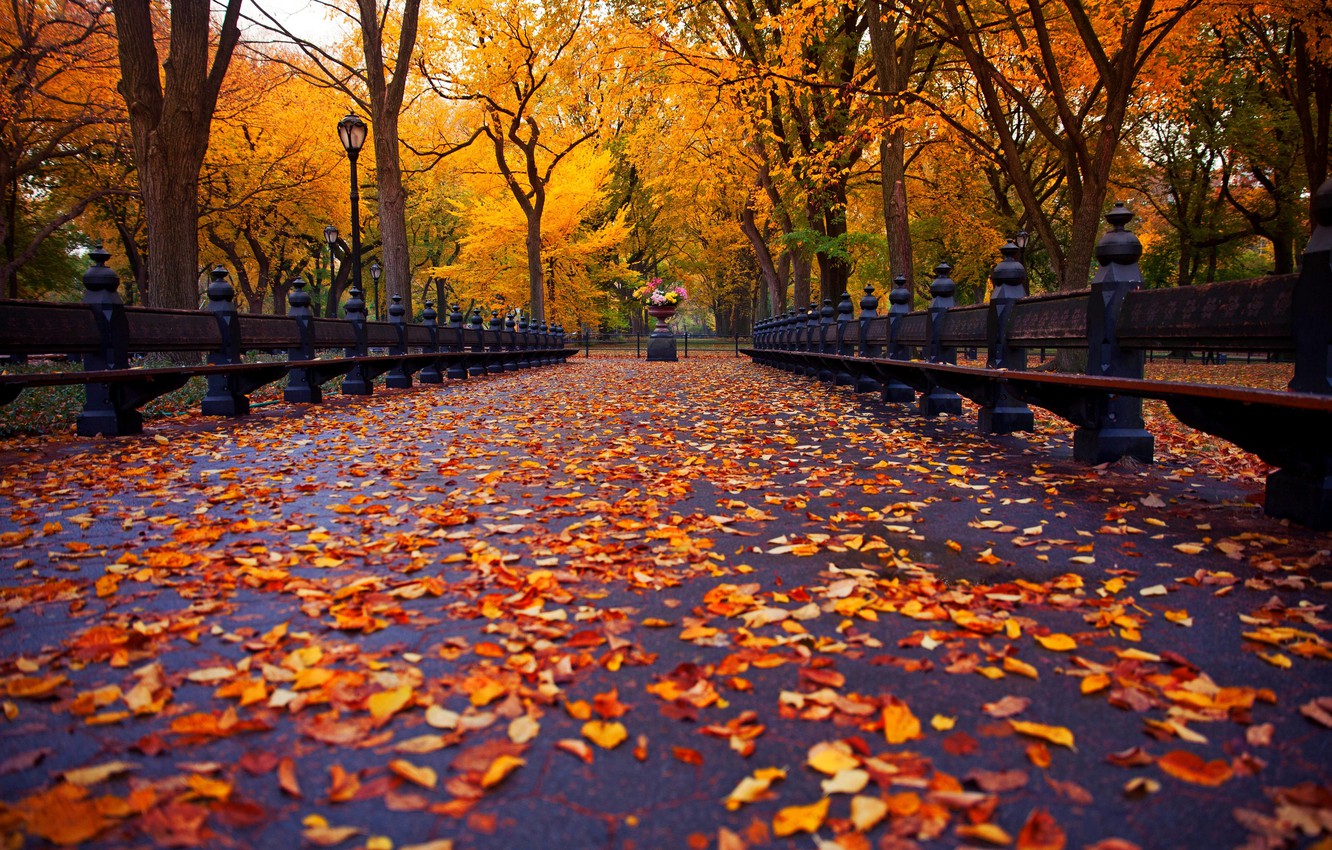
a wistful omen of the first sign of autumn

austice

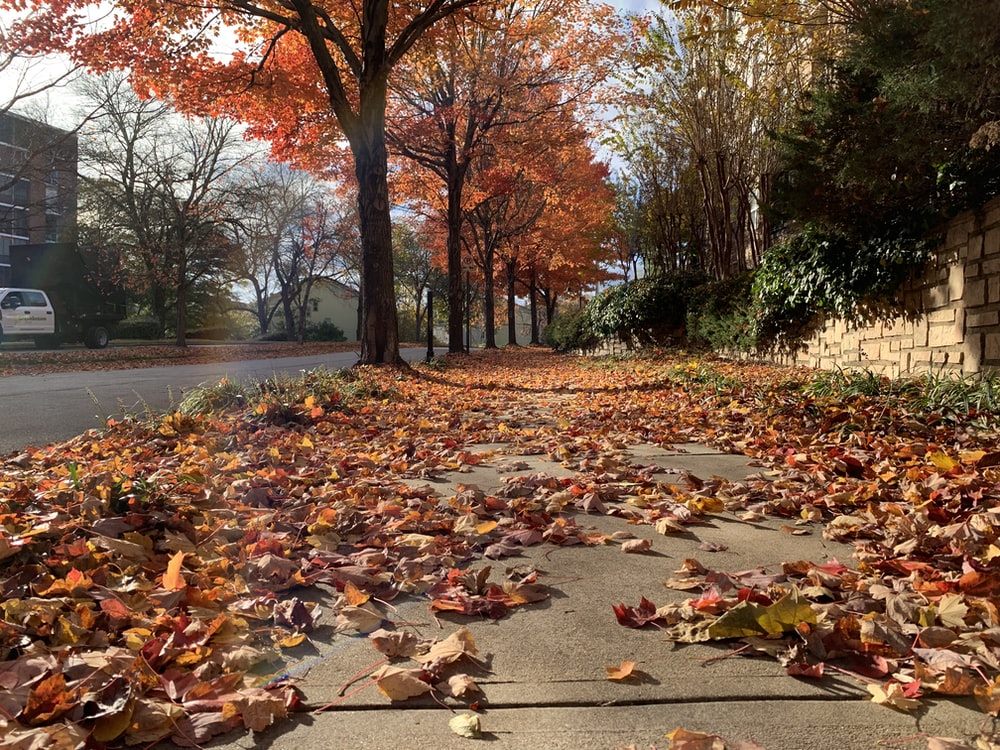
n. a wistful omen of the first sign of autumn—a subtle coolness in the shadows, a rustling of dead leaves abandoned on the sidewalk, or a long skein of geese sweeping over your head like the second hand of a clock.

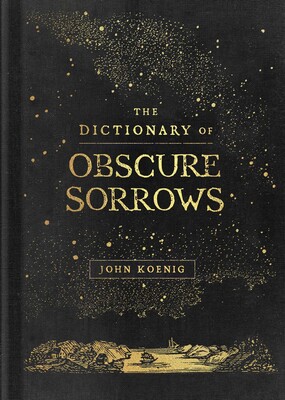
When I first read the word austice last week, it resonated perfectly with the day, the weather, and my mood. You would be forgiven if you are not familiar with the term. In fact, it was made up by John Koenig for his upcoming book The Dictionary of Obscure Sorrows. In recent years, Koenig has been the source for a number of surprisingly apt neologisms that presumably never appeared in English before, such as sonder, monachopsis, jouska,ambedo, and liberosis.

Here’s what Koenig’s publisher has to say about the release of his lastest book:

A truly original book in every sense of the word, The Dictionary of Obscure Sorrows poetically defines emotions that we all feel but don’t have the words to express, until now—from the creator of the popular online project of the same name.

Have you ever wondered about the lives of each person you pass on the street, realizing that everyone is the main character in their own story, each living a life as vivid and complex as your own? That feeling has a name: “sonder.” Or maybe you’ve watched a thunderstorm roll in and felt a primal hunger for disaster, hoping it would shake up your life. That’s called “lachesism.” Or you were looking through old photos and felt a pang of nostalgia for a time you’ve never actually experienced. That’s “anemoia.”

If you’ve never heard of these terms before, that’s because they didn’t exist until John Koenig began his epic quest to fill the gaps in the language of emotion. Born as a website in 2009, The Dictionary of Obscure Sorrows has garnered widespread critical acclaim, inspired TED talks, album titles, cocktails, and even tattoos. The Dictionary of Obscure Sorrows “creates beautiful new words that we need but do not yet have,” says John Green, bestselling author of The Fault in Our Stars.

By turns poignant, funny, and mind-bending, the definitions include whimsical etymologies drawn from languages around the world, interspersed with otherworldly collages and lyrical essays that explore forgotten corners of the human condition—from “astrophe,” the longing to explore beyond the planet Earth, to “zenosyne,” the sense that time keeps getting faster.

The Dictionary of Obscure Sorrows is for anyone who enjoys a shift in perspective, pondering the ineffable feelings that make up our lives, which have far more in common than we think. With a gorgeous package and beautifully illustrated throughout, this is the perfect gift for creatives, word nerds, and people everywhere.


Posted in Books, USA, Writing | Tagged , , , | 1 Comment

Nothing is more important than an unread library

“Collect books, even if you don’t plan on reading them right away. Nothing is more important than an unread library.”
― John Waters, director, author & national treasure


Posted in Books, Film, Libraries, Uncategorized | Leave a comment