Don’t Judge This Book By Its Covers

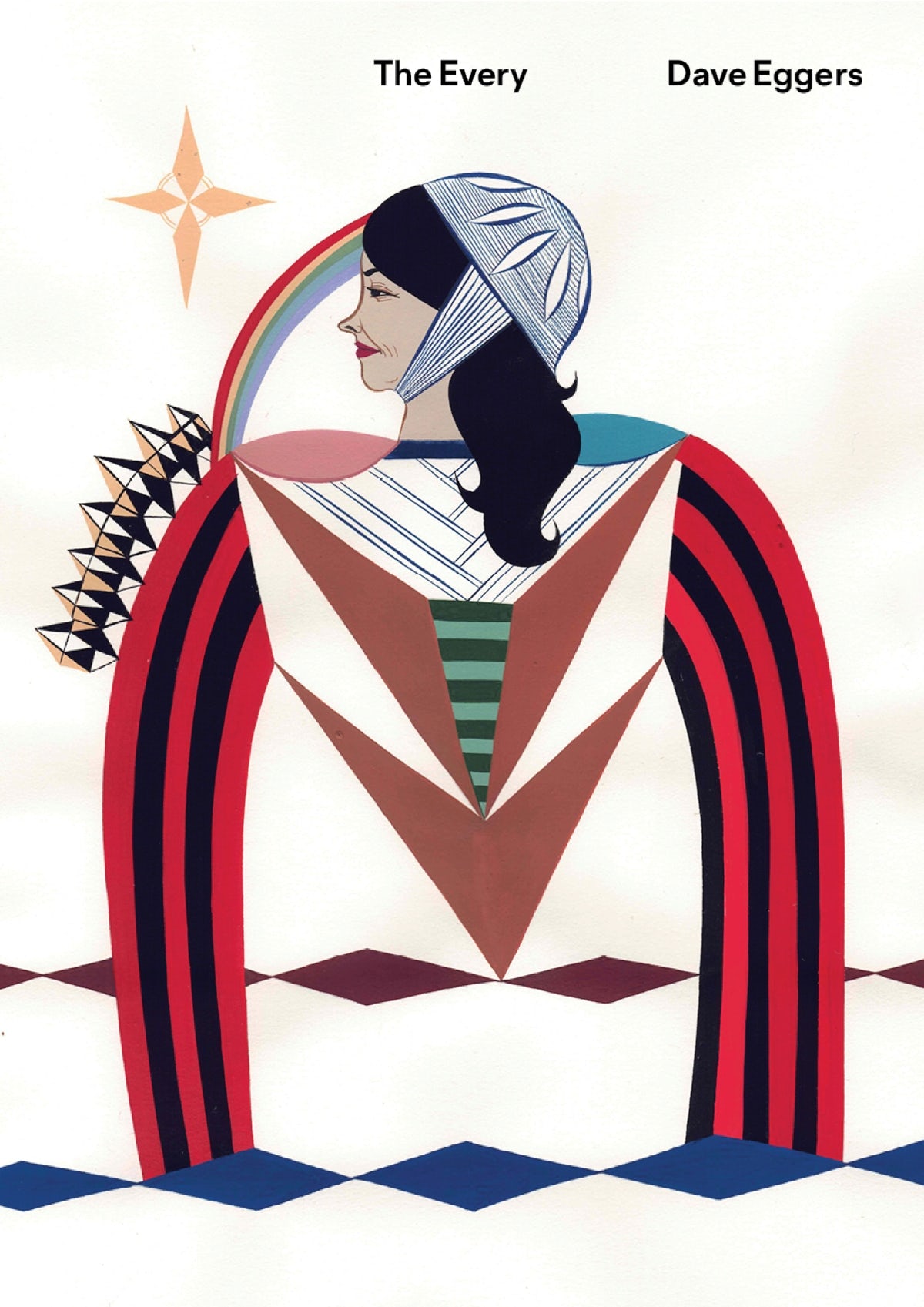
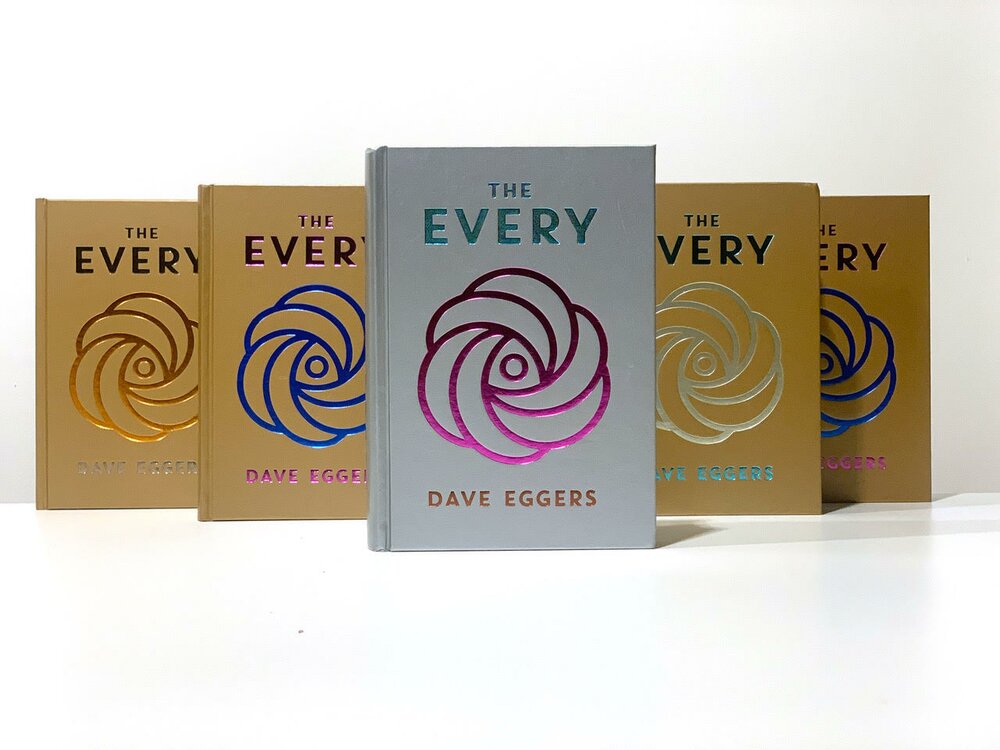
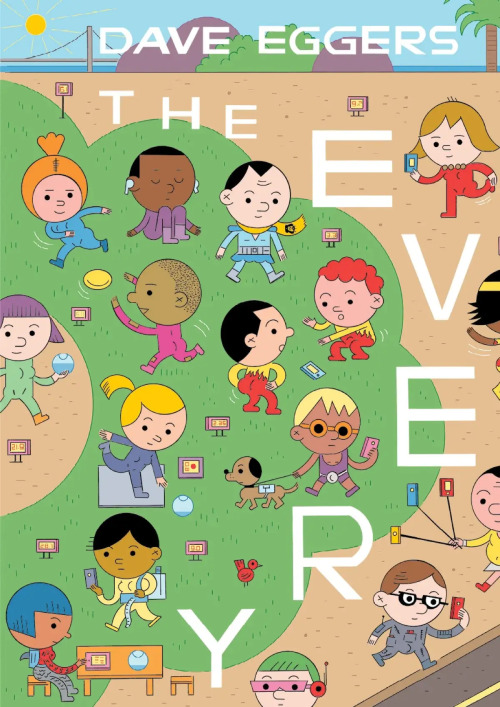
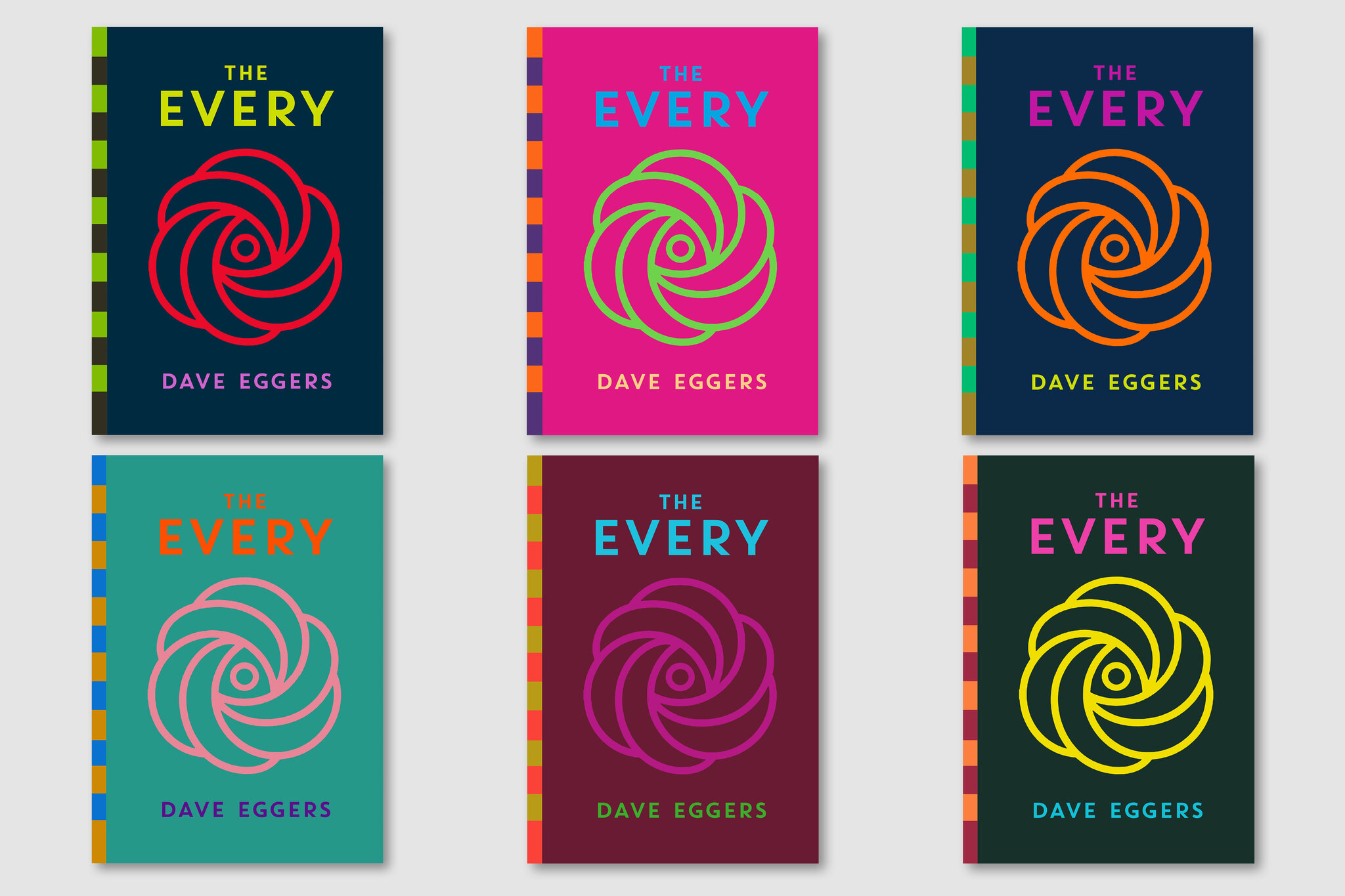
I’ve been looking forward to Dave Eggers’ follow-up to his best-selling tech novel The Circle and now its been released with an added surprise. His new book , The Every , is a sequel to his previous novel which skewered Facebook, Google and Amazon and with it comes 32 new artworks to adorn the cover. The publisher he founded, McSweeney’s, is releasing the book, and it states on their website that the hardcover version of the novel will boast a “dizzying, ever-expanding, and entirely randomized array of cover variations” for years to come.

Eggers commissioned art director Sunra Thompson for the project, who found that the dust jacket printer they were using could run different cover designs on one sheet of paper at once, offering the opportunity to print dozens of different versions at the same time. Thompson decided to take full advantage this printing feature and hired a wide array of artists to design a completely new version of The Every cover. Each cover artist received an advance copy of the book along with a short description. Some designers created entirely new works and others used existing pieces that they felt connected to the story.

The story of The Every follows similar themes to The Circle – human nature, power dynamics, how we interact as a society under surveillance, and the technology of late-stage capitalism.

Eggers’ new book in hardcover is only available at McSweeney’s (the author’s own publishing company) and select indie bookstores. The novels are randomly distributed, meaning that bookshops won’t know which covers they’ll get. The author has refused to allow the hardcover copies to be sold on Amazon, but seems OK with Bezos selling the paperback version for some reason.

Posted in Art, Books, Tech, USA, Writing | Tagged , , , | 1 Comment

Bibliotherapy, Journaling, and Some Bloodletting

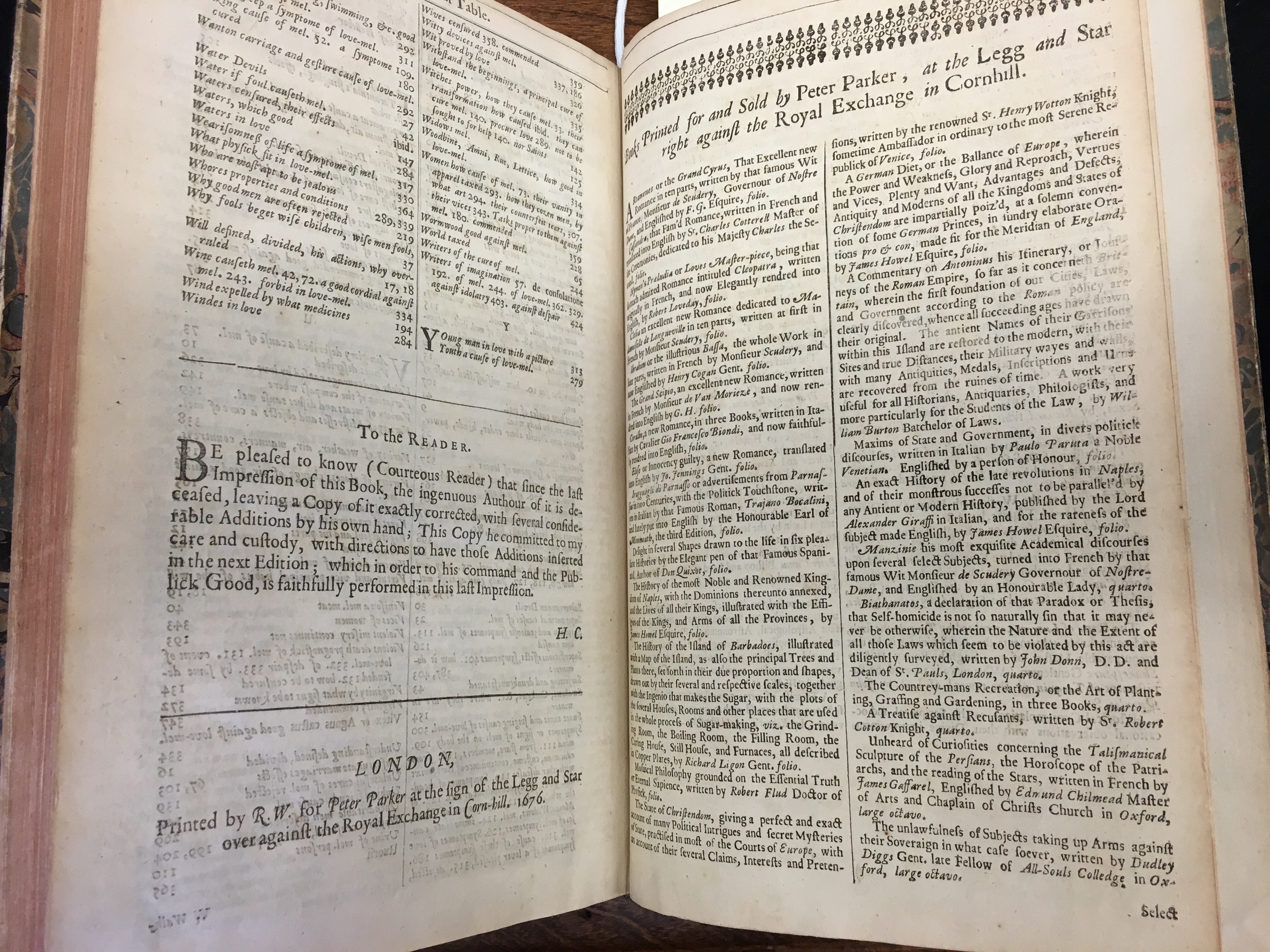
Early in the 17th century,Oxford University scholar Robert Burton published what is now considered to be the first English language self-help manual, The Anatomy of Melancholy. The book offers Burton’s ideas on the nature and symptoms of melancholy or depression, as well as his notions for curatives such as  exercise and diet, but also bibliotherapy, journaling, and selective bloodletting.

The University of Oxford’s Bodleian Library is now showing an exhibition on the book called  Melancholy: A New Anatomy. This exhibition explores the broad range of early modern therapies and treatments for melancholy and also shows the surprising similarities with modern approaches. The nature of – and evidence-base for – modern therapies may have changed, but they often bear a remarkable resemblance to those first suggested by Robert Burton 400 years ago: from the suggestion to ‘be not solitary, be not idle’ to looking for “Mirth and merry Company.”

The  Bodleian Library exhibition brings together a diverse group of academics from the university’s departments of psychiatry, English, and clinical neurosciences to explore the surprising parallels between Burton’s seventeenth-century treatise and modern-day research into mental health. Bibliotherapy (therapeutic reading) and scriptotherapy (therapeutic writing) are two cited examples of concepts that might seem new but, as Burton proves, have a long history.

Melancholy: A New Anatomy is on view through March 20, 2022.

!title!
AuthorBurton, Robert, 1577-1640.
TitleThe anatomy of melancholy, what it is. : With all the kindes, causes, symptomes, prognostickes, and severall cures of it. : In three maine partitions with their seuerall sections, members, and subsections. : Philosophically, medicinally, historically, opened and cut up. / By Democritvs Iunior. ; With a satyricall preface, conducing to the following discourse. !ocr!
The Argument of the Frontifpiece.
TEn diftind Squares here feen apart. 6 Beneath them kneeling on his knee,
ASuperftitious man you fee :
He fafts, prayes, on his Idol fixt,
Tormented hope and fear betwixt :
For hell perhaps he takes more pain,
Then thou doft heaven it felfto gain.
Alas poor Sonl, I pitie thee,
what ftars incline thee fo to be?
¬En
Are joyn’d in one by Cutters at.
I old Democritus #nder a tree,
Sits on a ftone with book on knee;
About him bang there many features,
of Cats, Dogs, and fuch like creatures,
of which he makes Anatomy,
The feat of black choler to fe.
Over bis head appears the skie,
And Saturn Lord of melancholy.
3elotiria
Democrifus Abderites
Selitude
ΤHE
7 Bxt fee the Madman rage down right
With furious looks, a gafily fght.
Naked in chains bound doth he lie,
And roars amain he knows not why?
obferve him; for as in a glafs,
Thine angry portraiture it wis.
His picture keep ftill in thy prefence;
Iwixt him and i hee, ther’s no difference.
ΑΝΑΤΟMY
MELANCHOLY.
What it is, with all the hines causes,
Sympfomes. Prognostichas, & Saurall cures of it,
In three Partifions,with their severall
Sections, members & sublections,
OF
2 Tot h’ left a landskip of Jealoufie,
Prefents it felfe unto thine ey e.
A King fifber, a Swan, an Hern,
Two fighting Cocks you may difcern ;
Two roaring Bu lls each other hie,
To affault concerning Venery.
Symboles are thefe dey nomon Soveraign plants to purge tbe veins
Philesyphically, maicinally,
CHitorically, gend & cut ye.
By
89 Borage and Hellebor fill two fcenes,
Conceive the reft by that’s afore.
3 The next of Solitarinefs,
A portraiture doth well exprefs,
By fleeping dog, cat: Buck and Do,
Hares, Conies inthe defart go :
Fats, Omls the fbady bawers over,
In melancholy darkneffe hover.
Mark well : If’t be not as’t fhould be,
Blame the bad Cutter, and not me.
of melancholy,and chear the heart,
of thofe black fumes which make it fmart;
To clear the Brain of mifty fogs,
which dull our fenfes, and Sonl clogs.
The beft medicine that ere God made
For this malady ifwell affaid.
Democrifus Junior .
Qeith a Sabyricah GPrefae, Conducing
fo the followring Discourse.
The SeuentiEdriéion, correttd and
augmentd by the Author.
Omne tulit prunétum, qui miscnit vtile ulei.
10 Now laft of all to fill a place,
Prefented is the Authors face;
And in that habit which he wears,
Fnamorato
Hipocoridriacus
4 Ith under Columne there dotb ftand His Image to the world appears.
Inamoratowith folded band;
Dorn hangs bis head, terfe and polite, That by bis writingsyou may guefs.
Some ditty fure be doth indite.
His lute and books about bim lie,
As fymptomes of his vanity.
If this do not enough difclofe,
To paint bim, take thy felf by th’ nofe.
7Co.h
His mind no art can well exprefs,
It was not pride, nor yet vain glory,
(Though others doe it commonly)
5 Hypocondriacus leans on his ar.,
Wind in bis fide doth him much harm,
And troubles him full fore God knows,
Much pain he hatb and many woes.
About him pots and glaffes lie,
Newly bronght from’s Apothecarg.
This Saturn’s afpects fignifie,
Tou fee them portraid in the skie.
Made bim do this : if you muft know,
The Printer would needs have it fo.
Then do not fromn er fcoffe at it,
Deride not, or detract a whit.
For furely as thou doft by him,
He will doe the fame again.
Then look upon’t, bebold and fee,
As thou lik t it, ſo it likes thee.
Superstitiofis.
Demoerifus
Funior
Maniacus
And I for it will ft and in view,
Thine to command, Reader Adiew.
London
Printed for H: Cripps and areto befold
at his Shop in Popes-head Allie
and by E: Wallis at the Hors fho
in the Old Baley.
660
Borago
Helleborus
PERA

Posted in Books, Europe, History, Libraries, Writing | Tagged , , , , , | Leave a comment

Graphic Lessons on the Twentieth Century

When Dr. Timothy Snyder’s powerful book  On Tyranny: Twenty Lessons from the Twentieth Century was published in 2017, I was a vocal evangelist for the book and its message. Now, the Yale history professor has released an updated and illustrated edition. Designed and illustrated by Nora Krug, the book utilizes historical imagery to emphasize the relationships between political events of the past and present, and to underscore that our future is deeply rooted in our history. “More importantly,” she explains, “this combination of mediums allows me to admit to the fact that we don’t exist in a vacuum, that we can only exist in relationship to the past, that everything we think and feel is thought and felt in reference to it, that our future is deeply rooted in our history, and that we will always be active contributors to shaping how the past is viewed and what our future will look like.”

This graphic history lesson would make an excellent gift for young people grappling with the current political crisis. Get it from your indie bookseller, or from Bookshop.org .

Posted in Art, Books, Europe, Freedom of Speech, History, USA, Writing | Tagged , , | 2 Comments

The Great American Novel ?

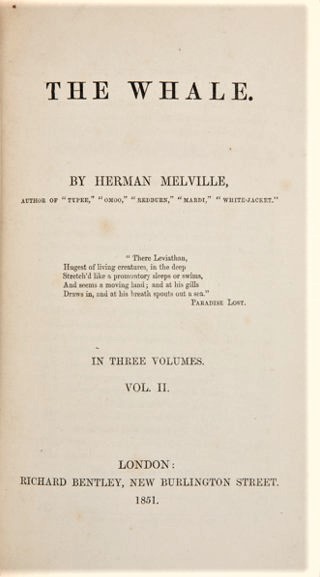
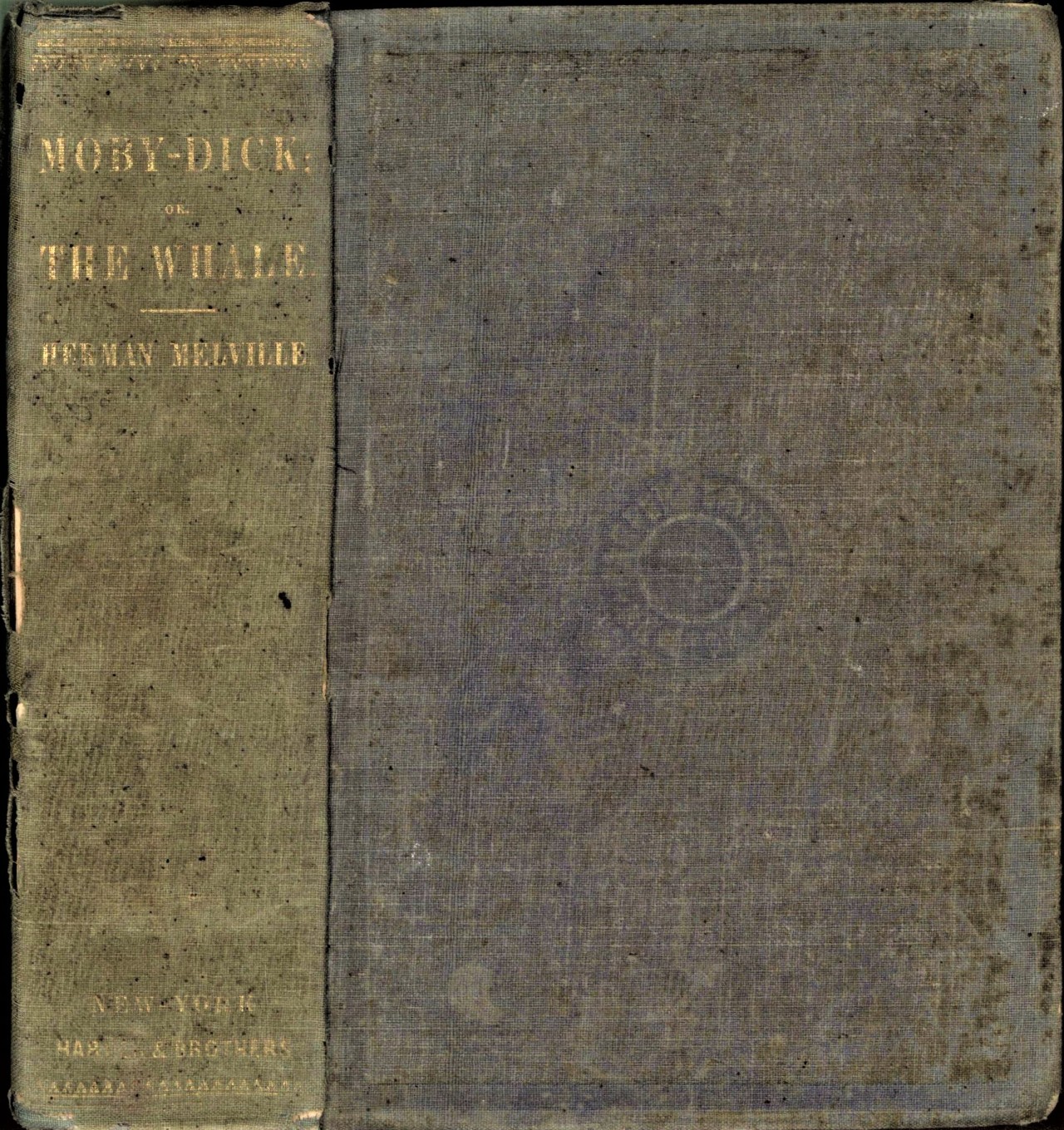
During this week in 1851, Herman Melville’s Moby-Dick was first published as The Whale in three volumes by Richard Bentley in London. Almost one month later in November, the first American edition was published in New York by Harper & Brothers. Although many think of Melville’s classic novel as the “Great American Novel,” Moby Dick was a 19th-century bomb, and only received recognition as a literary icon in the 20th century.

Despite his iconic status now, Melville was not a particularly successful writer during his life. Slow sales of Melville’s previous novels convinced Bentley to reduce the printing The Whale to only 500 copies, and of that, only 300 sold in the first 4 months. The remaining unbound sheets were bound in a cheaper casing in 1852, and in 1853 there were still enough remaining sheets to again bind into an even cheaper edition.


The first American edition had 2,951 copies. About 1,500 sold in 11 days, but then sales slowed to less than 300 the next year. After two years, copies of the first edition were still available, and almost 300 were destroyed in the 1853 fire of Harper’s warehouse.

Although the text for the second printing was printed from the original plates, ordinarily during this time a new title page would be reset to reflect the new printing. However, because of its small run, the number 1 in 1851 on the original plate was simply replaced by a number 5 – in a different font!! Two other small printings of the first edition would follow: 1863 (253 copies) and 1871 (277 copies). The British and American first editions were the only two to be printed in Melville’s lifetime, and only 3,215 copies were sold in the 19th century. Melville earned only $1,260 from the English and American editions, and he died in 1891 an unheralded author.


Posted in Books, History, USA, Writing | Tagged , , | 1 Comment

A Perfect Time To Visit The Haunted Bookshop


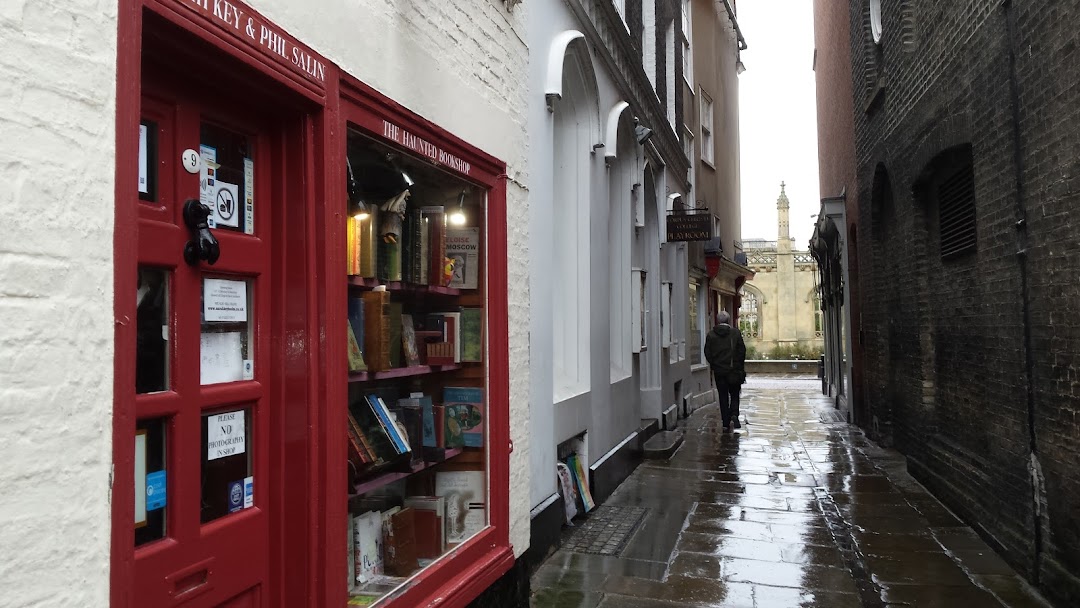
What better time of the year to visited The Haunted Bookshop than at the Halloween season. Located in Cambridge, England and fittingly found down a dark, spooky alleyway, the diminutive bookstore more than lives up to its name. Packed floor to ceiling with secondhand and antiquarian titles, the shop is known for its female spector that appears with the scent of violets and disappears just as quickly.

Overlooked by the historic old St.Edward King and Martyr Church, The Haunted Bookshop dates back to the early 1700s, but didn’t become a bookstore until the 20th century. Over the centuries it has been a private home, an alehouse, and even a residence for Cambridge Univercity students. It came under the current proprietor Sarah Keys ownership in 1994. She now runs her enterprise Sarah Key Books out of the narrow, three story store, specialising in children’s and illustrated books.

While the original bookshop owner frequently saw the ghost of an old man in the basement during his tenure, most booktore browsers report a female apparition dressed in a white gown.


Posted in Books, Bookstore Tourism, Europe, History, Tourism | Tagged , , , , | 4 Comments

Unspoken Autumn

Everything that Acts Is Actual

BY DENISE LEVERTOV
From the tawny light
from the rainy nights
from the imagination finding
itself and more than itself
alone and more than alone
at the bottom of the well where the moon lives,
can you pull me
into December? a lowland
of space, perception of space
towering of shadows of clouds blown upon
clouds over
                  new ground, new made
under heavy December footsteps? the only
way to live?
The flawed moon
acts on the truth, and makes
an autumn of tentative
silences.
You lived, but somewhere else,
your presence touched others, ring upon ring,
and changed. Did you think
I would not change?
                              The black moon
turns away, its work done. A tenderness,
unspoken autumn.
We are faithful
only to the imagination. What the
imagination
             seizes
as beauty must be truth. What holds you
to what you see of me is
that grasp alone.
Denise Levertov, “Everything that Acts Is Actual” from Collected Earlier Poems 1940-1960. Copyright 1949, © 1979 by Denise Levertov.
Posted in Writing | Tagged | Leave a comment

bureaucrats who have no imagination

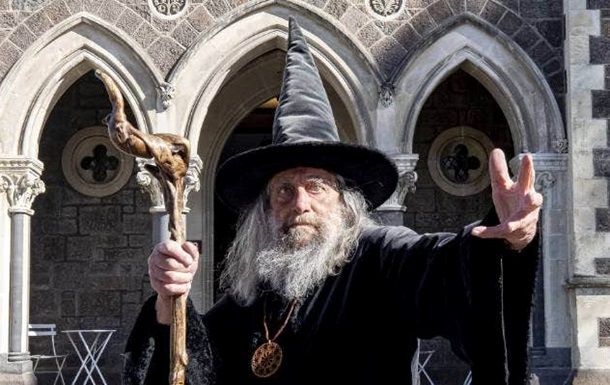
I am a big fan of New Zealand and of its most resilient city Christchurch. However, I was disappointed to learn this week that the Christchurch city council has eliminated the job of official Wizard and axed the legendary Ian Brackenbury Channell who has served as the official Wizard of Christchurch, New Zealand since 1998. Prior to assuming the post as official Wizard, Channel taught literature and served in the Canadian army.

According to his contract, the wizard’s duties are “to provide acts of wizardry and other wizard-like-services — as part of promotional work for the city of Christchurch.” I never ran across the Wizard when I was visiting Christchurch, but his influence seemed to be working since it’s a magical place.

However, after 23 years of successful wizarding the city council has decided to terminate the relationship. Council Assistant Chief Executive Lynn McClelland said that “The council has met with The Wizard and sent him a letter thanking him for his services to Christchurch over the past decades, and informing him that we are bringing our formal contractual arrangement to a close.”

In response, the 89 year old Wizard decried what he sees as cancel culture, saying of the Christchurch City Council:

They are a bunch of bureaucrats who have no imagination. They are not thinking of ways to promote Christchurch overseas. They are just projecting an image of bureaucrats drinking lattes on the boulevard. Their image of Christchurch is nothing to do with the authentic heritage of the city.

The video below reflects a happier relationship between the Wizard and the previous city government.

NB: If the video does not appear in your email, please click on the short url to bring up a complete post.


Posted in Tourism | Tagged , , | Leave a comment

A Little Treasure (Island)

One of the very first “grown-up” books that I read as a child was a fabulous edition of Robert Louis Stevenson’s novel Treasure Island. I can’t be certain, but I believe that it was a well-worn copy with wonderful illustrations by N.C. Wyeth, like the one pictured above. So any stories about the book have a strong nostalgic pull for me.

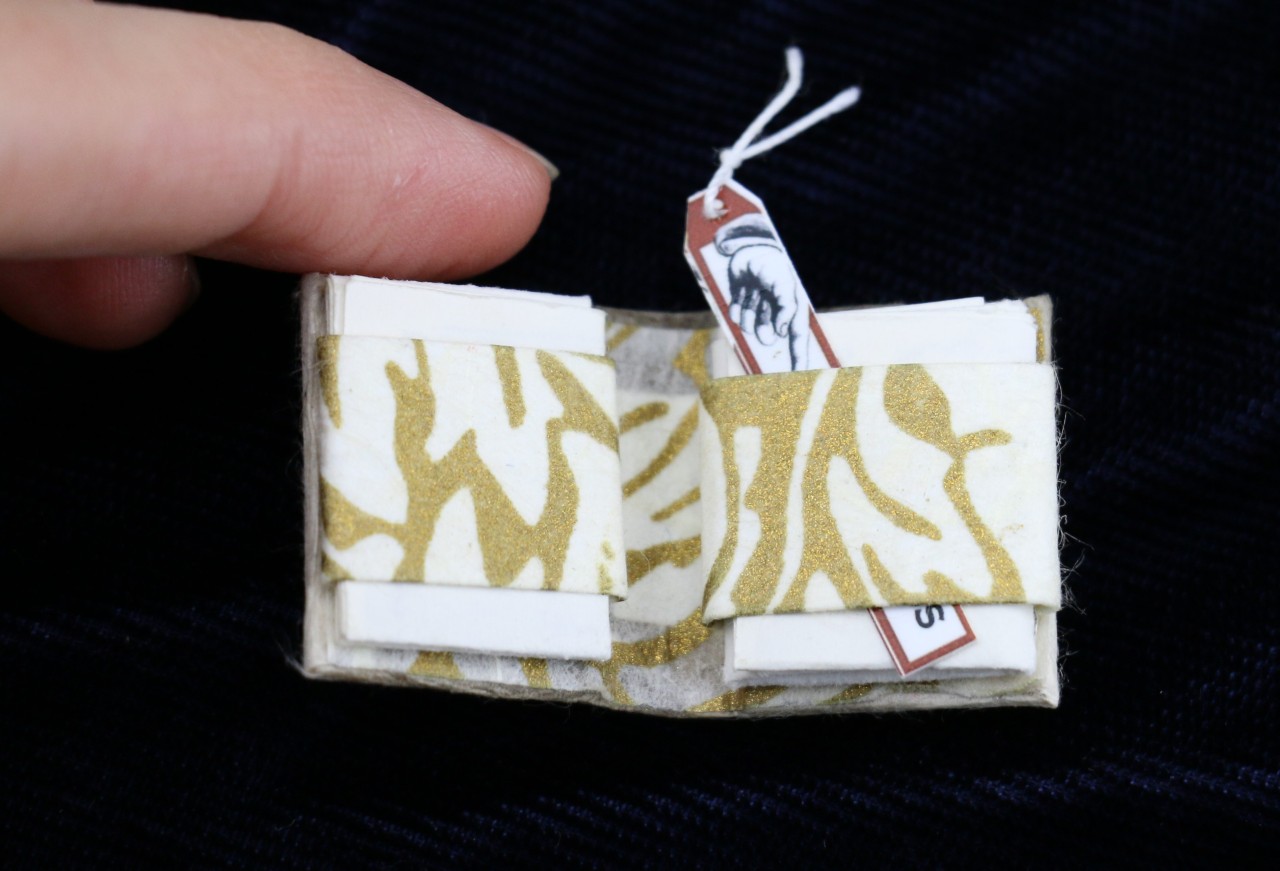
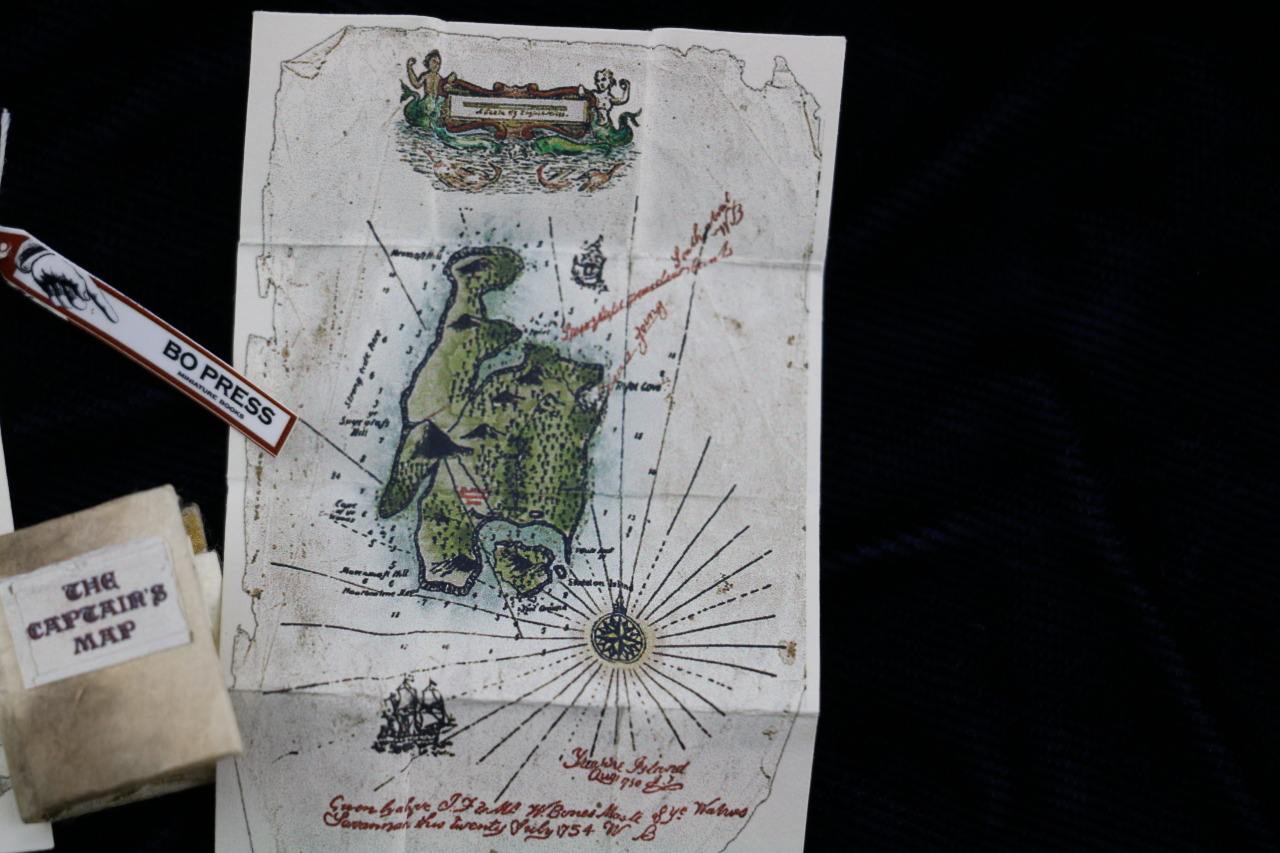
The Captain’s Map is a micro-miniature book containing a sheet of text from Robert Louis Stevenson’s Treasure Island and color map, each 78 x 30 mm, folded to 20 x 16 mm, along with a Bo Press bookmark, slipped in. The portfolio is bound in beige Japanese paper, and lined with paper printed with old map. It contains a tinted copy of the map on the recto. Published by Bo Press, the tiny Treasure Island is the work of miniaturist genius Pat Sweet. You can learn more about the book and see more of her work on her website: https://www.bopressminiaturebooks.com/


Posted in Art, Books, Writing | Tagged , , , | 1 Comment

I would prefer not to

Writer Clive Thompson has created and shared a new online tool allows you to visualize any piece of writing by stripping away everything but its punctuation. His free web tool—”just the punctuation”—allows you can paste in any piece of text and end up with the punctuation. Looking at just the punctuation of a text can reveal quite a lot about it, among other things, how long and lyrical the sentences are and how much the text uses dialogue.

Below is the visualization of Herman Melville’s classic 1853 short story Bartleby, the Scrivener. You give Thompson’s “just the punctuation” tool  a spin for yourself here. Try it on some contemporary writers to compare with Melville. Or don’t, if you prefer not to.

, . – . . , : — — – . , , , , – , . , . – , . . . , , . , , , , . , , , , , , ; . : , , . , , , , . , ; , ‘ – . , . , , ; , . , , ; , , , , . , ‘ . , . , , , . , . ; ; , , , — — ; – , . . . — — – . – , . , ” . ” , , , , . , ; – , – , . , , . , , – . , ; , ; , . , . , , . , , , . , , , ‘ , — — — — ; — — , , — — ‘ , . . , , , , , , , . , , , , , , – . , ; . , . , , , . . , ‘ , . , , , . , , , . ; – ; , , ; , , . , , ‘ , , , , — — , , , , . , , , , , , , , , , . , , ; , ‘ ; , ; , ( ) , , , , ; , ‘ , , , . ; . , — — — — , , , ? ” , , ” , ” – . ; , , ! ” — — . ” , , ” . ” , — — , , , ! . , , . — — — — . , , . ” – . , . , , , , . , , , , , , – . — — . , , . , ; , , , ; . , . , , , . . , , , : — — . , , . , , . , , ‘ . – , . , , – , ‘ , . , , , , , , , – , . , , , , ; , ; , , . , ; , , . , . – . . ; . , , , , . , ; . , , , . , ‘ . – , , , . , . . – ; . , , , . . . – , , , , . , , , – , . , , , , , , , , , , , ; , . , — — — — , , . ‘ ‘ , . . ‘ , ‘ ; . . , , . , , . , , , . , . , . , – – . , , . , , . , — — , , , — — . , , — — — — . , – , . . , — — ” , , . ” — — , – — — ‘ . . , . , , , , . — — , , ! . , , , , . – , , . , . – , , , . – , – , , , , . , , , . , , , . , , . . , . . , – – . , . , , . , , ‘ , . , , , . , , . . , , , . , , , . , . , , , , , , . , , , , , . , — — , . , , , , , , , ” . ” , . , . . , ” . ” ” , ” , , . ” ? – ? — — , ” . ” , ” . . ; . . , , ; , , . , – – . , , . , . ? . , . , . , , ‘ . . , . , , , . , , , . ” ! , . ” , . ” ? ” . ” , , ” . ” . ” — — . ” , ” , . , . , , . ” ? ” ” . ” , , . , . . ” . , . . . ? ? ! ” ” , ” – . , ; ; ; , , . ” , , — — ? ” . : . , . , , , , . , , . ” , ” , ” ? ? ” ” , , ” , , ” . ” ” , ” , ” ? ” ” . ” ( , , ‘ , – . , , ‘ ‘ . ) ” , ” , , ” ? ” ” , , ‘ , ” . ” , ” , , ” . ” . . . . , , ; , , . ( ‘ ) , ‘ . , . , . . ; . . . ‘ , , ‘ , . , – , . , , – , ; , ; ; ; , – . – . – , . ? , . ? . , , . . . , ; , , . , , . ! , ; ; . . . , , , . . – . ; , , . . . , . . , : ” , ” , ” , . ” ” . ” ” ? ? ” . – , , — — ” , , ‘ . , ? ” , . , , . ” ? ” ; ” ‘ , ! ” , . , , ‘ . ” , , ” , ” . , ? ? ” ” , , . , , . . ” ” , ” , ” — — . ” ” , ” ; ” — — – . , . ? ” ” , . , – , , ” ; ” , . ” , . . . . ” , ” , ” ; , ‘ ? ( , ) . ” ” . ” ” ? ” ” . ” , . . , ? — — ? , , ? ” ! ” . ” , ” . . ” , ” . , , , . ” , . ” ” , ” , . ” , , ” , – , . . , – , , . ? , , , , ; ( ) ; , , ; , ; , — — , . , . , , ( ) , , , . , — — ; — — , , . . . , , . , , , ‘ . , , , , , , , . , , ” , ” ; , , — — . , . , – , . , . . . . , , , , . ; , . , ; ; , , , , , , , — — . , , , . , , – , , – , , , . . , , , , . , , , . , , . ? , . . ? — — ? , , . . , ; . , ; , . , , . . , ; . , , , , , , . , . , ; , ; , , ; – . , , , ‘ . , ! ; , ! . , – ; . , – , , . ; — — ! . , – . . ! . , , – ; , , , , ; , . — — , , — — , . . ‘ , , . ‘ , . , , ; , , , . , . , , . , . , . , ‘ . . ; , — — , ; , , ; ; , , ; ; , ; , , ; , . , — — ? — — , , , , , , – , – . , , ; , . ; , , . , , ; , , . . . , . , . . ; ; , . . , – . , . , ; — — , , . , ( ) , , ; , , , , . , , , , . . ” , ” , . . ” , ” , , ” ; — — . ” . ” , , ? ” ” . ” ” ? ” ” . ” ” ? . ” , , , , . ” , ? ” , , , . ” , ” , . , . , , . . , , , , . , , : ” , ; , , . – : , : — — , . ” ” , ” . – , . ‘ , . . ” , ? ” — — ” ‘ , , , ” — — ” ‘ ; ‘ , ! , , , ? ” . ” . , ” , ” ‘ . ” , ” ” . . ? . , , , . ” , , ” , ” , , , . ” ” , ” , . ” , , , ” , , , . ” , ? ” ” , ” , . ” ‘ , , ” — — ” ‘ . ” ” , ? — — . . , , , — — ” ” , ” , ” . ” ” , , . ” – , , . . . , , , . . – . , . ” , ? ? ” , ” ? ” ” . ” ” ? ” ” , ” . , . , . . . ; . , , . , , , , , , – . . , , . . ‘ , . , . , . , . , , . ” ! ” ; ” — — — — ? ” ” , ” , . , . — — — — . ? : ? , , , . . , , . , , . , . . , . , ‘ . , , . , . ” , , ” , ” . , . ” , , ! . , ; , , , ” ; ; ; ; . ” ” , ” , . ” . ” . ‘ . , – . . ” , ” , ” ; – ; . — — ? ” . . ” , ” . — — ” , , — — — — , , . ; – . , . – , , . ” ; , . , . . , . . , , , , . . — — — — ; . , . , , , , — — . , . . — — . — — . ‘ ; , , , ‘ . , , . . , , . , ; . . – , . ” ‘ ‘ , ” . ” ‘ ? — — ! ” , ” . ” , . , – . , , , , . , – . , . . . . . . , ; . : . , , , , — — ” ; . ” . . , , , ; , , , . ” ! ” . , , , , , , – . ; ; ; , , — — . ? , , ? , , . , , , . – . . . . ” , ” , , , ” . , . . , — — , . . , ” , , ” , ” , . . ” , , ? ” , . ” , ” , . ” ? ? ? ? ” . ” ? ? ? ? – ? , , ? ” . . . ; , , , — — . , , , . , , — — , , , ; — — , . , . ? , : ” , . ” , . , — — . ‘ , ‘ , ‘ , ‘ , ‘ ; , ‘ . – , , , , – , . , , . , ! , ‘ ; , , . , . , , , , , . . – ‘ ; , , ; ; ; – . ? ? . , , ” , ” ” . ” , . , , – , . , , , ; ; ; , . , ; . . ; , , – . , . , . , , , . , , ; , . , , . , , ; , , ( ‘ ) . , , . , . ? , , . . – , , ; ; ; ; ( ) , , : , ; . , . , , , . , . , ; , . ? , . ? ? , . , ; , . ? , , , , — — ? ? , , . , . ? , . ; , . , . ! , ? ? — — , ? ! , , ? , , . . : . : , . . , . ; ; , . , : ” ; . , , . , . ” , . , , , . , , . ; , . , . – , — — — — . ” – , ; — — – , ; , ” . , , — — — — . , , . , , , . . . , , . — — – . , . ” , ” , , ” . ; ; ; . ” ” , , ” , , , ” , , — — , . ” ” ‘ , ? ” ” . . ; . ” ” , — — , . ” , ; , . , , , . , . ” ‘ — — , ” , . ” , , , ” , , . — — – . ” , , ; . — — ” , ” , , , . ; ; ; , . ” , , . — — . : — — , . ( ) , , , ( ‘ ) , . , . ” , ? ” . ” , ” . ‘ , . ” , ” , ” , ? ” . ” . , . ? – ? ” ” ; . ” ” – ? ” ” . , ; . ” ” , ” , ” ! ” ” , ” , . ” – ‘ ? . ” ” ; , , . ” . . ” , ? . ” ” , . ” ” , , — — ? ” ” . . . . ” ” , ” , , . ” , — — — — — — — — ! ” , . , , — — . ” , ” , , ” — — , — — ? , , . ” ” : . ” ; , , – , . , , , , . – ; ; . , , , , ; , . . , , . . , . , , , . . ; . ‘ , ; , , . , , , , , . ; , , , . , , . , , . , , . , — — . , , – . . , , , – . , , , , , . ” ! ” ” , ” , , — — ” . ” ” , , ” , . ” , . . , . , , . ” ” , ” , , . , – , , , — — ” ? ” ” . ” ” ? , , ‘ . ” ” ? ” , . ” – . , . ” ” ? ” , . . ” , ” , – ‘ ( ) . ” ; . . ” ” , ? ” – , . , ; – , . ” , . ; . ” ” , , , ” – , . ” , ; — — — — , — — ‘ — — . . , , . ‘ ? ” ” – , ” , . ” ; . ” , – . ” ‘ ? ” – , . ” ‘ , ? ” ” , ” , . ” ? ? , , ; – , . ‘ ‘ — — ‘ , . ? ” , . , , , ” – . ‘ ? ” ” , . . . . . ” , , ; . ” , ” , ” ‘ . ” . ” ? ” . ” — — . ‘ . ” . . , , . . . , , , , , – , , . , , , , . . ; ; , ; . . , . – . ” . ‘ – , ? ? ” ” , ” , . ” ! — — ‘ , ? ” ” , ” . * * * * * * * * . ‘ . , , , , ‘ , , , . , ‘ . , ; , . , , ; . : , . , . ! ? , , ? – . : — — , , ; – : — — , ; ; ; . , . ! !

 

Posted in Books, Tech, Writing | Tagged , | 1 Comment

Glooskap the Divinity

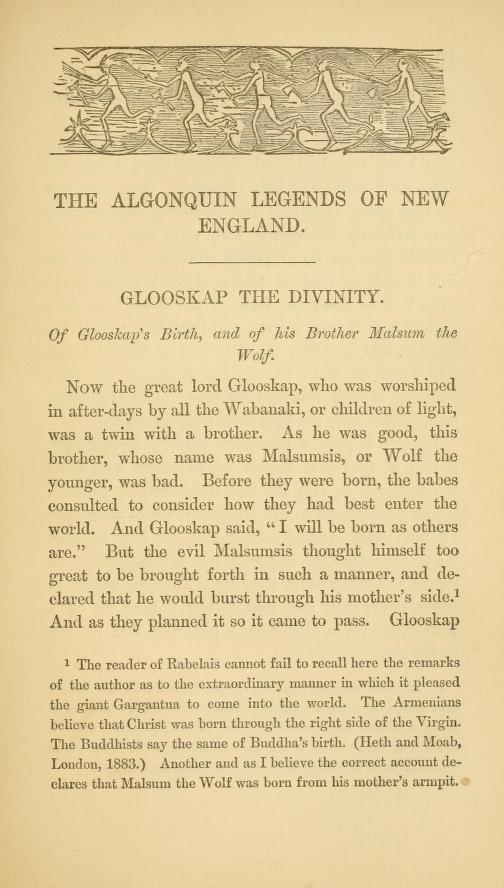
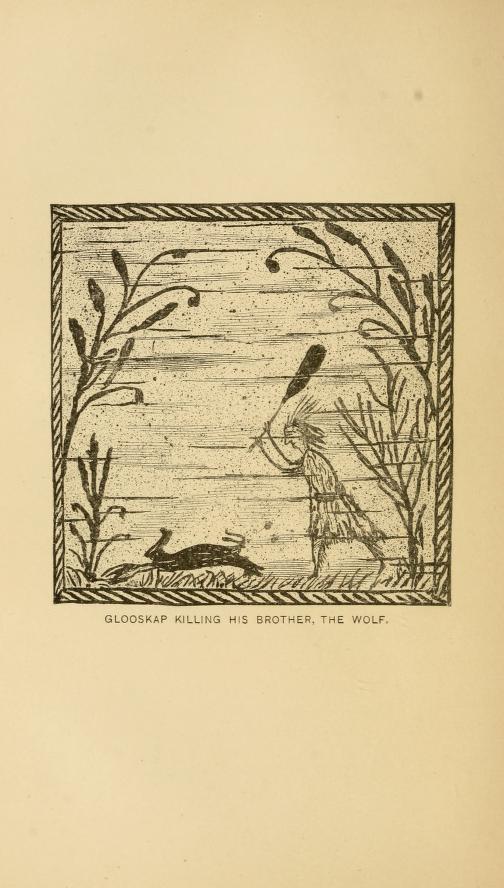
There are some of the great illustrations to be found in The Algonquin Legends of New England (1884). The collection of Algonquin folk tales presented in the book is a result of the collecting efforts of folklorist Charles G. Leland and from Rev. Silas T. Rand, a Canadian Baptist clergyman who was the first to record the legend of Glooskap. It is this legend, with its many chapters, which takes up the majority of the book. The central character is a giant of a divinity named Glooskap, who “grows to a more appalling greatness than Thor or Odin in his battles”, and whose name literally means Liar, because it is said that when he left earth he promised to return but has never done so.

⁠⁠
.⠀⠀⁠⁠
.⠀⠀⁠⁠

Posted in Art, Books, History, Libraries, USA | Tagged , , , | Leave a comment