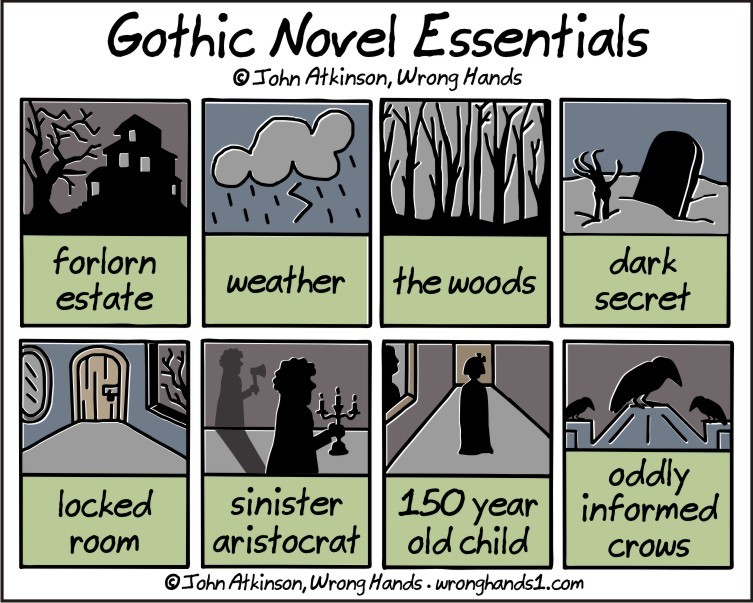
Gothic Essentials


Posted in Art, Books | Tagged , , | Leave a comment

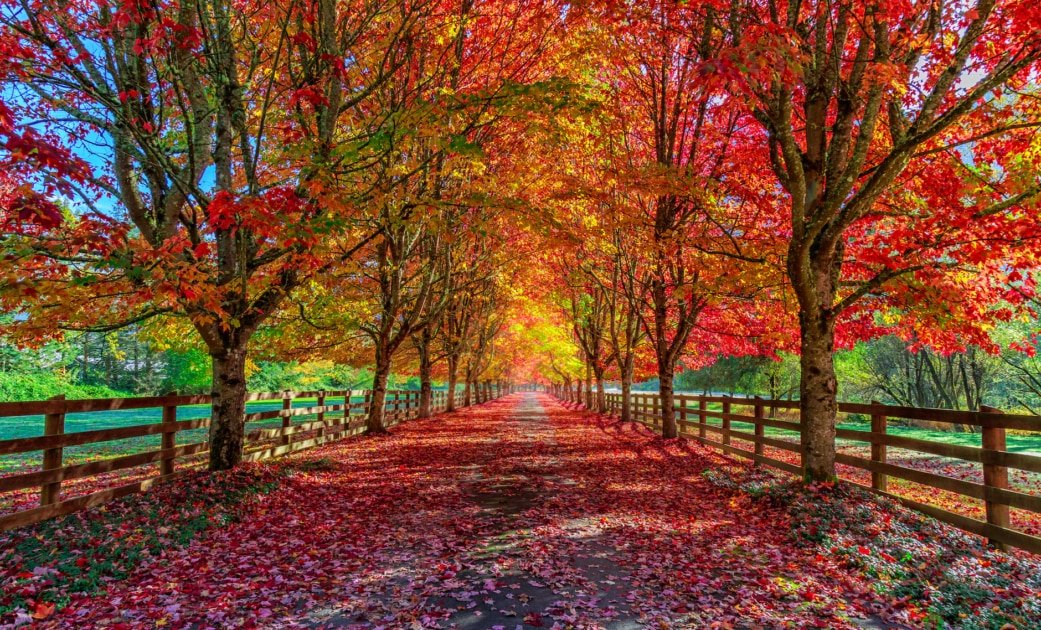
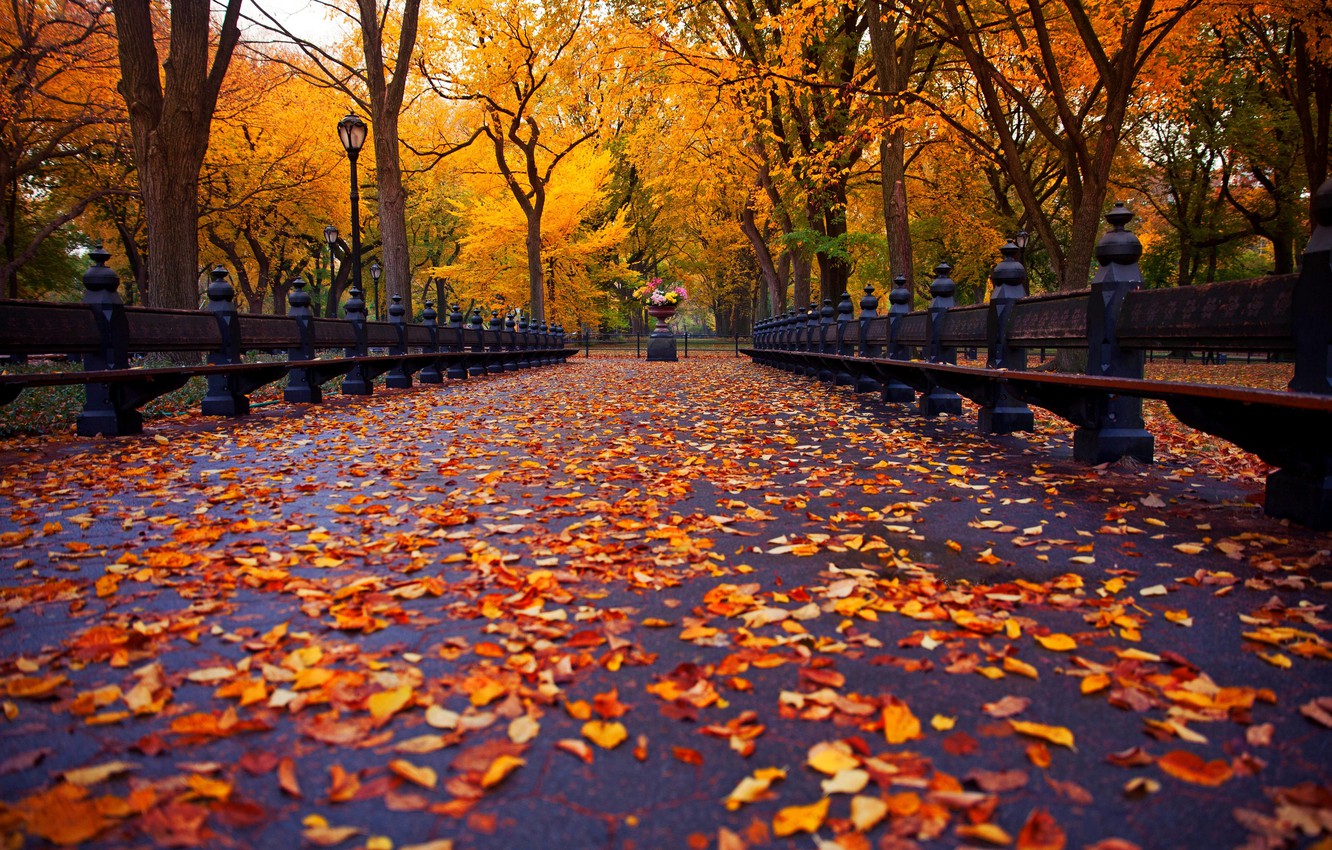
Why Fall Into Autumn

Yesterday’s post got me thinking about why we English speaking folks in North America use both Fall and Autumn to describe the season between Summer and Winter. Why does it have two acceptable and apparantly interchangable names? And why do British speakers of English prefer Autumn to Fall ?

So a little research turned up a reasonable explanation. The earliest term for the season is autumn, which shows up in English in the 14th century. It was derived from the Latin word autumnus. Prior to this period, the season was referred to as Harvest. As this could be both confusing since it might refer to the time of the year and the actual harvesting of agricultural products, autumn was a helpful addition to English. It took another three centuries for the term fall, which described the actual process of leaves falling from trees, to be widely used to designate the intermediary season between Summer and Winter.Even so, Fall didn’t enter the dictionary until 1755.

Still, none of this explains why colonial English speakers seem to have taken up Fall over Autumn. In fact, by the late 19th century, a majority American English speakers and writers appear to have cleaved to Fall. Maybe it was our propensity toward shortcuts or simply intellectual lasitude. These days, Autumn seems to be making a comeback, at least in my region of the continent.


Posted in Europe, History, USA, Writing | Tagged , , | 1 Comment

a wistful omen of the first sign of autumn

austice

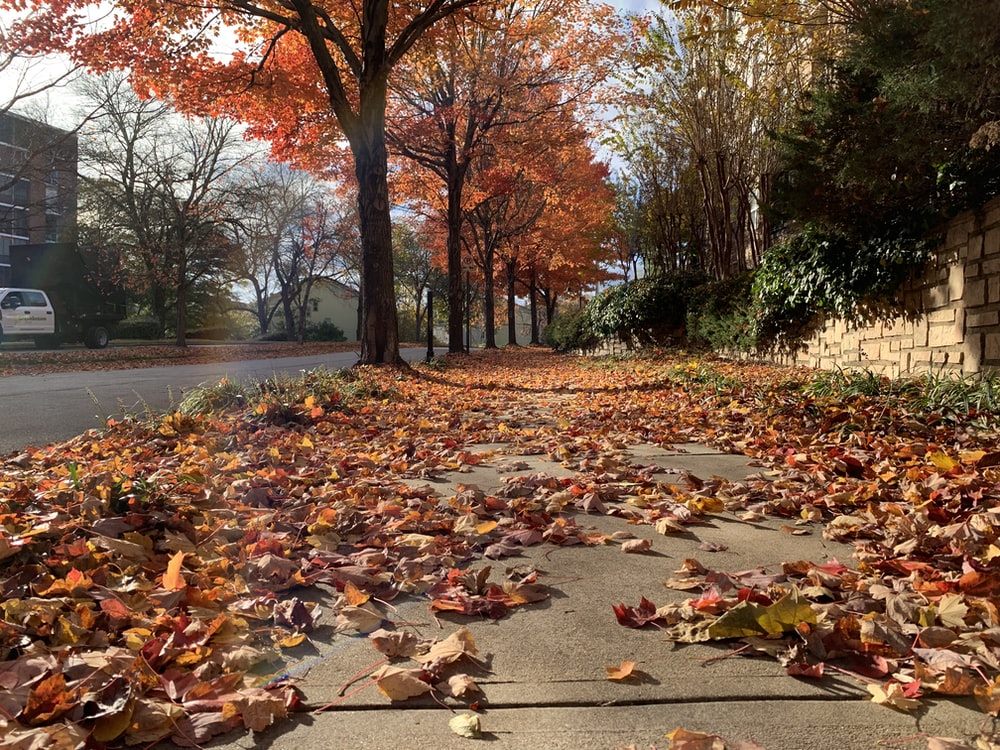
n. a wistful omen of the first sign of autumn—a subtle coolness in the shadows, a rustling of dead leaves abandoned on the sidewalk, or a long skein of geese sweeping over your head like the second hand of a clock.

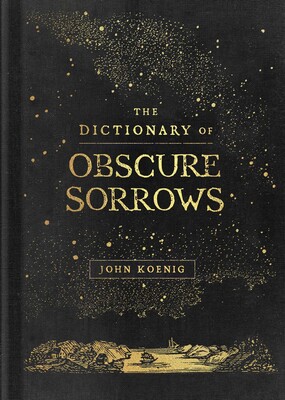
When I first read the word austice last week, it resonated perfectly with the day, the weather, and my mood. You would be forgiven if you are not familiar with the term. In fact, it was made up by John Koenig for his upcoming book The Dictionary of Obscure Sorrows. In recent years, Koenig has been the source for a number of surprisingly apt neologisms that presumably never appeared in English before, such as sonder, monachopsis, jouska,ambedo, and liberosis.

Here’s what Koenig’s publisher has to say about the release of his lastest book:

A truly original book in every sense of the word, The Dictionary of Obscure Sorrows poetically defines emotions that we all feel but don’t have the words to express, until now—from the creator of the popular online project of the same name.

Have you ever wondered about the lives of each person you pass on the street, realizing that everyone is the main character in their own story, each living a life as vivid and complex as your own? That feeling has a name: “sonder.” Or maybe you’ve watched a thunderstorm roll in and felt a primal hunger for disaster, hoping it would shake up your life. That’s called “lachesism.” Or you were looking through old photos and felt a pang of nostalgia for a time you’ve never actually experienced. That’s “anemoia.”

If you’ve never heard of these terms before, that’s because they didn’t exist until John Koenig began his epic quest to fill the gaps in the language of emotion. Born as a website in 2009, The Dictionary of Obscure Sorrows has garnered widespread critical acclaim, inspired TED talks, album titles, cocktails, and even tattoos. The Dictionary of Obscure Sorrows “creates beautiful new words that we need but do not yet have,” says John Green, bestselling author of The Fault in Our Stars.

By turns poignant, funny, and mind-bending, the definitions include whimsical etymologies drawn from languages around the world, interspersed with otherworldly collages and lyrical essays that explore forgotten corners of the human condition—from “astrophe,” the longing to explore beyond the planet Earth, to “zenosyne,” the sense that time keeps getting faster.

The Dictionary of Obscure Sorrows is for anyone who enjoys a shift in perspective, pondering the ineffable feelings that make up our lives, which have far more in common than we think. With a gorgeous package and beautifully illustrated throughout, this is the perfect gift for creatives, word nerds, and people everywhere.


Posted in Books, USA, Writing | Tagged , , , | 1 Comment

Nothing is more important than an unread library

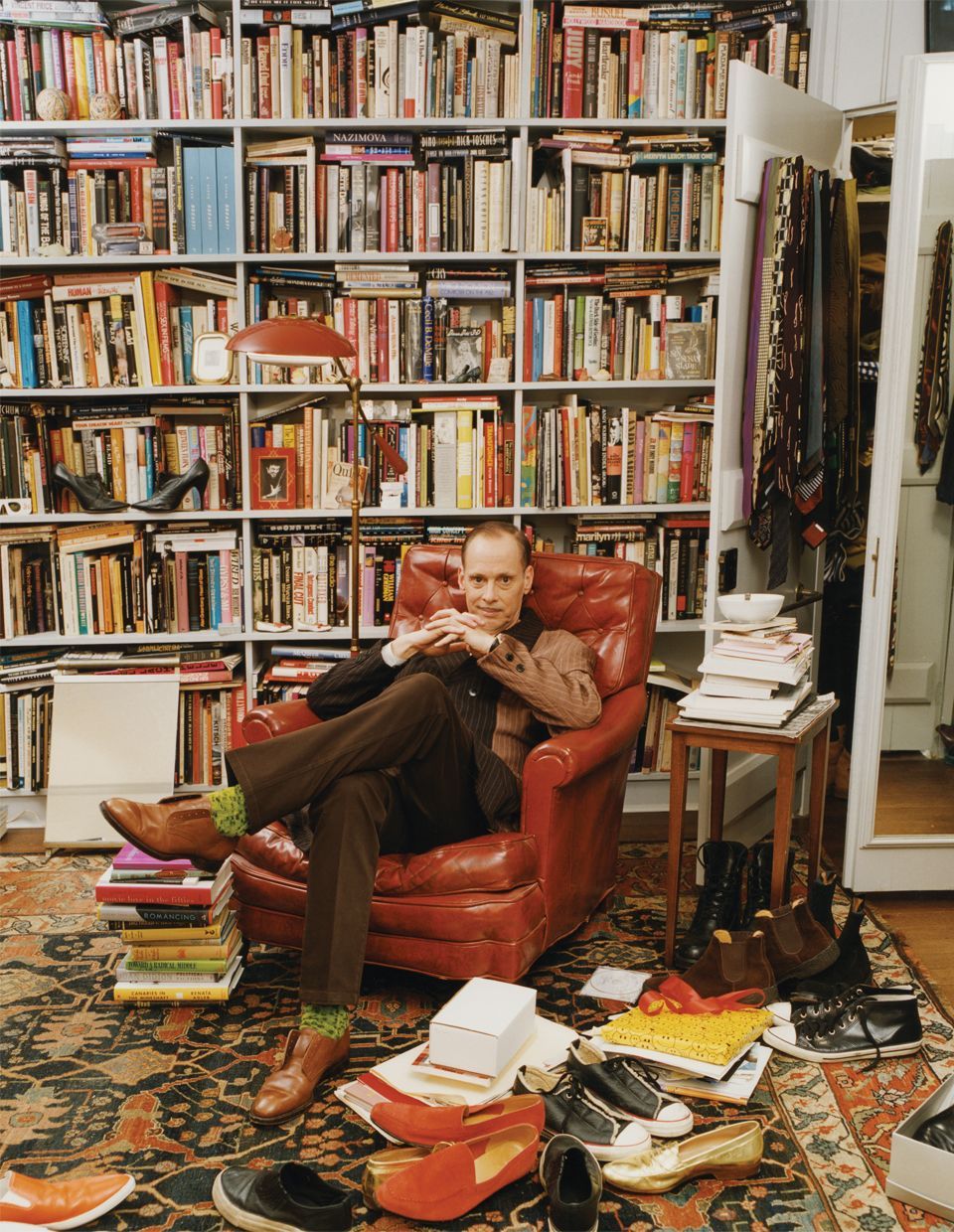
“Collect books, even if you don’t plan on reading them right away. Nothing is more important than an unread library.”
― John Waters, director, author & national treasure


Posted in Books, Film, Libraries, Uncategorized | Leave a comment

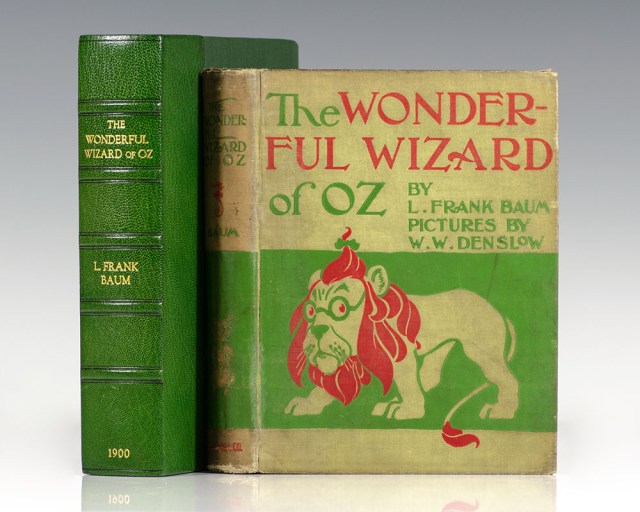
Who doesn’t love the Wizard of Oz

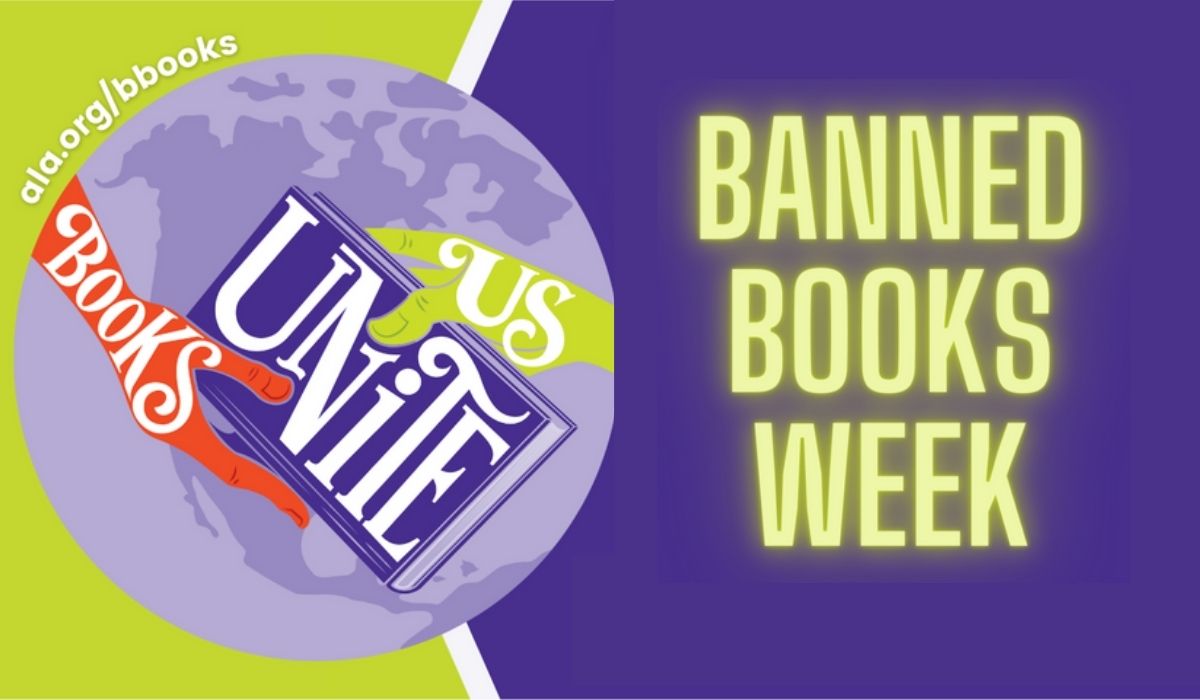
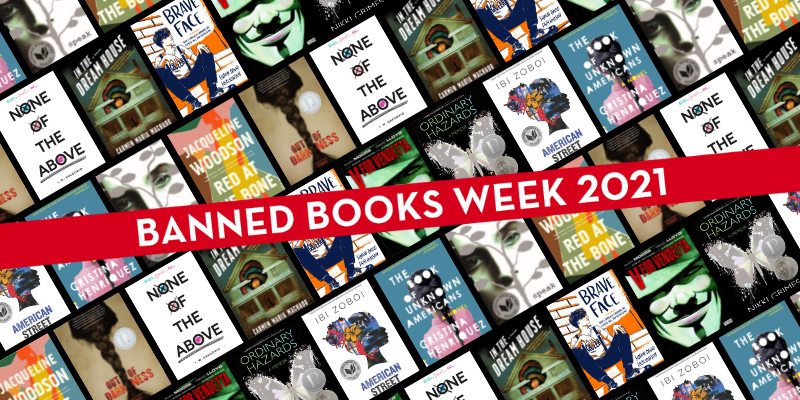
Here we are at the final day of the annual Banned Books Week and I just discovered that the beloved American children’s classic The Wonderful Wizard of Oz was a banned book. In fact, for decades it was one of the most frequently censored books in the United States.
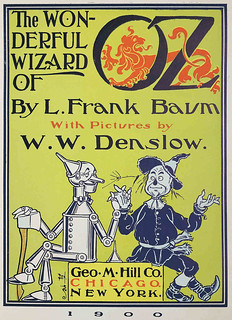
Although the fantasy novel is beloved by children and adults, the book has faced serious criticism and censorship since its publication in 1900. The series of Oz novels have been frequently accused of portraying unwholesome and un-Christian concepts. In 1928 numerous public libraries banned the book arguing that the story was unseemly for “depicting women in strong leadership roles”. This notion remained the common attack against the novels from Protestant ministers and educators though the 1960s. In 1957 the Detroit Public Library banned Baum’s novels by claiming that the books had “no value for children of today”, arguing the stories and characters supported “negativism and brought children’s minds to a cowardly level”.

One of the most notorious banning cases against The Wizard of Oz took place in 1986 when a group of  Fundamentalist Christians from Tennessee pushed for the book’s removal from the public school syllabus. They filed a lawsuit against their school district arguing that “the novel’s depiction of benevolent witches and promoting the belief that essential human attributes were ‘individually developed rather than God given’”. They argued that all witches are bad, therefore it is “theologically impossible” for good witches to exist. They were particularly upset by the character Glinda the Good Witch. They argued that the Oz novels promoted self-reliance rather than dependency on God to provide salvation. The judge presiding over the case ruled that the children, whose families opposed the works, should be excused from lesson plans centered on the novel. The families then appealed the decision to the United States Supreme Court, but the Court refused to hear the case.
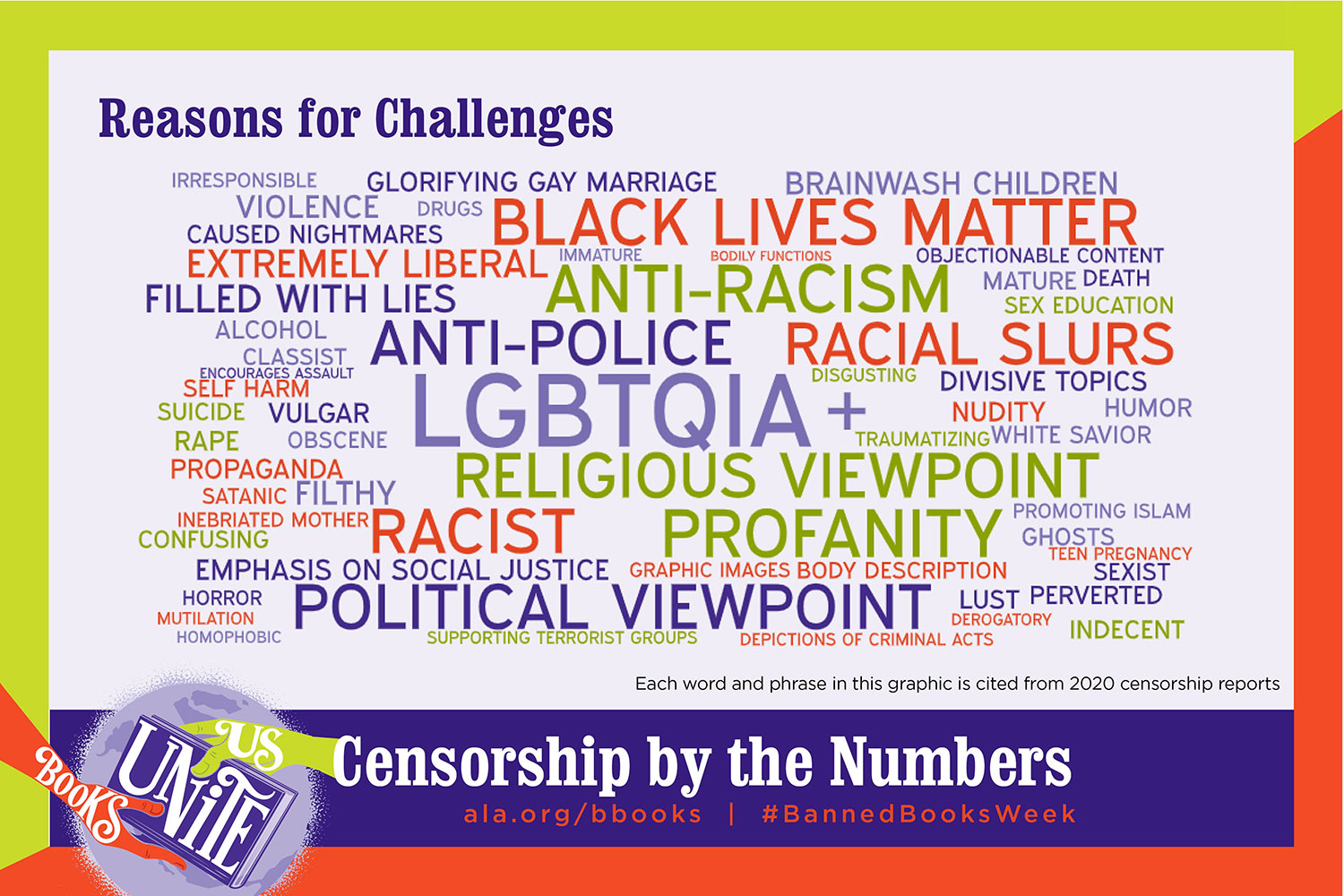
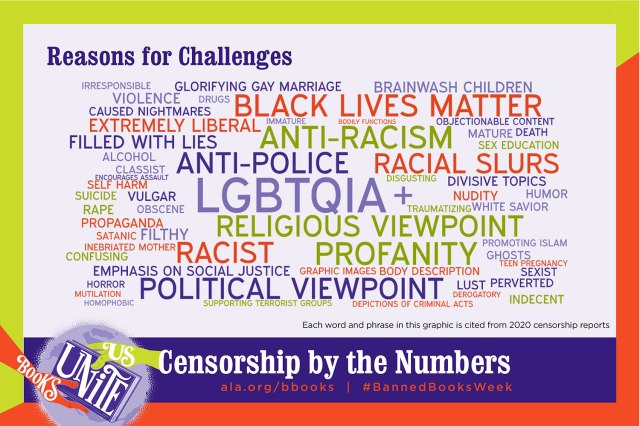
Over the years there’s been a notable shift in the subject matter of books being challenged in the U.S. When the American Library Association released its list of the Top Ten Most Challenged Books of 2020 in April, the books that received the most challenges to libraries and schools dealt with “racism, Black American history and diversity in the United States,” says Deborah Caldwell-Stone, director of the ALA’s Office for Intellectual Freedom. But Caldwell-Stone says in 2018 and 2019, the Banned Books list was made up “almost exclusively” of books dealing with LGBTQ concerns.
The theme of this year’s Banned Books Week is “Books Unite Us. Censorship Divides Us.” Public events include a Dear Banned Author Letter-Writing Campaign and Stand For The Banned Read-out, an opportunity for people to submit videos of themselves reading books from the list.
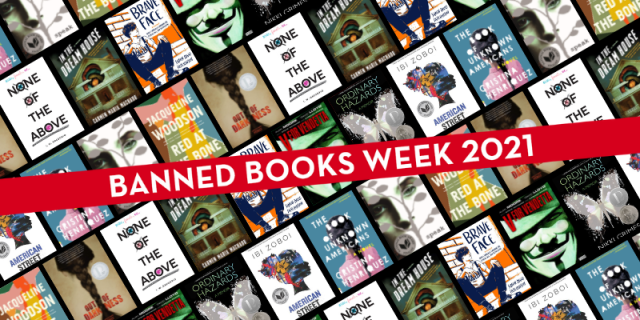
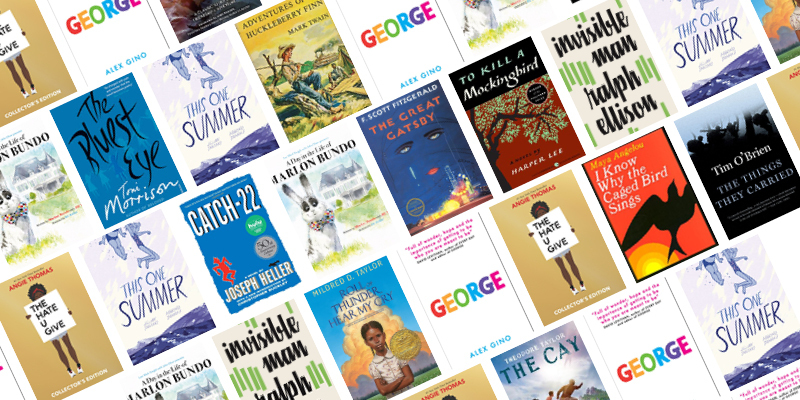
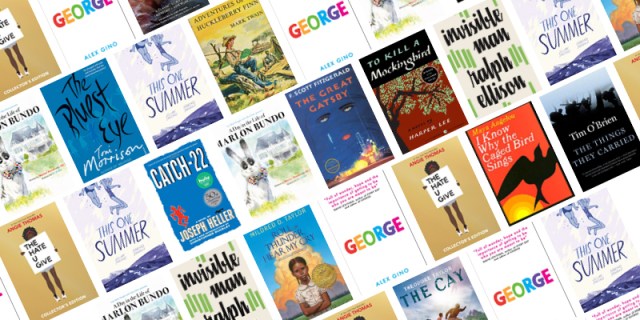
Top Ten Most Challenged Books of 2020

George by Alex Gino Reasons: Challenged, banned, and restricted for LGBTQIA+ content, conflicting with a religious viewpoint, and not reflecting “the values of our community”

Stamped: Racism, Antiracism, and You by Ibram X. Kendi and Jason Reynolds Reasons: Banned and challenged because of author’s public statements, and because of claims that the book contains “selective storytelling incidents” and does not encompass racism against all people

All American Boys by Jason Reynolds and Brendan Kiely Reasons: Banned and challenged for profanity, drug use, and alcoholism, and because it was thought to promote anti-police views, contain divisive topics, and be “too much of a sensitive matter right now”

Speak by Laurie Halse Anderson Reasons: Banned, challenged, and restricted because it was thought to contain a political viewpoint and it was claimed to be biased against male students, and for the novel’s inclusion of rape and profanity

The Absolutely True Diary of a Part-Time Indian by Sherman Alexie Reasons: Banned and challenged for profanity, sexual references, and allegations of sexual misconduct by the author

Something Happened in Our Town: A Child’s Story About Racial Injustice by Marianne Celano, Marietta Collins, and Ann Hazzard, illustrated by Jennifer Zivoin Reasons: Challenged for “divisive language” and because it was thought to promote anti-police views

To Kill a Mockingbird by Harper Lee Reasons: Banned and challenged for racial slurs and their negative effect on students, featuring a “white savior” character, and its perception of the Black experience

Of Mice and Men by John Steinbeck Reasons: Banned and challenged for racial slurs and racist stereotypes, and their negative effect on students

The Bluest Eye by Toni Morrison Reasons: Banned and challenged because it was considered sexually explicit and depicts child sexual abuse

The Hate U Give by Angie Thomas Reasons: Challenged for profanity, and it was thought to promote an anti-police message
 

Posted in Art, Books, Freedom of Speech, History, Libraries, USA, Writing | Tagged , , , | 1 Comment

Bookstore Tourism: NYC

I was recently asked by a TBTP reader who is planning a brief visit to New York City to suggest some independent bookstores that are located in Manhattan and are not the much touted Strand.

My first pick is located in the West Village offering an intimate and personal indie bookshop experience. Three Lives & Company is basically a one room bookstore, but what it lacks in choice it makes up for in the helpful recommendation of the well-read staff.


Another small, but well-stocked indie shop in Greenwich Village worth a browse is Codex  located at the corner Bleecker Street and Bowery. Specializing in quality secondhand books, Codex is a good choice for literary fiction and art.

Alabaster Bookshop is another good choice in Manhattan and it’s located a short hop from the famous Strand, if you feel the need to make a pilgrimage. Alabaster is packed with reasonable priced secondhand books and it’s handy if you’re in Union Square .


Posted in Books, Bookstore Tourism, USA | Tagged , , | Leave a comment

Encyclopedia of a world that does not exist

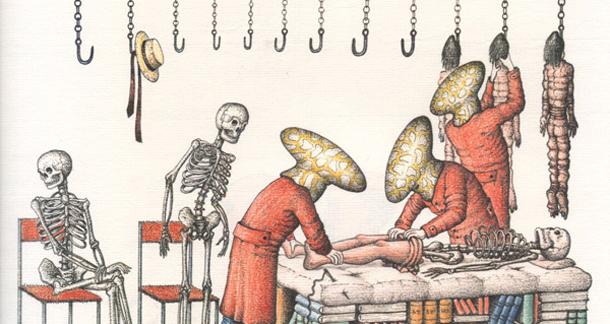
Over the years, I have run across a number of versions of the weird and wonderful Codex Seraphinianus. Along with English and French edtions, I have also seen an original Italian version from 1981. It’s difficult to catagorize this fascinating surreal fictionalized encyclopedia for an alternate reality.

Recently, I learned that there is a 40th anniversary limited edition being released next month in the United States, although it may be out already in Europe. As the  video below explains, the Codex was meant to look like a medieval encyclopedia of flora and fauna,  language and culture.The short video does an excellent job of explaining the organization of the book, its origins, and how to begin to dive into it’s brilliant weirdness.

Posted in Art, Books, Europe, Film, Writing | Tagged , , | 2 Comments

House of Dreams

Over the years, I have visited dozens of museums in and around London, but I haven’t found my way to the wonderful House of Dreams yet. The next time that I’m in London I will certainly make time to see artist Stephen Wright’s personal museum. After you see the video below, I’m sure that you will want to make an appointment for a tour too.


Posted in Architecture, Art, Europe, Museums, Tourism | Tagged , | 1 Comment

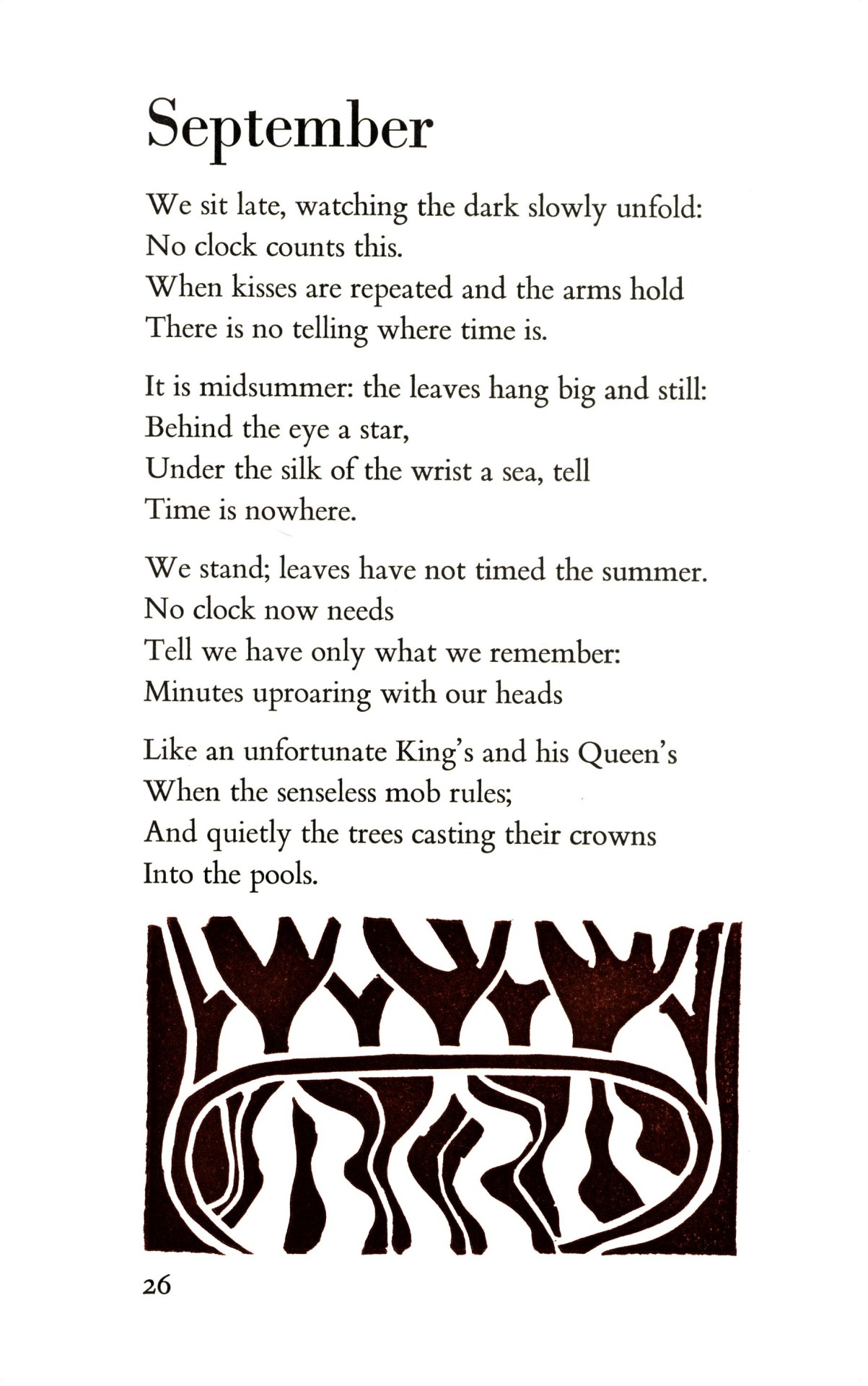
There is no telling where time is

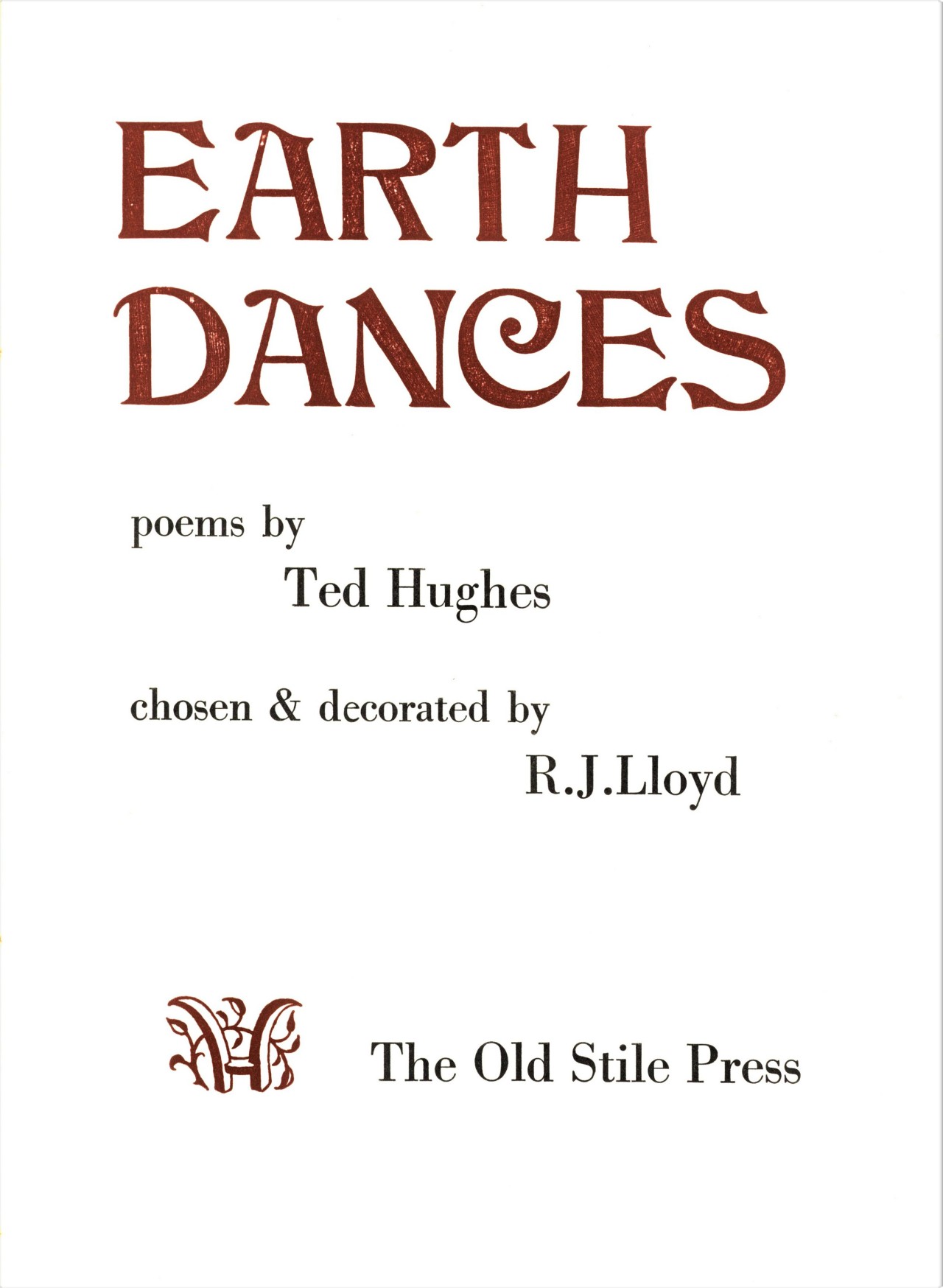
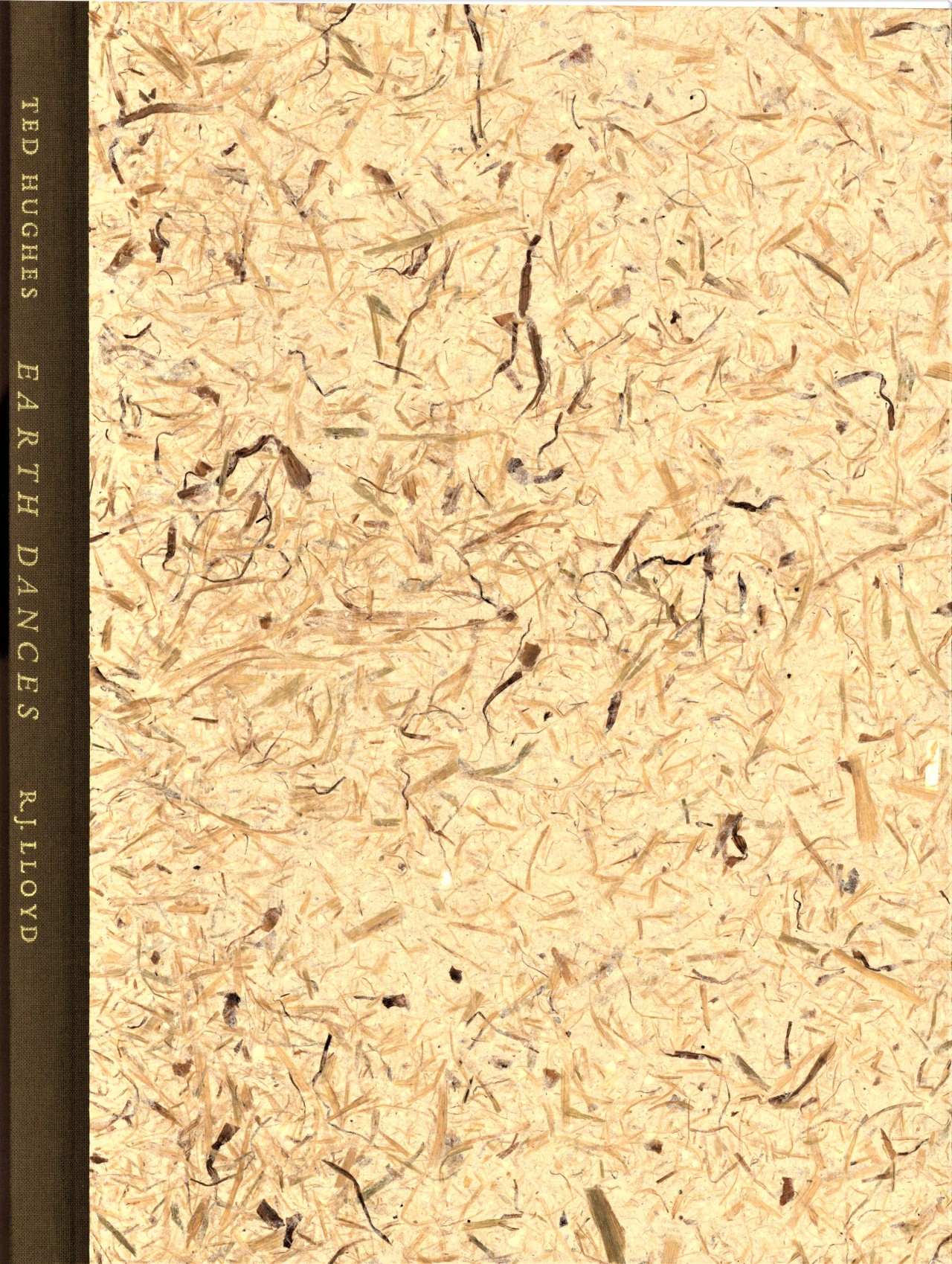
This piece is from former British Poet Laureate Ted Hughes’s collection of poems Earth Dances, with original linocuts by British artist R. J. Lloyd and printed in 1994 in an edition of 250 copies signed by the poet and artist in 18 point Bembo and Bodoni on Rivoli paper by Nicolas McDowall at The Old Stile Press in Llandogo, Monmouthshire, Wales. The main images were printed on papers handmade by Frances McDowall  which incorporate iris, nettle, onion, Japanese knotweed, pampas grass, and alkanet fibers. The binding was designed at The Old Stile Press and executed at The Fine Bindery in Wellingborough, England.


Posted in Art, Books, Writing | Tagged , , | Leave a comment

Foundation

I first read Isaac Asimov’s seminal science fiction Foundation trilogy as an adolescent. It was challenging and sometimes confusing, but worth the effort. So, I was excited to discover the new television series based on the iconic books that premiered last Friday. Apple TV+ released the first two episodes of the adaptation. It was created by David S. Goyer (Batman BeginsMan of Steel), with Jared Harris starring as Hari Sheldon. Other cast members include Lee Pace, Lou Llobell, Leah Harvey, Laura Birn, Terrence Mann, Cassian Bilton and Alfred Enoch. The season’s remaining eight episodes will show every Friday.

The Foundation series is a must-read for anyone interested in the science-fiction genre. It explores the story of a distant future in which a Galactic Empire spans the Milky Way, scientist Hari Seldon has created a discipline called psychohistory that can predict the actions of large populations. Using psychohistory, Seldon discovers that the Galactic Empire is on the verge of collapse and the galaxy will experience 30,000 years of chaos before a second empire can emerge. Seldon creates a plan to reduce the coming dark age to a single millennium by safeguarding all human knowledge with an organization of scientists and engineers called the Foundation. Asmiov’s series was originally a trilogy consisting of Foundation (1951), Foundation and Empire (1952) and Second Foundation (1953). He later wrote two sequels–Foundation’s Edge (1982) and Foundation and Earth (1986)–and two prequels, Prelude to Foundation (1988) and Forward the Foundation (1993).

If you happen to own the set of first editions pictured above, it’s worth more than $7,000.


Posted in Books, USA, Writing | Tagged , , , | Leave a comment