Actual Pictures of Atlantis and more

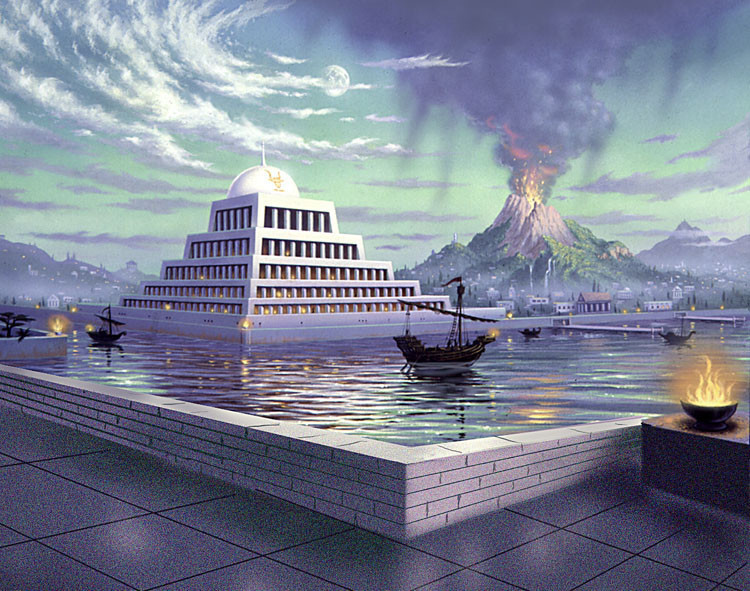
Depictions of Atlantis in retro science fiction art. OK, so they’re not actual pictures of Atlantis. It is actually April Fools’ Day.
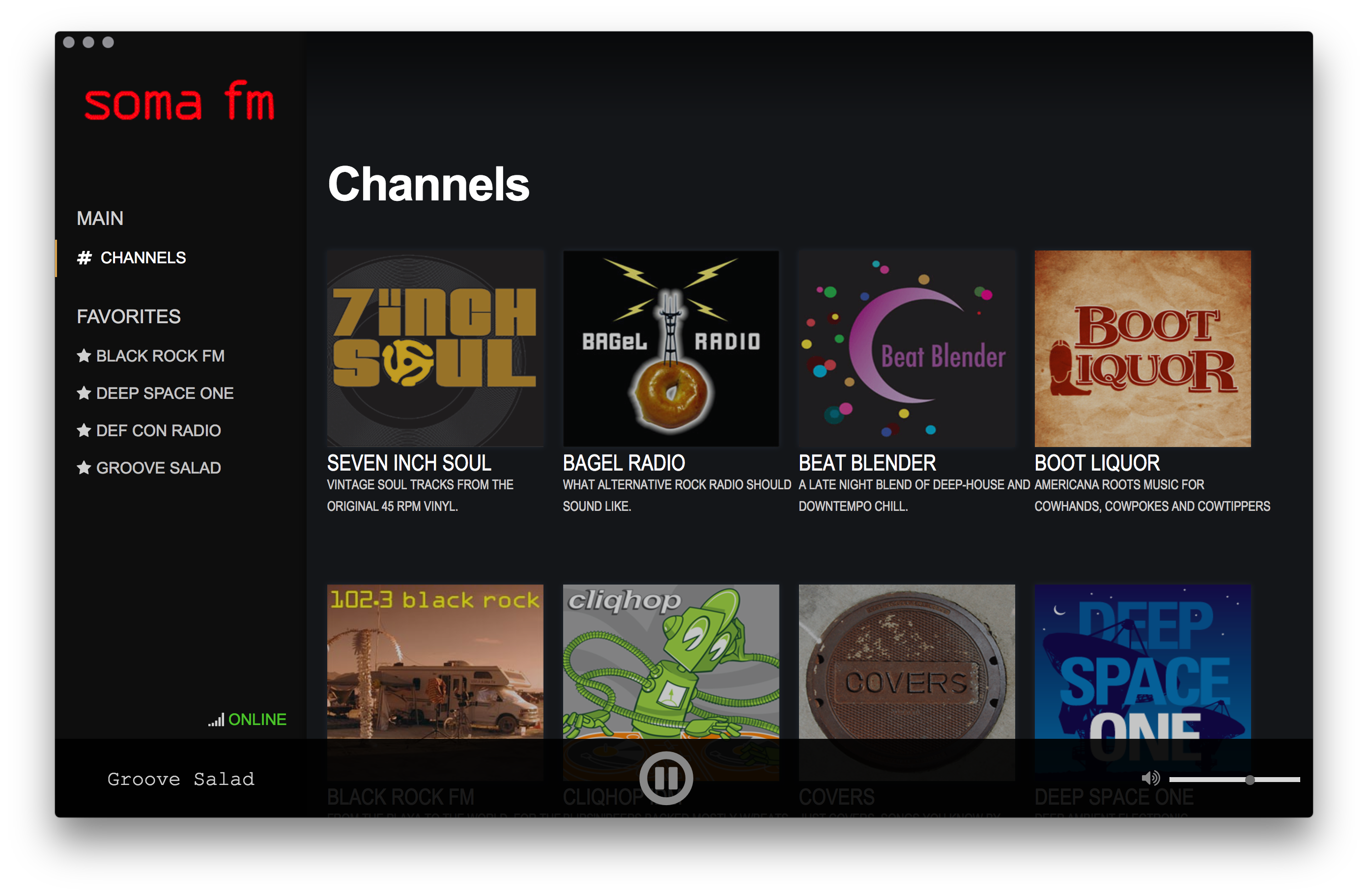
SomaFM is an independent Internet-only streaming multi-channel radio station, supported entirely with donations from listeners. SomaFM originally started broadcasting out of founder Rusty Hodge’s basement garage in the Bernal Heights neighborhood of San Francisco, as a micropower radio station broadcast at the Burning Man festival in 1999. The response to the project was sufficiently positive that Rusty Hodge launched it as a full-time internet radio station in February 2000.”

Who among us hasn’t dreamed of escaping to a rural cabin to read, rest and recuperate from the pressures of the real world. I’ve stayed in some great cabins over the years, from rustic mountain retreats to a ultra-basic cabin set in an old volcanic flow field in Iceland. But the cabins featured on the website called simply “Cabin Porn” have them all beat.
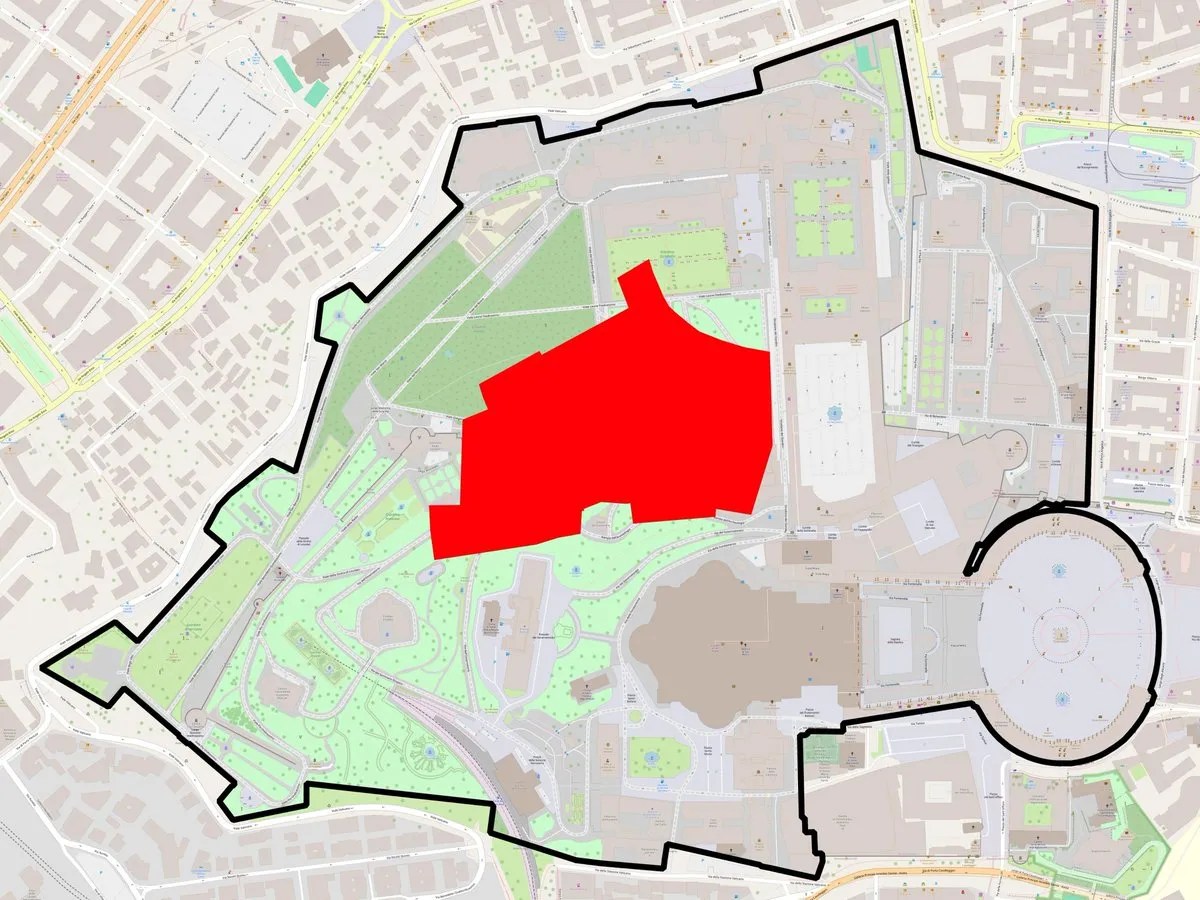
“On the eastern outskirts of Albania’s capital Tirana, a golden dome peeps across concrete walls topped with razorwire. This small compound, the world headquarters of an obscure Islamic sect, feels like it’s been transplanted from Jerusalem, where strict security and spiritual devotion go hand in hand. And if Albanian Prime Minister Edi Rama gets his way, this place will soon get its cue from another of the world’s religious nerve centers: Rome.” Will this be the world’s smallest sovereign state ?
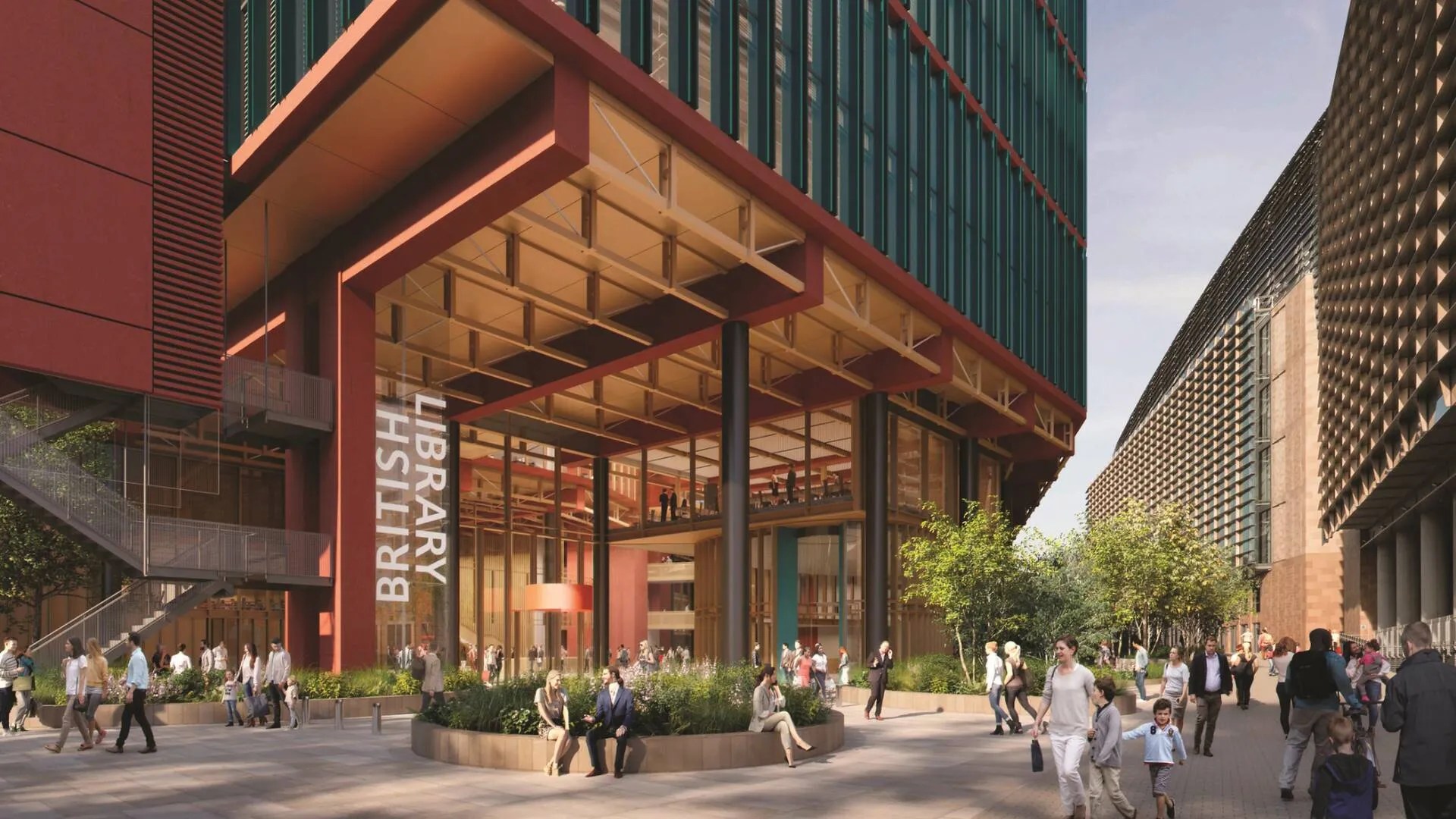
The British Library is officially getting a ‘groundbreaking’ makeover. A wopping £1.1 billion is going towards making the building by St Pancras Station much bigger, better and more innovative than ever before.

The huge extension, which will open the library up across three sides, was approved by Camden council in July last year but since then it’s been waiting on confirmed backing from developers. Now, Japanese company Mitsui Fudosan has finally said that it’s ready to press ahead.

The development will create an expanded national Library in London to welcome hundreds of thousands more people a year to its exhibitions, learning programmes, business support, and events.

Funded by Mitsui Fudosan, the scheme will enhance the Library’s national and international impact with new exhibition galleries, event spaces and new learning, business and innovation facilities. The development will further support the regeneration of the local area with new green spaces, learning and employment opportunities and a £23m contribution towards affordable housing.

Highlights of the 100,000 sq ft new public space will include:

  • new exhibition galleries, doubling the size of the Library’s existing gallery space
  • expanded and more diverse spaces for the Library’s well-established business support services
  • a brand-new learning centre providing enhanced educational experiences for visitors
  • an expanded multi-use foyer space with event spaces available for local businesses and the community


Posted in Architecture, Art, Books, Europe, Libraries, Museums, Tourism | Tagged , , , , | Leave a comment

where everything was forbidden

“Making Do”

by

Italo Calvino

translated by Tim Parks


There was a town where everything was forbidden.

Now, since the only thing that wasn’t forbidden was the game tip-cat, the town’s subjects used to assemble on meadows behind the town and spend the day there playing tip-cat.

And as the laws forbidding things had been introduced one at a time and always with good reason, no one found any cause for complaint or had any trouble getting used to them.

Years passed. One day the constables saw that there was no longer any reason why everything should be forbidden and they sent messengers to inform their subjects that they could do whatever they wanted.

The messengers went to those places where the subjects were wont to assemble.

‘Hear ye, hear ye,’ they announced, ‘nothing is forbidden any more.’

The people went on playing tip-cat.

‘Understand?’ the messengers insisted. ‘You are free to do what you want.’

‘Good,’ replied the subjects. ‘We’re playing tip-cat.’

The messengers busily reminded them of the many wonderful and useful occupations they had once engaged in and could now engage in once again. But the subjects wouldn’t listen and just went on playing, stroke after stroke, without even stopping for a breather.

Seeing that their efforts were in vain, the messengers went to tell the constables.

‘Easy,’ the constables said. ‘Let’s forbid the game of tip-cat.’

That was when the people rebelled and killed the lot of them.

Then without wasting time, they got back to playing tip-cat.


Posted in Books, Europe, Writing | Tagged , , | 1 Comment

Renaissance Kindle

The Bookwheel, invented in 1588 by Italian engineer Agostino Ramelli, was a heavy, 600-pound wooden rotating bookcase that let scholars easily use up to eight open books at once. It had a clever gear system to keep the books upright as the wheel turned by hand, saving time for readers who didn’t have to fetch books from shelves. Featured in Ramelli’s book of machines, it was a creative Renaissance tool for studying, though it’s uncertain how many were actually made

Posted in Books, Europe, Libraries | Tagged | 1 Comment

You too can be a travel cat

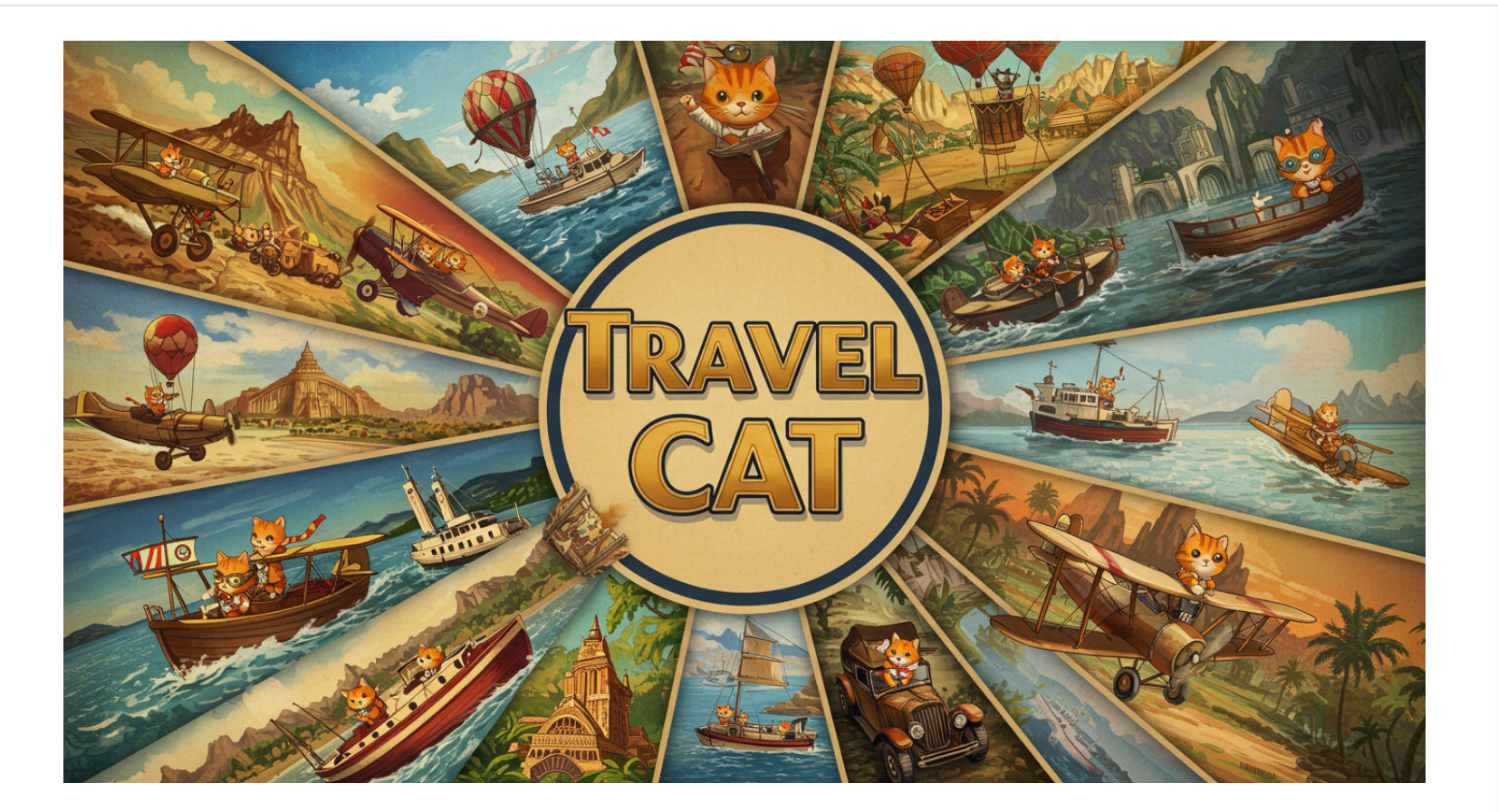
If you like travel, and you like cats, then you will enjoy the game Travel Cat, TripGeo’s playful flight-sim exploration game allows you to explore over 11,000 cities worldwide from the comfort of a feline piloted golden monoplane.

“Welcome to Travel Cat – an exciting adventure where you control a globetrotting feline to explore the wonders of the world! With access to a plane, car, and boat, the whole planet is your playground.

Soar through the skies, cruise the open roads, or sail the seven seas to any destination you choose. Leveraging the power of Google 3D Maps and Street View, Travel Cat brings the world to life in immersive detail.

Want to climb the Eiffel Tower? Easy. Race through the streets of Tokyo? You got it. Island hop in the Caribbean? All it takes is a few clicks. With the ability to travel at high speeds and make quantum leaps to any location, there are no limits to where you can go and what you can discover.

So pack your bags and get ready for the trip of a lifetime with your trusty Travel Cat. A world of adventure awaits!”

Posted in Air Travel, apps, Maps, Tourism | Tagged , | Leave a comment

fooleries of magic and religion


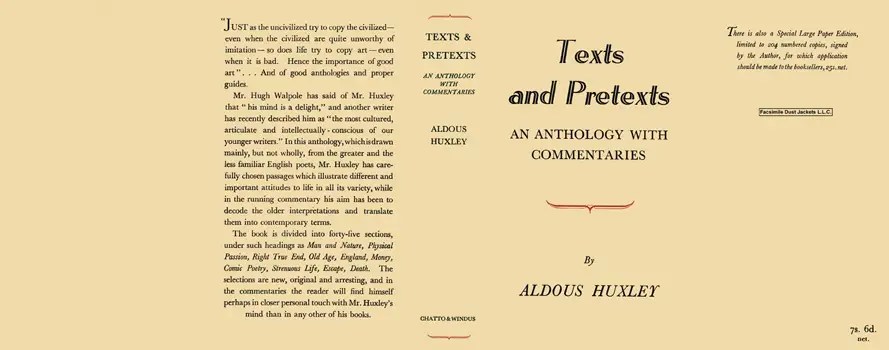
Man is so intelligent that he feels impelled to invent theories to account for what happens in the world. Unfortunately, he is not quite intelligent enough, in most cases, to find correct explanations. So that when he acts on his theories, he behaves very often like a lunatic. Thus, no animal is clever enough, when there is a drought, to imagine that the rain is being withheld by evil spirits, or as a punishment for its transgressions. Therefore you never see animals going through the absurd and often horrible fooleries of magic and religion. No horse, for example, would kill one of its foals in order to make a wind change its direction. Dogs do not ritually urinate in the hope of persuading heaven to do the same and send down rain. Asses do not bray a liturgy to cloudless skies. Nor do cats attempt, by abstinence from cats’ meat, to wheedle the feline spirits into benevolence. Only man behaves with such gratuitous folly. It is the price he has to pay for being intelligent, but not, as yet, quite intelligent enough.

— Aldous Huxley, Texts and Pretexts, 1932

Click here for the full book for free.


Posted in Books, Europe, Writing | Tagged , | Leave a comment

The Wonky House of Windsor

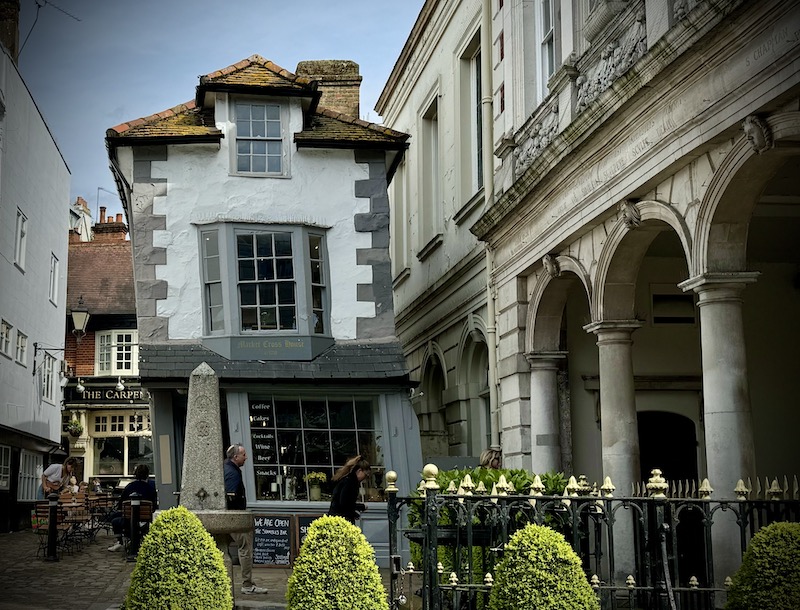
No, I’m not referencing the British royal family—although they are a shambolic mess—I’m referring to a lovely, rickety looking building a historic Windsor, England. If you have every visited the tourist town, you have likely had a peep at the charming house.

Although this building stands at a distinctive slant, it’s completely sturdy, and has been around since 1687. The house wasn’t always crooked, though. The house was originally built in 1592 and initially served as a butcher’s shop. The building’s unique slant is the result of its reconstruction in 1687. After a land dispute, the town council in Windsor was ordered to rebuild the house quickly. Unseasoned green oak wood was used in a rush. As the wood dried, the structure buckled and became tilted in a way that is stable but wonky looking.

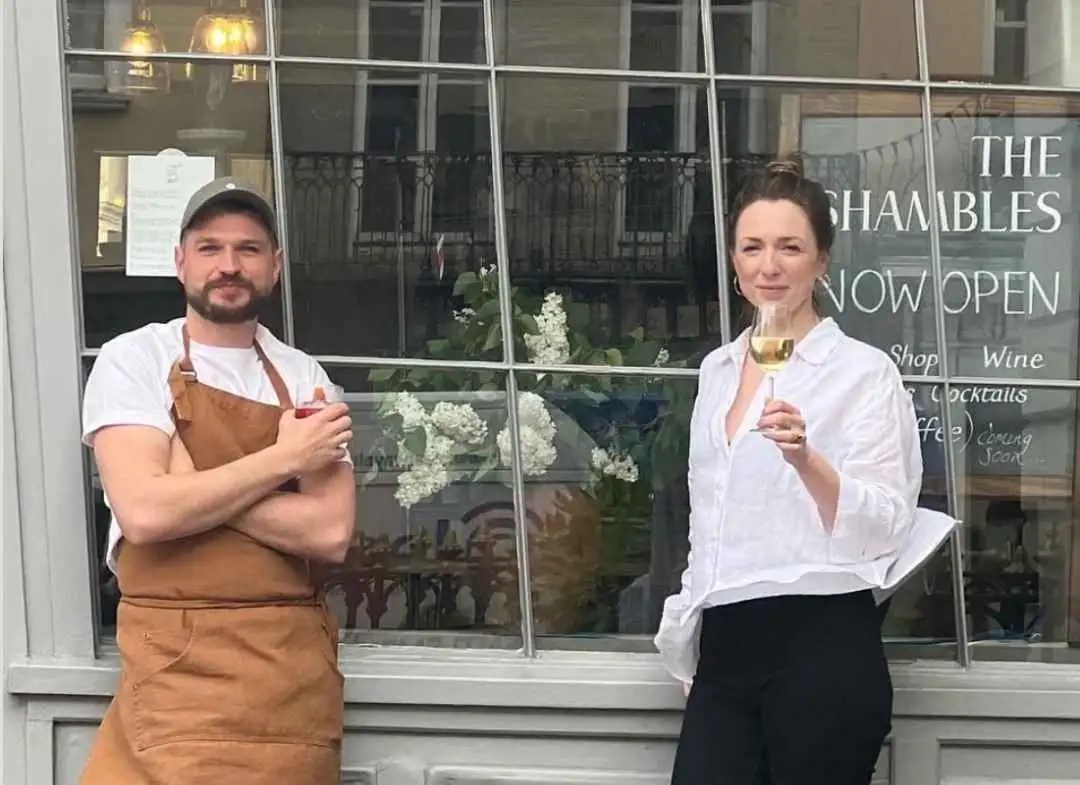
The building underwent a complete restoration—maintaining the slant of course—and has a new life as a café. The Crooked House now hosts The Shambles, a bar and bottle shop where proprietors Pip and Hamish will gladly serve you some of Windsor’s finest cocktails, a carefully curated wine selection, delicious nibbles, and coffee. It makes the list of the top five places in Windsor for coffee and drinks, and is an excellent place to watch the Changing of the Guard or rest your feet after trudging The Long Walk.


Posted in Architecture, Europe, History, Restaurants, Tourism | Tagged , , | 1 Comment

A really, really nice tunnel

I recently spotted the video below about Bergen, Norway’s amazing bike tunnel. And, I had two thoughts. First, wow, this is a wonderful piece of transit engineering. Second, I haven’t been in Bergen in more than 40 years. Even if you aren’t a biker, the video is worth a view.


Posted in Architecture, Europe, Film, Tourism | Tagged , , | 1 Comment

Break Time

We may or may not be on a break, it depends who you ask. Please check back soon.

Posted in Travel Writing | Tagged | 1 Comment

Deep Fry Everything

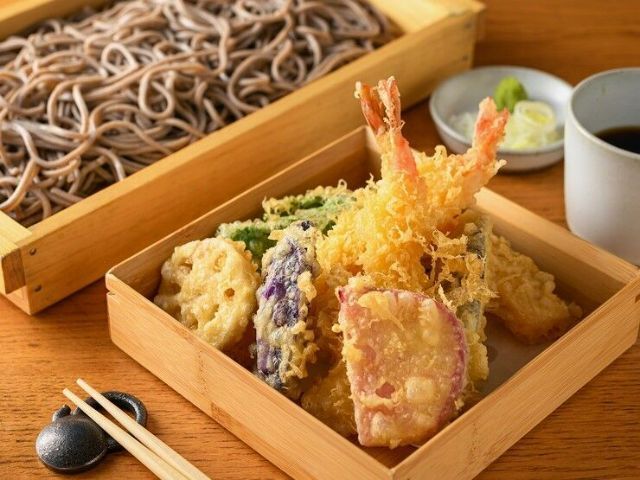
As I may have mentioned 20 or 30 times, I’ve been planning a trip to Japan and keep falling down Japan related rabbit holes. Like any sane person, I love Japanese cuisine, but as a vegetarian it’s sometimes difficult to find acceptable dishes. One of my guilty pleasures is tempura. While I rarely eat deep fried food these days, I’m willing to make an exception for tempura. But I was today years old when I learned that Japanese tempura was originally a Portuguese import.

Long a tradition staple of Japanese dining—fried vegetables or tempura (天ぷら)—was introduced by Portuguese traders who had a presence in Japan for about a century until being banished in 1639 for proselytizing, the ruling shogunate believing that Christianity was a threat to a stable society.

The recipe adapted from peixnhos da horta (little fish of the garden) for battered and fried green beans came to be known as tempura is etymologically tied to Christianity, being a Lenten substitute for a filling meal for those too poor to afford actual fish as a break from fasting, coming from the Latin tempora which indicated the time for abstaining.

Now you can impress your friends with a bit of Japanese/Portuguese trivia.

Posted in Asia, Europe, Restaurants, Tourism | Tagged , , | Leave a comment

Mapping Monday

Westeros vs Britain & Ireland

Birth country of most recent immigrants

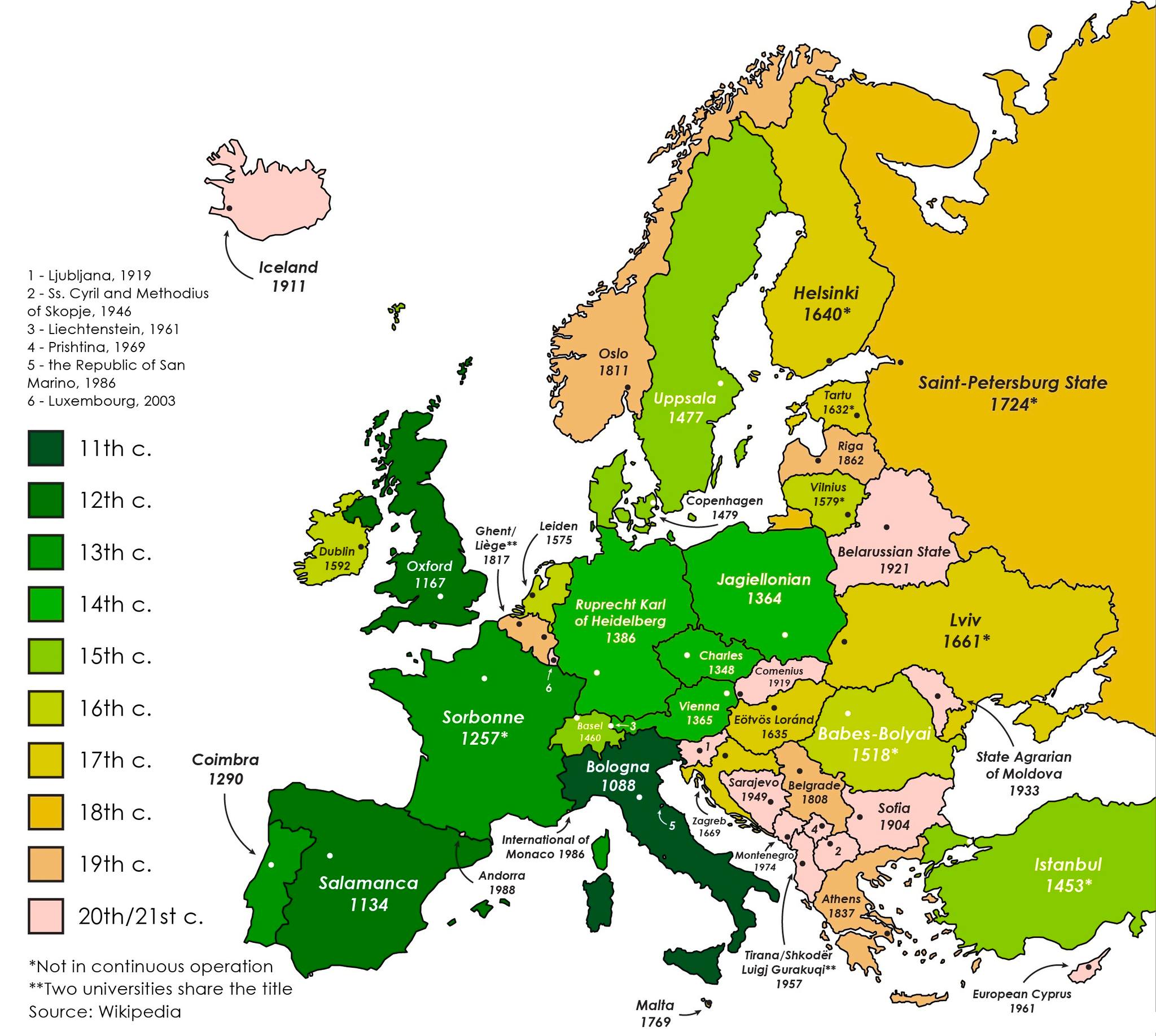
Establishment of Europe’s oldest universities

Posted in Africa, Asia, Canada, Europe, Maps, Middle East, USA | Tagged | 3 Comments