

We finally had our first snowfall of the season, which reminded me of this series of snowy woodblock prints by Kawase Hasui. Maybe it had something to do with my purchase of some very expensive plane tickets for a Japan trip. Who knows.





We finally had our first snowfall of the season, which reminded me of this series of snowy woodblock prints by Kawase Hasui. Maybe it had something to do with my purchase of some very expensive plane tickets for a Japan trip. Who knows.

Here in North America we have such boring Winter Solstice traditions. However, in the Baltics many traditions survive from the ancient pagan celebrations of the winter solstice – the longest night of the year. Over the centuries these old pagan traditions have blended with the Christian ones.

A touching short film starring Willian Shatner on the true meaning of Christmas.

I wish that I had this sign years ago when I was selling used books and collectibles at a flea market. While I’m not hawking any secondhand books here, I do have some stuff to share as usual.

Overall European rail operators do not deliver satisfactory services. But differences between them show that strong improvements are possible. The sector has not managed to sort things out on its own, which is why policy change is urgently needed. from Mind the gap! Europe’s Rail Operators: a Comparative Ranking . I was shocked to see how well Trenitalia fared in this survey.

Lawson’s, a convenience store in Japan, has begun selling Nomu mayo, a drinkable mayonnaise forgetting the important adage: all mayo is drinkable if you believe in yourself.
The only catch for pedantic mayonnaise lovers is that the label clarifies that Nomu mayo is a “mayonnaise-style drink” and “not mayonnaise”. Currently in a “test sale period”, it still remains to be seen if Nomu mayo actually appeals to Japanese customers, who are used to the thicker and richer taste of Japanese mayo, as opposed to more Western varieties.

The Best Book Covers of 2024: Or at least ‘the 100 best book covers of 2024 according to Print Magazine’ – those slight caveats don’t make this any less of a great selection of design work though. I think, based on the fact there are occasionally multiple editions of the same book, that this covers the wider world rather than just North America – there is such a wonderful breadth of work here .

In 1944, the US Office of Strategic Services—now the CIA—published the “Simple Sabotage Field Manual,” a top secret guide teaching the average citizen-saboteur how to fuck shit up without specialized tools or equipment or association with an “organized group.” Declassified in 2008, the guide encourages clogging up toilets, letting “cutting tools grow dull,” and dumping rice into gasoline engines. Now, a creative agitator has produced a new version of the document in the form of a lovely website: “Specific Suggestions: Simple Sabotage for the 21st Century.”
“Today’s wars are fought from computer consoles; climate disinformation campaigns are planned in web conferences; decisions to deny healthcare are codified in software,”
Here are some of the many suggestions for saboteurs:
Once again, we here at Travel Between The Pages World HQ want to wish everyone a happy and healthy holiday by sharing this Christmas poem by John M. Morris:
The Christmas Letter –
Wherever you are when you receive this letter
I write to say we are still ourselves
in the same place
and hope you are the same.
The dead have died as you know
and will never get better,
and the children are boys and girls
of their several ages and names.
So in closing I send you our love
and hope to hear from you soon.
There is never a time
like the present. It lasts forever
wherever you are. As ever I remain.
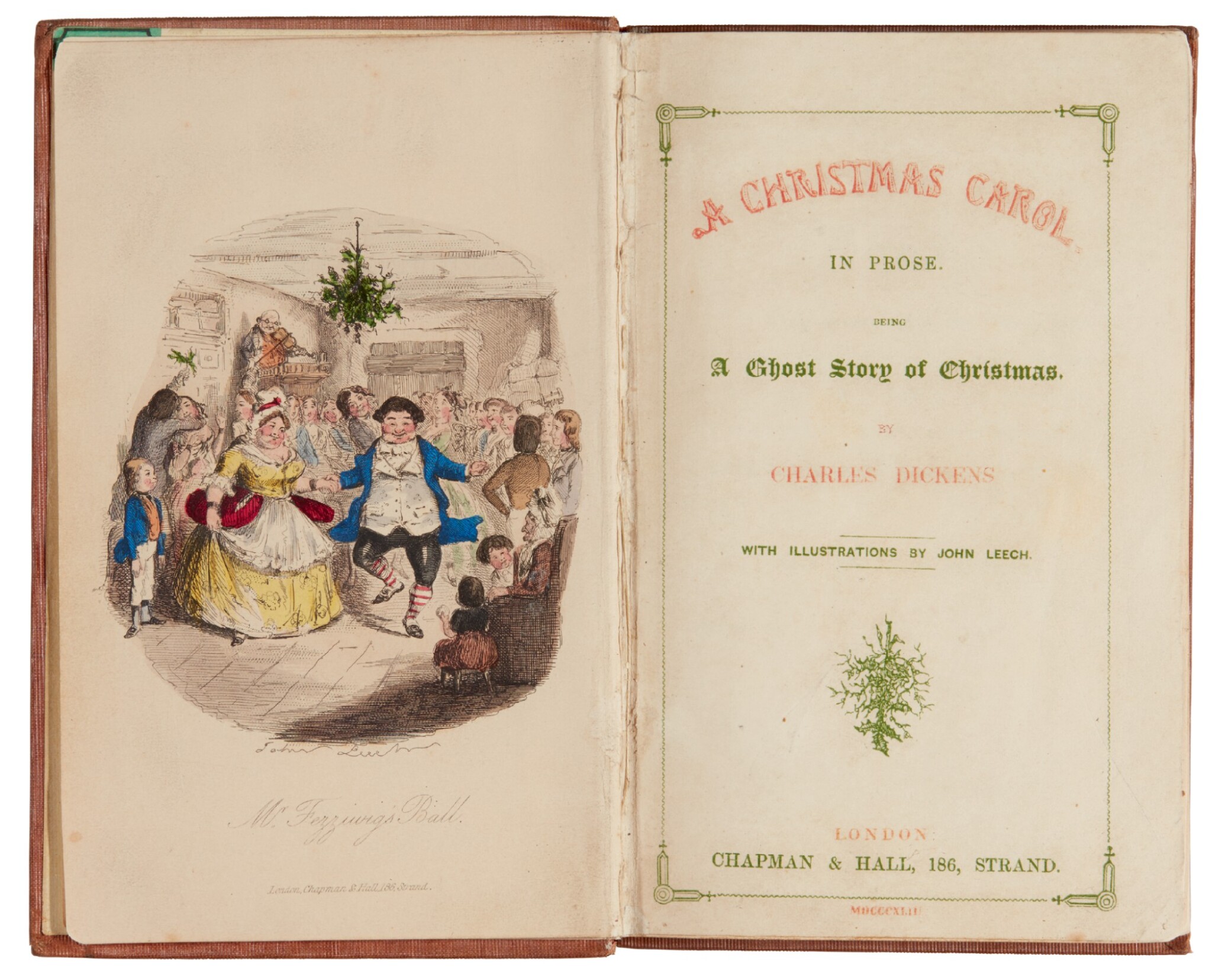
On this date in 1843, Charles Dickens published A Christmas Carol. Dickens wrote the novel after his first commercial failure. His previous novel, Martin Chuzzlewit had flopped, and he was suddenly strapped for cash. Martin Chuzzlewit had been satirical and pessimistic, and Dickens thought he might be more successful if he wrote a heartwarming tale with a holiday theme.
Dickens struggled to finish the book in time for Christmas. He no longer had a publisher so he published the book himself, ordering illustrations, gilt-edged pages and a lavish red bound cover. He priced the book at a mere 5 shillings, in hopes of making it affordable to everyone. It was released within a week of Christmas and was a huge success, selling six thousand copies the first few days, and the demand was so great that it quickly went to second and third editions.

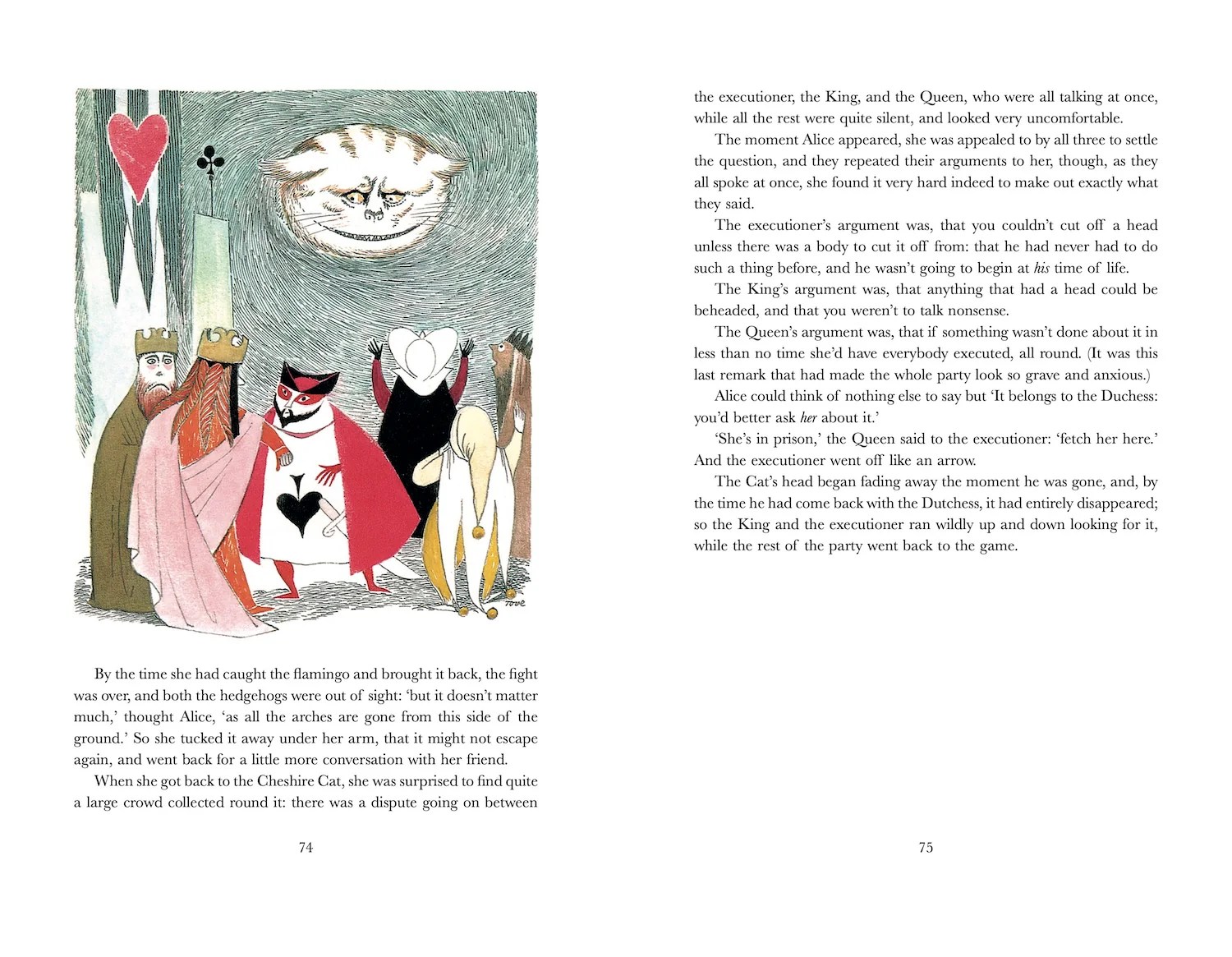
Just in time for Christmas, the NYRB Kids imprint has published a new edition of Lewis Carroll’s classic Alice’s Adventures in Wonderland illustrated by the Finnish author and artist Tove Jansson. Jansson is most famous for her Moomin books, which remain an influential cult favorite with kids and adults alike. She illustrated Carroll’s Alice in 1966 for a Finnish audience; this NRYB edition is the first English-language version of the book. There are illustrations on almost every page of the book; many are black and white sketches — doodles, portraits, marginalia — but there are also many full-color full-pages.
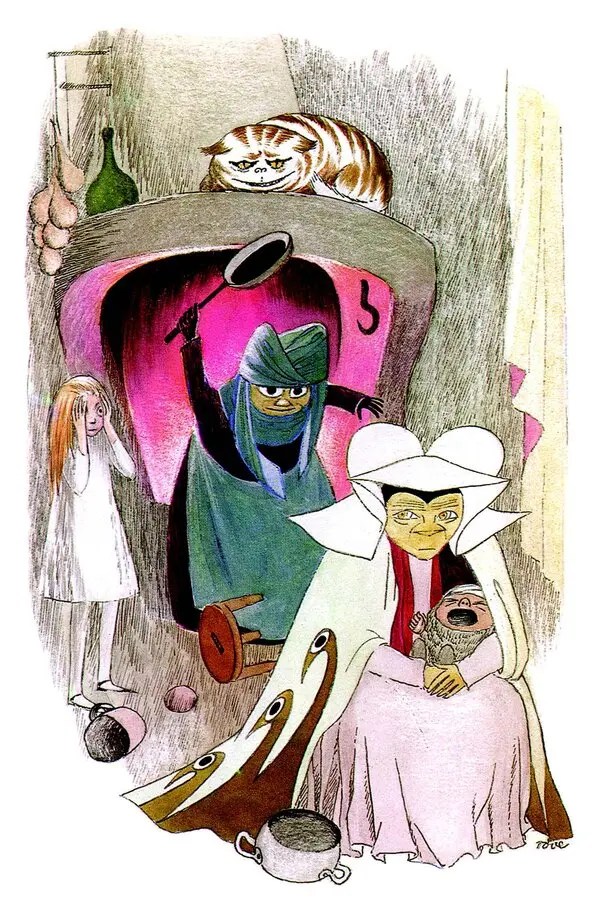
Jansson’s illustrations shift between whimsical and sinister — a fitting take on Carroll’s Alice, which we might remember fondly as a story of magical adventures, when really it is much closer to a horror story, a tale of being sucked into an underworld devoid of reason and logic, ruled by menacing, capricious, and ultimately invisible forces.


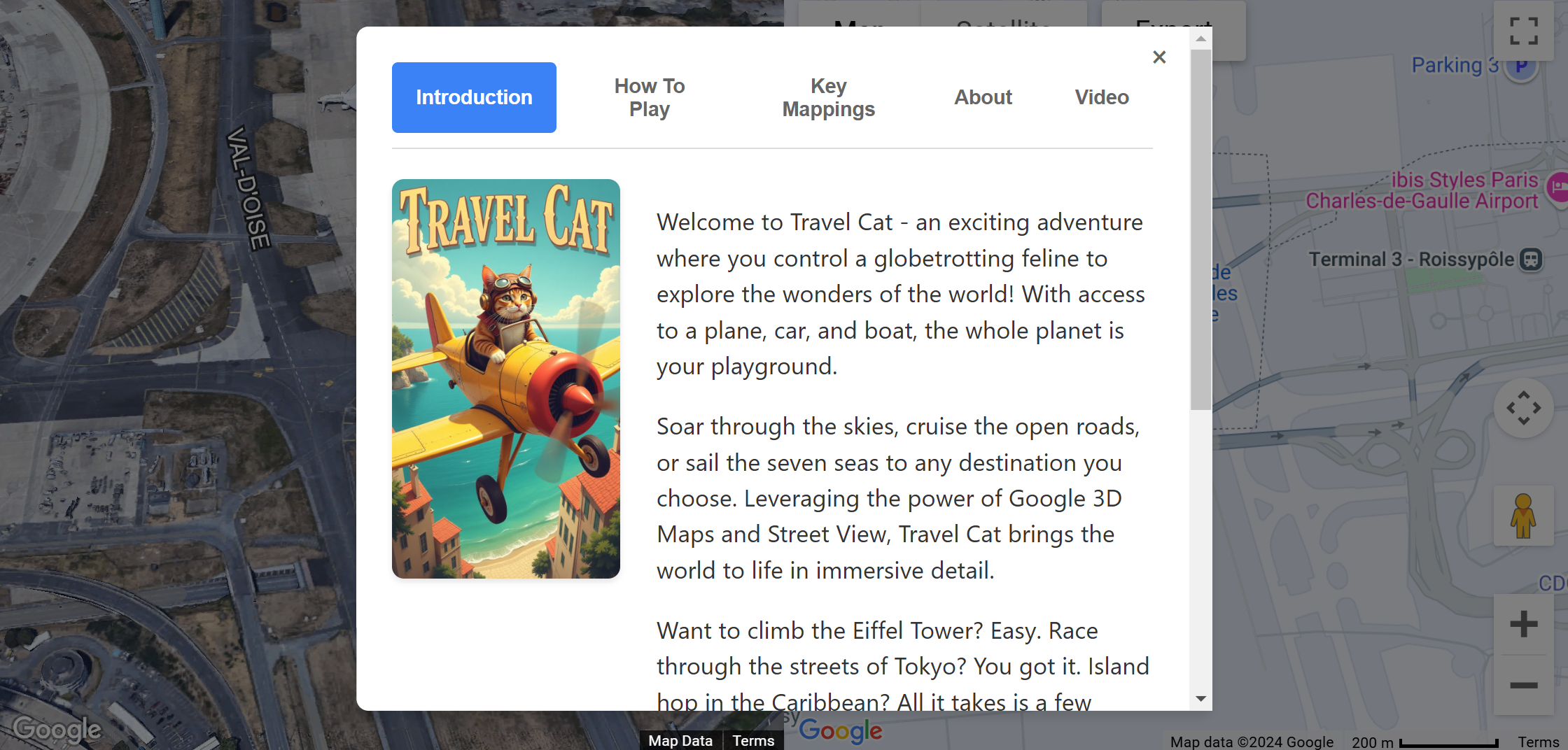
The new online geo-game Travel Cat lets you pilot a plane as a cat. Flying a feline-piloted plane past the Eiffel Tower in Paris or around the Statue of Liberty in New York is as cute as it sounds. It is also a lot of fun.

Travel Cat uses the Google Maps API’s 3D view to create a basic flight simulator that allows you to explore anywhere in the world. Or drive! Clicking on a road in the 3D map view instantly places your cat on terra firma, behind the wheel of a car. Press ‘B,’ and the car transforms into a 3D model of a boat, letting you explore waterways with equal ease.
The charm of Travel Cat lies primarily in the whimsical nature of its protagonist – a fearless feline pilot. Flying a cat-piloted plane around some of the world’s most famous landmarks elevates what might have been a straightforward flight simulator into a heartwarming and imaginative experience. Google’s 3D map view enhances the realism of the game, delivering an immersive low-altitude flying experience.
Whether you’re soaring above landmarks or cruising through streets and waterways, Travel Cat offers a delightful blend of exploration and whimsy that helps to set it apart from other map-based flight simulators.
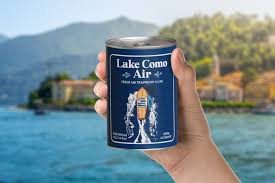
My favorite place to chill out in Italy is the little town of Varenna on Lake Como. The only souvenirs that I have of my time there are a few photos and some very fond memories. But apparently the region is no offering a quite silly souvenir for tourists.
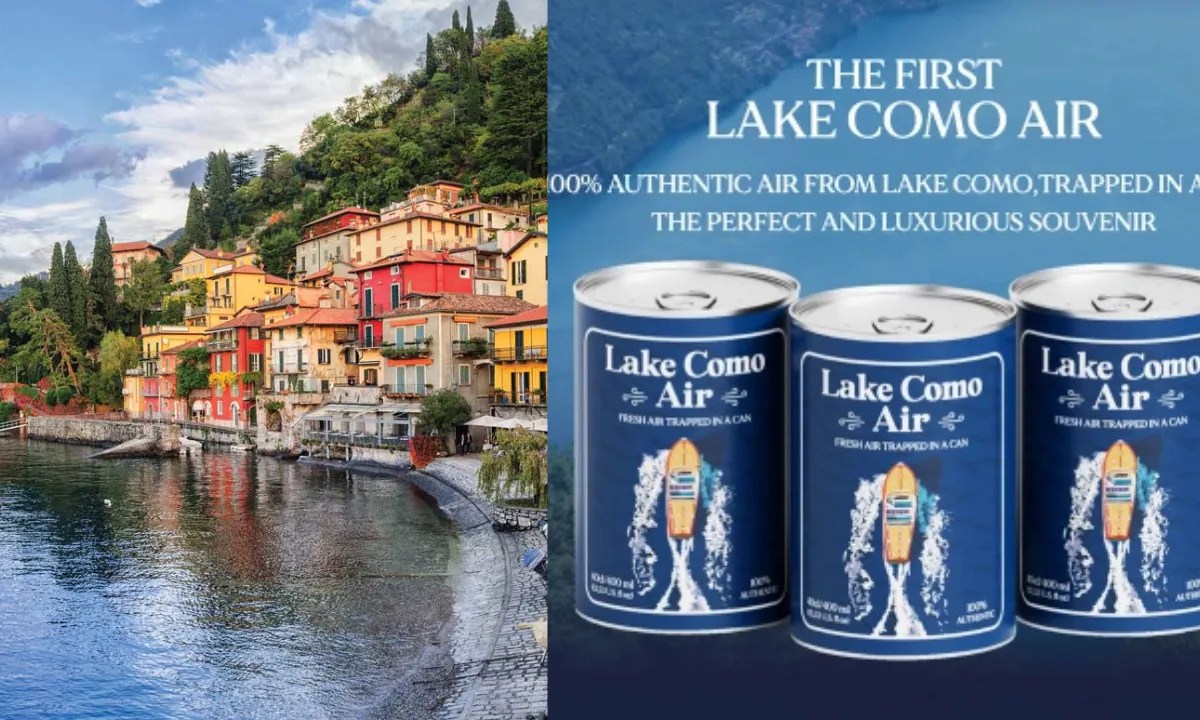
It’s an empty can, but it contains 400 ml of pure, ‘clean’ air from Lake Como. It also has nitrogen (78 percent), oxygen (21 percent), argon (0.93 percent), carbon dioxide (0.04 percent), neon (0.0018 percent), and a few more ingredients.
One catch is they’re not available online. People have to visit select stores around Como to acquire them because the idea is to draw visitors into the must-visit destinations in the area using the influence of the air in cans. ‘Only those who visit Lake Como can want to buy our souvenir. Memories are not bought but lived,’ as written on the Lake Como Air site. The shelf life of the souvenir is infinite, and once opened, owners can reuse the recyclable packaging of the the Lake Como Air cans as a pen holder, plant pot, or stationery container.
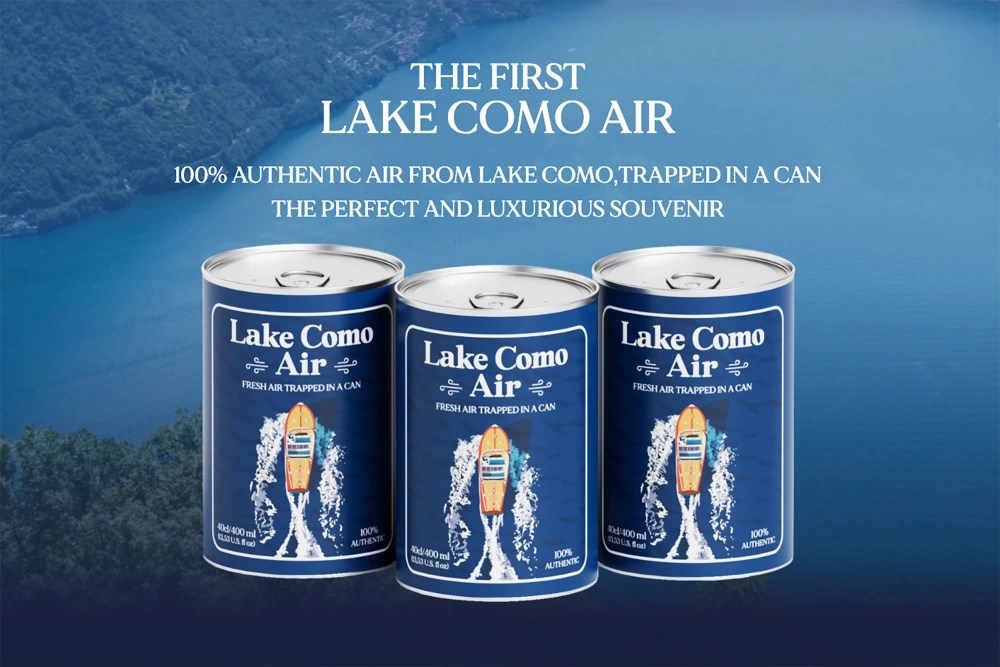
This frivolous gimmick by the Como-based agency ItalyComunica follows other touristy souvenirs on offer such as canned air from Rome, Athens, London, California, Beijing, Patagonia, Wroclaw, Norway, and more. There’s even canned fresh Icelandic mountain air sold as a souvenir for tourists visiting the island nation. But at €9.90 a can, this seems to be the dumbest souvenir in a long line of expensive tat.


After more than a decade of bad news stories about the imminent demise of the American bookstore it seems that things are looking up for a change.


 Travel Between The Pages