
Regular visitors to Travel Between the Pages will have noted that I am a life-long fan of the late, great American author Ursala K. Le Guin. Although she is best remembered for her groundbreaking speculative fiction, Le Guin was a prolific writer of literary criticism, poetry, children’s books, and essays. I recently ran across an exerpt from an interesting piece that she wrote for Harper’s magazine in 2008. The full article, which touches on reading and publishing, is well worth a few minutes of your time. So, here’s my own exerpt below and a link to the complete article.
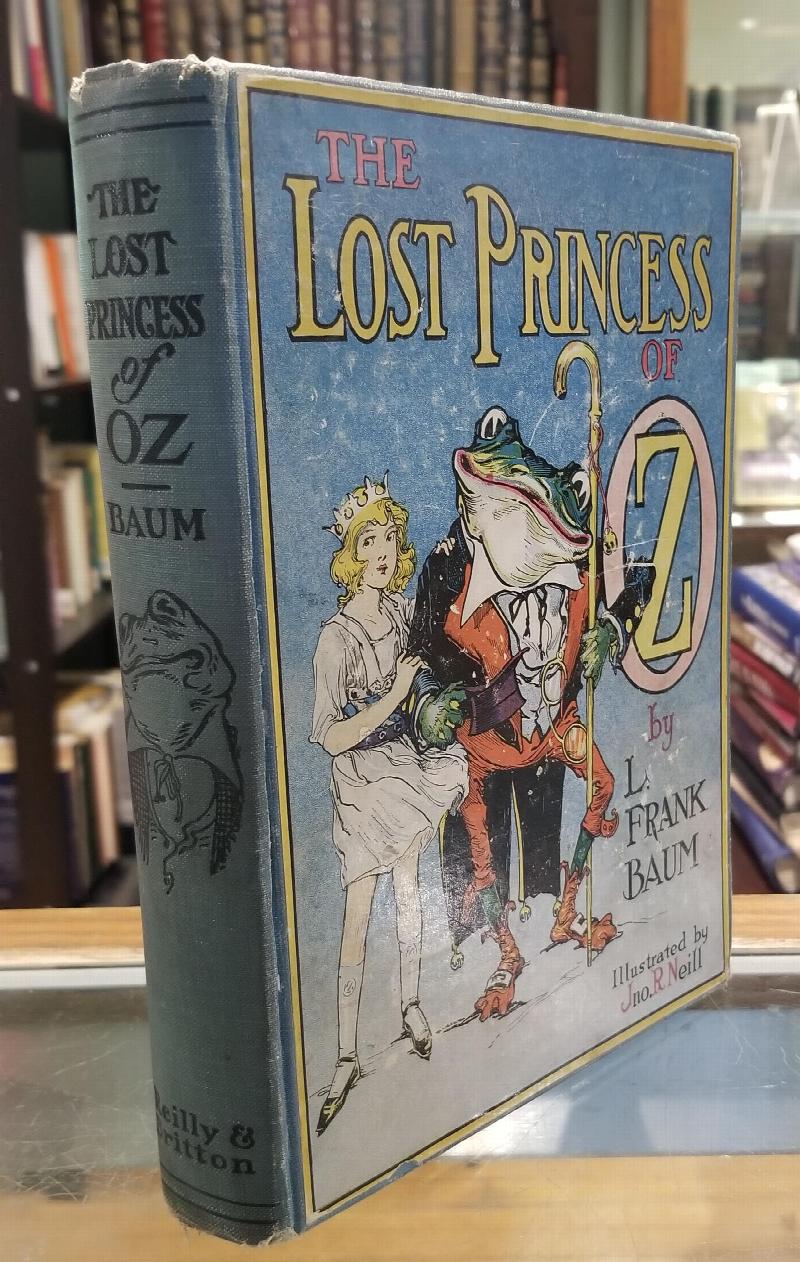
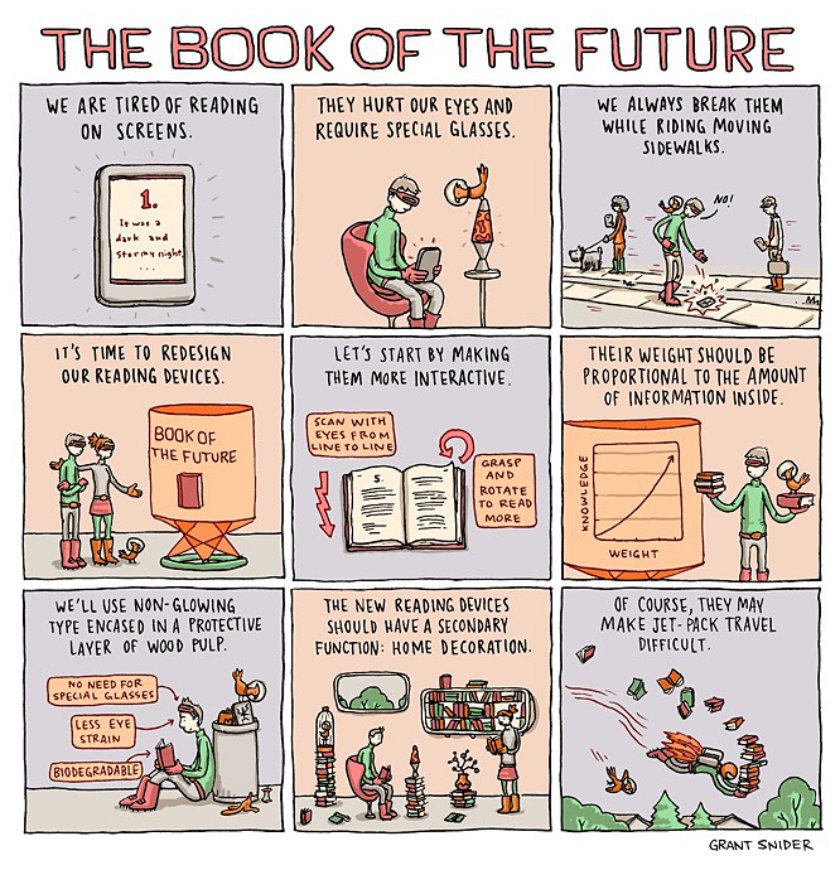
The book itself is a curious artifact, not showy in its technology but complex and extremely efficient: a really neat little device, compact, often very pleasant to look at and handle, that can last decades, even centuries. It doesn’t have to be plugged in, activated, or performed by a machine; all it needs is light, a human eye, and a human mind. It is not one of a kind, and it is not ephemeral. It lasts. It is reliable. If a book told you something when you were fifteen, it will tell it to you again when you’re fifty, though you may understand it so differently that it seems you’re reading a whole new book.
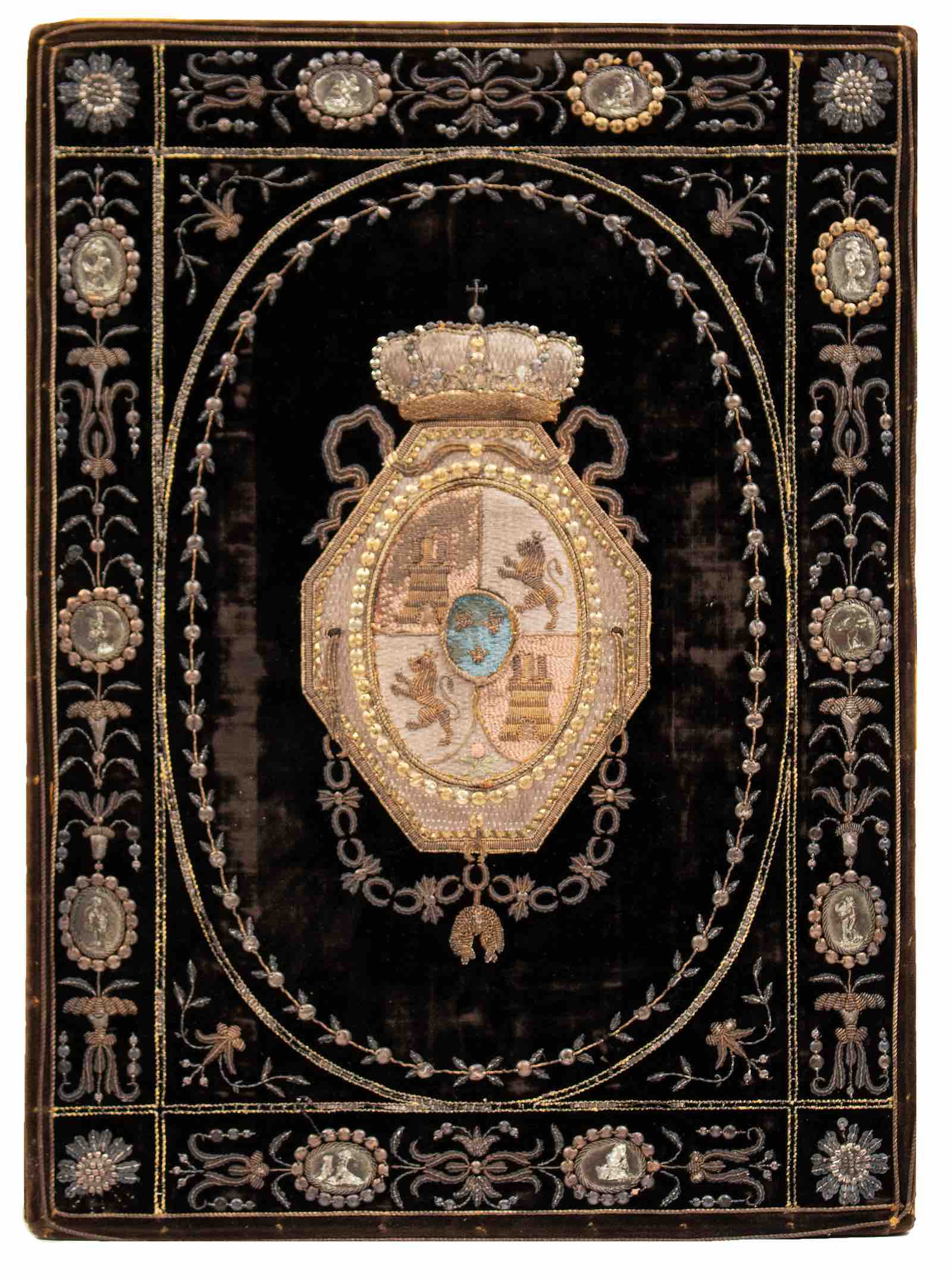
This is crucial, the fact that a book is a thing, physically there, durable, indefinitely reusable, an object of value.
I am far from dismissing the vast usefulness of electronic publication, but my guess is that print-on-demand will become and remain essential. Electrons are as evanescent as thoughts. History begins with the written word. Much of civilization now relies on the durability of the bound book—its capacity for keeping memory in solid, physical form. The continuous existence of books is a great part of our continuity as an intelligent species. We know it: we see their willed destruction as an ultimate barbarism. The burning of the Library of Alexandria has been mourned for two thousand years, as people may well remember the desecration and destruction of the great Library in Baghdad.
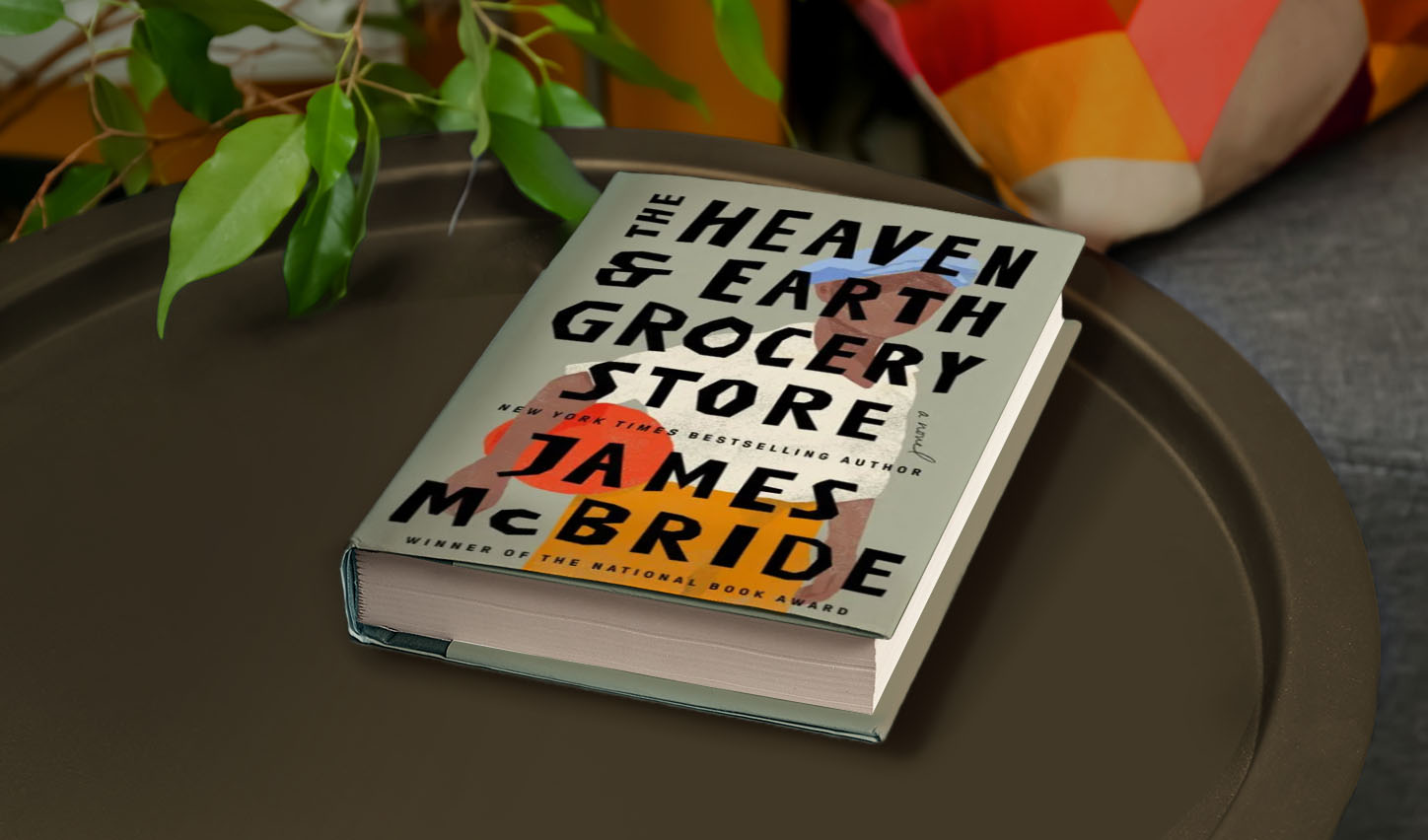
To me, then, one of the most despicable things about corporate publishers and chain booksellers is their assumption that books are inherently worthless. If a title that was supposed to sell a lot doesn’t “perform” within a few weeks, it gets its covers torn off—it is trashed. The corporate mentality recognizes no success that is not immediate. This week’s blockbuster must eclipse last week’s, as if there weren’t room for more than one book at a time. Hence the crass stupidity of most publishers (and, again, chain booksellers) in handling backlists.
Over the years, books kept in print may earn hundreds of thousands of dollars for their publisher and author. A few steady earners, even though the annual earnings are in what is now dismissively called “the midlist,” can keep publishers in business for years, and even allow them to take a risk or two on new authors. If I were a publisher, I’d rather own J.R.R. Tolkien than J. K. Rowling.
But capitalists count weeks, not years. To get big quick money, the publisher must risk a multimillion-dollar advance on a hot author who’s supposed to provide this week’s bestseller. These millions—often a dead loss—come out of funds that used to go to pay normal advances to reliable midlist authors and the royalties on older books that kept selling. Many midlist authors have been dropped, many reliably selling books remaindered, in order to feed Moloch. Is that any way to run a business?
I keep hoping the corporations will wake up and realize that publishing is not, in fact, a normal business with a nice healthy relationship to capitalism. Elements of publishing are, or can be forced to be, successfully capitalistic: the textbook industry is all too clear a proof of that. How-to books and the like have some market predictability. But inevitably some of what publishers publish is, or is partly, literature—art. And the relationship of art to capitalism is, to put it mildly, vexed. It has not been a happy marriage. Amused contempt is about the pleasantest emotion either partner feels for the other. Their definitions of what profiteth a man are too different.
So why don’t the corporations drop the literary publishing houses, or at least the literary departments of the publishers they bought, with amused contempt, as unprofitable? Why don’t they let them go back to muddling along making just enough, in a good year, to pay binders and editors, modest advances and crummy royalties, while plowing most profits back into taking chances on new writers? Since kids coming up through the schools are seldom taught to read for pleasure and anyhow are distracted by electrons, the relative number of book-readers is unlikely to see any kind of useful increase and may well shrink further. What’s in this dismal scene for you, Mr. Corporate Executive? Why don’t you just get out of it, dump the ungrateful little pikers, and get on with the real business of business, ruling the world?
Is it because you think if you own publishing you can control what’s printed, what’s written, what’s read? Well, lotsa luck, sir. It’s a common delusion of tyrants. Writers and readers, even as they suffer from it, regard it with amused contempt.
















 Travel Between The Pages