
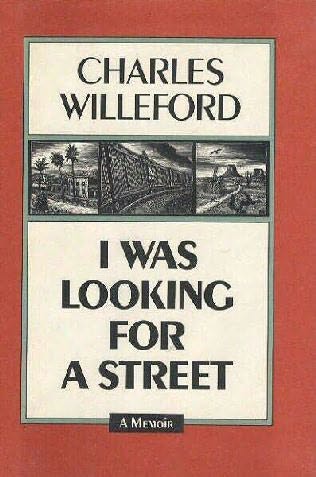
I first discovered Charles Willeford while living in Miami in the 70s; what better place to meet the master of pyscho-pulp fiction. Willeford’s darkly humorous novels were often deceptively simple meditations on being and nothingness packaged as police procedures or pulp revenge fantasies.
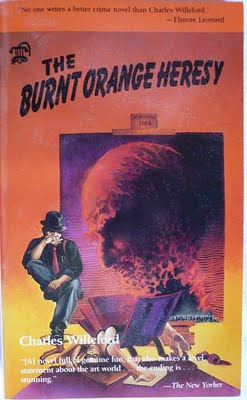
A natural existentialist, inspired to write by Dostoevsky, Willeford captured the tropical-urban metaphysics of Miami better than any 20th century author. He is rightly best known for his Hoke Mosley novels, set in South Florida, which transcend the police procedural genre, but his writing career stretches back to the 1940s and includes short story collections, poetry, memoirs, literary criticism, westerns and war stories. Whatever the genre, a penumbra of grief and a pervasive disappointment with the phoniness of American culture, imbue all of Willeford’s work.
I was dead chuffed to stumble upon Willeford’s recently re-published memoir, I Was Looking For a Street, in a new paperback edition by Picture Box with a forward by Luc Sante and a cover blurb from Jonathan Lethem. I wholly agree with Sante’s comparison of Willeford to Elmore Leonard and his belief that “A lot of people could do themselves a favor by reading him”.
Picture Box has indicated that they may have plans to re-release more of the Willeford canon. And there’s even a rumor that the never published Grimhaven, Willeford’s sequel to the successful Miami Blues, could finally see publication.
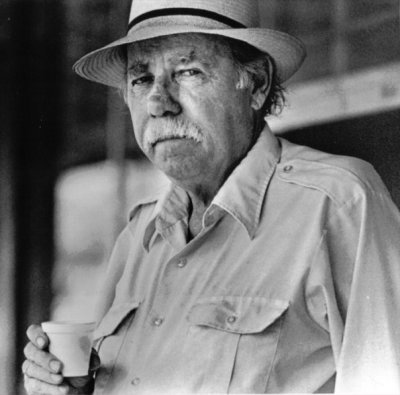
Charles Willeford’s star has never shined as brightly as cult luminaries such as Jim Thompson and David Goodis, but a new generation now has the opportunity to get to know the under-appreciated master of smart pulp fiction.


 Travel Between The Pages