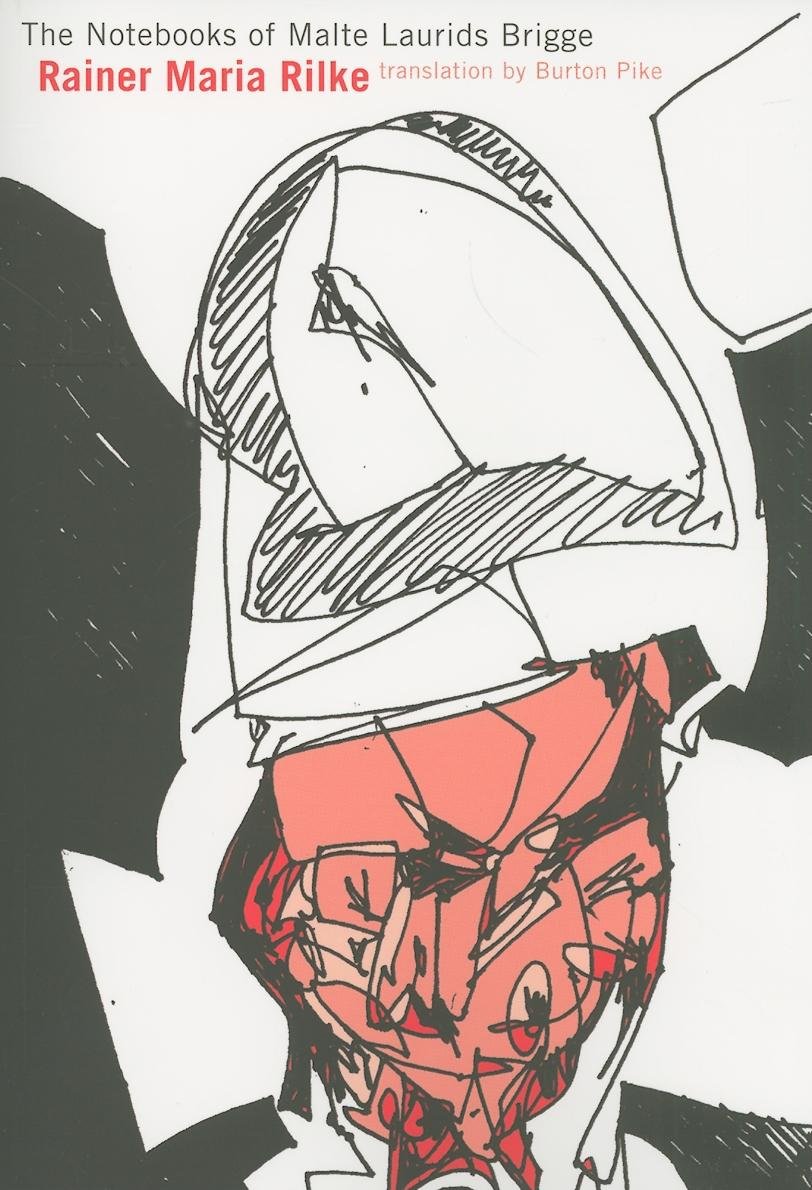
The author Rainer Maria Rilke anticipated the inevitable shortcomings in the use of AI in the arts. He articulated the essential conditions for creativity in his only novel, reflecting on what it takes to compose a great poem, but also addressing what it takes to create anything of beauty and substance :
For the sake of a few lines one must see many cities, men and things. One must know the animals, one must feel how the birds fly and know the gesture with which the small flowers open in the morning. One must be able to think back to roads in unknown regions, to unexpected meetings and to partings which one has long seen coming; to days of childhood that are still unexplained, to parents that one had to hurt when they brought one some joy and one did not grasp it (it was a joy for someone else); to childhood illness that so strangely began with a number of profound and grave transformations, to days in rooms withdrawn and quiet and to mornings by the sea, to the sea itself, to seas, to nights of travel that rushed along on high and flew with all the stars — and it is not yet enough if one may think of all of this. One must have memories of many nights of love, none of which was like the others, of the screams of women in labor, and of light, white, sleeping women in childbed, closing again. But one must also have been beside the dying, one must have sat beside the dead in the room with the open window and the fitful noises.


 Travel Between The Pages