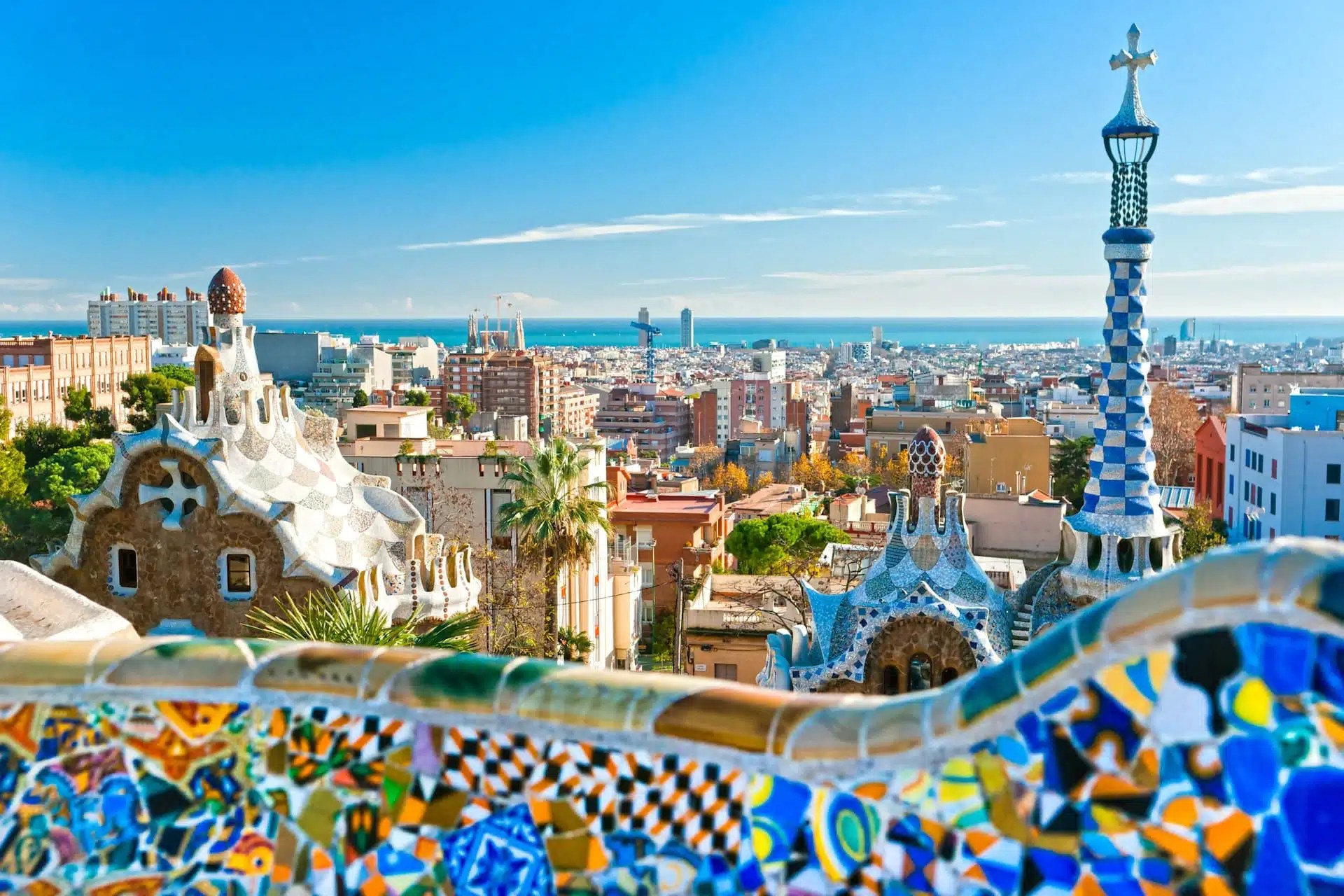
Like most visitors to Barcelona, I was charmed by Park Güell, the UNESCO-listed municipal park originally designed by the beloved Catalan architect Antoni Gaudí as a private housing estate on the outskirts of Barcelona. Inaugurated in 1926 as a municipal garden for Barcelona’s residents, the park is now a must see destination for every tourist who comes to the city.
When I first went to Barcelona many years ago, I was surprised to discover that the famous park had a very different origin story. Park Güell showcases the many aspects of Gaudí’s eccentric and unique artistic style, was not ever intended as a public space.
With a stunning vistas, the park is positioned on a mountainside in the city’s Gràcia district, Park Güell’s site was originally designed as an exclusive residential complex for the city’s wealthy residents.
The ambitious development was proposed by Spanish industrialist Eusebi Güell based on the popular ideas of the garden city movement led by English town planner Ebenezer Howard.
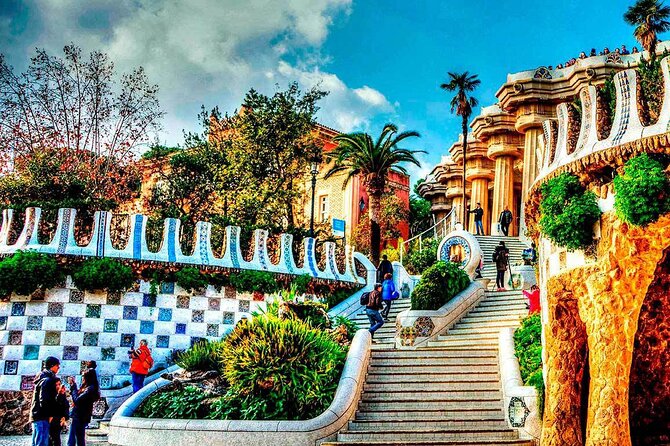
Güell commissioned Gaudí for the residential development and it is one of five projects designed by the architect – including Palau Güell and Colonia Güell – that bear his name.
The architect’s original plan divided the site into 60 triangular plots for luxury homes, which would be surrounded by greenery and connected by a trio of viaducts that traverse the sloped landscape.
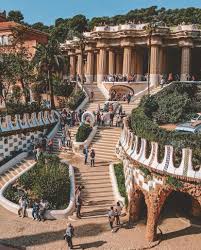
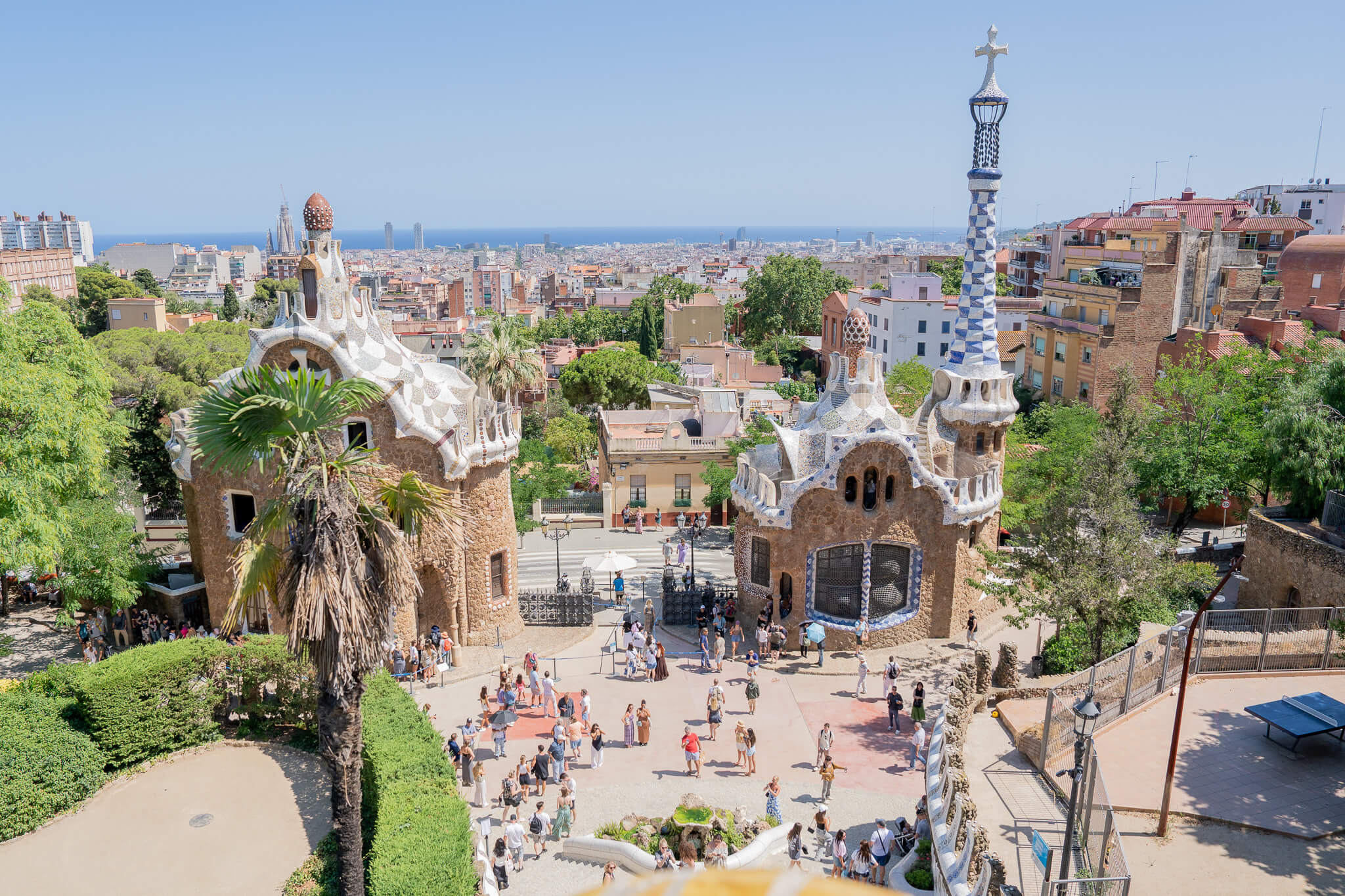
Construction on the development began in 1900, with its two entrance pavilions, a central stairway, and elevated walkways being completed by 1903. However, by 1914, the project was abandoned following a lack of interest from buyers due to complex lease contracts and few local transport systems. Only two of the 60 planned homes were ever built, one of which became Gaudí’s home.
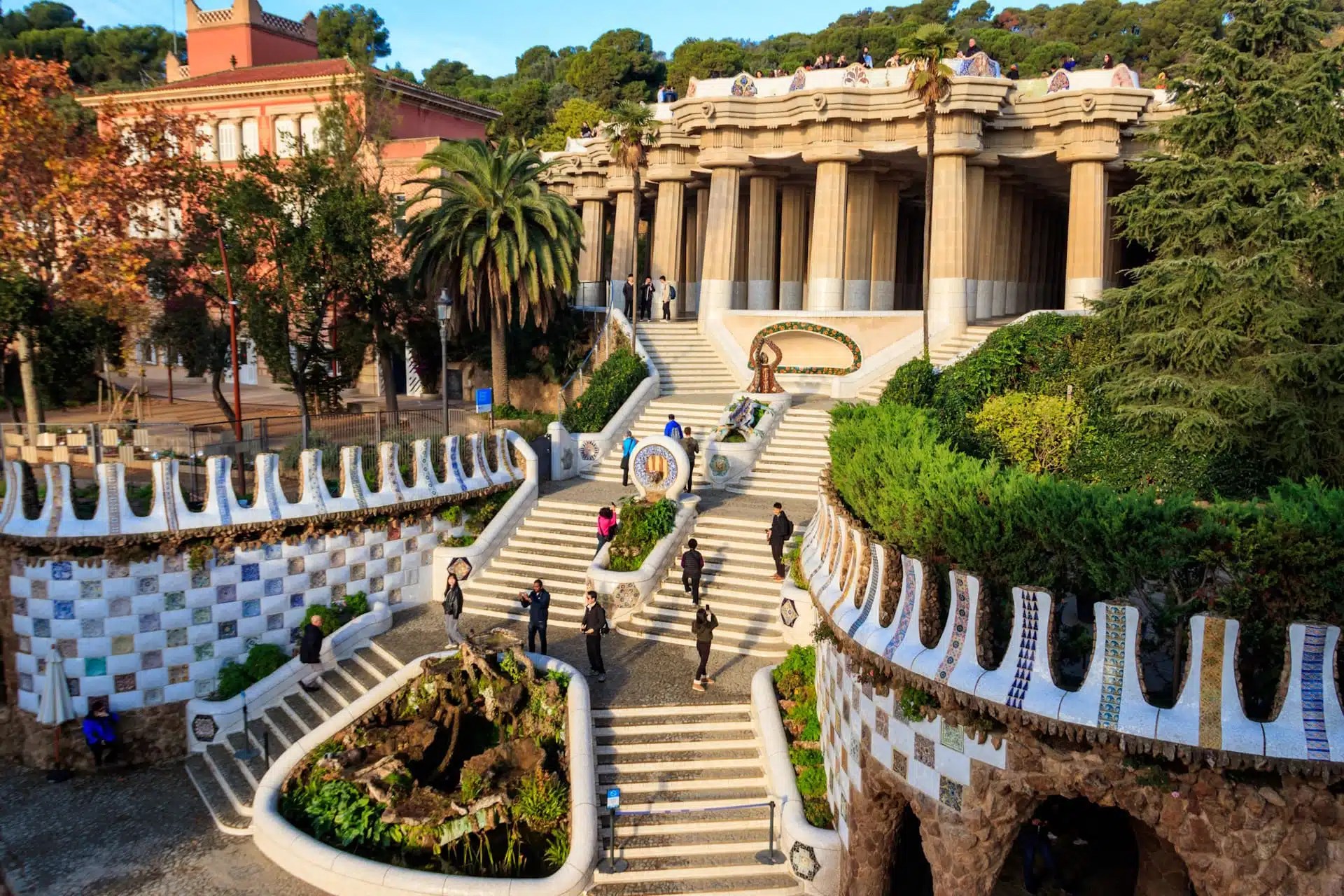
The park was sold to the city council in 1922, following the death of Güell at his on-site residence in 1918, and was later opened as a public space in 1926.
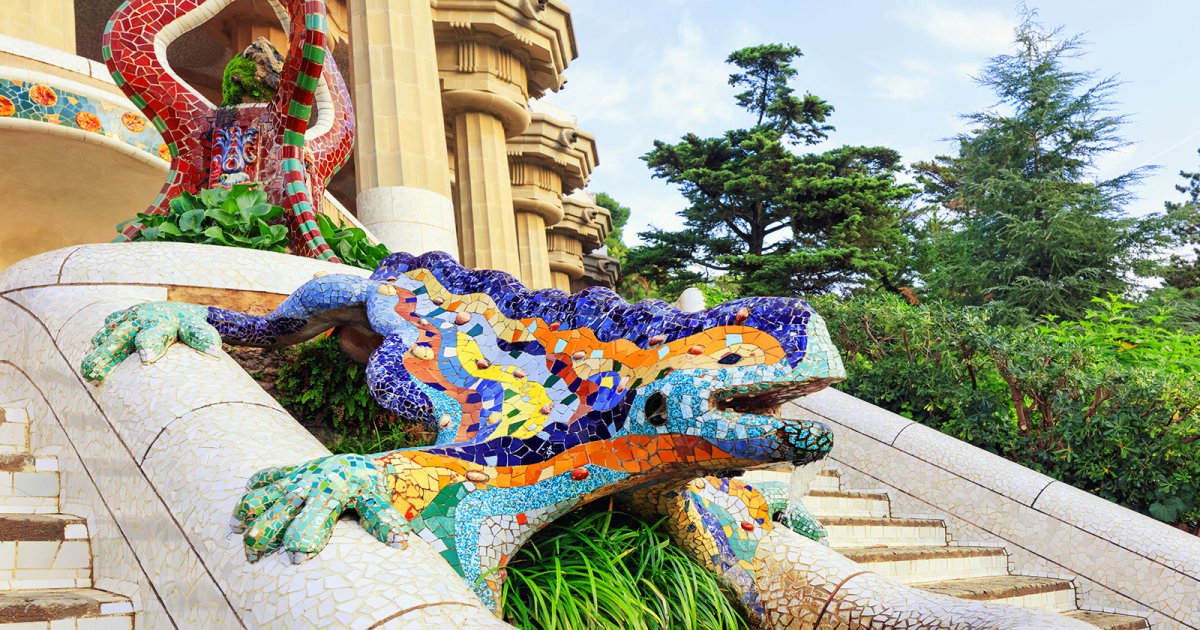
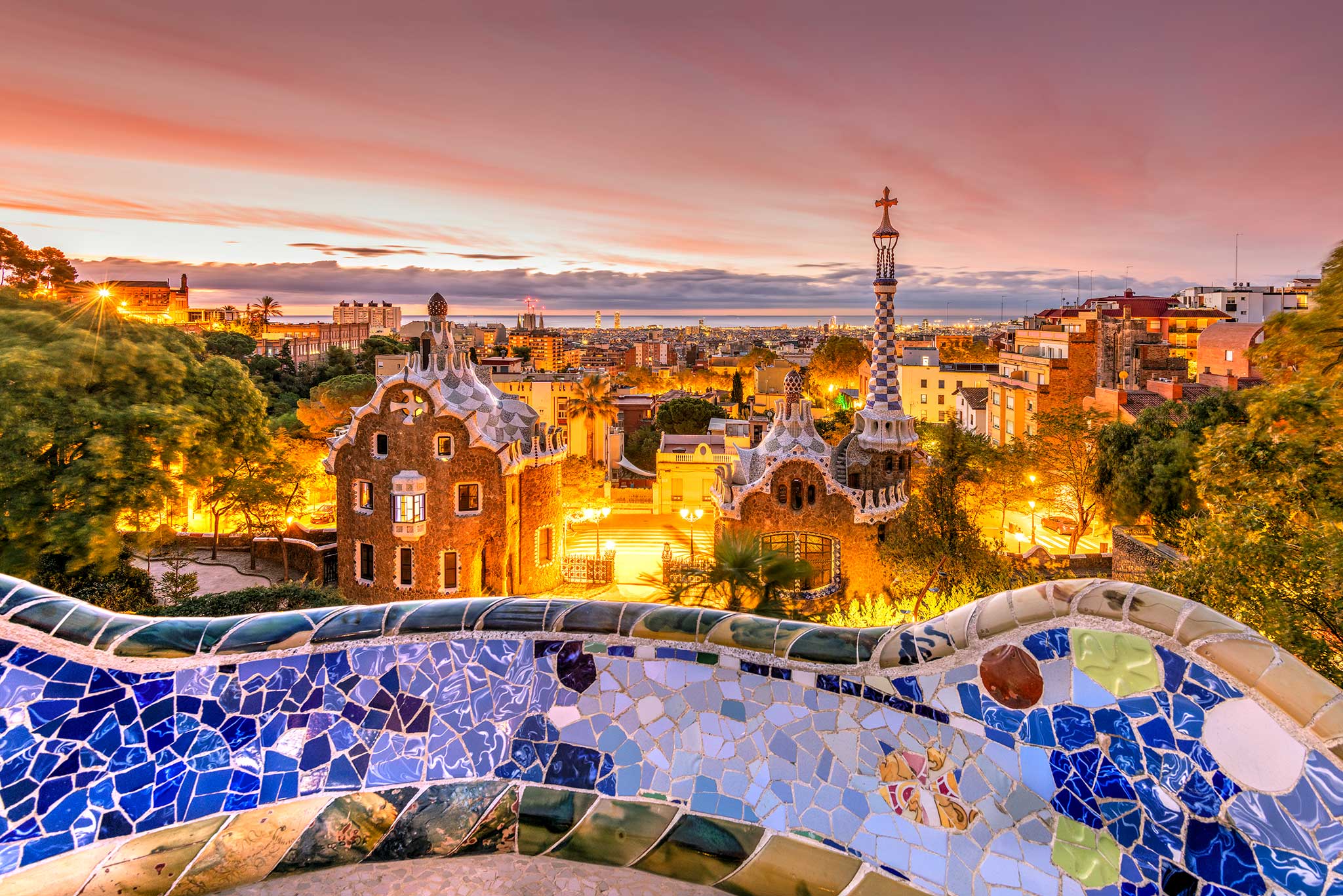
Today, Park Güell encompasses 12 hectares of public gardens with whimsical gingerbread house-style pavilions and mosaic-covered terraces overlooking the city. It incorporates elements from the park’s more ambitious beginnings, which act both as cultural infrastructure for the community and as important artefacts of Gaudí’s work.
The park’s shift from a private estate to a public garden also saw the conversion of Güell’s former home, Larrard House, into a municipal public school, and Gaudí’s home into the Gaudí Home Museum.
A UNESCO World Heritage Site, Park Güell has become beloved by tourists and locals alike, with around 4.5 million visitors annually. However, this popularity has led to serious over-tourism. For this reason, Barcelona City Council has approved a plan that it claims will gradually reduce visitor numbers over two years and ultimately “bring the park back to the city”.


It’s interesting to read the history. It must be 10 years since I was there and the swell of tourism was just beginning to be seen as a nuisance. It can spoil the experience for everyone xx