

“I have heard what the talkers were talking, the talk of the beginning and the end. But I do not talk of the beginning or the end. There was never any more inception than there is now, Nor any more youth or age than there is now, And will never be any more perfection than there is now, Nor any more heaven or hell than there is now. Urge and urge and urge, Always the procreant urge of the world…”
~Walt Whitman, from “Song of Myself”
Walt Whitman’s “Song of Myself,” a key poem from his collection, “Leaves of Grass,” explores themes of existence, continuity, and the eternal present, emphasizing that the beginning and end are not as important as the ongoing moment. He celebrates the persistent, creative force of life, affirming that perfection, heaven, and hell are all present in the now. This perspective encourages readers to embrace the present moment and recognize the inherent value and completeness of their current experience.
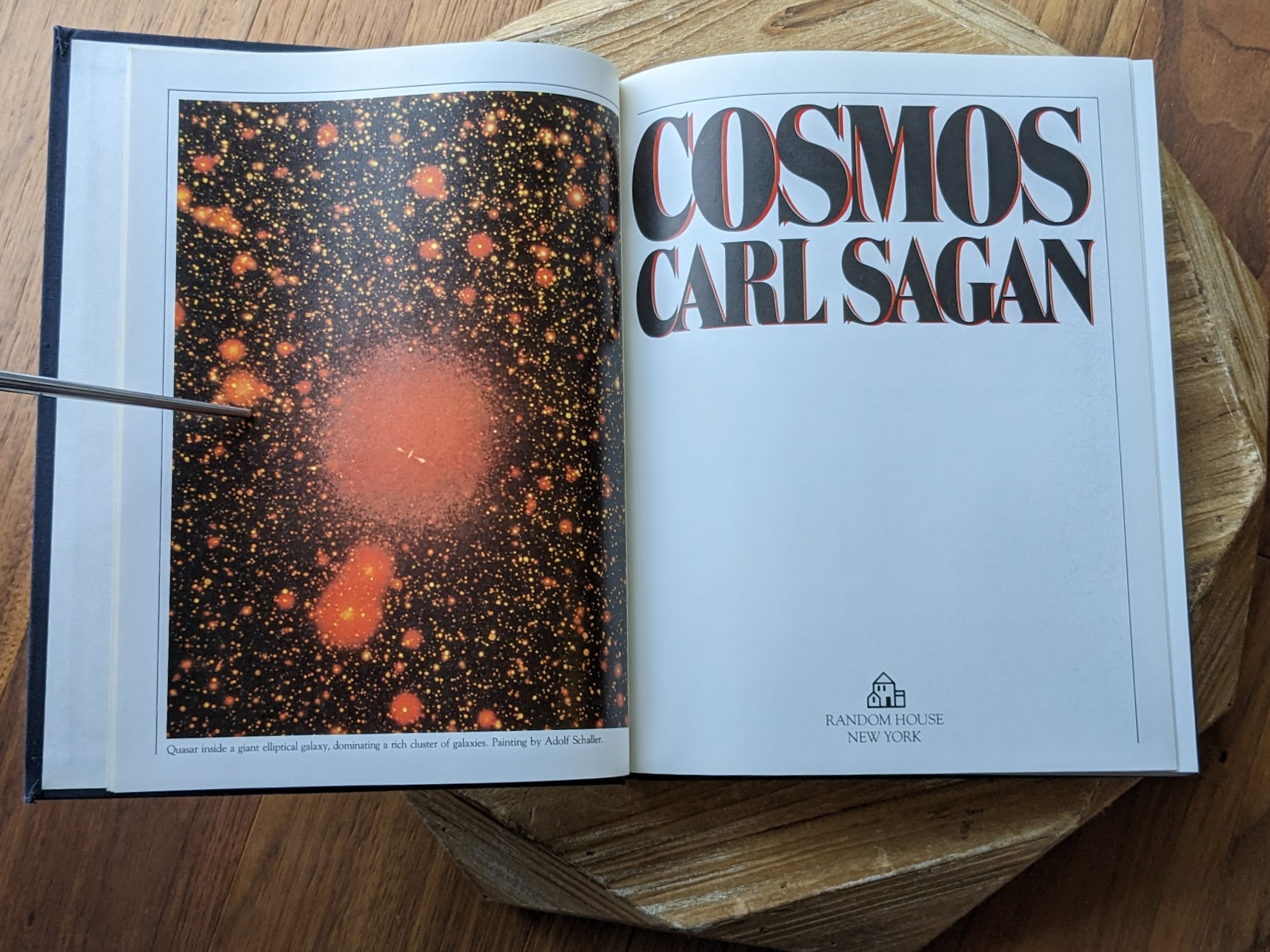
“Human history can be viewed as a slowly dawning awareness that we are members of a larger group. Initially our loyalties were to ourselves and our immediate family, next, to bands of wandering hunter-gatherers, then to tribes, small settlements, city-states, nations. We have broadened the circle of those we love. We have now organized what are modestly described as super-powers, which include groups of people from divergent ethnic and cultural backgrounds working in some sense together — surely a humanizing and character building experience. If we are to survive, our loyalties must be broadened further, to include the whole human community, the entire planet Earth. Many of those who run the nations will find this idea unpleasant. They will fear the loss of power. We will hear much about treason and disloyalty. Rich nation-states will have to share their wealth with poor ones. But the choice, as H. G. Wells once said in a different context, is clearly the universe or nothing.” Carl Sagan, Cosmos, Random House, 1980, p. 339


Halloween cover for The New Yorker, 31 Oct. 1994 by William Joyce


