These things and these people
were also affected,
and despite his misery
this little world
with all its light
has been a beauty for him.
(Jacques Prévert for Izis)
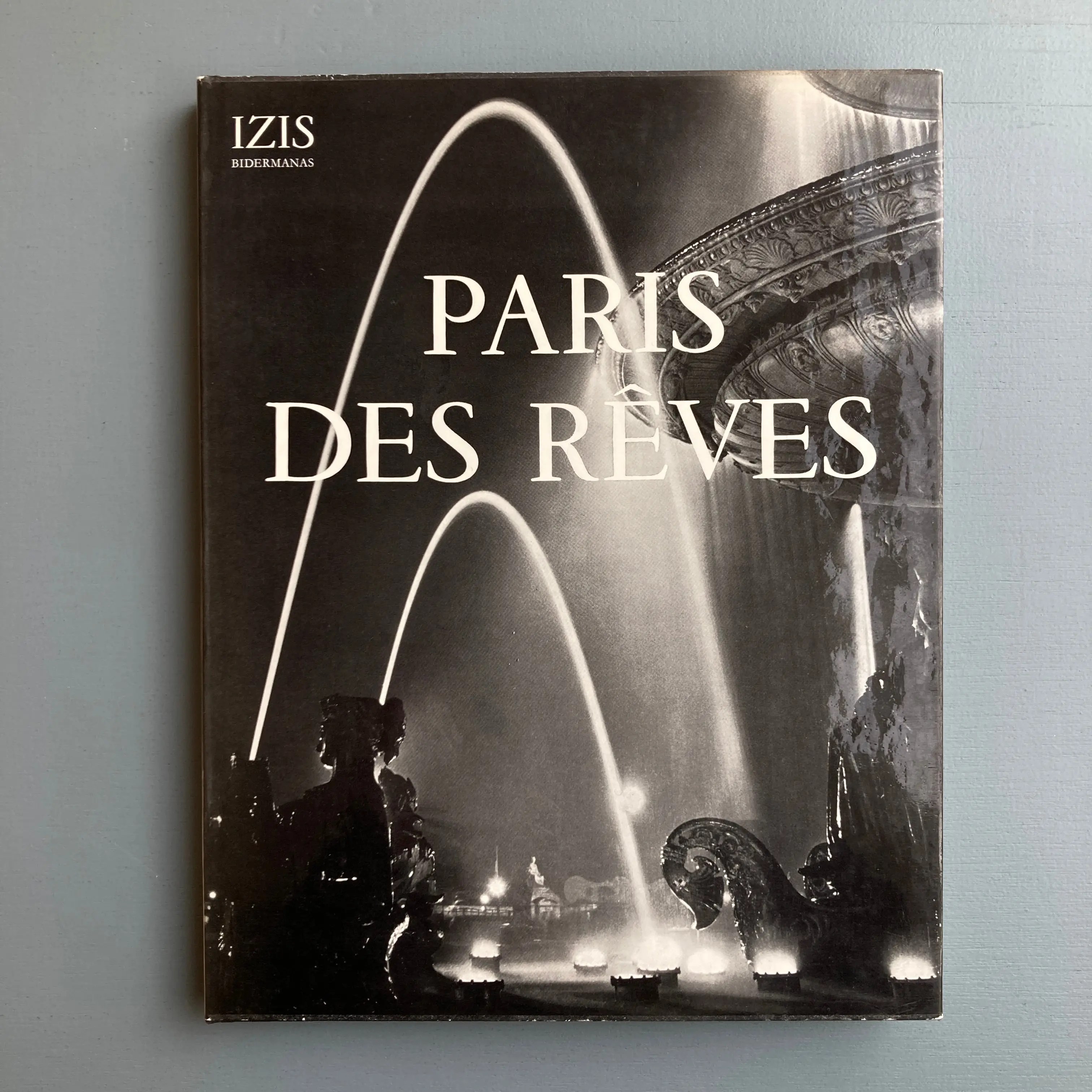
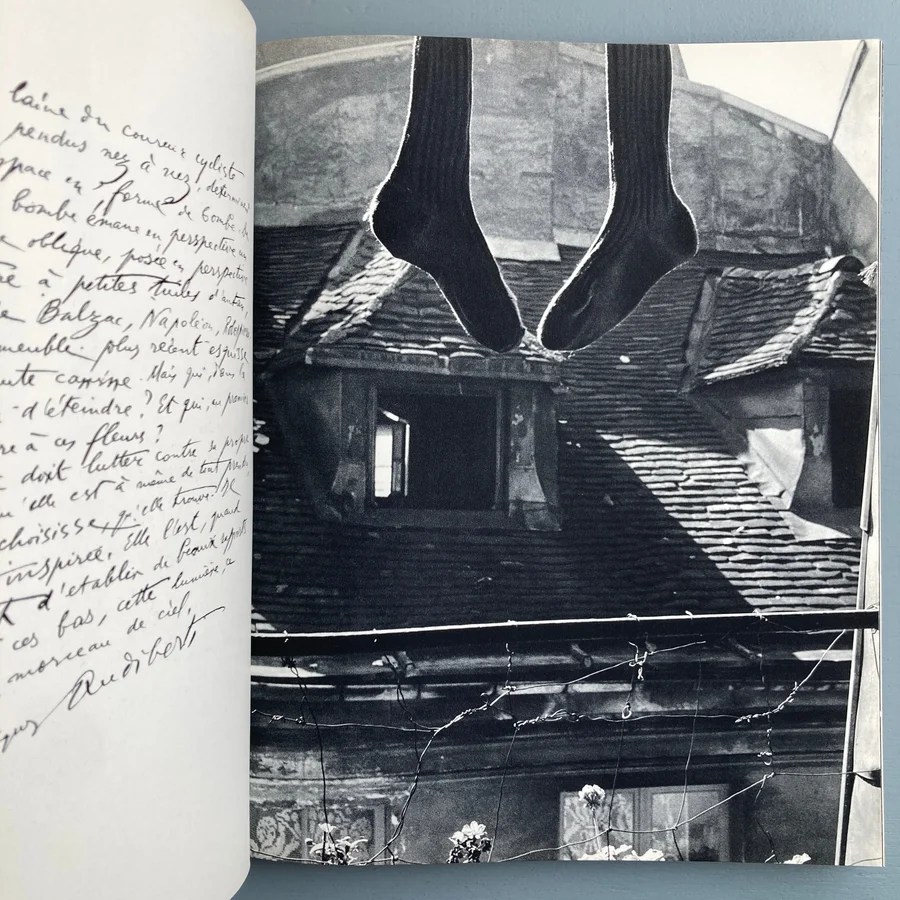
I am occasionally delighted when I stumble upon a story about an obscure book that I sold years ago. That was the case this week when I read a post on a random blog about the French-Lithuanian photographer Israëlis Bidermanas and his marvelous first book, Paris des rêves (Paris of Dreams). Izis asked writers and poets to contribute short texts to accompany his photographs, many of which showed Parisians and others apparently asleep or daydreaming. The book, which Izis designed, was a success. Izis joined Paris Match in 1950 and remained with it for twenty years, during which time he could choose his assignments.
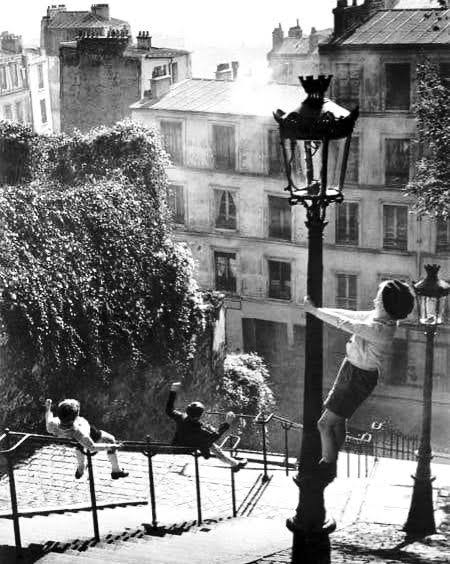
Israëlis Bidermanas (17 January 1911 – 16 May 1980 ), who worked under the name of Izis, was a Jewish photographer who worked in France and is best known for his photographs of French circuses and of Paris.
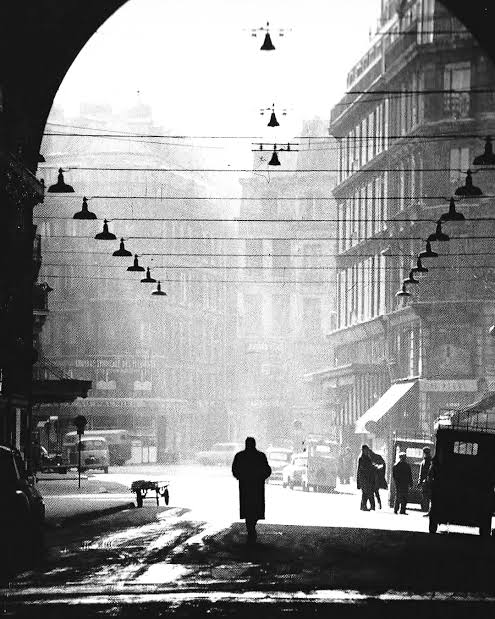
Born in Marijampolė, present-day Lithuania, Bidermanas arrived in France in 1930 to become a painter. In 1933, he directed a photographic studio in the 13th Arrondissement of Paris. During World War II, being a Jew, he had to leave occupied Paris. He went to Ambazac, in the Limousin, where he adopted the pseudonym Izis and where he was arrested and tortured by the Nazis. He was freed by the French Resistance and became an underground fighter. At that time he photographed his companions, including Colonel Georges Guingouin. The poet and underground fighter Robert Giraud was the first to write about Izis in the weekly magazine Unir, a magazine created by the Resistance.
Upon the liberation of France at the end of World War II, Izis had a series of portraits of maquisards (rural resistance fighters who operated mainly in southern France) published to considerable acclaim. He returned to Paris where he became friends with French poet Jacques Prévert and other artists. Izis became a major figure in the mid-century French movement of humanist photography — also exemplified by Brassaï, Cartier-Bresson, Doisneau, Sabine Weiss and Ronis — with “work that often displayed a wistfully poetic image of the city and its people.”


