

I’ve been a fan of Patricia Highsmith’s diabolically plotted mystery novels since I read my first “Ripley” book many decades ago. So I expected a lot from the recently released film “A Talent for Murder”, which is a fictionalized story about Highsmith’s last year. And, as it starred the amazing Helen Mirren, I had high expectations. But alas, I was disappointed and would only recommend the movie to diehard fans. Still, it’s worth checking out this background piece on the inimitable writer. Patricia Highsmith was rude, bigoted, and indifferent to her readers. Yet few novelists read human character so precisely… more »
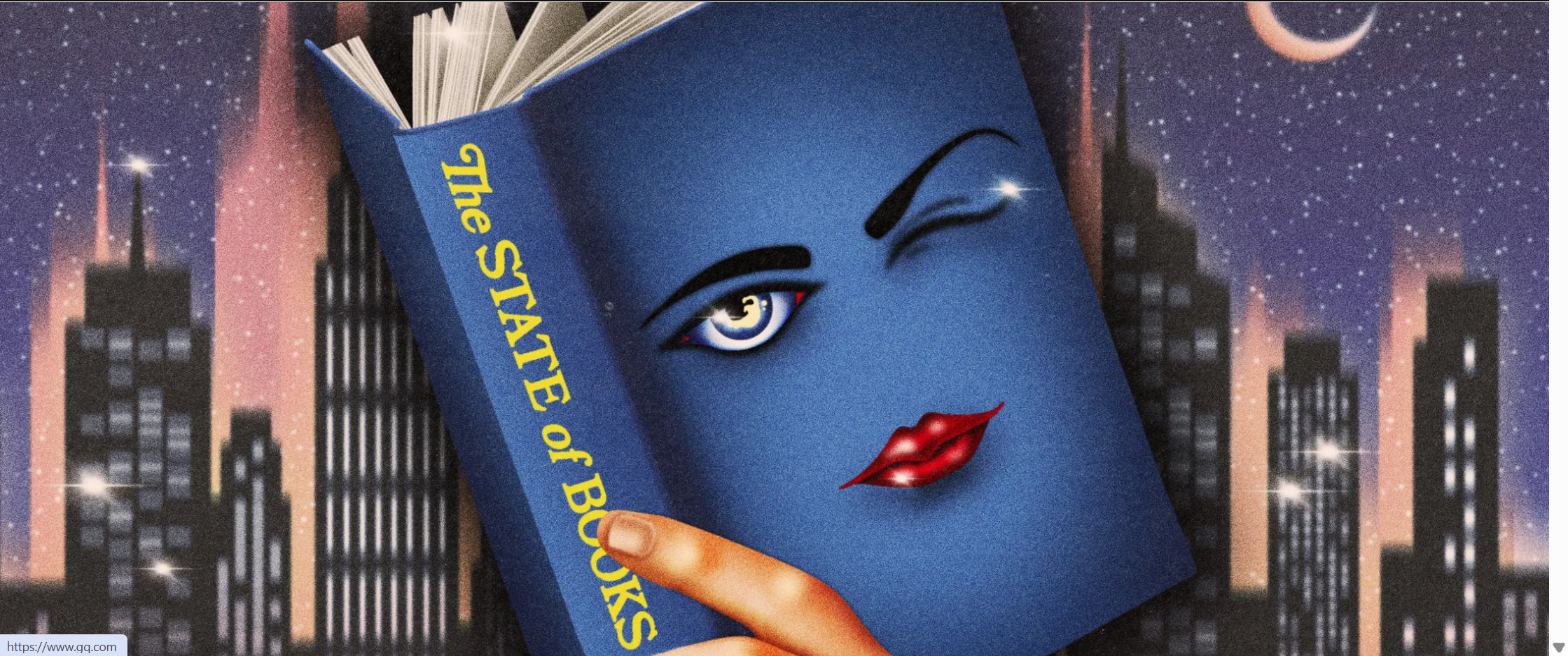
Here in the trumpian cultural wastelands we constantly read media reports bemoaning the state of the book business, but is it really so awful ? This GQ magazine piece asks the question: Is the book business distressed? Anxious? Optimistic? All of the above… more »
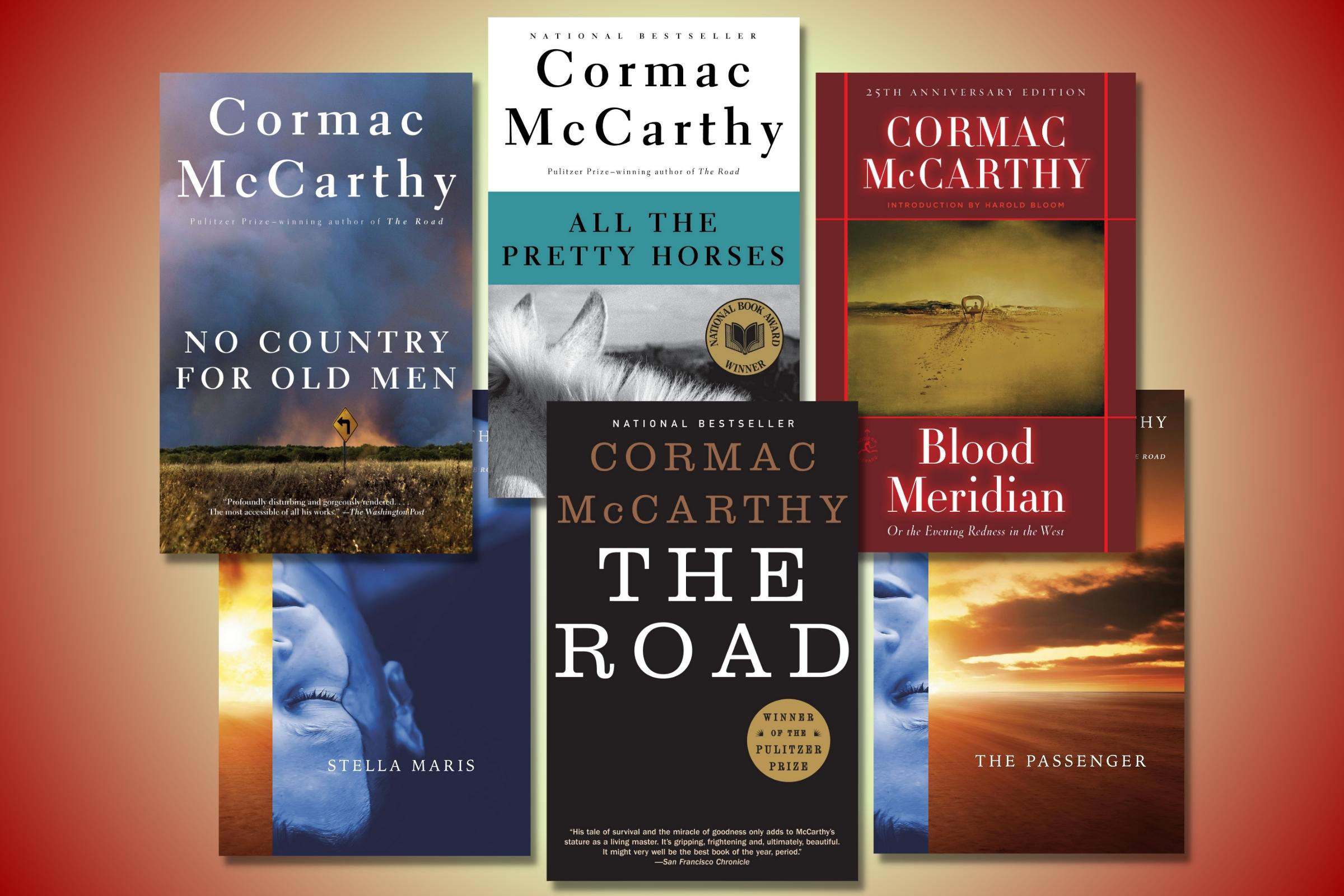
What made Cormac McCarthy a great writer? The sound of his prose, in its full excess and strangeness… more »
“The novels of Cormac McCarthy stand out in American literature like a mountain range, not only for their eminence but their solitariness and inhospitality. What contemporaries staked out adjacent terrain? And what younger writers could follow McCarthy to such majestic, desolate ground? During the late Sixties and the Seventies, when metafictional and postmodern colleagues produced collagelike stories or simulacra of historical novels that cast doubt on the very possibility that language could adequately represent the world, McCarthy seemed possessed instead by a sort of holy naïveté, never doubting that words could be a fit for things. During the Eighties, notable in American letters for plainspoken “dirty realism” about present-day life, McCarthy put out Blood Meridian, a novel of the mid-nineteenth century U.S.-Mexico borderlands and one of the more baroque creations in the language. Come the Nineties, DeLillo and Pynchon continued to deliver paranoid and playful social anatomies like those that had influenced a younger generation of writers then coming into their prime. McCarthy, for his part, hardly tips the brim of his hat in the direction of postwar capitalism as it parts the saloon doors.”
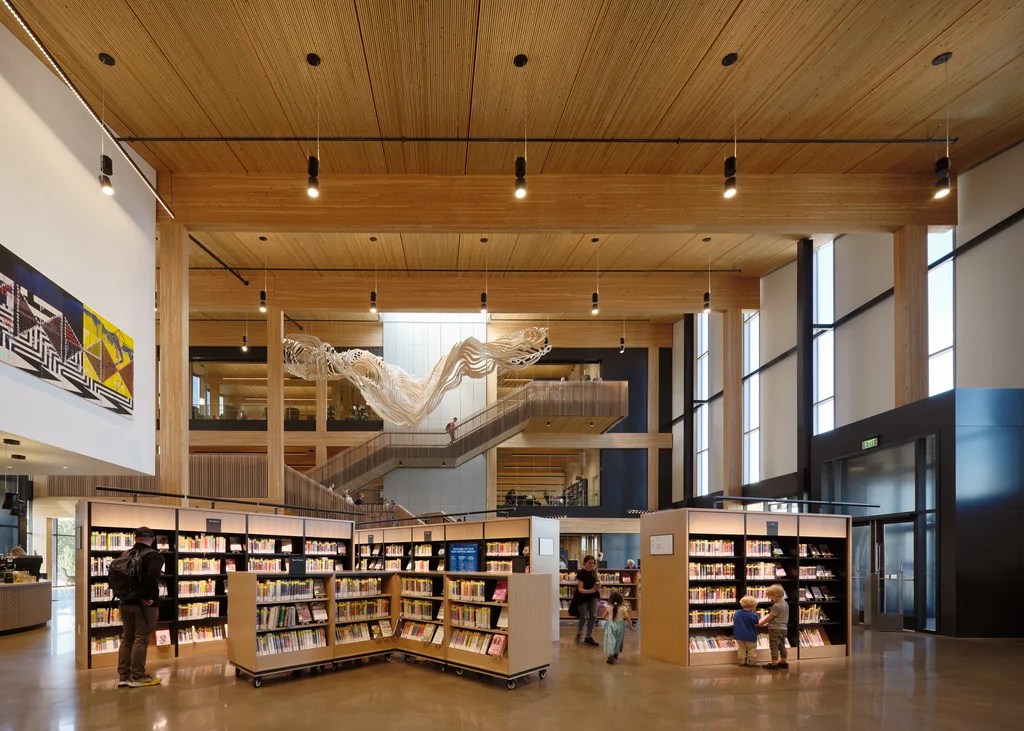
I am a lifelong fan of public libraries, but I have always thought that the Dewey Decimal System could use an update. So I was interested to read that the library in Deschutes County, Oregon, discarded the Dewey system and instead organized its books the way bookstores do — less for hunting down a specific book than for browsing. As Patrick Sisson writes in Fast Company …
In the Dewey method, books are assigned numbers that correspond to their place in broad three-digit categories. For each book, that number is followed by a decimal point and a longer string of digits that correspond to subsections that convey greater specificity.
Wayfinder eliminates the Dewey reliance on mere numbers, and instead organizes into broad categories and subcategories. A book on growing tomatoes, for example, would be in the Arts and Crafts category, in the gardening subcategory. In the Dewey Decimal System, a book on gardening could potentially be in any of the four places in the system that contained gardening content. With Wayfinder, it’s all in the same place.
They also redesigned the shelves. Normally libraries have long parallel shelves; they made their shelving smaller and in cosier nooks … again, more like a bookstore than a library:
Since the Wayfinder system allowed more concise categories, books could be placed in more intimate spaces, creating what Baleiko called “little eddies” instead of blocky grids. [snip]
The new shelves weren’t laid out in a regular grid of shelves, making for a less linear browsing experience. Combined with a better system of topical organization, it’s designed to make it easier to linger and find an unexpected, exciting read.


