Smaller than a breadbox, bigger than a TV remote

Smaller than a breadbox, bigger than a TV remote, the average book fits into the human hand with a seductive nestling, a kiss of texture, whether of cover cloth, glazed jacket, or flexible paperback. – John Updike

Today is international Paperback Book Day. The cause for the celebration today is that British publisher Allen Lane launched what would become Penguin Books, and they released their first paperback book on July 30, 1935. The video below offers a pithy historical take on the birth of the Penguin paperback line. It’s no spoiler to mention that Lane and Penguin didn’t create the paperback book, but they do derserve credit for popularizing the very portable reads.


Posted in Books, Europe, History, Writing | Tagged , , , , | Leave a comment

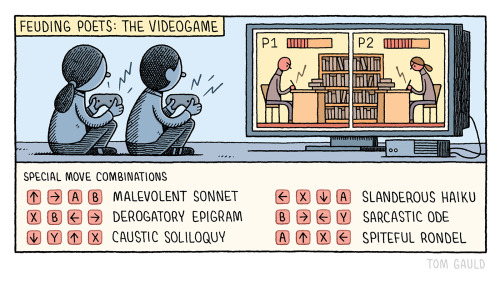
Poets : the Videogame


Posted in Animation, Art, Writing | Tagged , , , | Leave a comment

A Summer Reading List You Can Trust

President Barack Obama has released his annual summer reading list. On Facebook, he wrote, “I’ve read his summer reading list. “I’ve read a couple of great books this year and wanted to share some of my favorites so far. What have you been reading this summer?” Obama’s list:

Sea of Tranquility by Emily St. John Mandel
Why We’re Polarized by Ezra Klein
The Candy House by Jennifer Egan
A Little Devil in America: Notes in Praise of Black Performance by Hanif Abdurraqib
To Paradise by Hanya Yanagihara
Silverview by John Le Carré
Black Cake by Charmaine Wilkerson
Family Chao by Lan Samantha Chang
Velvet Was the Night by Silvia Moreno-Garcia
Mouth to Mouth by Antoine Wilson
The Great Experiment: Why Diverse Democracies Fall Apart and How They Can Endure by Yascha Mounk
The School for Good Mothers by Jessamine Chan
Razorblade Tears by S.A. Cosby
Blood in the Garden: The Flagrant History of the 1990s New York Knicks by Chris Herring

I’ve only read three of the books, but had four others on my TBR list already. President Obama has never steered me wrong yet.


Posted in Books, USA, Writing | Tagged , , | Leave a comment

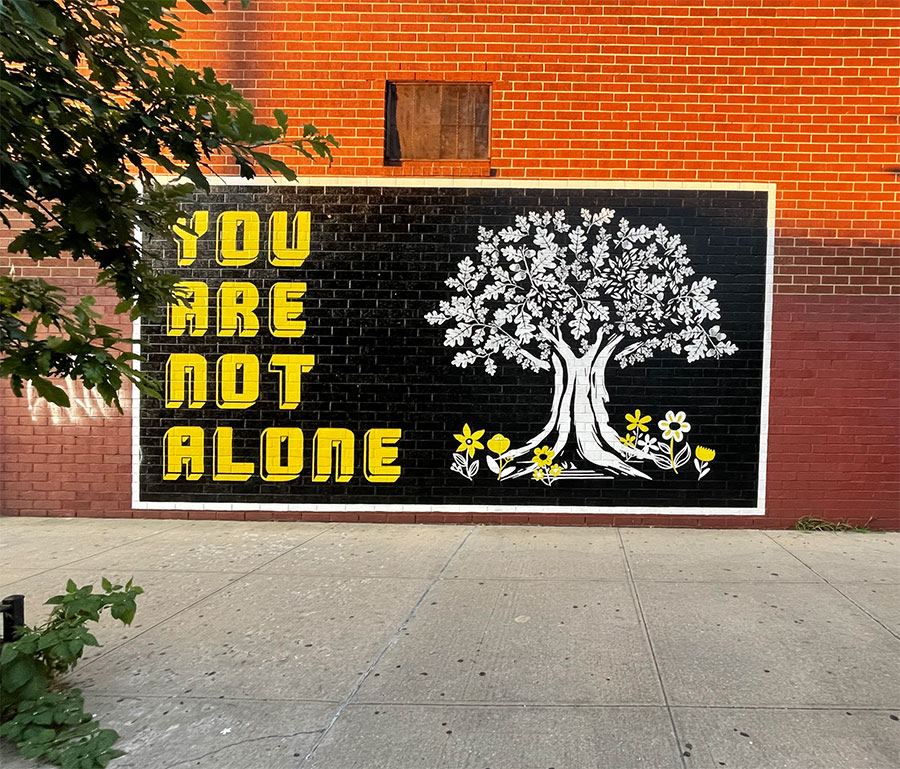
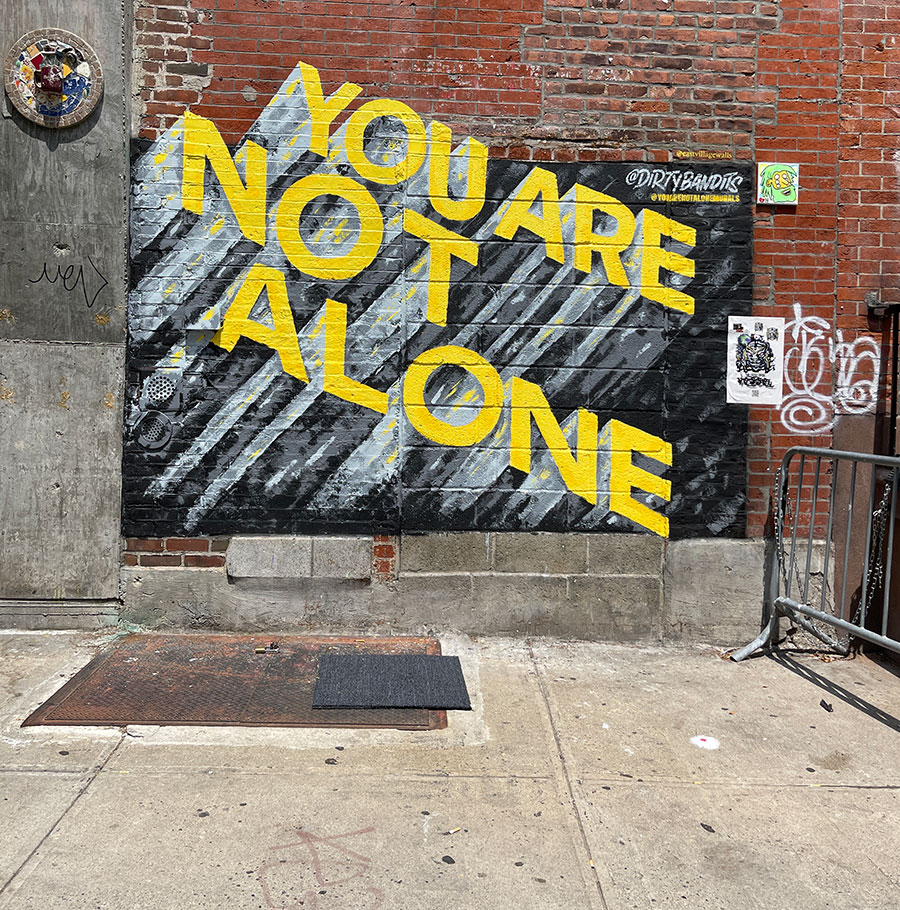
You’re Not Alone

When I saw this street art mural I was reminded of a comforting quote from the great writer Kurt Vonnegut:

Nothing I can say can have any effect, except to say to somebody else, “You’re not alone.” That’s as far as it goes.

Of course when I went looking for the specific Vonnegut quotation quite a few others popped up:

And how should we behave during this Apocalypse? We should be unusually kind to one another, certainly. But we should also stop being so serious. Jokes help a lot. And get a dog, if you don’t already have one.

We are what we pretend to be, so we must be careful about what we pretend to be.

I want to stay as close on the edge as I can without going over. Out on the edge you see all kinds of things you can’t see from the center… Big, undreamed-of things — the people on the edge see them first.

Let others bring order to chaos. I will bring chaos to order. If all writers would do that, then perhaps everyone will understand that there is no order in the world around us, that we must adapt ourselves to the requirements of chaos instead.

We are healthy only to the extent that our ideas are humane

Practicing an art, no matter how well or badly, is a way to make your soul grow, for heaven’s sake. Sing in the shower. Dance to the radio. Tell stories. Write a poem to a friend, even a lousy poem. Do it as well as you possibly can. You will get an enormous reward. You will have created something.

I urge you to please notice when you are happy, and exclaim or murmur or think at some point, “If this isn’t nice, I don’t know what is.”

And so it goes.


Posted in Art, Books, USA, Writing | Tagged , , , , | Leave a comment

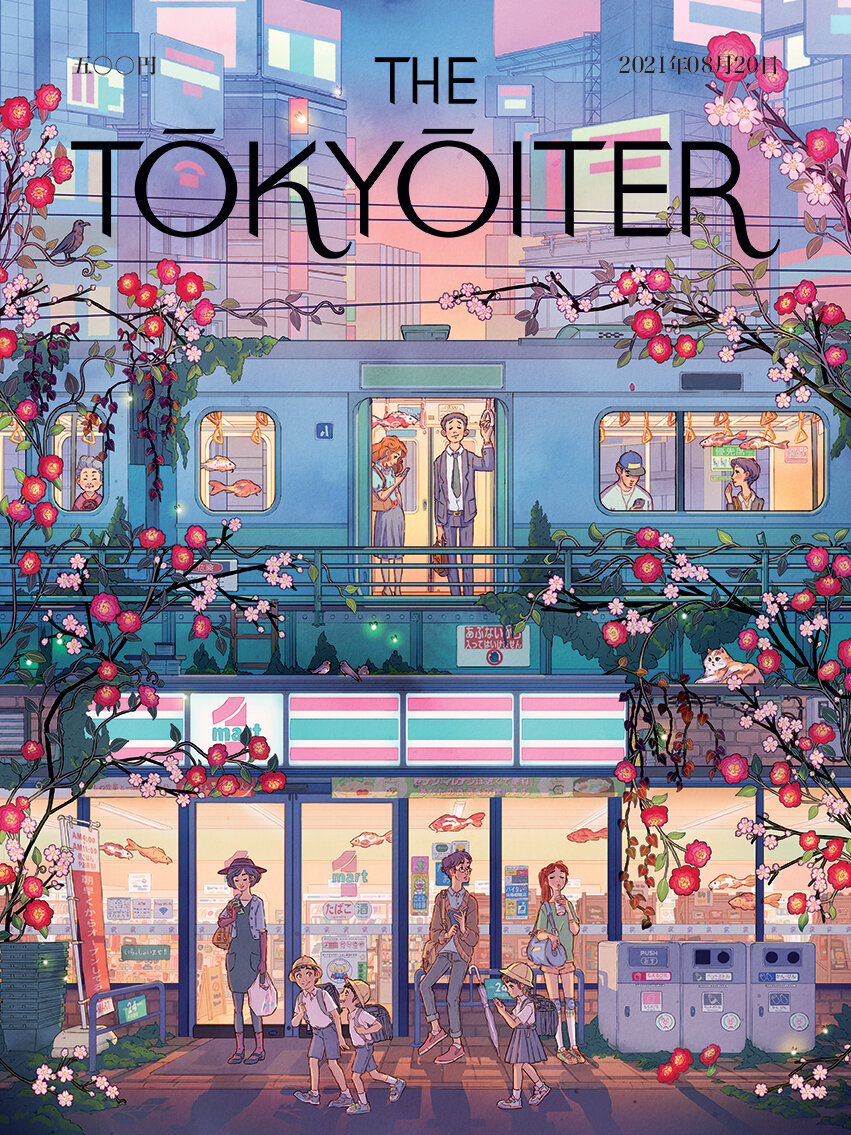
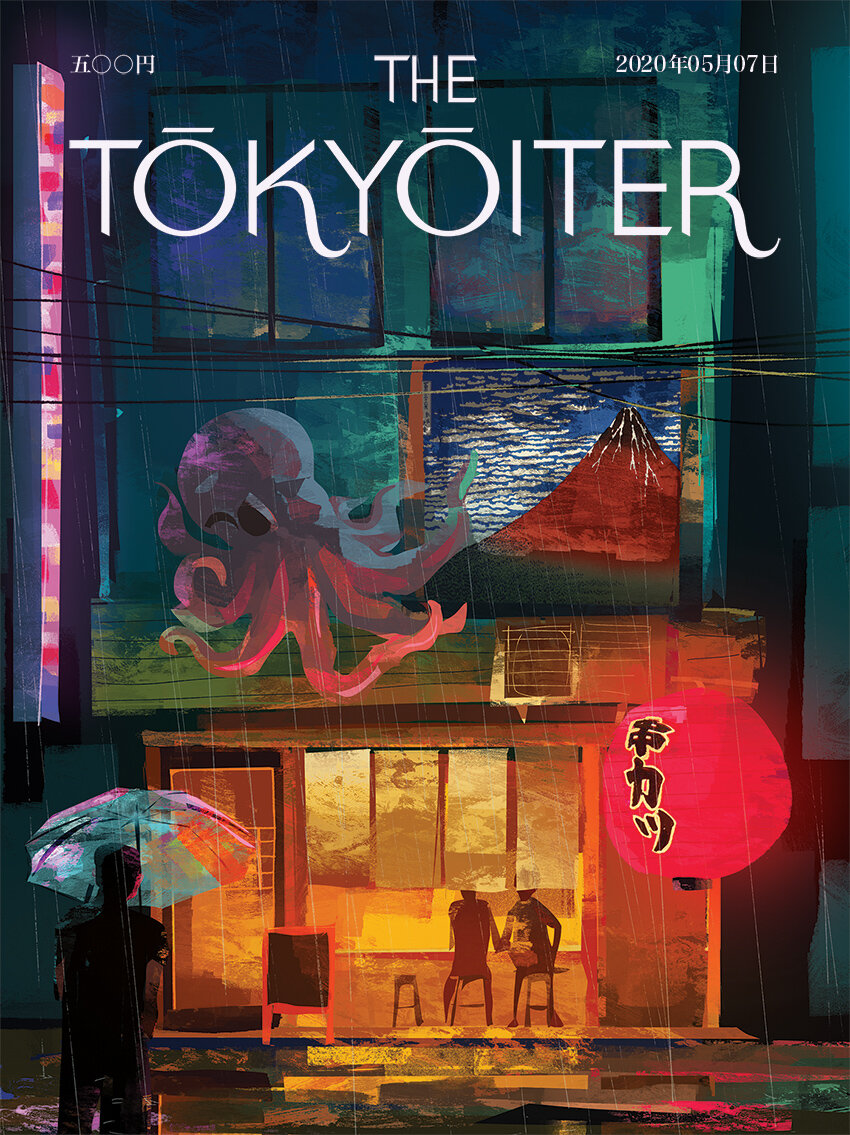
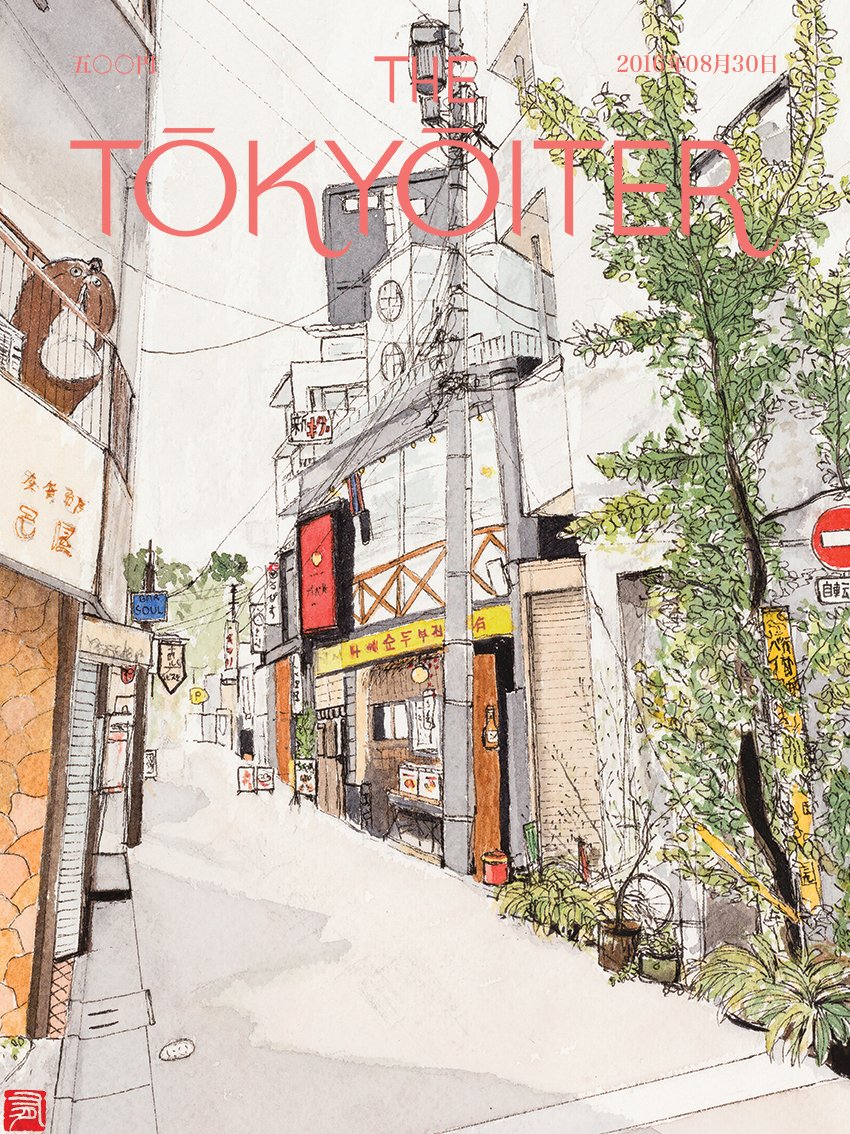
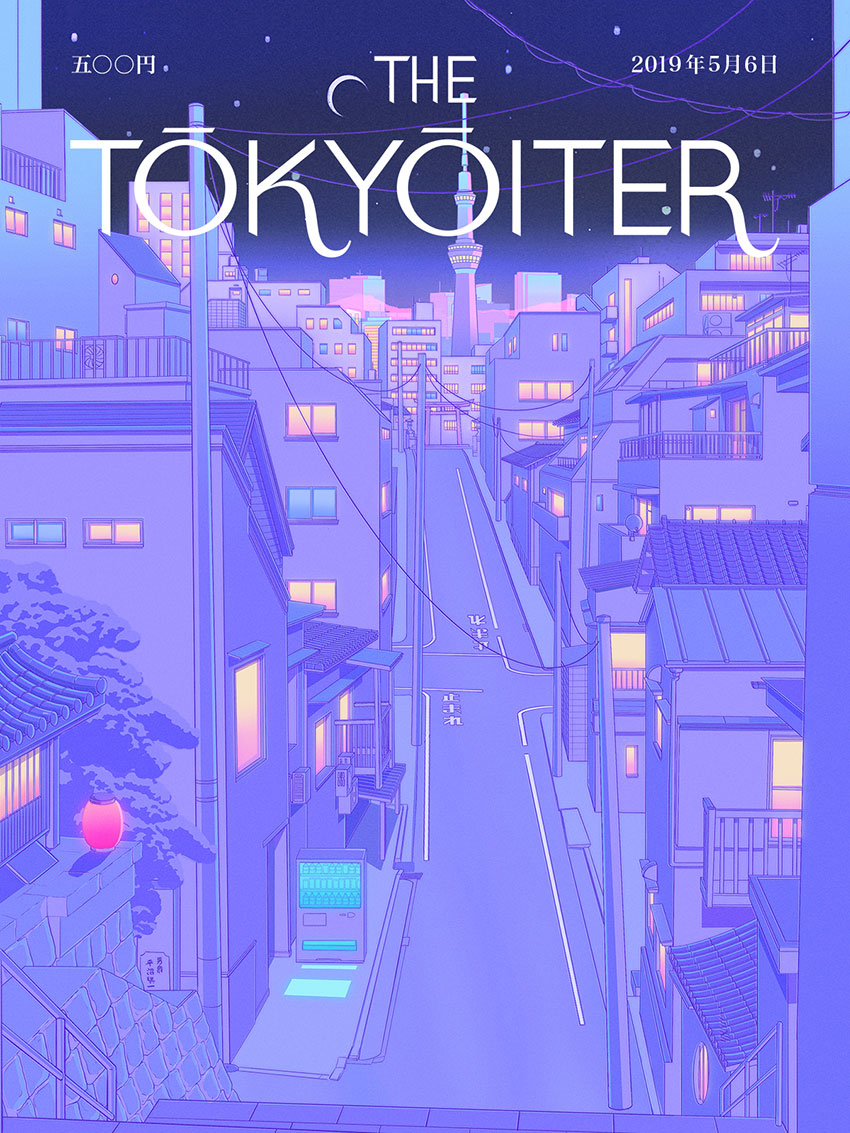
Tokyo meets The New Yorker

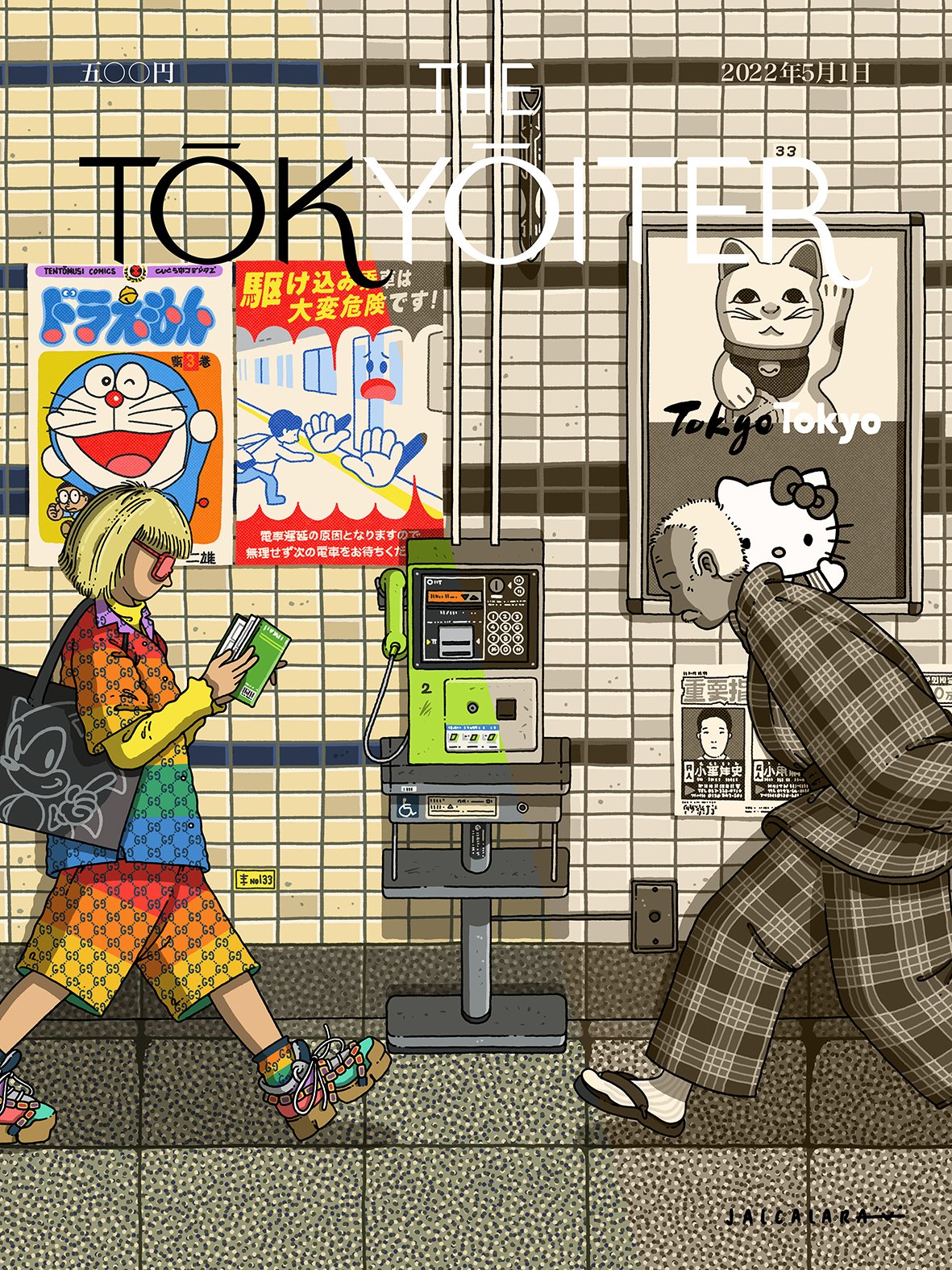
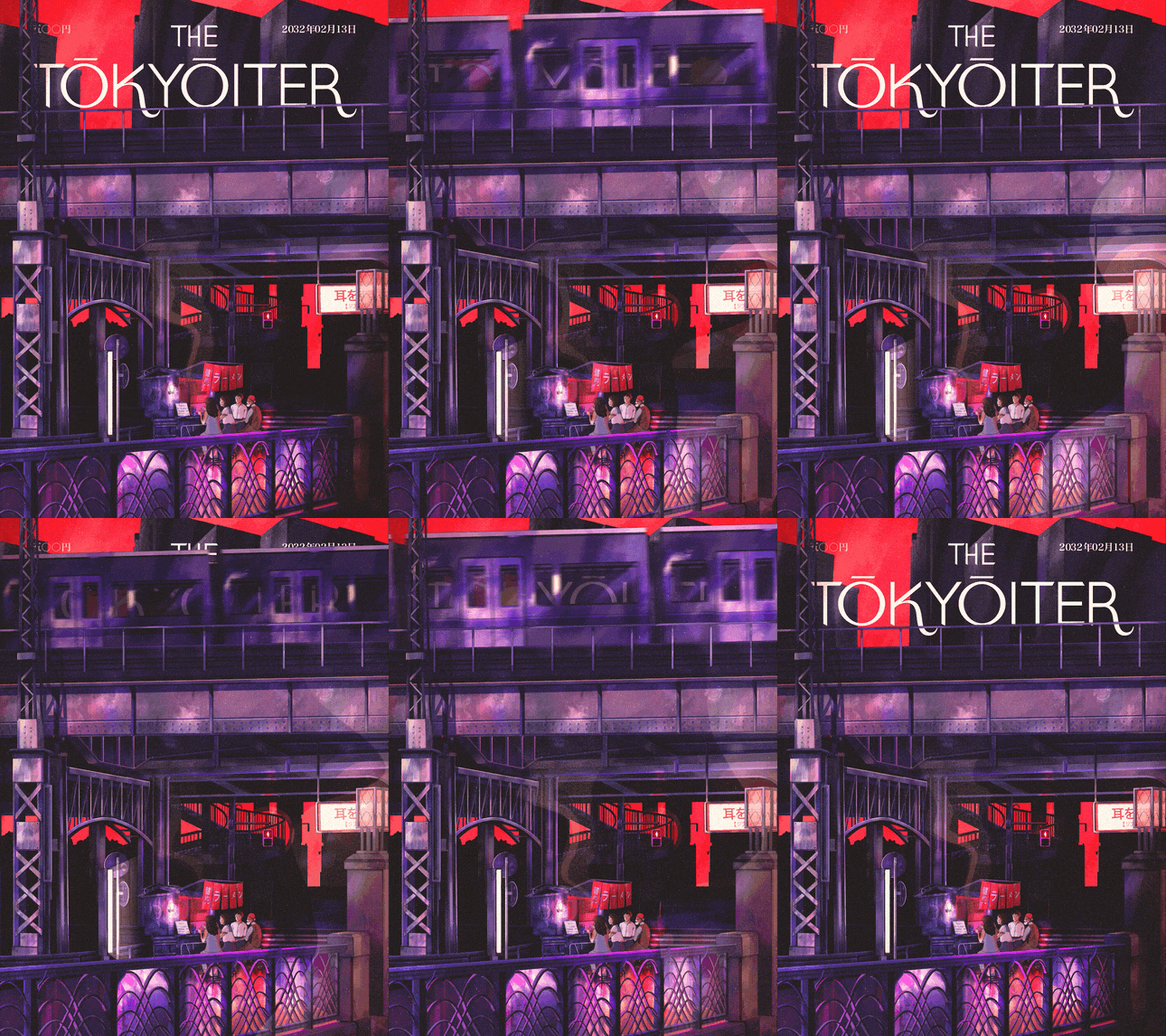
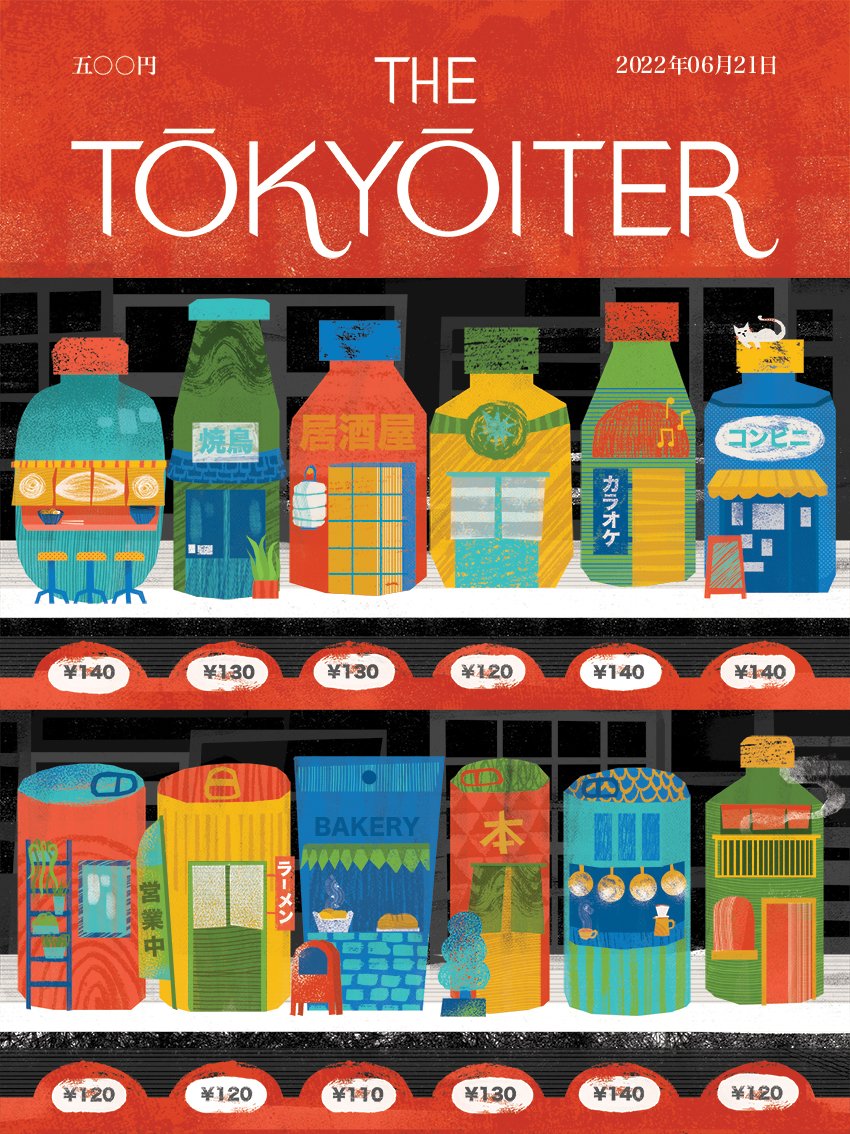
Way back in 2017 I shared a story about a marvelous art and design project that creates faux-magazine covers called , The Tokyoiter, and was reminded of it by a recent post in a blog that I follow. The concept, originally inspired by magazine covers from The New Yorker, invites graphic designers and illustrators from all over the world to share their unique vision of Tokyo through the lens of New Yorker-style covers. Check out some recent editions below.


Posted in Art, Asia, Tourism | Tagged , , , | Leave a comment

The hills are terrible, they hide the truth of the past.

Sunrise

by Louise Glück

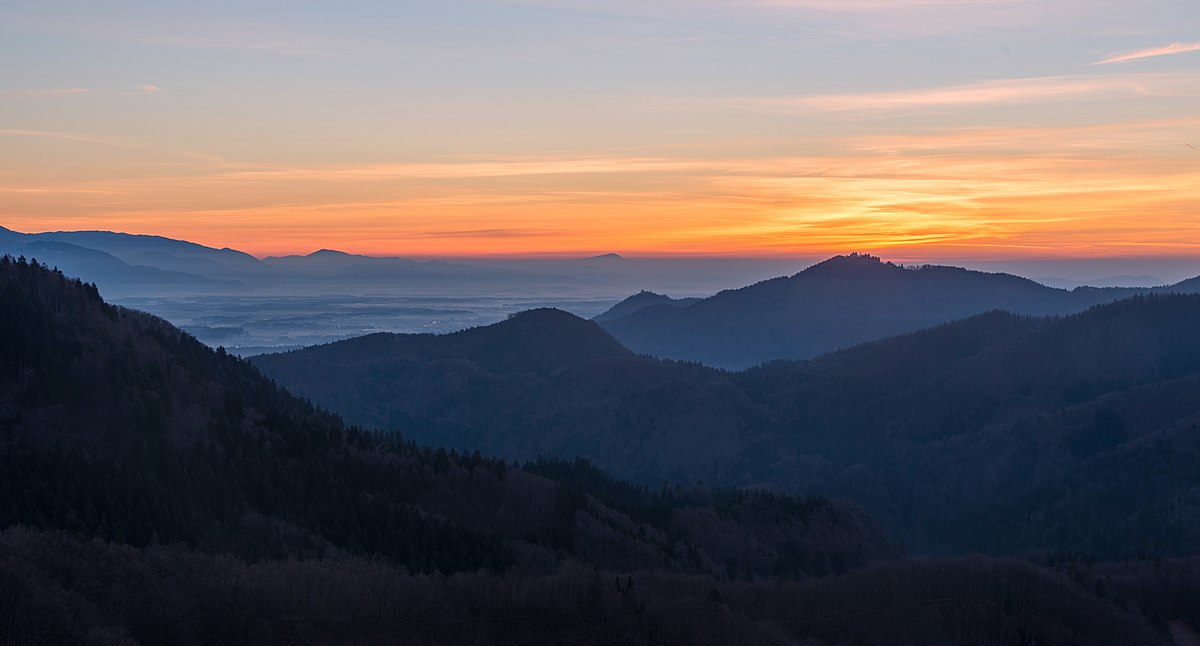
This time of year, the window boxes smell of the hills,
the thyme and rosemary that grew there,
crammed into the narrow spaces between the rocks
and, lower down, where there was real dirt,
competing with other things, blueberries and currants,
the small shrubby trees the bees love—
Whatever we ate smelled of the hills,
even when there was almost nothing.
Or maybe that’s what nothing tastes like, thyme and rosemary.

Maybe, too, that’s what it looks like—
beautiful, like the hills, the rocks above the tree line
webbed with sweet smelling herbs,
the small plants glittering with dew—

It was a big event to climb up there and wait for dawn,
seeing what the sun sees as it slides out from behind the rocks,
and what you couldn’t see, you imagined;

your eyes would go as far as they could, to the river, say,
and your mind would do the rest—

And if you missed a day, there was always the next,
and if you missed a year, it didn’t matter,
the hills weren’t going anywhere,
the thyme and rosemary kept coming back,
the sun kept rising, the bushes kept bearing fruit—

The streetlight’s off: that’s dawn here.
It’s on: that’s twilight.
Either way, no one looks up. Everyone just pushes ahead,
and the smell of the past is everywhere,
the thyme and rosemary rubbing against your clothes,
the smell of too many illusions—

Between them, the hills and sky took up all the room.
Whatever was left, that was ours for a while.
But eventually the hills will take it back, give it to the animals.
And maybe the moon will send the seas there,
and where we lived will be a stream or river coiling around the base of the hills,
paying the sky the compliment of reflection.

I went back but I didn’t stay.
Everyone I cared about was gone,
some dead, some disappeared into one of those places that don’t exist,
the ones we dreamed about because we saw them from the top of the hills—
I had to see if the fields were still shining,
the sun telling the same lies about how beautiful the world is
when all you need to know of a place is, do people live there.
If they do, you know everything.

The hills are terrible, they hide the truth of the past.
Green in summer, white when the snow falls.


Posted in Books, Writing | Tagged | Leave a comment

Scotland’s Year of Stories

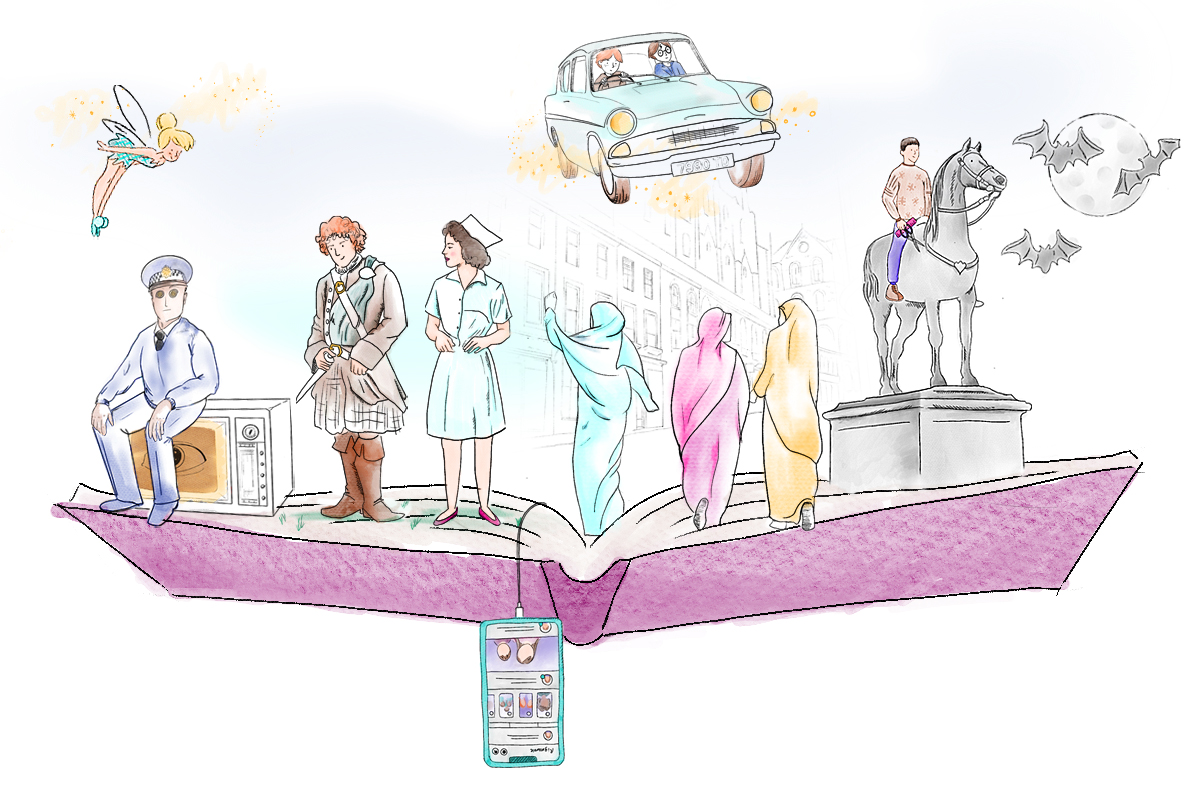
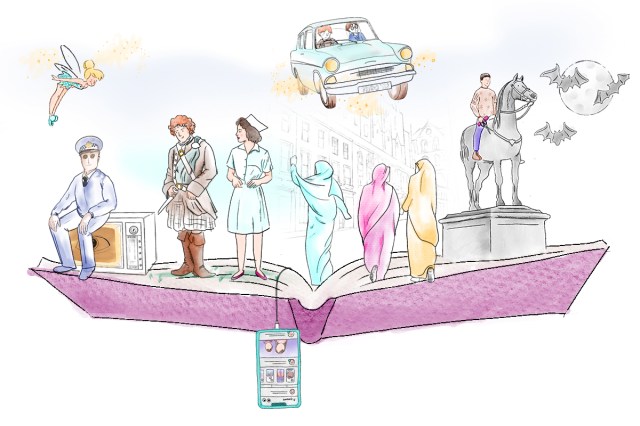
The tourism organization VisitScotland has announced that 2022 is a “Year of Stories,” and has launched a project called Braw Beginnings (braw meaning fine, good, or pleasing) which translates the first lines of iconic books inspired by or written in Scotland into Scots, a language that is experiencing a revival of late.

“This project sees some of the world’s best-known books with Scottish links translated into Scots as a way to showcase the language to an even wider audience. We hope it will encourage visitors to try speaking some Scots and find out more about the language when holidaying here, especially during Scotland’s Year of Stories,” said Marie Christie, VisitScotland’s head of events development. “Scots and the country’s other languages are all part of our unique culture which can only truly be experienced in Scotland, strengthening the experience we know means so much to visitors.”

They have teamed up with Scots language expert and writer Alistair Heather to translate the first lines of some of the world’s most popular books into Scots. It’s estimated that the Scots language has 1.5 million speakers – a number which is growing all the time. Not only is Scots the most widely spoken indigenous Scottish language, but it is also the largest minority language in the UK. From Robert Burns to Scottish Twitter, Scots is spoken with verve and passion across the country and beyond.
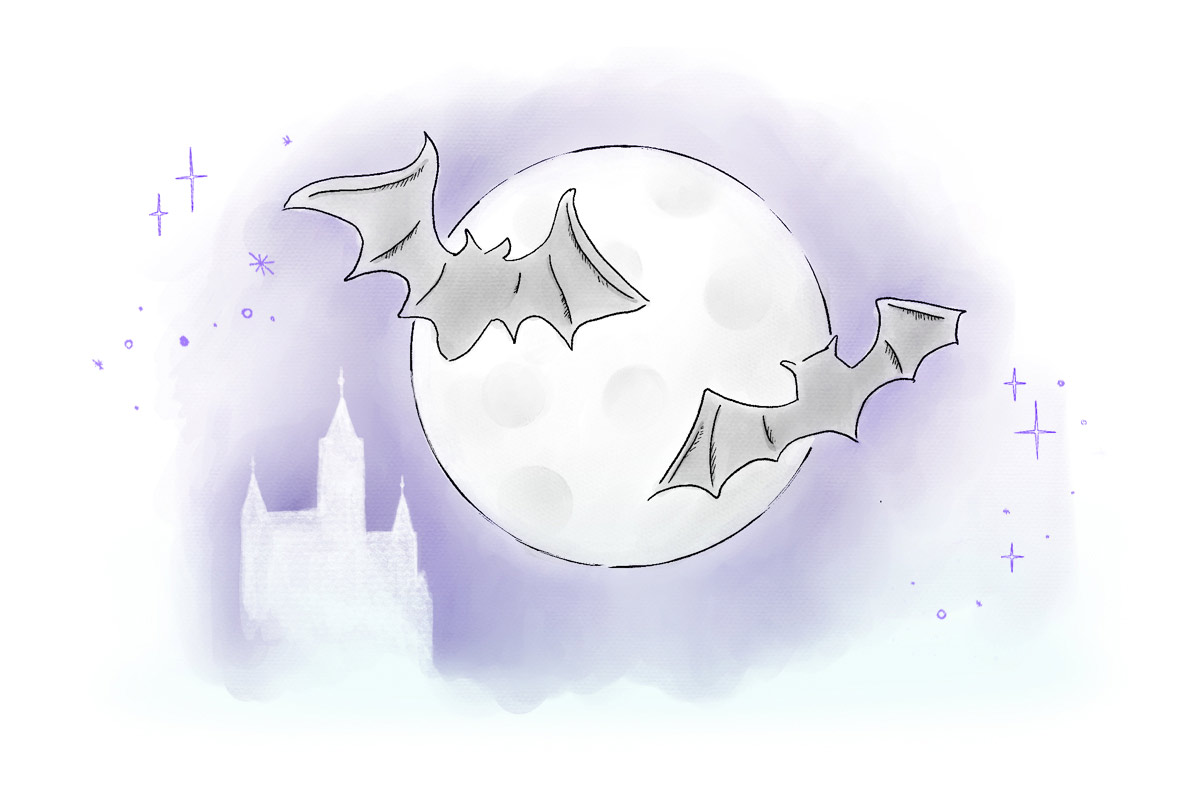
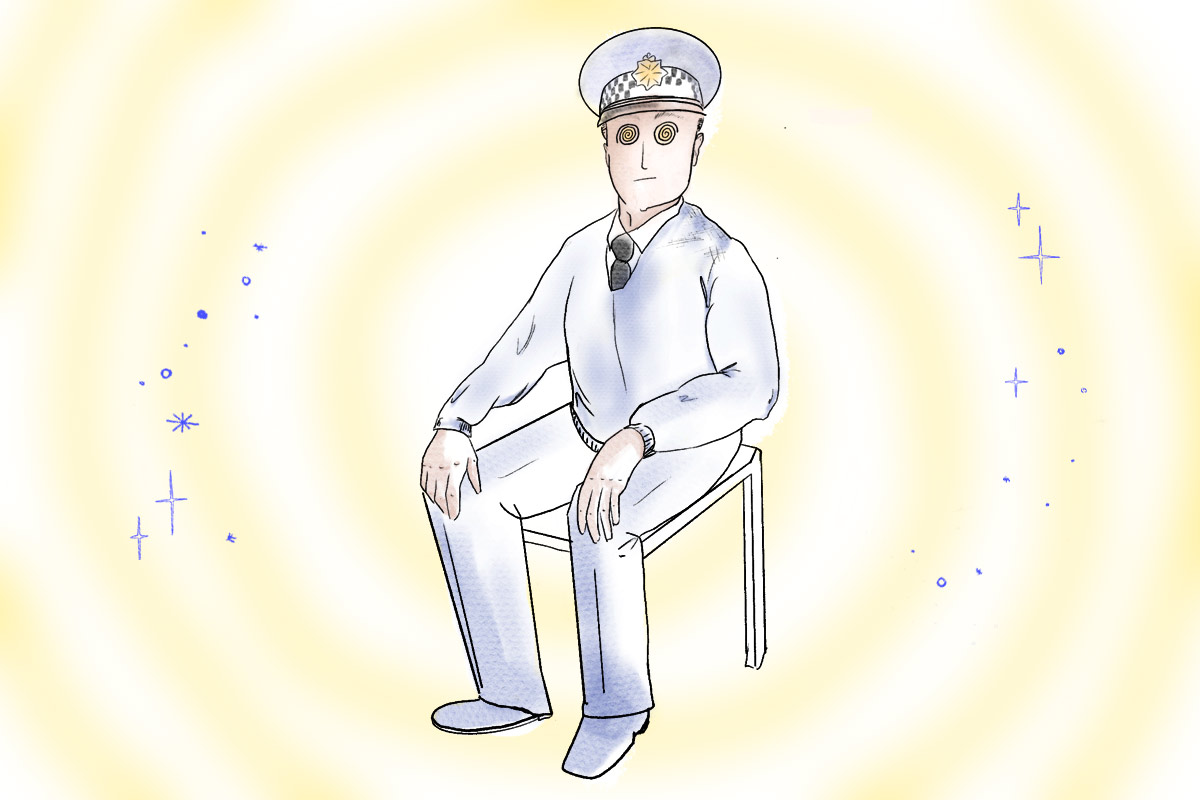
The translated passages come from books such as Dracula by Bram Stoker. While the Dublin-born Stoker is more often associated with Ireland, he is thought to have drawn inspiration from Slains Castle in Aberdeenshire for Dracula.

Stoker’s novel opens with:

“Left Munich at 8:35 p.m., on 1st May, arriving at Vienna early next morning; should have arrived at 6:46, but train was an hour late”

Which in Scots, becomes:

“Gaed oot fae Munich at 8:35p.m., on 1st May, intae Vienna early the follaein morn; shouldae arrived at 6:46, but train wis an oor late”
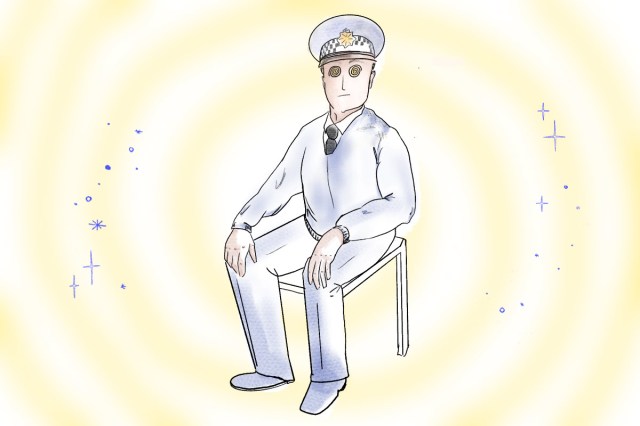
One of the featured writers is the great Ian Rankin who was born in the Scottish town of Cardenden and has since gone on to grip the world with his thrilling crime novels. Knots & Crosses introduces Rankin’s famous character, Inspector Rebus. It tells the story of the Edinburgh cop as he tries to put the pieces of the puzzle together to uncover the maniac carrying out a series of murders in the city.

Rankin’s novel opens with:

“The girl screamed once, only the once”

Which in Scots, becomes:

“The lassie let oot ae skirl, just the ane”
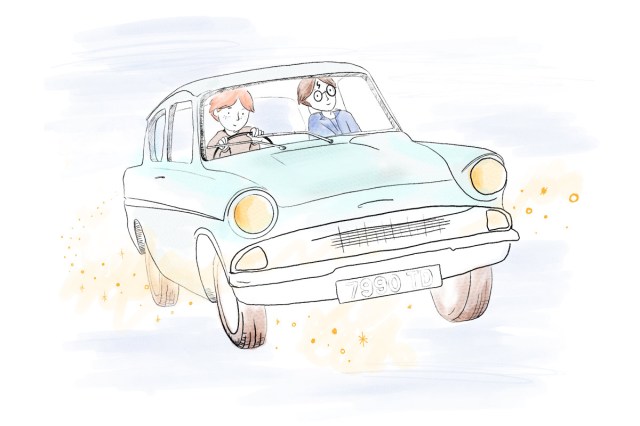
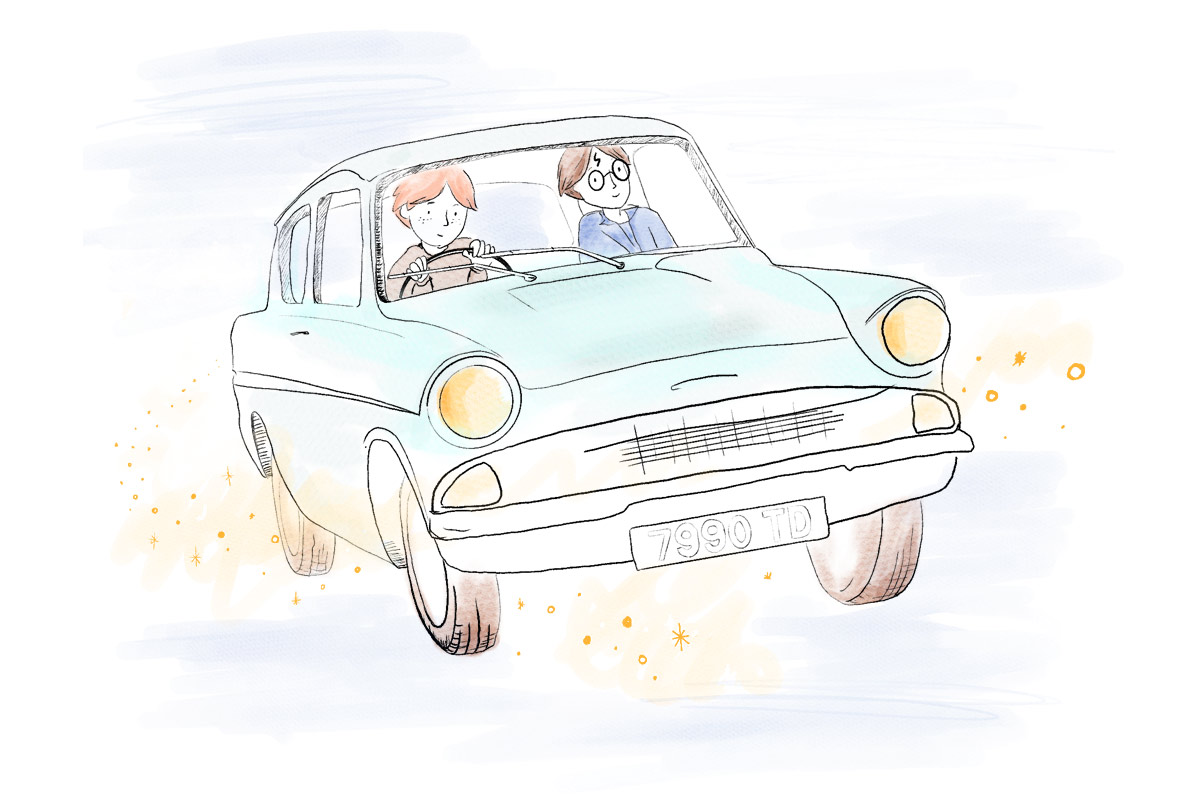
Probably the most famous  book series to have Scottish roots, JK Rowling’s Harry Potter novels have captivated the hearts and imaginations of children and adults alike since the first book came out in 1997. Rowling famously wrote the first novel in the series in a café in Edinburgh, which has already been translated into Scots.

Rowling’s novel opens with:

“Not for the first time, an argument had broken out over breakfast at number four, Privet Drive”

Which in Scots, becomes:

“No fir the first time, a rammy had brak oot ower breakfast at nummer fower, Privet Drive”

Sound clips of these translations and more have been posted online. VisitScotland’s artists have also reimagined what a scene from each book might look like, resulting in colorful illustrations that add a bit of whimsy to the literary initiative. All of it can be seen and heard here.


Posted in Art, Books, Europe, Tourism, Writing | Tagged , , , , | 1 Comment

A TV Dictionary

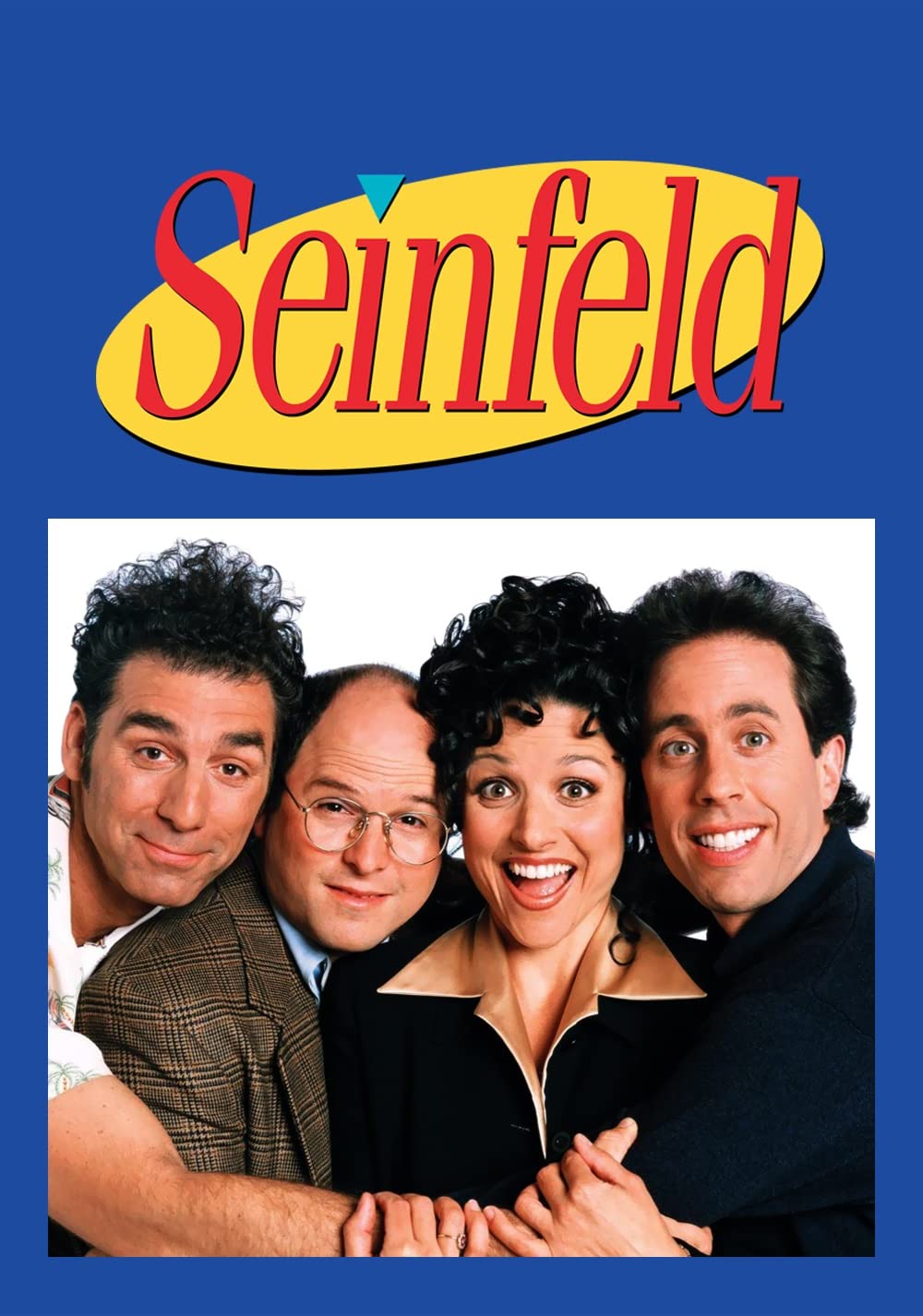
The TV DICTIONARY is a collaborative project with a very simple premise: each entry attempts to capture the essence of a TV series using a single word in a short video that combines the dictionary definitions of that word with a clip or several clips from the series. Created by Israeli filmmaker Ariel Avissar the TV Dictionary  is a brilliant video project that uses a single word to summarize the general theme of popular television shows. The word is first presented during the opening credits, after which the word is defined using specific scenes from the particular show.


Posted in Europe, Film, Uncategorized, USA | Tagged , , , , , | Leave a comment

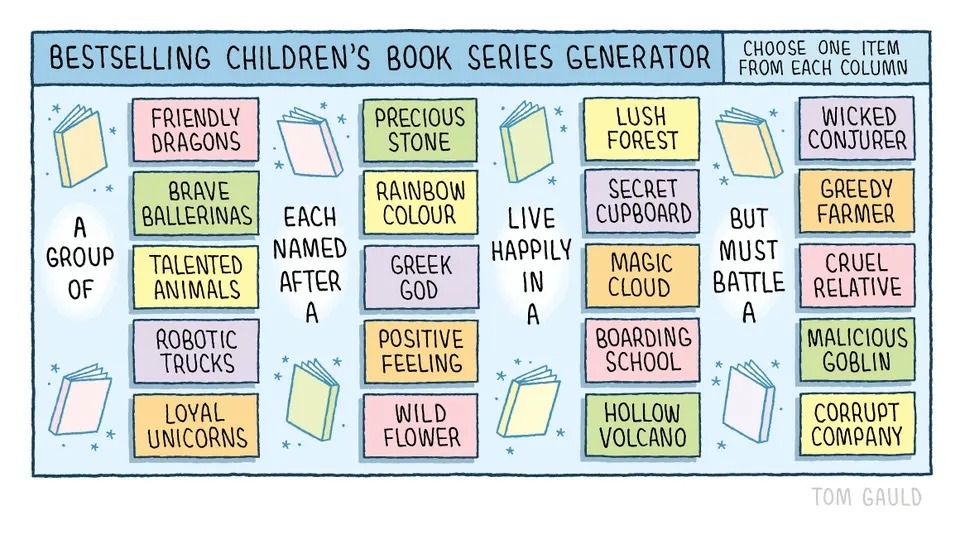
Children’s Lit


Posted in Animation, Books, Writing | Tagged , , | Leave a comment

The Naked Truth and More

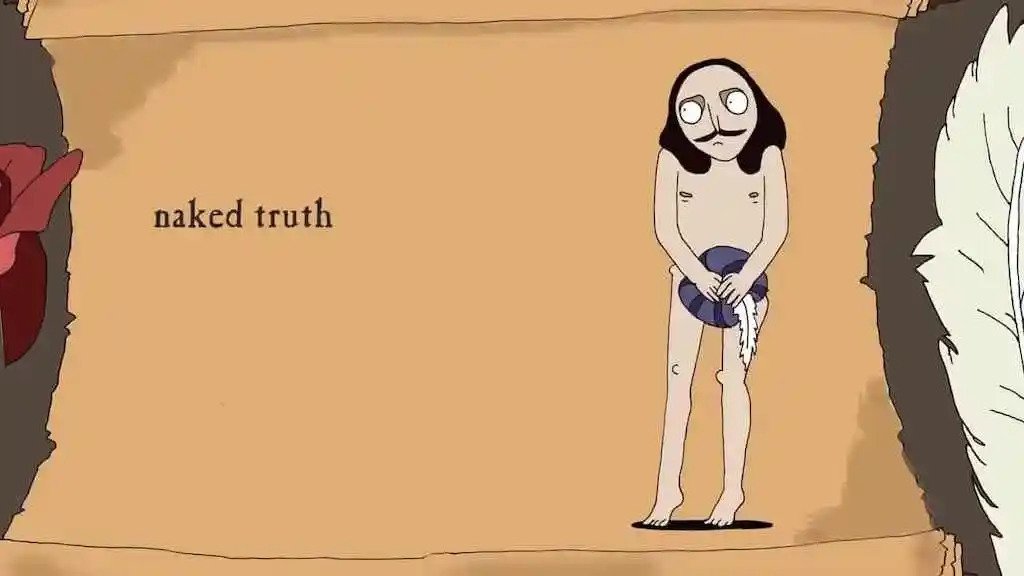
I have to admit that I was a poor student of William Shakespeare’s work while I was in secondary school. Over the years, I have come to appreciate the brilliance of his writings, but I was not aware of the many common expressions that we use in English that originated from his plays. The clever short animation below from  Digg demonstrates the extraordinary range of colloquial saying derived directly from the Bard. Among those typically in use are “breaking the ice” (The Taming of the Shrew), “wild goose chase” (Romeo and Juliet), “out of the jaws of death” (Twelfth Night), “naked truth” (Love’s Labor’s Lost), and “knock-knock jokes” (Macbeth), just to name a few.

NB: If the video does not load in your email, please visit our home page.

Posted in Books, Film, Writing | Tagged , , | Leave a comment