The Naked Truth and More

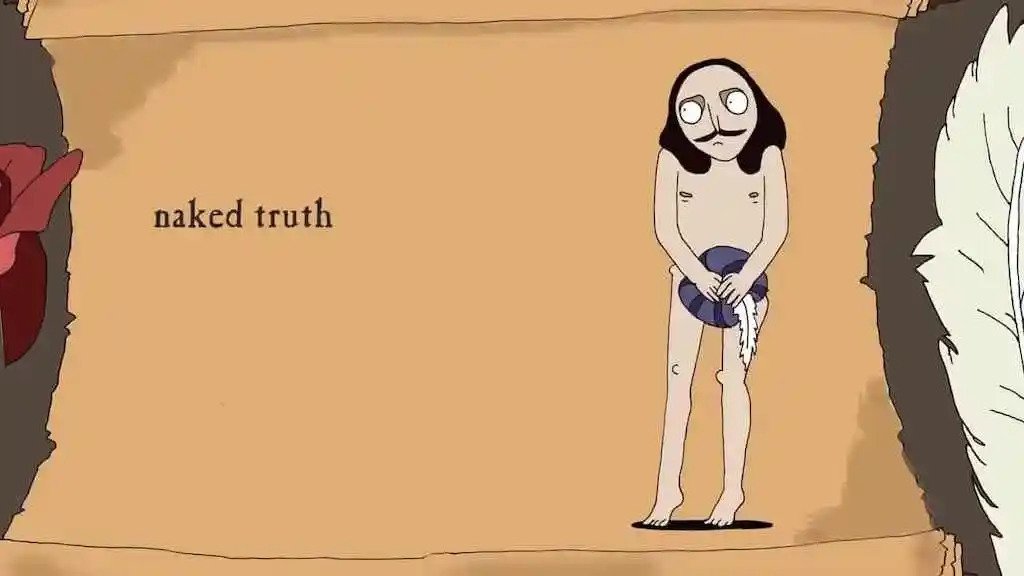
I have to admit that I was a poor student of William Shakespeare’s work while I was in secondary school. Over the years, I have come to appreciate the brilliance of his writings, but I was not aware of the many common expressions that we use in English that originated from his plays. The clever short animation below from  Digg demonstrates the extraordinary range of colloquial saying derived directly from the Bard. Among those typically in use are “breaking the ice” (The Taming of the Shrew), “wild goose chase” (Romeo and Juliet), “out of the jaws of death” (Twelfth Night), “naked truth” (Love’s Labor’s Lost), and “knock-knock jokes” (Macbeth), just to name a few.

NB: If the video does not load in your email, please visit our home page.

Posted in Books, Film, Writing | Tagged , , | Leave a comment

Whitman on writing

“The secret of it all, is to write in the gush, the throb, the flood, of the moment…to put things down without deliberation…without worrying about their style…without waiting for a fit time or place. I always worked that way. I took the first scrap of paper, the first doorstep, the first desk, and wrote, wrote, wrote… By writing at the instant the very heartbeat of life is caught.”


Posted in Books, USA, Writing | Tagged , | 1 Comment

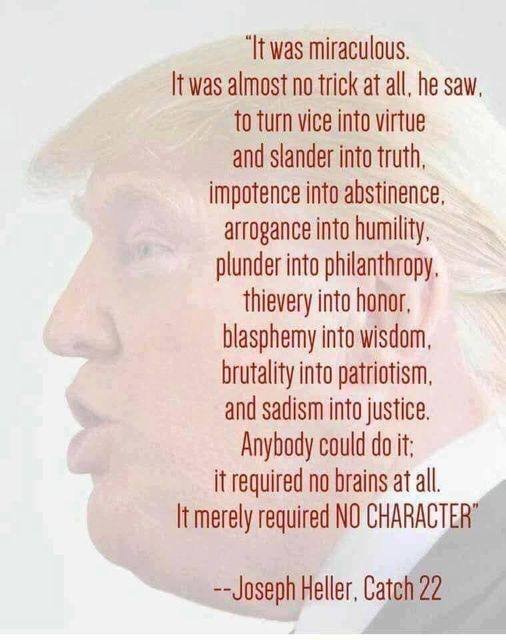
Catch-22


Posted in Books, USA, Writing | Tagged , | Leave a comment

Comics Join The Classics

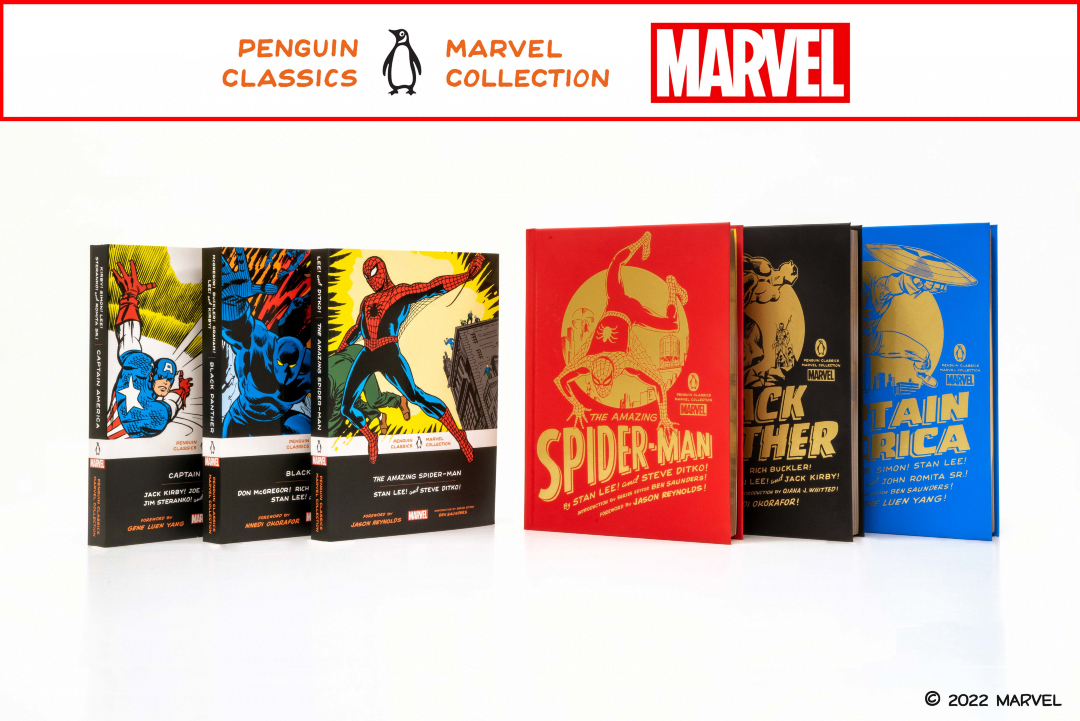
Joing the likes of Ivanhoe, David Copperfield, and The Great Gatsby, a series of Marvel comic books have united with Penguin Classics family. The Marvel Collection retraces the origins of favorite comic book superstars. The collection of stories reintroduces The Amazing Spider-ManBlack Panther, and Captain America to readers while celebrating the impressive influence the comic books have had on popular culture. Initially there are only three volumes, but Penguin Classics intends to bring in more superheroes in the future.

The stories begin from the characters’ origins to adventures chronicled during the golden age of comic books. Penguin Random House has invited some exceptional authors, and Marvel fans, to write a foreword for the new titless. Each one expresses the personal impact the comics has made on them.

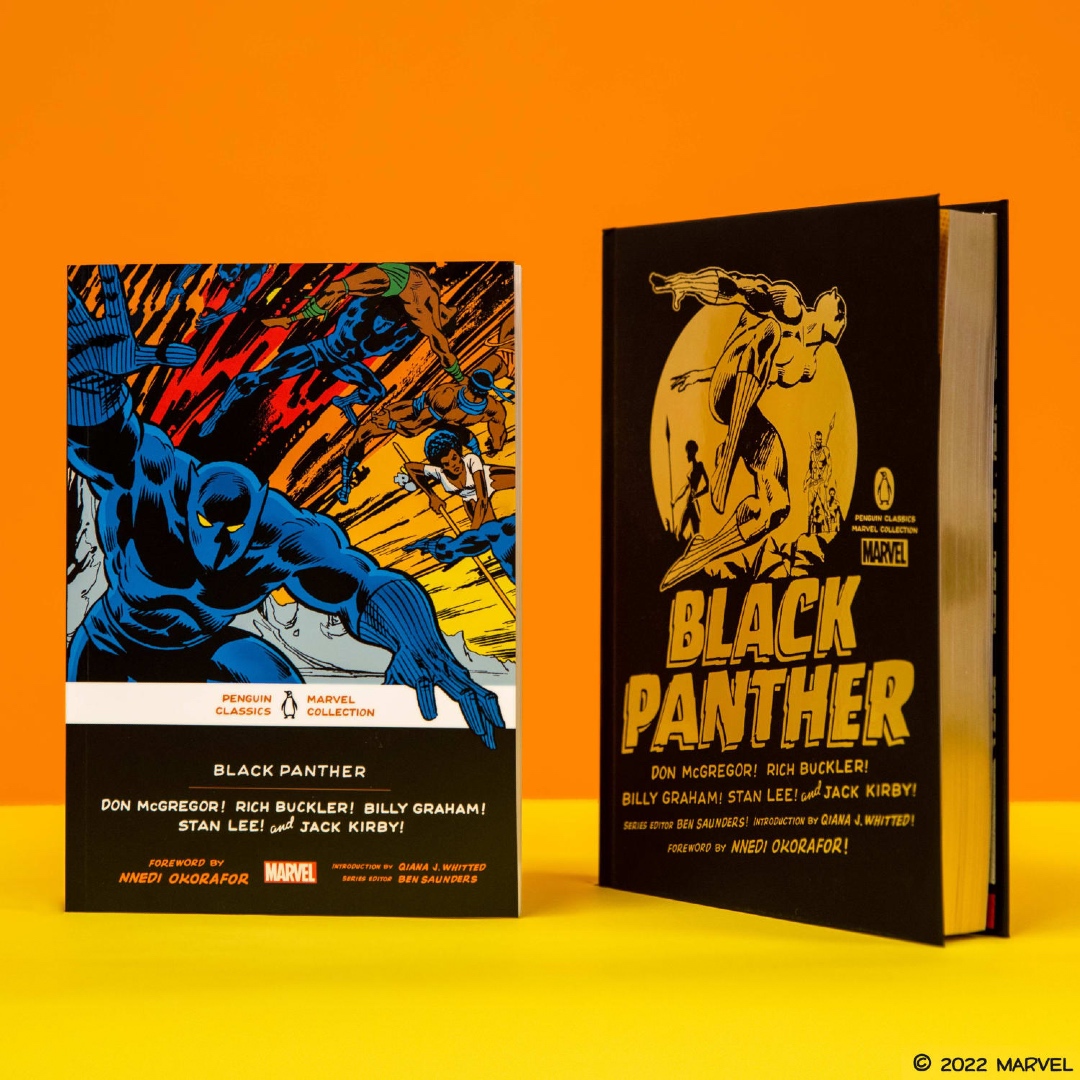
In The Amazing Spider-Man edition, bestselling author Jason Reynolds shares stories about his brother, describing the power of passing along comic book love. Writer Nnedi Okorafor’s foreword for the Black Panther speaks of a childhood where she couldn’t be herself in comic stores because she was treated as an outsider, being Black. The essay goes on to discuss the lack of representation of women or Black people on superhero comics. While in the forward to Captain Ameria bestselling author Gene Luen Yang writes about what the superhero meant to him as a child of immigrants.

The series includes both paperbacks and collector’s edition hardbacks. The latter books are decidedly more premium-looking; they feature solid backgrounds with gold foil artwork, and the sides of their pages are gilt.


Posted in Animation, Art, Books, movies, USA, Writing | Tagged , , , , | Leave a comment

Self-Portraits (with and without hats)

Vincent Van Gogh was known to have painted over 30 self-portraits between the years 1886 and 1889. That is until this week when it was revealed that a hidden self-portrait by the artist has been discovered behind one of his paintings, covered by layers of glue and cardboard for more than a century. The image was found when art conservators took an X-ray of Van Gogh’s 1885 “Head of a Peasant Woman” painting ahead of a forthcoming exhibition. They discovered the concealed image at the back of its canvas hidden by a sheet of cardboard, according to a press release from the National Galleries of Scotland.

His collection of self-portraits places him among the most prolific of 19th century self-portraitists. Van Gogh used portrait painting as a method of introspection and a way of developing his skills as an artist.

In a letter to his brother Theo dated September 16, 1888, Van Gogh writes about a self-portrait he painted and dedicated to his friend and fellow artist Paul Gauguin.

“The third picture this week is a portrait of myself, almost colourless, in ashen tones against a background of pale veronese green. I purposely bought a mirror good enough to enable me to work from my image in default of a model, because if I can manage to paint the colouring of my own head, which is not to be done without some difficulty, I shall likewise be able to paint the heads of other good souls, men and women.” 

The recently discovered underlying self-portrait is thought to have likely been made during a key moment in Van Gogh’s career, when he was exposed to the work of the French impressionists after moving to Paris.
The X-ray image shows “a bearded sitter in a brimmed hat with a neckerchief loosely tied at the throat. He fixes the viewer with an intense stare, the right side of his face in shadow and his left ear clearly visible,” according to the release.
Posted in Art, Europe, Museums | Tagged , , | 1 Comment

Our Own Digital Voyages

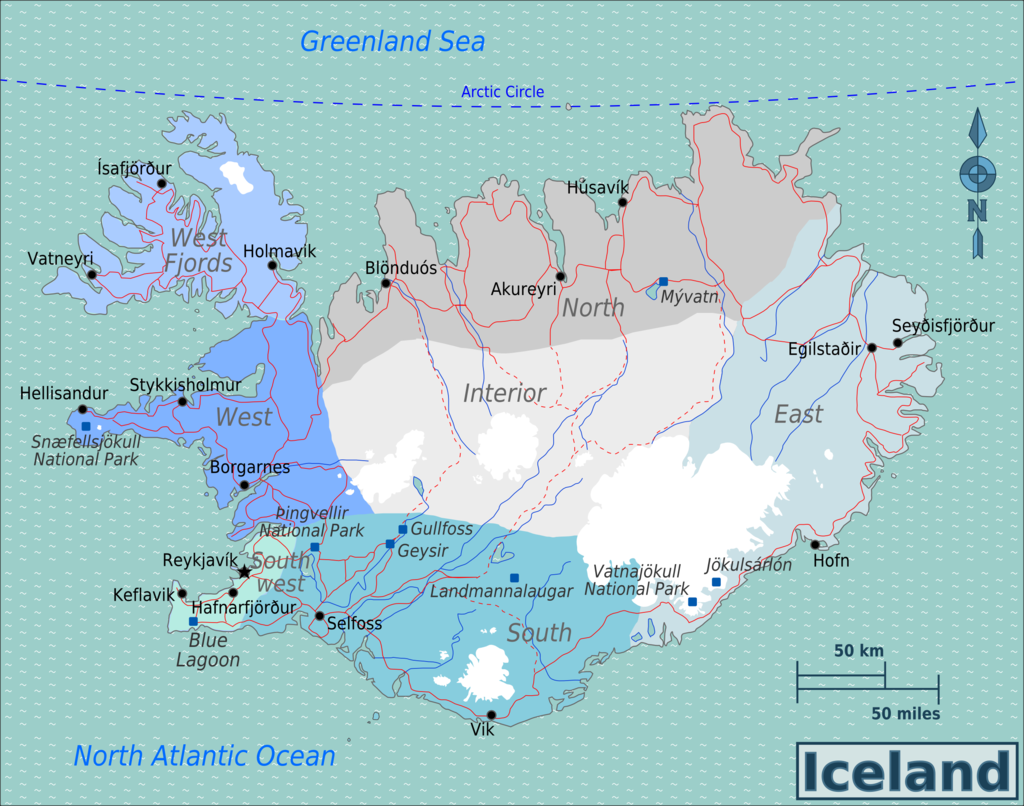
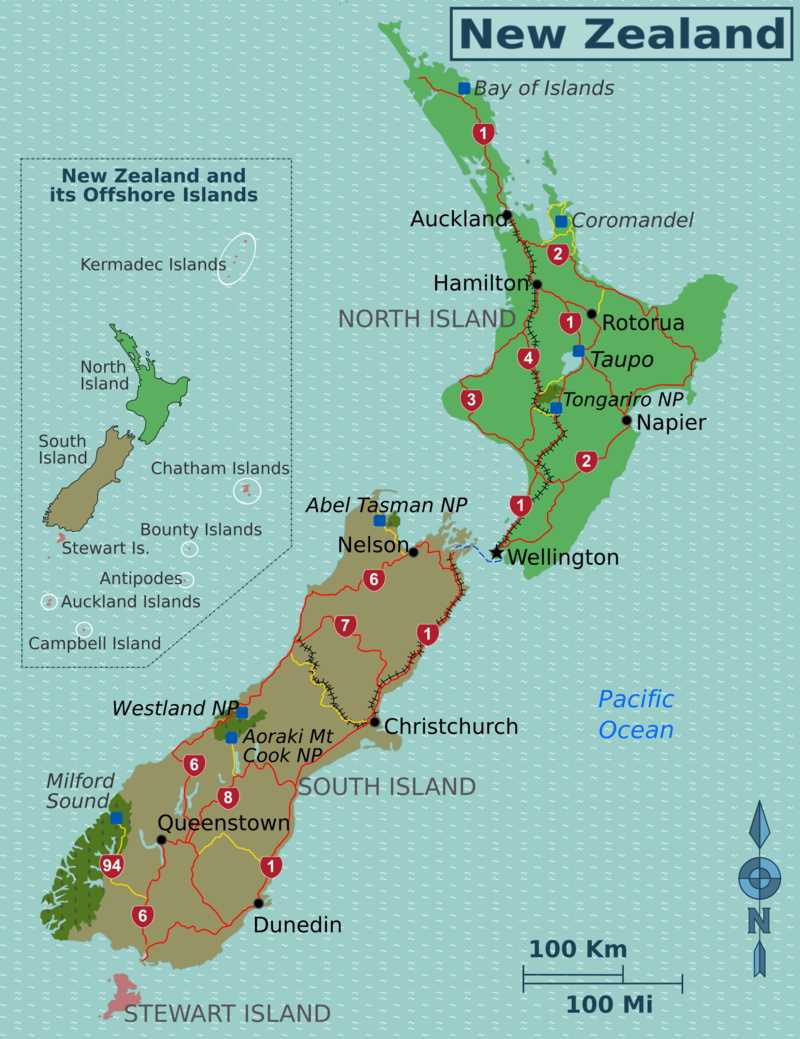
Wikivoyage: is a down the rabbit hole website for anyone jonesing to travel.  It’s worth a visit the next time you’re thinking about traveling somewhere or just daydreaming about an adventure. Wikivoyage is Wikpedia but for travel, a communuty-editable database of locations and associated tips for anyone visiting them. This is a relatively-small site, which means that there are some quite interesting niche recommendations you can stumble across, but it’s also a good opportunity for you to share what you know about your local area or some place that you love to visit with a group of likeminded strangers on the internet. It’s simple to join and become a Wikivoyage editor.

Of course, the first thing that I did was check out the pages on my two favorite travel obsessions: Iceland and New Zealand. But then I started hitting the random button and spent an hour traveling the world.


Posted in Uncategorized | 5 Comments

Land Art Leaves a Big Footprint

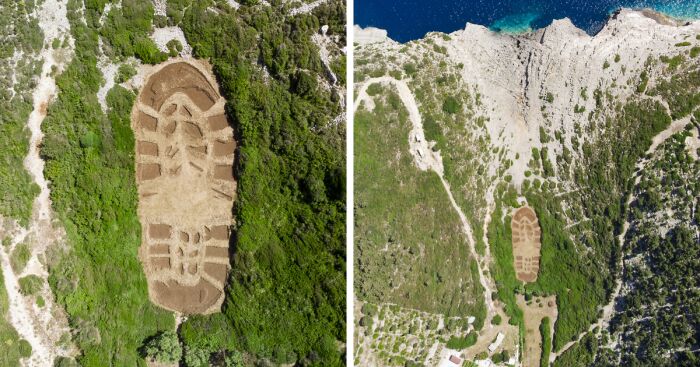
Close to Mongonissi Bay on the Greek island of Paxos, you’ll find this 1000 square meter land art project. It is a huge print of a boot. The artwork, called Footprint , was created by the Greek artist The Krank. It is a metaphor for the human impact on the world and the consequences of our actions. The Krank is creating this work for the 2022 Paxos Biennale.

Here’s what Krank had to say about the installation:

Conceptually, ‘Footprint’ deals with the meaning of loss. Nature, ecosystems, and biodiversity are all in a variable state with a negative sign. The parallelism that emerges through the impermanence of my work, and our presence as a species, reinforces the message I wanted to communicate. Everything is fluid, and nothing should be taken for granted.

NB: if the Footprint video above fails to launch, please visit our homepage.

Posted in Art, Europe | Tagged , , | Leave a comment

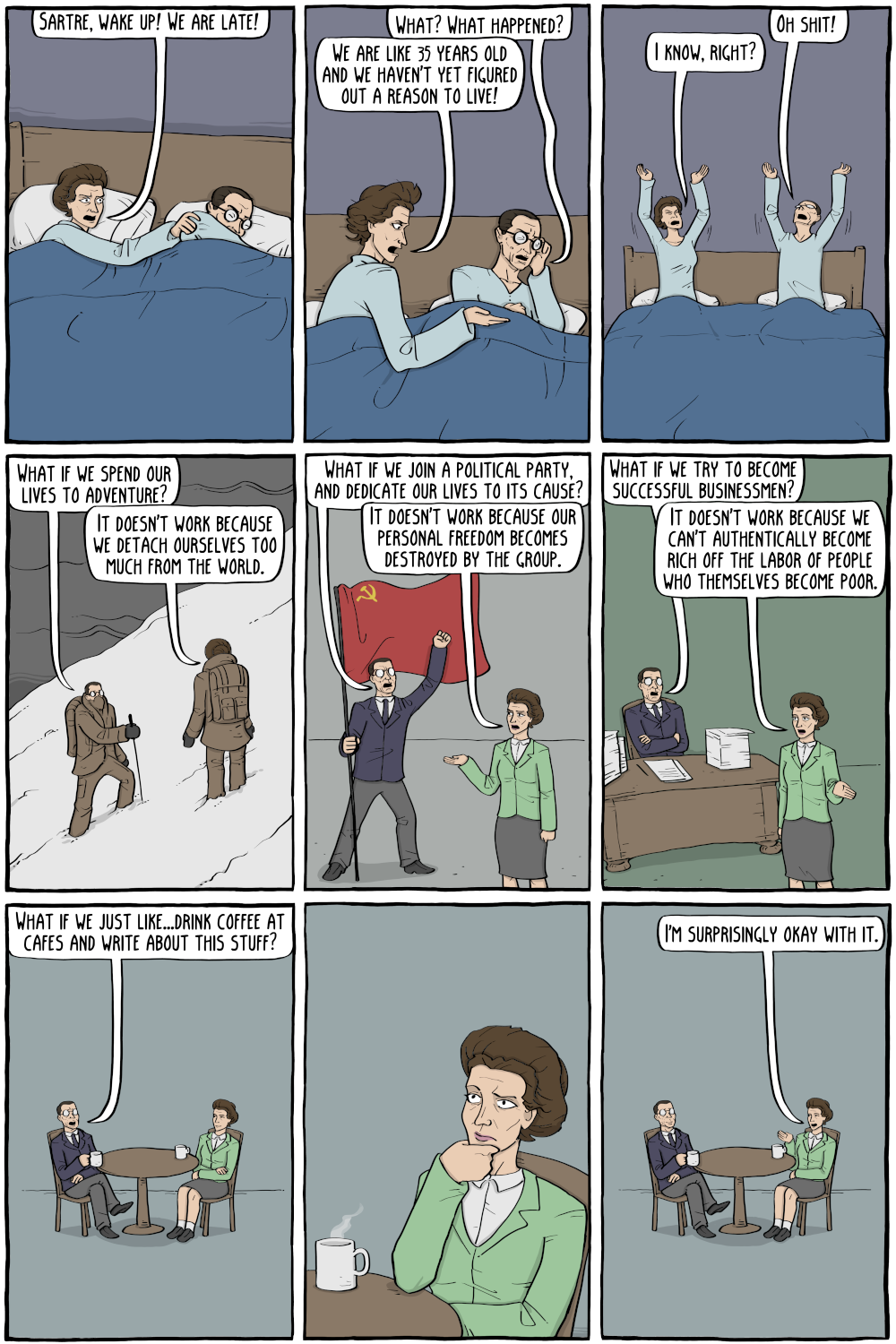
Drink coffee at cafes and write about stuff

Support the comic on Patreon! Corey Mohler creates this terrific philosophy themed webcomic Existential Comics.

Posted in Art, Books | Tagged , , , , | 1 Comment

A Window on the World

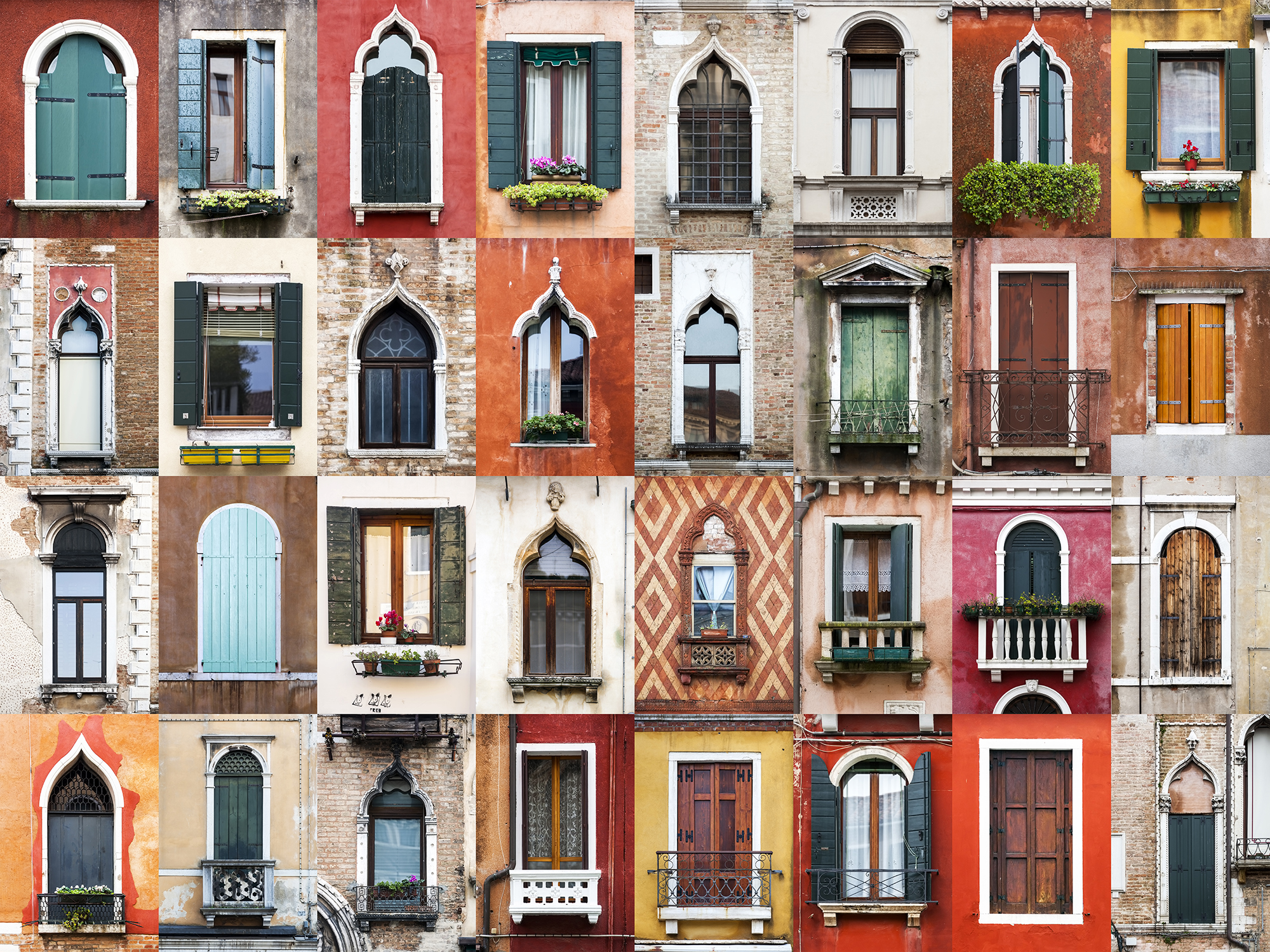
Windows of the World – Porto, Noerte, Portugal, Europe

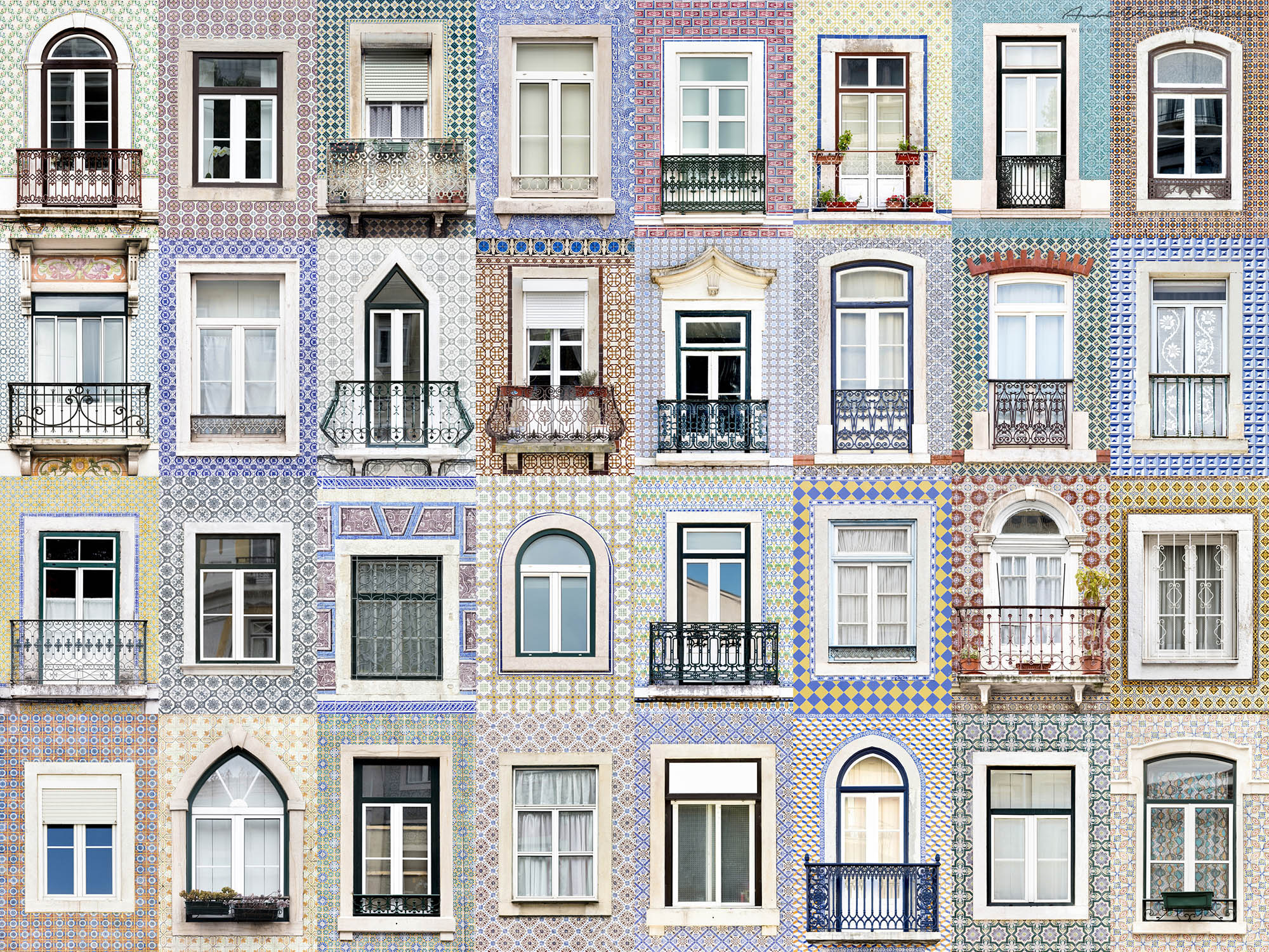
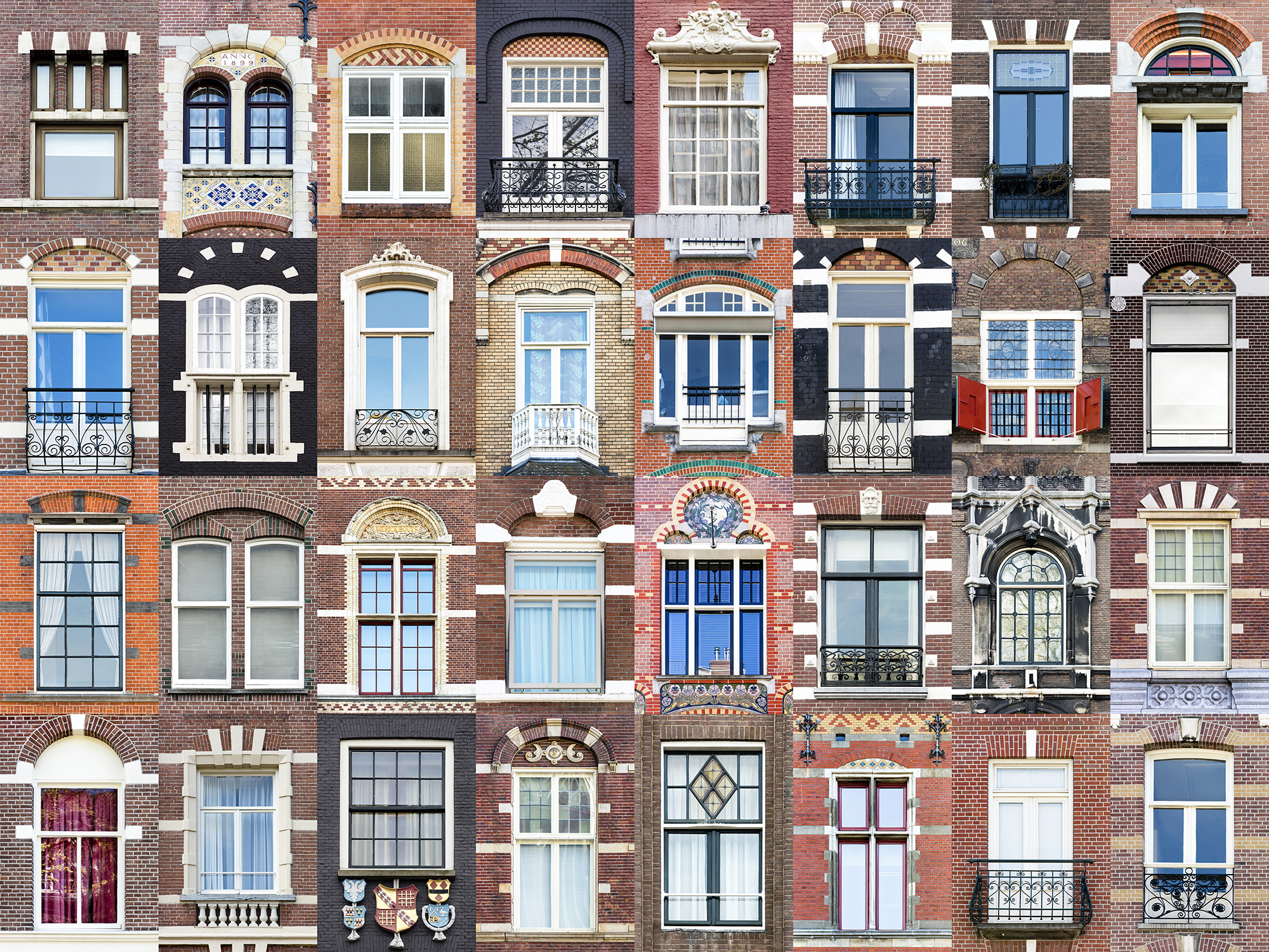
The Portuguese photographer André Vicente Gonçalves has created a stunning project titled “Windows of the World.” The impressive collection of urban photos captures the idiosyncratic personality of each European city that he visits. You can see the entire project and purchase prints from Gonçalves’ project here.

Windows of the World – Lisbon, Lisboa e Vale do Tejo, Portugal, Europe

Windows of the World – Europe – Netherlands – Amsterdam


Posted in Architecture, Art, Europe, Photography | Tagged , , , | 3 Comments

To Live Deliberately

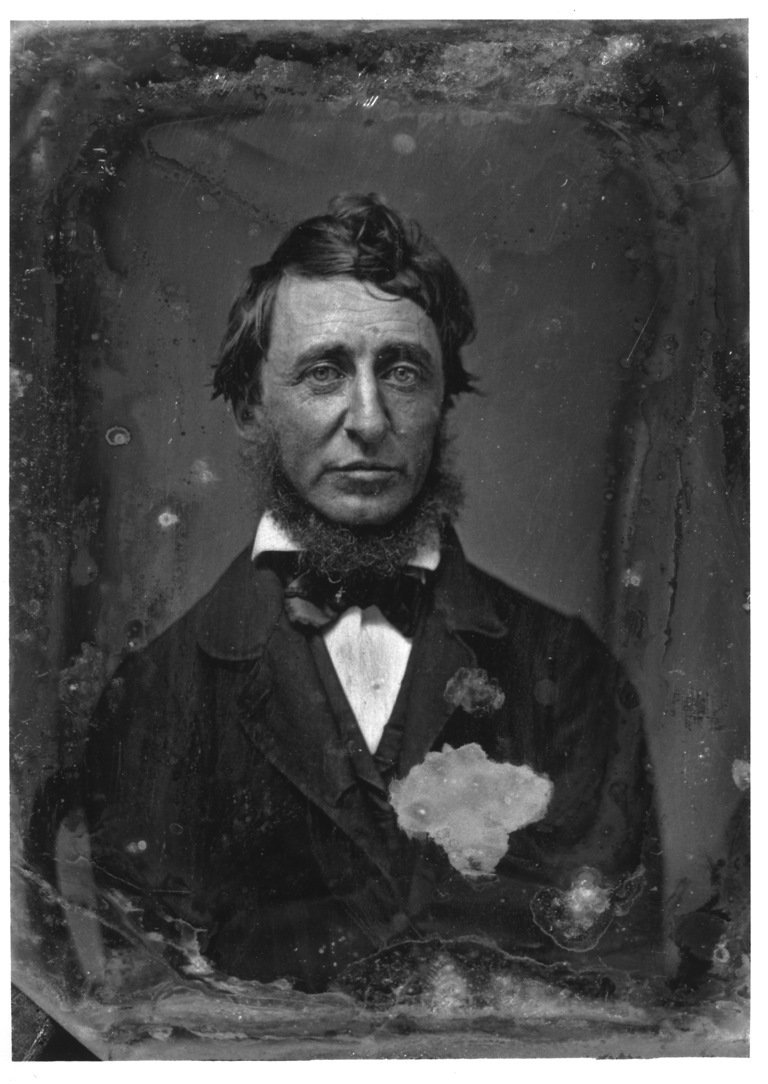
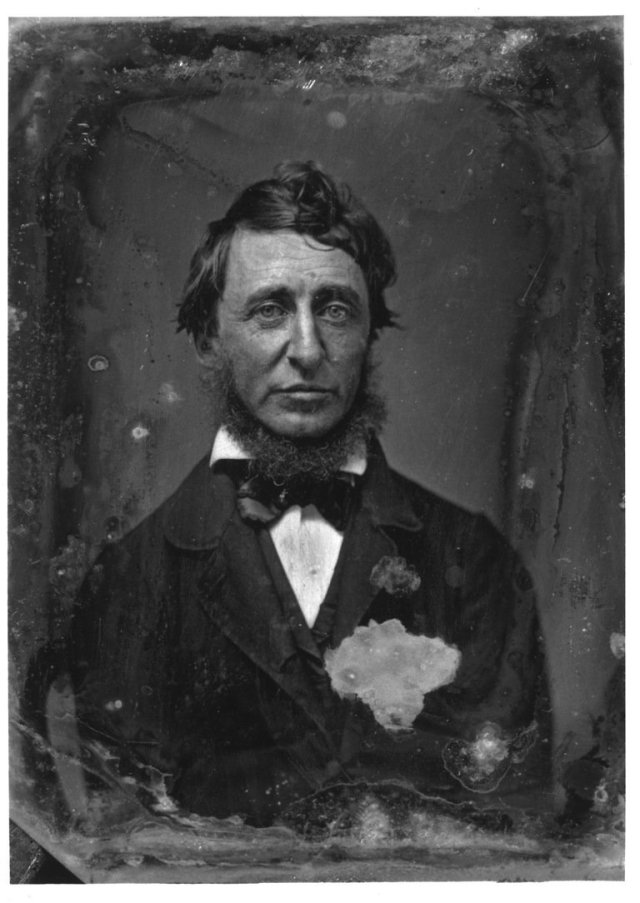
Writer, philosopher, and naturalist Henry David Thoreau was born on July 12, 1817, in Concord, Massachusetts. Associated with the Concord-based literary movement called New England Transcendentalism, he embraced the Transcendentalist belief in the universality of creation and the primacy of personal insight and experience. Thoreau’s advocacy of simple, principled living remains compelling, while his writings on the relationship between people and the environment helped define literature about nature.
After graduating from Harvard in 1837, Thoreau held a series of odd jobs. Encouraged by Concord neighbor and friend Ralph Waldo Emerson, he started publishing essays, poems, and reviews in the transcendentalist magazine The Dial.

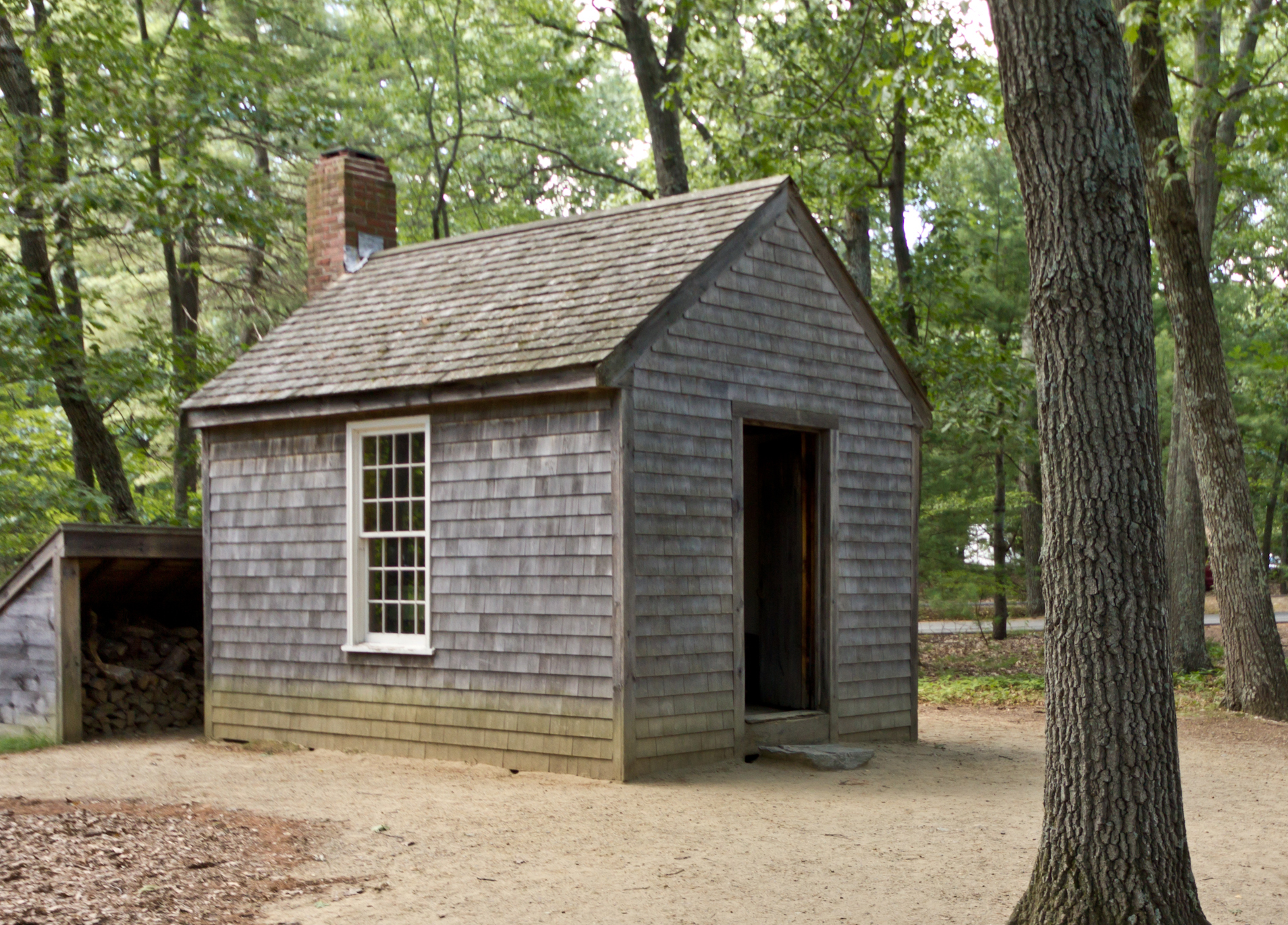
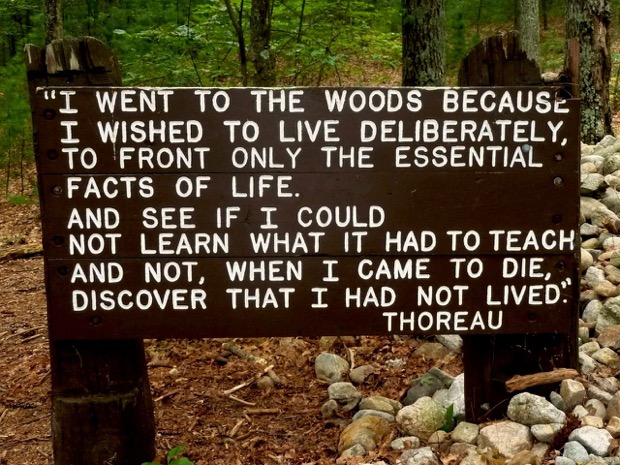
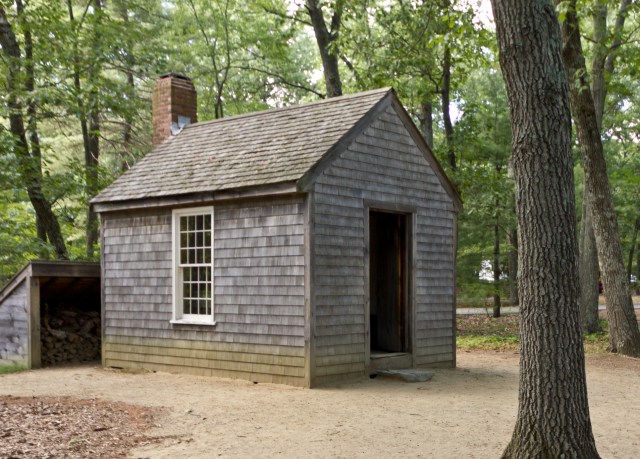
From 1845 to 1847, Thoreau lived in a cabin on the edge of Walden Pond, a small glacial lake near Concord. Guided by the maxim “Simplify, simplify,” he strictly limited his expenditures, his possessions, and his contact with others. His goal: “To live deliberately, to front only the essential facts of life, and see if I could not learn what it had to teach.”
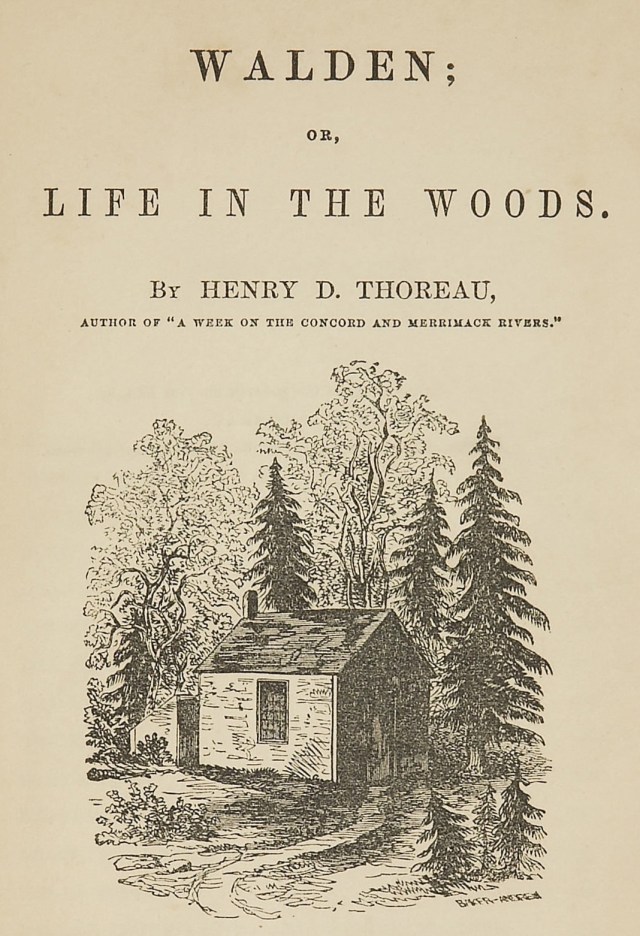
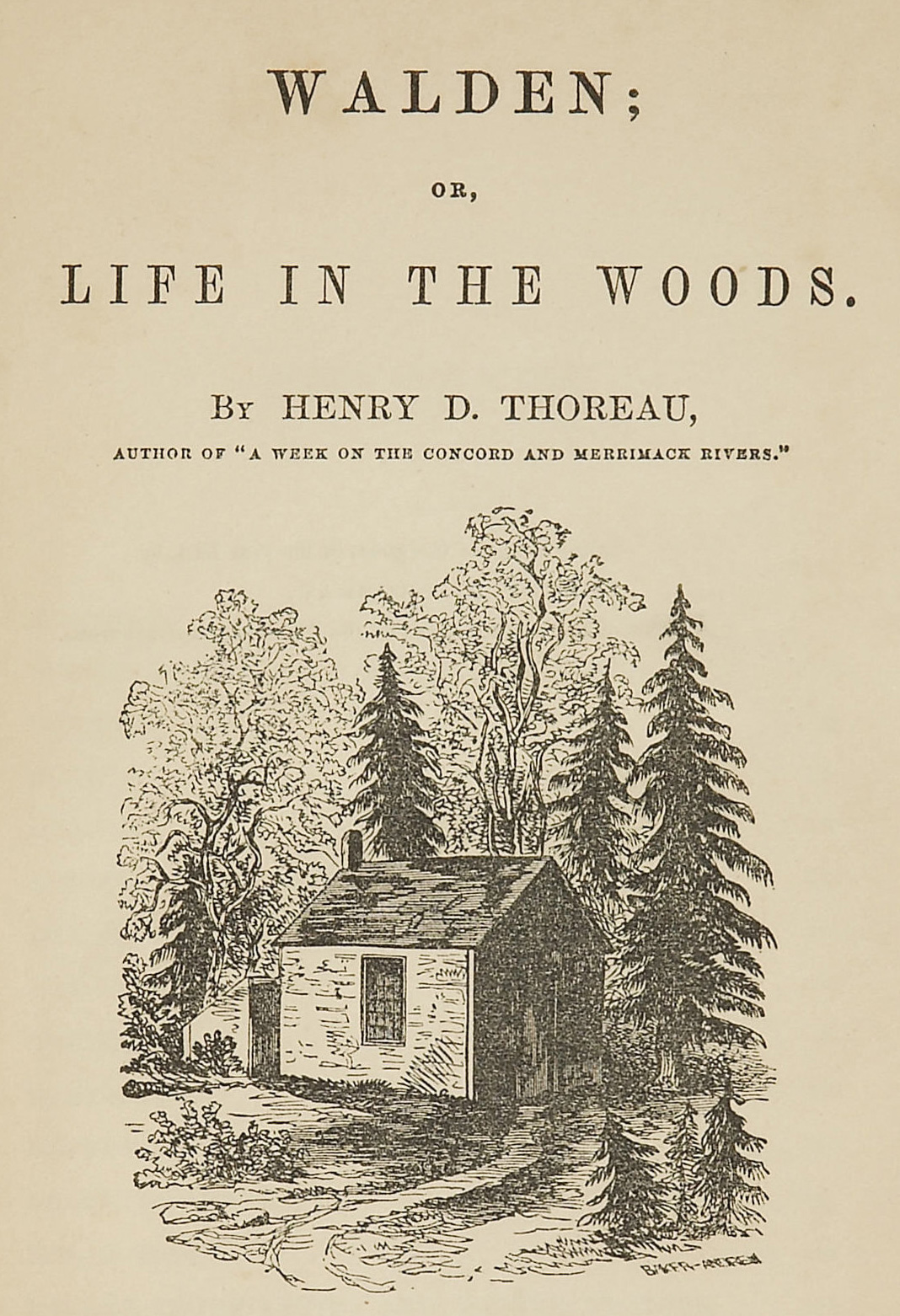
His iconic book Walden; or, Life in the Woods External chronicles his experiment in self-sufficiency. In a series of loosely-connected essays, Thoreau explores American individualism, while offering a cutting critique of society’s increasingly materialistic value system.
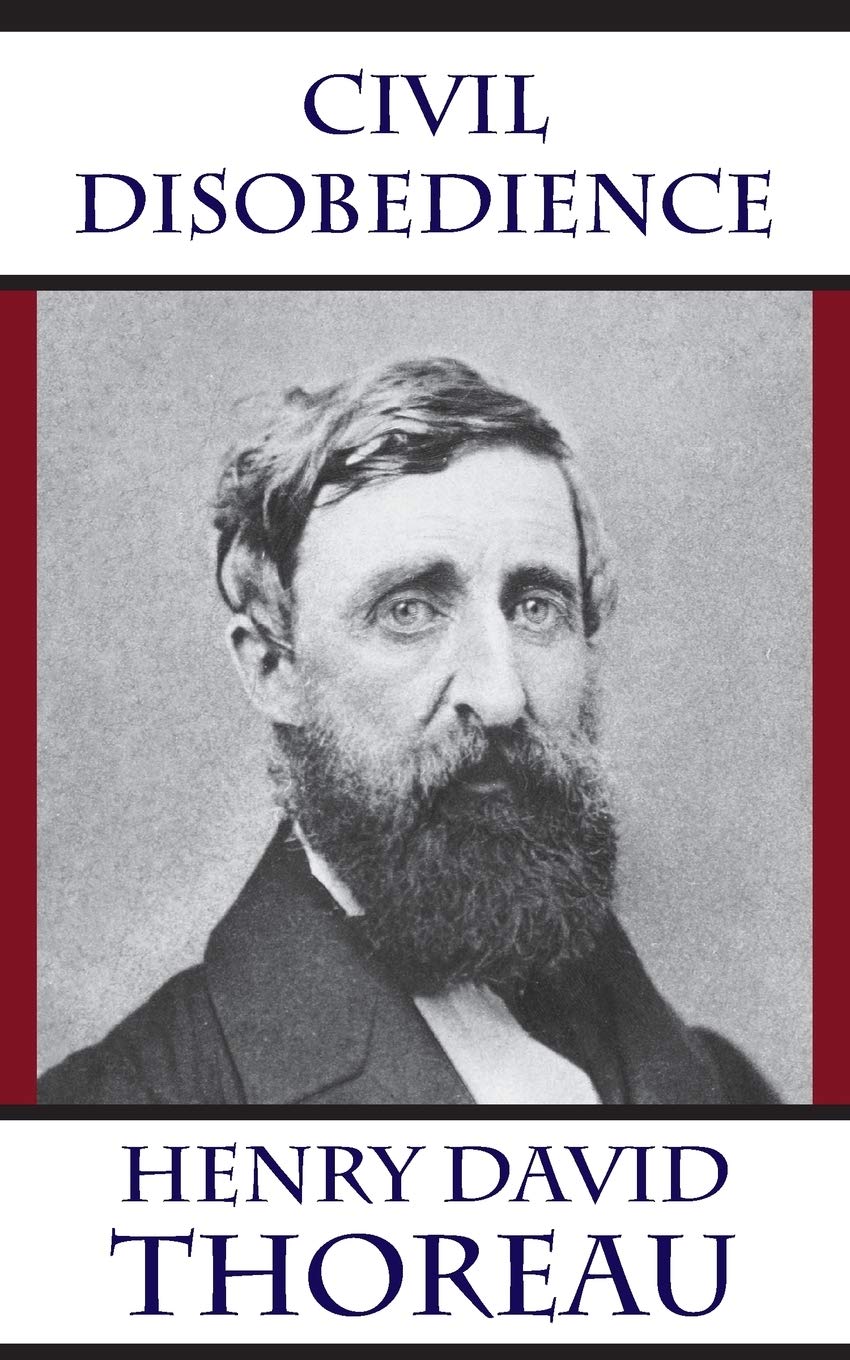
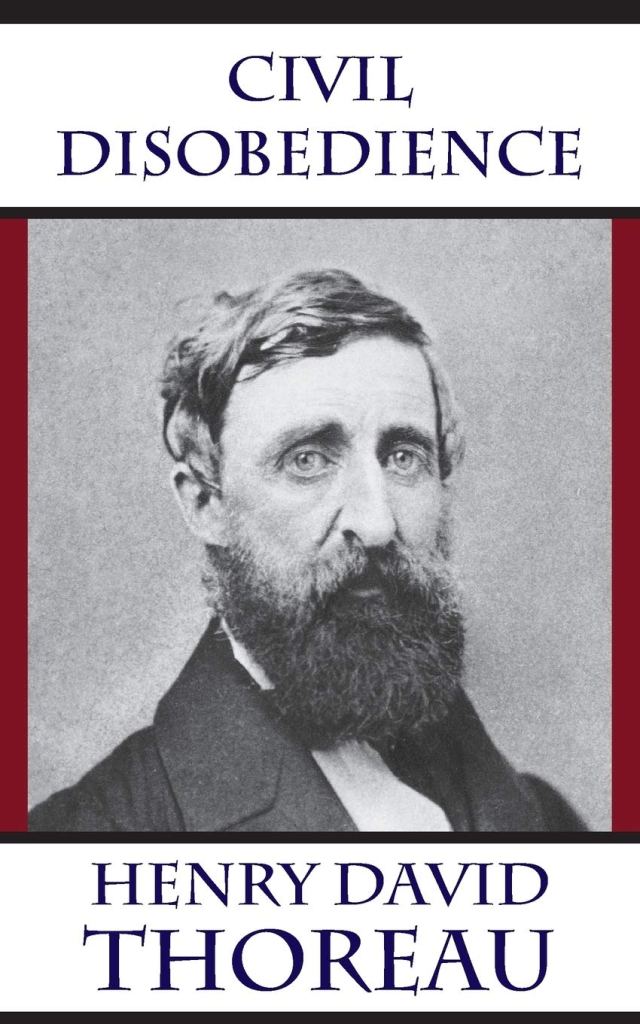
During his time at Walden, Thoreau spent a night in jail for refusing to pay his poll tax. He withheld the tax to protest the existence of slavery and what he saw as an imperialistic war with Mexico. Released after a relative paid the tax, he wrote “Civil Disobedience External” (originally published as “Resistance to Civil Government”) to explain why private conscience can constitute a higher law than civil authority. “Under a government which imprisons any unjustly,” he argued, “the true place for a just man is also a prison.” Thoreau continued to be a vocal and active opponent of slavery. In addition to aiding runaway slaves, in 1859 he staunchly and publicly defended abolitionist John Brown.
“If a man does not keep pace with his companions,” Thoreau reminds us, “perhaps it is because he hears a different drummer. Let him step to the music which he hears, however measured or far away.” Considered something of a failure by his neighbors in Concord, Thoreau died at home on May 6, 1862. Still, his place in American literature is secure as many continue to find inspiration in his work and his example.

You can download his work for free at Project Gutenberg.
 

Posted in Books, Freedom of Speech, History, USA, Writing | Tagged , , , , | 1 Comment