Sundry Sunday Seven

January 1, 2022 was Public Domain Day here in the USA. Among the works entering the public domain was Heminway’s great novel The Sun Also Rises. The Center for the Study of the Public Domain lists thousands of books and recordings now available for free use .

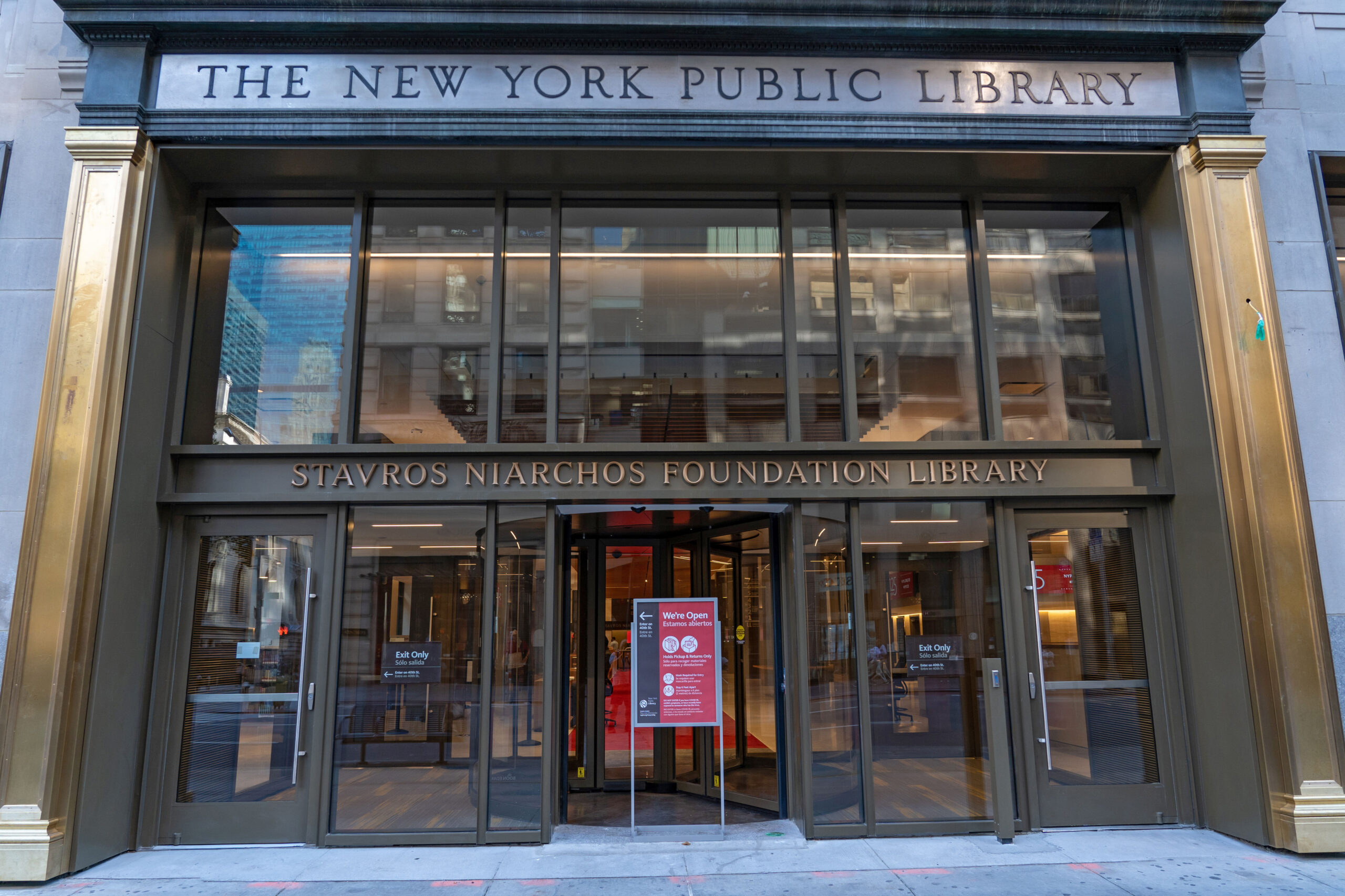
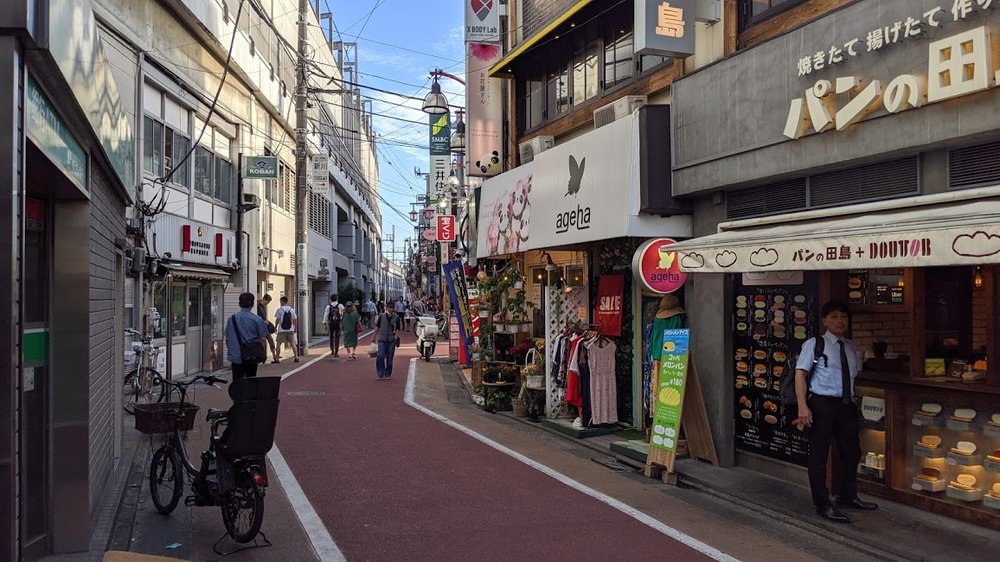
New York City’s newest bookstore Yu & Me Books in Chinatown is also one of the first Asian woman-owned bookstores in Manhattan.

I loved this long piece on Lithub by novelist and bookstore proprietor Emma Straub on her bookshop, her Brooklyn neighborhood, and her book loving customers.

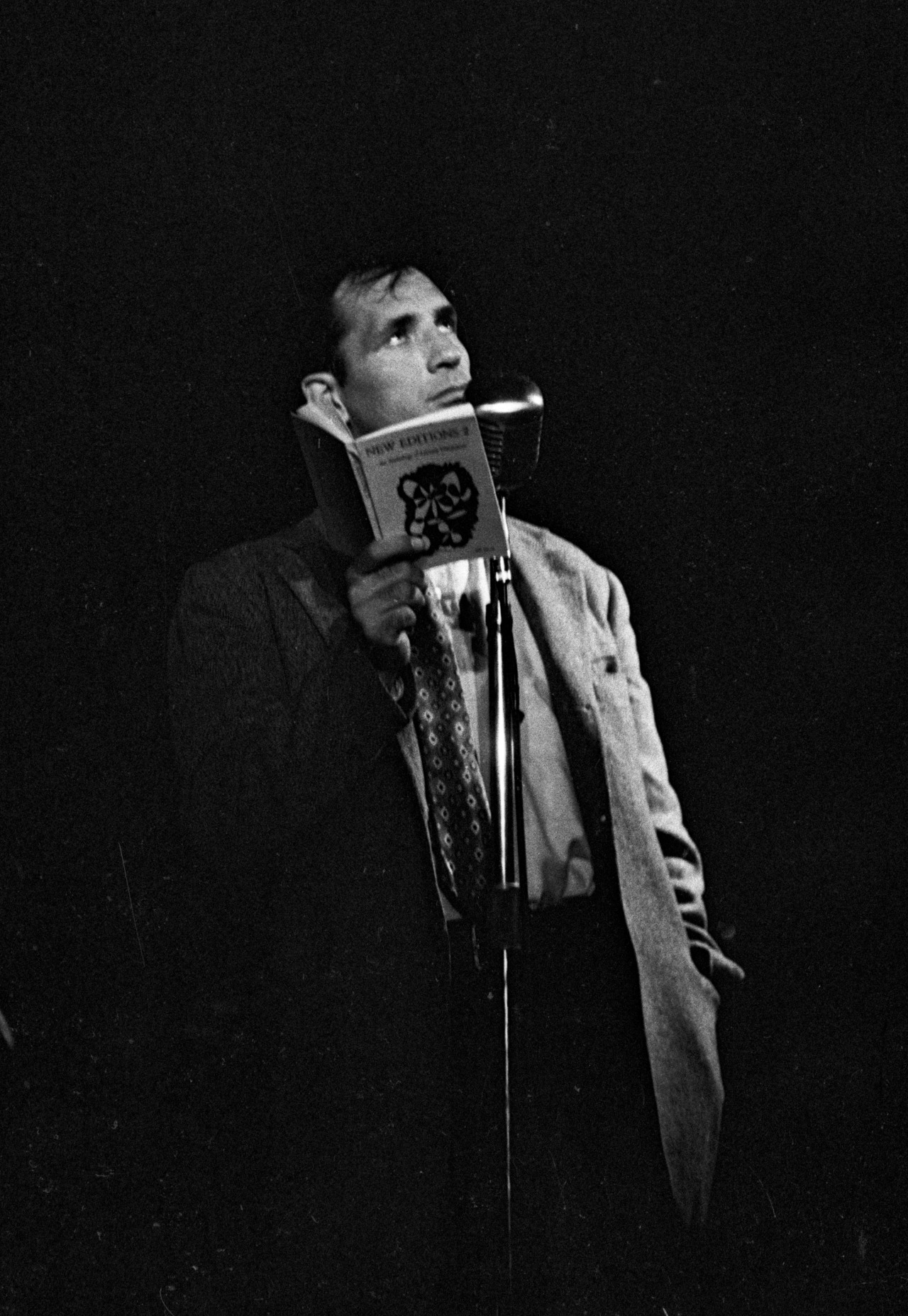
Now that winter has finally descended on us, this little poem by Kenneth Roxreth, the Godfather of American Beat poets, offers a sliver of hope for the coming of spring.

Who hasn’t dreamed of owning a quaint English village.  Even if you haven’t, check out  Inside Britain’s privately owned villages 

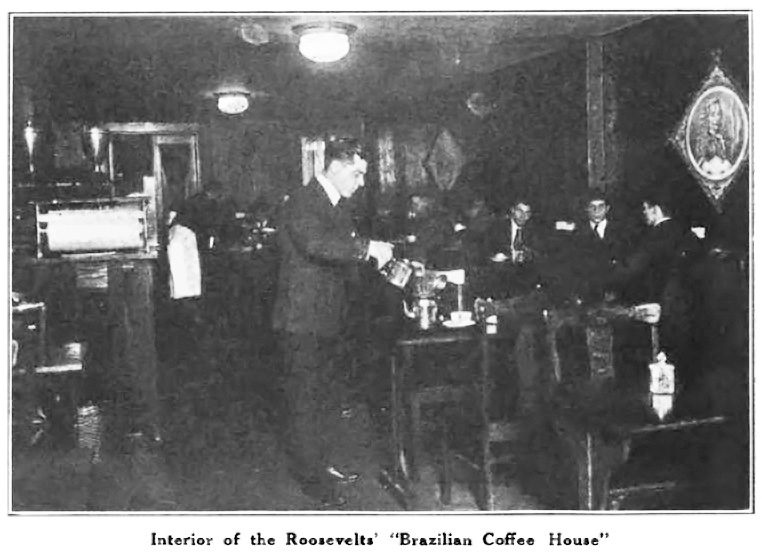
I would like to spend a week or two at this amazing Hostel/Bookstore in China. Check out this stunning combination bookstore and hostel.

I’ve been badgering folks to visit the mindblowing Sir John Soane’s Museum in London for decades. For some reason it has never gotten the attention from tourists that it deserves. I recently ran across this link to one of the institution’s many unusual collections. In the 1700s, there was a vogue for carving fantastically exact models of ancient buildings in cork. The Museum maintains a large collection of cork models, including an 8 foot square Pompeii; the ruins are depicted exactly as they were in 1820, in an early phase of excavation. The Museum offers a 3D virtual tour, which means you can view models of models of buildings within a model of building.


Posted in Architecture, Art, Asia, Books, Bookstore Tourism, Europe, Hotels, Museums, Tourism, USA, Writing | Tagged , , , , | Leave a comment

Every Day Is Caturday Somewhere


Posted in Art, Books | Tagged , , | Leave a comment

When In Rome

Over the years I’ve visited dozens of ancient Roman ruin sites around Europe, but I don’t recall ever seeing any preserved or restored latrines. I recently stumbled upon this fascinating video on personal hygiene and public sanitation in ancient Rome and assumed that you’d like to see it too.

NB: If the video above does not appear or play, please click on the short url at the bottom of your email.


Posted in Architecture, Europe, Film, History | Tagged , | Leave a comment

Books Saved the Town, Now the Internet Is Killing It

Four decades ago, the little Belgian town of Redu was revitalized by its transformation into the Village Du Livre. The village that had been shrinking fast as farm jobs disappeared and families moved away. But in the mid-1980s, a group of booksellers moved into the empty shops and barns and transformed the place into a booklovers’ destination. The community of about 400 became home to more than two dozen bookshops and each year thousands of tourists thronged its quaint streets.

Sadly, now more than half the bookstores have closed. Some of the booksellers died, while others quit due their inabilty to compete with internet-based bookstores and digital books. Many who remain are now in their 70s and aren’t sure what will happen after they’re gone.

With only a dozen or so bookshops remaining in the booktown, the less optimistic say that their trade has fallen out of fashion, and that people, especially young people in Belgium, are reading fewer books.

Anne Laffut, the mayor Redu is located, has offered a counter-narrative: “Life is changing, but nothing is dying. Everything is evolving…. There is a change of mentalities. The elders think the village is changing because there are fewer bookstores and it is a disappointment. But there is a new generation which is very active in Redu. Many volunteers are teaming up with the same desire for the village to continue to endure.”

Posted in Books, Bookstore Tourism, Europe, Tourism, Uncategorized | Tagged , , | 1 Comment

Mary Shelley Shattered Expectations

This original copy of Shelley’s Frankenstein: or, the Modern Prometheus was published anonymously on January 1, 1818. It recently sold at auction for $1.17 million. Courtesy of Christie’s Images Ltd. 2021

Each year at this time I check out the Rare Book Hub Top 500 prices paid at auction in the books and paper field for the previous year. In 2021 prices skyrocketed across the board. Here’s a link to the Top 500.  At the very top, the most expensive item sold for over $43 million, the highest ever for something in the collectible paper field. More amazing was the increase at #500, as this is more indicative of the high end of the field than one single item at the top. Number 500 sold for $119,700.

What really caught my attention from the 2021 list was the sale of a First Edition of Mary Shelley’s Frankenstein for an astonishing $1.17 million. The three-volume set broke the auction record for a printed work by a woman. The lot’s pre-sale estimate was $200,000 to $300,000. The previous world record for a printed work by a woman was set in 2008, when a first edition of Jane Austen’s 1816 novel Emma sold for around $205,000.

The record-breaking copy of Frankenstein is especially notewothy because it retains its original boards—the blueish gray pasteboards that cover each volume. Nineteenth-century publishers used these disposable coverings to bind and sell books, with the expectation that books’ new owners would eventually replace them with a permanent custom bindings.


Posted in Uncategorized | Leave a comment

Move-in Ready

I’m seriously considering building one of these book igloos and moving in for the duration of the pandemic. These book sculptures are the work of the brilliant Columbian artist Miler Lagos.


Posted in Art, Books, South America | Tagged , , | 2 Comments

How is a book like a spoon ?

I was recently asked by a TBTP subscriber why I never posted any stories about e-books or e-readers. My flippant response was to share the quote (above) from the late, great author/philosopher/bibliophile Umberto Eco from his book This Is Not the End of the Book.

“The book is like the spoon, scissors, the hammer, the wheel. Once invented, it cannot be improved. You cannot make a spoon that is better than a spoon.”

In retrospect, I think that the original query deserves a more nuanced response. As a bookseller, book collector, erstwhile author, sometime editor, life-long reader, and blogger, I am an unwavering book lover who believes that no digital alternative comes close to the printed paper page. Still, that does not mean that I am a Luddite against electronic publishing.  I read books and periodicals on my iPad and iPhone, and I’ve owned a Kindle for years. No more carrying multiple paperbacks with me when I travel and no more scrounging English language books when I run out of reading material on long trips.

The traditional printed book is not perfect. Books have become expensive to produce, too often limiting ownership and access. It still is a time-consuming, labor intensive process to publish and distribute print books. Once a book is printed, it is not easily updated. But until electronic publishing finds a way to rival the multisensory experience of reading even a modestly produced physical book, it will continue to provide only a second rate reading experience, and the death of the book will be postponed once more.

Posted in Books, ebooks, Tech, Uncategorized | Tagged , , | 2 Comments

You’re next on my list


Posted in Art, Books | Tagged , | Leave a comment

Ring In The New Year

The Chimes: A Goblin Story of Some Bells that Rang an Old Year Out and a New Year In, commonly referred to as The Chimes, is a novella written by Charles Dickens and first published in 1844, one year after A Christmas Carol. It is the second in his series of “Christmas books,” five novellas with strong social and moral messages that he published during the 1840s. In addition to A Christmas Carol and The Chimes, the Christmas books include The Cricket on the Hearth (1845), The Battle of Life (1846), and The Haunted Man and the Ghost’s Bargain (1848).

The book was written in late 1844, during Dickens’ year-long visit to Italy. John Forster, his first biographer, records that Dickens, hunting for a title and structure for his next contracted Christmas story, was struck one day by the clamour of the Genoese bells audible from the villa where they were staying. Two days later Forster received a letter from Dickens which read simply: “”We have heard THE CHIMES at midnight” and the writing of the book began. Forster describes Dickens’ intentions in writing The Chimes as striking “a blow for the poor”.

The novella is a political story like its predecessor A Christmas Carol, written with the intention of swaying readers towards Dickens’ moral message. The chimes represent time, and the main themes of the story are summarised in the three wrongs they accuse the character Trotty of committing:

• Harking back to a golden age that never was, instead of striving to improve conditions here and now.

• Believing that individual human joys and sorrows do not matter to a higher power.

• Condemning those who are fallen and unfortunate, and offering them neither help nor pity.

‘Who turns his back upon the fallen and disfigured of his kind; abandons them as vile; and does not trace and track with pitying eyes the unfenced precipice by which they fell from good—grasping in their fall some tufts and shreds of that lost soil, and clinging to them still when bruised and dying in the gulf below; does wrong to Heaven and man, to time and to eternity. And you have done that wrong!’

If you’re interested, the ebook is available for free on Gutenberg here.


Posted in Books, Europe, History, Writing | Tagged , , | Leave a comment

Foxfires New Year’s Eve

Foxes gather at the large, old enoki (hackberry) tree on New Year’s Eve to prepare to pay homage at the Ōji Inari shrine, the headquarters of the Inari cult in eastern Japan (Kantō). The cult centers on the god of the rice field, for whom the fox serves as messenger. On the way to Ōji, the foxes have set a number of kitsunebi (foxfires), which farmers count to predict the upcoming rice harvest. Hiroshige’s print successfully conveys the mysterious atmosphere of the rite as the procession of foxes bearing fires approaches from the distant, dark forest under a starry sky.


Posted in Art, Asia, Uncategorized | Tagged , | Leave a comment