Bad Bunnies or the World Turned Upside Down

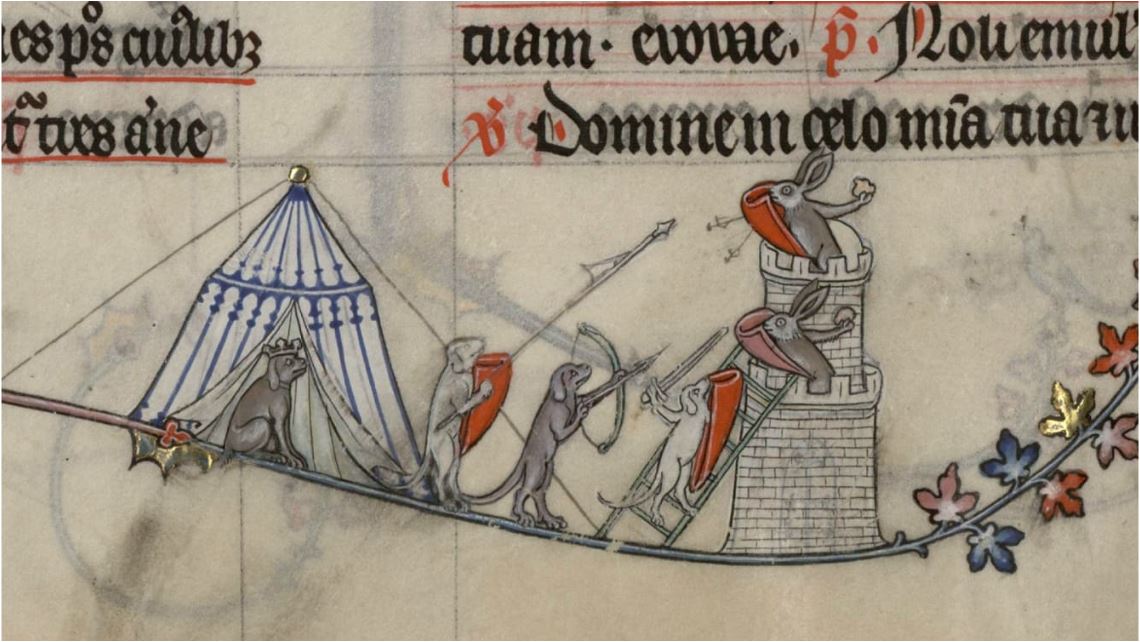
I have long been intrigued by the variety of marginalia found in medieval European manuscripts. While it’s not uncommon to discover colorful and playful images of mythical creatures, dogs, cats, snakes, snails, or sexualized caricatures or people, I only recently learned about the use of out of control rabbits in marginalia. Although rabbits and hares originally symbolized innocence, at some point the script was flipped and images began to appear of bunnies as violent aggressors.

By far the most universal explanation for the roles rabbits play in these marginalia is that it is a typical medieval trope of role-reversal used for humour. The mond renversé show animals that were hunted for food and skins turning the tables on people and other predators.


Posted in Art, Books, Europe, History | Tagged , , | Leave a comment

Past Perfect

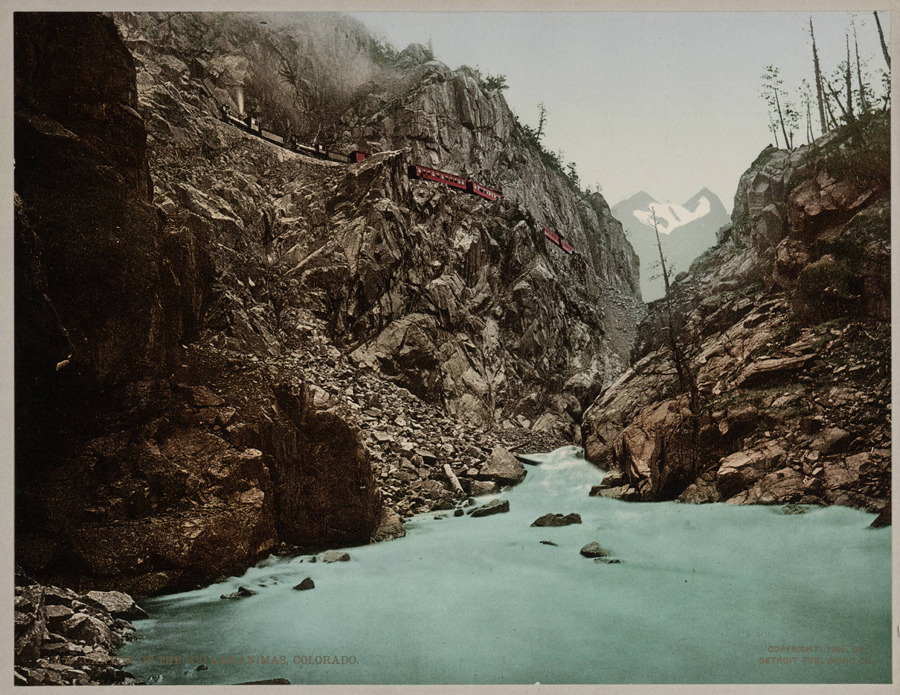
I recently ran across the beautiful photochrome print from around 1900 of the Durango-Silverton Railway above the Animas River gorge in southwestern Colorado. It immediately reminded me of a trip that I took on the same railway line a few years ago. These days the route carries tourists through the wild country of the gorgeous San Juan Mountains, but between 1882 and the 1920 the railway served mining companies in the region. The view below is a contemporary shot of the same mountian gorge and the historic steam train that still follows the route.

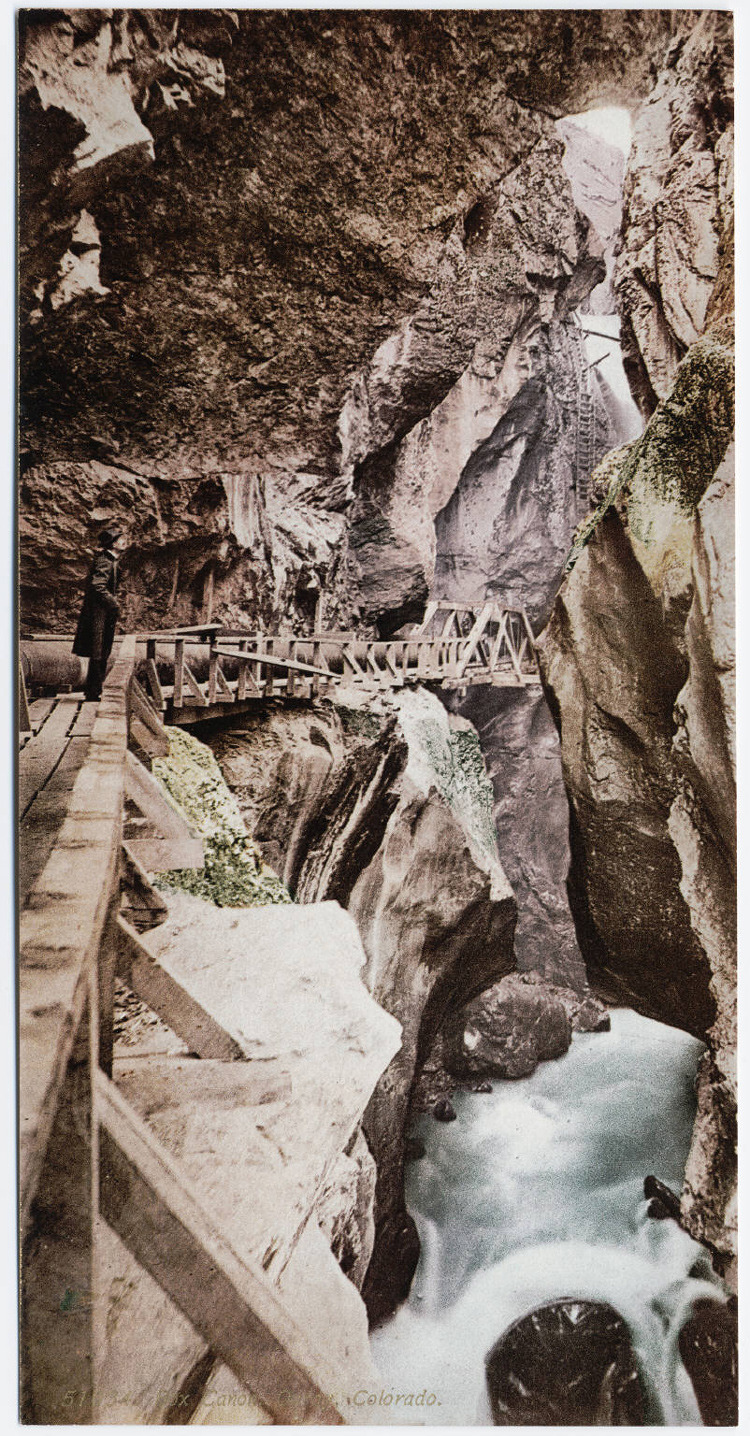
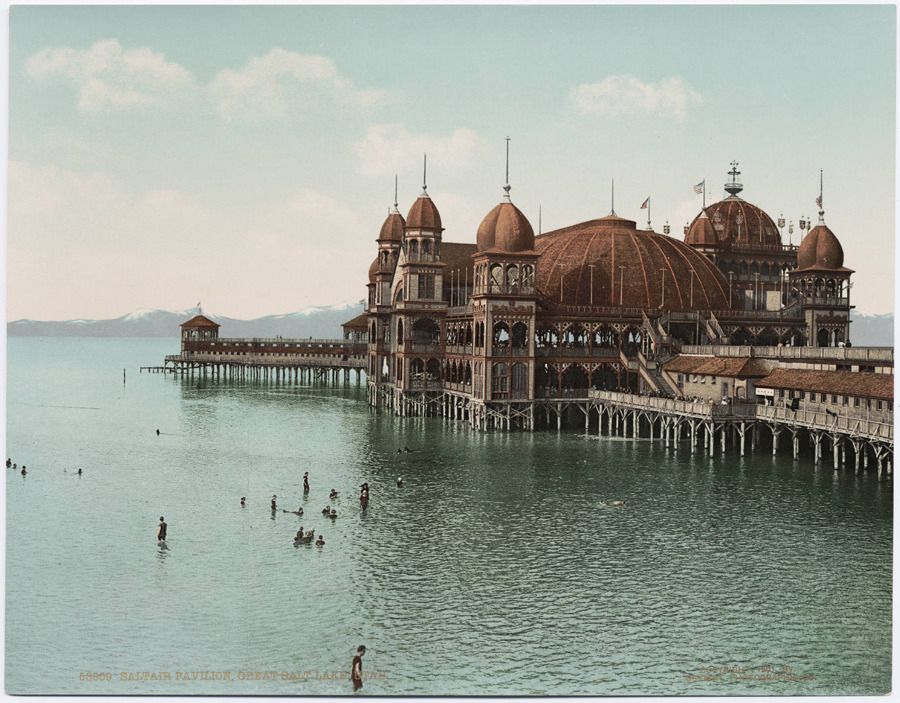
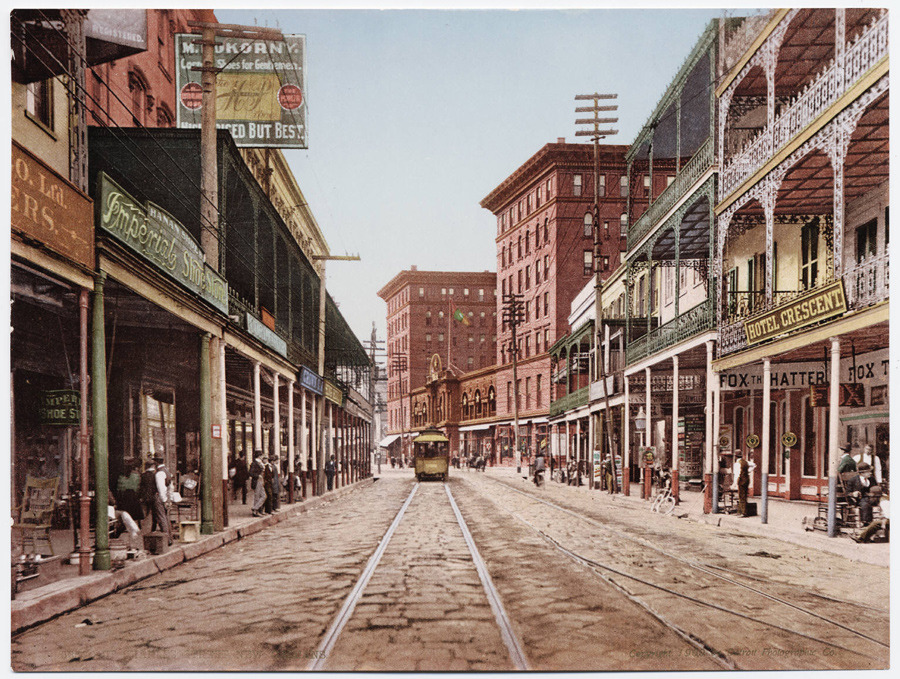
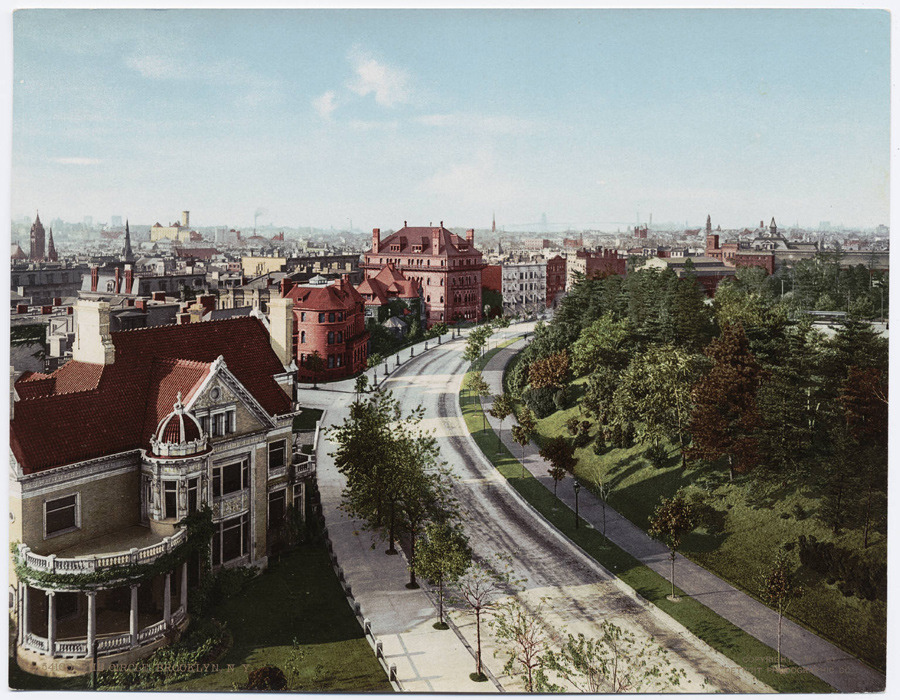
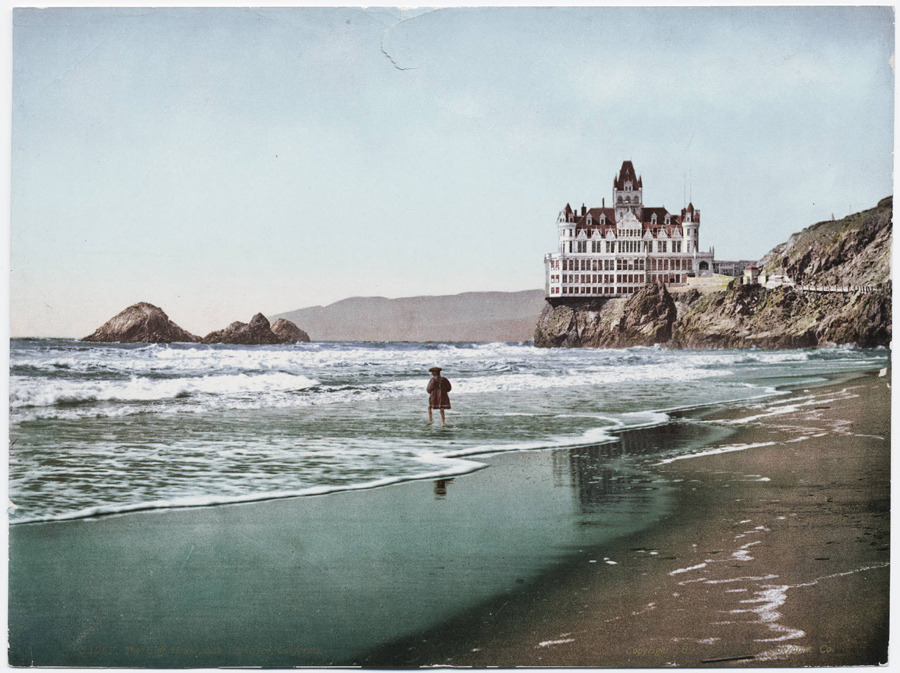
I’ve featured photochrome prints from the Library of Congress a number of times over the years, as well as images from the Detroit Photograph Company which produced popular photochrome postcards between 1890 and 1924.

Ouray, Colorado


Photochrome process:

A litho stone was coated with a thin layer of purified bitumen dissolved in benzene. A reversed half-tone negative was then pressed against this light-sensitive coating and an exposure in daylight made (taking from 10-30 minutes in summer, to several hours in winter). The bitumen hardened and became resistant to normal solvents in proportion to the light. The coating was then washed in turpentine solutions, removing the unhardened bitumen. It was then retouched in the tonal scale of the chosen color to strengthen or soften the tones as required. Each tint needed a separate stone bearing the appropriate retouched image, and prints were usually produced by at least six, and more commonly from 10 to 15 tint stones.


Background from NYPL:

The Detroit Photographic Company originated in 1898 to promote a new color printing process in the United States and to capitalize on the public’s interest in sending inexpensive pictorial greetings. In 1905 the firm became the Detroit Publishing Company, continuing to use the trade name “Phostint” for its patented color reproduction process. Western landscape photographer William Henry Jackson was long associated with the firm, bringing his and other photographers’ negatives to the image stock published by the company. Photographers’ names are not associated with individual postcard images, although art reproductions and illustration series are credited. Diminishing sales and rising competition from rival firms sent the Detroit Publishing Company into receivership in 1924, and its assets were finally liquidated in 1932.

Salt Lake City, Utah

New Orleans

Brooklyn, New York City

San Francisco


Posted in Architecture, History, Libraries, Photography, Public Transport, Tourism, USA | Tagged , , , , | Leave a comment

Soon the city fades before your eyes…

When you have arrived at Phyllis, you rejoice in observing all the bridges over the canals, each different from the others: cambered, covered, on pillars, on barges, suspended, with tracery balustrades. And what a variety of windows looks down on the streets: mullioned, Moorish, lancet, pointed, surmounted by lunettes or stained-glass roses; how many kinds of pavement cover the ground: cobbles, slabs, gravel, blue and white tiles. At every point the city offers surprises to your view: a caper bush jutting from the fortress’ walls, the statues of three queens on corbels, an onion dome with three smaller onions threaded on the spire. “Happy the man who has Phyllis before his eyes each day and who never ceases seeing the things it contains,” you cry, with regret at having to leave the city when you can barely graze it with your glance.

But it so happens that, instead, you must stay in Phyllis and spend the rest of your days there. Soon the city fades before your eyes, the rose windows are expunged, the statues on the corbels, the domes. Like all of Phyllis’ inhabitants, you follow zigzag lines from one street to another, you distinguish the patches of sunlight from the patches of shade, a door here, a stairway there, a bench where you can put down your basket, a hole where your foot stumbles if you are not careful. All the rest of the city is invisible. Phyllis is a space in which routes are drawn between points suspended in the void: the shortest way to reach that certain merchant’s tent, avoiding that certain creditor’s window. Your footsteps follow not what is outside the eyes, but what is within, buried, erased. If, of two arcades, one continues to seem more joyous, it is because thirty years ago a girl went by there, with broad, embroidered sleeves, or else it is only because that arcade catches the light at a certain hour like that other arcade, you cannot recall where.

Millions of eyes look up at windows, bridges, capers, and they might be scanning a blank page. Many are the cities like Phyllis, which elude the gaze of all, except the man who catches them by surprise.

From Invisible Cities by Italo Calvino; translation by William Weaver.

Posted in Books, Europe, Writing | Tagged , , | 1 Comment

Sounds of the City

The wonderful video below was created by filmmakers Gilad Avnat and Stav Nahum of Bonamaze  to celebrate the re-opening of New York City.

900+ sounds sampled
6 days of shooting
Countless days of editing

Director, DP, Edit and Music: Gilad Avnat and Stav Nahum, Bonamaze
Producer: Hannah Janal, Bootstrap Films LLC
Color Grade & Motion Graphics: Omri Grossman, Yehuda Revivo and Daniel Tsukahira
Sound Mastering: Niv Cohen

NB: if you subscribe to TBTP via email and the video does not appear, please click on the short URL at the bottom of your email.


Posted in Film, Music, Photography, Tourism, USA | Tagged | Leave a comment

The sound of liberty

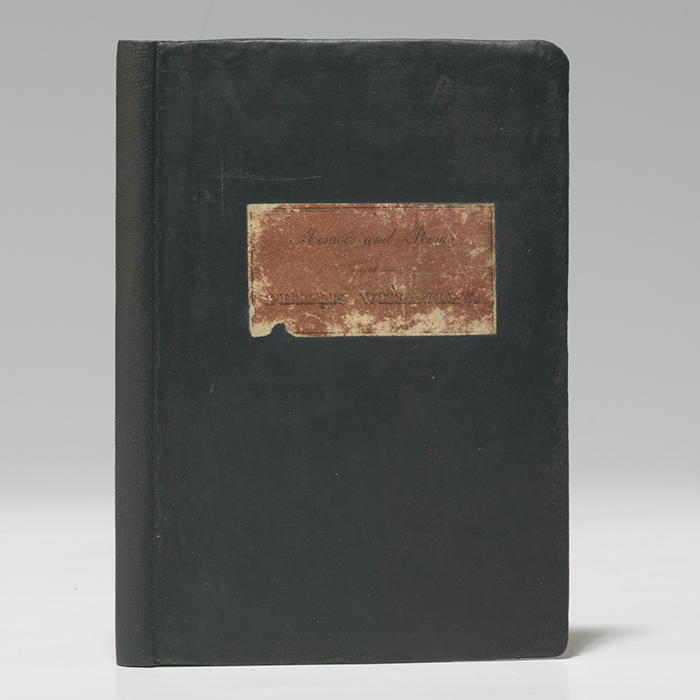
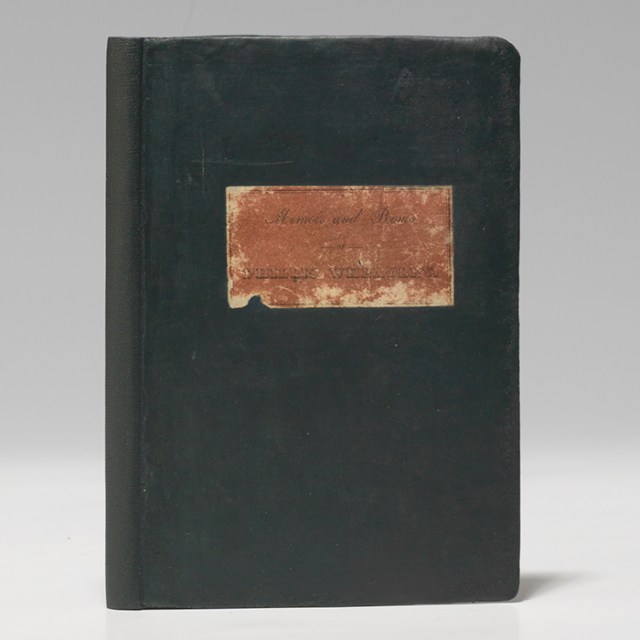
The Memoirs and Poems of Phillis Wheatley celebrates the life and work of the first Black American poet to be published.

Although she was an enslaved person, Phillis Wheatley Peters was one of the best-known poets in pre-19th century America. Educated and enslaved in the household of prominent Boston commercialist John Wheatley, lionized in New England and England, with presses in both places publishing her poems, and paraded before the new republic’s political leadership and the old empire’s aristocracy, Wheatley was the abolitionists’ illustrative testimony that blacks could be both artistic and intellectual. Her name was a household word among literate colonists and her achievements a catalyst for the fledgling antislavery movement.

Wheatley was seized from Senegal/Gambia, West Africa, when she was about seven years old. She was transported to the Boston docks with a shipment of “refugee” slaves, who because of age or physical frailty were unsuited for rigorous labor in the West Indian and Southern colonies, the first ports of call after the Atlantic crossing. In the month of August 1761, “in want of a domestic,” Susanna Wheatley, wife of prominent Boston tailor John Wheatley, purchased “a slender, frail female child … for a trifle” because the captain of the slave ship believed that the waif was terminally ill, and he wanted to gain at least a small profit before she died. A Wheatley relative later reported that the family surmised the girl—who was “of slender frame and evidently suffering from a change of climate,” nearly naked, with “no other covering than a quantity of dirty carpet about her”—to be “about seven years old … from the circumstances of shedding her front teeth.”

After discovering the girl’s precociousness, the Wheatleys, including their son Nathaniel and their daughter Mary, did not entirely excuse Wheatley from her domestic duties but taught her to read and write. Soon she was immersed in the Bible, astronomy, geography, history, British literature (particularly John Milton and Alexander Pope), and the Greek and Latin classics of Virgil, Ovid, Terence, and Homer. In “To the University of Cambridge in New England” (probably the first poem she wrote but not published until 1773), Wheatley indicated that despite this exposure, rich and unusual for an American slave, her spirit yearned for the intellectual challenge of a more academic atmosphere.

Although scholars had generally believed that An Elegiac Poem, on the Death of that Celebrated Divine, and Eminent Servant of Jesus Christ, the Reverend and Learned George Whitefield … (1770) was Wheatley’s first published poem, Carl Bridenbaugh revealed in 1969 that 13-year-old Wheatley—after hearing a miraculous saga of survival at sea—wrote “On Messrs. Hussey and Coffin,” a poem which was published on 21 December 1767 in the Newport, Rhode Island, Mercury. But it was the Whitefield elegy that brought Wheatley national renown. Published as a broadside and a pamphlet in Boston, Newport, and Philadelphia, the poem was published with Ebenezer Pemberton’s funeral sermon for Whitefield in London in 1771, bringing her international acclaim.
 

Posted in Books, History, USA, Writing | Tagged , | Leave a comment

Go Home Happy


Posted in Animation, Books, Bookstore Tourism | Tagged , | Leave a comment

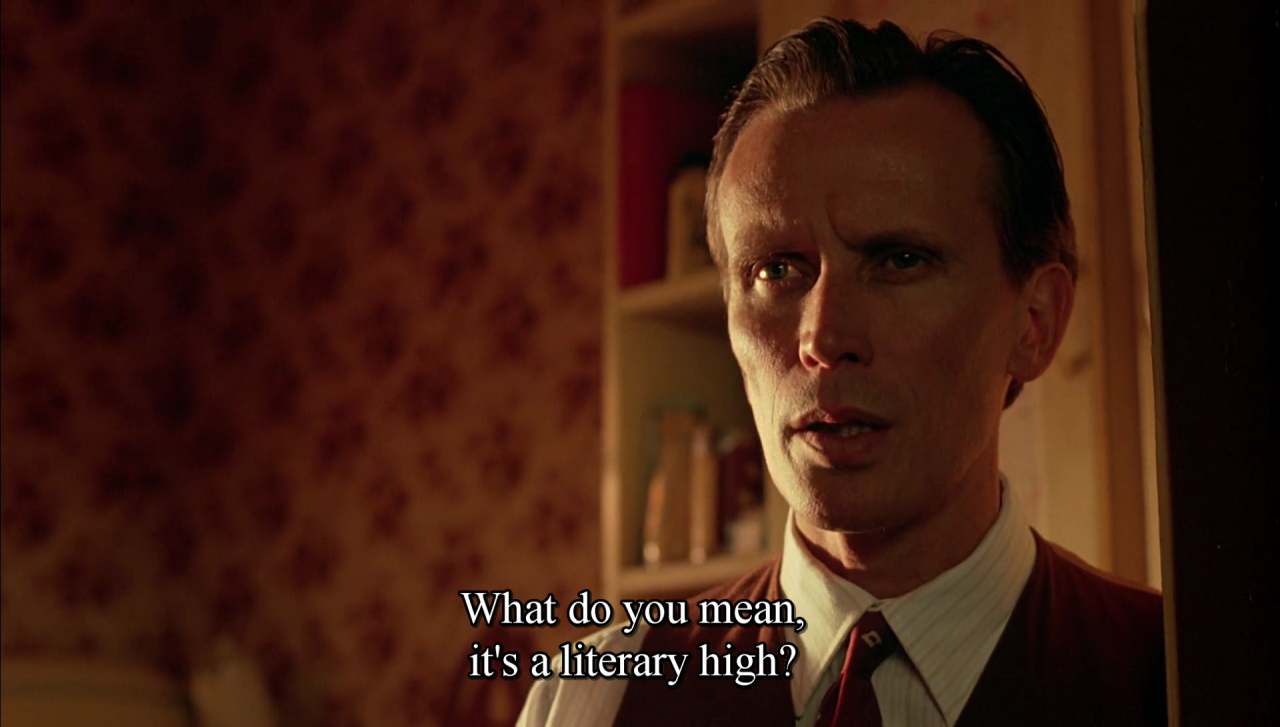
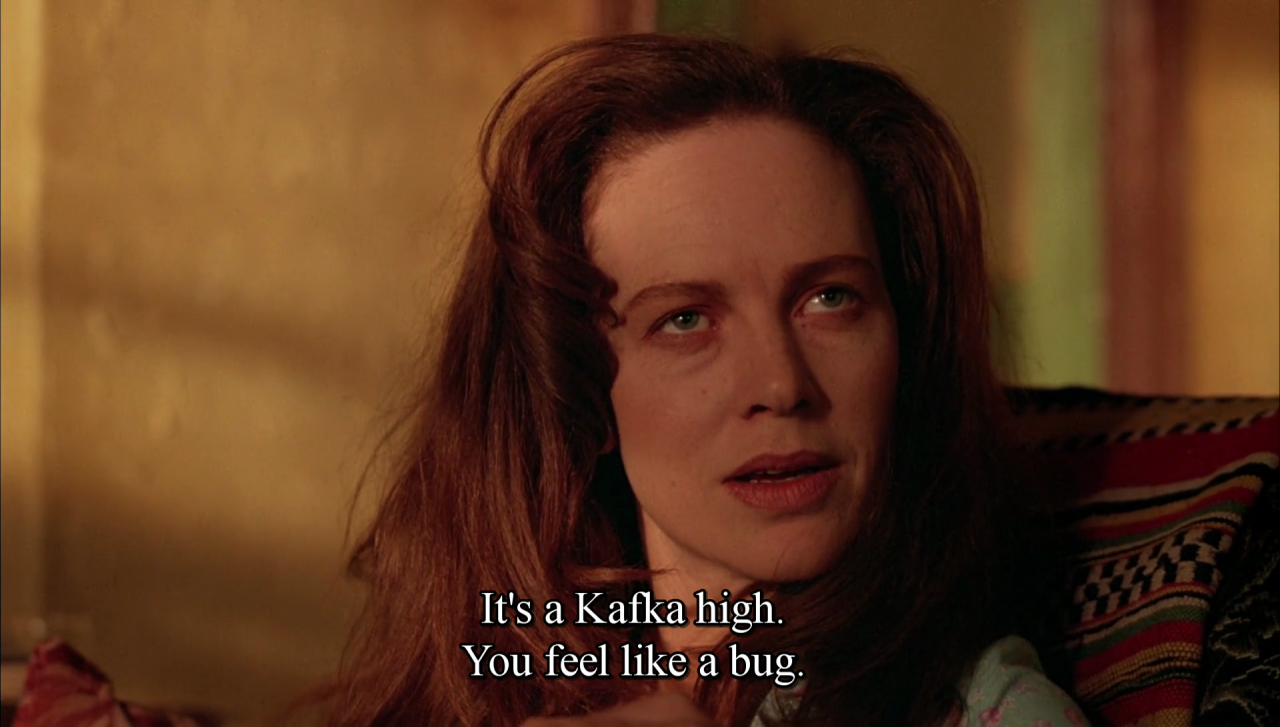
A Literary High

Naked Lunch (David Cronenberg, 1991)


Posted in Books, Film, USA, Writing | Tagged , , | Leave a comment

Midnight Train From Paris

Many years ago, when I took my first big European trip, I managed to stretch my travel budget by traveling at night by train. More often than not, I simply tried to sleep in a regular compartment, however when the trip was long, such as Vienna to Venice, I would splurge on a sleeper bunk in a four couchette comaprtment. There’s nothing like the thrill of going to sleep in Paris and waking up in Amsterdam. Sadly, during the 21st century most railway lines did away with sleeper carriages and night trains. But a new French start-up has announced plans for a network of overnight services out of Paris from 2024.

Midnight Trains is planning to offer a stylish and affordable  alternative to intercity European flights and a greener  way to travel with “hotels on rails”. The scheme aims to connect the Paris to 12 other European destinations, including Rome, Barcelona, and Berlin.

Within a few years, Midnight Trains hopes provide night trains to at least a dozen destinations between 500 and 900 miles from Paris, including cities in the UK, Spain, Portugal, Italy, Belgium, Germany, and Denmark.


Posted in Europe, Hotels, Public Transport, Tourism | Tagged , , , | Leave a comment

A Mind Needs Books

“A mind needs books like a sword needs a whetstone, if it is to keep its edge. That is why I read so much.” – George R.R. Martin


Posted in Books, USA, Writing | Tagged , , | Leave a comment

Ode to Canada

Airline preflight safety videos are generally ignored by flyers, but sometimes clever production manages to get our attention. Air Canada just released their first updated video in almost 7 years and it’s surprisingly compelling.

The new safety video is called “Ode to Canada,” and offers flyers a journey across Canada while managing to sneak in the safety features of each aircraft in an unobstrusive way. The video covers the nation from coast to coast and is filmed in the following places:

  • Newfoundland & Labrador’s Gros Morne National Park
  • Manitoba’s Little Limestone Lake
  • Yukon’s winter
  • Ontario’s social hospitality
  • Northwest Territories’ Northern Lights
  • Nunavut’s vast expanse
  • Prince Edward Island’s Cavendish Beach
  • Alberta’s foothills
  • British Columbia’s North Shore mountains
  • Saskatchewan’s wheat fields
  • Quebec’s art and culture experiences
  • Nova Scotia’s Lunenburg
  • New Brunswick’s Hopewell Cape

You can watch the new video for yourself here:

Posted in Air Travel, Canada, Film, Public Transport, Tourism | Tagged , , | Leave a comment