Underground

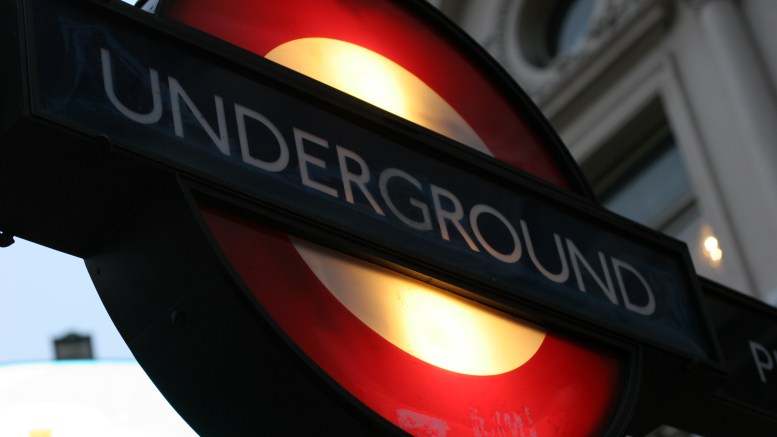
The Underground

There we were in the vaulted tunnel running,
You in your going-away coat speeding ahead
And me, me like a fleet god gaining
Upon you before you turned to a reed

Or some new white flower japped with crimson
As the coat flapped wild and button after button
Sprang off and fell in a trail
Between the Underground and the Albert Hall

Honeymooning, mooning around, late for the Proms,
Our echoes die in that corridor and now
I come like Hansel came on the moonlit stones
Retracing the path back, lifting the buttons

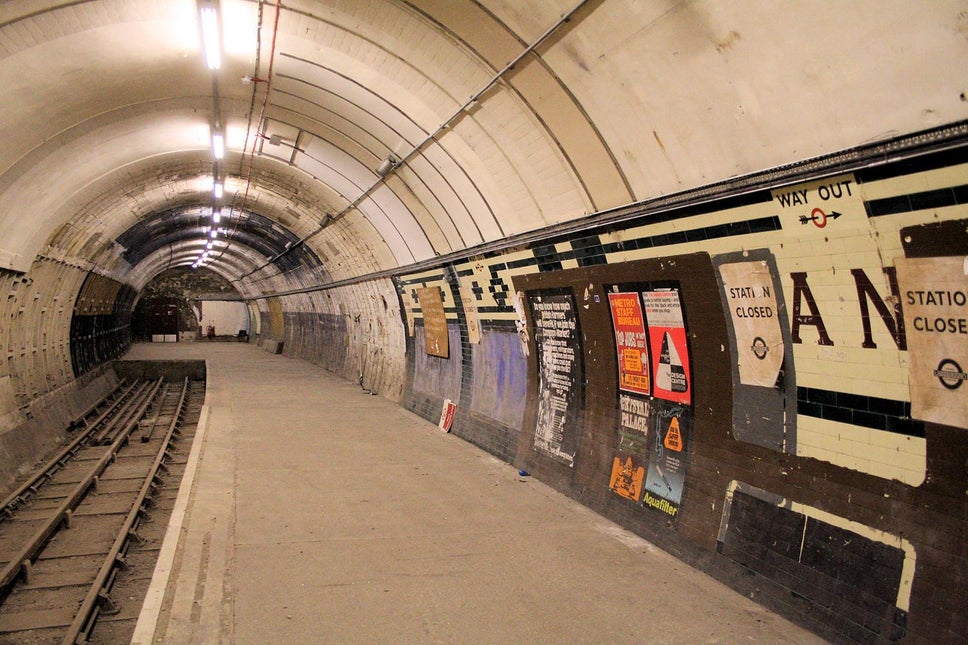
To end up in a draughty lamplit station
After the trains have gone, the wet track
Bared and tensed as I am, all attention
For your step following and damned if I look back.

by Seamus Heaney


Posted in Uncategorized | Tagged , , , | Leave a comment

Bookstore Tourism: London

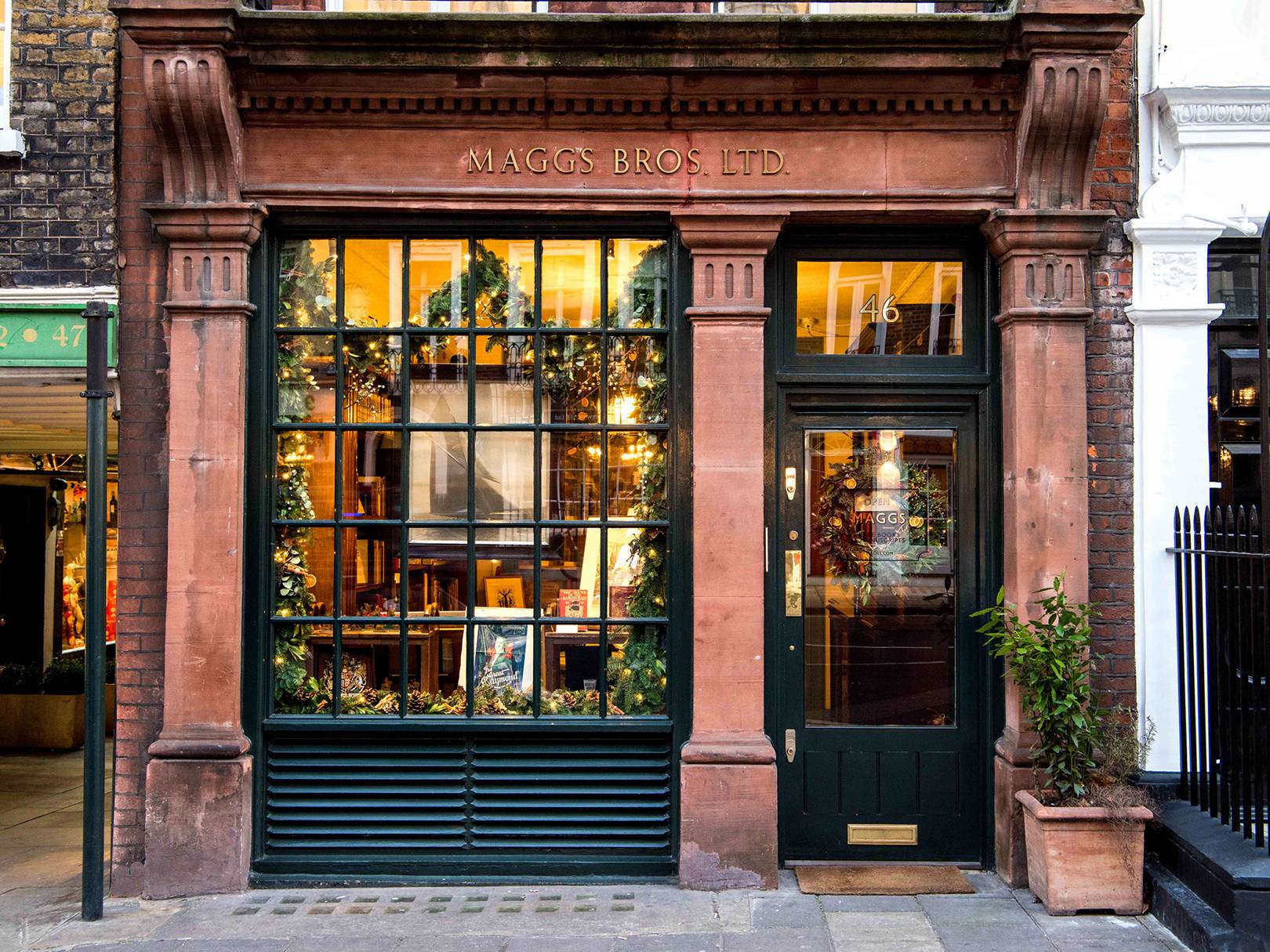
I have had the great fortune to spend both quality and quantity time in London’s wonderful bookstores. In fact, I have browsed 15 of the 17 bookshops featured in the video below. Compiled by Abebooks.com, the short film features some of the best secondhand and antiquarian bookstores in the city. The video tour highlights bookshops in places like Charing Cross Road, Cecil Court, and Bloomsbury, as well as less well known neighborhoods.

NB: If you subscribe to TBTP via email, the video may not automatically appear. Please click on the short link URL at the bottom of your email.


Posted in Books, Bookstore Tourism, Europe, Film, Tourism | Tagged , , , | Leave a comment

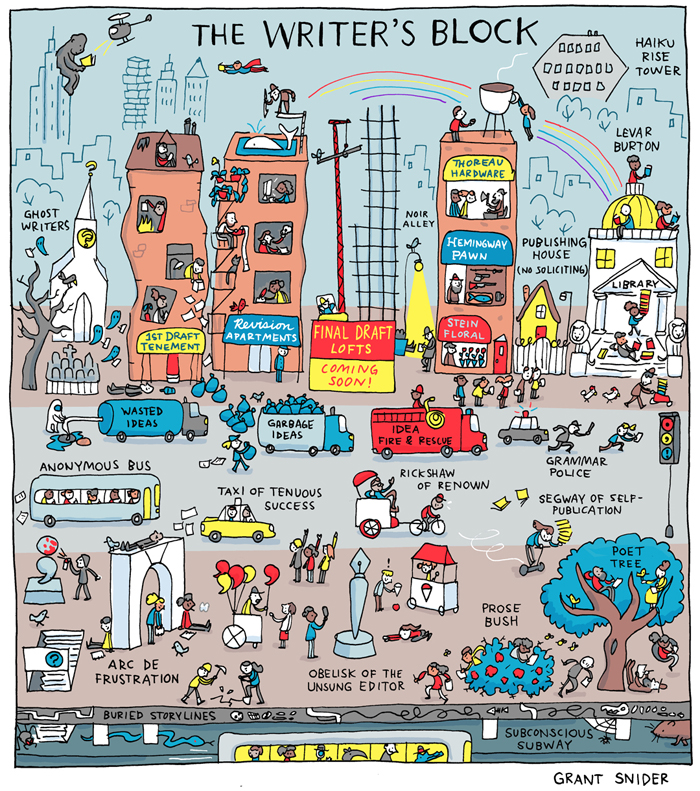
Writer’s Block


Posted in Animation, Art, Books, USA, Writing | Tagged , | Leave a comment

Symptoms of Hibernating

Anais Nin : “You live…sheltered, in a delicate world, and you believe you are living. Then you read a book…or you take a trip…and you discover that you are not living, that you are hibernating. The symptoms of hibernating are easily detectable: first, restlessness. The second symptom (when hibernating becomes dangerous and might degenerate into death): absence of pleasure… Monotony, boredom, death. Millions live like this…without knowing it. They work in offices. They drive a car. They picnic with their families. They raise children. And then some shock treatment takes place, a person, a book, a song, and it awakens them and saves them from death.”

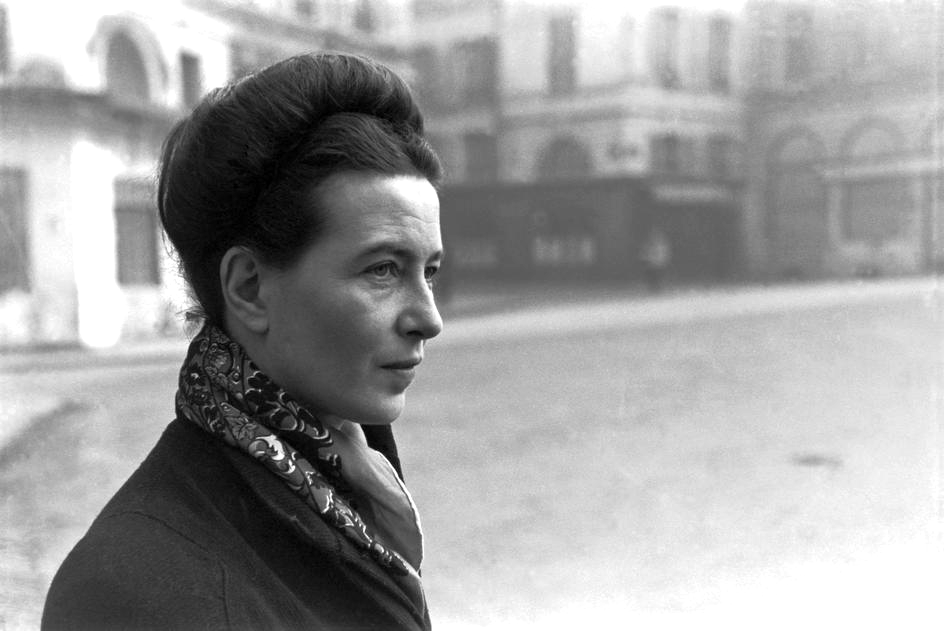
Simone de Beauvoir : “Every morning, even before I open my eyes, I know I am in my bedroom and my bed. But…sometimes I wake up with a feeling of childish amazement: why am I myself? What astonishes me…is the fact of finding myself here, and at this moment, deep in this life and not in any other. What stroke of chance has brought this about?”

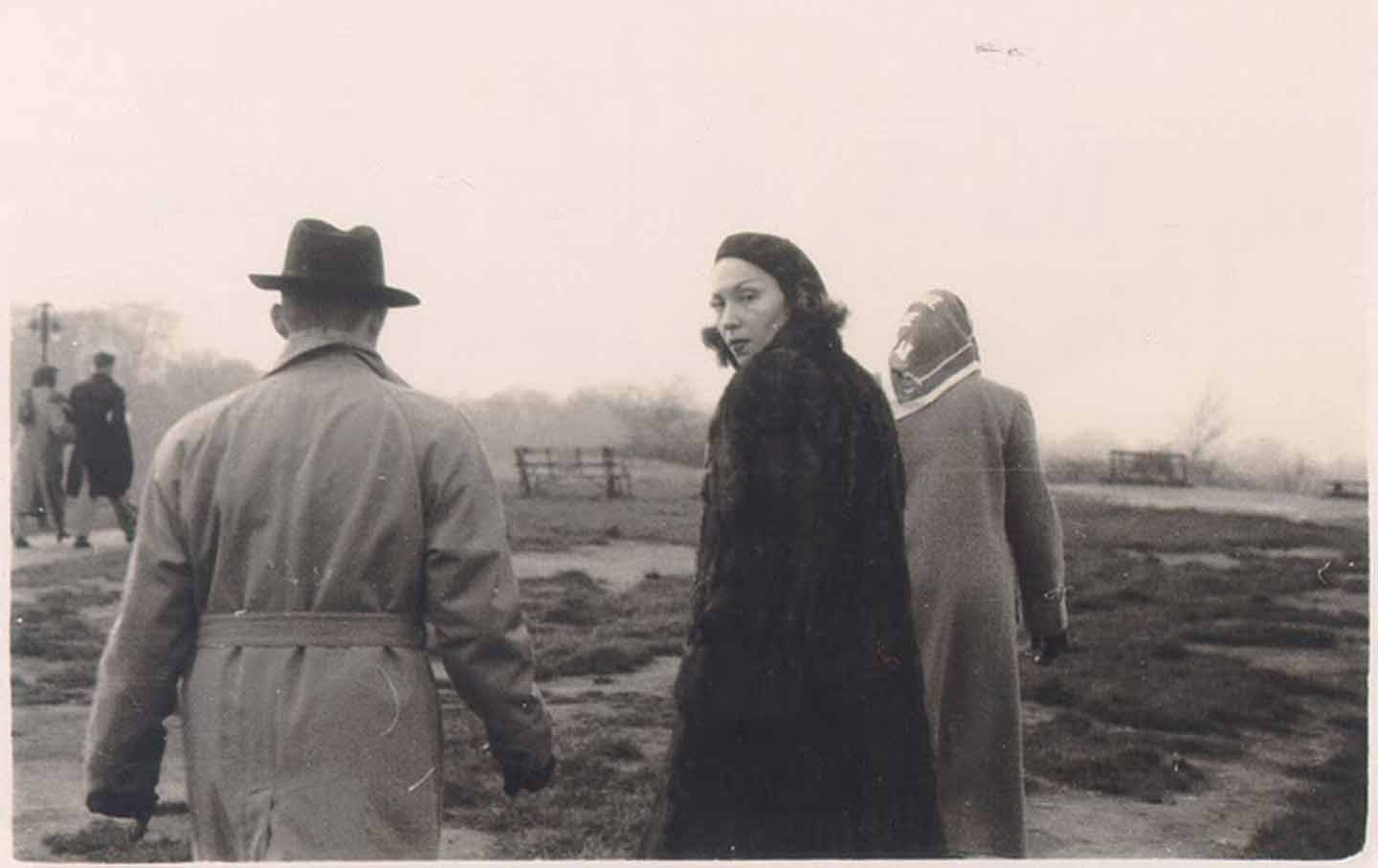
Clarice Lispector : “When I suddenly see myself in the depths of the mirror, I take fright. I can scarcely believe that I have limits, that I am outlined and defined. I feel myself to be dispersed in the atmosphere, thinking inside other creatures, living inside things beyond myself. When I suddenly see myself in the mirror, I am not startled because I find myself ugly or beautiful… When I haven’t looked at myself for some time, I almost forget that I am human.”


Posted in Art, Books, Europe, South America, Writing | Tagged , , , | 2 Comments

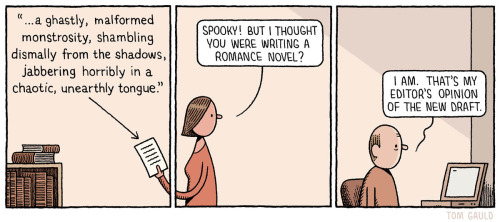
a ghastly, malformed monstrosity


Posted in Asia, Books | Tagged , , | Leave a comment

Our Kind of Hotel

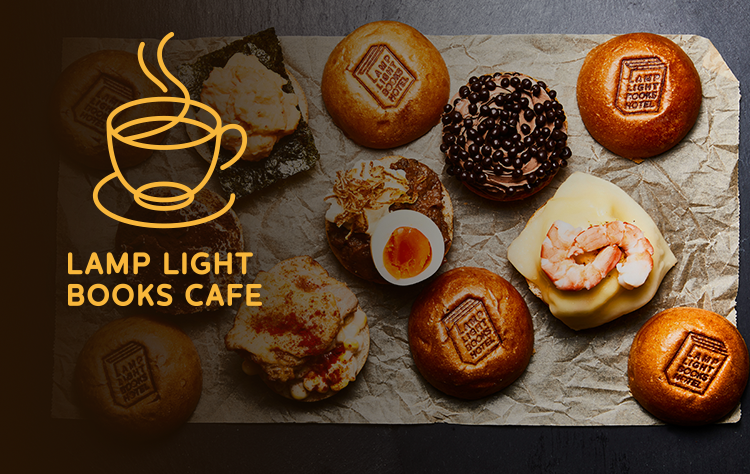
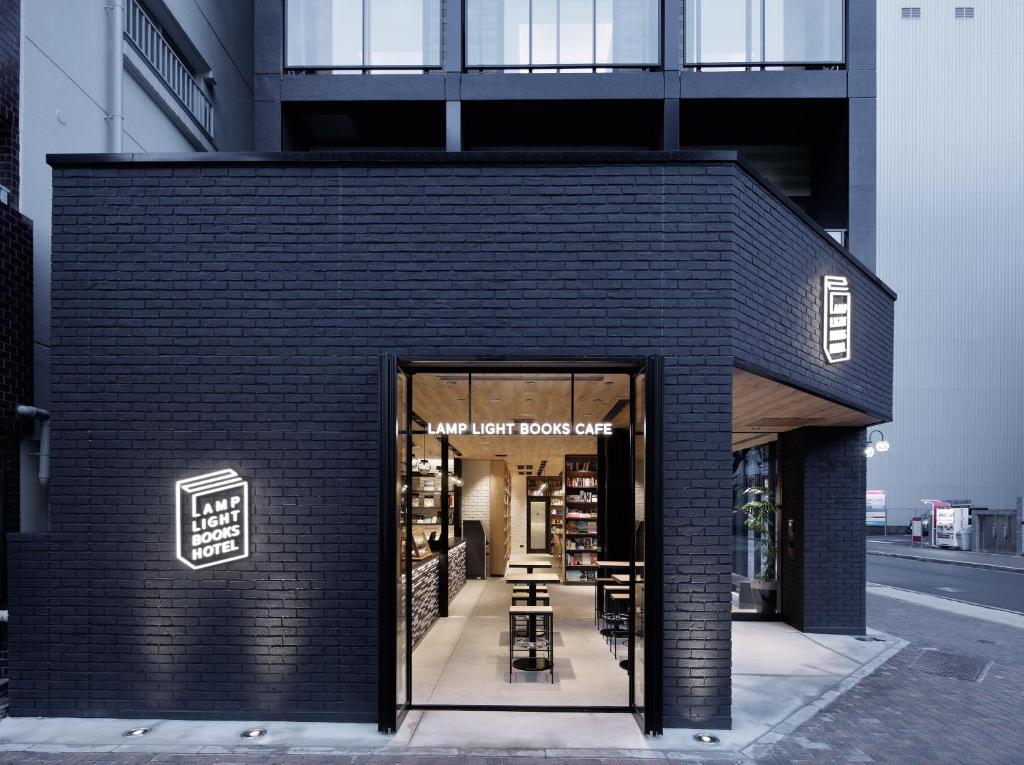
Last year while I was under the delusion that I’d be taking a trip to Japan, I ran across a fantastic hotel in Nagoya called the Lamp Light Books Hotel. That amazing looking facility combined a bookstore, a 24-hour cafe, and a reasonably priced hotel. This week, I discovered that the company has expanded with a new hotel based on the same model in Sapporo. The company plans to continue expanding by adding similar hotels around Japan, with the next branch set to open this year in Fukuoda.


Posted in Asia, Books, Bookstore Tourism, Hotels, Restaurants, Tourism | Tagged , , , | Leave a comment

Flamboyant Gothic Meets Street Art

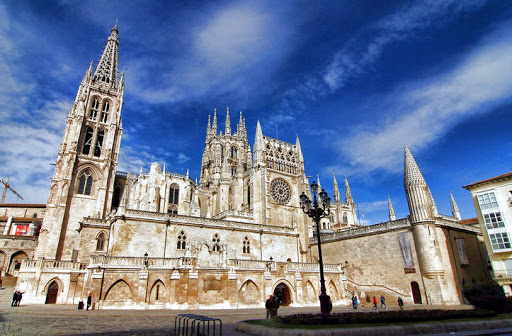
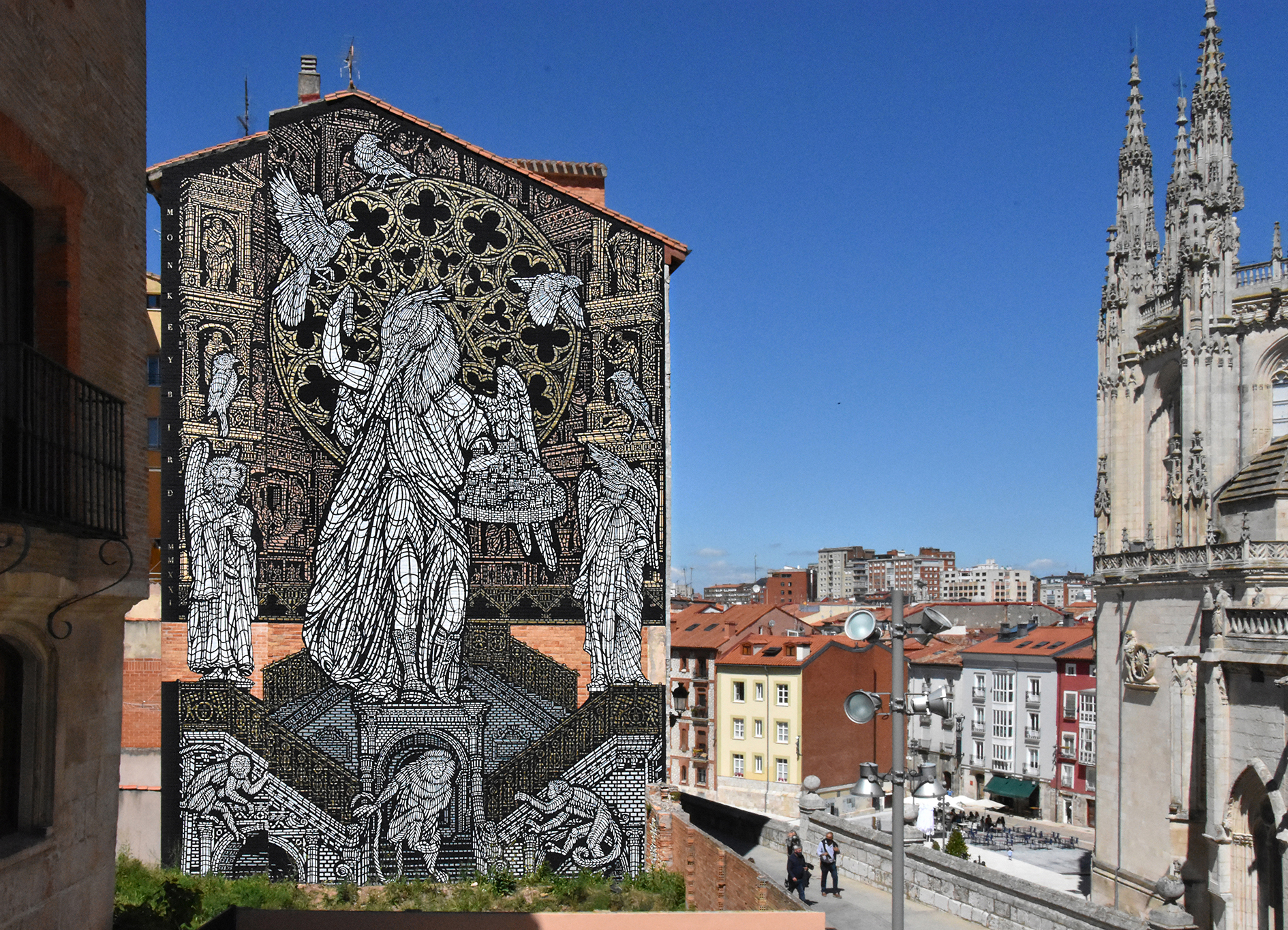
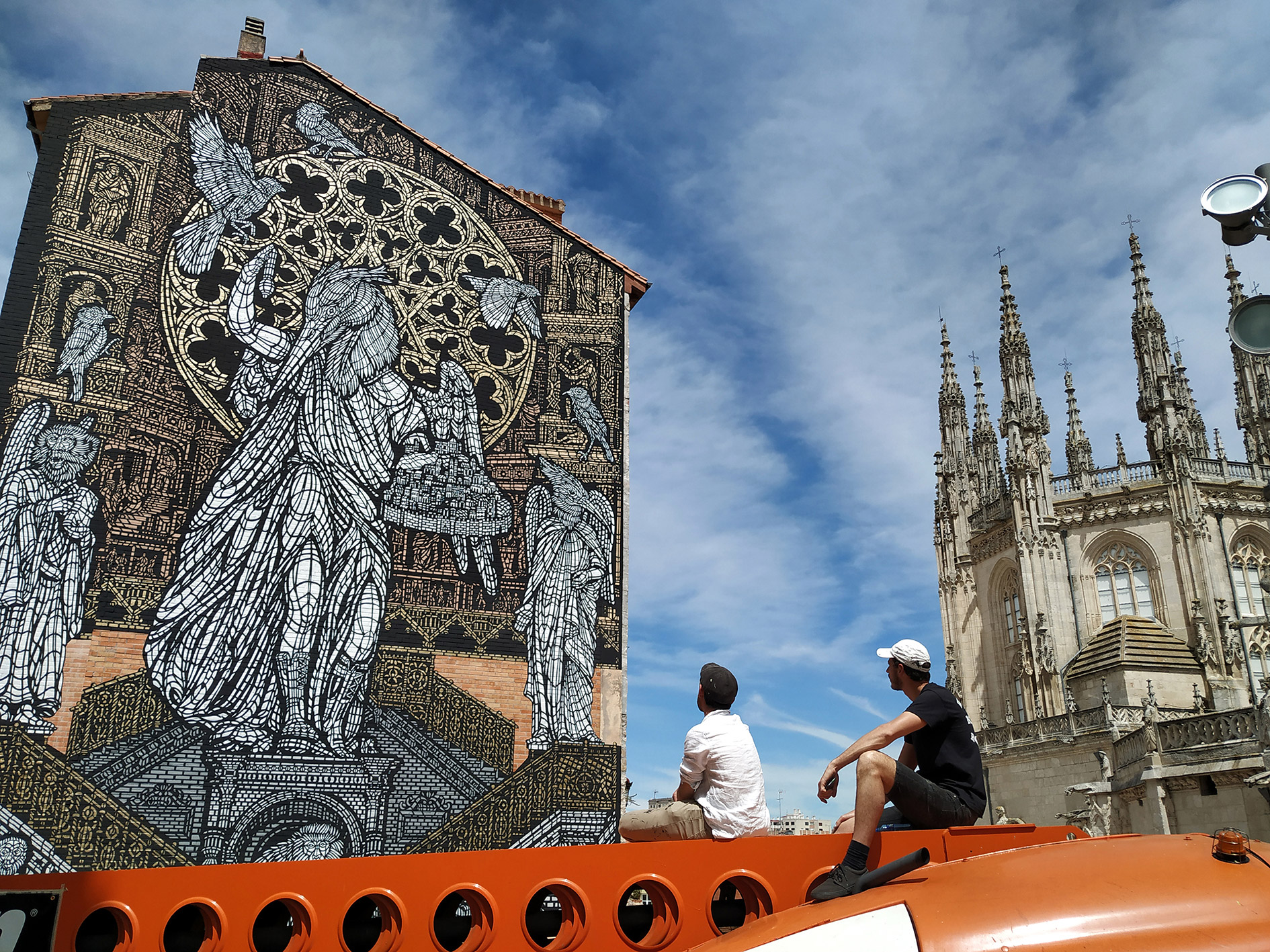
I love it when historical and modern art forms come together, so of course this amazing project caught my attention. To celebrate the 800th anniversary of the groundbreaking for the Santa Iglesia Catedral Basílica Metropolitana de Santa María de Burgos in Spain the community commissioned the French street artists Louis Boidron and Edouard Egea —aka Monkey Bird —to create a massive mural for the Cathedral.

This is how the pair describe their project:

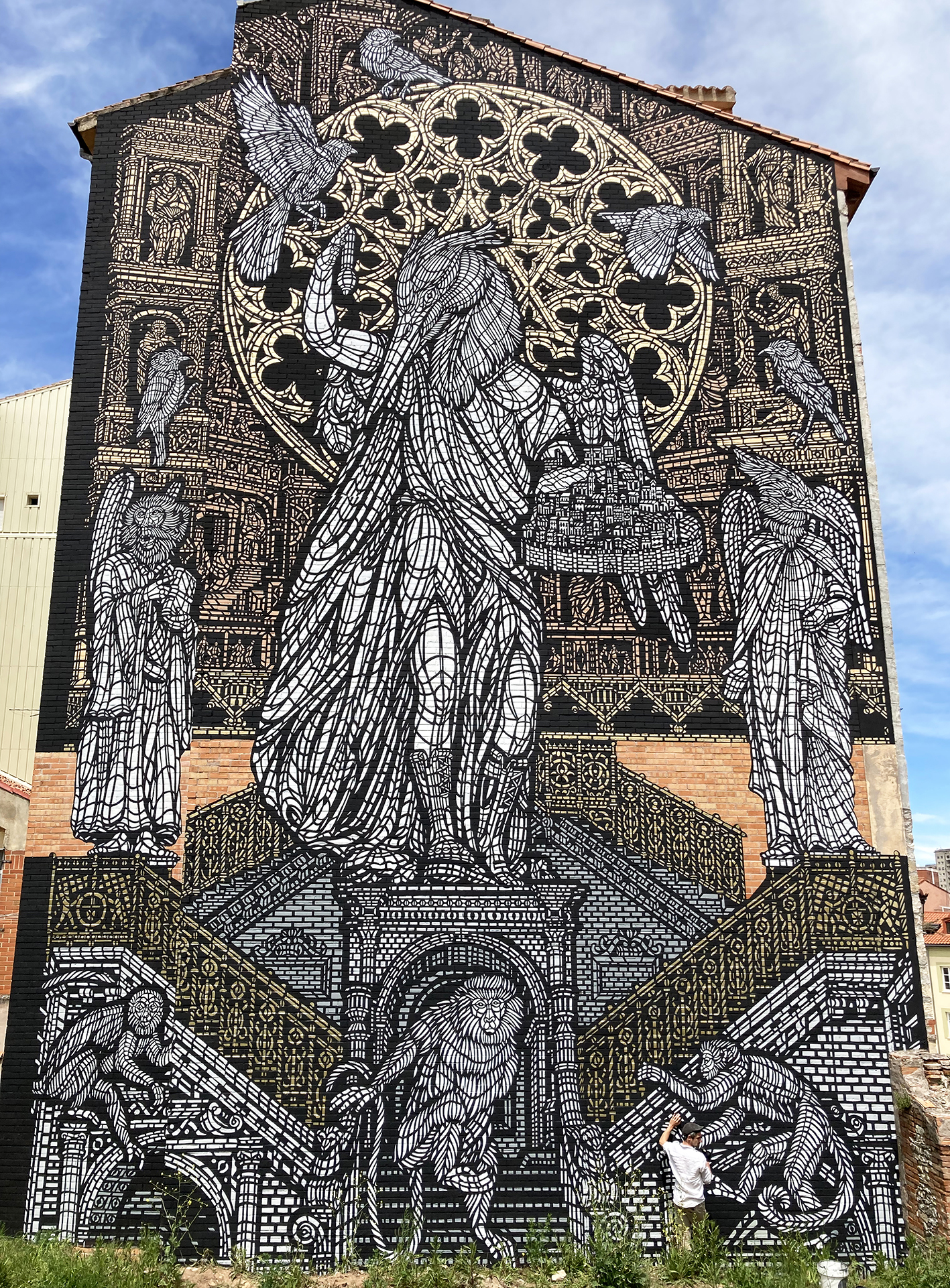
“Our intention was to offer an effect of complex depth and monumentalism, combining some of the most spectacular references of the temple, such as the main altarpiece, with its many details, the Golden Staircase, or the circular oculus in the center of Santa María façade.

As a symbol of good luck for the community, we have represented in the center the protector of the town, Guardian Angel. This image under the guise of a gray heron is shown as a symbol of light and rebirth, flanked by two other angels whose original models they are in the upper part of the temple. This Cathedral is also unique in Spain in terms of finishes created with sculptures of angels.”


Posted in Architecture, Art, Europe, History, Tourism | Tagged , , , | 2 Comments

Rules For Writers

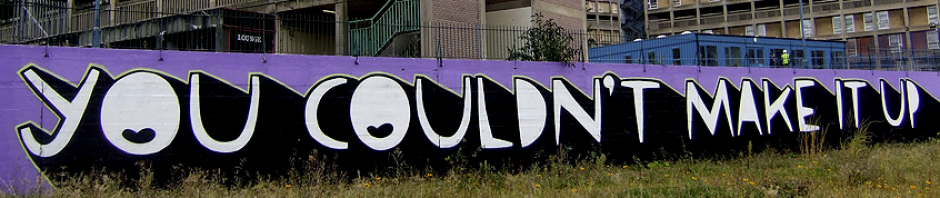
A few years before his death at age 84, the beloved novelist, critic, essayist, raconteur, and academic Umberto Eco left us a tongue in cheek list of rules for writers. Those of us with any literary aspirations would do well to heed Eco’s often amusing suggestions.

1. Avoid alliterations, even if they’re manna for morons.

2. Don’t contribute to the killing of the subjunctive mode, I suggest that the writer use it when necessary

3. Avoid clichés: they’re like death warmed over .

4. Thou shall express thyself in the simplest of fashions.

5. Don’t use acronyms & abbreviations etc.

6. (Always) remember that parentheses (even when they seem indispensable) interrupt the flow.

7. Beware of indigestion… of ellipses.

8. Limit the use of inverted commas. Quotes aren’t “elegant.”

9. Never generalize.

10. Foreign words aren’t bon ton.

11. Hold those quotes. Emerson aptly said, “I hate quotes. Tell me only what you know.”

12. Similes are like catch phrases.

13. Don’t be repetitious; don’t repeat the same thing twice; repeating is superfluous (redundancy means the useless explanation of something the reader has already understood).

14. Only twats use swear words.

15. Always be somehow specific.

16. Hyperbole is the most extraordinary of expressive techniques.

17. Don’t write one-word sentences. Ever.

18. Beware too-daring metaphors: they are feathers on a serpent’s scales.

19. Put, commas, in the appropriate places.

20. Recognize the difference between the semicolon and the colon: even if it’s hard.

21. If you can’t find the appropriate expression, refrain from using colloquial/dialectal expressions. In Venice, they say “Peso el tacòn del buso“. “The patch is worse than the hole”.

22. Do you really need rhetorical questions?

23. Be concise; try expressing your thoughts with the least possible number of words, avoiding long sentences– or sentences interrupted by incidental phrases that always confuse the casual reader– in order to avoid contributing to the general pollution of information, which is surely (particularly when it is uselessly ripe with unnecessary explanations, or at least non indispensable specifications) one of the tragedies of our media-dominated time.

24. Don’t be emphatic! Be careful with exclamation marks!

25. Spell foreign names correctly, like Beaudelaire, Roosewelt, Niezsche and so on.

26. Name the authors and characters you refer to, without using periphrases. So did the greatest Lombard author of the nineteenth century, the author of “The 5th of May.”

27. Begin your text with a captatio benevolentiae, to ingratiate yourself with your reader (but perhaps you’re so stupid you don’t even know what I’m talking about).

28. Be fastidios with you’re speling.

29. No need to tell you how cloying preteritions are.

30. Do not change paragraph when unneeded.
Not too often.
Anyway.

31. No plurale majestatis, please. We believe it pompous.

32. Do not take the cause for the effect: you would be wrong and thus you would make a mistake.

33. Do not write sentences in which the conclusion doesn’t follow the premises in a logical way: if everyone did this, premises would stem from conclusions.

34. Do not indulge in archaic forms, apax legomena and other unused lexemes, nor in deep rizomatic structures which, however appealing to you as epiphanies of the grammatological differance (sic), inviting to a deconstructive tangent – but, even worse it would be if they appeared to be debatable under the scrutiny of anyone who would read them with ecdotic acridity – would go beyond the recipient’s cognitive competencies.

35. You should never be wordy. On the other hand, you should not say less than.

36. A complete sentence should comprise.
 

Posted in Books, Europe, Film, Writing | Tagged , , | Leave a comment

Tourist Information

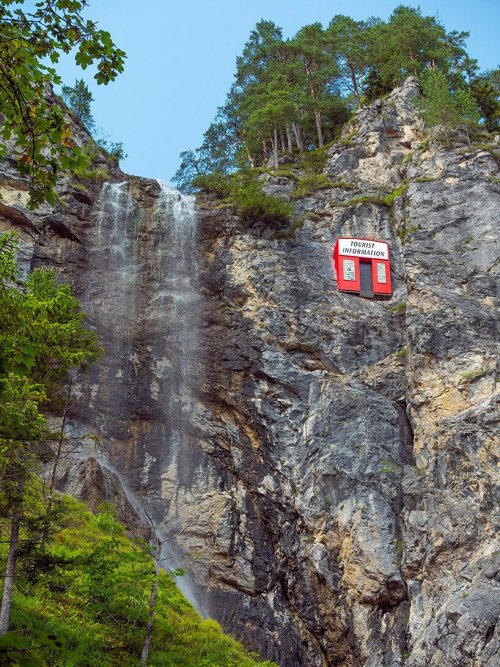
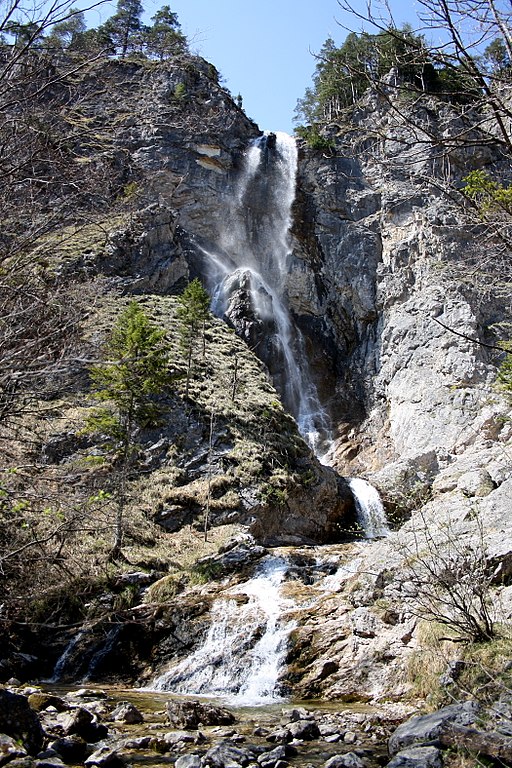
Last Spring, the Vienna-based Austrian artist group Steinbrener/Dempf & Huber installed the cliffhanger — a faux tourist information booth attached to the sheer rock face next to the scenic Mirafallen in Ötschhergräben Austria. The installation was designed to underscore the impact of mass tourism on the fragile natural environment. Needlesstosay, the project caused the expected uproar from vistitors and commentators alike.

Many were surprised to discover that the installation was actually commissioned by Florian Schublach, head of the Oetscher-Tormaeuer nature park. “the installation was not intended to be a popular attraction,”Schublach told zenger news. “it was intended to be the opposite of a popular attraction. it was not set up to make a lot of people want to go there; more like the other way around. Often debasing entire cities and regions into scenery for visitors, turning local residents into mere extras in their own environment, even mass tourism has been hit by coronavirus,” said steinbrener/dempf & huber. “the drastic action taken to maximize profits in natural resorts, sometimes at the expense of the local population and nature, would seem to have at least been interrupted. is this installation perhaps symbolic of this state of affairs? is tourism now beyond many people’s reach?”

NB: If you subscribe to TBTP via email and the video below does not play or appear, please click on the short link url at the bottom of your post.

Posted in Art, Europe, Tourism | Tagged , , | Leave a comment

We Lurk Late

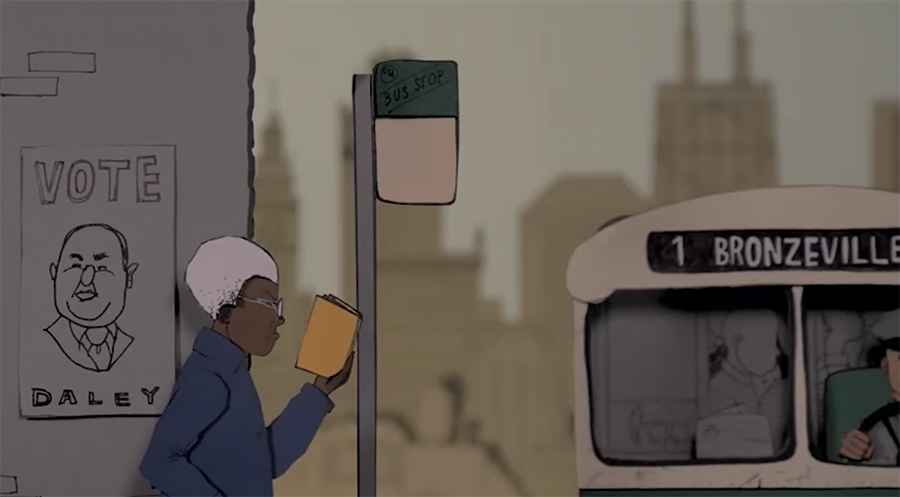
The paper-cut puppetry video below was commissioned by the Poetry Foundation and created by Manual Cinema in association with Crescendo Literary,  it animates a May 3, 1983 recording of Gwendolyn Brooks speaking during an Academy of American Poets reading series held at the Guggenheim Museum in New York City. “The Pool Players. Seven at the Golden Shovel…” This was the scene that inspired Pulitzer Prize-winning poet Gwendolyn Brooks (1917 – 2000) to write her landmark 1959 poem, “We Real Cool“.

 The Pool Players.
Seven at the Golden Shovel

            We real cool. We
            Left school. We
            Lurk late. We
            Strike straight. We
            Sing sin. We
            Thin gin. We
            Jazz June. We
            Die soon.

The video’s story is by Eve Ewing and Nate Marshall with music by Jamila Woods and Ayanna WoodsFrom LitCharts:

The poem describes a group of teenagers hanging out outside of a pool hall. It imagines these teenagers as rebels who proudly defy convention and authority—and who will likely pay for their behavior with their lives. The poem isn’t overly pessimistic, however, and also suggests that such youthful rebellion may not be entirely in vain. It’s possible to read the poem as a warning against self-destructive behavior, and also as a celebration of people who risk their lives to challenge authority.

NB: If you subscribe to TBTP via email and the video below does not play, please click on the URL shoryt link at the bottom of your email.


Posted in Animation, Art, Books, Film, USA, Writing | Tagged , , , | Leave a comment