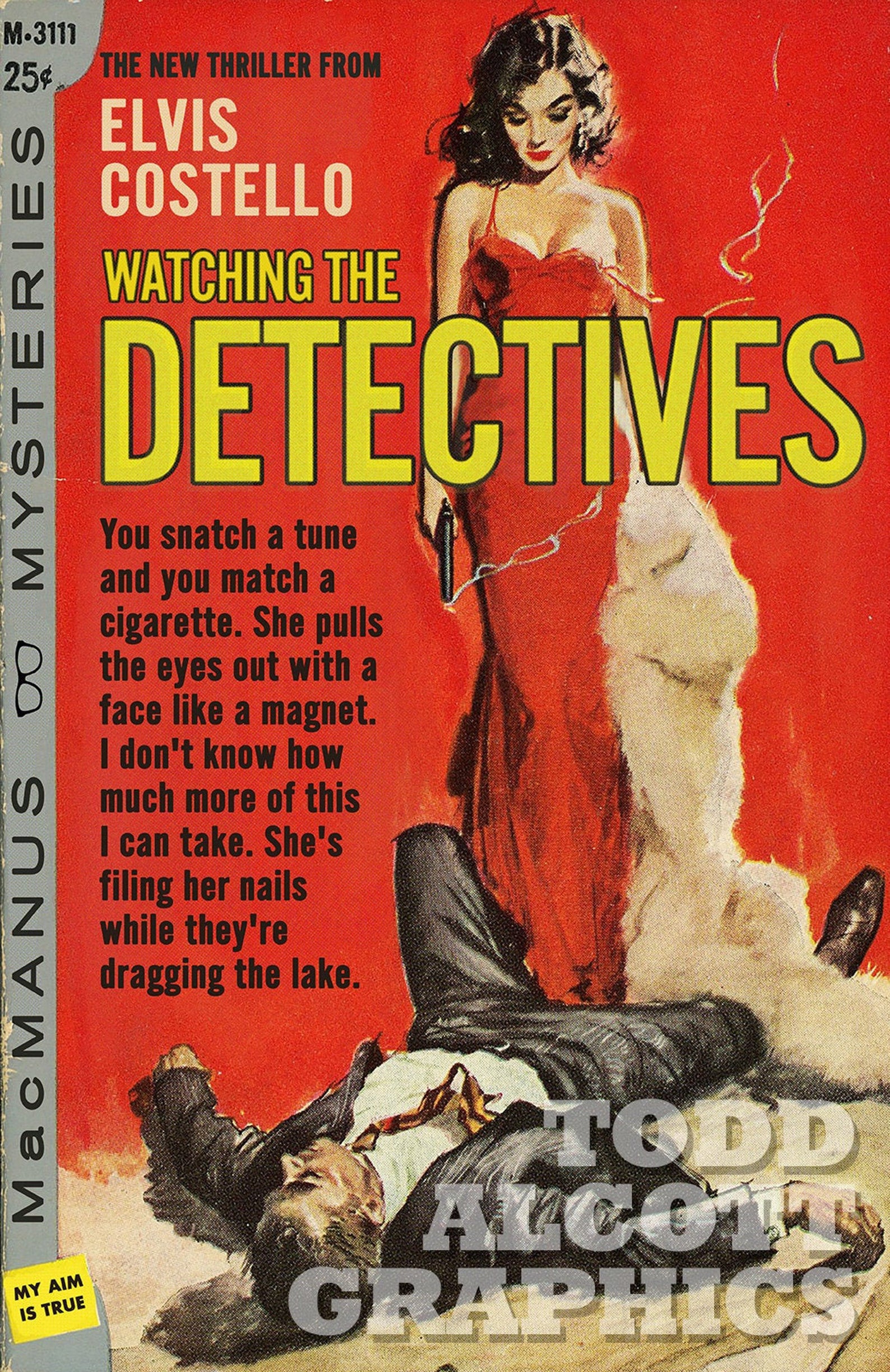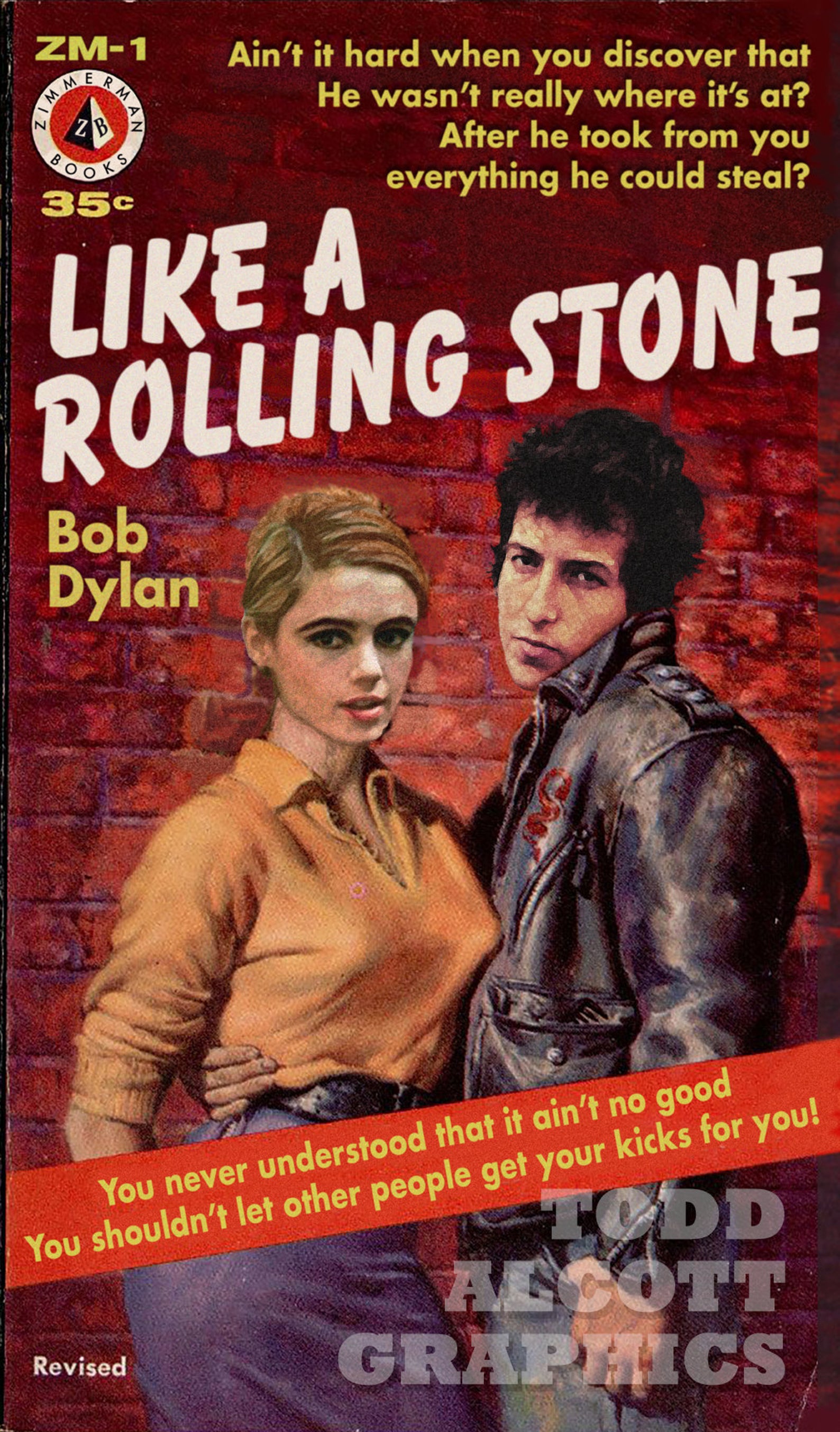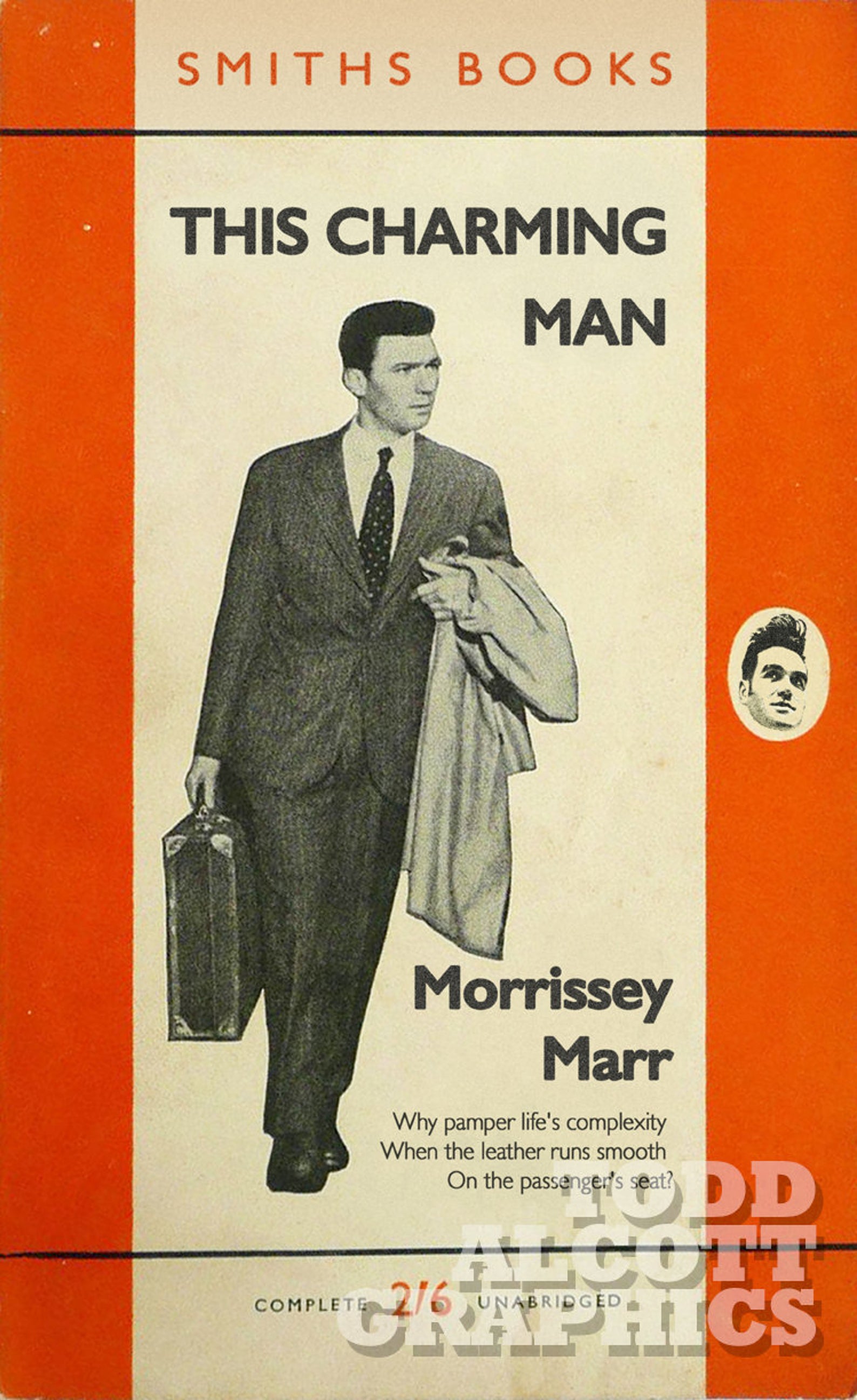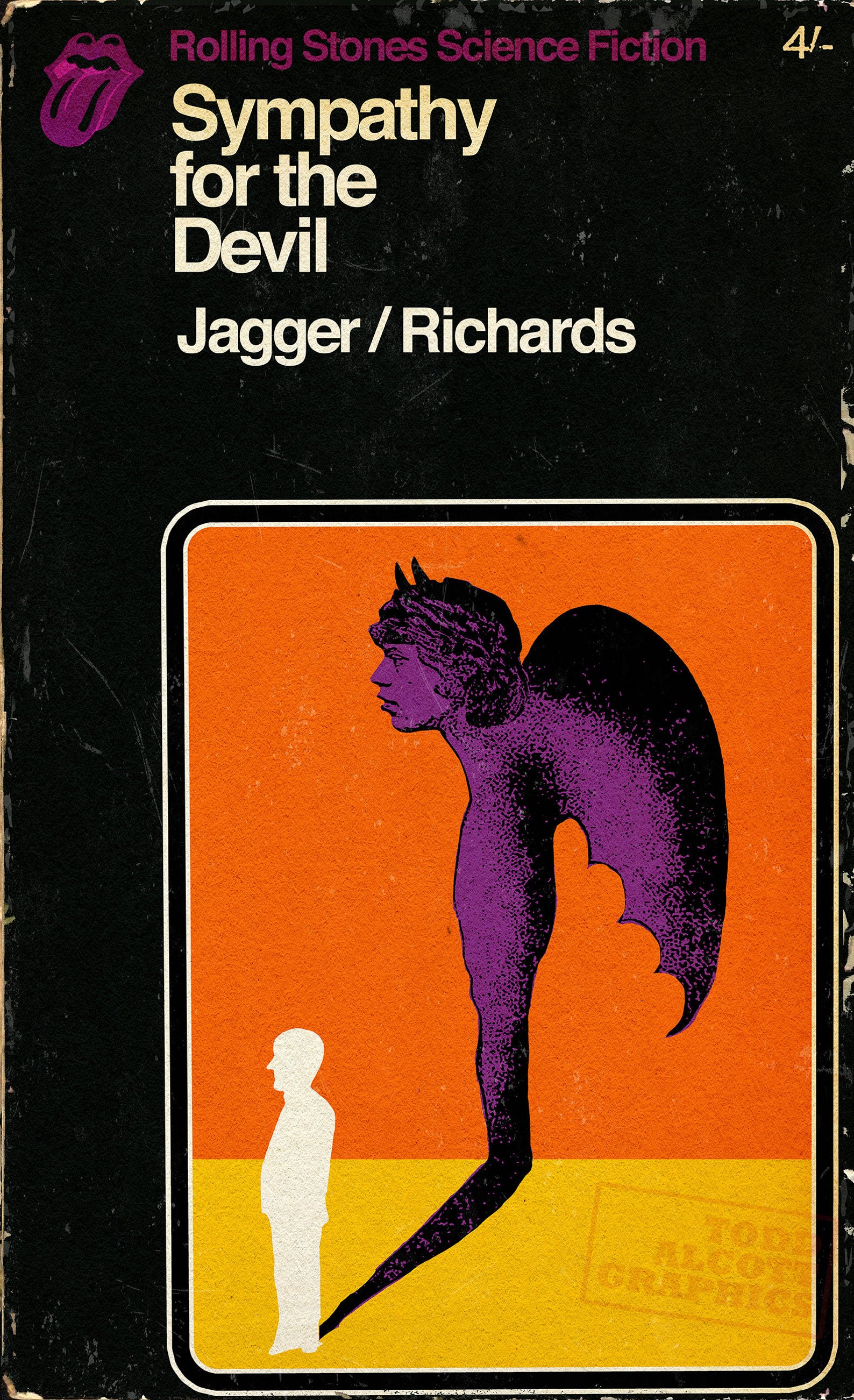
Watching the Detectives

I am always impressed by the brilliant graphic mash-ups created by LA-based renaissance man Todd Alcott. He continues to come up with clever takes on books and music in the form of pulp paperback covers and album art work. You can keep up with his steady stream of engaging art and even by posters, postcards, and more on his Etsy page.


Posted in Art, Books, Music | Tagged , , , , , | Leave a comment

A Mild Case of Bibliomania


In this charming video below, Raymond Russell tells the story of his bibliomania, how his book collection has grown and changed over the years, and how it led to the founding of the Tartarus Press, which has published rare work by some of the writers he collects, including Arthur Machen, Sylvia Townsend Warner and Edward Heron-Allen (Christopher Blayre).

Posted in Books, Europe, Writing | Tagged , , , | Leave a comment

Foreign Exchange

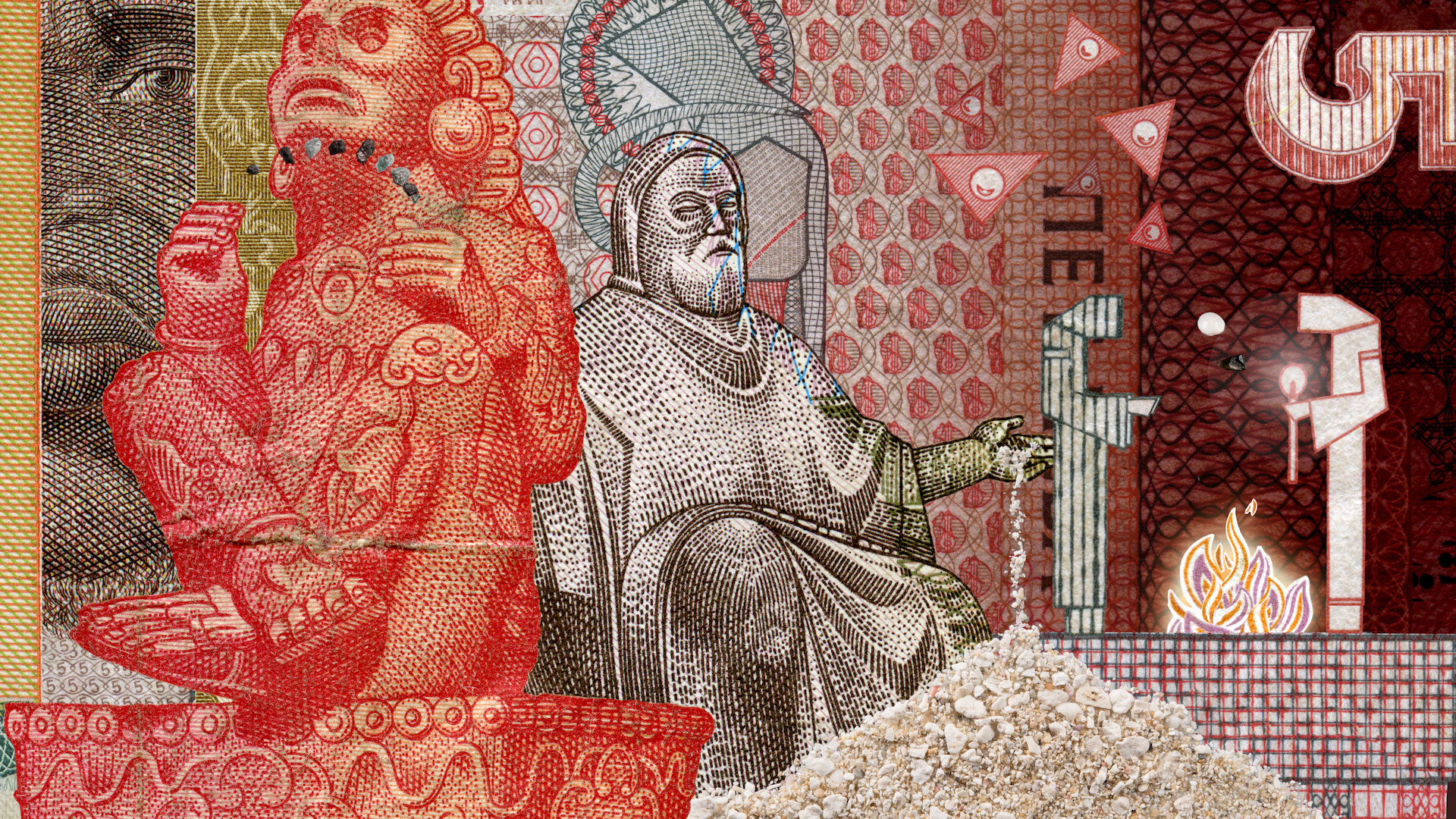
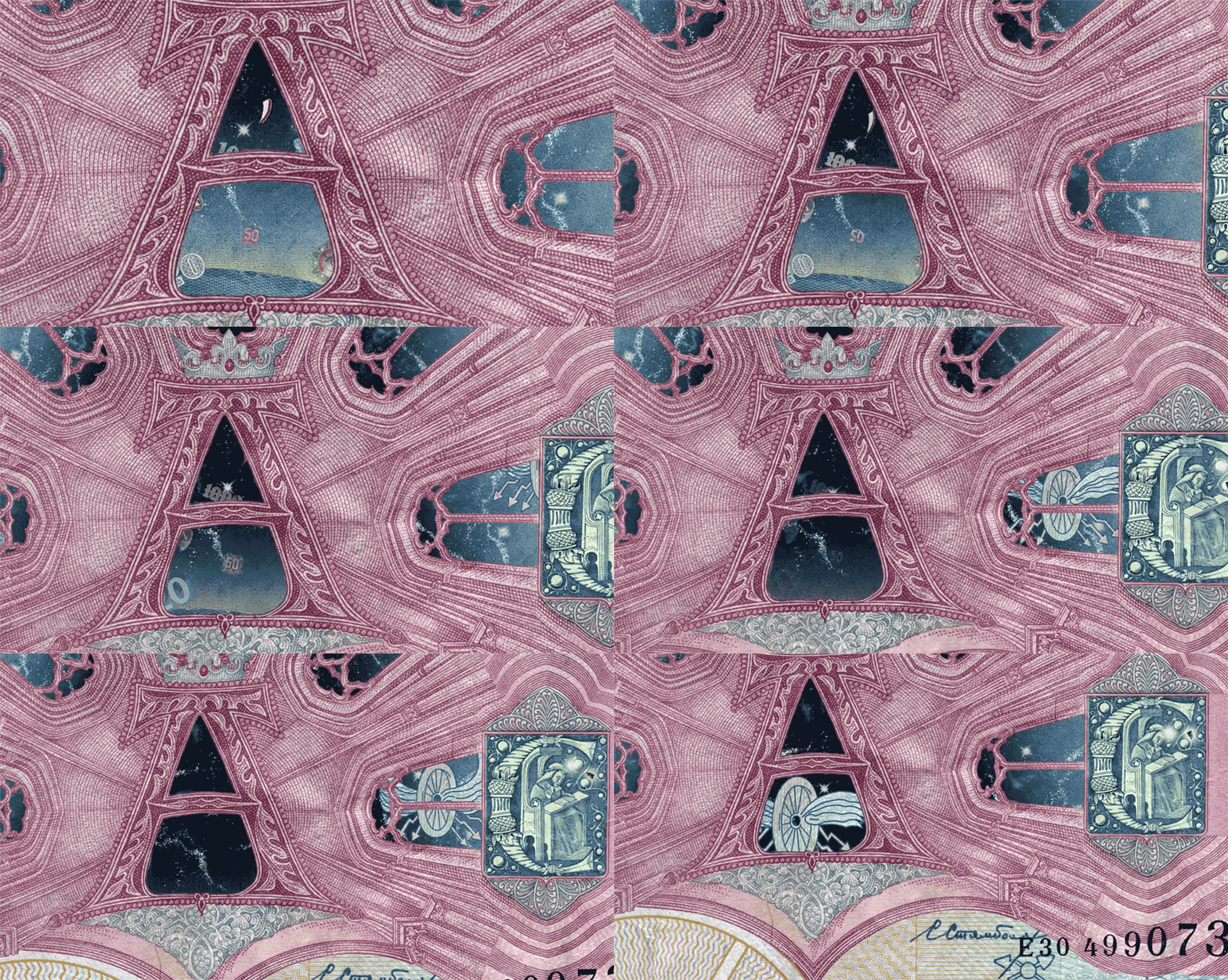
Baltimore-based animator Corrie Francis Parks created the mindblowing stop-motion film short “Foreign Exchange”  below utilizing foreign currency notes and sand from more than 50 nations. Watch the film and be amazed and then check out the short video below on her artistic process.

Here’s what she had to say about her painstaking creative process:

Micro-sand animation involves moving grains of sand on a light table with toothpicks and tweezers, then taking a high-resolution photograph after each adjustment to create a sequence of animation. At this scale, the smallest movements have magnified consequences. Shifting the position of one grain can ripple through an entire pile. William Blake’s poem, Auguries of Innocence asks us “To see a World in a Grain of Sand”, drawing attention to the eternal consequences of seemingly terrestrial actions:


Posted in Animation, Art, Film | Tagged , | Leave a comment

Reading Room

Tingwall is a tiny port town located in Orkney, an archipelago off the North coast of Scotland, there a special memorial was created by a couple as a fitting tribute for Betty, a late friend who died unexpectedly. The couple combined Betty’s love of books and Orkney by converting a derelict cottage into a ‘reading room.’ The aim was to encourage reading and to provide shelter for passengers waiting to catch the ferry to Rousay, while also keeping Betty’s memory alive using what she loved the most, books.


Posted in Books, Europe, Film, Tourism, Writing | Tagged , , | 1 Comment

Strolling Cities

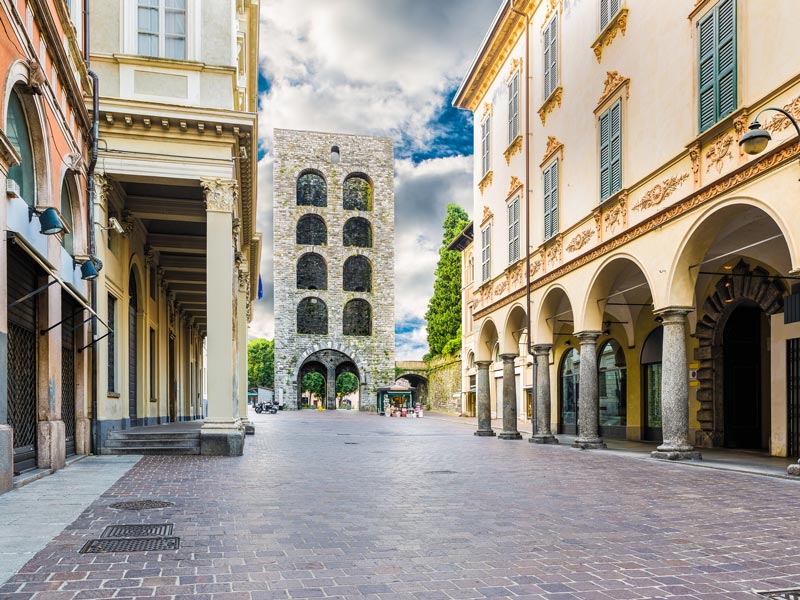
Strolling Cities is a trippy project by Italian artist, designer and researcher, Mauro Martino,  that uses AI to generate visual poetry. The AI model trained with millions of photos of nine Italian cities (Milan, Como, Bergamo, Venice, Genoa, Rome, Catania, Palermo) to create perpetually moving video-paintings.The urban landscape is manipulated with the voice, using Voice-to-City technology. Check out the video below and then visit the project’s website to see much more.

“To direct the A.I. model in generating the images, we created a Voice-to-City technology, based on generative artificial neural networks. Thanks to Voice-to-City, it is possible to manipulate the urban landscape with the voice, using any kind of vocal input, from simple utterances to more complex phrases. To implement the experiment, then, we decided to use words arranged in the most synthetic and perceptually dense literary form, rooted in the sphere of aurality (i.e. in both orality and literacy, auditory and visual sensations): poetry. Each city included in the project has been assigned one or more poetic texts – poems stricto sensu or poetic proses – focused on both its physical landscape (i.e. architectural and visual elements) and the inner space (i.e. feelings, memories, and emotions) that it evokes. When fed to the A.I. model, the chosen texts – featuring authors like Alda Merini, Giulia Niccolai, Stefano Benni, Giorgio Caproni, Cesare Pavese, Goffredo Parise, Valerio Magrelli, Enrico Testa – foster unpredictable reactions, generating an estrangement effect that broadens immensely the common imaginary of cities. Because the model is trained to recognize patterns – that is, iterations instead of singular, unique items – the urban images conveyed by the poetic words are associated with a series of common, unremarkable places in the cities, while their more obvious landmarks are obliterated.

This happens even when those landmarks – such as Piazza del Duomo in Milan, or Piazza di Spagna in Rome – are explicitly mentioned in the poems: the result is, at once, surprising and emotionally charged, as the viewer witnesses a substitution of the standards of urban identity and enjoyment.”

Posted in Europe, Public Transport, Tech, Tourism | Tagged , , , , , | 1 Comment

Words That Don’t Translate

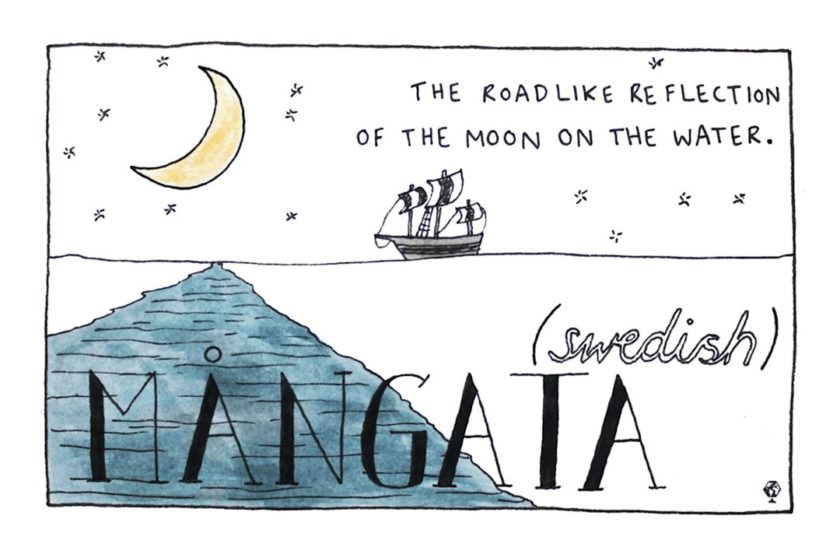
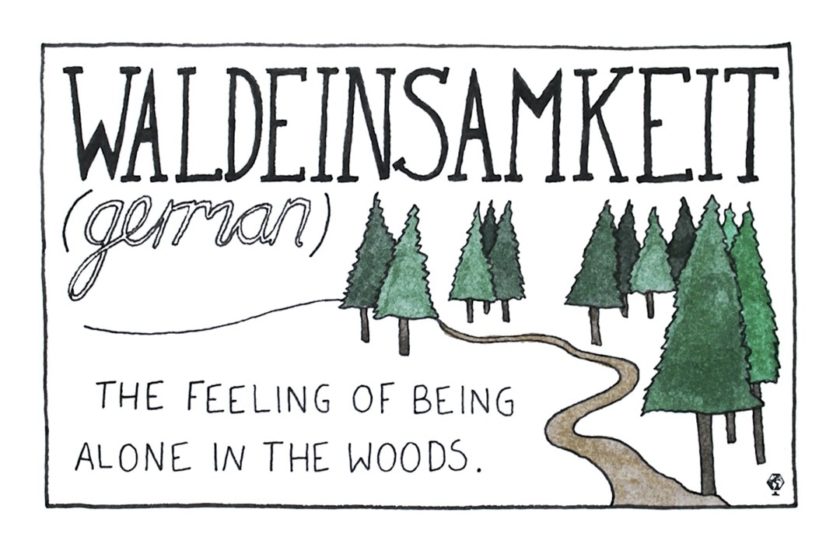
I have often read that the English vocabulary has more words than any other language. That may or may not be true, but it certainly is a rich mash-up of so many other rich languages. We have a treasure trove of Spanish, French, German, Dutch, and other language borrowings that we use without much thought. But English often lacks the precise word choices to convey nuanced or complex feelings or moods. Such as the Japanese word komorebi above or the Swedish term mångata below.

I recently found a wonderful website called Eunoia: Words That Don’t Translate that offers up hundreds of terms in dozens of languages that often don’t easily translate. If you love language, it’s a marvelously diverting site. Before you know it, you will be casually dropping terms such as:

Friluftsliv “Free air life,” signifying a fundamental understanding of the positive impact of being in nature (Norwegian)

and

Fremdschämen To be embarrassed by something somebody else did (German)


Posted in Writing | Tagged , , , | 3 Comments

So this is a new kind of book burning

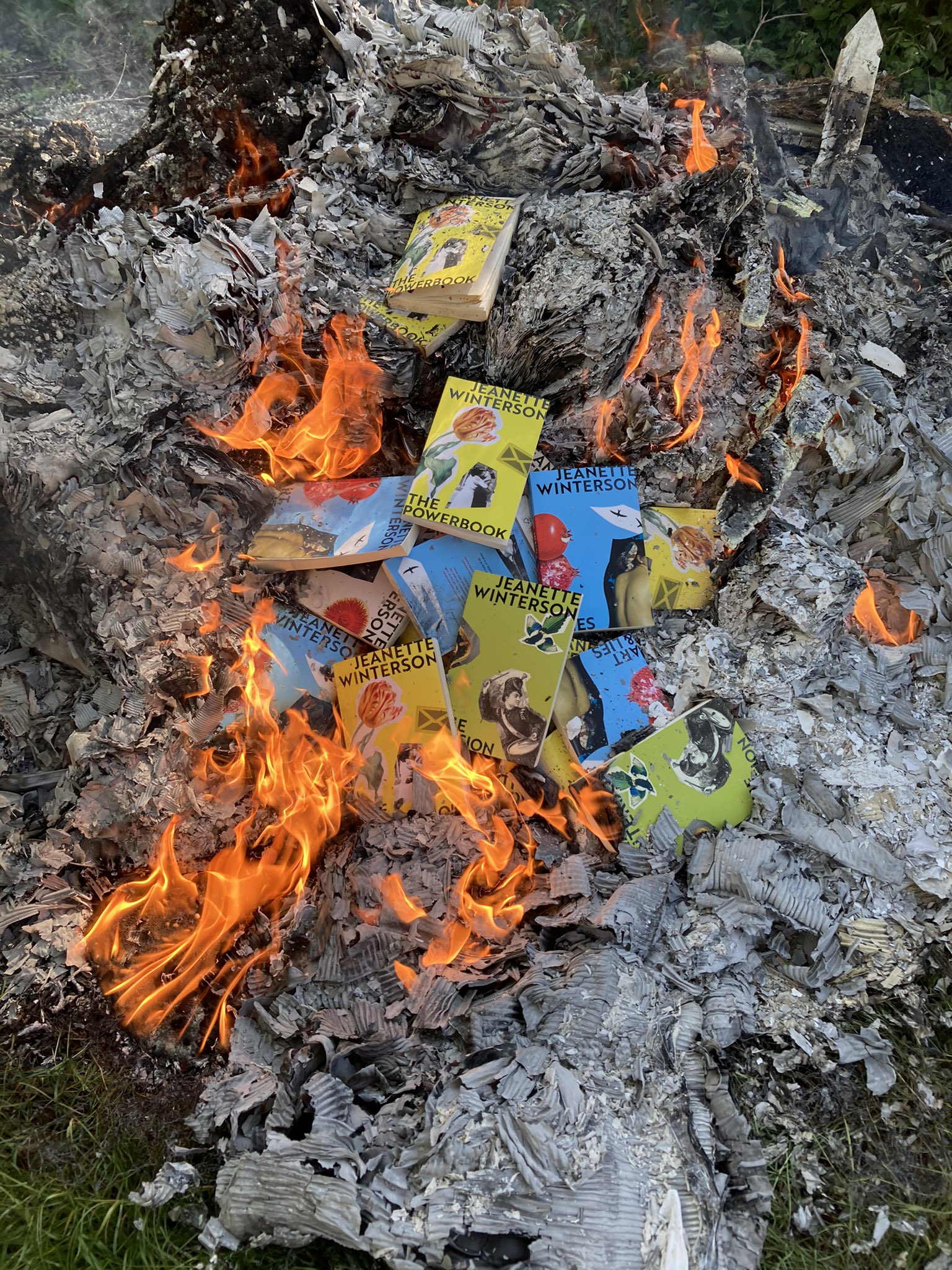
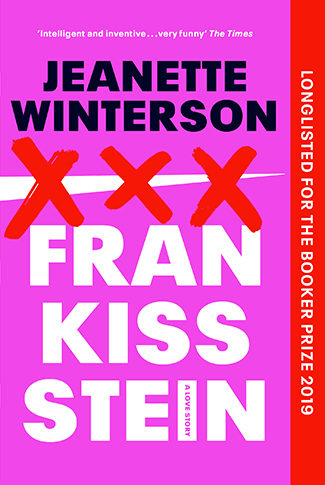
I recently read a story about a novel type of book burning. It seems that British author Jeanette Winterson was extremely disappointed in new editions of her novels that were published with cover art and blurbs that she found highly offensive. To emphasize her distaste, Winterson torched a pile of the books and posted a photo on Twitter with this tweet:

Absolutely hated the cosy little domestic blurbs on my new covers. Turned me into wimmins fiction of the worst kind! Nothing playful or strange or the ahead of time stuff that’s in there. So I set them on fire

Re the Burning of the Books, I would just add that I have never burned anyone else’s books; not even awful ones sent in the post. And to those worried about my contribution to global warming , I have solar panels, air source heating, I live in a wood, and cycle to the Co-op!

What confuses me is the apparent lack of consultation between publisher and author. When I was actually having books published back during the previous century, my publisher always ran cover art by me well in advance.


Posted in Uncategorized | Tagged , , , | Leave a comment

Are you ready for fore edge Friday


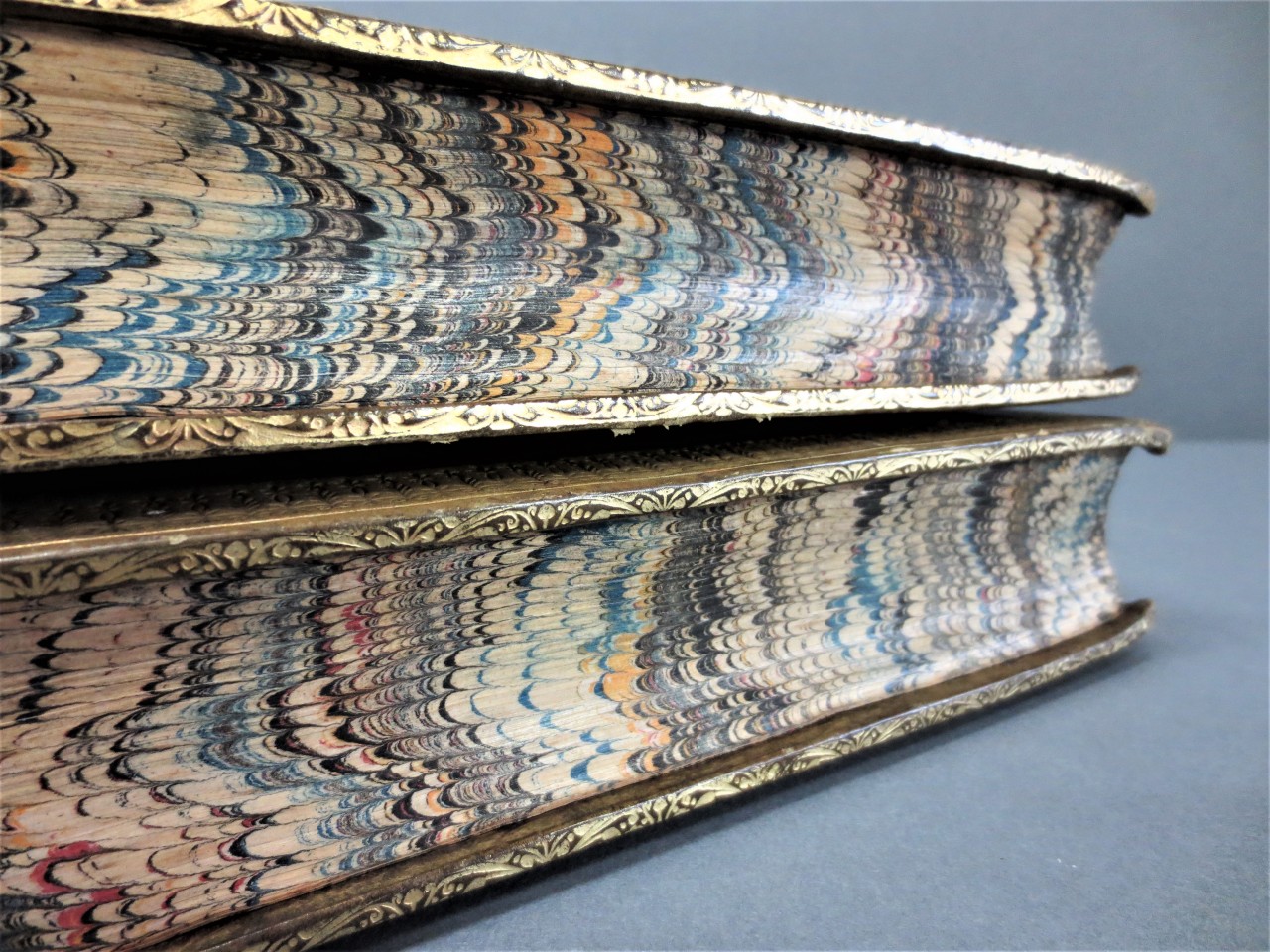
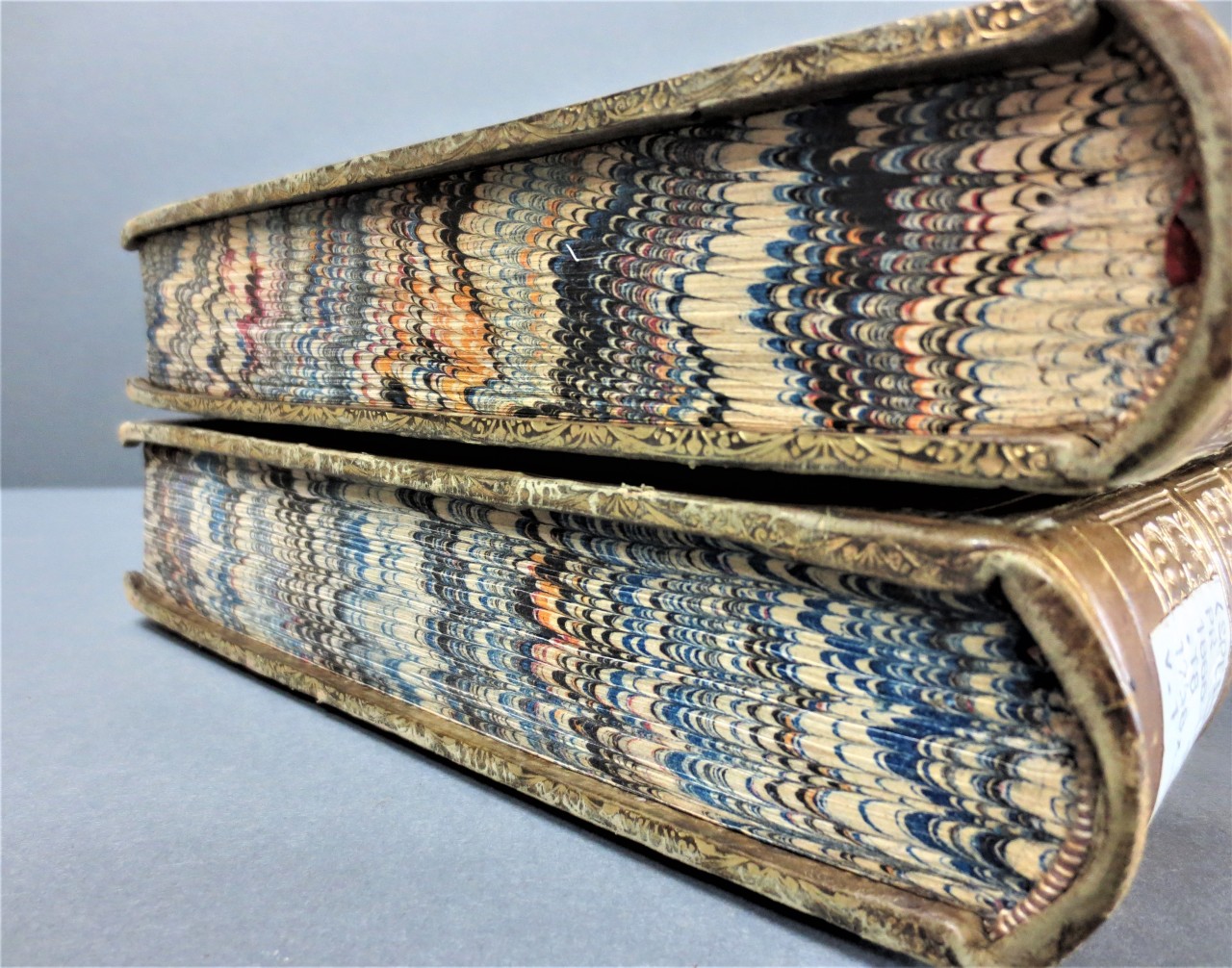
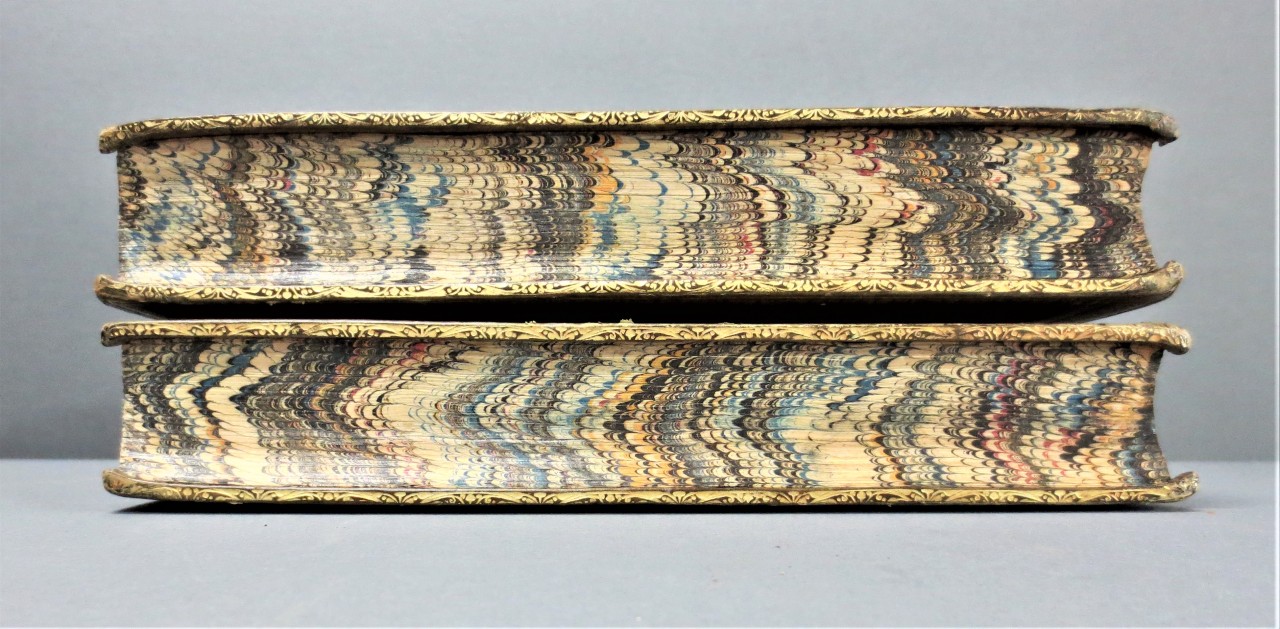
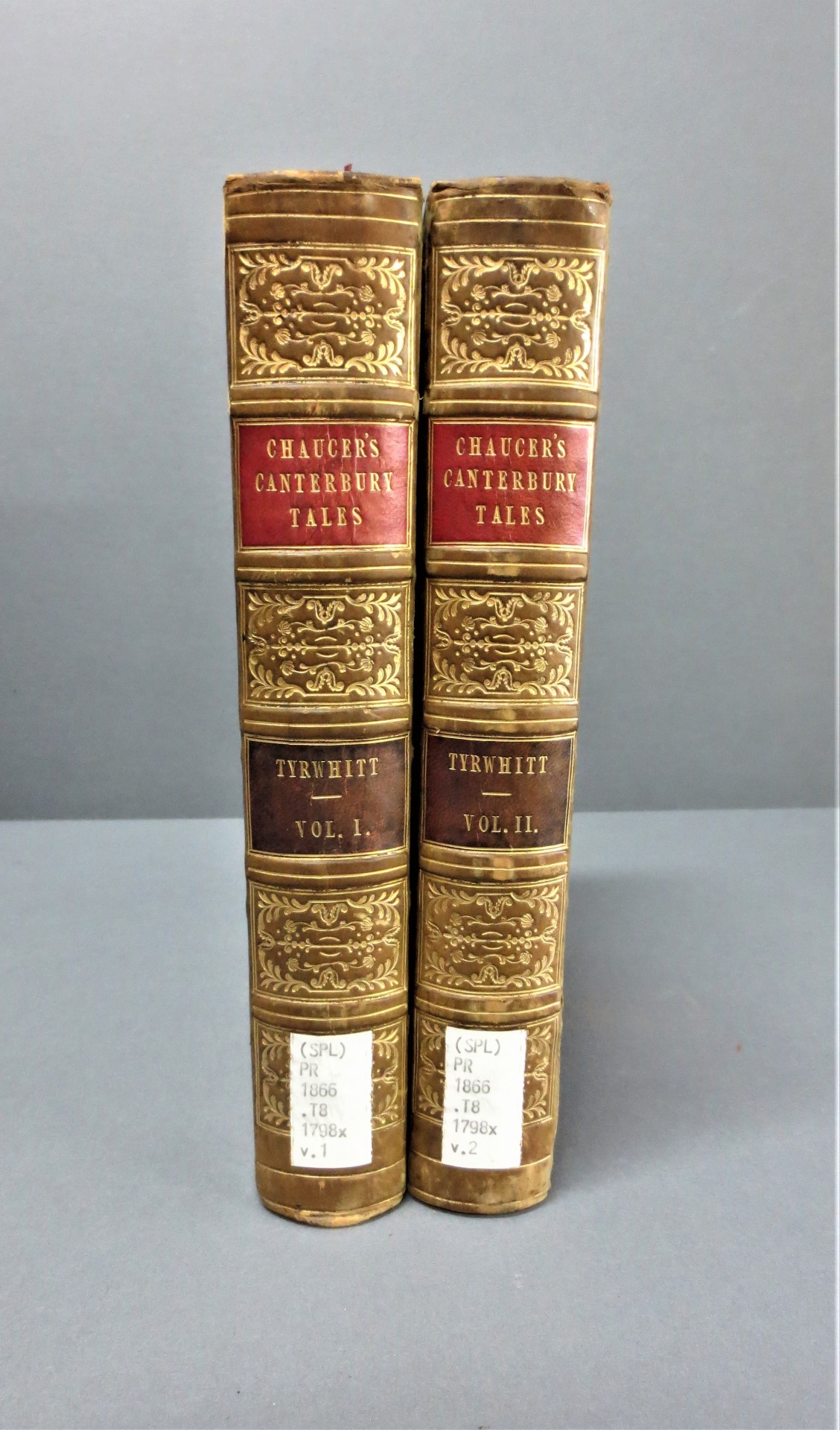
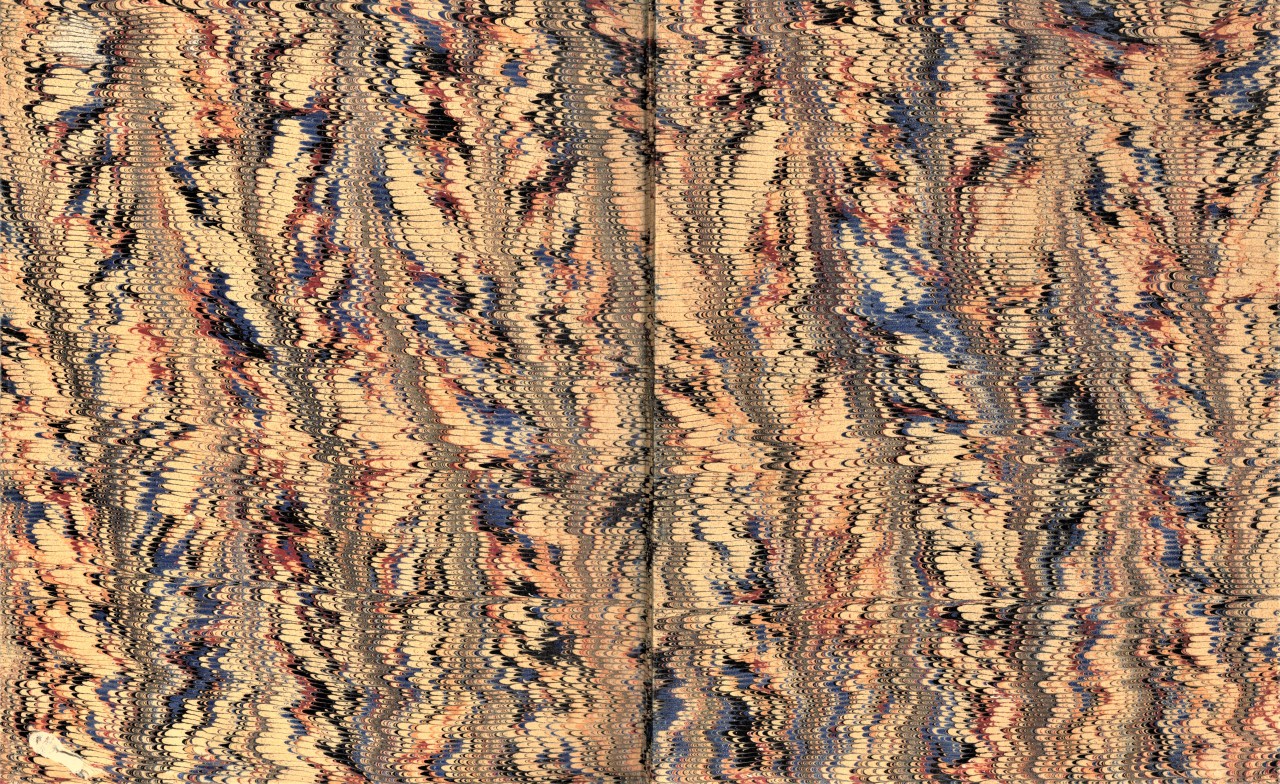
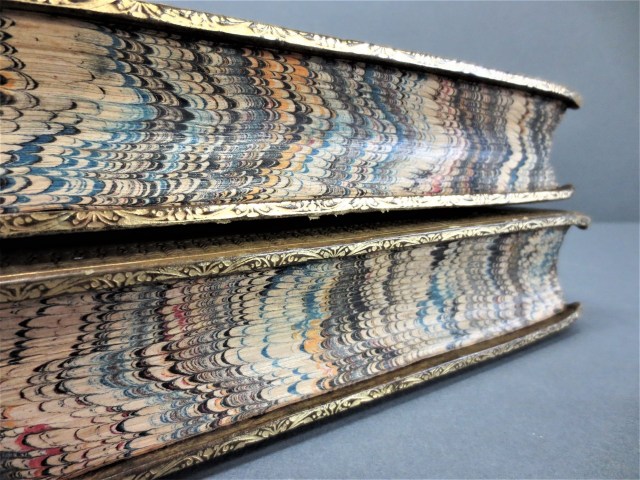
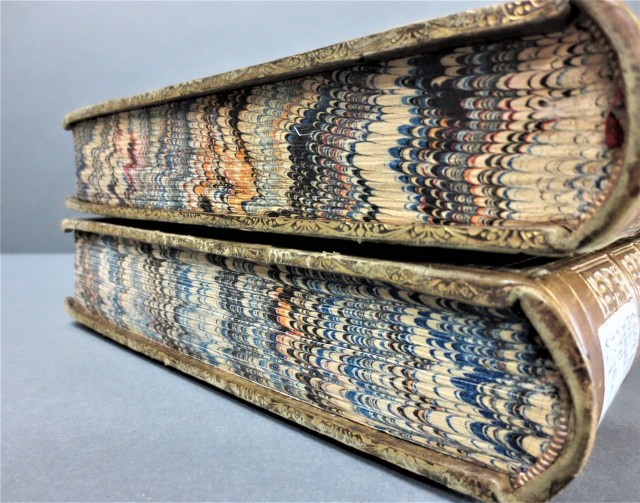
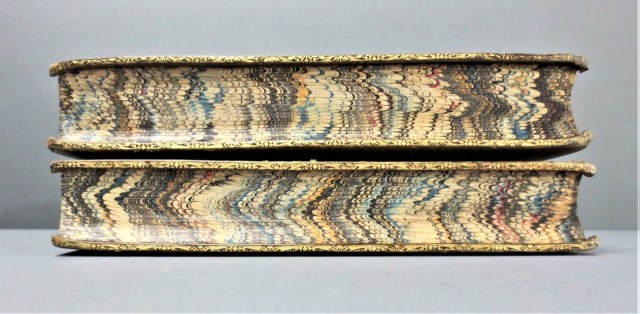
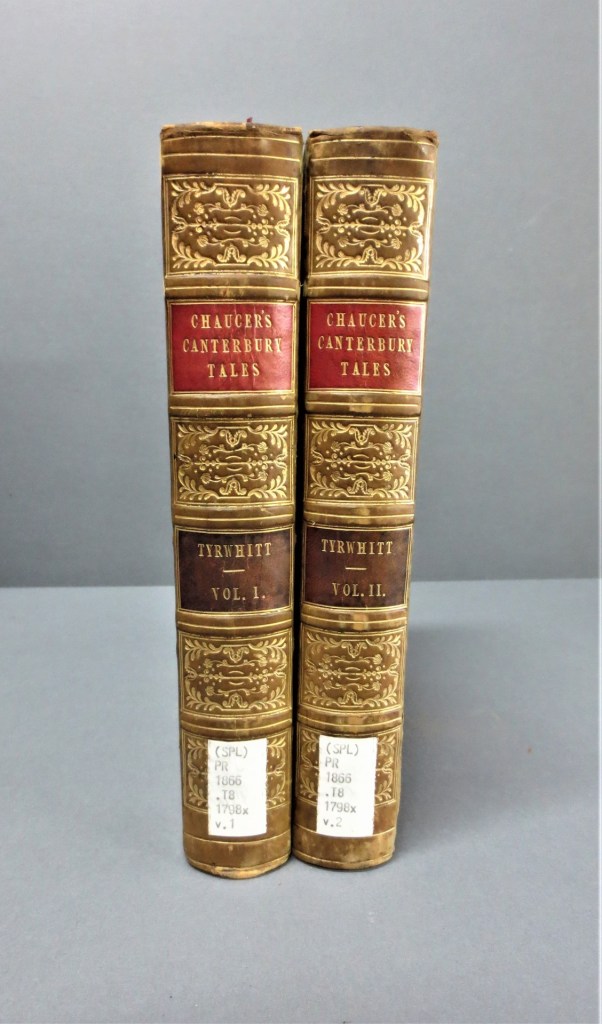
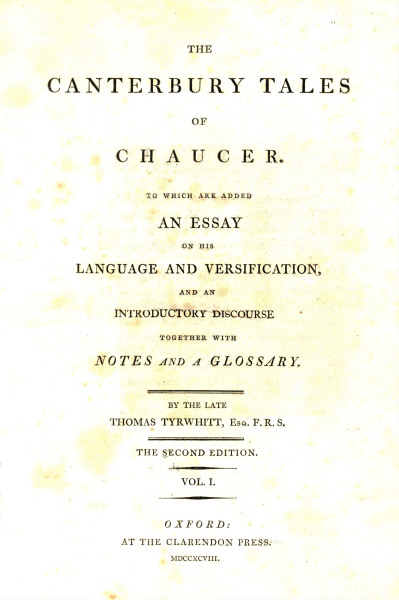
This example for Fore Edge Friday comes from the second edition of The Canterbury Tales of Chaucer to Which are Added an Essay on His Language and Versification, and an Introductory Discourse, Together with Notes and a Glossary by English classical scholar Thomas Tyrwhitt, published for Oxford University by the Clarendon Press in 1798. The edges on all three sides and on the endpapers have been marbled in what is called a Double Comb or Double Nonpareil pattern.

According to the University of Washington’s site on Patterned Papers, the pattern begins with a Nonpareil base which is created by dropping colors sequentially onto the bath using an implement to regulate the drop sizes. A comb with one set of teeth set at intervals of 15-30mm is drawn through the bath horizontally, once in either direction with the second pass halving the first. Then another comb with teeth set at 2-3 mm is drawn once across the bath in the opposite direction. Once this Nonpareil pattern is established, a final comb with one set of teeth set in wider intervals than was used in the Nonpareil is drawn once more through the bath. This last step causes the numerous, arched lines to be broken into separate, arched columns. When marbling the edges of a book, the text block is clamped tightly shut, and once dipped, the excess fluid is blown or shaken off quickly to prevent it from running into the book. Once dry, the marbled edges are burnished.

Thomas Tyrwhitt‘s first edition of The Canterbury Tales appeared in a 4-volume set in 1775, with a 5-volume glossary published in 1778, both published in London by Thomas Payne and Son. This second edition was published posthumously, as Tyrwhitt died in 1786. Tyrwhitt’s edition is particularly noted for establishing an authoritative text without editorial emendation based on the most reliable source material. It was considered a landmark in Chaucer editorial practice, but falls short by today’s standards only in that his text brings together a smattering of different dialects from different dates and localities rather than the dialect of Chaucer in fourteenth century London.

 

Posted in Art, Books, Europe, Libraries, Writing | Tagged , , , , | 1 Comment

there is no happy ending

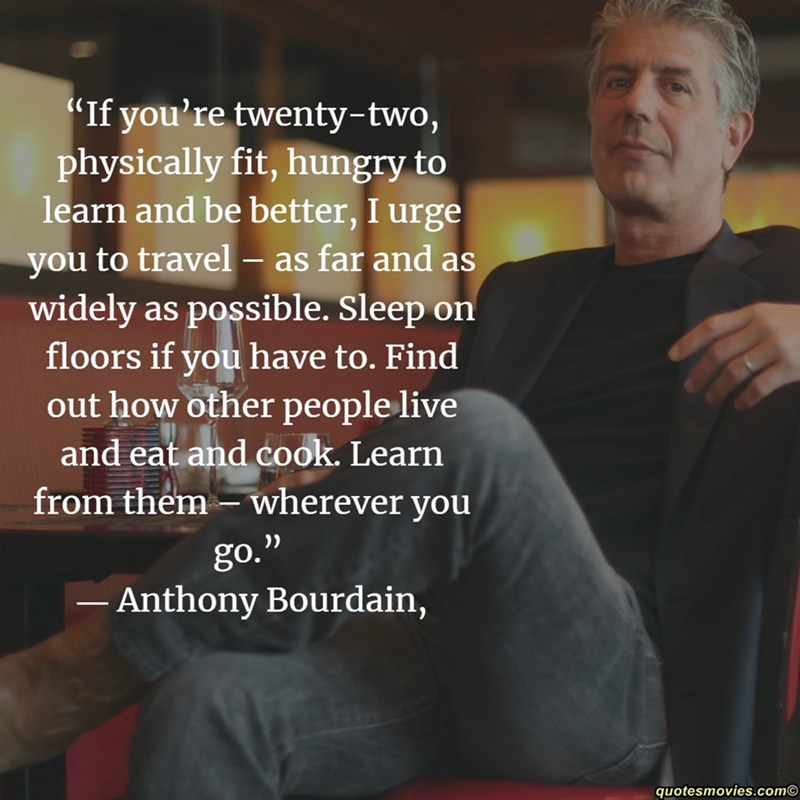
It’s hard to believe that it’s been three years since we lost one of its most entertaining, likable, and exasperating cultural personalities. Anthony Bourdain was one of those special people who found a way to engage folks from all walks of life: Travelers, writers, food lovers, and readers alike. Bourdain was equally impressive as a filmmaker, chef, mystery writer, cookbook author, TV personality, and social commentator.

Even though I never met Bourdain I always felt that I knew him. We both grew up just outside of New York City and it had an outsized impact on our lives. And there were other life experiences that we both shared that don’t bear exploring here.


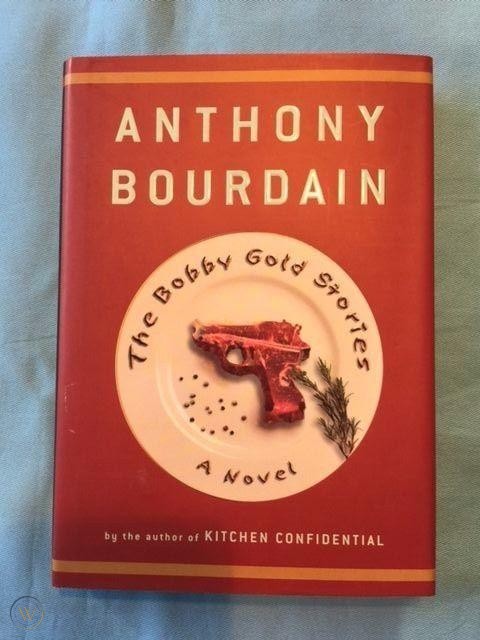
To honor his legacy, a new documentary titled Roadrunner: A Film About Anthony Bourdain will be in theaters on July 16th (trailer above). I’m looking forward to seeing Bourdain on the screen again. Until then, I think that I’ll go back and re-read my favorite of his fictional works: The Bobby Gold Stories.

Posted in Books, movies, Restaurants, Tourism, Travel Writing, USA, Writing | Tagged , , , , | 1 Comment

Summer Reads


Posted in Animation, Art, Books, Writing | Tagged , | Leave a comment