Pandemic Art

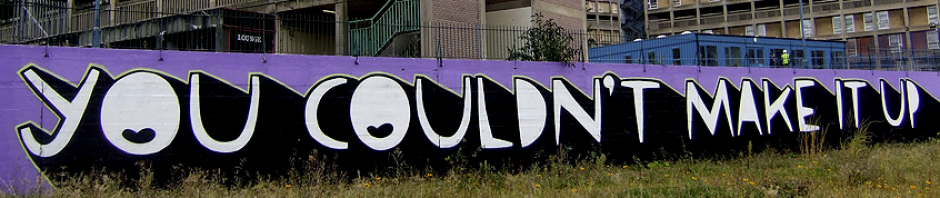
The New York City-based Brazilian-born Japanese artist Oscar Oiwa found himself in similar circumstances as many folks when the pandemic began last year. His projects and travels were all postponed, and he found himself locked down in his NYC apartment. So  began a series of drawing that capture the mood of the times and imagine the places he would have gone.

You can see all of them on his website.


Posted in Art, Asia, South America, USA | Tagged , , , , | 1 Comment

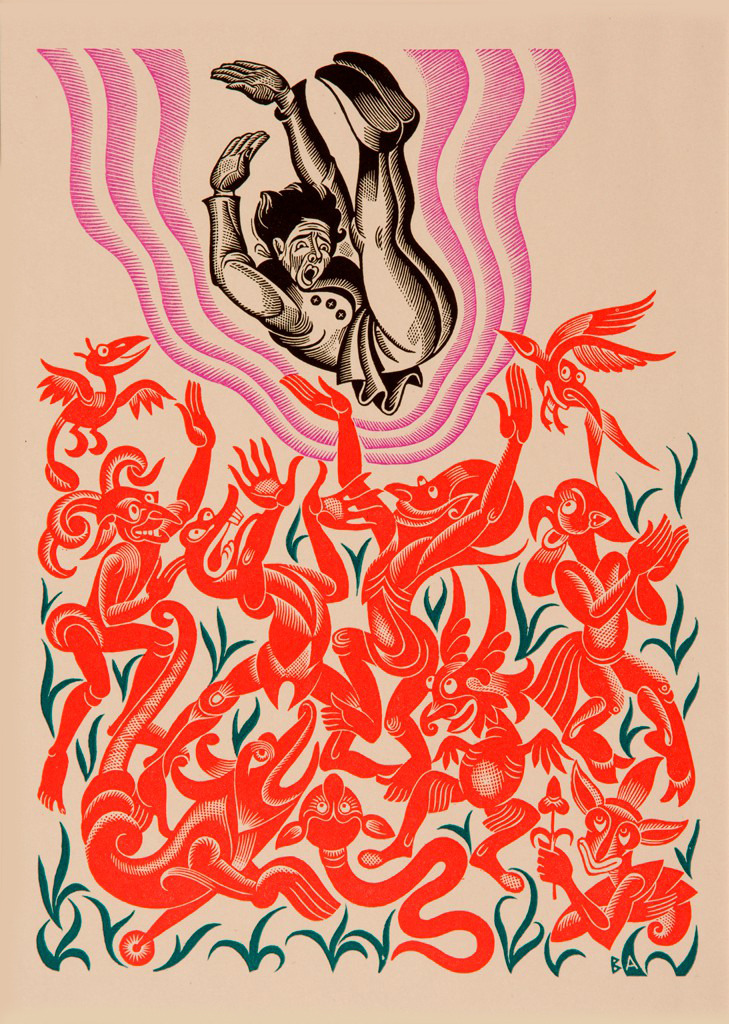
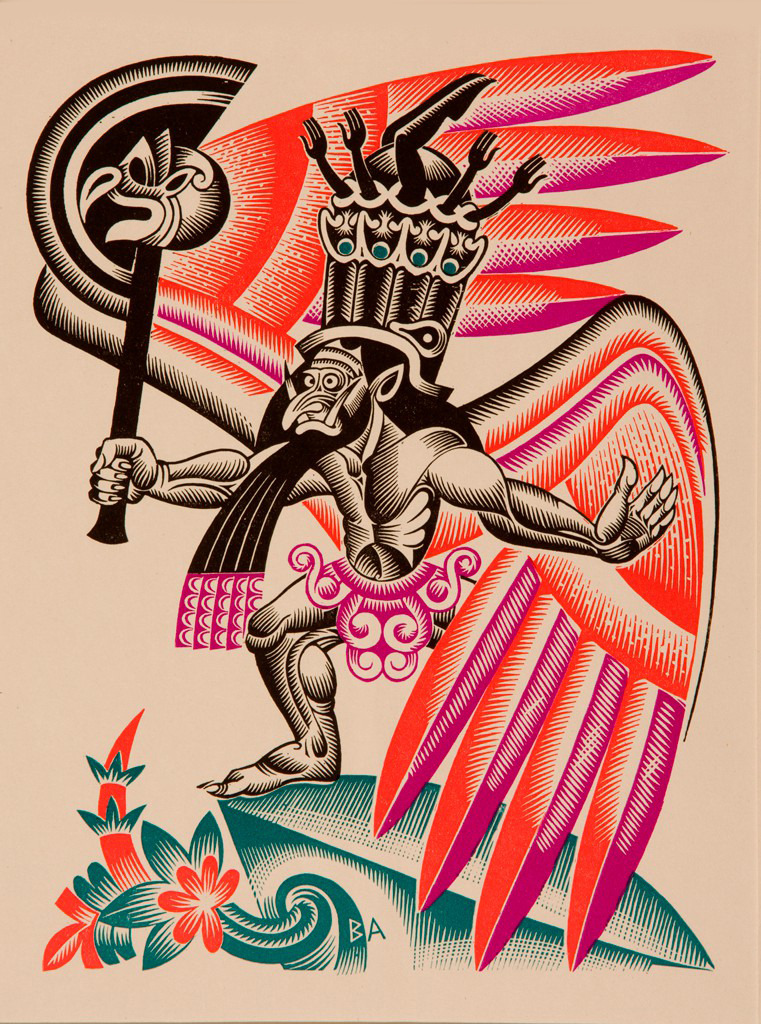
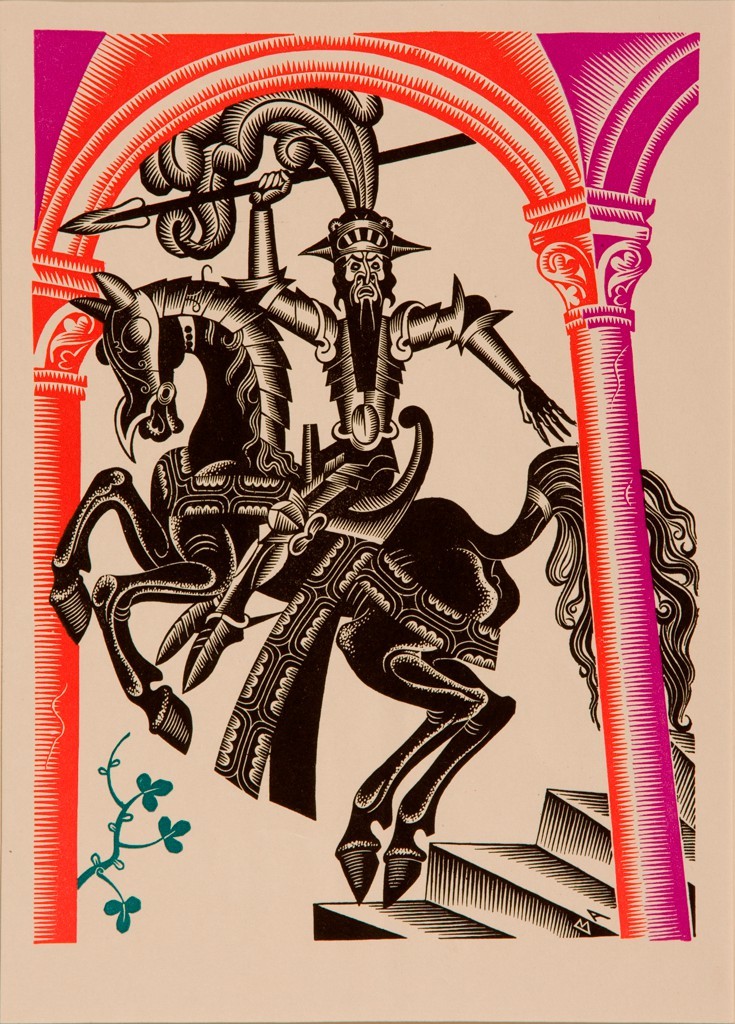
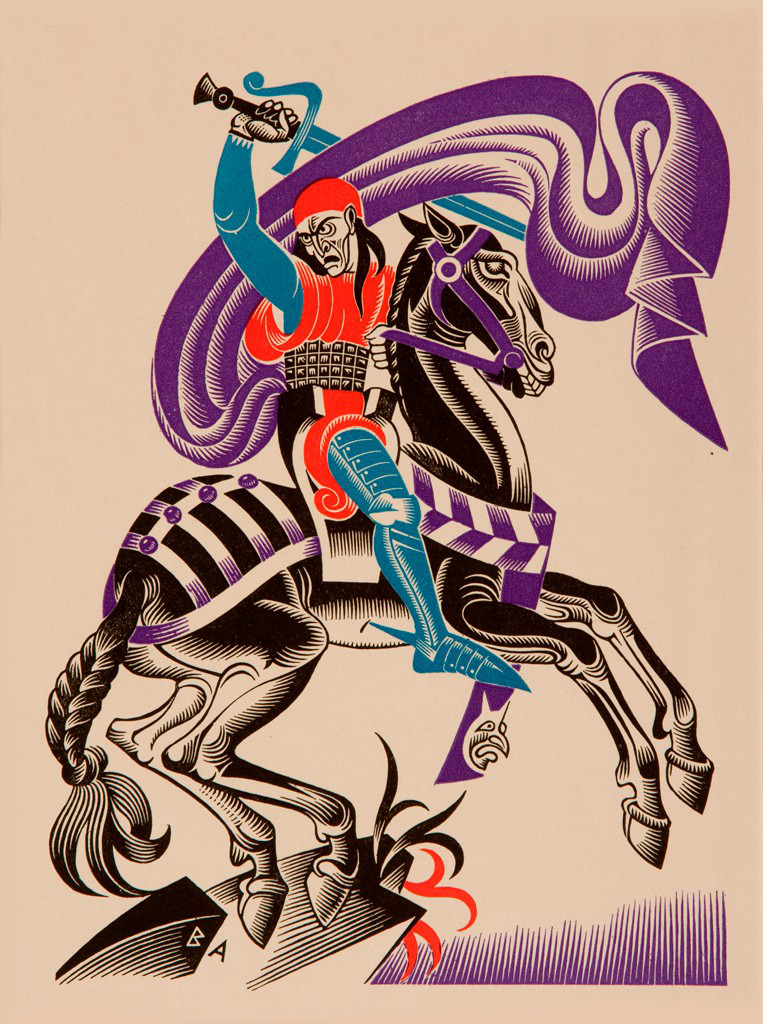
Three and the Moon

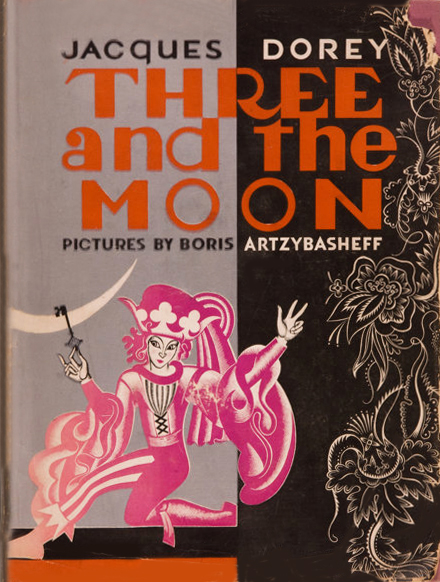
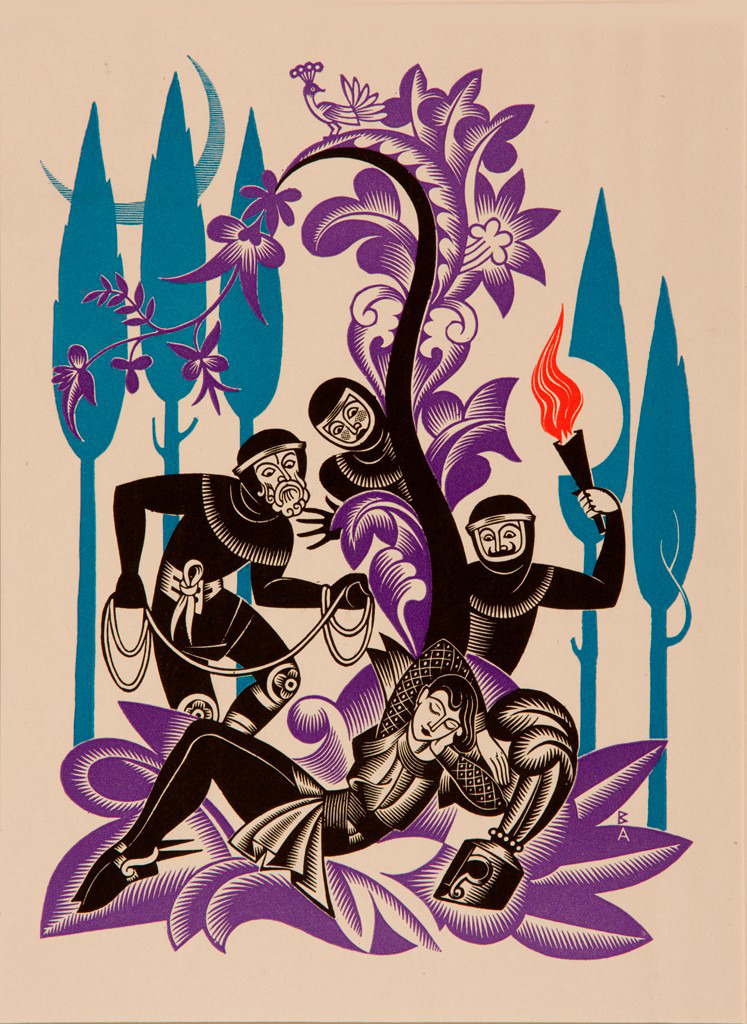
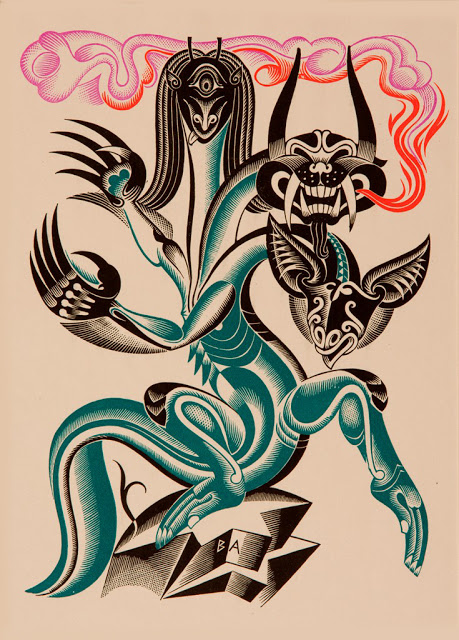
I recently stumbled upon this amazing title with mind-blowing illustrations by Boris Artzybasheff . The artist was a Russian refugee who arrived penniless in the U.S. after the Russian Revolution. He spent the next four decades creating illustrations for popular magazines, advertisers, corporations, and books.

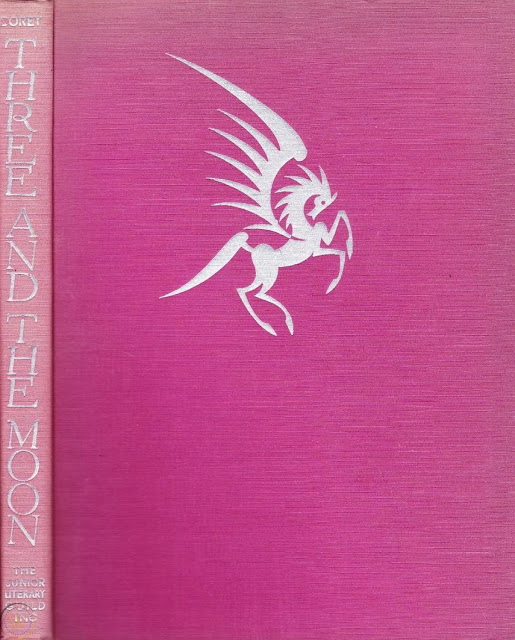
Three and the Moon; Legendary Stories of Old Brittany, Normandy & Provence by Jacques Dorey: 1929


Posted in Art, Books, Europe, Writing | Tagged , , | Leave a comment

Wild in Scotland

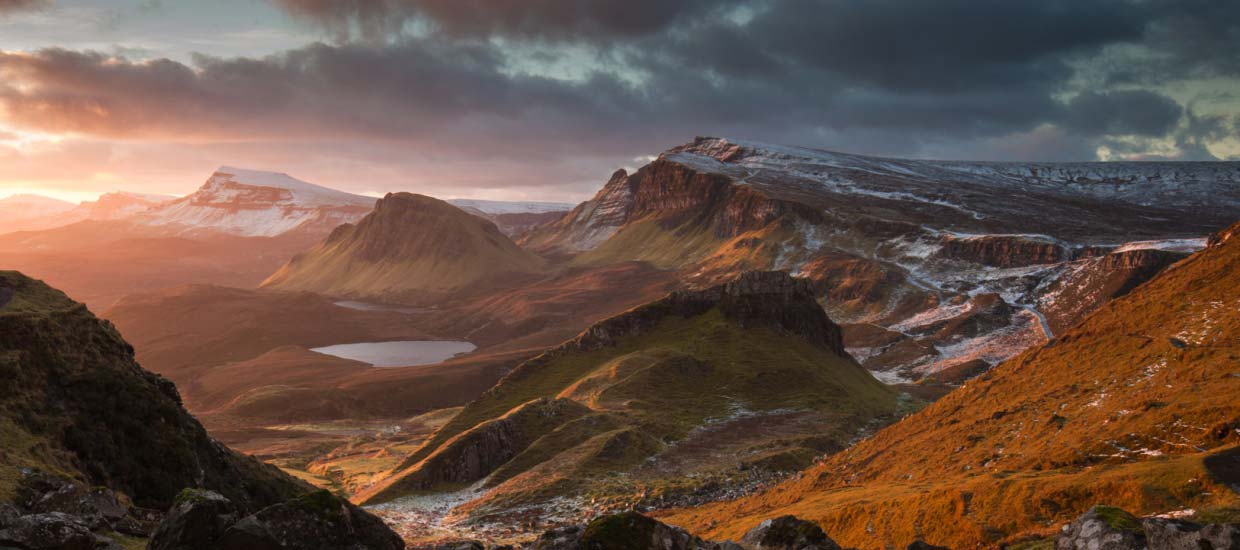
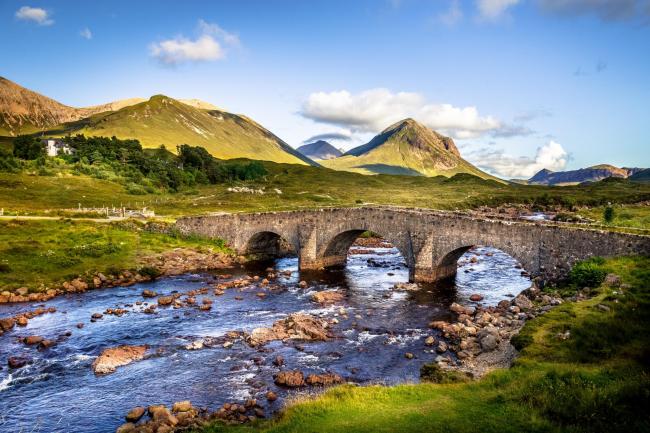
Way back around the turn of the century I had the opportunity to spend quite a bit of time in Scotland. While I have great affection for Edinburgh and Glasgow, the true treasure of the country is to be found in the wild, undeveloped parts of Scotland. The wonderful video below offers a glimpse of what awaits the traveler who eschews the urban centers for the unspoiled countryside. In Wild Scotland, videographers Kim and Del Hogg, document their month-long trip around the most beautiful areas of the nation.

In September 2019 they borrowed a car and took off for a month of exploring the Scottish Highlands & Islands. Their route was loosely based on the North Coast 500, with side trips and detours along the way. They started on the west coast around Arisaig and the Isle of Rum, then headed east to the Orkney Isles, along the very north coast to Cape Wrath, then back down the west all the way to Skye. If you enjoy the video, checkout their website Going the Whole Hogg .

Posted in Europe, Film, Tourism, Travel Writing | Tagged , , | 6 Comments

Hide the Microfilm

Posted in Animation, Books, Writing | Tagged , , | Leave a comment

I’ll show you a saint

The Stand: Stephen King
“Show me a man or a woman alone and I’ll show you a saint. Give me two and they’ll fall in love. Give me three and they’ll invent the charming thing we call ‘society’. Give me four and they’ll build a pyramid. Give me five and they’ll make one an outcast. Give me six and they’ll reinvent prejudice. Give me seven and in seven years they’ll reinvent warfare. Man may have been made in the image of God, but human society was made in the image of His opposite number, and is always trying to get back home.”

image © Christian Layfield


Posted in Art, Books, USA, Writing | Tagged , | Leave a comment

untouched and still possible

To the New Year

BY W. S. MERWIN
With what stillness at last
you appear in the valley
your first sunlight reaching down
to touch the tips of a few
high leaves that do not stir
as though they had not noticed
and did not know you at all
then the voice of a dove calls
from far away in itself
to the hush of the morning
so this is the sound of you
here and now whether or not
anyone hears it this is
where we have come with our age
our knowledge such as it is
and our hopes such as they are
invisible before us
untouched and still possible
Posted in Books, Writing | Tagged , | 3 Comments

Happy Public Domain Day Eve

Way back in 1998 Congress passed the Copyright Term Extension Act extending US copyrights by 20 years to life-plus-70 for human authors and 95 years total for corporate authors. The extension was retrospective, so works in the public domain went back into copyright. This was a typical capitalist move to restrict public access to reasonably priced art and culture.

The purpose of the legislation was to wring extra profits from long dead creatives to boost corporate profits. This money grab also froze the US public domain for two decades, with no work re-entering our public domain until Jan 1 2018. On that day – the Grand Reopening of the Public Domain – marked the entry of the collected works of 1923 into the public domain.

Tomorrow, cultural treasures—along with lots of forgettable dreck—from 1925 will enter the public domain in the United States. Happily, each year, Duke University’s James Boyle and Jennifer Jenkins document the works that are becoming available. Check out their link below for full lists and more information:

https://web.law.duke.edu/cspd/publicdomainday/2021/

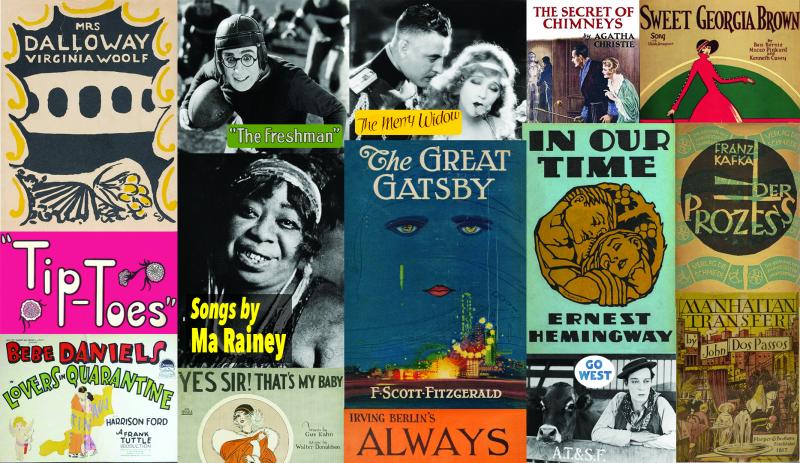
A tremendous highlight this year is arguably America’s most famous novel, The Great Gatsby. Here’s a taste of what will be in the public domain on January 1, 2021:

  • John Dos Passos, Manhattan Transfer
  • Alain Locke, The New Negro (collecting works from writers including W.E.B. du Bois, Countee Cullen, Langston Hughes, Zora Neale Hurston, Claude McKay, Jean Toomer, and Eric Walrond)
  • Sinclair Lewis, Arrowsmith
  • Agatha Christie, The Secret of Chimneys
  • Aldous Huxley, Those Barren Leaves
  • The Merry Widow
  • Buster Keaton’s Go West
  • Always, by Irving Berlin
  • Sweet Georgia Brown, by Ben Bernie, Maceo Pinkard & Kenneth Casey
  • Works by ‘Jelly Roll’ Morton, including Shreveport Stomps and Milenberg Joys (with Paul Mares, Walter Melrose, & Leon Roppolo)
  • Works by Duke Ellington, including Jig Walk and With You (both with Joseph “Jo” Trent)
  • Works by ‘Fats’ Waller, including Anybody Here Want To Try My Cabbage (with Andrea “Andy” Razaf), Ball and Chain Blues (with Andrea “Andy” Razaf), and Campmeetin’ Stomp
  • Works by Bessie Smith, the “Empress of the Blues,” including Dixie Flyer Blues, Tired of Voting Blues, and Telephone Blues
  • Works by Sidney Bechet, including Waltz of Love (with Spencer Williams), Naggin’ at Me (with Rousseau Simmons), and Dreams of To-morrow

All these works and more will be available at Internet Archive tomorrow.


Posted in Art, Books, Film, movies, Music, USA, Writing | Tagged , , , , | Leave a comment

The Year in Review

Posted in Animation, History, USA | Tagged , , | 1 Comment

Predicting The Future

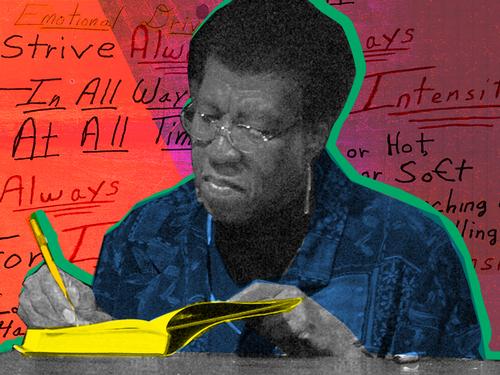
The late American author Octavia Butler died nearly 15 years ago, but the disturbing plague year that is coming to a close has resulted in a renewed interest in her books. Her Parable books were especially popular in 2020, with the prescient Parable of the Sower landing on the New York Times Bestseller List for the first time since its 1993 publication.

The popularity of Butler’s speculative fiction isn’t a surprise to her longtime fans considering that she made uncomfortable predictions that are proving to be frighteningly accurate. Her novels projected a society breaking down due to the impact of climate change, crime, income inequality and inept corporate fascist governance.

Early days into the pandemic, I found myself returning to Butler’s Parable books for the first time in decades. Like many others, I was strangely drawn to dystopian literature. Recently, I ran across this essay that Butler published in 2000, in response to student questions about the Parable books.

“So do you really believe that in the future we’re going to have the kind of trouble you write about in your books?” a student asked me as I was signing books after a talk. The young man was referring to the troubles I’d described in Parable of the Sower and Parable of the Talents, novels that take place in a near future of increasing drug addiction and illiteracy, marked by the popularity of prisons and the unpopularity of public schools, the vast and growing gap between the rich and everyone else, and the whole nasty family of problems brought on by global warming.

“I didn’t make up the problems,” I pointed out. ‘All I did was look around at the problems we’re neglecting now and give them about 30 years to grow into full-fledged disasters.’

“Okay,” the young man challenged. “So what’s the answer?”

“There isn’t one,” I told him.

“No answer? You mean we’re just doomed?” He smiled as though he thought this might be a joke.

“No,” I said. “I mean there’s no single answer that will solve all of our future problems. There’s no magic bullet. Instead there are thousands of answers–at least. You can be one of them if you choose to be.”

She goes on to explain her approaches to writing about the future, which boils down to a few essential rules:

  • Learn from the past
  • Respect the law of consequences
  • Be aware of your perspective
  • Count on the surprises


So why try to predict the future at all if it’s so difficult, so nearly impossible? Because making predictions is one way to give warning when we see ourselves drifting in dangerous directions. Because prediction is a useful way of pointing out safer, wiser courses. Because, most of all, our tomorrow is the child of our today. Through thought and deed, we exert a great deal of influence over this child, even though we can’t control it absolutely. Best to think about it, though. Best to try to shape it into something good. Best to do that for any child.

A Few Rules For Predicting The Future” was originally published by Essence Magazine,  you can read the whole thing online courtesy of the Common Good Collective.
 

Posted in Books, USA, Writing | Tagged , , , , | Leave a comment

Safety First

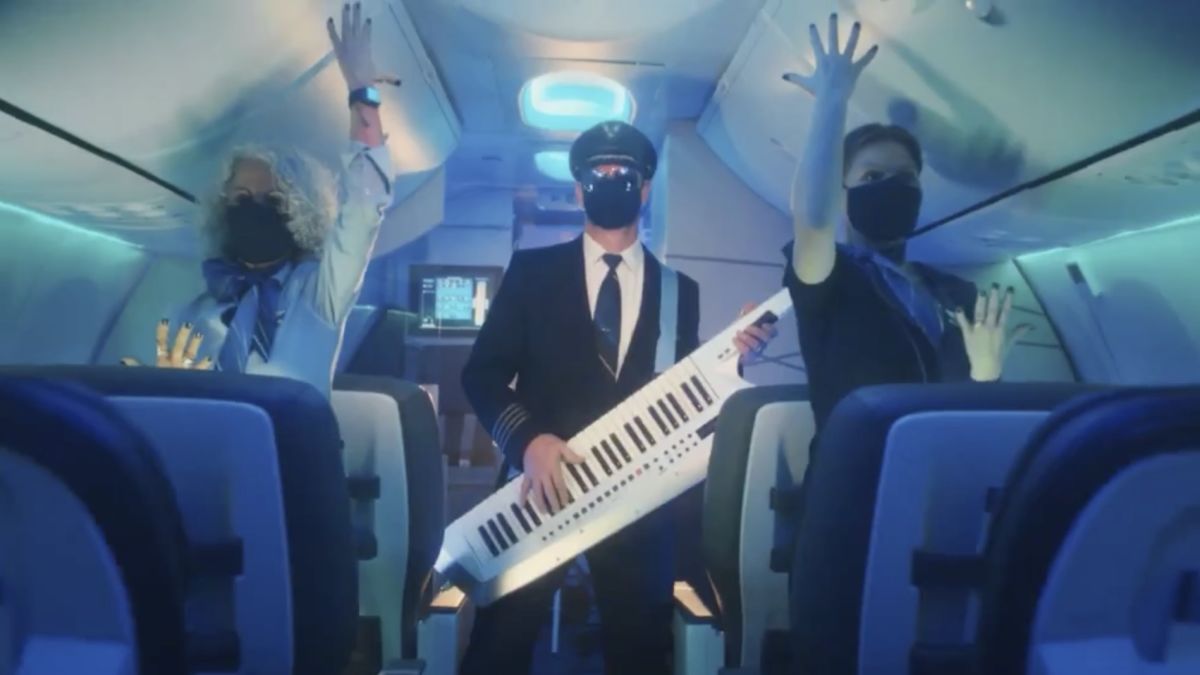
Alaska Airlines has updated its safety video to reflect the new reality of flying in these crazy pandemic times.

Posted in Air Travel, Public Transport, Tourism, USA | Tagged , , | Leave a comment