AND STILL IT COMES
Thomas Lux
AND STILL IT COMES
Thomas Lux
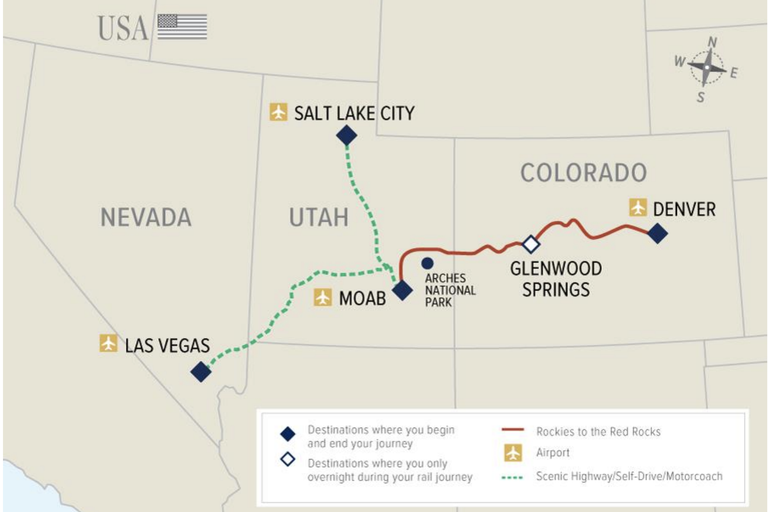
A few years ago, I took a road trip around the U.S. southwest. One leg of the journey was a drive between Denver, Colorado and Moab, Utah, with a stop in Glenwood Springs, Colorado along the way. It’s a route that I can wholeheartedly recommend. And by the summer of 2021 you’ll be able to follow the same route on a luxury, glass-domed train run by the folks who own the iconic Rocky Mountaineer train in western Canada.
Along the way on the two-day trip, the train will traverse jaw-droppingly gorgeous mountains, cascading rivers, desert mesas, and verdant valleys. The oversized glass-dome windows will offer unparalleled sightseeing opportunities.
Rocky Mountaineer, the company behind the excursion, already operates three luxury trains in Western Canada. “The work to find a new route has been underway for several years,” Steve Sammut, president and chief executive officer of Rocky Mountaineer, said in a statement. “We needed to find a special location with many of the same features we have in Western Canada: incredible scenery, iconic destinations, and the option for an all daytime, multi-day journey that is best experienced by train.”
For more information about the train, click here.
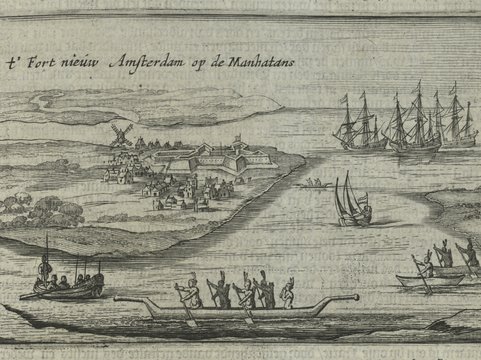
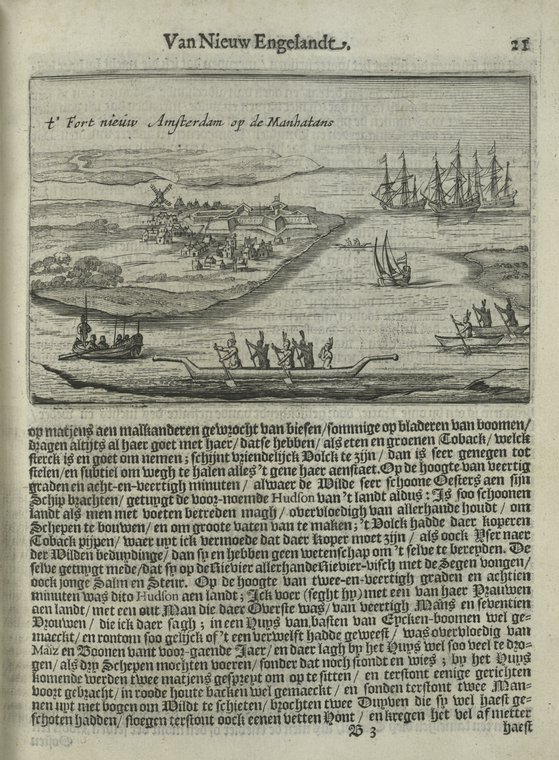
I come from two old New York City families, but not nearly as old as these 17th century views of the city when it was still the Dutch West India Company’s colony of Nieuw Amsterdam. Published in 1651, the image above is the earliest known view of Nieuw Amsterdam (or “New Amsterdam”), the settlement the Dutch colonists established at the southern tip of Manhattan Island in the early seventeenth century.
Appearing in the Beschrijvinghe van Virginia, Nieuw Nederlandt, Nieuw Engelandt, en d’eylanden Bermudes, Berbados en S. Christoffel, the engraving shows the fort and around thirty houses the Dutch West India Company built to establish its presence and trading interests in the area. On the river in front of the fort, several canoes with Native Americans are surrounded by a range of Dutch vessels, hinting at the colonists’ displacement of local populations to achieve their ambitions of territorial expansion. In 1664, the English took over the Dutch colony, naming it New York City after York, England.
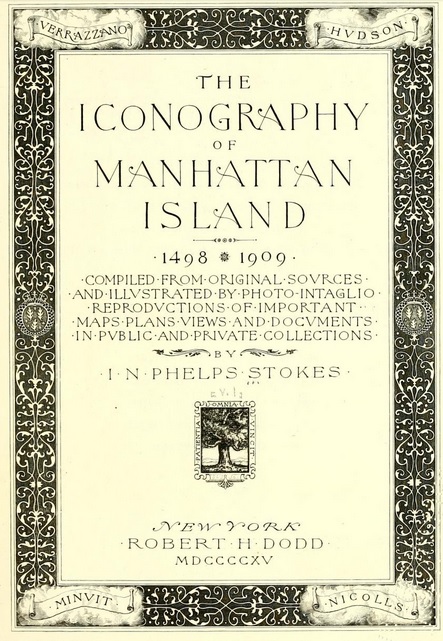
The prints are part of the collection Isaac Newton Phelps Stokes assembled to illustrate his six-volume Iconography of Manhattan Island (published in installments between 1913 and 1928). Stokes donated the collection in its entirety to the Library’s Print Department in 1930.
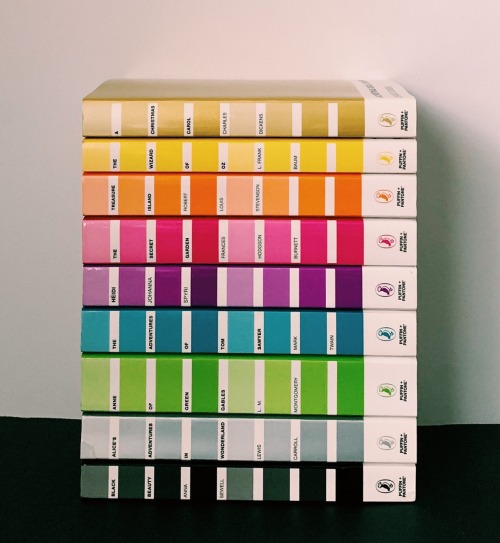
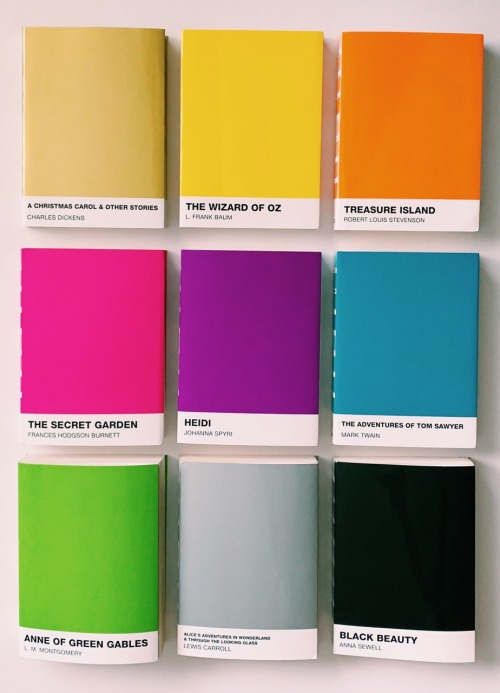
Puffin + Pantone is a series of classic novels paired with their perfect Pantone color match. Each cover is made to resemble the globally recognized color chip that’s defined Pantone as the standard in color communication all over the world. Puffin + Pantone is a collection of literature as diverse and boundless as the color spectrum itself.
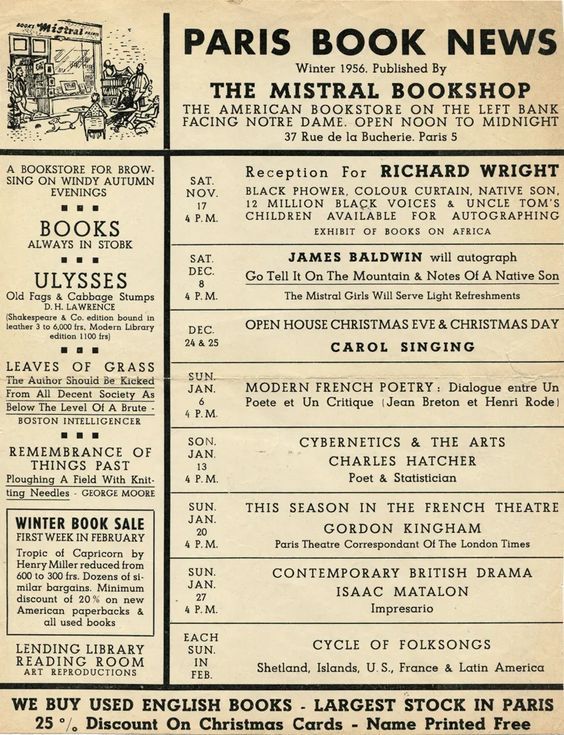
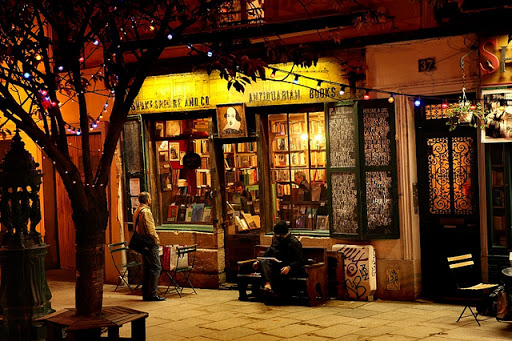
The iconic Paris bookstore Shakespeare and Company has frequently been in the news recently due to a world-wide fund raising effort to save the financially troubled landmark. You may not know that before it got its well known name the store was called the Mistral Bookshop after the chilly, powerful winds that blow through France during winter months. The other day, I was amazed to stumble upon this 1956 flyer for the bookstore which features appearances by Richard Wright and James Baldwin within three weeks of each other. How absolutely fabulous was that.
It should come as no surprise to any one that the poet Charles Bukowski was an inspiration and muse for the great Tom Waits. I am always moved by the short Bukowski poem “The Laughing Heart” so I love the Waits reading in the video below.
The Laughing Heart
by Charles Bukowski
your life is your life
don’t let it be clubbed into dank submission.
be on the watch.
there are ways out.
there is a light somewhere.
it may not be much light but
it beats the darkness.
be on the watch.
the gods will offer you chances.
know them.
take them.
you can’t beat death but
you can beat death in life, sometimes.
and the more often you learn to do it,
the more light there will be.
your life is your life.
know it while you have it.
you are marvelous
the gods wait to delight
in you.
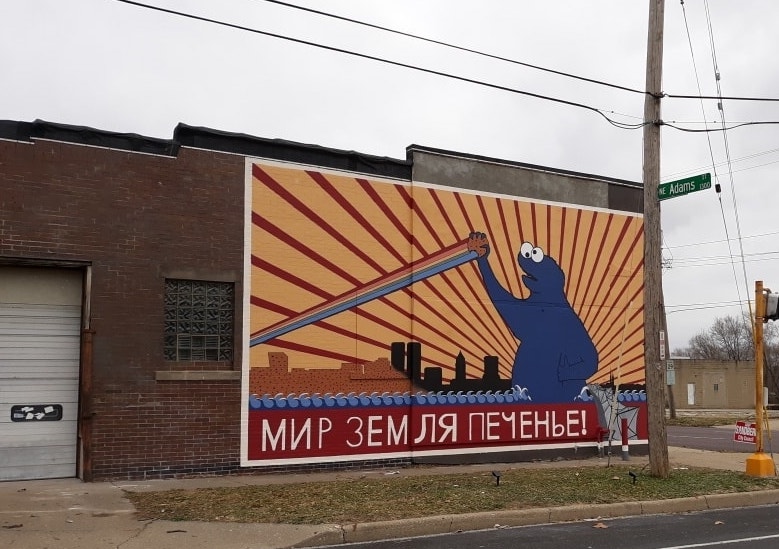
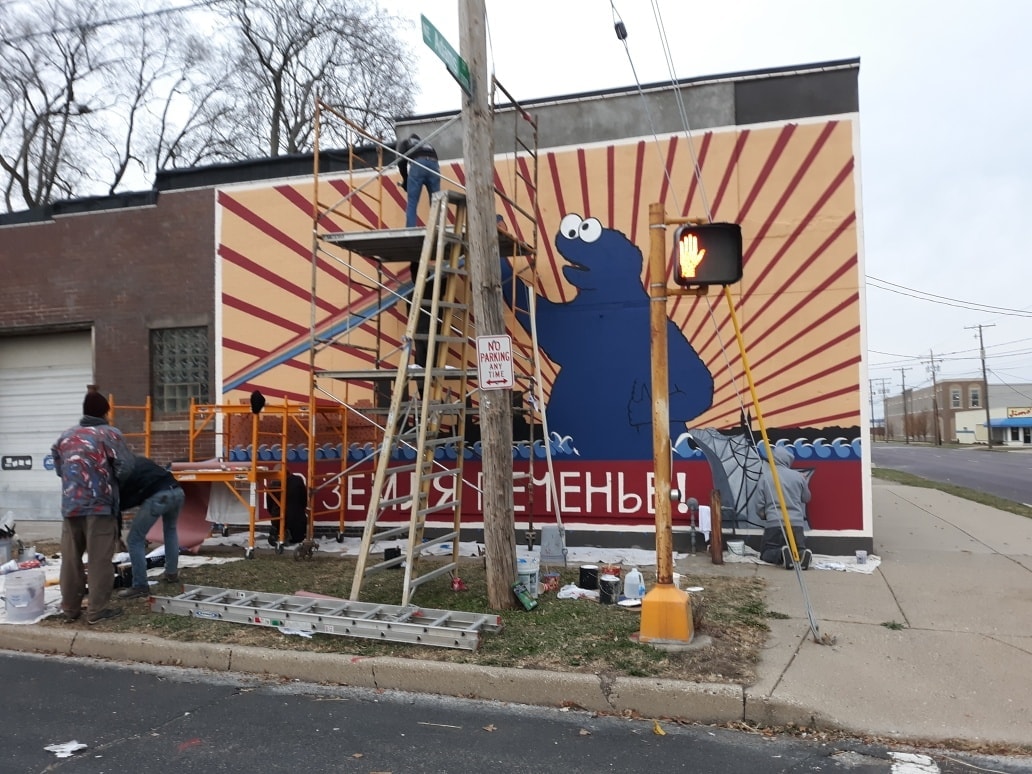
You don’t have to be a street art sucker like me to be intrigued by the tale of the Cookie Monster “мир, земля, печенье” (“Peace, Land, and Cookies” in Russian) mural that popped up on a commercial building in Peoria, Illinois over the Thanksgiving holiday. The mystery stems from the question: Who actually commissioned artist Joshua Hawkins to paint the mural.
Nate Comte, the owner of the building, was furious when he discovered an enormous Cookie Monster mural on the side of his store. It seems that someone impersonating Comte had contracted Hawkins to create the 30 feet long and 16 feet high art work and even paid Hawkins a bonus for completing the mural over the holiday weekend.
The enigmatic Soviet propaganda style mural, which riffs on Lenin’s famous “Peace, Land, Bread” motto, has since been covered over with white paint by the store owner. The wall itself has become a memorial of sorts with mural-loving locals leaving behind stuffed animal, flowers, and candles. No one has come forward to explain the prank, but you can follow the story on social media with at #peacelandcookies.
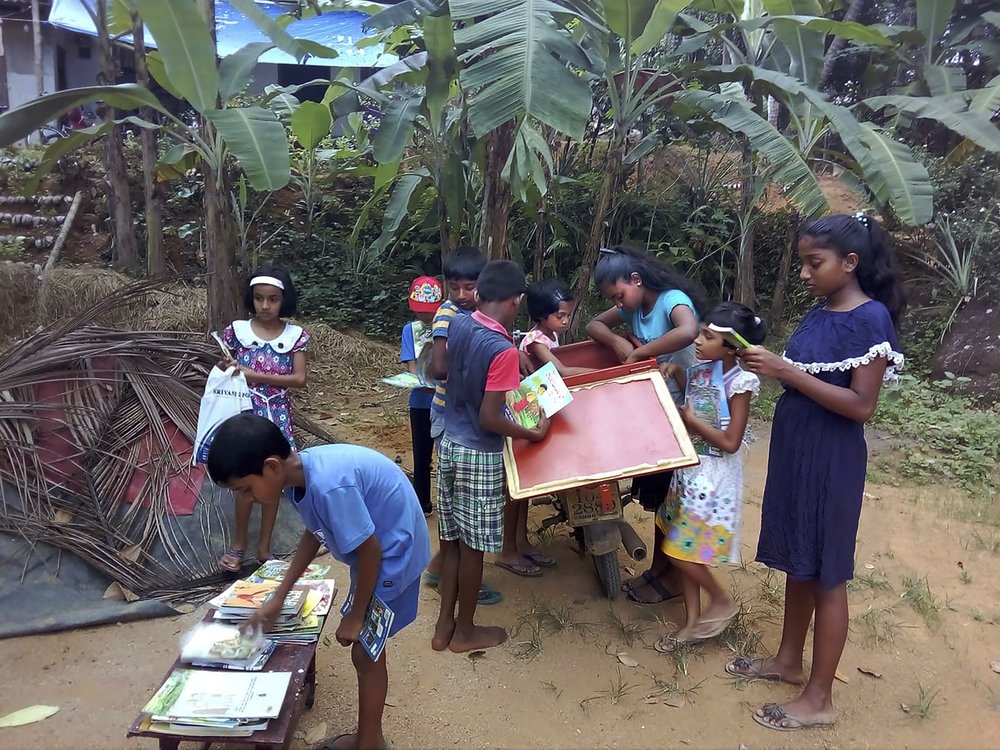
Although Sri Lanka has one of the highest youth literacy rate in South Asia, there are still many villages all across the country with no libraries and no access to books. To address this problem, social worker Mahinda Dasanayaka created the Book and Me project in 2017. Starting with a few dozen books donated by family members and co-workers, he began taking his traveling library by motorcycle to rural villages and distributing books to young people for free.
After some publicity from radio stations, Dasanayaka now has a lending library of more than 3,00 books and he visits at least twenty villages in the Kegalle region each month. Dasanayaka wanted a way to bring people together, especially the two main ethnic groups in Sri Lanka after their civil war which ended in 2009. He says, “Books can be used for the betterment of society and promote ethnic reconciliation—because no one can get angry with books.”
Books and Me is now starting to build little free library outposts in some of the most isolated villages so that the children will have access to reading material all of the time.
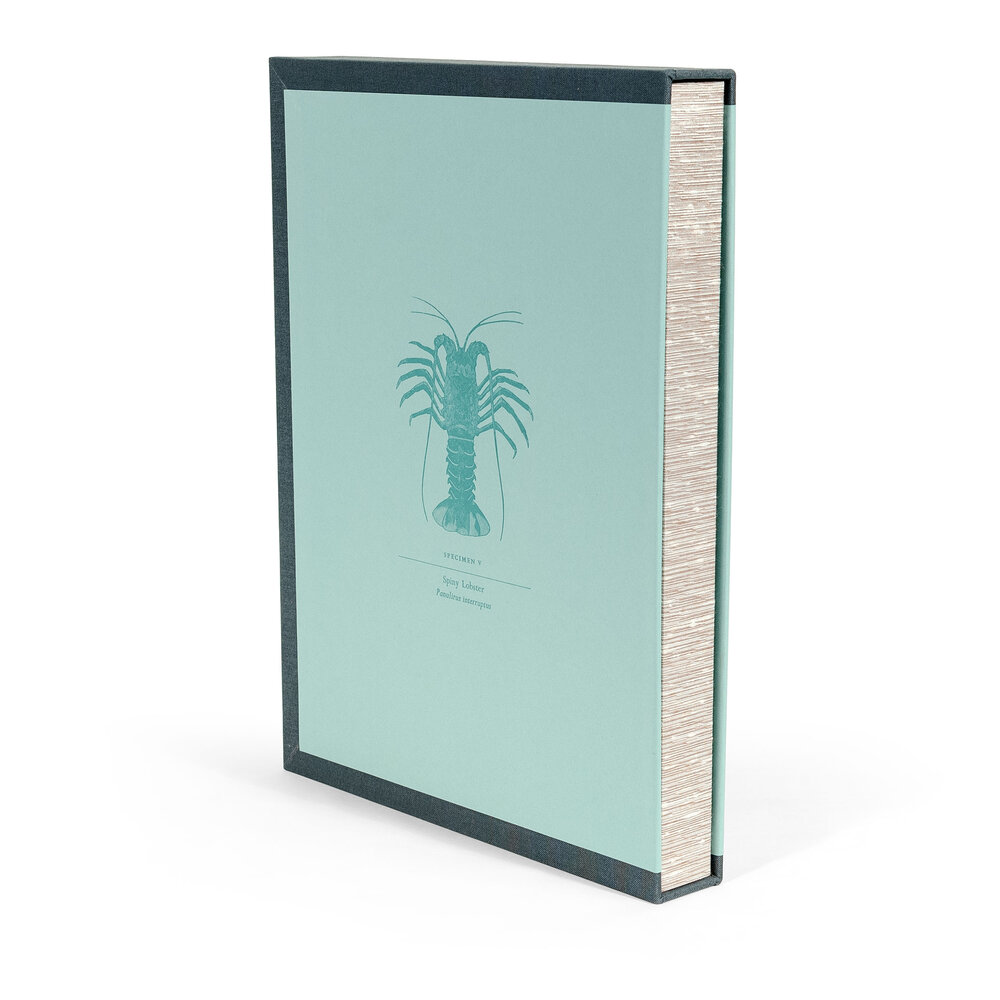
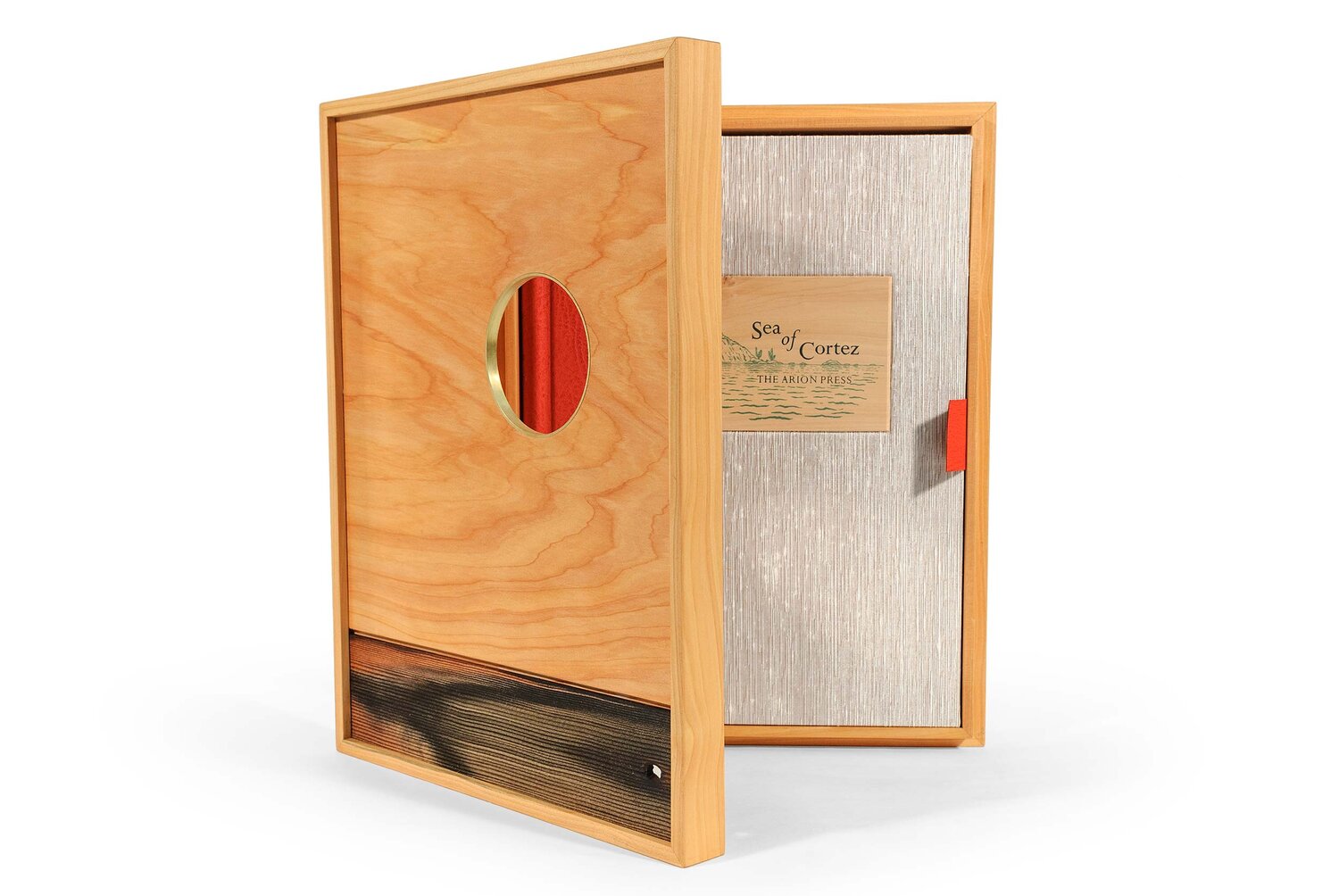
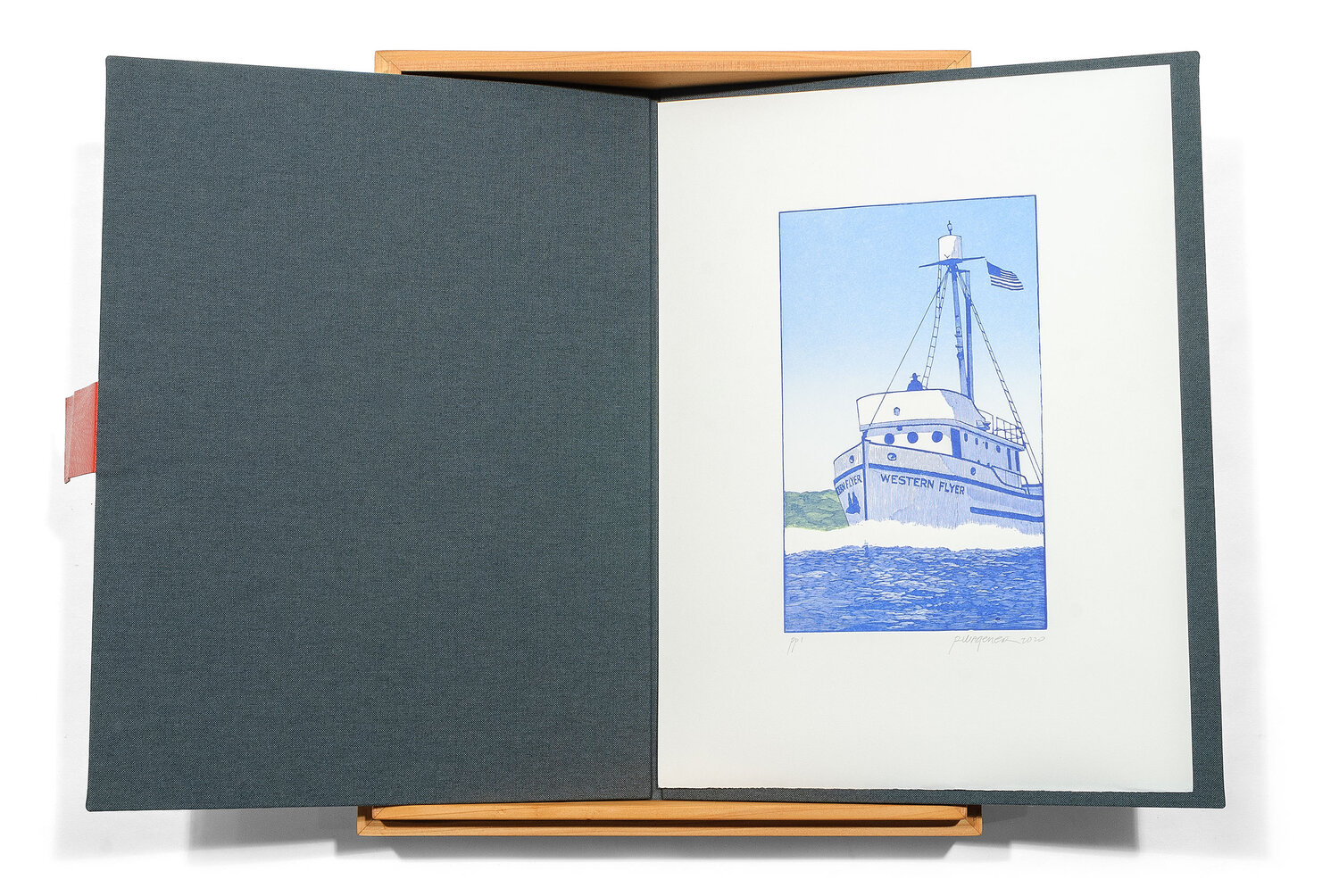
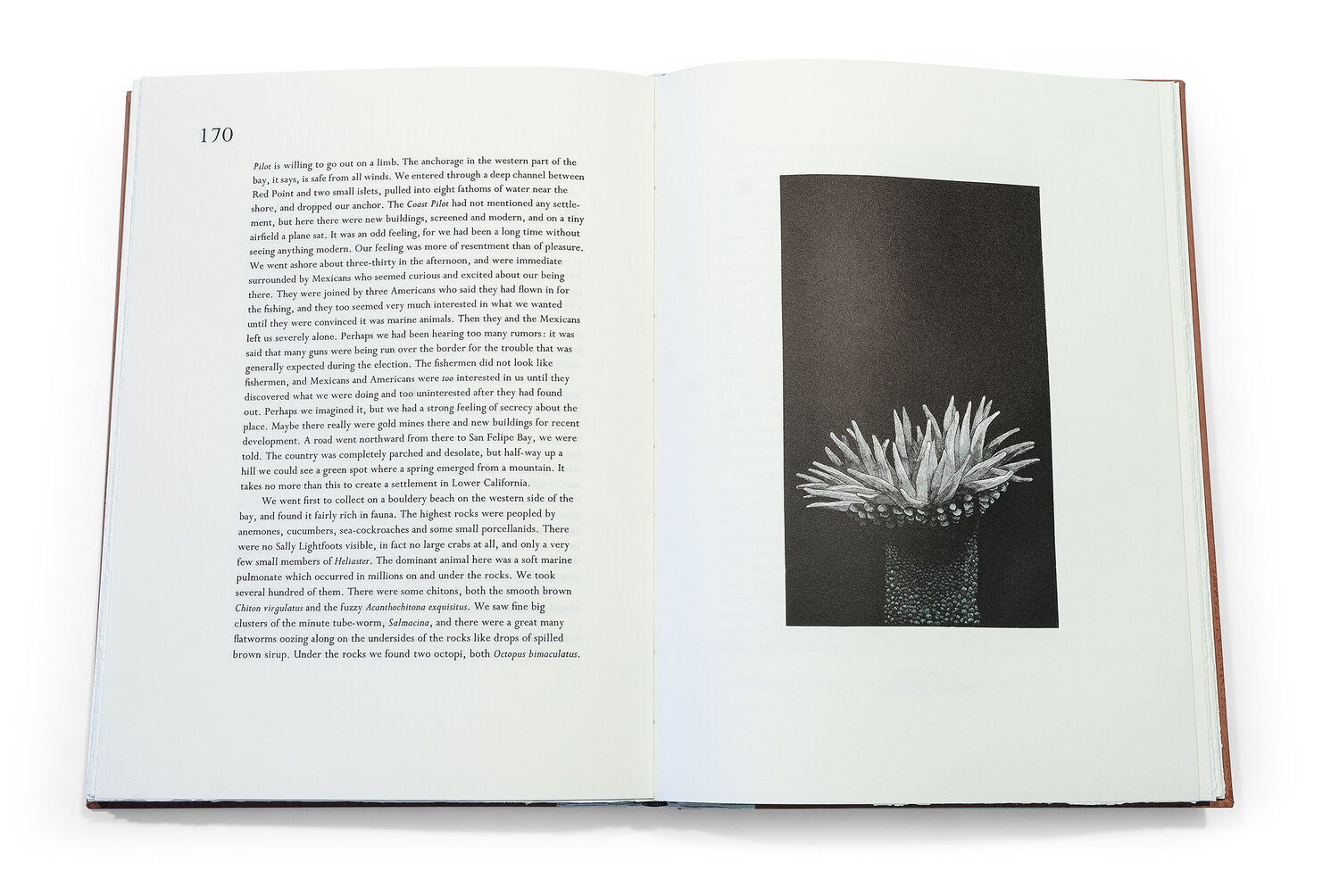
We know it as the Gulf of California, but in 1940 it was called the Sea of Cortez. In that year, the novelist John Steinbeck and marine biologist Ed Ricketts traveled there to research a book project on the region’s ecology. They sailed to the area in a vessel called the Western Flyer. Their collaboration resulted in a book titled Sea of Cortez: A Leisurely Journal of Travel and Research, which was comprised of a narrative log and a 328-page catalogue of marine life.
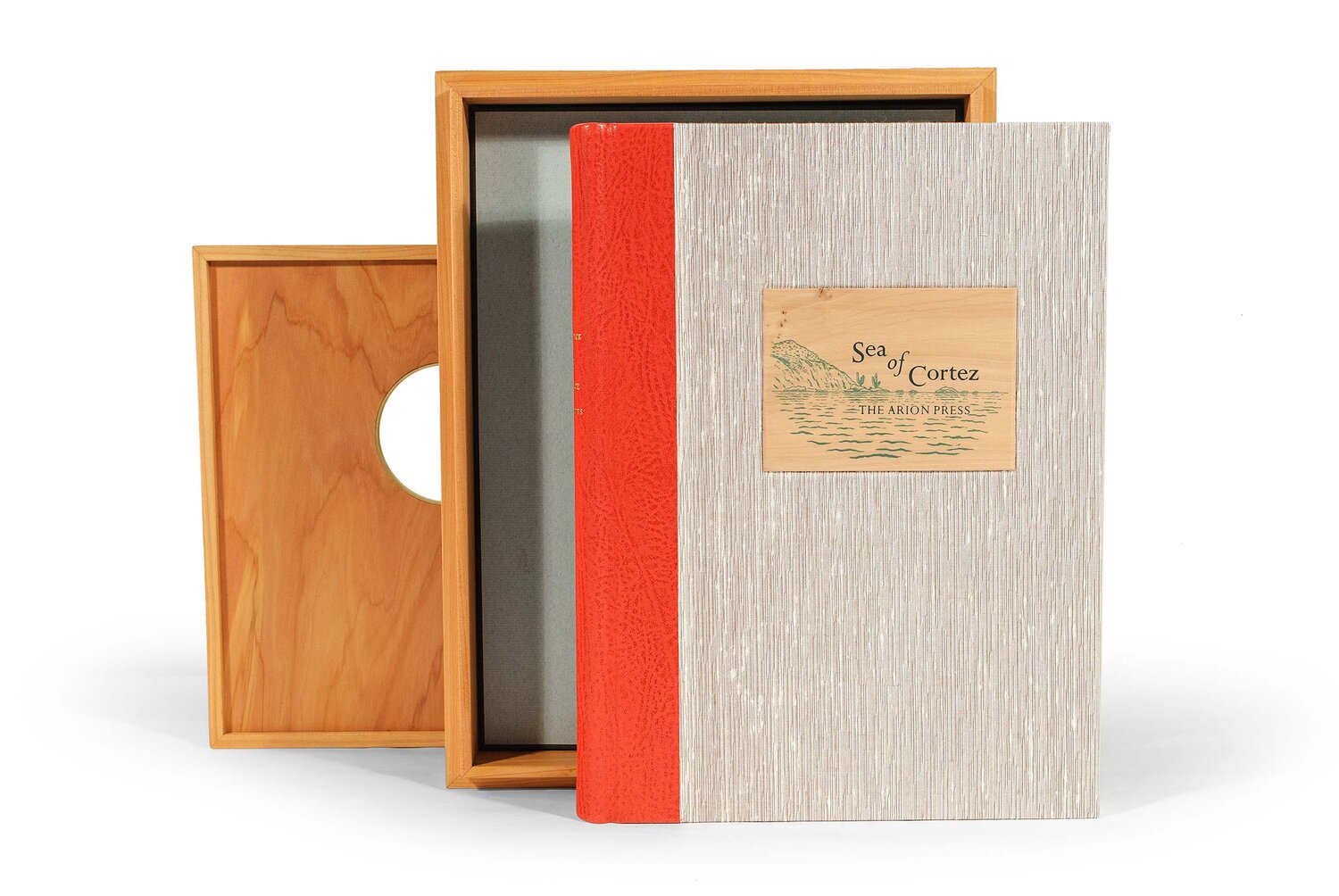
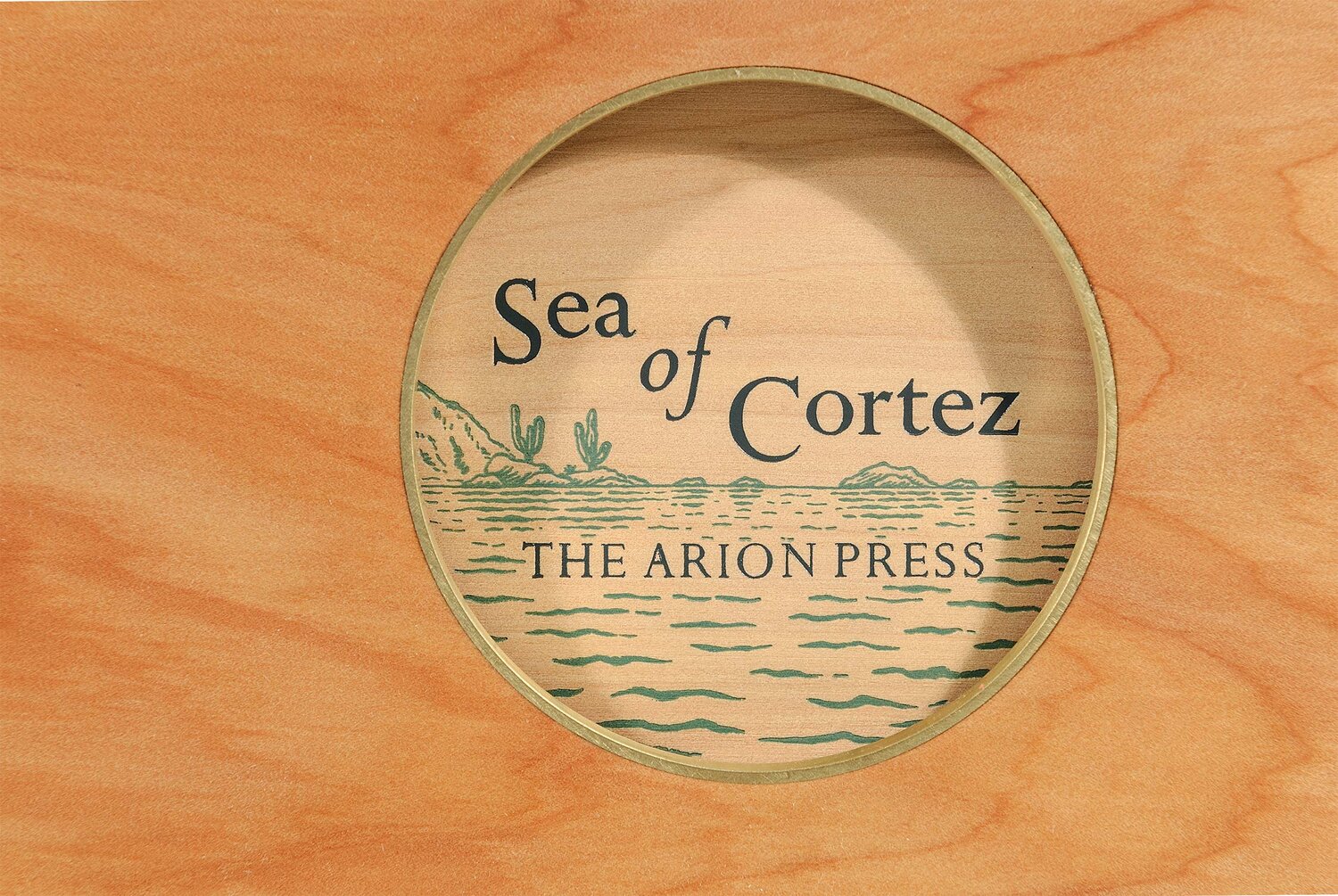
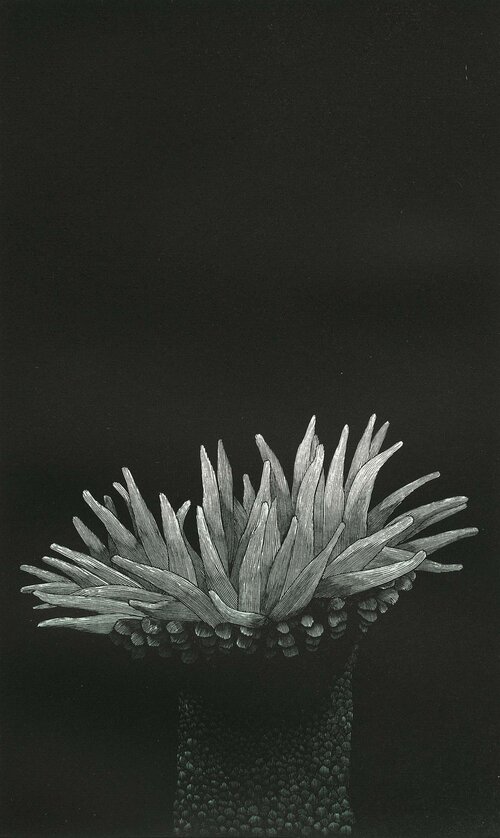
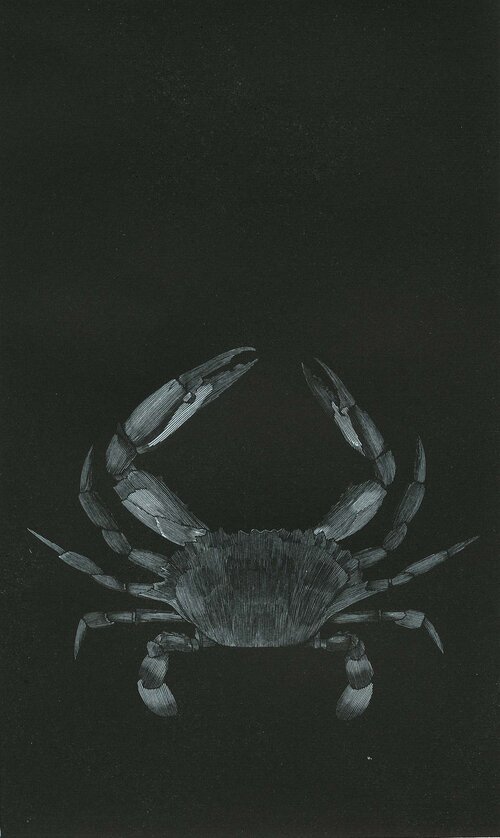
Now the San Francisco art book publisher Arion Press has published the book in a letterpress “hybrid” edition. The handcrafted, fine press edition incorporates reclaimed wood from the Western Flyer and illustrations by the renowned wood engraver Richard Wagener, as well as an original map and endpapers by artist Martin Machado. The edition is limited to 250 copies in three binding options. The Limited Edition, is “bound in striated pearlescent cloth with deep red coral paper sides imprinted with a starfish motif derived from Wagener,” according to the prospectus. It retails for $2,200. A limited number of Western Flyer prints are also available.