How well do you know geography

When I was just a nerdy little kid, my friends and I would play a simple game the we called “Geography”. It entailed a player naming a country and the next player challenged to name another nation starting with the last letter in the name of the first country. The game went on until all but one player was stumped. We would have loved the chance to play this new online game.

If you enjoy geography quizzes, map challenges, or just perusing a map of the world, then you need to play Country Recall. This brand new interactive geography game asks a deceptively simple question: How many of the world’s countries can you identify on an unlabeled map?

Type a country into Country Recall and – if you’re right – it will instantly light up on the world map. The goal is to name every country on Earth, watching the map fill piece by piece as your map of the world grows.


Posted in Maps | Tagged , , , | Leave a comment

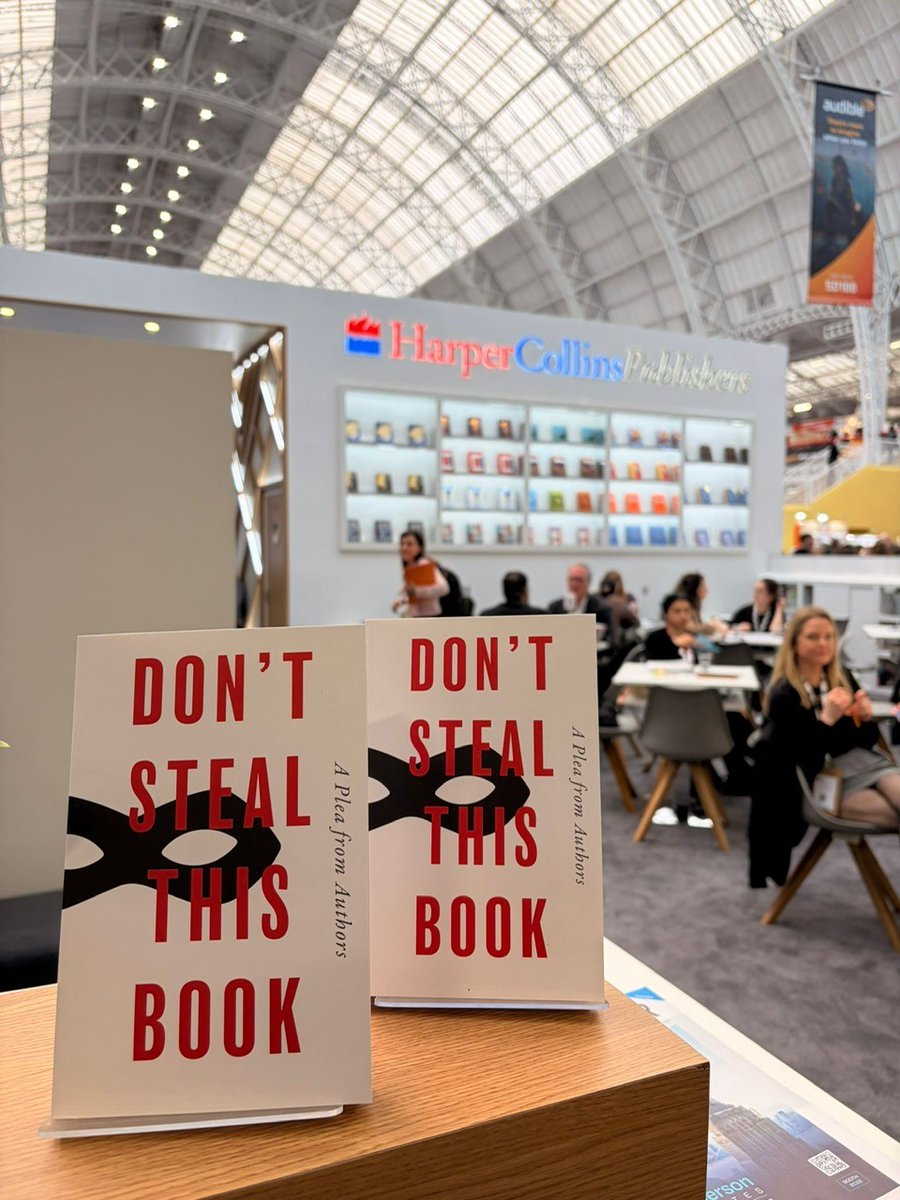
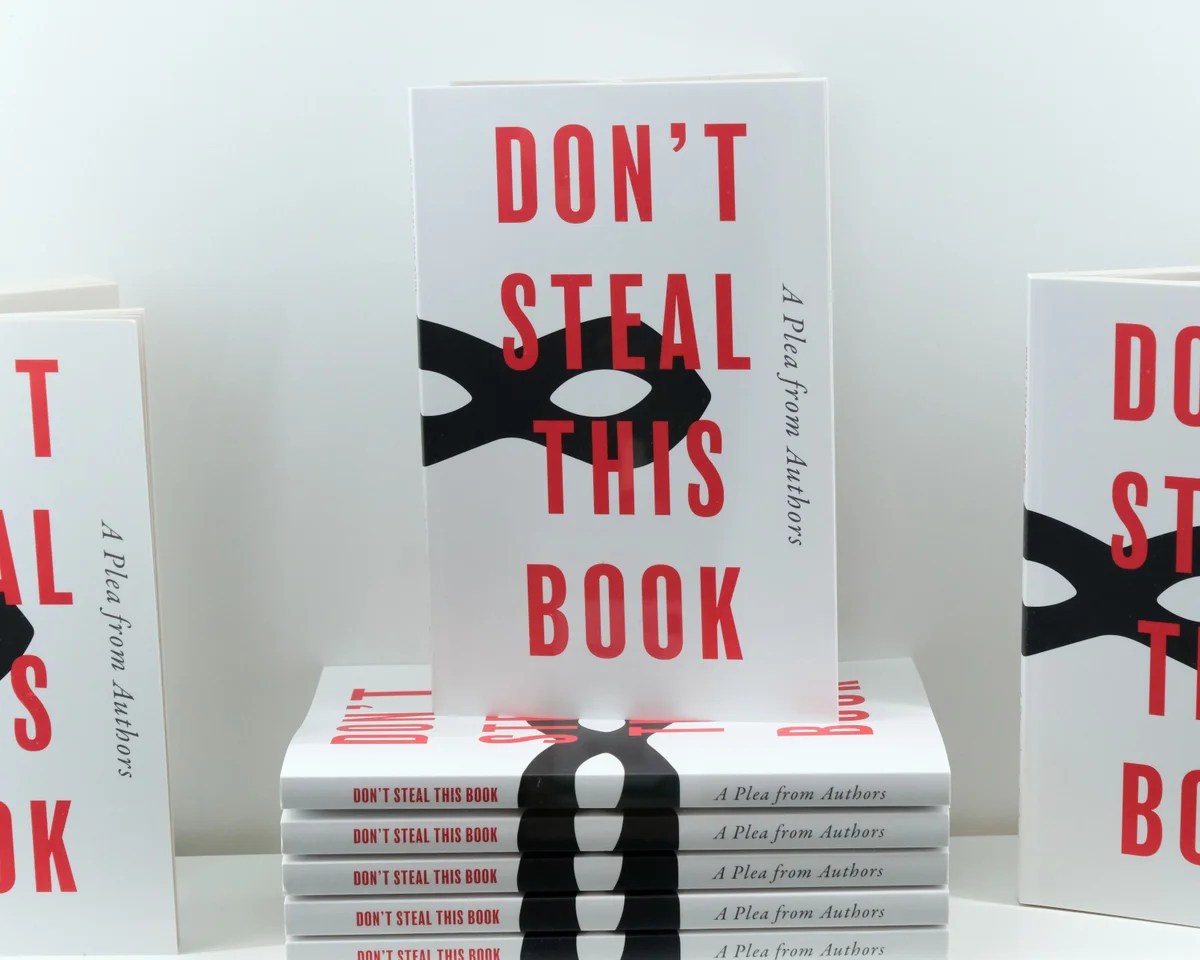
There was once a country where everyone was a thief.

The Black Sheep

Italo Calvino

There was once a country where everyone was a thief.

At night each inhabitant went out armed with a crowbar and a lantern, and broke into a neighbor’s house. On returning at dawn, loaded down with booty, he would find that his own house had been burgled as well.

And so everyone lived in harmony, and no one was badly off – one person robbed another, and that one robbed the next, and so it went on until you reached the last person, who was robbing the first. In this country, business was synonymous with fraud, whether you were buying or selling. The government was a criminal organization set up to steal from the people, while the people spent all their time cheating the government. So life went on its untroubled course, and the inhabitants were neither rich nor poor.

And then one day – nobody knows how – an honest man appeared. At night, instead of going out with his bag and lantern to steal, he stayed at home, smoking and reading novels. And when thieves turned up they saw the light on in his house and so went away again.

This state of affairs didn’t last. The honest man was told that it was all very well for him to live a life of ease, but he had no right to prevent others from working. For every night he spent at home, there was a family who went without food.

The honest man could offer no defense. And so he too started staying out every night until dawn, but he couldn’t bring himself to steal. He was honest, and that was that. He would go as far as the bridge and watch the water flow under it. Then he would go home to find that his house had been burgled.

In less than a week, the honest man found himself with no money and no food in a house which had been stripped of everything. But he had only himself to blame. The problem was his honesty: it had thrown the whole system out of kilter. He let himself be robbed without robbing anyone in his turn, so there was always someone who got home at dawn to find his house intact – the house the honest man should have cleaned out the night before. Soon, of course, the ones whose houses had not been burgled found that they were richer than the others, and so they didn’t want to steal any more, whereas those who came to burgle the honest man’s house went away empty-handed, and so became poor.

Meanwhile, those who had become rich got into the habit of joining the honest man on the bridge and watching the water flow under it. This only added to the confusion, since it led to more people becoming rich and a lot of others becoming poor.

Now the rich people saw that if they spent their nights standing on the bridge they’d soon become poor. And they thought, ‘Why not pay some of the poor people to go and steal for us?’ Contracts were drawn up, salaries and percentages were agreed (with a lot of double-dealing on both sides: the people were still thieves). But the end result was that the rich became richer and the poor became poorer.

Some of the rich people were so rich that they no longer needed to steal or to pay others to steal for them. But if they stopped stealing they would soon become poor: the poor people would see to that. So they paid the poorest of the poor to protect their property from the other poor people. Thus a police force was set up, and prisons were established.

So it was that, only a few years after the arrival of the honest man, nobody talked about stealing or being robbed any more, but only about how rich or poor they were. They were still a bunch of thieves, though.

There was only ever that one honest man, and he soon died of starvation.


Posted in Uncategorized | Tagged , | Leave a comment

Where in the world

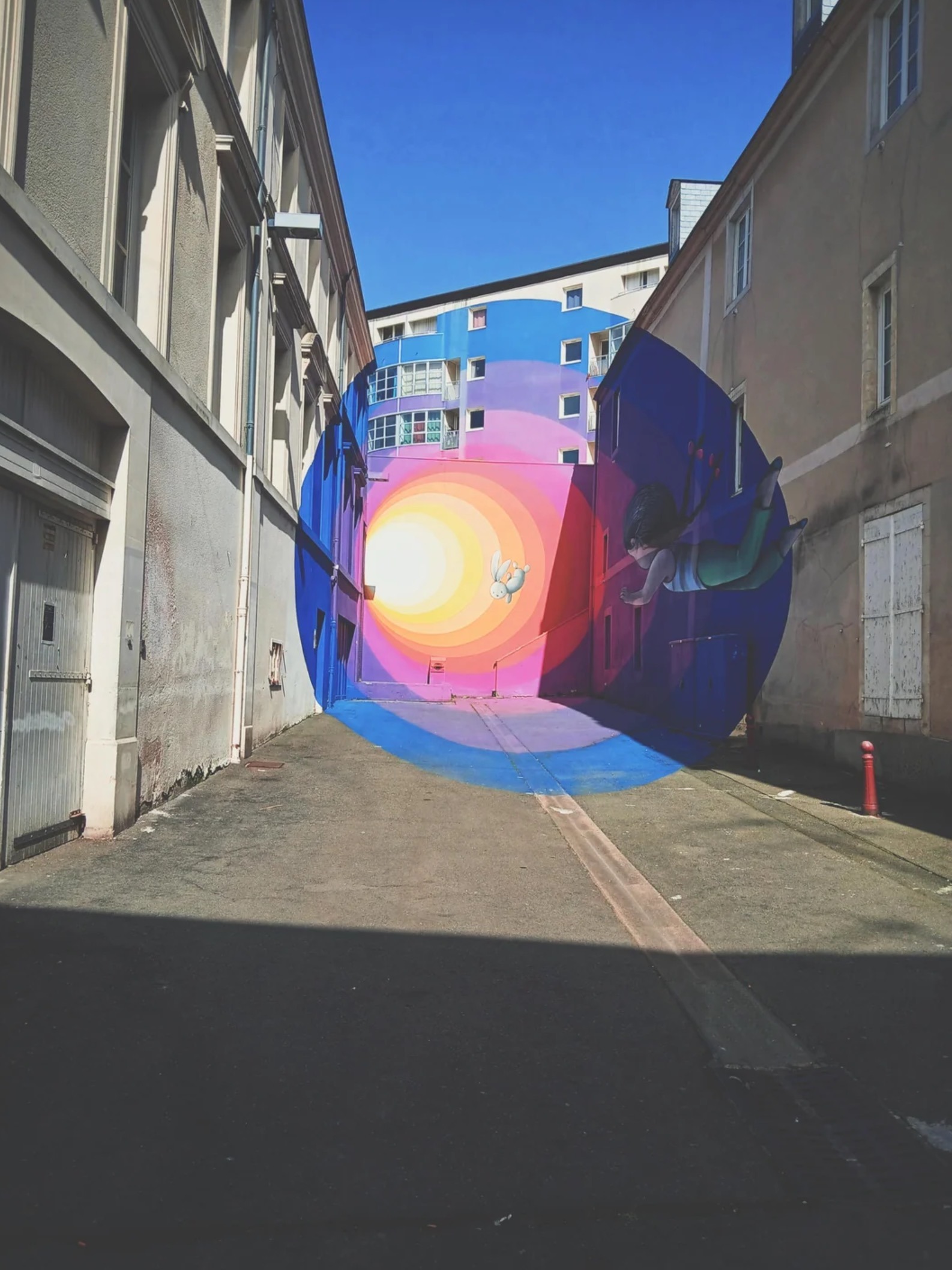
I recently spotted the photo above on a random book blog. There was no attribution nor indication where or when the photograph was taken. However, I had the uncanny notion that at some unknown point in time I had actually stood and gazed at that very view. The image seemed to be from somewhere in Northern Europe, most likely the Low Countries or Germany, but where ?

Thanks to reverse image technology and AI I was able to find multiple versions of the photograph online. Most again failed to provide any attribution or even any correct indication of the geographic location. But eventually I was able to narrow down both the locale and the probable photographer. The place is Amersfoort, Netherlands, and the creator is Christina Kooiker who apparently posts as “een wasbeer” and lives in Amersfoort.

So, the mystery is solved, and I indeed stood in that very spot more than 20 years ago after enjoying a fabulous apple pannekoeken in the town center. If you ever find yourself in the Netherlands, Amersfoort is a lovely town well worth a detour and home to some of the best pancakes in the country.

Posted in Architecture, Europe, Photography, Tourism | Tagged , , | Leave a comment

there are precedents for mystical encounters of various kinds

“A man breaking his journey between one place and another at a third place of no name, character, population or significance, sees a unicorn cross his path and disappear. That in itself is startling, but there are precedents for mystical encounters of various kinds, or to be less extreme, a choice of persuasions to put it down to fancy; until–“My God,” says a second man, “I must be dreaming, I thought I saw a unicorn.” At which point, a dimension is added that makes the experience as alarming as it will ever be. A third witness, you understand, adds no further dimension but only spreads it thinner, and a fourth thinner still, and the more witnesses there are the thinner it gets and the more reasonable it becomes until it is as thin as reality, the name we give to the common experience… “Look, look!” recites the crowd. “A horse with an arrow in its forehead! It must have been mistaken for a deer.”

― Tom Stoppard, Rosencrantz and Guildenstern Are Dead


Posted in Europe, Theater, Writing | Tagged , , | Leave a comment

And the 2025 lists begin

The staff of the New York Times Book Review choose the year’s top fiction and nonfiction titles.

“The envelope, please: After a full year spent reading hundreds of books and meeting regularly to bicker — er, converse — about their merits and flaws, the editors of the Book Review have chosen the 10 Best Books of 2025.

In novels that transport us from the battlefields of World War I to contemporary Swedish dance clubs to the halls of a convent in rural Australia, and from Nazi movie studios to New York art galleries where immigrants look for a sense of connection, our fiction picks offer sweeping stories about timely and timeless topics with a sense of verve and style.

In nonfiction, we chose immersive journalistic accounts of the housing crisis and a historic Black church, along with a riveting biography of a misunderstood painter, a fraught mother-daughter memoir and an enthralling shipwreck story that is as much a meditation on marriage as it is a seafaring adventure.

You can hear our editors discuss these books, and others they loved, on the latest episode of the Book Review podcast, and you can check out our larger list of 100 Notable Books of 2025 here. And for the longer view, here’s a list of all of our Best Books picks since 2000.”


Posted in Books, USA, Writing | Tagged , , | Leave a comment

Travel is the only way we have of feeling that we are somewhere.

“Travel was once a means of being elsewhere, or of being nowhere. Today it is the only way we have of feeling that we are somewhere. At home, surrounded by information, by screens, I am no longer anywhere, but rather everywhere in the world at once, in the midst of a universal banality – a banality that is the same in every country. To arrive in a new city, or in a new language, is suddenly to find oneself here and nowhere else. The body rediscovers how to look. Delivered from images, it rediscovers the imagination.”

–Jean Baudrillard

Posted in Uncategorized | Tagged , , | Leave a comment

Is Iceland Real

Last month, Icelandair launched a social media campaign that takes a tongue- in- cheek look at whether Iceland is  “real”  as opposed to AI-generated. The “Expedition Iceland” campaign was developed by social-first agency Kubbco in partnership with Icelandic agency Hvíta húsið.

The two-minute film (below) follows a fictional online conspiracy theorist who doesn’t believe that Iceland is real, and confidently shares his views with his followers. Because how could its spectacular landscape with volcanoes, hot springs, lava fields, geysers, Northern lights, and puffins possibly be real.

His sister, who is confident in her knowledge that Iceland is indeed real, tries to prove it to him by taking him there. Informing her brother and a quirky third character that Iceland has an airline, her brother replies sarcastically: “Great, is it called ‘Icelandair’?”


As the group travels to Iceland, our hero remains sceptical, asking distrustful questions such as “If we really are in Iceland, where is all the ice?” and pointing out that they must be in the world’s largest warehouse watching a green screen because there are no trees and “trees don’t grow on green screens”.


Throughout the film, the trio explores the beautiful Icelandic landscape, and while our conspiracy theorist friend argues that the puffins are robots and the hot springs are really just hot tubs, his conviction appears to wear off towards the end, when his sister encourages him to tell his followers that Iceland is a real country.


However, still wearing his T-shirt with the slogan “Iceland is AI-generated”, he changes his mind, grabs the phone and runs off, repeating his stance that Iceland isn’t real.


The film ends with a narrator saying the tagline “Iceland. It’s real.”


The campaign launched on November 10th and will run across Instagram, Facebook, YouTube, and the Icelandair website for four to six weeks. Additional fun content is expected to be rolled out, with details still to be confirmed.

Gísli Brynjolfsson, Director of Marketing, Icelandair, said: “In these both strange and wonderful times, where AI is everywhere, we wanted a fun and culturally relevant way to show people that Iceland is as real and stunning as it gets. Kubbco instantly understood the mission and brought forward an idea that speaks the same language we all use online: playful, curious, and a little mischievous.”

Posted in Uncategorized | Tagged , , | 1 Comment

Paris, 1964

I’ve always been a big fan of Dionne Warwick and a fan of Burt Bacharach & Hal David tunes. So what a treat to stumble upon this YouTube clip of Dionne singing her Bacharach hit “Walk On By” on the roof of the Paris headquarters of Radio France in 1964. Je l’aime tellement.

If the video refuses to launch in your browser, please click on this link.


Posted in Uncategorized | Tagged , , | 1 Comment

Fables for the Frivolous

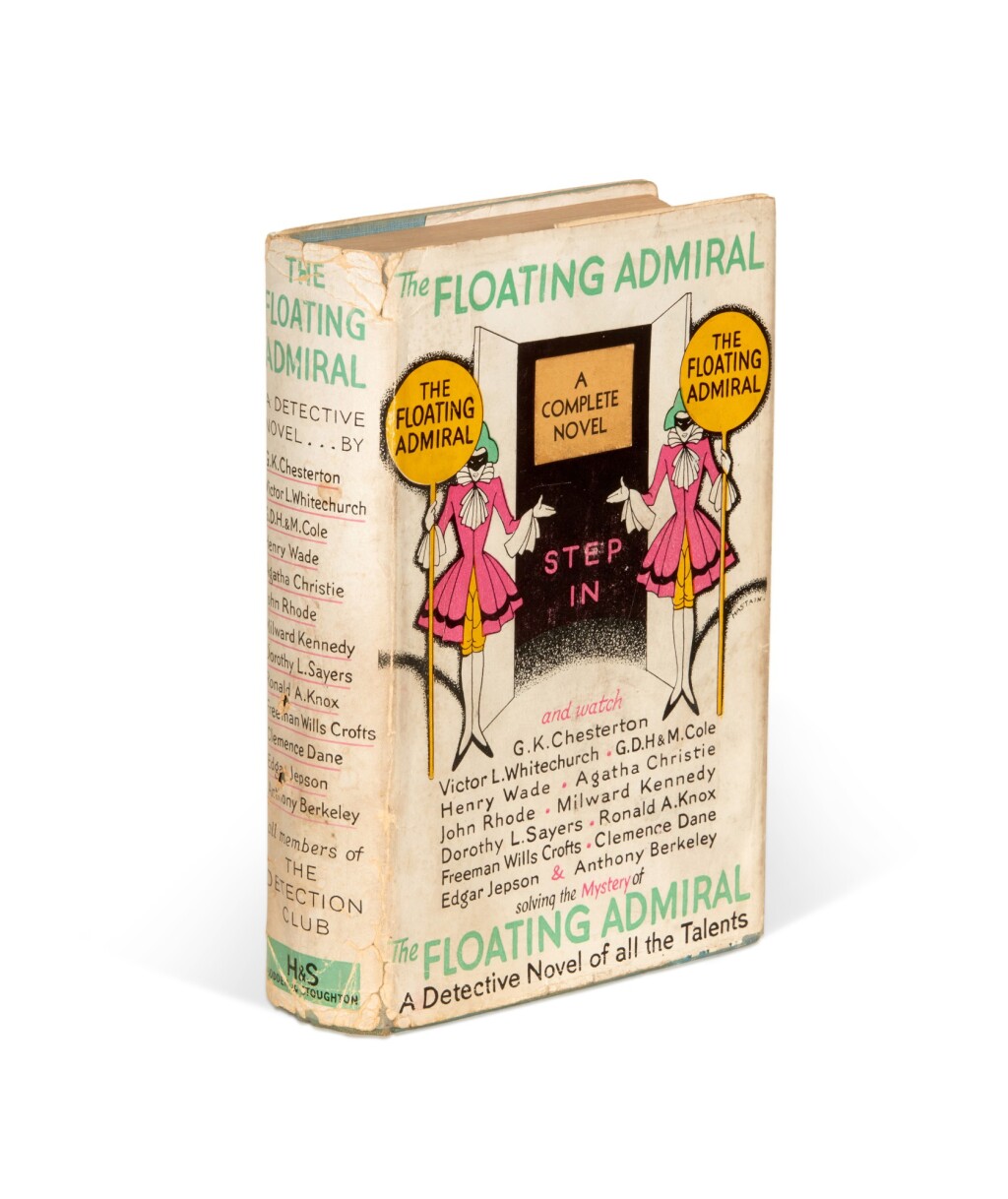
One of the earliest works by the American parodist Guy Wetmore Carryl, this collection of fables are adapted from Jean de La Fontaine’s Aesop-style originals from more than 200 years earlier. Carryl’s light-hearted re-tellings are rendered in verse, each ending without fail with a moral and a (normally dubious) pun. This particular edition benefits also from a series of illustrations by the wonderful Peter Newell. As well as this take off of Fontaine, Carryl also leant his parodying pen to Grimm’s Fairy Tales, including “How Little Red Riding Hood Came To Be Eaten” and “How Fair Cinderella Disposed of Her Shoe”.


Posted in Uncategorized | Tagged , , , | Leave a comment

It Goes On

by Lyn Lifshin


Posted in USA, Writing | Tagged | Leave a comment