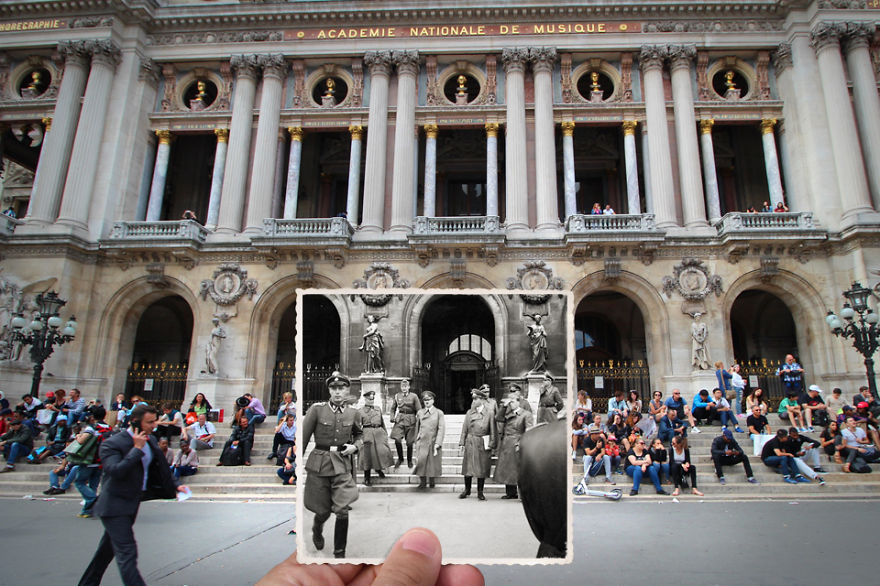
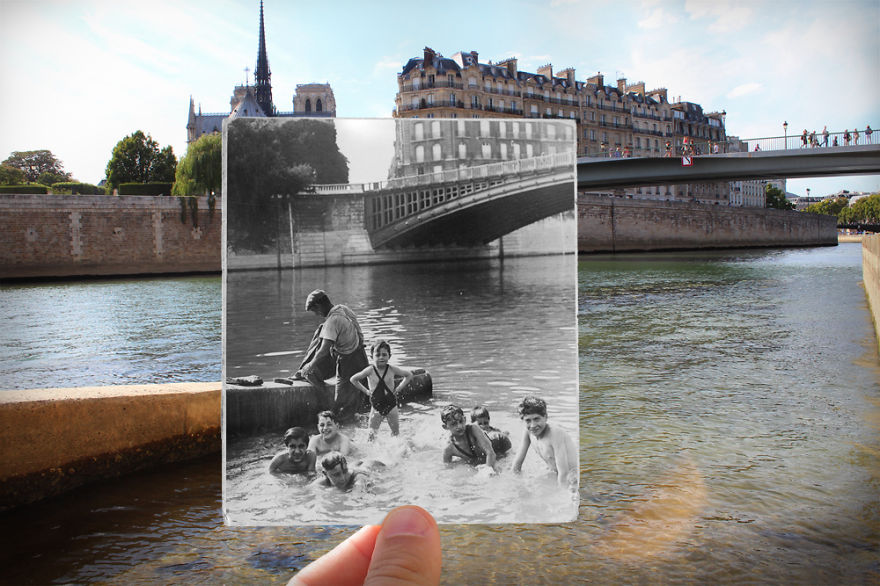
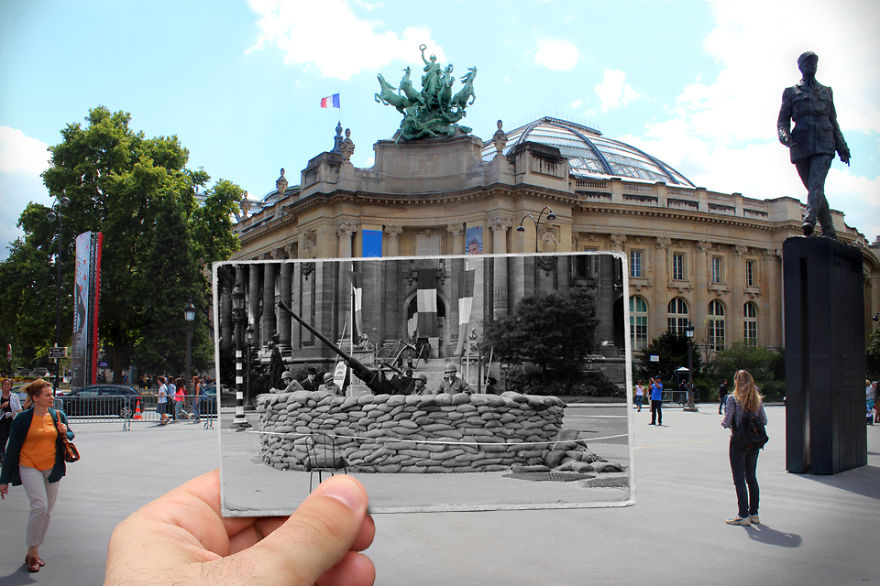
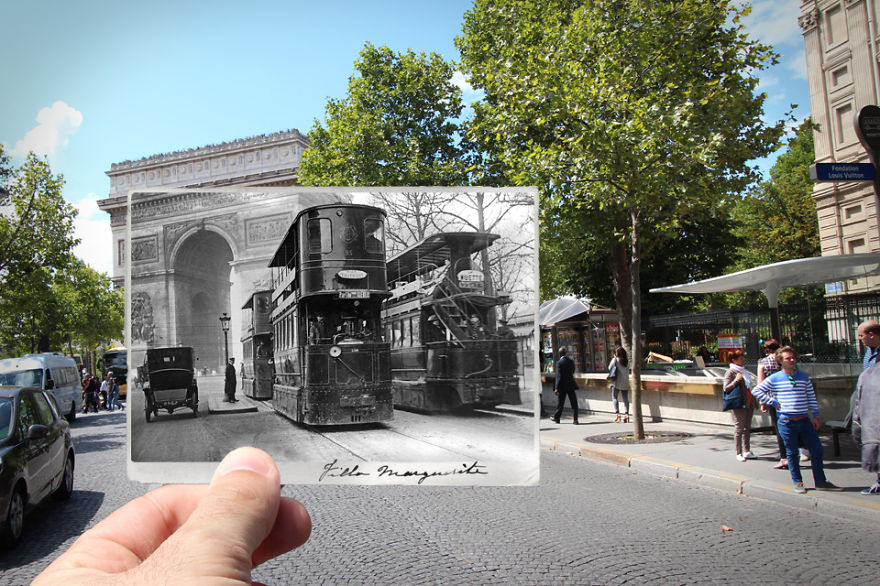
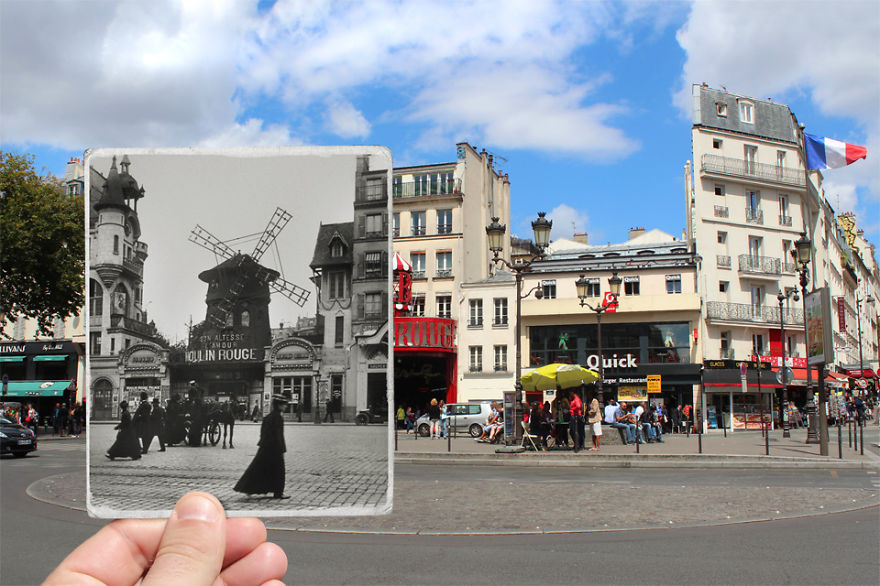
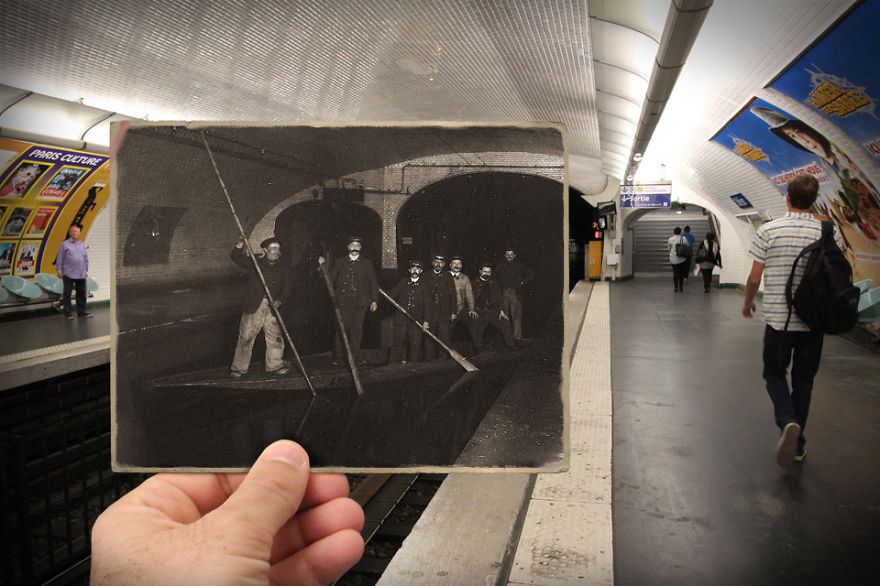
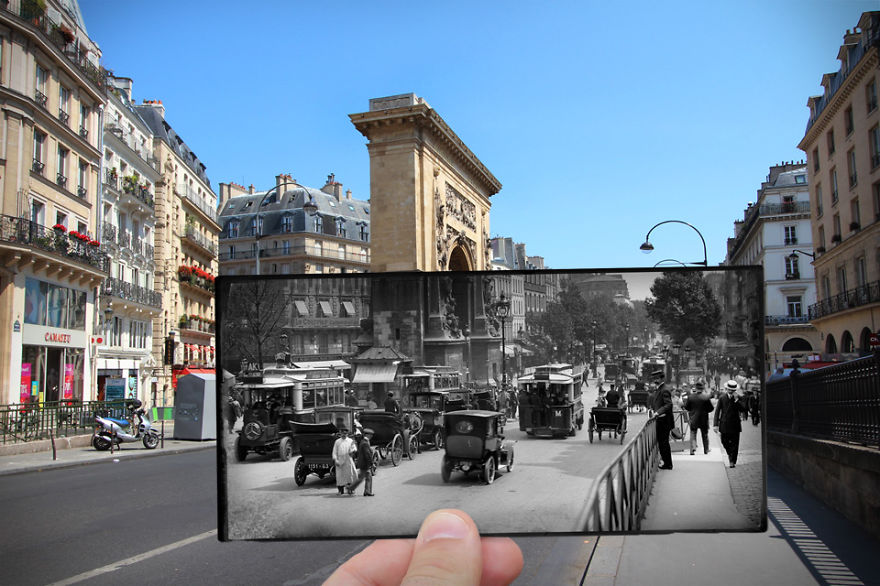
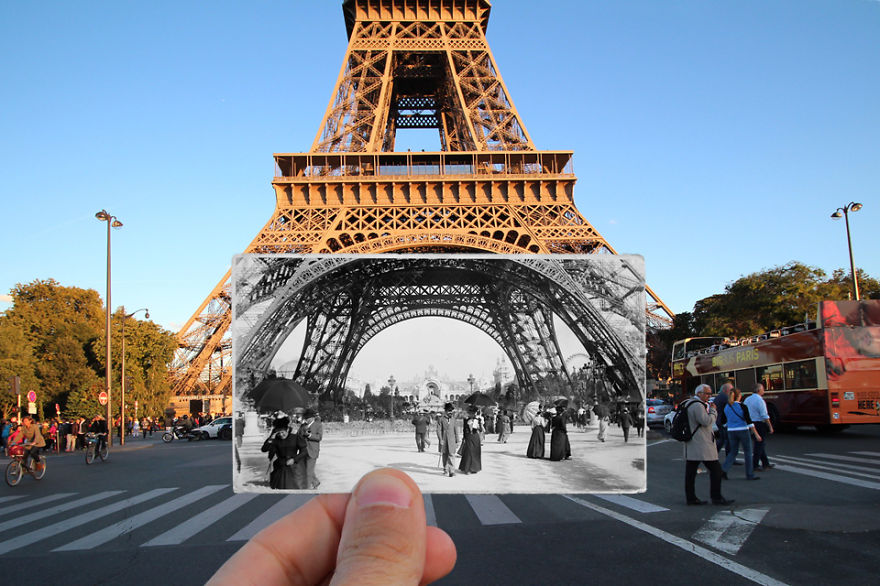
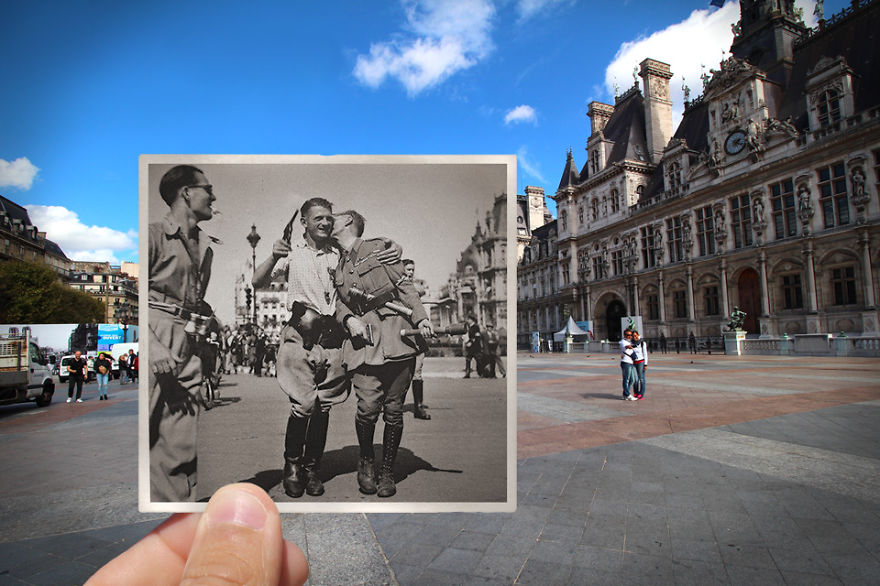
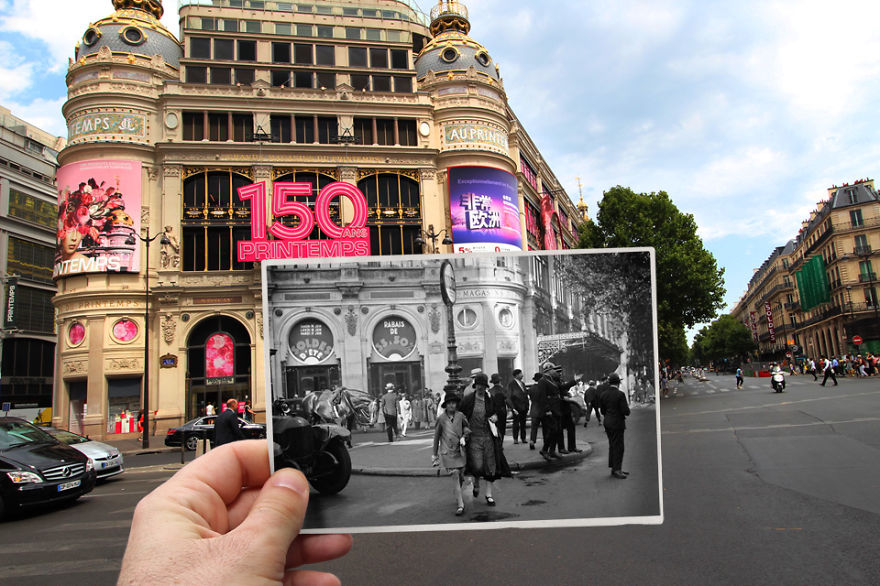
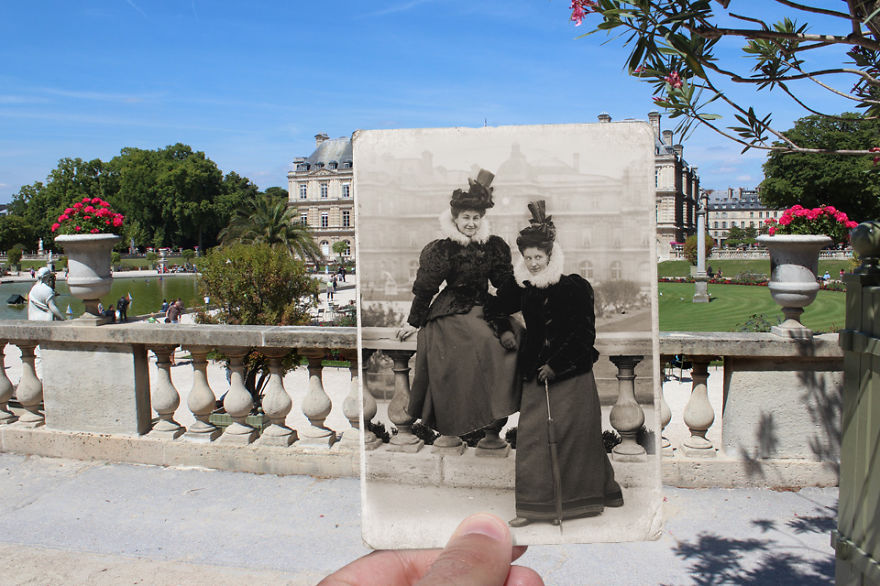
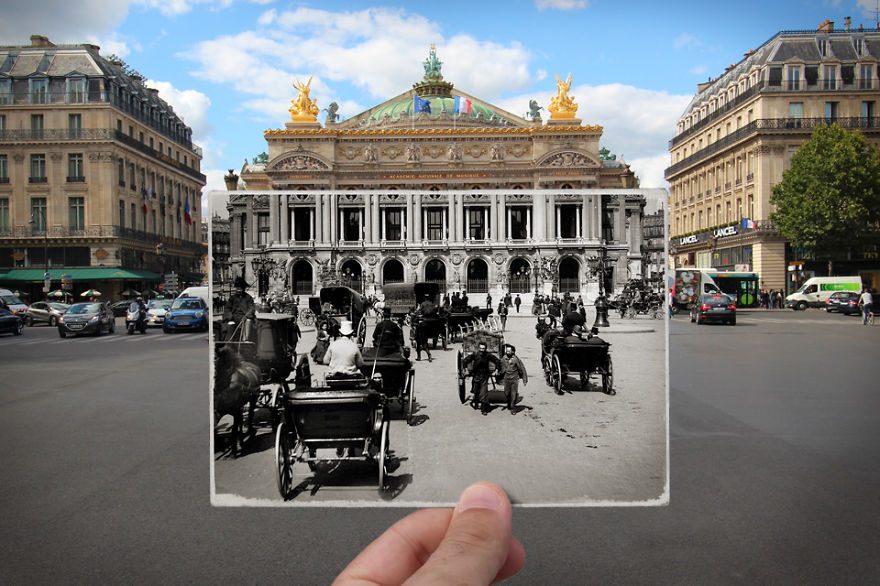
I’m a sucker for “then & now” photo mash-ups like this wonderful series of Parisian scenes. These images of Paris, all taken between 1871 and 1968, were then re-photographed at the exact spot and from the same angle. The series is from a new book by Paris-based photographer and art director Julien Knez titled Paris, Fenêtres sur l’Histoire. You may already know Knez from his wonderful pop culture blog golem13.
For 2,000 years the Temple of Dendur sat on the banks of the River Nile. In 1965, the government of Egypt gifted the Temple ruins to the United States and in 1978 it was rebuilt in the Sackler Wing of New York City’s grand Metropolitan Museum of Art. It’s an awesome experience to explore this extraordinary monument. Whenever I bring kids to the Met it’s difficult to tear them away.
The museum upped the awesome quotient with a fantastic project called “Color the Temple”. The videos below describe how they used image mapping to reveal the original decoration on the Temple. You can learn more about the project on the Met’s blog. Here’s a brief description of the Temple of Dendur from the Met:
Lining the temple base are carvings of papyrus and lotus plants that seem to grow from water, symbolized by figures of the Nile god Hapy. The two columns on the porch rise toward the sky like tall bundles of papyrus stalks with lotus blossoms bound with them. Above the gate and temple entrance are images of the sun disk flanked by the outspread wings of Horus, the sky god. The sky is also represented by the vultures, wings outspread, that appear on the ceiling of the entrance porch.
On the outer walls between earth and sky are carved scenes of the king making offerings to deities who hold scepters and the ankh, the symbol of life. The figures are carved in sunk relief. In the brilliant Egyptian sunlight, shadows cast along the figures’ edges would have emphasized their outlines. Isis, Osiris, their son Horus, and the other deities are identified by their crowns and the inscriptions beside their figures. These scenes are repeated in two horizontal registers. The king is identified by his regalia and by his names, which appear close to his head in elongated oval shapes called cartouches; many of the cartouches simply read “pharaoh.” This king was actually Caesar Augustus of Rome, who, as ruler of Egypt, had himself depicted in the traditional regalia of the pharaoh. Augustus had many temples erected in Egyptian style, honoring Egyptian deities. This small temple, built about 15 B.C., honored the goddess Isis and, beside her, Pedesi and Pihor, deified sons of a local Nubian chieftain.
In the first room of the temple, reliefs again show the “pharaoh” praying and offering to the gods, but the relief here is raised from the background so that the figures can be seen easily in the more indirect light. From this room one can look into the temple past the middle room used for offering ceremonies and into the sanctuary of the goddess Isis. The only carvings in these two rooms are around the door frame leading into the sanctuary and on the back wall of the sanctuary, where a relief depicts Pihor worshiping Isis, and below – partly destroyed – Pedesi worshiping Osiris.
One of the many exciting activities for travelers in Iceland is a whale watching trip. There are lots of options around the country, including sailings from Reykjavik, Akureyri, and Dalvik, but the most popular tours are out of Húsavik in the far north just below the Arctic Circle.
The largest whale watching outfit in town is North Sailing, which has also pioneered the use of historic wooden fishing vessels for their tours, and has also introduced eco-friendly ships powered by electric motors and sail.
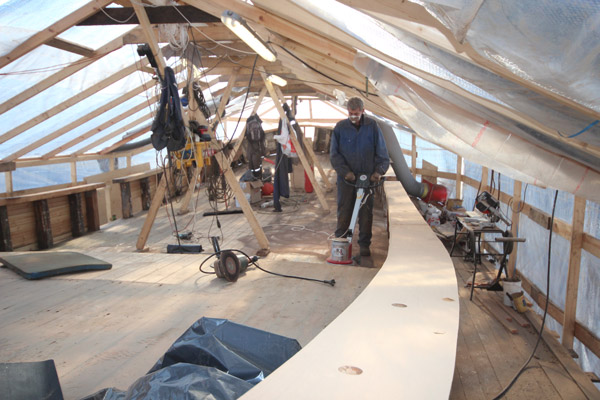
The latest addition to North Sailing’s fleet is fittingly a former whale hunting ship. The old wooden vessel was raised from the harbor at Sanderdi on the Reykjanes Peninsula in southwest Iceland where it sank many years ago. The ship, which is currently undergoing restoration, will run on clean electric power when it’s put into service this summer. How cool is that.
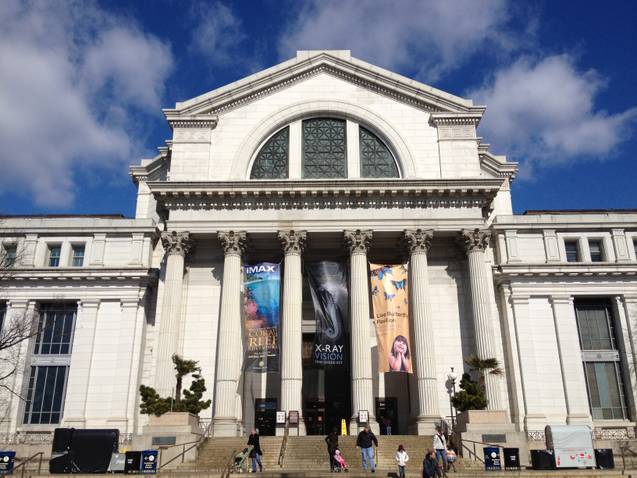
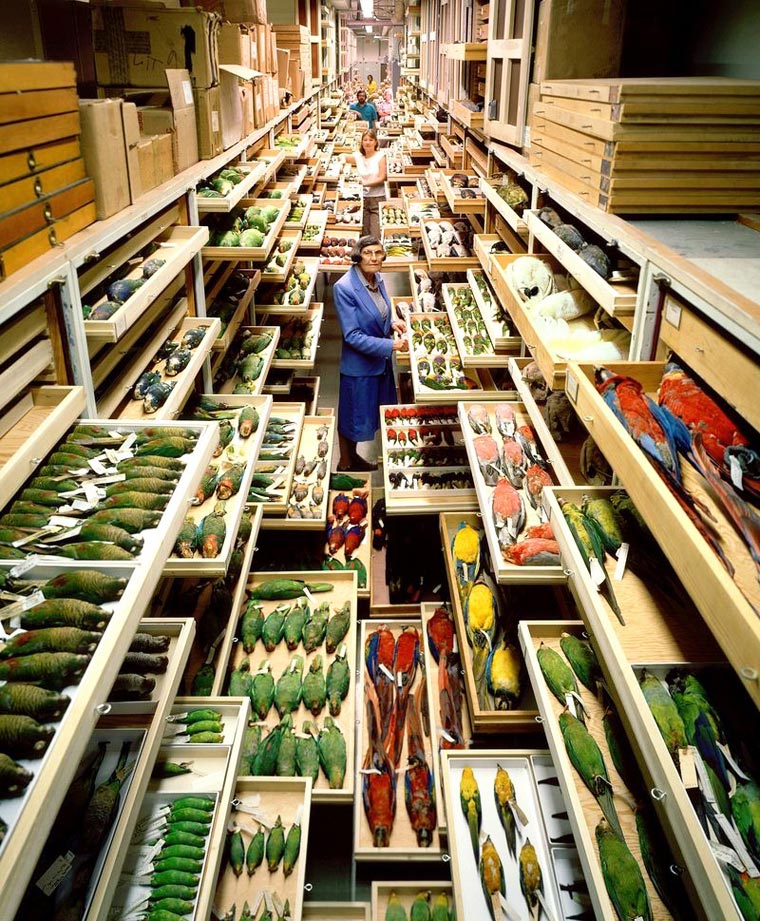
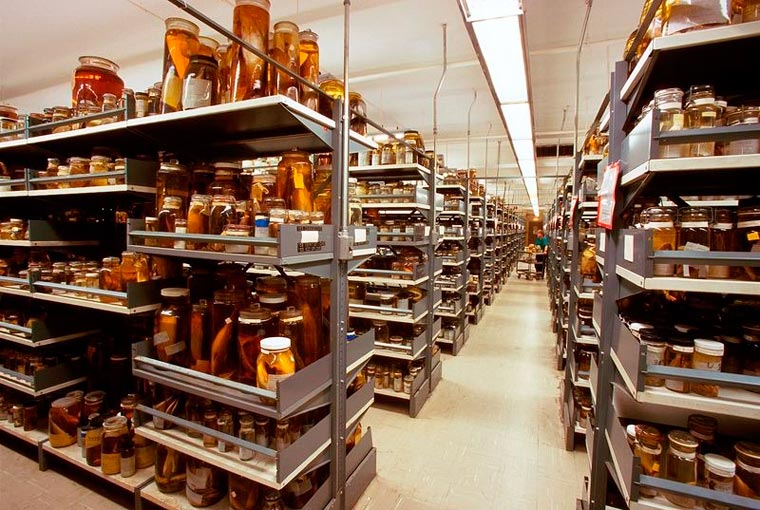
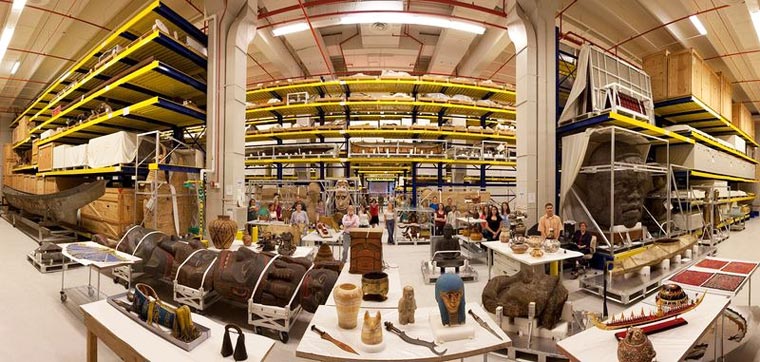
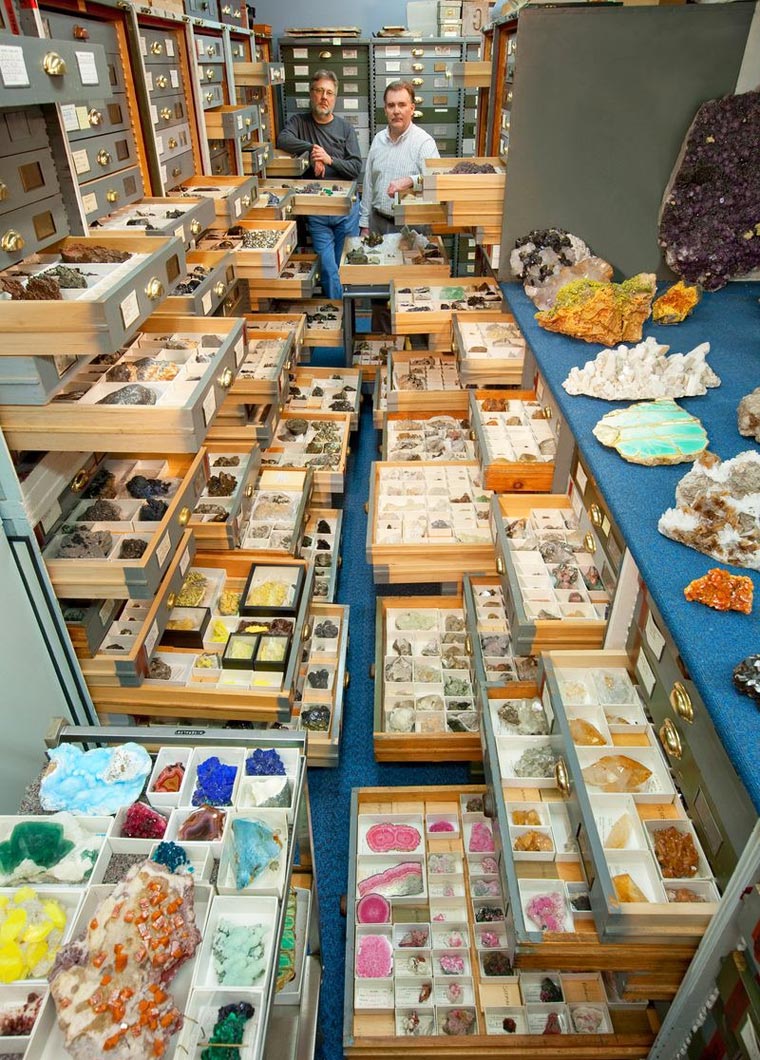
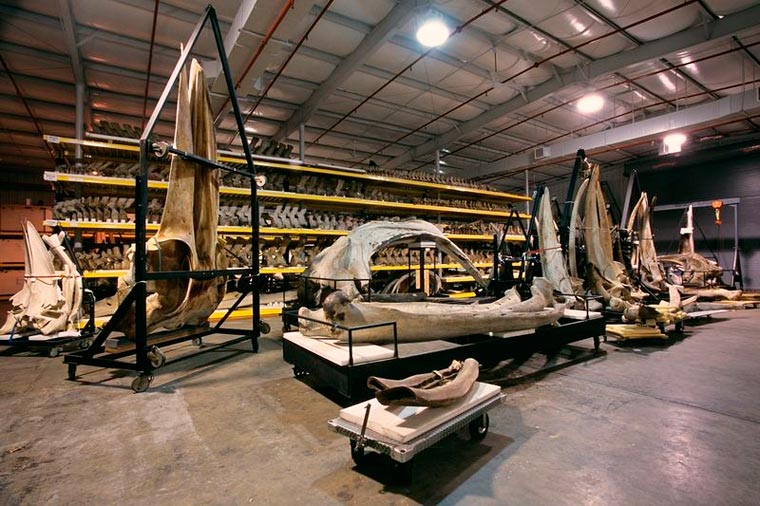
Washington D.C.’s outstanding National Museum of Natural History has decided to give us all a behind the scenes peek at its massive collections. The Smithsonian Institution has allowed photographer Chip Clark unprecedented access to just a small part of its incredible 126 million specimens of animals, insects,plants, fossils, dinosaurs, insects, rocks, minerals, and other fascinating objects.
If you haven’t yet had the opportunity to visit Washington D.C., it’s well worth the trip just to see the splendid Smithsonian museums around the city.
This amusing video provides simple instruction on how to eat for free in New York City, assuming that you’re up for a little dumpster diving. Although it’s been years, I have to admit that I was a practitioner of the freegan lifestyle way before it even had a name. Judging by this video, the food choices have gone upscale since my day.
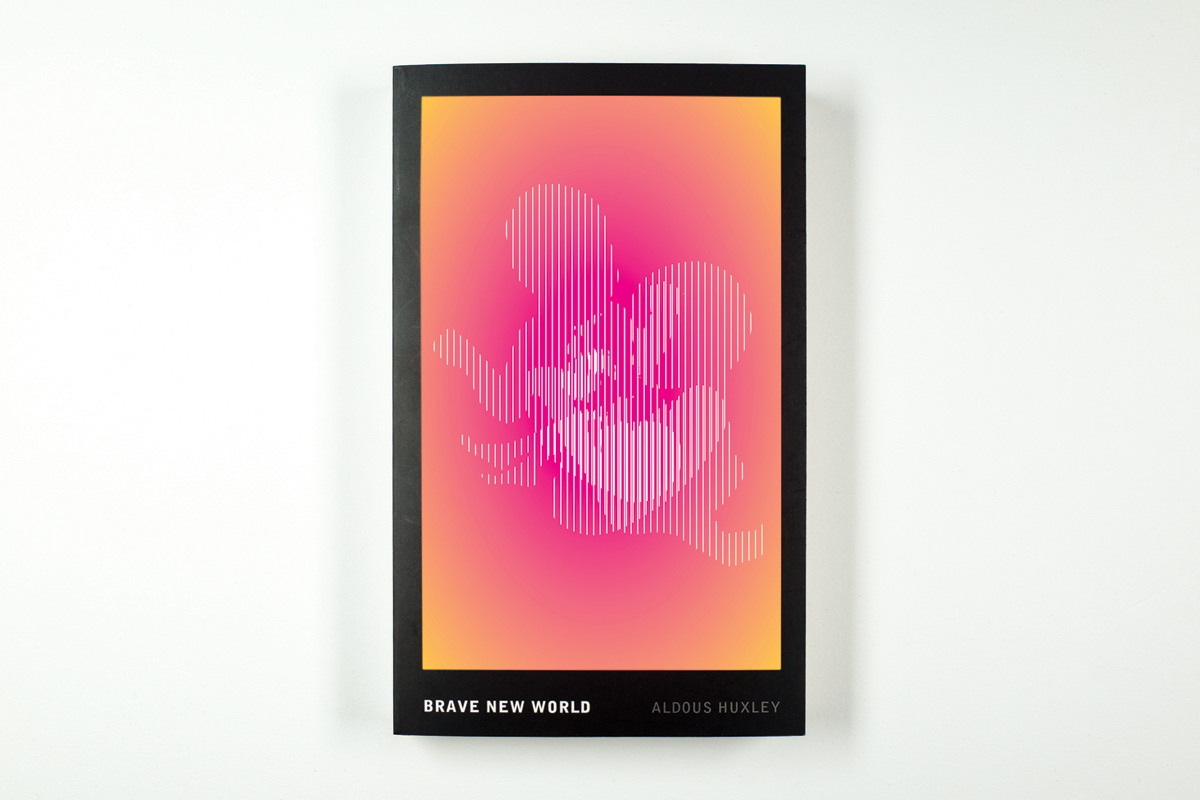
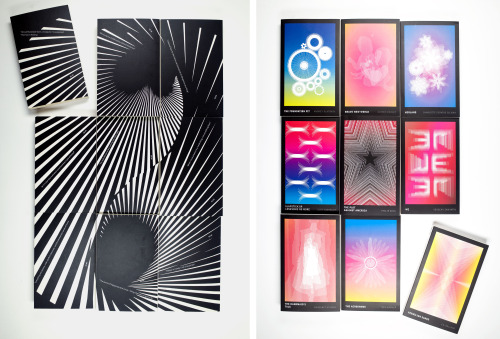
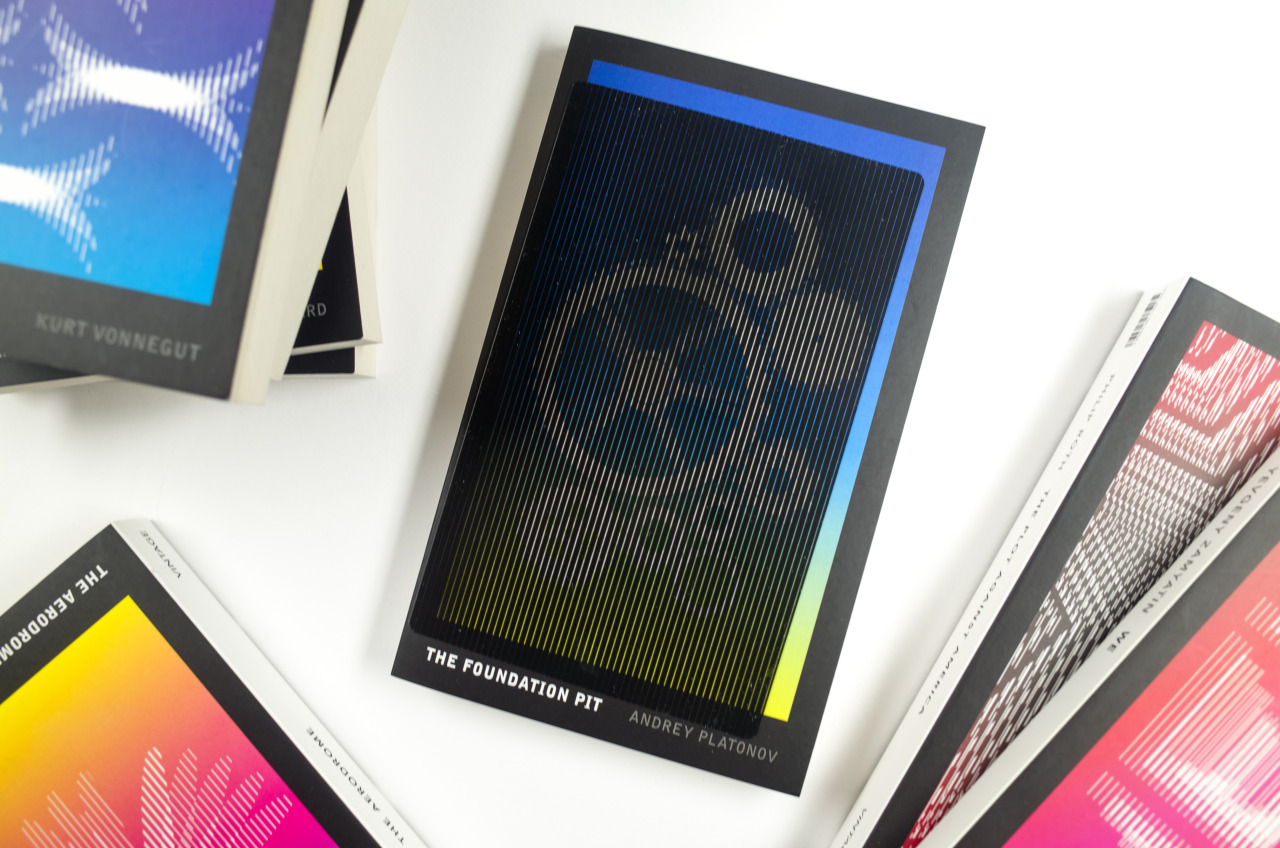
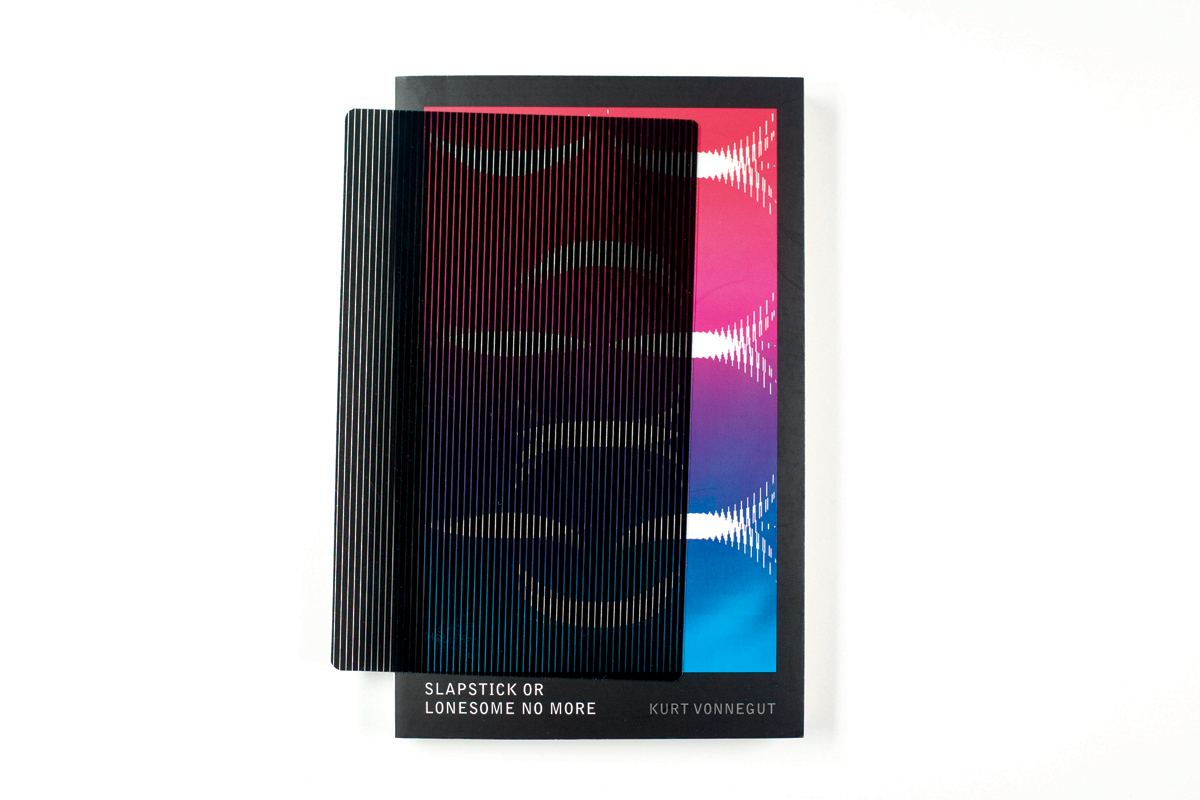
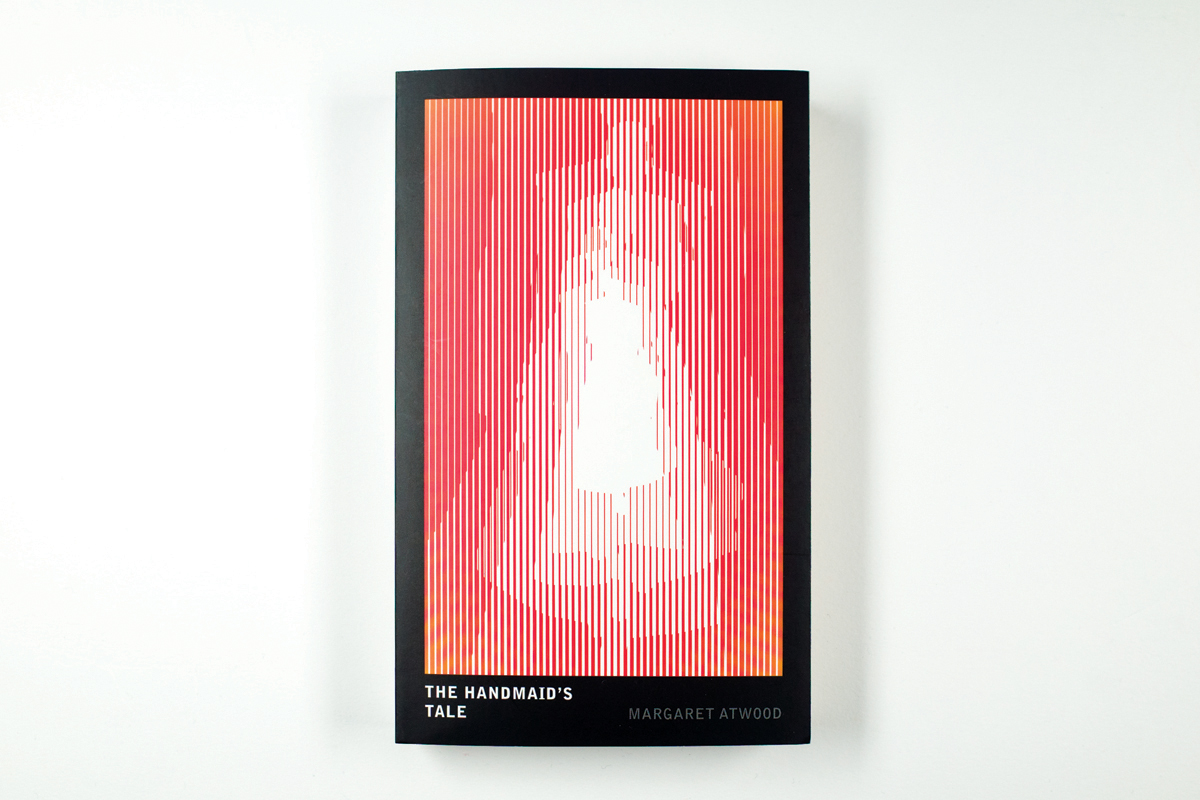
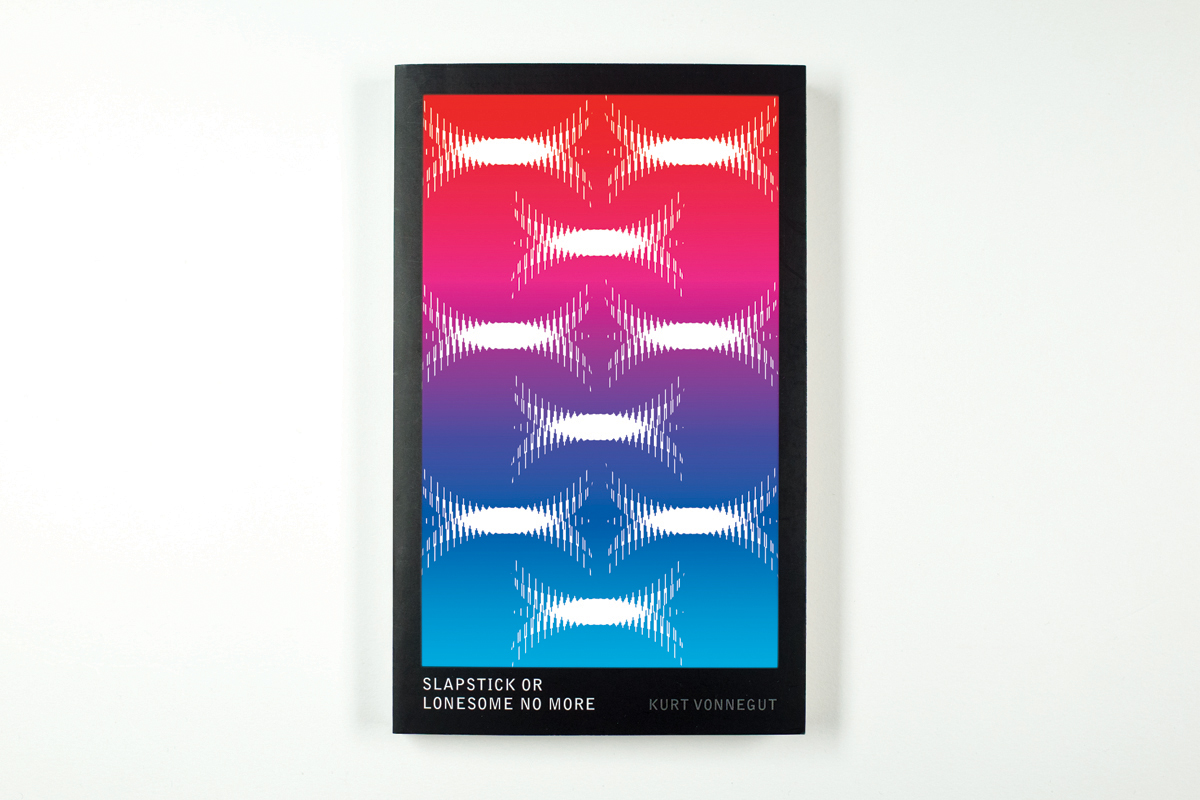
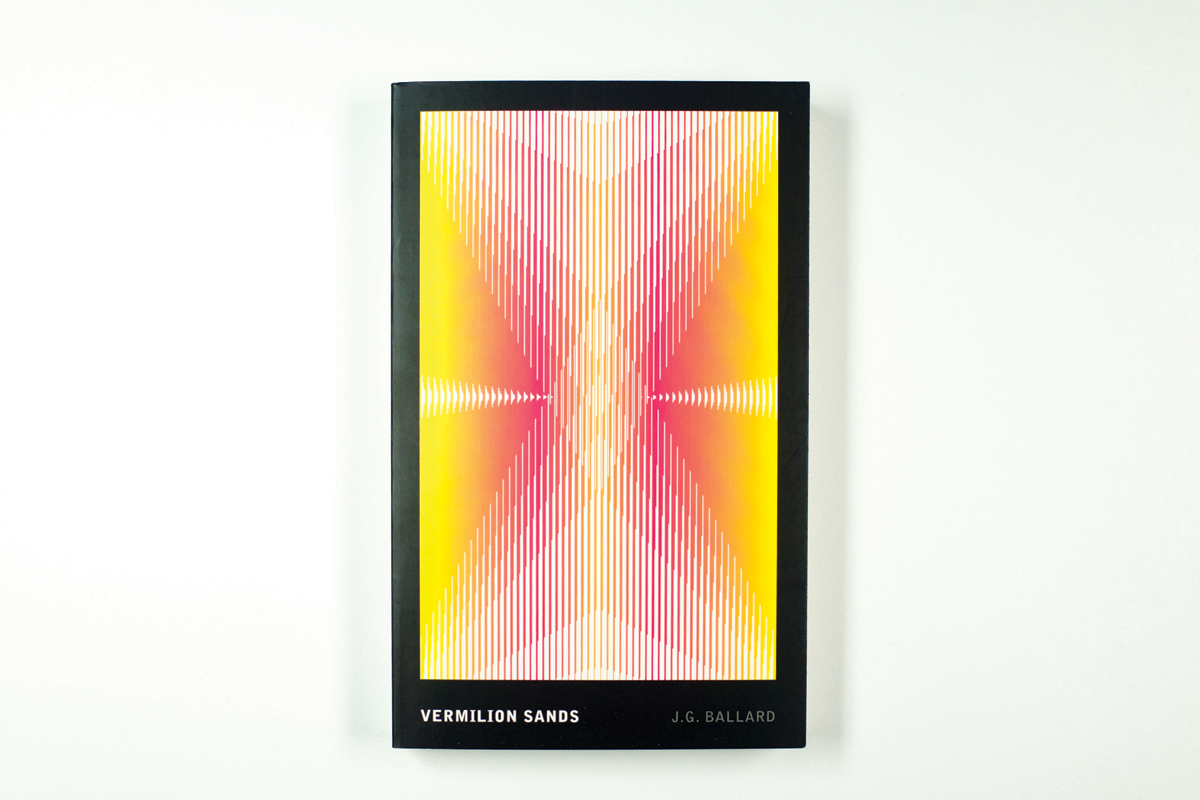
Vintage has just republished a fantastic set of dystopian and futuristic paperback fiction in a series titles “Vintage Futures”. Each of the books includes an attached sheet of acetate that can be used to “animate” the cover image.
The nine book covers feature highly stylized lenticular illustrations that suit the sci-fi nature of the series. When the covers of each book are aligned together they form a 1965 artwork by Italian artist and designer Franco Grignani called “Centifugal and Centripedal Structure”.
There’s more about the series on the Vintage design blog.
I’m an avid follower of the Londonist blog, where I found the “Tube Map of Lost London”. The nostalgic, alternative map depicts once well known sites and neighborhoods that have been lost to history. Although even I’m old enough to remember one or two. The old Planetarium on Baker Street in Marylebone hasn’t been gone all that long. But I’ll always fondly remember the former Swiss Centre on Leicester Square. The original building and cultural center is easily forgettable, but the Swiss Café on the ground floor served the most delicious flourless chocolate cake that I’ve ever tasted.
Check out the Londonist for detailed histories of all of the stops on the Lost London Map.















 Travel Between The Pages