One word of truth outweighs the world

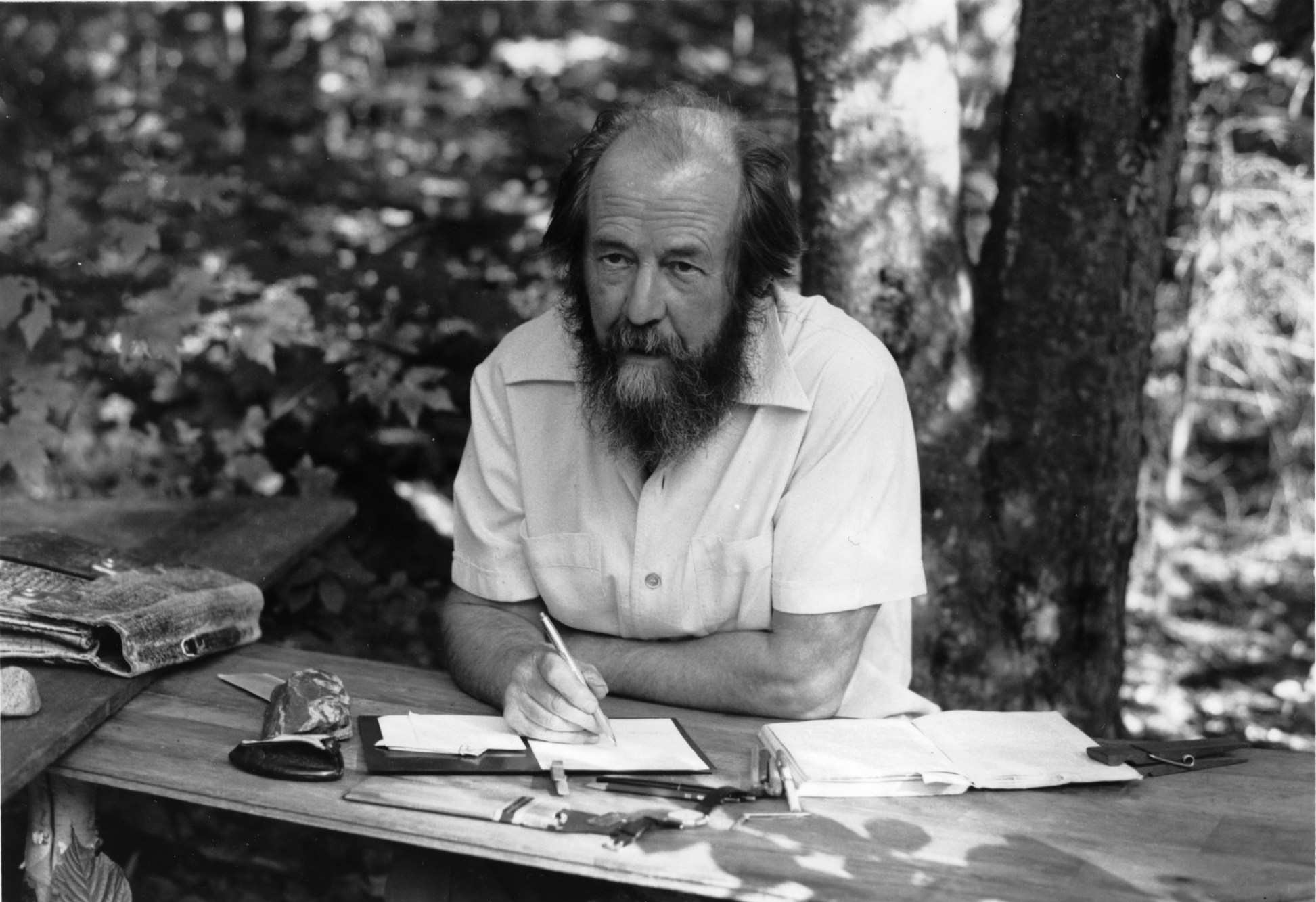
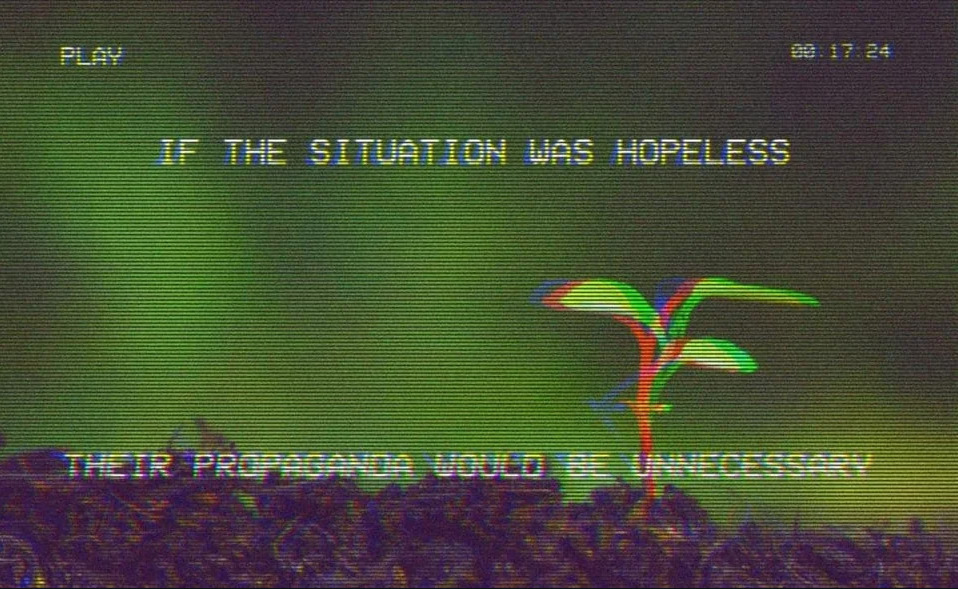
To stand up for truth is nothing. For truth, you must sit in jail. You can resolve to live your life with integrity. Let your credo be this: Let the lie come into the world, let it even triumph. But not through me. The simple step of a courageous individual is not to take part in the lie. One word of truth outweighs the world. In keeping silent about evil, in burying it so deep within us that no sign of it appears on the surface, we are implanting it, and it will rise up a thousand fold in the future. When we neither punish nor reproach evildoers, we are not simply protecting their trivial old age, we are thereby ripping the foundations of justice from beneath new generations.

—Aleksandr I Solzhenitsyn, Архипелаг ГУЛАГ, часть 1, глава 5 (1973)

Posted in Books, Europe, Restaurants, Writing | Tagged , | Leave a comment

Black History

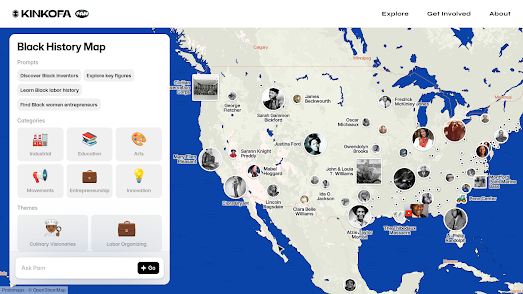
The Black History Month Map is a new collaborative and dynamic map developed by kinkofa and PamPam to honor and document the significant places, individuals, and movements that have shaped Black history. To help you explore the invaluable contributions of Black Americans to U.S. history, the map is powered by PamPam’s “Ask Pam” AI assistant.

The current neo-Fascist Trump regime has been working overtime trying to erase Black History Month, but we won’t allow them to succeed. Here’s how the folks behind the map site have to say about the project:

For centuries, Black cartographers and mapmakers have used mapping as a tool for resistance, storytelling, and preservation. Louise E. Jefferson shaped how the world visualized Black life and culture. W.E.B. Du Bois used maps and data to expose racial injustice. Black mapping traditions carry stories, power, and legacy—charting the ways Black communities move, build, and shape the world.

This Black History Month, kinkofa and PamPam continue that legacy with the Black History Month Map, a living archive of the places, people, and movements that have shaped history.

The first curation of this map honors the 2025 Black History Month theme, African Americans and Labor, set by the Association for the Study of African American Life and History (ASALH)—the organization founded by Carter G. Woodson, the creator of Black History Month.

More than a collection of locations, this map connects history to the present. With each pin added, communities expand this archive—mapping the figures, stories, and landmarks that deserve recognition.

Explore. Contribute. Keep Black history visible.

The Black History Month Map allows you to discover and learn more about the places, people, and movements that have influenced Black history in the United States. To navigate the vast amount of information available, you can use the categories and themes highlighted in the map’s sidebar. For example, selecting “Movements” will filter the map to display significant movements in African American history and their associated locations.
Additionally, the “Ask Pam” AI assistant enables you to search and filter results with ease. For instance, you could ask “Show me significant locations in the life of Martin Luther King” or “Highlight key locations in the Underground Railroad,” and the Black History Month Map will automatically display relevant results both on the map and in the sidebar.
The Black History Month Map is more than just a collection of locations – it is a living archive that invites everyone to participate by adding significant events, individuals, and landmarks. As more people explore and contribute, the map will continue to expand, creating an ever more comprehensive record of Black history.
Posted in Africa, Freedom of Speech, History, Maps, USA | Tagged , | Leave a comment

Taste of London

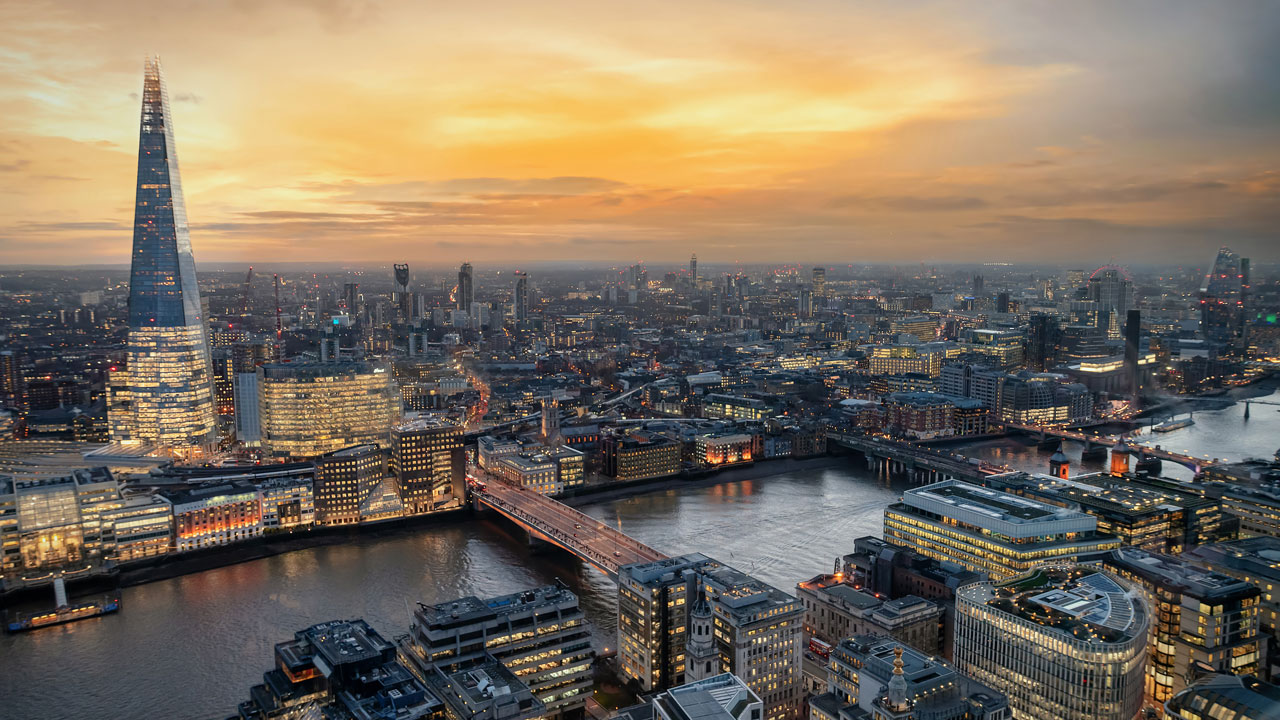
A team of four highly skilled photographers has created a mesmerizing flow motion timelapse of London, deploying novel techniques to tell the story of the U.K. capital.

A Taste of London is the fifth installment of FilmSpektakel’s long-running A Taste of series  which previously covered Los Angeles, Vienna, and New York City.


Posted in Europe, Film, Photography, Tech, Tourism | Tagged , , | Leave a comment

Going In Style

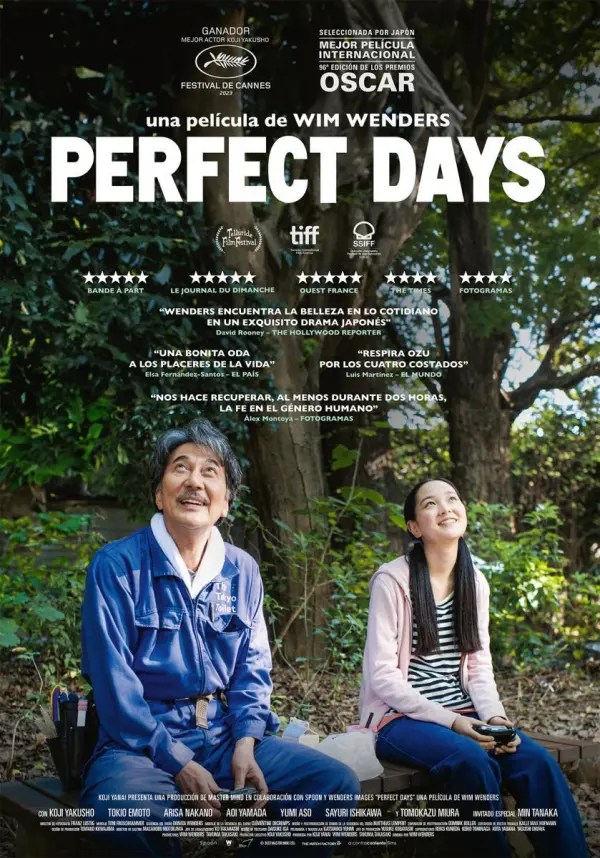
I finally managed to see Wim Wender’s superb film Perfect Days. This truly moving and heartfelt movie centers on a Tokyo resident who is employed cleaning a set of special public toilets in the Shibuya City district. If you haven’t seen it, I highly recommend that you do.

In 2020, the city of Shibuya and Nippon Foundation embarked on an initiative called Tokyo Toilet. They brought together some of the biggest names in architecture and design to renovate 17 public restrooms all throughout Shibuya. There’s even a series of tours that offer in-depth exploration into the crossroads of public hygiene and architecture.

The Tokyo Toilet Shuttle Tour is operated by ride-share company NearMe. A 4-hour long tour of all 17 toilet, or a 2-hour long tour divided into East and West, guides restroom enthusiasts through what are referred to as the symbols of Japan’s world-renowned hospitality culture. During the tour or after, you’ll never have to worry about finding a public restroom in Tokyo ever again.

You can learn more about the tours and sign up over at NearMe.


Posted in Asia, Film, movies, Tourism | Tagged , , | 2 Comments

How we live now (almost)

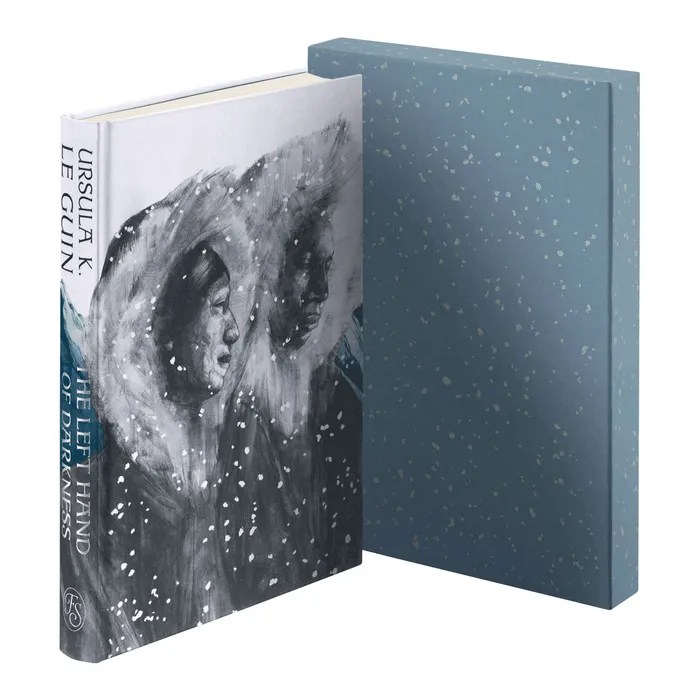
It’s been more than a year since I read Paul Lynch’s Booker Prize winning novel Prophet Song, but I’ve been thinking more and more about it lately.

Prophet Song takes place in an alternate Dublin. Members of the newly formed secret police, established by a government turning towards totalitarianism, turn up on the doorstep of microbiologist Eilish asking for her husband, a senior official in the Teachers’ Union of Ireland. Soon, he disappears – along with hundreds of other civilians – and Eilish is left to look after their four children and her elderly father, fighting to hold the family together amid civil war.

Here’s what the Booker Prize judges had to say about the novel in 2023:

Prophet Song follows one woman’s attempts to save her family in a dystopic Ireland sliding further and further into authoritarian rule. It is a shocking, at times tender novel that is not soon forgotten. Propulsive and unsparing, it flinches away from nothing. This is an utterly brave performance by an author at the peak of his powers, and it is terribly moving.’

Over the last few years, I’ve read, and re-read, a number of dystopian novels. Somehow they seemed to provide the appropriate theme for plague times. But Prophet Song left me shaken. It is a tremendous achievement, telling a dark story of a society’s descent into war with implications for all of the western democracies.

“I didn’t write this book to specifically say ‘here’s a warning’, I wrote the book to articulate the message that the things that are happening in this book are occurring timelessly throughout the ages, and maybe we need to deepen our own responses to that kind of idea,” Lynch said, later adding that he is “distinctly not a political novelist”.

There’s a line from Cormac McCarthy’s The Crossing that Lynch sought to use as an epigraph that speaks to his intention, but he couldn’t get permission in time for publication: “The task of the narrator is not an easy one … He appears to be required to choose his tale from among the many that are possible. But of course that is not the case. The case is rather to make many of the one.”’


Posted in Books, Europe, Freedom of Speech, Writing | Tagged , , | 1 Comment

Writer’s Dog


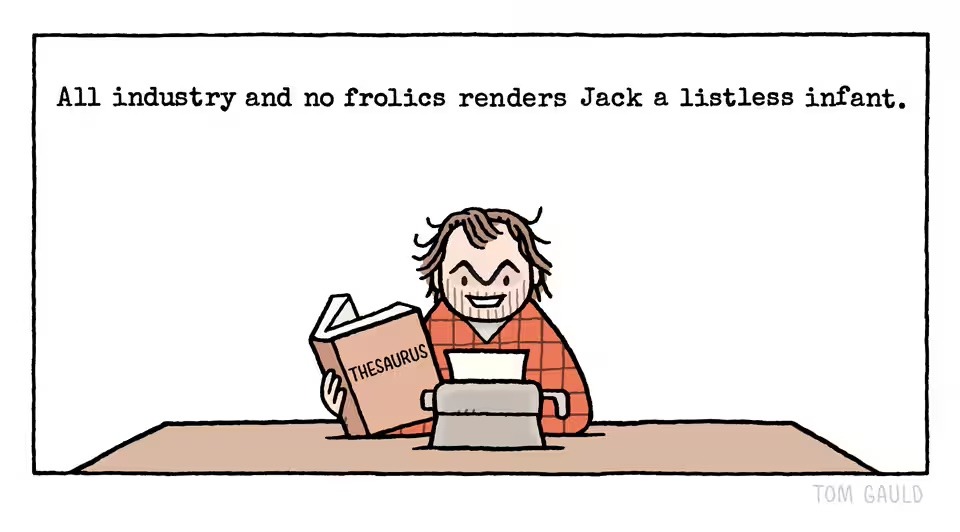
Posted in Art, Restaurants, Writing | Tagged | Leave a comment

The Trial

This year marks the 100th anniversary of the posthumous publication of Franz Kafka’s chilling novel of the nightmare world of authoritarian repression and merciless bureaucracy. I remember reading the book only after I saw Orson Welles’ chilling film production. Somehow I missed the release of a 4k re-issue of the film for its 60th anniversary. However, there’s a free version of the original on the Internet Archive here. And, here’s a trailer for the 60th anniversary release.

“When it comes to film adaptations of very famous works of literature, there’s always a lot of pressure on the artist to produce something worth its background. In this case, Welles created a technically grandiose movie loyal to Kafka’s story, but enhanced by the infusion of Welles’ own vision. The Trial stands as one of the most accomplished book-to-film adaptations, and in Welles’ rich career, it’s a film that ranks among the very best.”

It seems particularly appropriate to be looking back at The Trial at this time when many Americans are anticipating a knock on the door from the Musk/trump jackbooted thugs.

Posted in Books, Europe, Film, History, movies, Restaurants, Writing | Tagged , , | 1 Comment

First there is a mountain…

Mount Taranaki New Zealand

First there is a mountain, then there is no mountain, then there is

Taranaki Maunga, or Mount Taranaki, has peaked to sentience—at least in a legal sense. New Zealand’s Parliament has granted the sacred mountain legal personhood, recognizing its cultural and spiritual importance to the Taranaki Māori. This decision, finalized on January 31, 2025, means the mountain will be represented in legal matters, ensuring its formal protection. The move elevates the ancestral mountain from geographical feature to living entity in the eyes of the law.

The legislation establishes Te Kāhui Tupua, a legal entity that encompasses Taranaki Maunga and its surrounding peaks, reflecting both their physical presence and spiritual significance. A governance board, split between four representatives from local Māori iwi and four appointees from the Conservation Minister, will act as the mountain’s voice. Their role is to safeguard its health and well-being, ensuring that decisions align with Māori values and environmental conservation efforts.

This decision is part of a broader effort to address historical injustices. During the 19th century, the Crown confiscated Taranaki Maunga from Māori communities as part of British colonization. Recognizing the mountain as a legal entity is seen as a step toward reconciliation.

Alongside this recognition, the Crown has issued an official apology and financial redress to the Taranaki iwi. The law also formally retires the colonial-era name “Mount Egmont” to reinforce the mountain’s indigenous identity.

New Zealand has taken similar steps before, granting legal personhood to the Whanganui River in 2017 and Te Urewera forest in 2014. Such authorizations reaffirm the deep connection between land and cultural identity. Giving natural landmarks the right to stand up in court reflects a growing integration of Māori perspectives into legal and environmental policies, treating them not as commodities but as ancestors deserving of care and respect.

Before a man studies Zen, to him mountains are mountains and waters are waters; after he gets an insight into the truth of Zen through the instruction of a good master, mountains to him are not mountains and waters are not waters; but after this when he really attains to the abode of rest, mountains are once more mountains and waters are waters.

Posted in Asia, Tourism | Tagged , , | 1 Comment

Would You Pay to Stay in a Shipping Container

Researching hotel accommodations for an upcoming Japan trip has resulted in some unusual options. One of the oddest is Hotel R9 The Yard. This chain with the industrial-sounding name is notable for its unique lodgings, which are made out of storage containers.

This unusual style of accommodation first opened its doors to the public in December 2018, and when it was used to alleviate accommodation shortages at the time of the Tokyo Olympics, it became increasingly well-known. According to the chain’s official website, as of January 2025, 101 branches are being developed nationwide, and judging by the great reviews, it’s likely to become even more popular.

You can get great deals on stays when booking at online accommodation sites, with prices starting at 5,800 yen (US$37.37) a night. This gets you free Wi-Fi, amenities such as towels, robes, and toothbrushes, and even hot drinks and light food.

photos © SoraNews

Posted in Asia, Hotels, Tourism | Tagged , | Leave a comment

et cetera

It was W.H. Auden who said: ‘there are good books which are only for adults, because their comprehension presupposes adult experiences, but there are no good books which are only for children.’ The great discipline of children’s fiction is that it has to be written for everyone: because if it is not for everyone then it’s not for anyone at all. It offers us the specific joy of finding our commonality: we can all meet on the pages of A.A. Milne in a way that we cannot on the pages of Jacques Derrida.

“This is precisely the time when artists go to work. There is no time for despair, no place for self-pity, no need for silence, no room for fear. We speak, we write, we do language. That is how civilizations heal. I know the world is bruised and bleeding, and though it is important not to ignore its pain, it is also critical to refuse to succumb to its malevolence. Like failure, chaos contains information that can lead to knowledge — even wisdom. Like art.”

— Toni Morrison

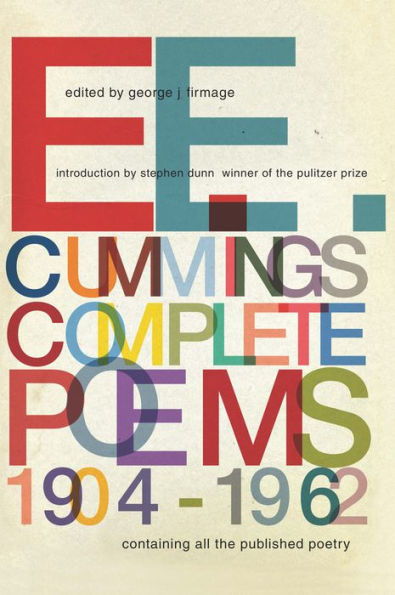
In 1955, the editor of a Michigan high school newspaper wrote to E.E. Cummings, asking his advice for students who wanted to follow in his footsteps. He sent this reply:

A Poet’s Advice to Students

A poet is somebody who feels, and who expresses his feeling through words.

This may sound easy. It isn’t.

A lot of people think or believe or know they feel — but that’s thinking or believing or knowing; not feeling. And poetry is feeling — not knowing or believing or thinking.

Almost anybody can learn to think or believe or know, but not a single human being can be taught to feel. Why? Because whenever you think or you believe or you know, you’re a lot of other people: but the moment you feel, you’re nobody-but-yourself.

To be nobody-but-yourself — in a world which is doing its best, night and day, to make you everybody else — means to fight the hardest battle which any human being can fight; and never stop fighting.

As for expressing nobody-but-yourself in words, that means working just a little harder than anybody who isn’t a poet can possibly imagine. Why? Because nothing is quite as easy as using words like somebody else. We all of us do exactly this nearly all of the time — and whenever we do it, we’re not poets.

If, at the end of your first ten or fifteen years of fighting and working and feeling, you find you’ve written one line of one poem, you’ll be very lucky indeed.

And so my advice to all young people who wish to become poets is: do something easy, like learning how to blow up the world — unless you’re not only willing, but glad, to feel and work and fight till you die.

Does this sound dismal? It isn’t.

It’s the most wonderful life on earth.

Or so I feel.

Posted in Art, Books, Freedom of Speech, History, Restaurants, USA, Writing | Tagged , , , , | 1 Comment