Many millennia ago, a nomadic groups of humans began to spread across extensive areas of Eurasia, bringing their language with them. About 8,000 years ago, from a homeland likely located on the Pontic–Caspian steppe north of the Black and Caspian Seas, these pioneers moved west into Europe, east toward Central Asia, and south toward the Indian subcontinent.
These migrants spoke Proto-Indo-European (PIE), a sophisticated, structured language with a rich system of grammar. The legacy of PIE surrounds us to this day. German, Italian, Farsi Hindi, Russian, Greek, and hundreds of other languages all descend from this single linguistic ancestor.
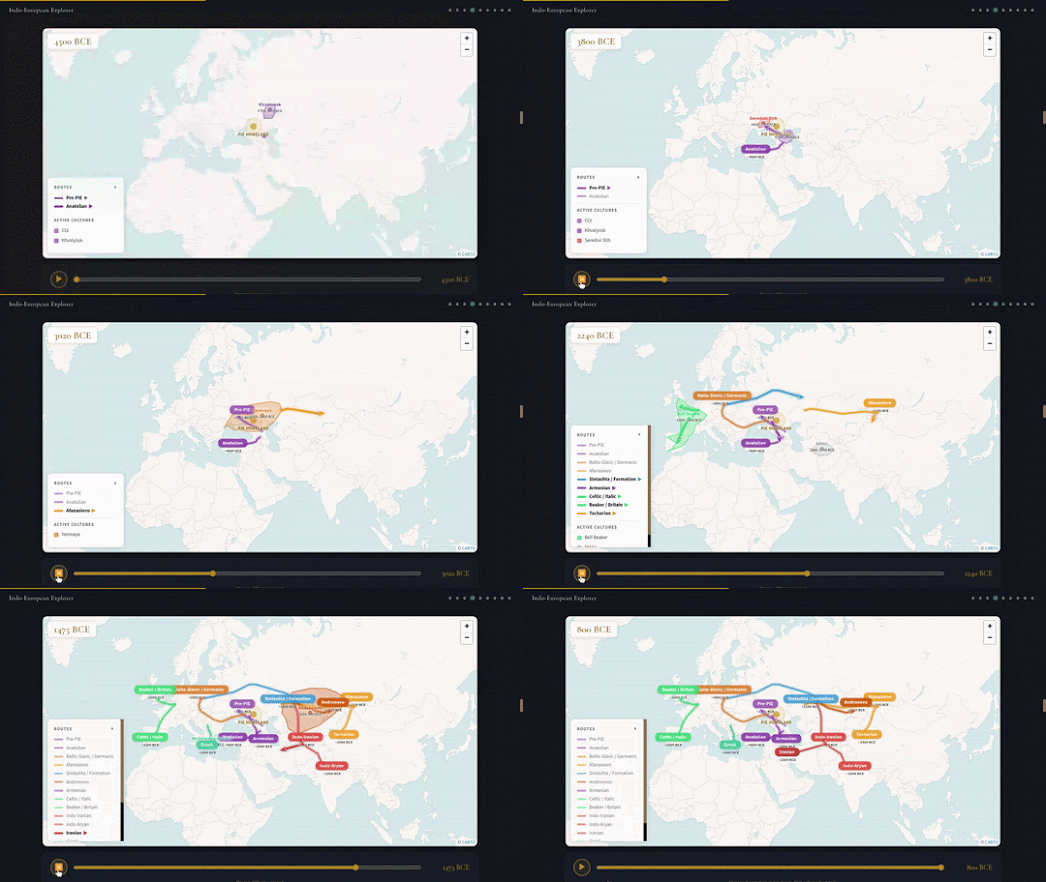
The Indo-European Explorer helps bring this story to life. Using thousands of ancient DNA samples, archaeological records, and extensive linguistic data, it turns this linguistic journey into an interactive experience – inviting you to trace the movements, connections, and transformations that shaped the languages that many of us speak today.
The Indo-European Explorer interactive map is only one part of this wide-ranging exploration of Proto-Indo-European, but it captures the project’s scope and precision. Presented as a chronological flow map, it charts the spread of Proto-Indo-European languages across Eurasia over thousands of years, offering a clear visual framework for its expansion
“Every sensitive person carries in himself old cities enclosed by ancient walls.” — Robert Walser
Sadly, Robert Walser is not often read these days, especially by English speakers. He had a tragic life, but penned some extraordinary literature.
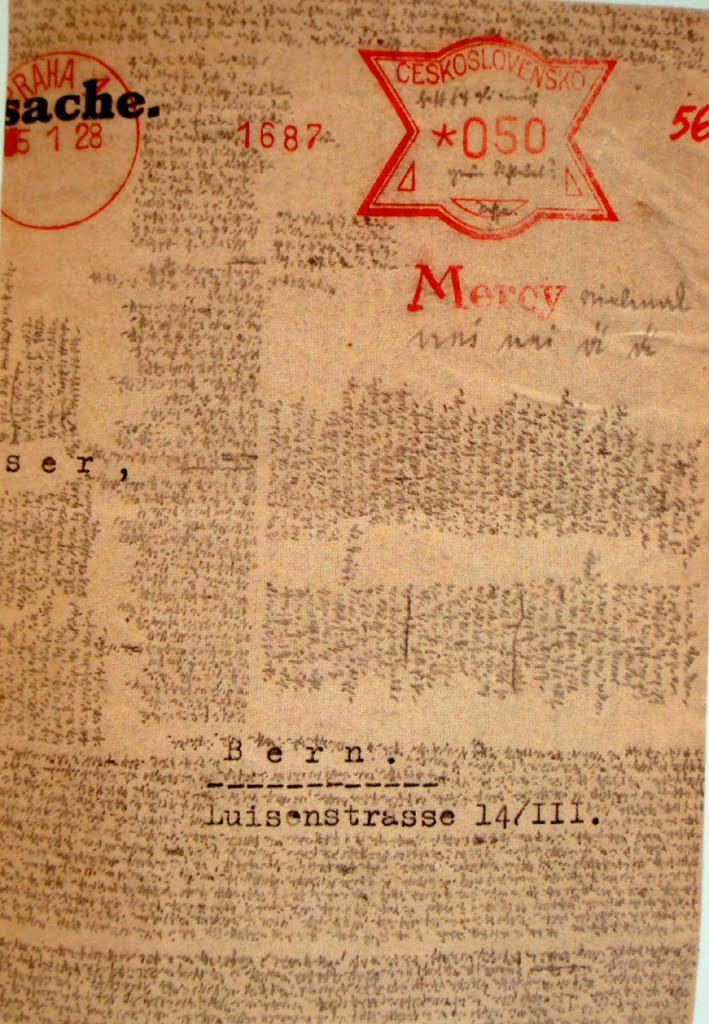
Due to a long struggle with schizophrenia, Walser was a patient at the sanatorium of Herisau (Switzerland) for nearly 30 years. He often wrote mikrogrammes (undecipherable short texts handwritten in a nano text-size) during long walks. On the 25th of December 1956 he was found, dead of a heart attack, in a field of snow near the asylum.
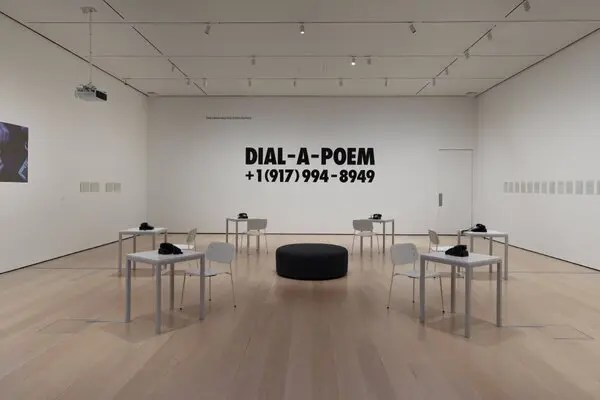
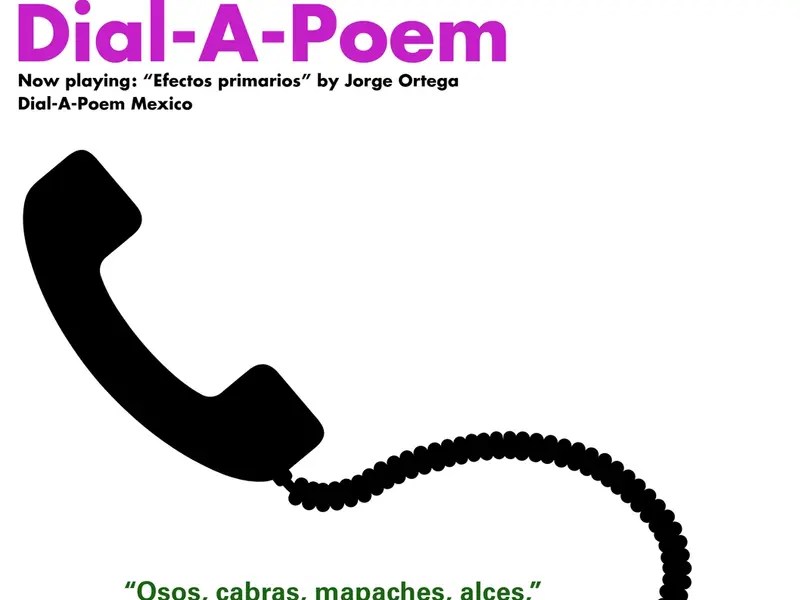
Dial-A-Poem is back! SPIN Magazine explains that Dial-A-Poem was created in 1969 by New York City “multimedia performance poet” John Giorno as way to give people access to the poems of a “free zone of radical poets and socio-political activists,” just by calling a phone number. The poets featured on Dial-A-Poem over the years have included Allen Ginsberg, William S. Burroughs, Patti Smith, John Ashbery, Amiri Bakara, and many more. SPIN further describes the project:
Dial-A-Poem became a beacon of progressive thought, a meeting space for provocation with new poems every day, and across 24 albums on his Giorno Poetry Systems label (G.P.S.). He continued to sprinkle his magic until his passing in 2019.
Now, Dial-A-Poem is back, and includes many of the old, original recordings from its first go-round, as well as new ones by, as SPIN explains, “poets, artists, musicians, and activists, along with international editions, where speakers read their work in the language native to their country.”
You can call Dial-A-Poem, which, according to SPIN, is serving up “prose, mantras, and calls to action” by artists from Brazil, France, Mexico, Italy, Thailand, Switzerland, and Hong Kong, at 1-917-994-8949, or use the online version, where you just click on the telephone headset graphic to retrieve a poem.
I was astonished by the new websiteisometric nyc. This project offers an amazingly detailed and incredibly comprehensive isometric pixel art map of New York City – not just Manhattan either, but all the other boroughs too, including my ancestral land of Brooklyn. It’s fascinating to zoom into and around America’s greatest metropolis. Be sure to take the time to read the “about” page. The technical details were over my head, but still intriguing.
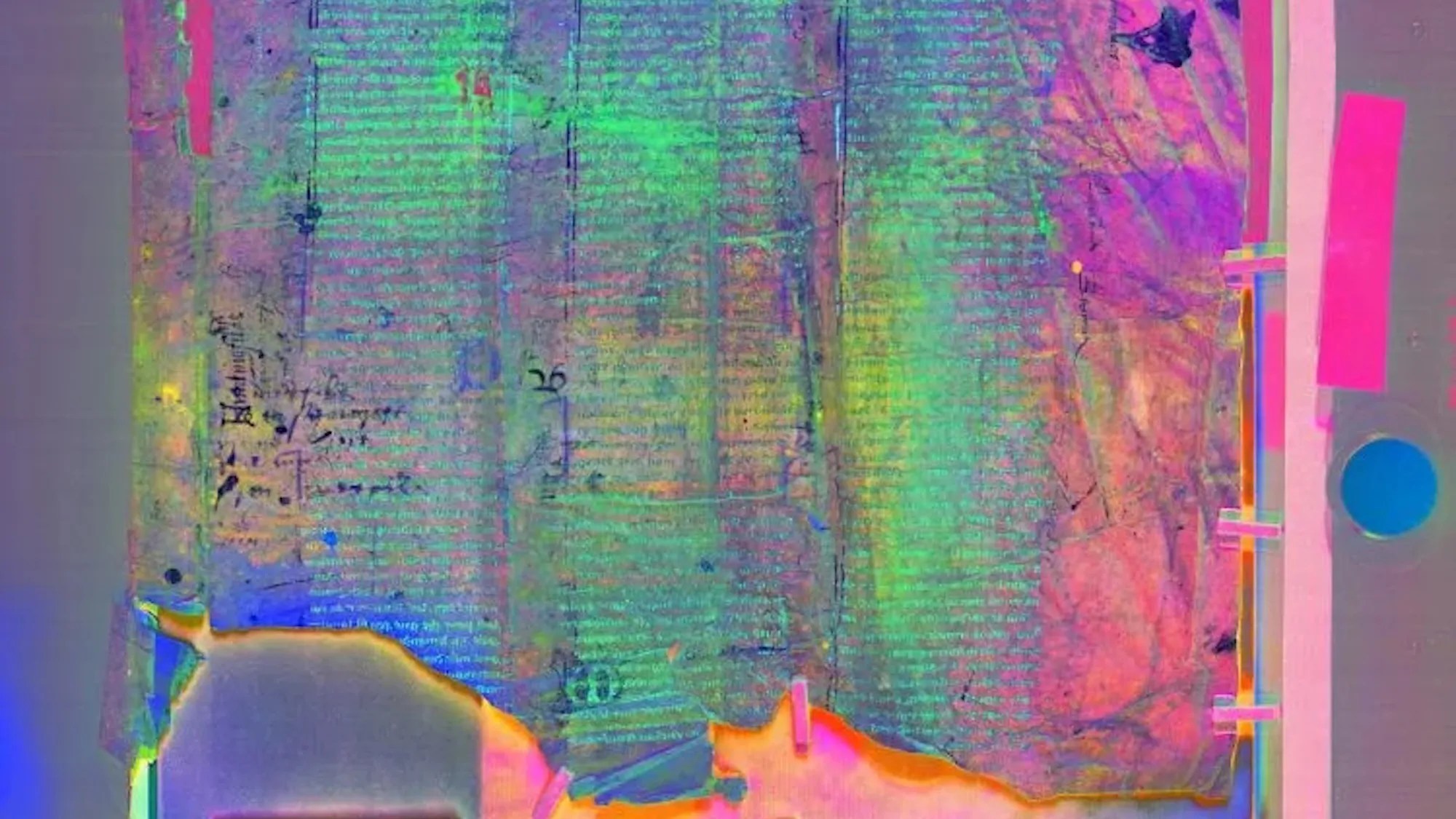
This image, made with Multispectral Imaging and processed using the Minimal Noise Fraction method, brings out annotations on the left-hand side which were invisible to the naked eye, including the stamp ‘Huntingfield’ believed to have been added in the 16th century when the manuscript was repurposed as a binding. Credit: Cambridge University Library / CHIL
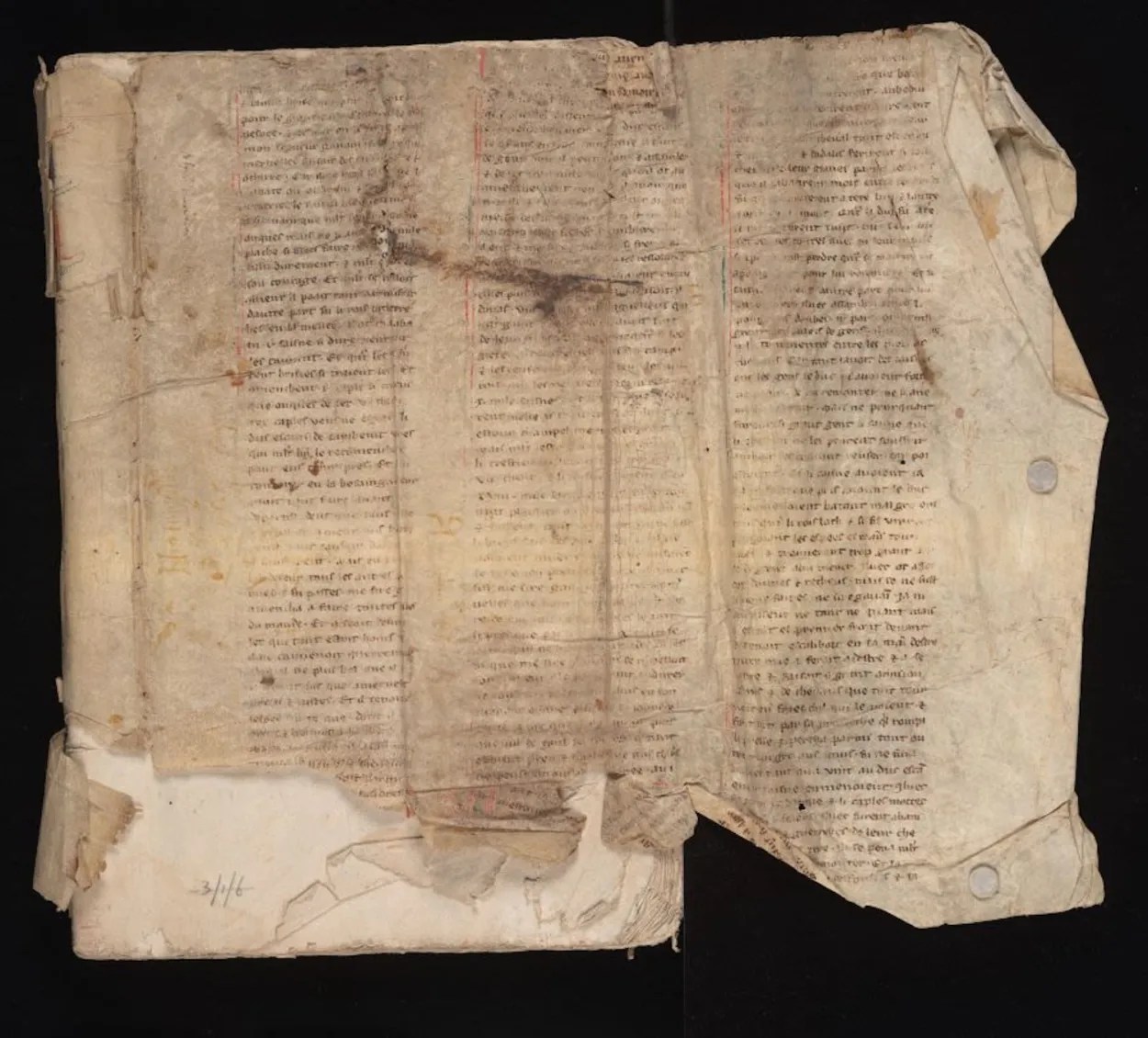
For centuries, European literature has been replete with endless riffs on the classic Merlin and King Arthur legends. The earliest versions are documented within handwritten medieval manuscripts dating back a thousand years—but some editions are far rarer than others. For example, there are fewer than 40 copies extant of a once-popular sequel series, the Suite Vulgate du Merlin. In 2019, researchers at the University of Cambridge discovered fragments of one copy in their collections, hidden inside the recycled binding of an aristocratic family’s property record from the 16th century. But at the time of discovery, the text was impossible to decipher.
Now after years of painstaking collaborative work with the university’s Cultural Heritage Imaging Laboratory (CHIL), archivists have finally been able to peer inside the obscured texts—without ever needing to physically handle the long-lost pages.
Experts combined multiple conservation tools and techniques to construct a 3D model of the fragments. These included multispectral imaging (MSI), which creates high-resolution images by scanning an artifact with wavelengths ranging from ultraviolet to infrared light. After borrowing X-ray and CT machines from Cambridge’s zoology department, the team then examined the parchment layers to map unseen binding structures without the need to deconstruct the delicate material. CT scanning allowed researchers to examine how the pages were stitched together using thin strips of similar parchment.
Some of the Merlin texts were unreadable due to being hidden under folds or stitching, so the team also needed to amass hundreds of images from every angle using an array of magnets, prisms, mirrors, and other tools. The combined result is a high-definition, digitized 3D model of the entire relic that unfolds, allowing experts to analyze it as though reviewing the physical manuscript itself.
The results revealed not just a part of Suite Vulgate du Merlin, but insights into the time period in which it existed. Experts now believe the sections originally belonged to a shortened edition of the tale. Given small typographical errors as well as the red and blue ink used in its handwritten decorated initials, historians traced its origins to sometime between 1275–1315 CE.
The original edition was written in Old French, the language used by the medieval aristocracy and courts of England after the Norman Conquest, while the 16th century binding contains two repurposed sections. Fabry-Tehranchi and colleagues at first believed it to be a 14th century story involving Sir Gawain.
The first portion recalls the Christians’ victory against the Saxons at the Battle of Cambénic, including a fight involving Gauvain, his brothers, and his father King Loth versus the Saxon Kings Brandalus, Dodalis, Moydas, and Oriancés. The second scene is a courtly sequence that takes place during the Feast of the Assumption of the Virgin Mary, and includes Merlin appearing in Arthur’s court while disguised as a harpist.
With the sections translated and digitally preserved, the team hopes the same techniques can be applied to other conservation projects, particularly those involving delicate and obscured artifacts. Recycling older parchment for new books was a common practice during the medieval era, meaning many other invaluable records are still likely hidden in existing archives.
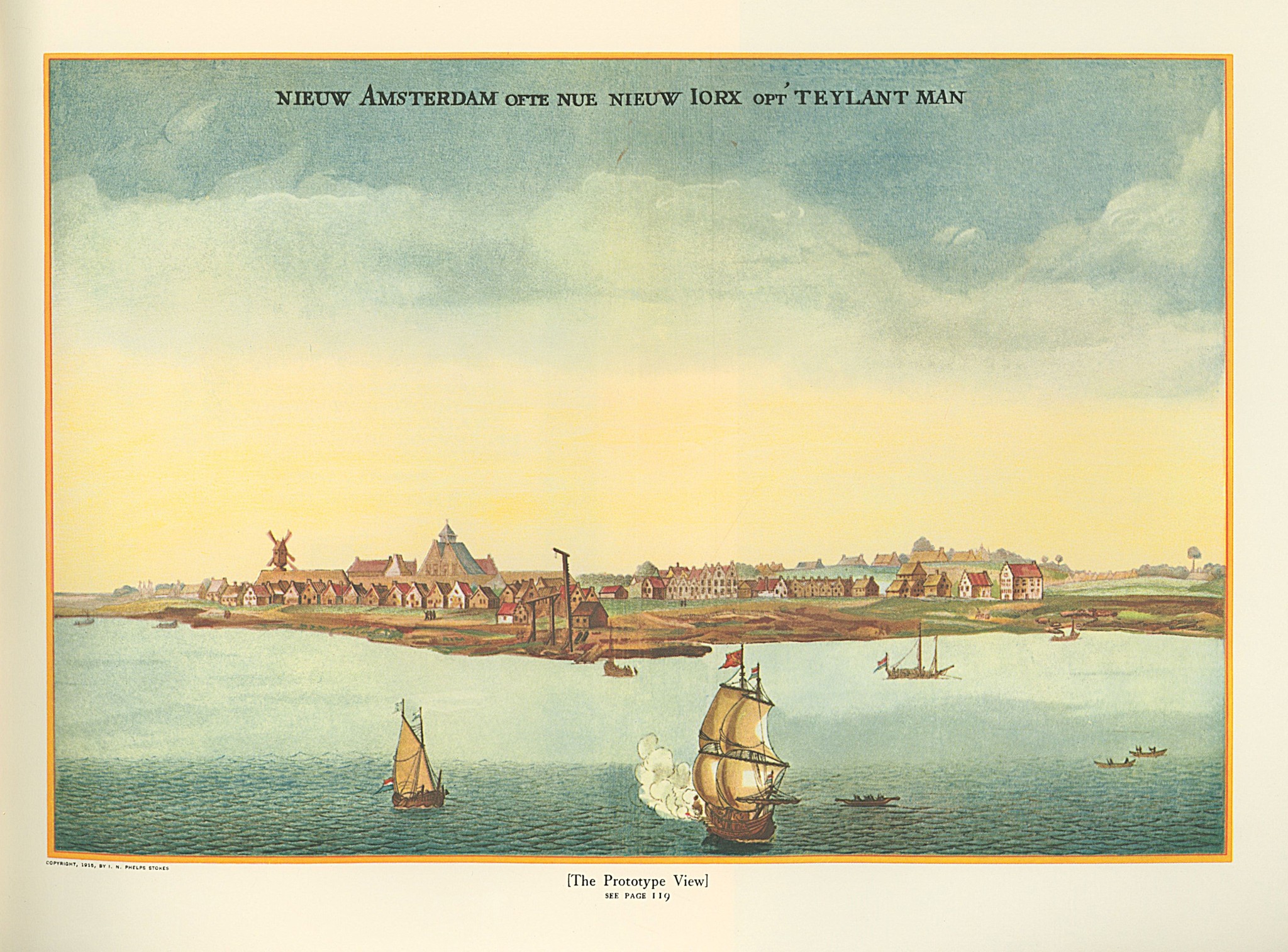
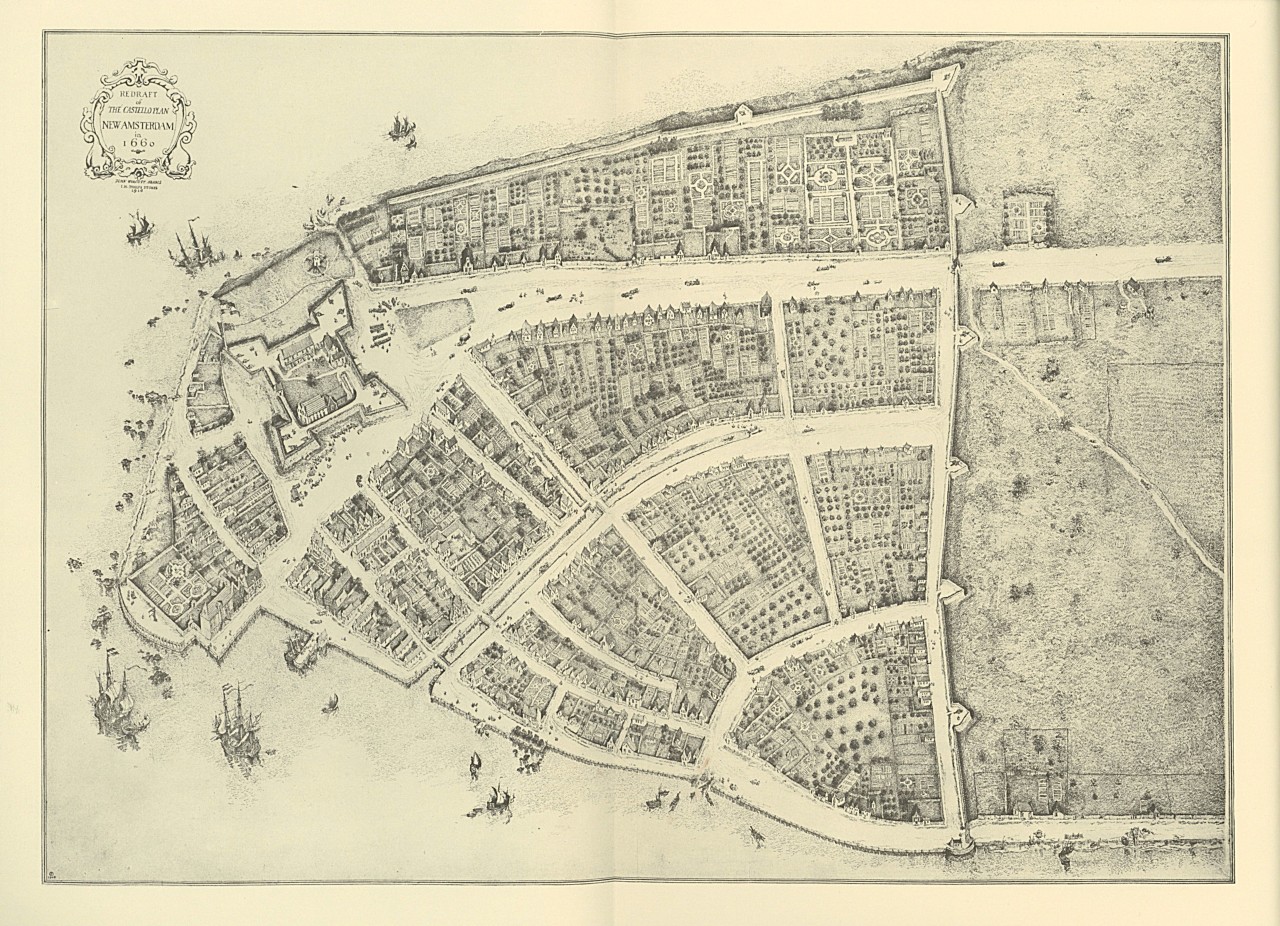
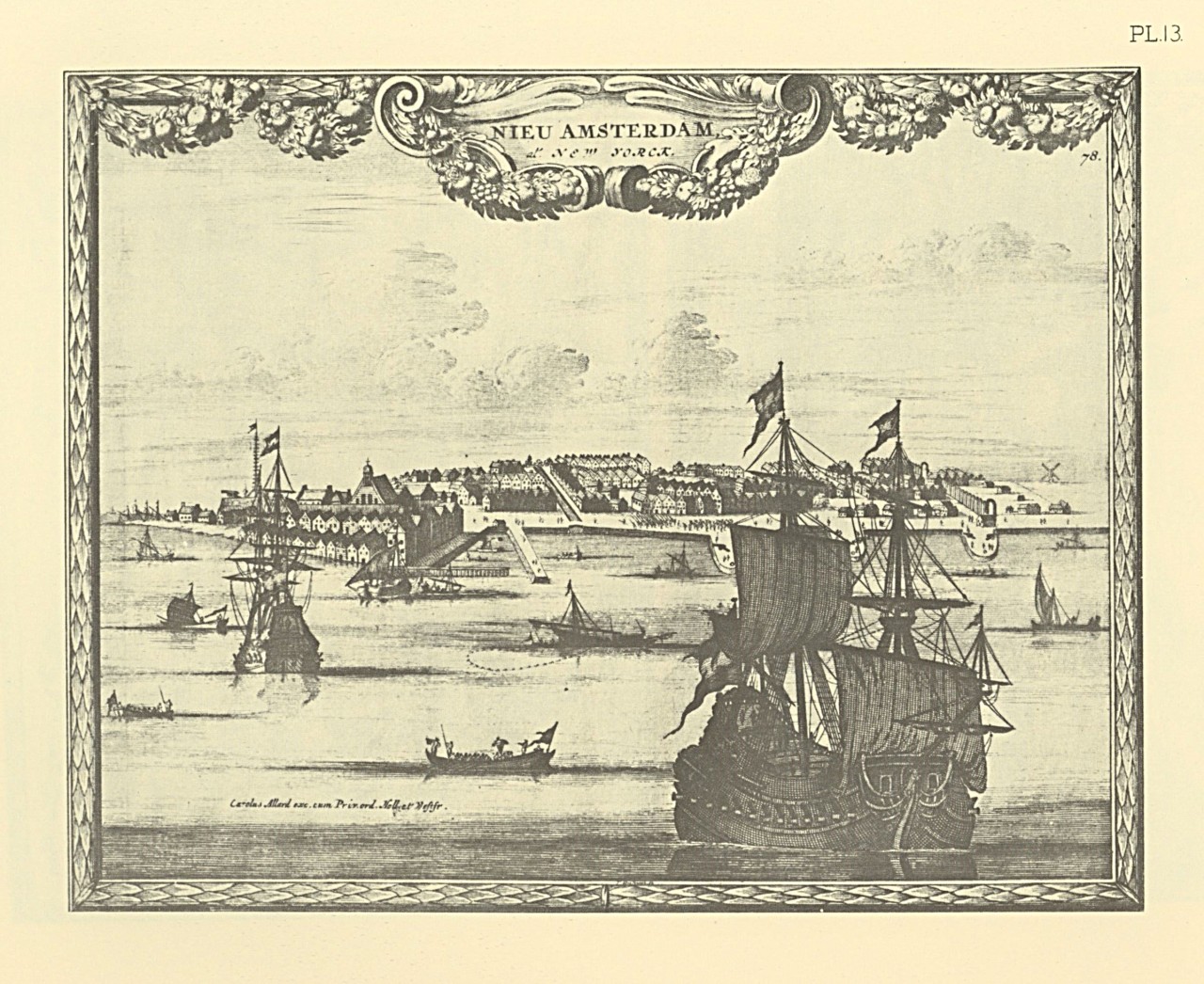
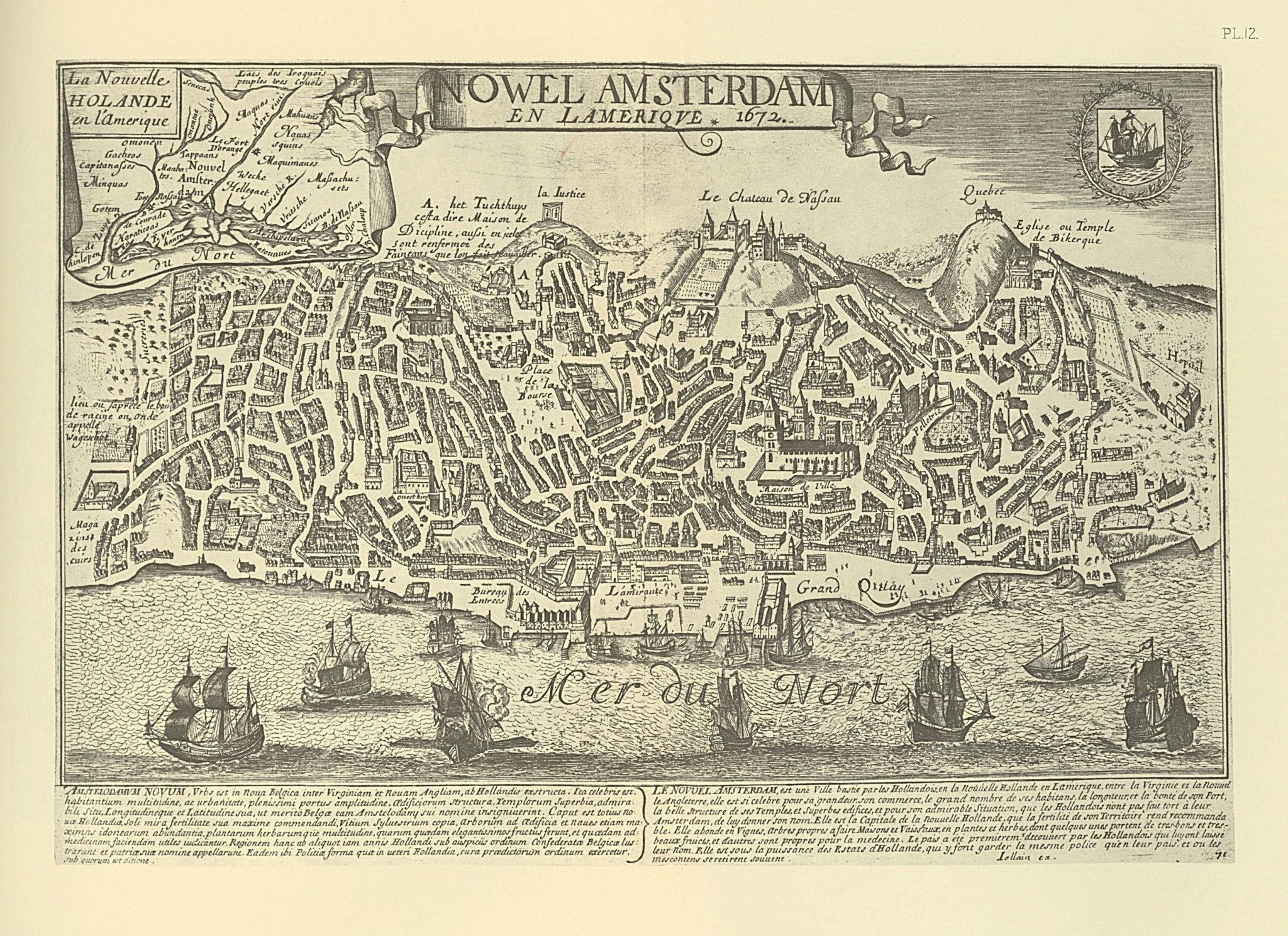
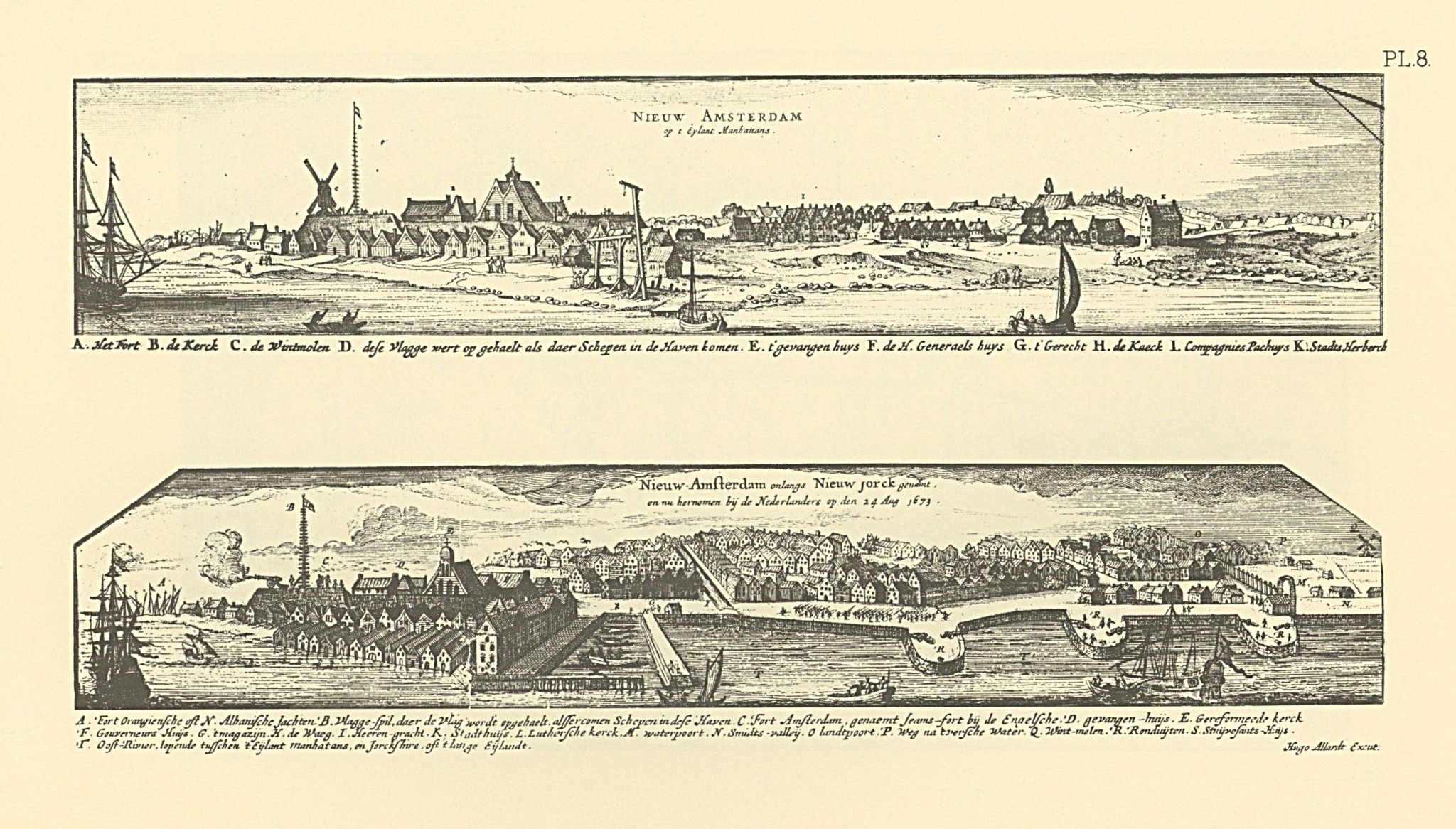
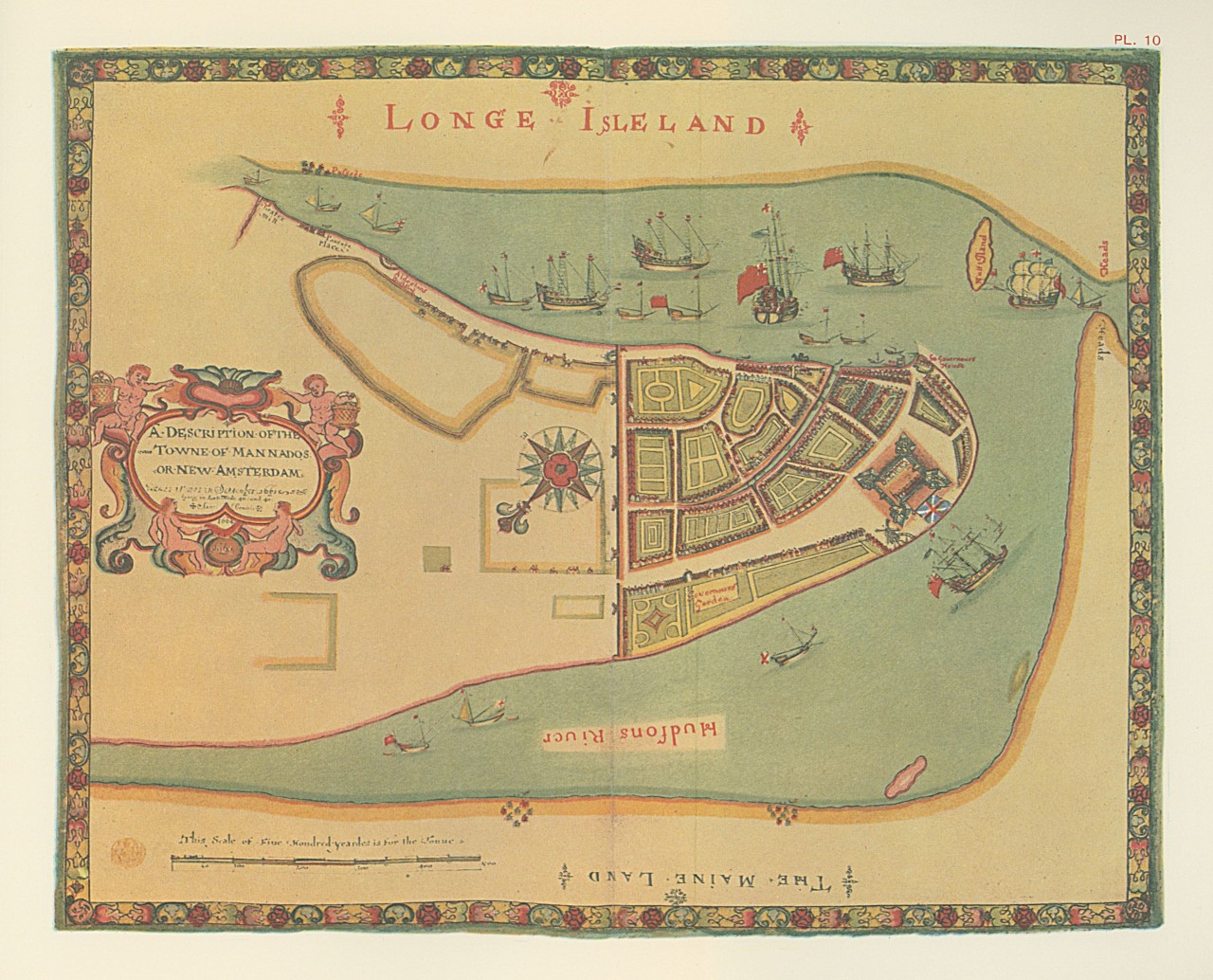
This month marks the 373rd anniversary of the Dutch settlement of New Amsterdam’s (AKA New York City) incorporation as a city. This process provided municipal rights as a city, and some degree of independence from the broader Netherland’s colonial authority.
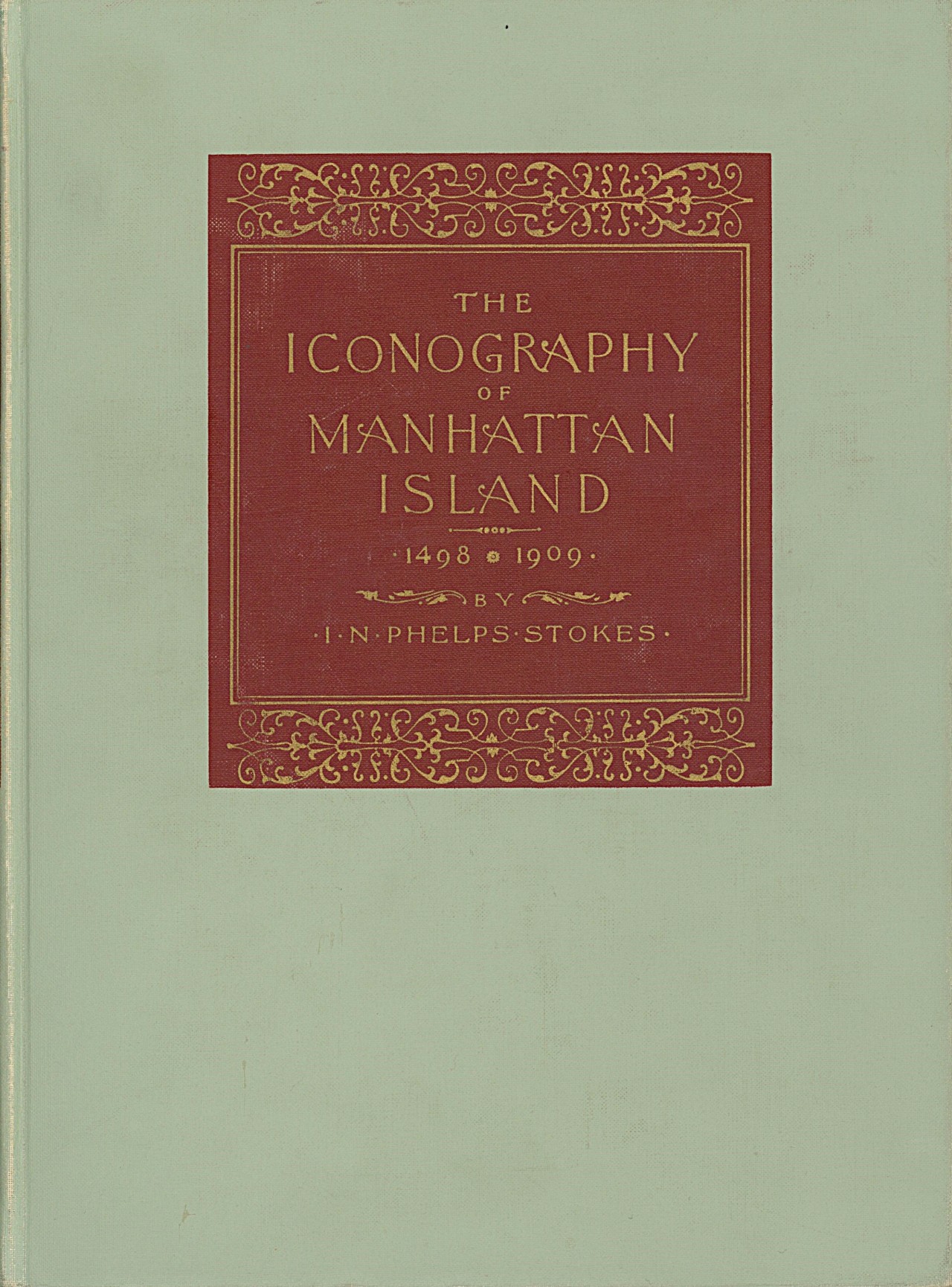
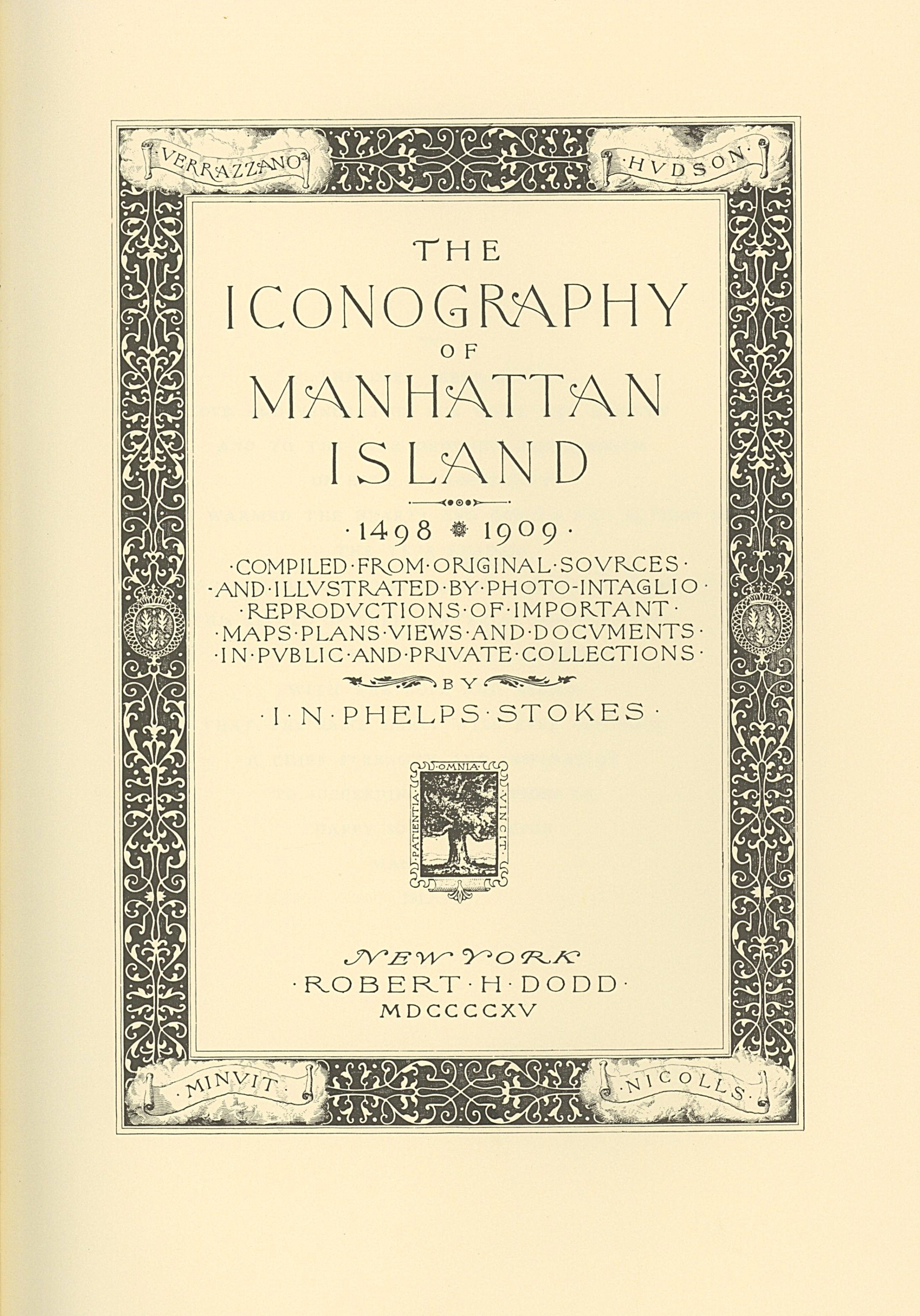
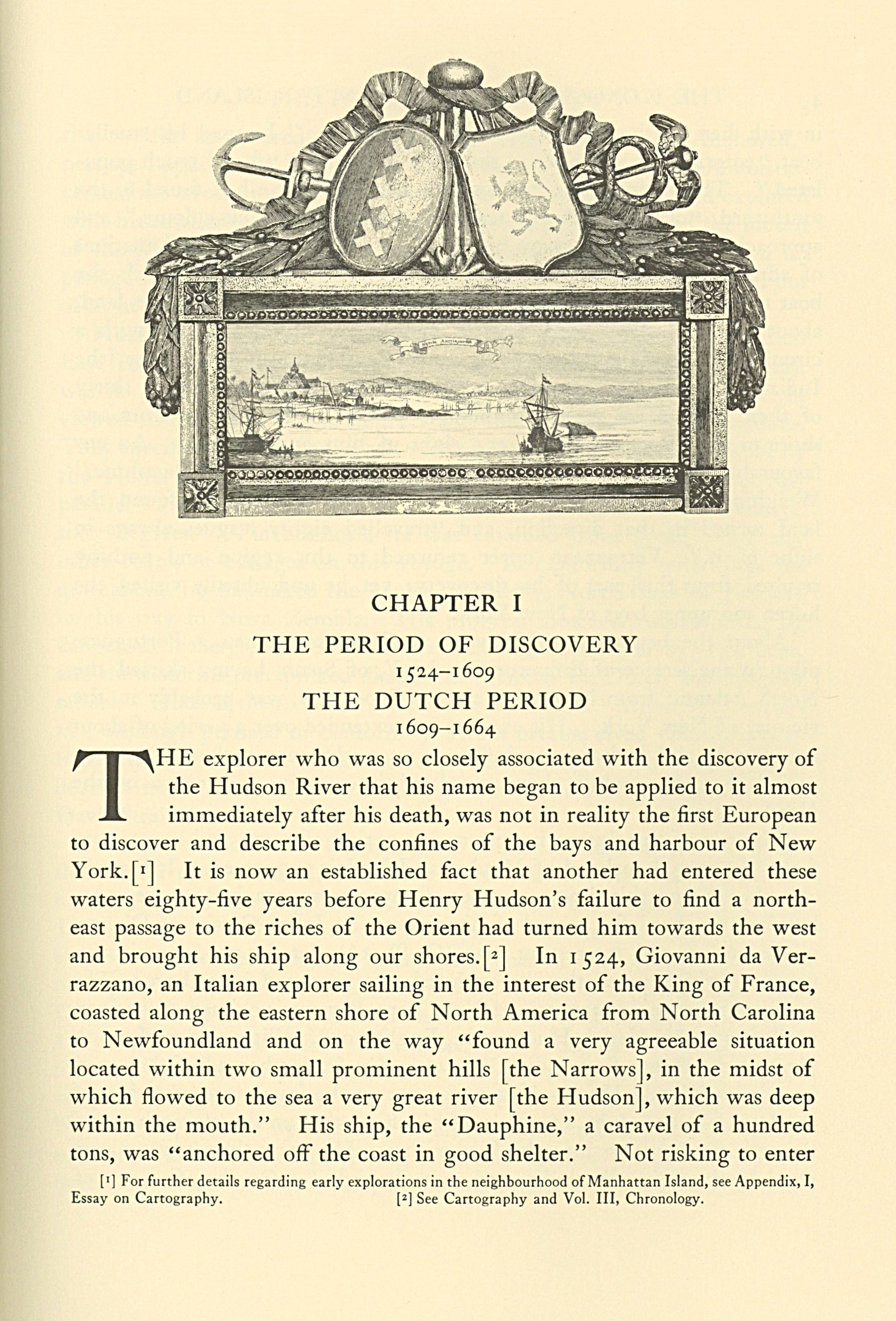
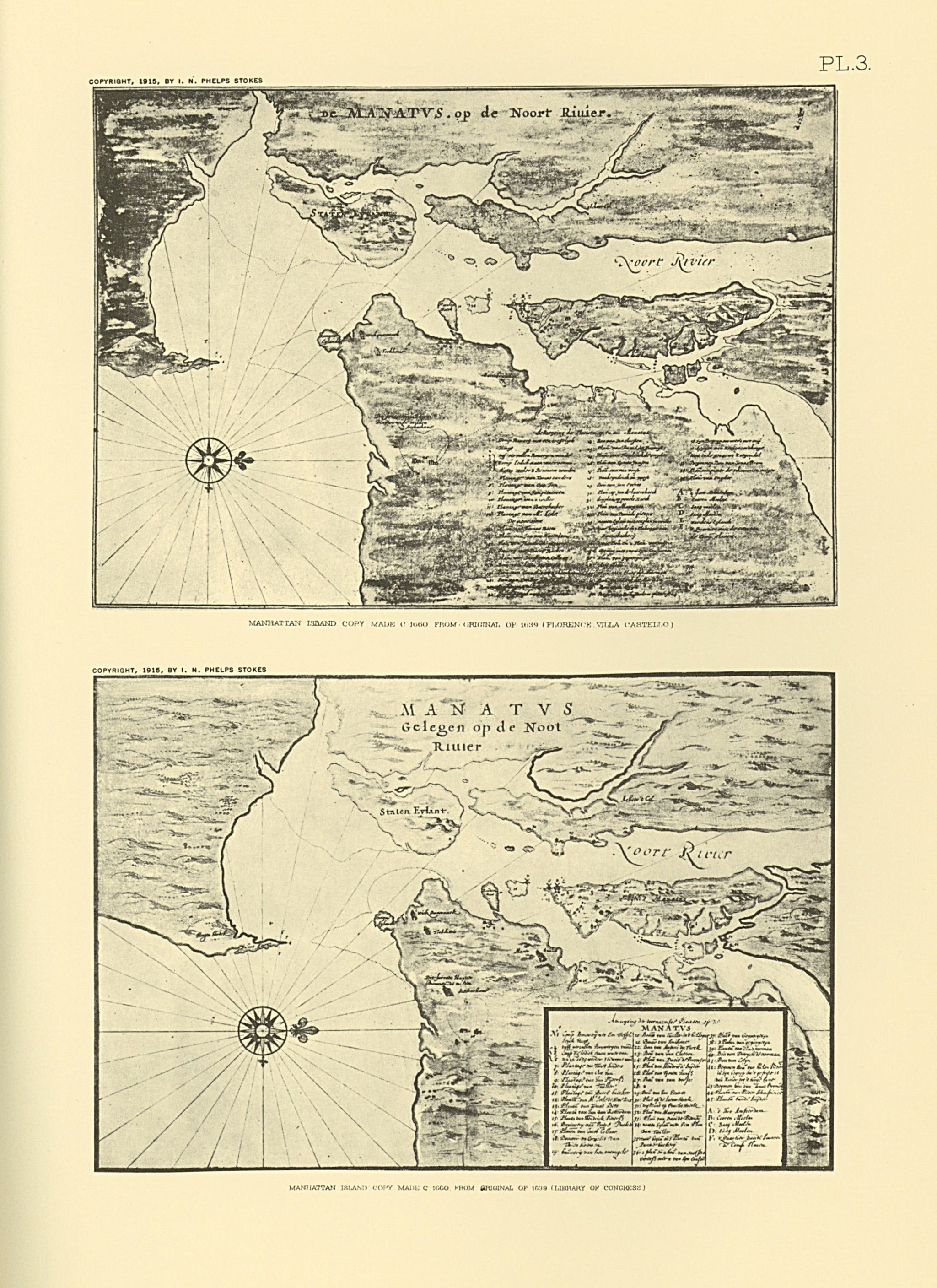
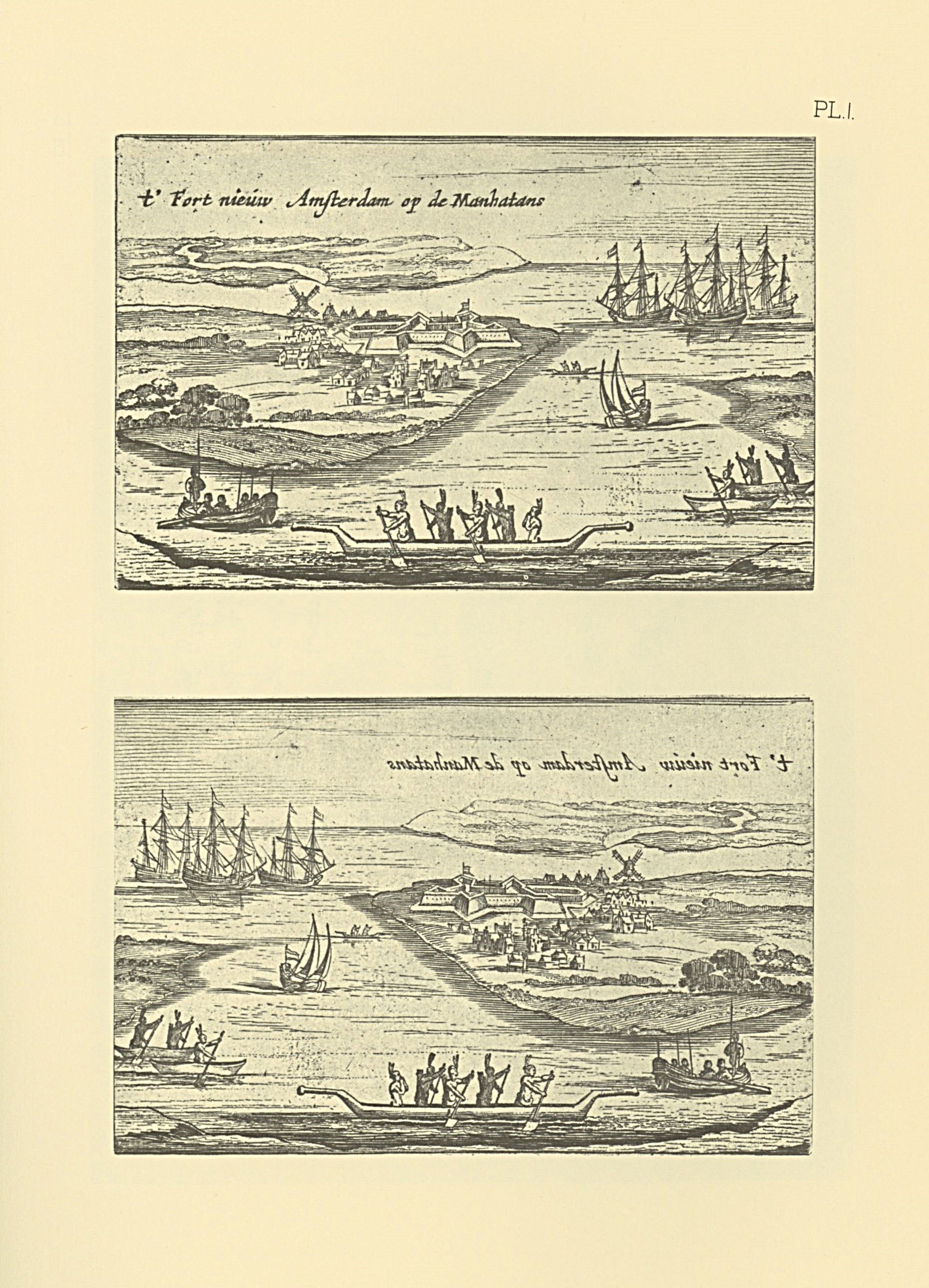
I recently spotted a fascinating early 20th century book on New York City’s early history that I had actually used as a source for a paper on the Dutch settlement while working on an undergraduate degree in History Education many decades ago. The Iconography of Manhattan Island, 1498-1909, by Isaac Newton Stokes. Originally published between 1915 and 1928 by R.H. Dodd in New York City, the grand six volume set abounds with illustrations, maps, and documents compiled from public and private collections.
“Did you know there are Little Free Library book-sharing boxes on all seven continents?” Little Free Library posted on Facebook, highlighting a very cool LFL that has recently been set up at the South Pole by Dr. Russell Schnell, an atmospheric scientist for the National Oceanic and Atmospheric Administration (NOAA) and co-recipient of the 2007 Nobel Peace Prize for his work on the International Panel on Climate Change.
Schnell built his LFL at his home in Boulder, Colo., in November, then shipped it to the South Pole, where he had previously traveled for work. It is located inside the NOAA’s Atmospheric Research Observatory and features novels, science fiction, equipment manuals, and more for staff members to share.
“Books with photos of colorful trees, warm deserts, water, beaches, wheat fields, and animals and birds are popular at the South Pole,” he said. “Everything else is white for hundreds of miles in all directions.”
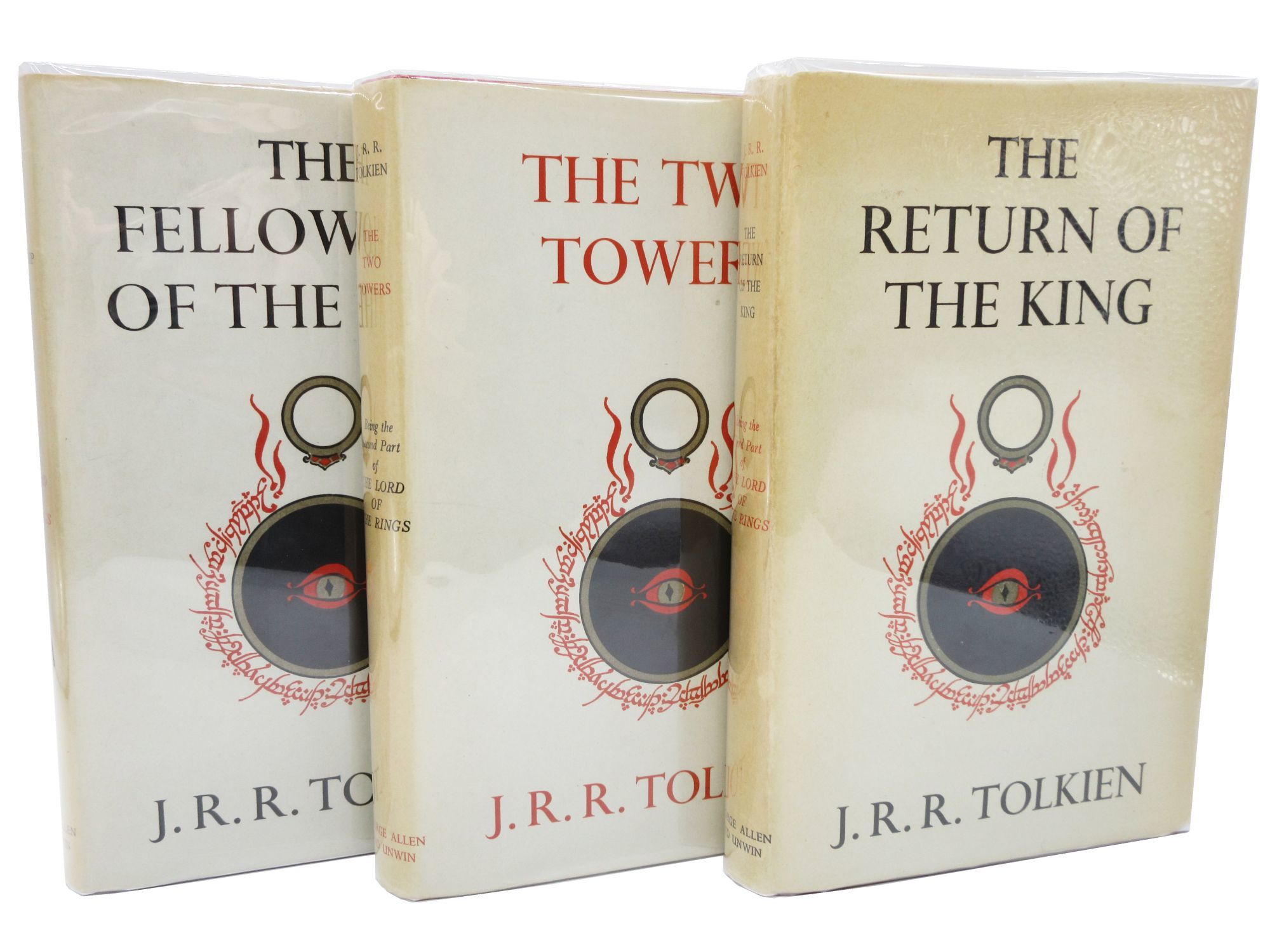
The poet W.H. Auden wrote in a New York Times review of the final book in J.R.R. Tolkien’s Lord of the Rings trilogy, “Evil, that is, has every advantage but one – it is inferior in imagination. Good can imagine the possibility of becoming evil – hence the refusal of Gandalf and Aragorn to use the Ring – but Evil, defiantly chosen, can no longer imagine anything but itself. Sauron cannot imagine any motives except lust for domination and fear so that, when he has learned that his enemies have the Ring, the thought that they might try to destroy it never enters his head, and his eye is kept toward Gondor and away from Mordor and the Mount of Doom.”
You can see the attempt to consolidate power in the president, as supported by the conservative six on the Supreme Court, and by the surrender of Congress’s powers by the Republican majority, as an attempt to create a one-ring level of power in radical opposition to the checks and balances and ideals of democracy and accountability that have been central to this nation’s official ideology, however imperfectly realized.
“This is one of the American opposition’s strategic advantages: they routinely fail to comprehend motives that are not selfish, so the idealism, the altruism, the commitment to ideals and principles, that motivates the resistance is seen as a cover-up for the real motives, which helps them cast progressives as criminal or delusional. Empathy is itself an act of imagination, that begins with attention and care: what is it like to be this other being, what are they feeling, what do they need. It arises from and reinforces a sense of non-separation, a sense that we’re all in this together, that everyone is your neighbor and no one is a stranger.”
Trump and his hideous orc followers will eventually be defeated by the American people who still cling to democratic ideals and empathy for our neighbors.








 Travel Between The Pages