Telegeography…yeah

Have you ever considered the seemingly miraculous way that your emails, blog posts and websites cross the vastness of the world’s oceans in the blink of an eye ? It’s all due to a complex (and hugely expensive) network of submarine, fiber-optic cables that link the continents, transmitting ten terabits of data each and every second of the day through just a handful of impossibly thin strands.

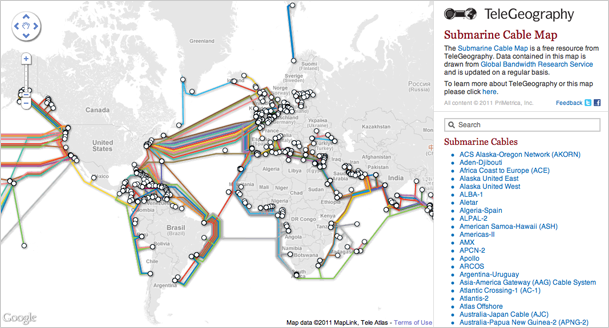
The  Washington, D.C.-based telecommunications company, Telegeography, has produced a fun, interactive map for their website that is the result of research on global bandwidth. The map shows both active and planned submarine cable systems and their land-based stations. Telegeography used to publish a printed paper map like this and sell it for $250 a pop; now it’s free. The clever cartograhers at Telegeography create the maps with the assistance of the undersea cable owners and Google.

The very neat map is just a stylized representation, and the 188 cables on the map and their land stations lie in slightly different locations, but it’s still cool to play with. Clicking on a cable gives you more information, such as its name, who owns it, its length, and where exactly it makes landfall. Clicking on the land stations will provide information on the cables that terminate at the location.
Posted in Maps | Tagged , , , , , | Leave a comment

Mappamundi

The glorious Fra Mauro Mappamundi was created between 1458 and 1459 by the Venetian monk/cartographer/sailor/explorer/adventurer Fra Mauro. The map was commissioned by Portugal’s King Alfonso V and produced at the Camaldolese Monastery of Saint Michael on the Venetian lagoon island of Murano.

Drawn on parchment, the surprisingly accurate Mappamundi is a circular world map designed with South up and North down. Only two copies of the maps are known to have survived. One can be found in the Vatican Library and the other is in a private cartography collection in France.

The story of the Mappamundi and Fra Mauro has been immortalized in an entertaining historical novel by James Cowan. A Mapmaker’s Dream is a marvelous adventure yarn that is more about travel than cartography.

Posted in Art, Books, Europe, Libraries, Maps, Museums, Travel Writing, Writing | Tagged , , , , , , | Leave a comment

City Guides: Yes, We Still Need Them

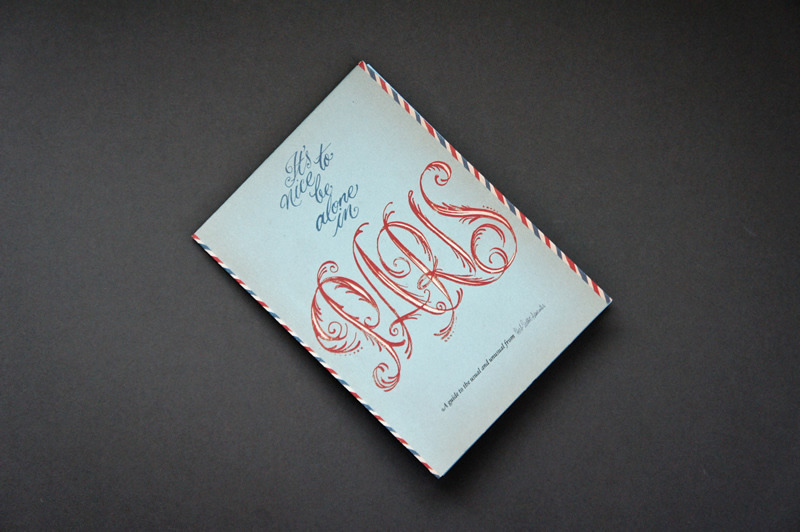
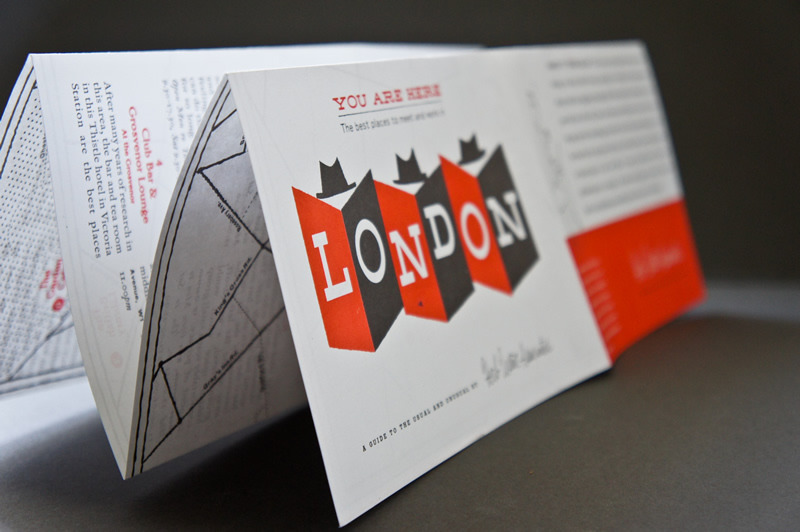
Herb Lester Associates in London recently introduced a wonderful series of quirky and hip pocket guides and maps to some of the world’s great cities (with more to follow). These tres-retro little guides and maps are created in collaboration with a super team of London artists, illustrators, designers and writers

The series is available at bookshops throughout London and via Herb Lester Associates’ website.

Where The Sidewalk Ends: How to Find Old New York is an amazing guide to little known historic spots from Harlem to Chinatown.

.

A Glasgow Companion is a pure dead brilliant guide to some of Glasgow’s hippest cafes, pubs, restaurants, shops and attractions.

It’s Nice To be Alone In Paris is a marvelous little pocket guide for the solo traveler that highlights the eccentric and hidden gems.

East London is a pocket guide that encompasses the area from Old Street to Hackney Wick, with entries representing the coolest spots around East London.

You Are Here is a thoughtful guide to peaceful places to meet or work online around London.

Posted in Europe, Maps, Tourism, Travel Writing, USA | Tagged , , , , , , , , | 1 Comment

New York City : Visitors Etiquette

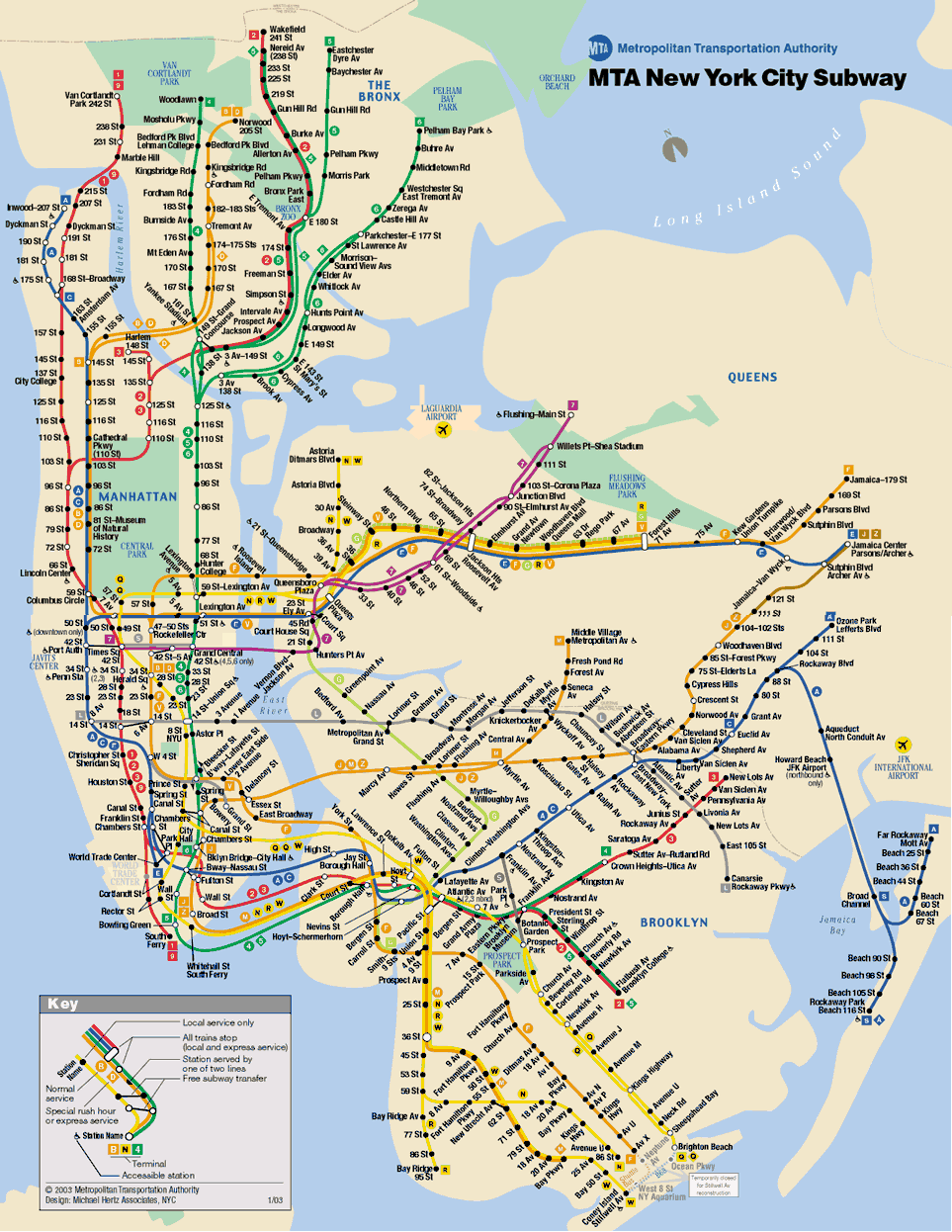
The current Metrocard design

Image via Wikipedia

About three weeks ago we posted an article on one artist’s valiant (and funny) campaign to raise the standards of behavior on New York City’s subways. Since then we’ve had some interesting conversations from infrequent visitors and potential tourists about how to behave in NYC.

As a result, we have compiled a brief list of suggestions (and injunctions) for out-of-towners that may help them to navigate the mysterious ways of the big city. The list includes some suggestions to help you blend-in and appear or sound less like a rube. If you have some suggestions of your own, feel free to chime in.

  • Dont complain about the prices…it’s NYC, everything costs more
  • On escalators: Stand on the Right and Walk on the Left
  • Getting on the bus or subway always have your MetroCard ready
  • If you don’t know what’s on your MetroCard, use a MetroCard Reader (one at every station booth) don’t use the turnstile to check it.
  • Keep moving when you get on a bus or subway train, don’t dawdle
  • Same rule goes for exiting
  • Don’t steal someone else’s cab. If they staked-out a spot first, they get first dibs.
  • Don’t walk more than two people across on the sidewalk
  • Don’t stop in the middle of the sidewalk to gawk or consult a map
  • If driving, no right turns on red, you’ll kill somebody 
  • Respect people’s privacy: Don’t stare, don’t make unnecessary eye contact, don’t expect people in coffeeshops, cafes or bars to chat with you. And being on line with someone does not make you best buds.
  • Don’t touch people’s kids or dogs
  • In Manhattan, it’s “Uptown” or “Downtown”, not “North” or “South”
  • When referring to Manhattan locations, always start with the street first then the avenue. If you’re going to 10th Street and 3rd Avenue, say 10th & 3rd, not 3rd & 10th.
  • It’s OK to tell a taxi driver the route that you want to take, especially if you can see that they’re taking you for a “ride”. NYC isn’t London, even frequent visitors sometimes know more about NYC geography than recently arrived cabbies.
  • Do not call it “the Big Apple
  • Do not wear “I heart NY” t-shirts
  • Do not talk about 9/11 or ask people where they were or if they lost anyone
Posted in Tourism, USA | Tagged , , , , , , , , , , | Leave a comment

Paris via Stop-Motion

Freelance photographer and videographer Jean-Philippe Corre has created this intoxicating stop-motion video of a trip through Paris via an abandoned railway line. This film’s title, La Parenthèse Urbaine, is both literal and metaphorical.

Posted in Europe, Film, Photography | Tagged , , | Leave a comment

What The Sea Gives


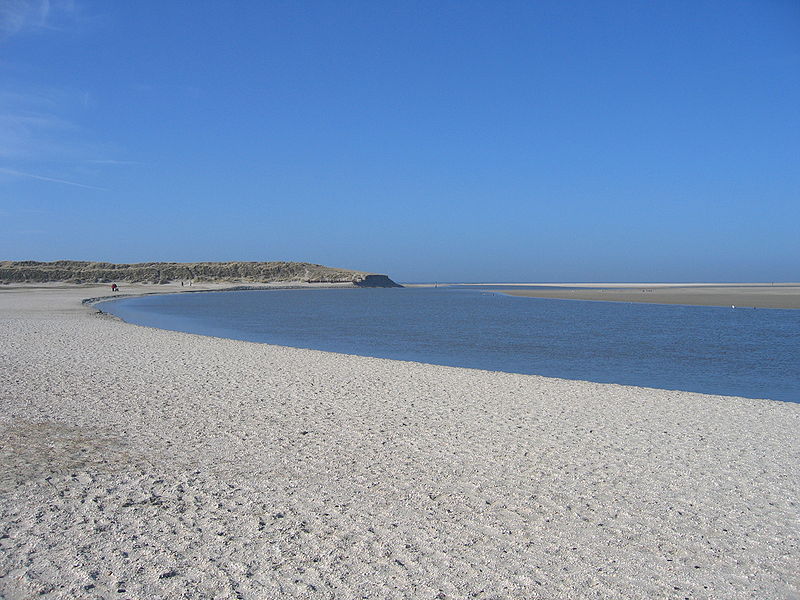
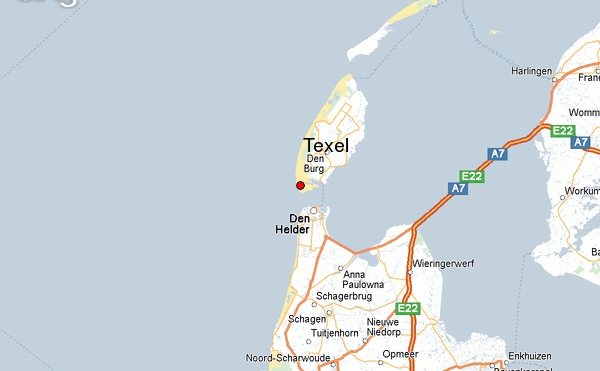
Flotsam & Jetsam is a marvelous documentary film based on beachcombers who live on the North Sea island of Texel in the Netherlands. These quirky, intrepid scavengers carry-on a centuries old tradition of collecting the myriad of stuff that washes up on Texel’s extensive beaches. Due to the island’s geographic location, the unyielding winds and powerful tides push more than a ton of flotsam and jetsam onto Texel’s beaches daily.

The beachcombers, or Jutters as they are known in in the West Frisian dialect of the island chain, even have opened a museum dedicated to the peculiar and prosaic finds from Texel’s shores.

The Jutters have a firm policy of “finders keepers” regarding anything that they glean from the beaches. In the words of one veteran beachcomber, “what the sea gives, we keep.”

So, if you’d like to find out why only left shoes wash up on Texel’s beaches and more about the last eight Jutters on Texel take a look at this thirteen minute film, which was directed by Sam Walkerdine for the UK Film Council.

Posted in Europe, History | Tagged , , , , , , | 1 Comment

Tokyo Underground Etiquette

On September 9th we posted a story on artist Jay Shelowitz’s poster campaign to improve the subway manners of his fellow New Yorkers. For generations the Tokyo subway authority has been cajoling riders to mind their manners and to consider the rest of the riding public. Here’s a sample of some of the very creative efforts to raise standards of underground etiquette.

Posted in Asia, Photography | Tagged , , , | Leave a comment

Ecriture Infinie

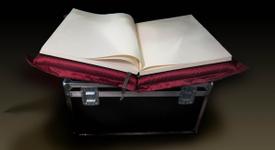
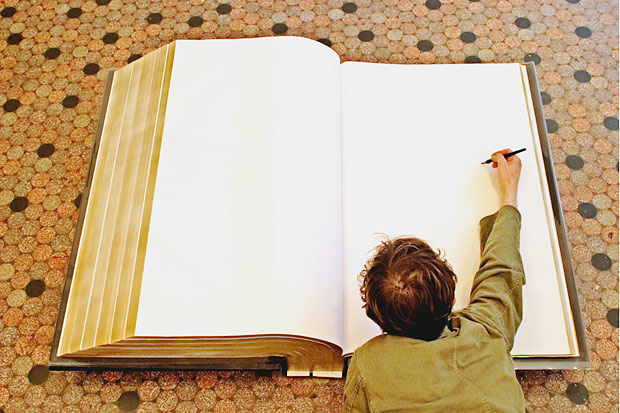
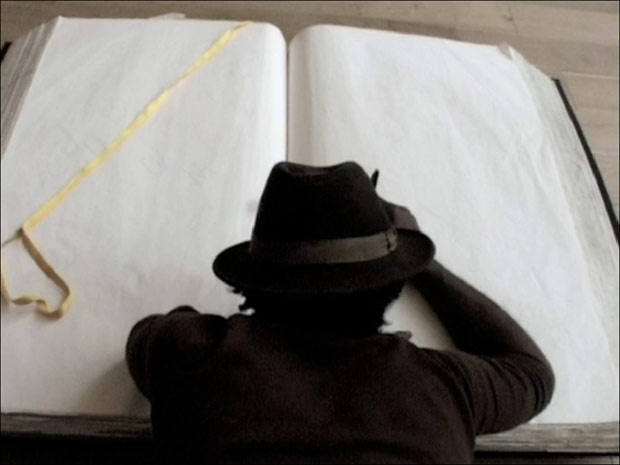
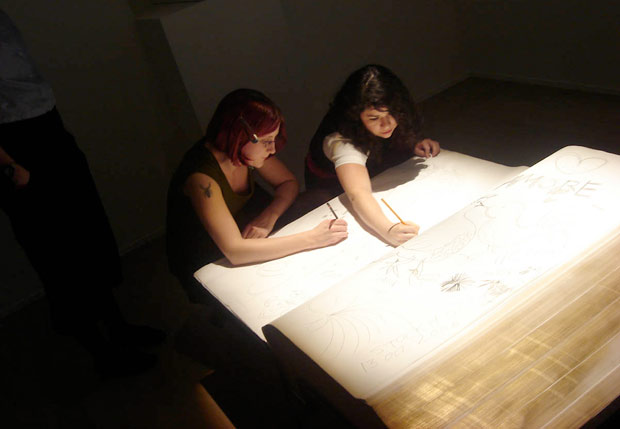
Beginning in 2006 at the Mori Art Museum in Tokyo, artists Bili Bidjocka and Simon Njami have been traveling the globe inviting creative types to hand write personal messages onto eight huge books.

The extraordinary project, titled Ecriture Infinie, focuses on the individual and idiosyncratic flow of writing instead of the content of the messages inscribed.

Ecriture Infinie celebrates the complex human act of writing that is being eclipsed every day by digital technology. The process of writing each inscription in the immense tomes is filmed. And, as each book is filled, it is sealed, wrapped and secreted away in a hidden location as a time capsule for future generations to decipher and interpret.

The final volume of the project series is being filled in collaboration with the people who publish and market Moleskine notebooks. You can get a look at this part of Ecriture Infinie on the Moleskine produced video.

You can check out the rest of the project on the artists’ own video posts.

Posted in Art, Asia, Books, Europe, Writing | Tagged , , , , , , , | Leave a comment

BBW : Celebrate the Freedom to Read

Banned Book Week, which runs from today through October 1st this year, celebrates the freedom to read what we choose and the essential protections offered by the First Amendment of the U.S. Constitution. It highlights the many benefits of free and open access to information and the deleterious impact of censorship by spotlighting attempts at banning books across the US.
BBW underscores the necessity of ensuring that open availability of challenging, unorthodox or unpopular viewpoints for all to read and access. Each year, booksellers, librarians, teachers and civil libertarians throughout the United States use the BBW events to stress the importance of the First Amendment, the power of the printed word and to draw attention to the dangers that arise when restrictions are impossed on the availability of information and ideas in a free society.

This year, Banned Book Week is officially sponsored by the American Booksellers Association, the American Booksellers Foundation for Free Expression, the American Library Association, the American Society of Journalists and Authors, the Association of American Publishers, PEN AmPerica Center and the National Coalition Against Censorship.

Posted in Books, Freedom of Speech, USA, Writing | Tagged , , , , , , , , , , , , , | Leave a comment

Can We Save the Taj Mahal by Staying Away?

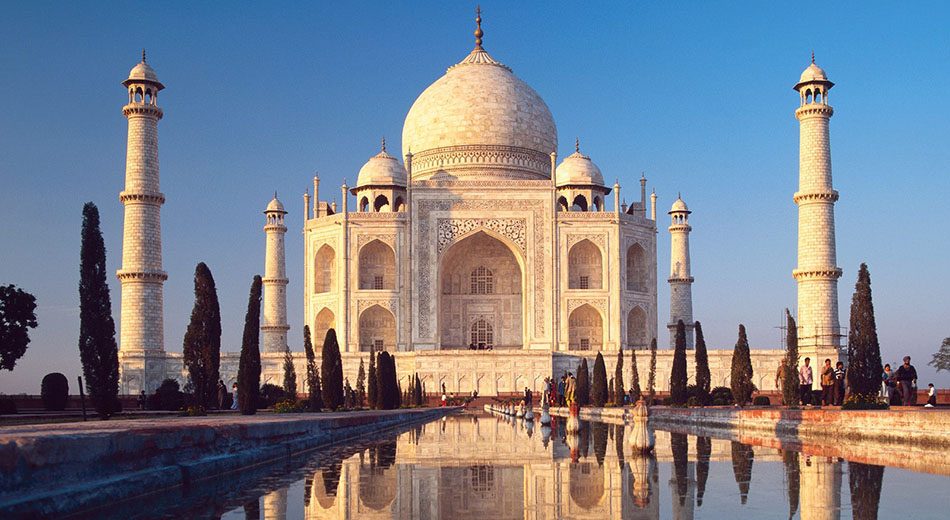
Freelance journalist Jeffrey Bartholet has written a challenging piece for this month’s Smithsonian Magazine entitled “How to Save the Taj Mahal ?”. The article examines the ongoing preservation struggles that India’s most iconic tourist attraction continues to face.

With millions of visitors each year, the Taj Mahal is a victim of its fame. The impact of mass tourism, along with Agra’s horrific pollution problems, has resulted in a potential structural catastrophy for the monument. Local preservationists fear that the Taj Mahal, with massive foundations built on threatened arches, will soon collapse into the Yamuna River if tourism and pollution is not dramatically curtailed.

Is it time to put limits on mass tourism to save our cultural heritage? What do you think?

Posted in Architecture, Asia, Tourism, Travel Writing | Tagged , , , , | Leave a comment