
Bukowski
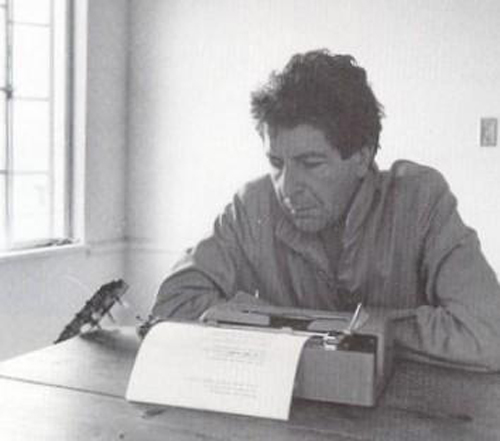
Leonard Cohen
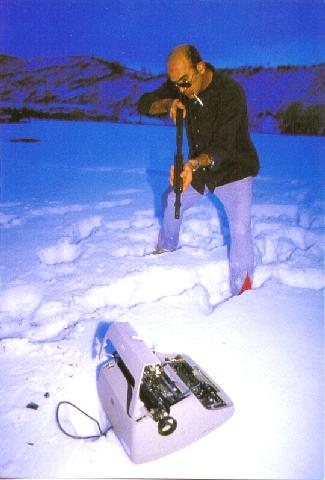
Hunter S Thompson had mixed feelings
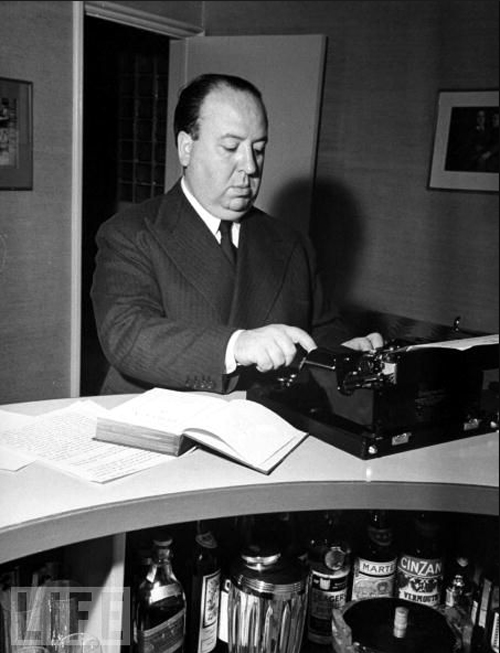
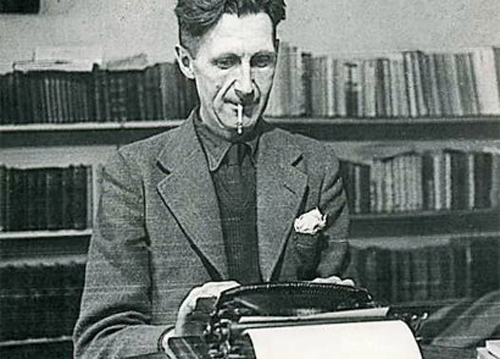
George Orwell
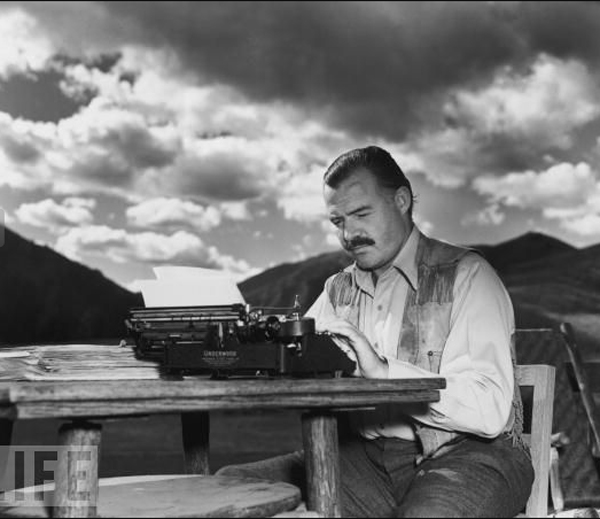
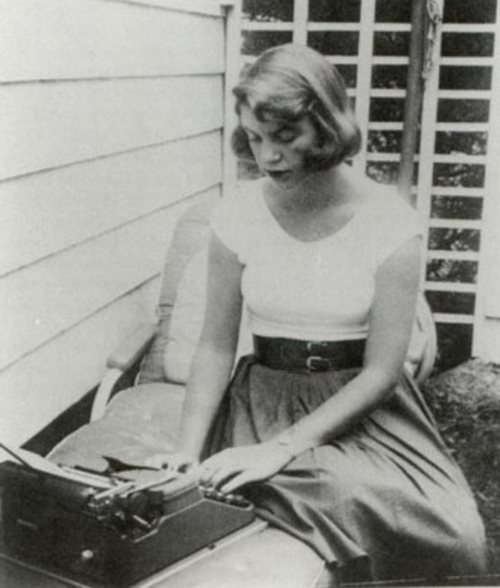
Sylvia Plath

William Faulkner

William S Burroughs
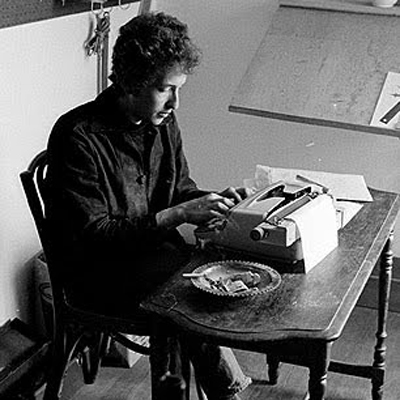
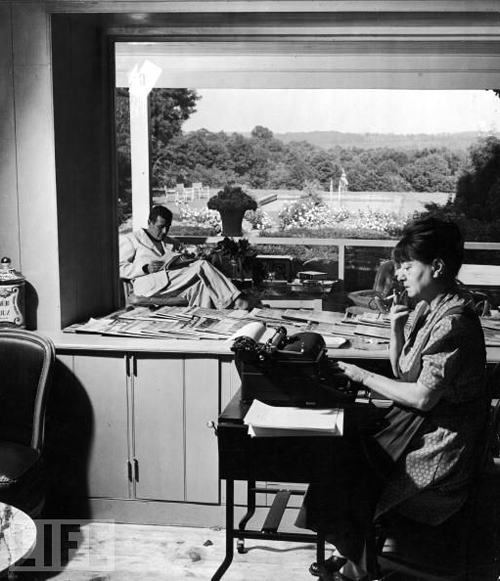
Dorothy Parker
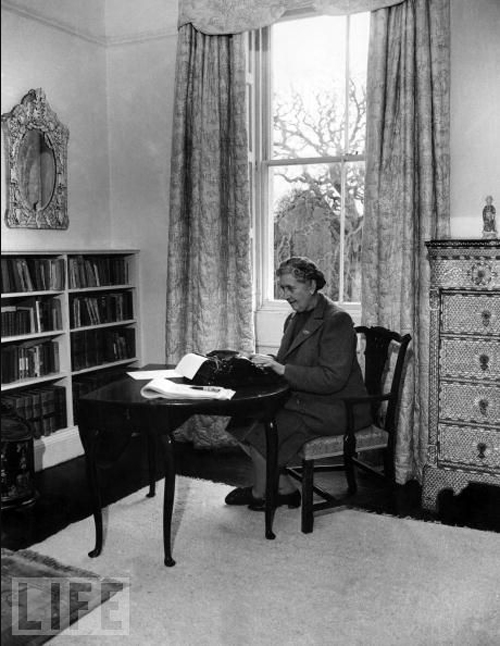
Agatha Christie

John Cheever

Saul Bellow
Bukowski
Leonard Cohen
Hunter S Thompson had mixed feelings
George Orwell
Sylvia Plath
William Faulkner
William S Burroughs
Dorothy Parker
Agatha Christie
John Cheever
Saul Bellow
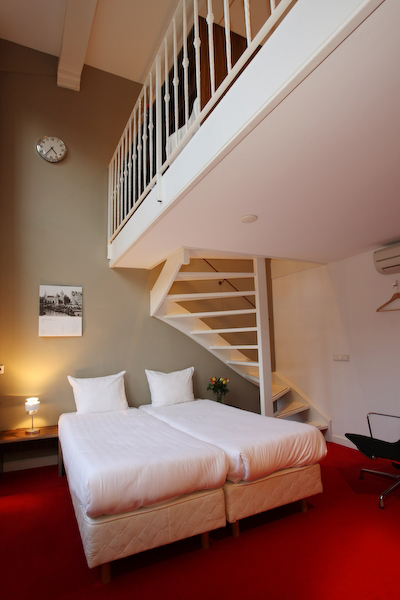
The Times Hotel, Amsterdam
The folks at Butikk hope to become the go-to site for qualitative information on “good value” design/boutique hotels around the world. Their proclaimed aim is “beauty, but not at any cost.”
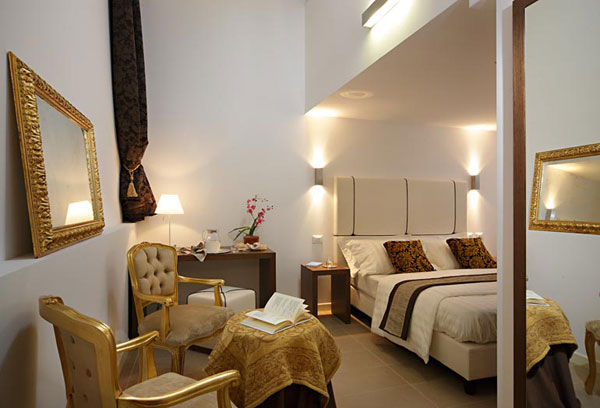
Al Canal Regio, Venice
They currently list just a few dozen properties, but hotels are being added daily.
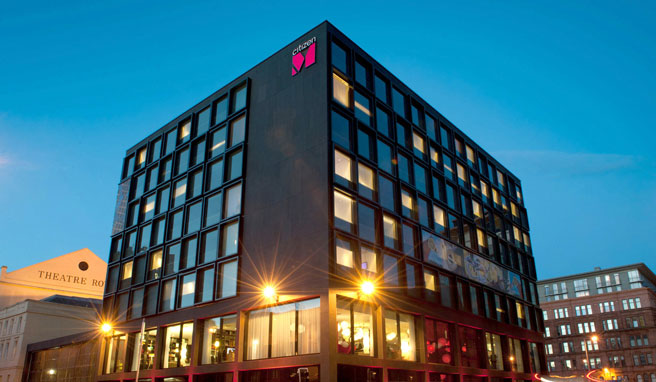
Citizen M, Glasgow
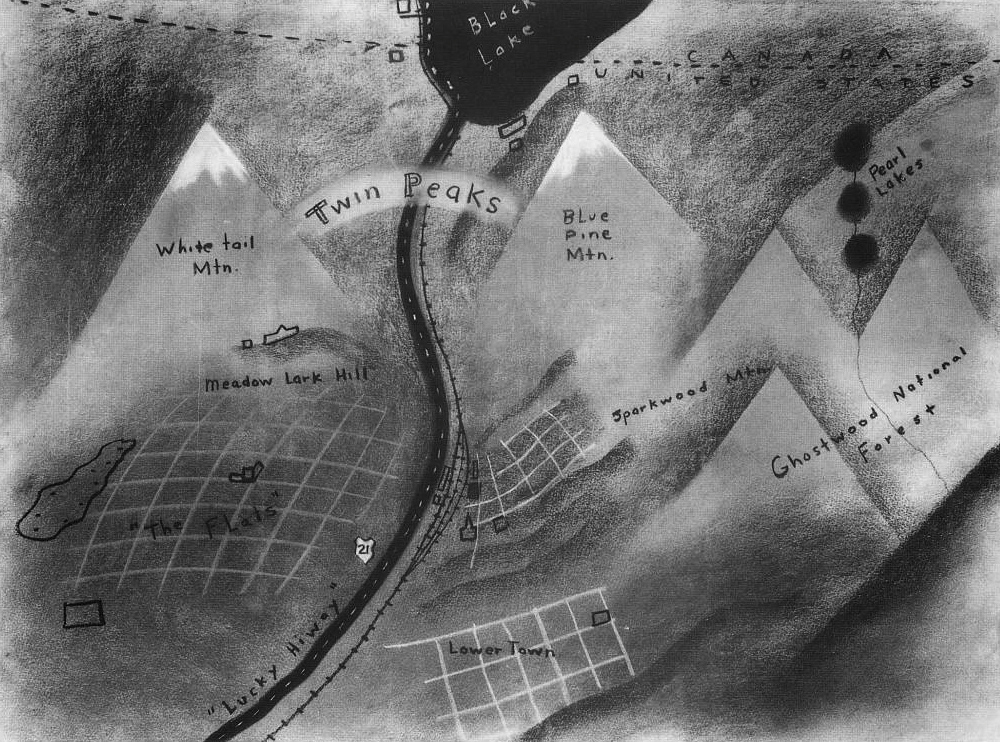
Where is Twin Peaks? The mythical community featured in the eponymous 90s television series isn’t that difficult to locate. The weather is perpetually soggy, primeval forests surround, and the coffee is an obsession; this must be the Pacific Northwest.
Twin Peaks was actually filmed just an hour east of Seattle, in a quintessential corner of Washington State, near the towns of Snoqualmie and North Bend. The rugged profile of Mount Si, looming over the area.
In the end, the series’ precise location is incidental, even obstructive to its narrative. Stories that require the suspension of disbelief benefit from a suitably fuzzy, or completely fictional setting. The same applies to morality tales, which are most effective when set in some kind of anonymous location typical enough to keep the audience guessing.
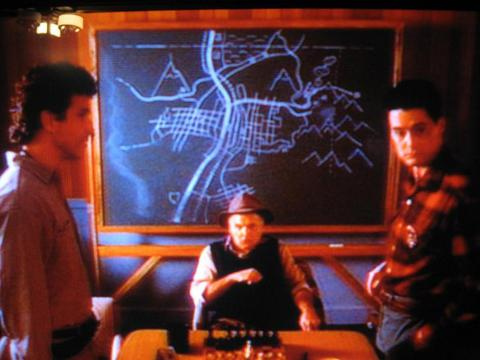
In the uncomfortable space in between quirky horror story and all-American soap opera, Twin Peaks falls well within both genres. When asked to reveal where the town was located, series creator David Lynch demurred and suggested that Twin Peaks was in “a state of confusion.”
Hat tip to Evan Smythe for this post:

Those who have witnessed the ongoing tragedy unfold in Japan cannot fail to be moved by the terrible loss of life, homes and businesses. Booklovers have also been saddened by the destruction of bookstores and libraries.
I have recently learned from Mr. Yoshishige Onuma of Bunsei Shoin Booksellers in Tokyo about the ongoing struggle of booksellers, especially antiquarian and secondhand dealers, to cope with the disaster. Along with the destroyed and damaged bookshops, the continuing electricity outages and fuel shortages have severely limited operations. Moreover, under the current circumstances, Japanese book purchasing has been greatly reduced.

As the manager of the Japanese Association of Old Book Dealers, Mr. Onuma has suggested that bibliophiles around the world can support Japan’s booksellers by making purchases online. He acknowledges that there may be limited interest in Japanese language books, but suggests that art books, pictoral books, children’s books and Manga would be attractive to international book buyers.
The Association of Dealers maintain a database of 900 booksellers with millions of titles at the website “Nihon no Furuhon-ya”. Book buyers can access an English language page at the site for purchases.

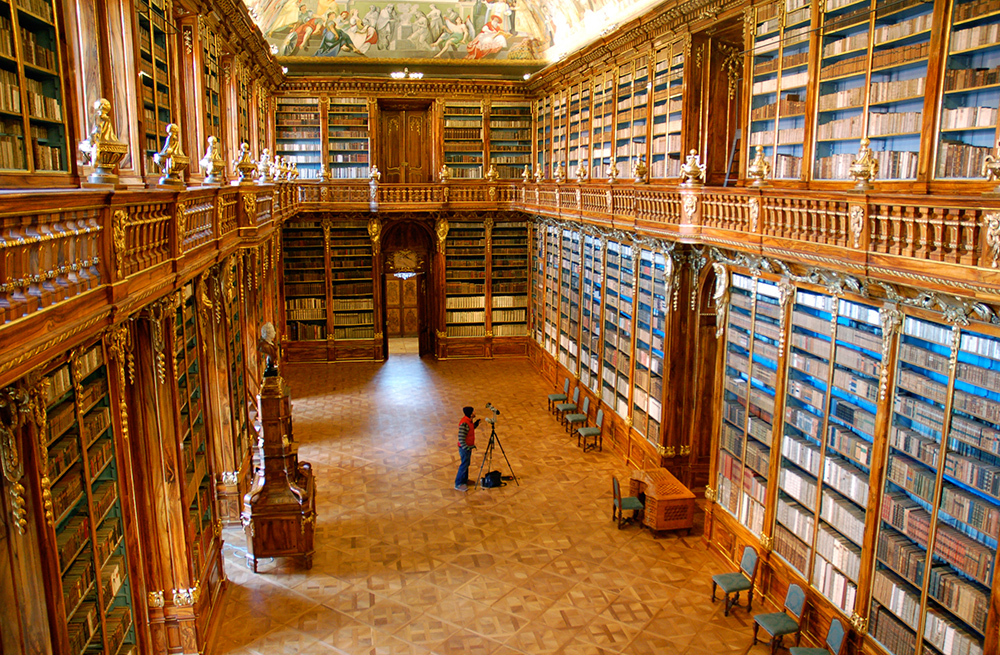
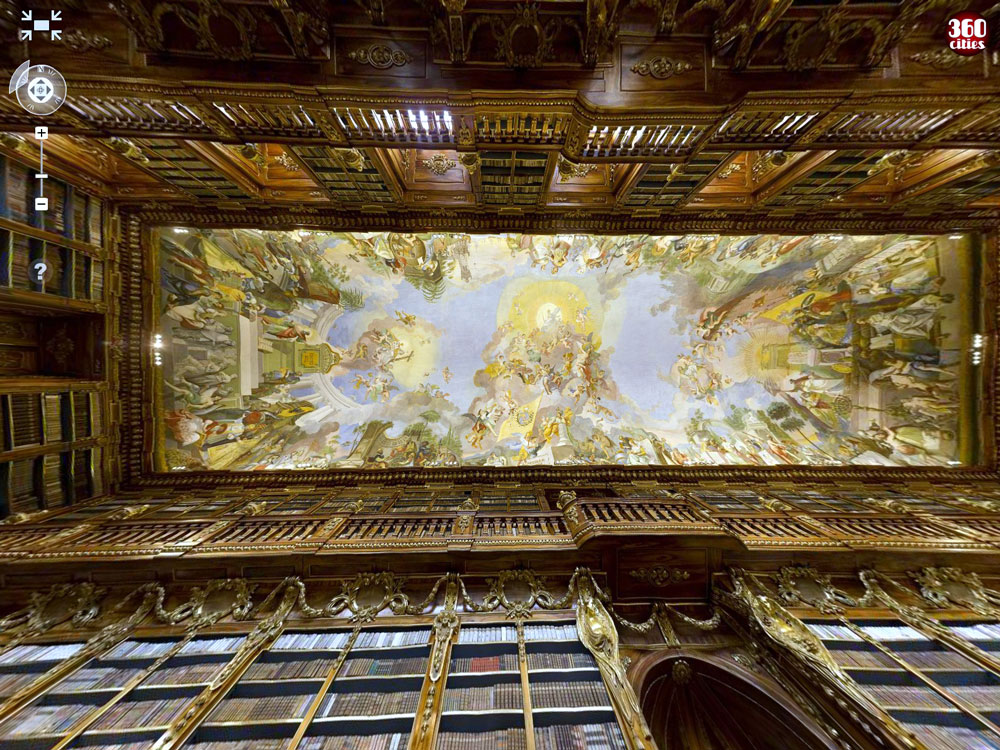
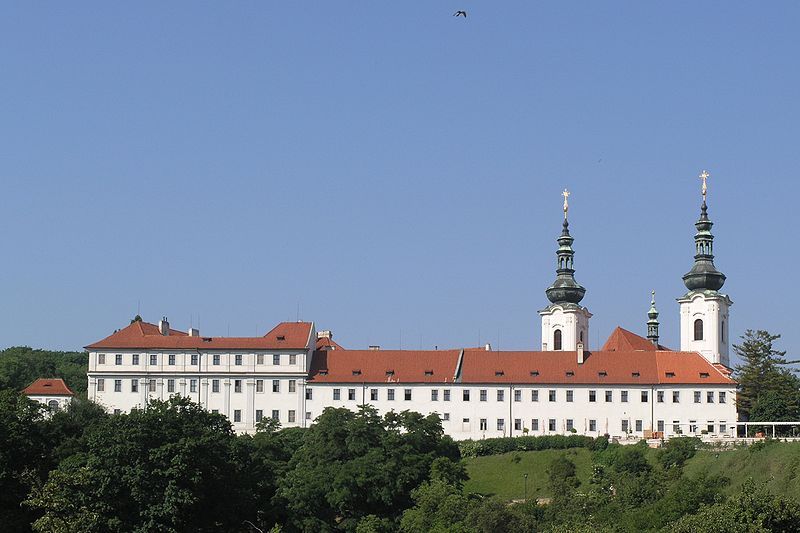
Photographer Jeffrey Martin of the website 360cities has created what maybe the world’s largest indoor photograph ever: a mindboggling 40 gigapixel, 360-degree image of the exquisite Philosophical Hall in the magnificent 12th century Strahov Monastery Library in Prague. Using the robotic GigaPanBot system, Martin shot 3,000 images over 5 days and then “stitched” them together to create one enormous photo. You can explore and navigate around the zoomable, high-resolution photo at the 360cities website.
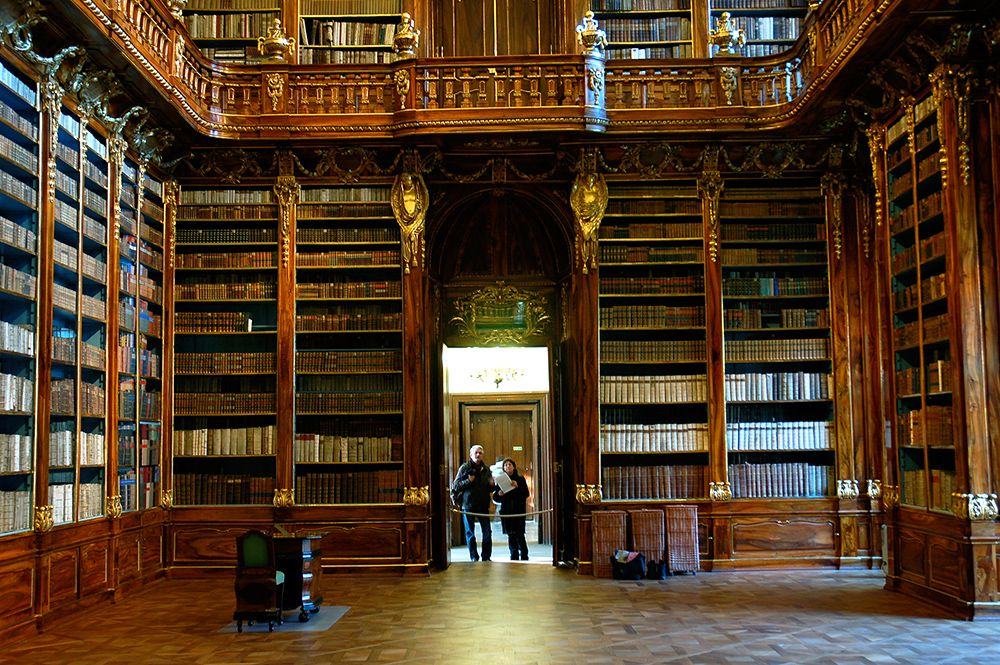
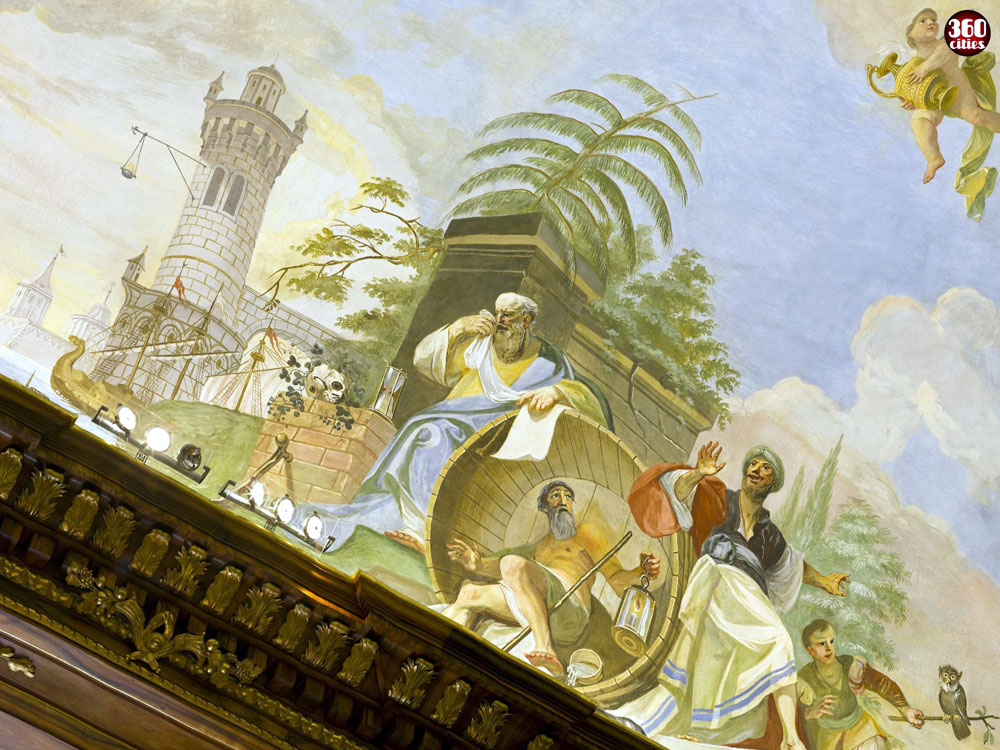
Sadly, this maybe the only way for most of us to see the Philosophical Hall these days, as it is generally off-limits to visitors. I’m glad that I got to see the library, and especially the 18th century trompe l’oeil ceiling, twenty years ago when the library was wide open for traveling booklovers.
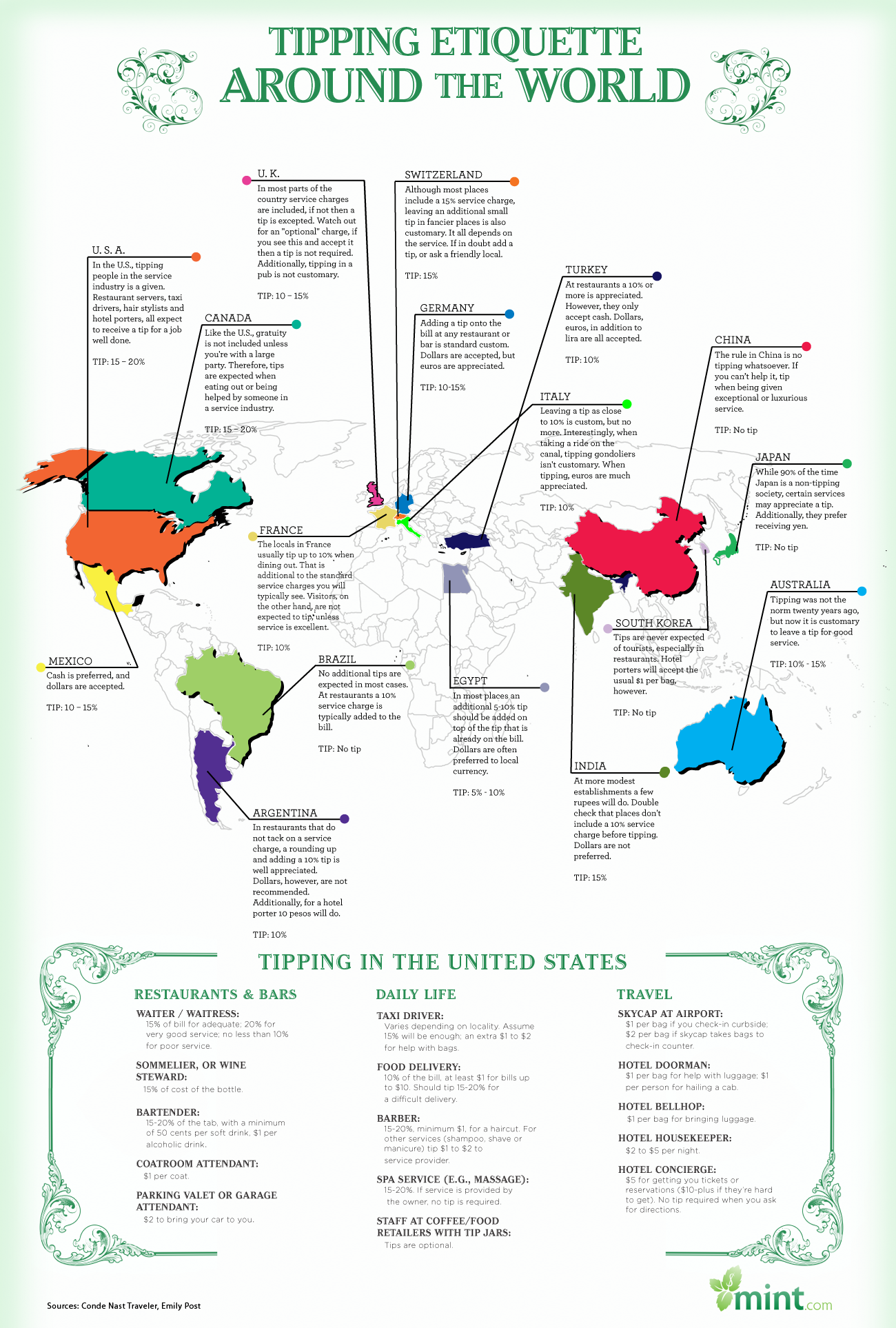
After a long discussion with visitors from Europe on tipping practices in the Americas, this infographic seems to be just the ticket to solve the mystery.
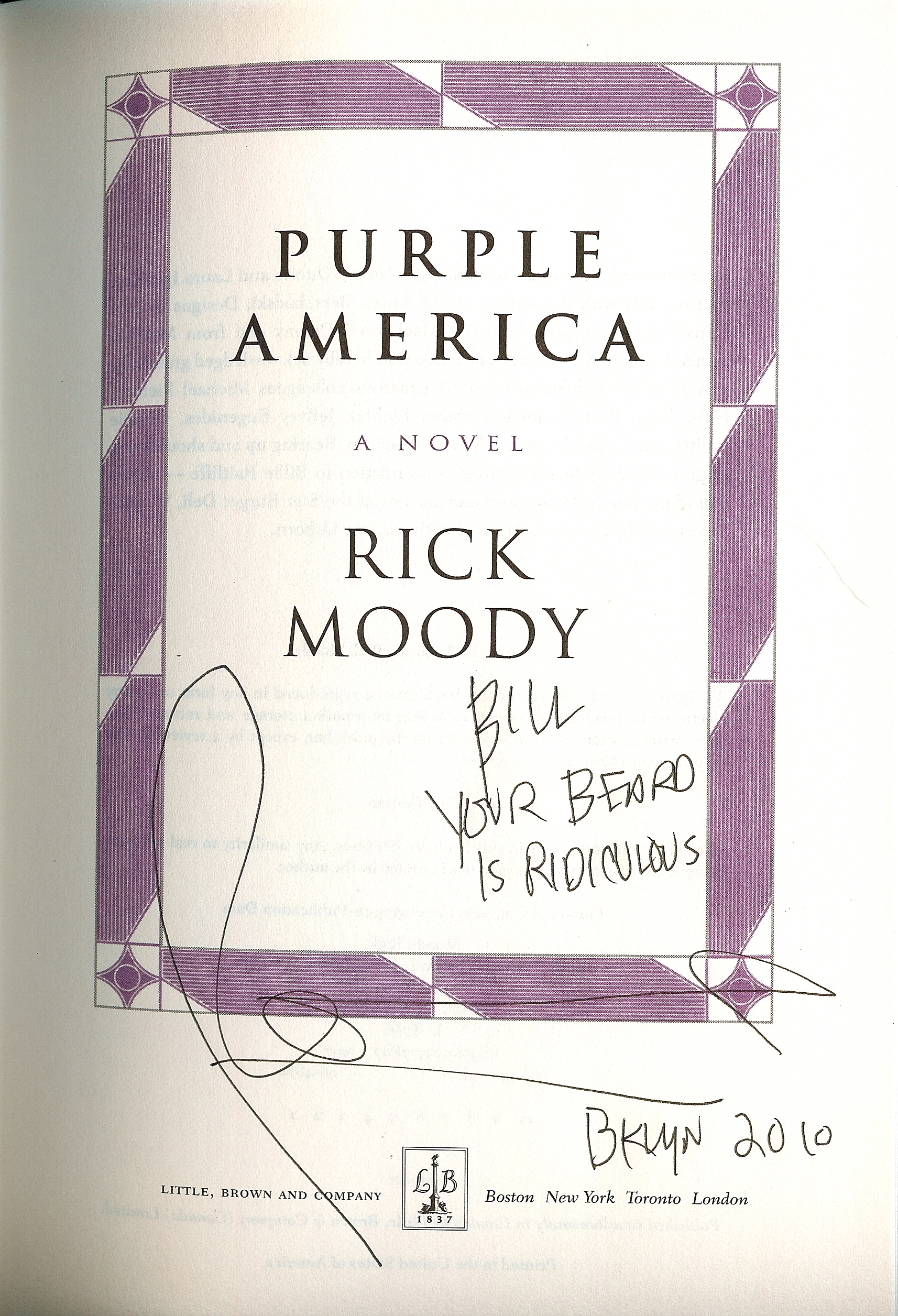
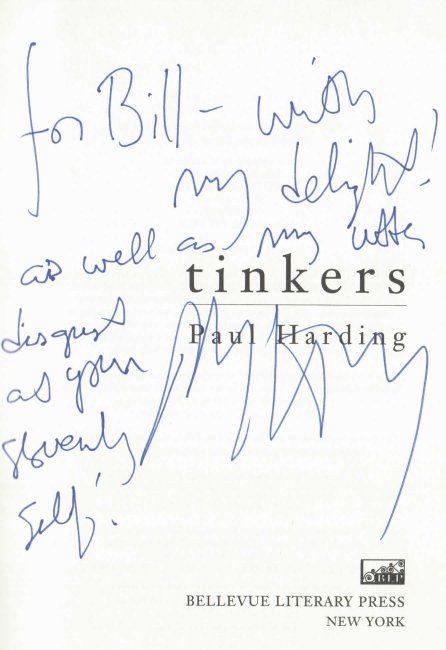
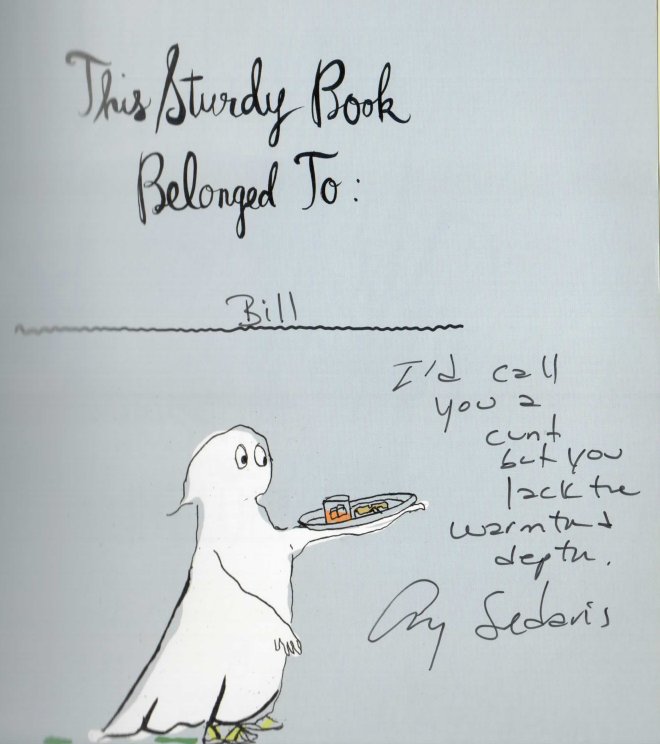
Along with pithy book reviews and commentary on the New York literary scene, writer Bill Ryan posts cleverly insulting book dedications that he elicits from his literary heroes on his wildly funny blog Insulted By Authors. Be forewarned, the language can be salty, scatalogical and mean.





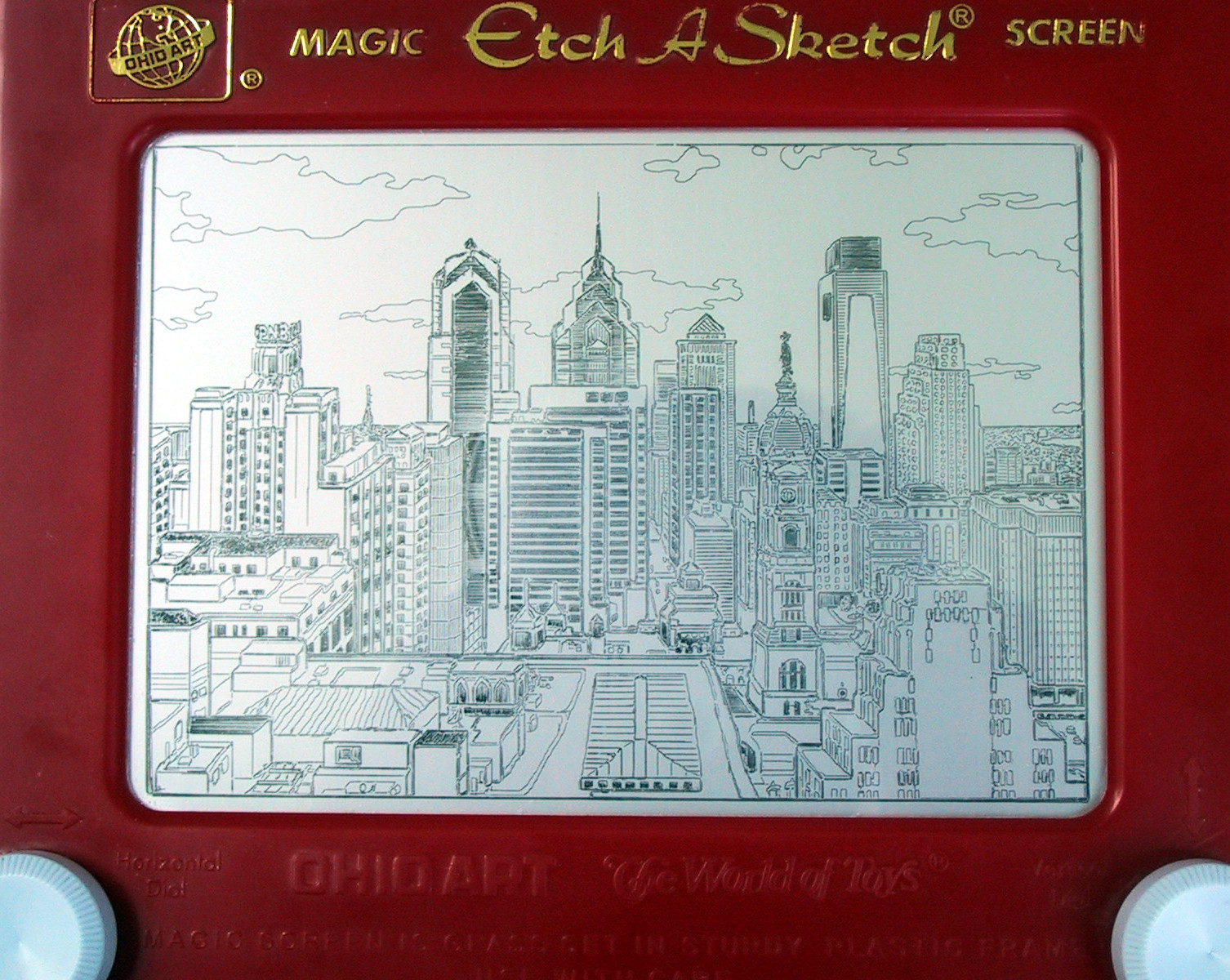
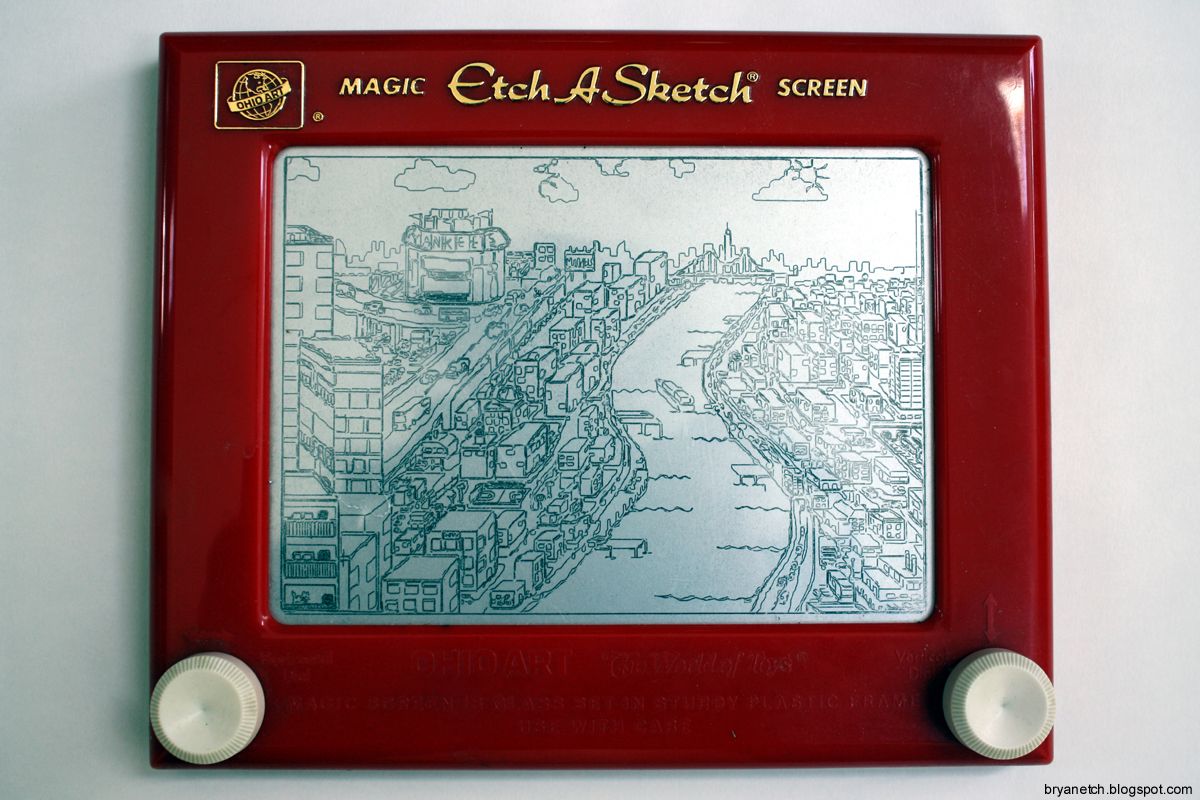
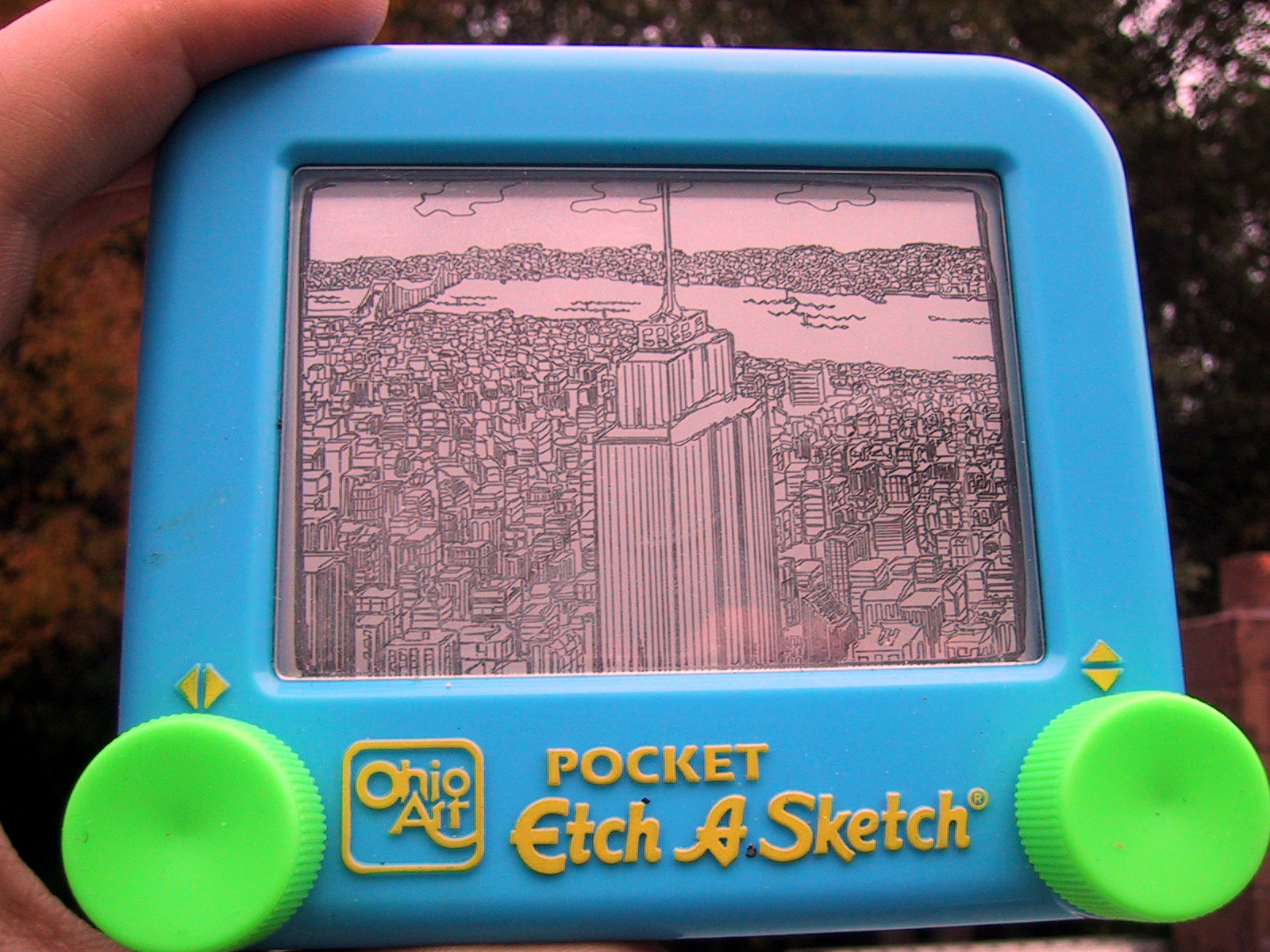
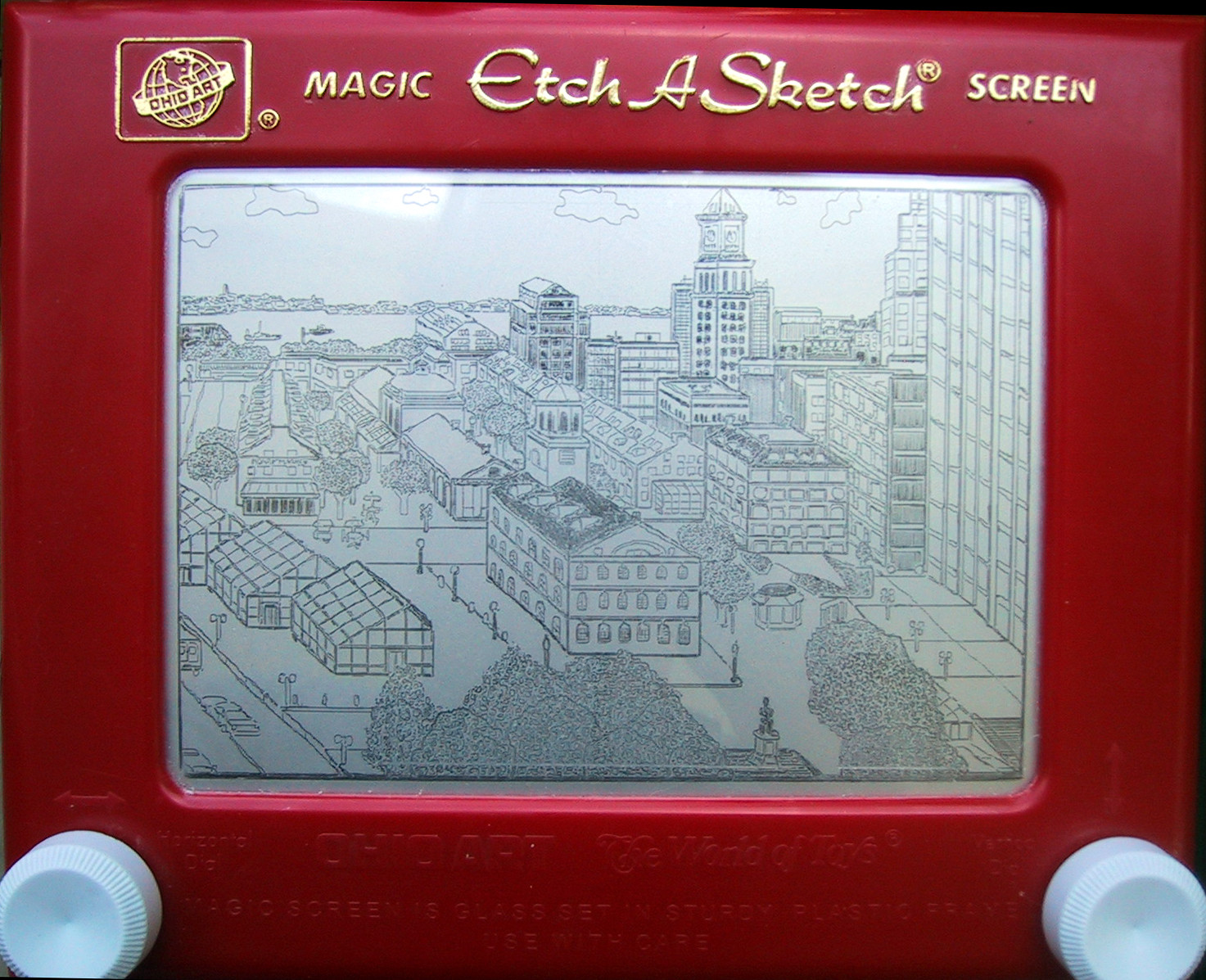
Artist Bryan Lee Madden has been creating some amazing cityscapes and scenes on pocket Etch-a-Sketch models for the last two years:



Would you like to see an edition of The Hobbit illustrated by artist Maurice Sendak of Where the Wild Things Are fame ? Well, you can’t. It almost happened, but didn’t, and all because that notorious curmudgeon J.R.R. Tolkien got his nose out of joint, putting the kibosh to what could have been a very cool edition of The Hobbit .
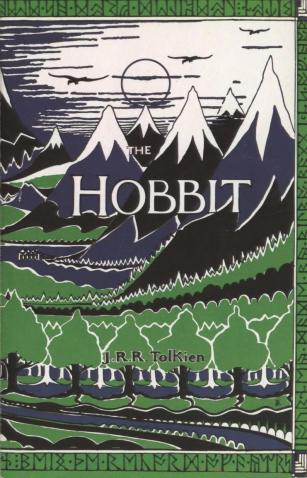
In 1967, Sendak was asked by Tolkien’s U.S. publisher to illustrate the book’s 30th anniversary edition, but before Tolkien, would okay the project, he asked Sendak to send a few sample sketches. This reasonable request annoyed the artist, but he went ahead anyway and created two drawings, one of them of Bilbo and Gandalf.

When the US publisher forwarded the “samples”, the second of which pictured wood-elves in the moonlight, for Tolkien’s review, a huge boo-boo occurred. The editor mislabeled the drawings, identifying the wood-elves as hobbits. This faux pas angered Tolkien so much that he refused to see any more sketches from Sendak.
Today, the only place to see “samples” of the collaboration that never happened is at the Beinecke Rare Book and Manuscript Library at Yale.


 Travel Between The Pages