Rare Book Discovery

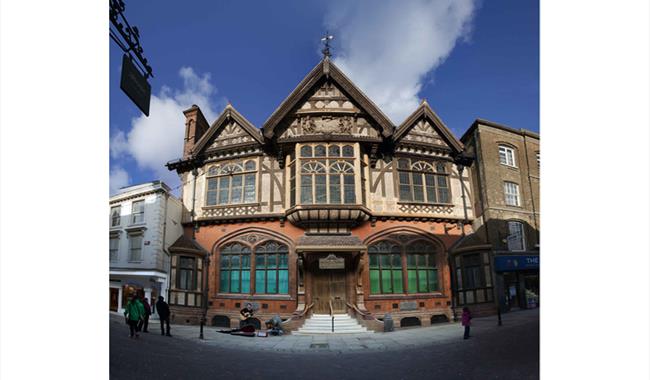
I have a hazy recollection of a brief visit to Canterbury’s  The Beaney House of Art & Knowledge many decades ago on one of my first trips to England, but I was intrigued by a story about its current special exhibition. A rare first edition 1688 copy of Aphra Behn’s novel Oroonoko has gone on display Its inclusion in the exhibition came after the book’s owner, Anna Astin, brought in a copy of the rare book to be evaluated by the museum. She has owned the book for more than 50 years after finding it in her father’s London antique shop.
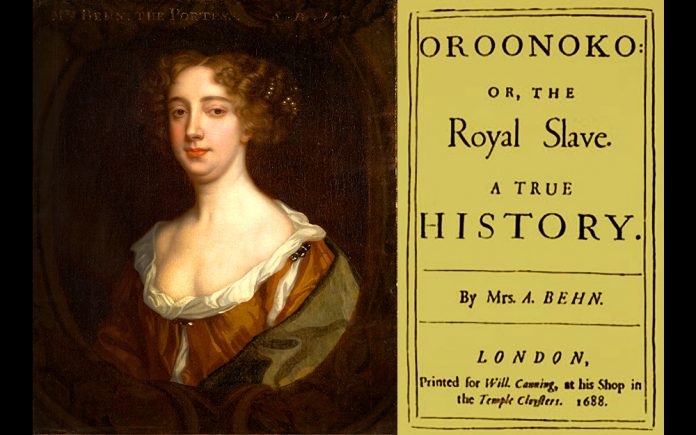
Only 13 copies of the seminal novella are known to exist and all of these are housed in libraries and universities in the UK and America, including the British Library, Oxford University and Yale University Library.
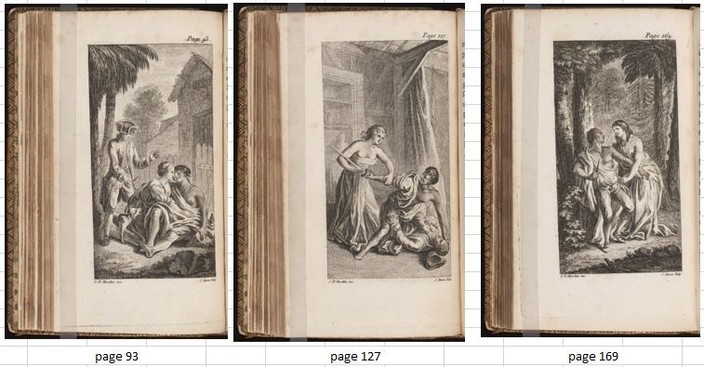
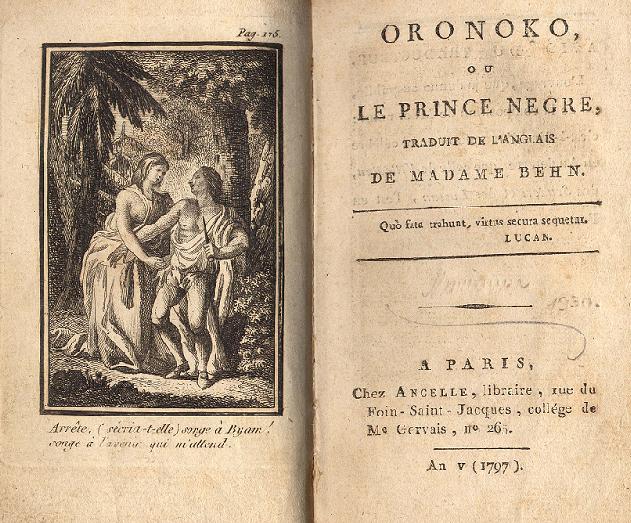
Oroonoko is a novel about the sufferings of an enslaved African prince in 17th century Surinam.  In recent years, the groundbreaking book has been recognized as an important inspiration for the British abolitionist movement. It is also considered one of the first novels written in the English language by a professional woman author.
Aphra Behn was an extraordinary character. Born into a working class family in Canterbury, She rose to prominence as a playwright, poet, translator, and even a spy for the British crown on the Continent. Sadly, she died just months after the blockbuster book’s publication.


Posted in Books, Europe, History, Libraries, Museums, Writing | Tagged , , , | Leave a comment

To leave the world a little better than you found it

Paul Auster // “That’s all I’ve ever dreamed of… To make the world a better place. To bring some beauty to the drab humdrum corners of the soul. You can do it with a toaster, you can do it with a poem, you can do it by reaching out your hand to a stranger. It doesn’t matter what form it takes. To leave the world a little better than you found it. That’s the best a man can ever do.”

Toni Morrison // “I think freedom, ideally, is being able to choose your responsibilities. Not not having any responsibilities, but being able to choose which things you want to be responsible for.”

Jack Kerouac // “Happiness consists in realizing it is all a great strange dream.”

Charles Bukowski // “And remember this: the page you are looking at now, I once typed the words with care with you in mind under a yellow light with the radio on.”

Ernest Hemingway // “When people talk, listen completely. Don’t be thinking what you’re going to say. Most people never listen. Nor do they observe. You should be able to go into a room and when you come out, know everything that you saw there and not only that. If that room gave you any feeling you should know exactly what it was that gave you that feeling. Try that for practice.”

Lina Kostenko // “The main thing is to look into the eyes of the beast and simply to remain human.”


Posted in Books, Europe, USA, Writing | Tagged , | 2 Comments

Ma maison à Paris

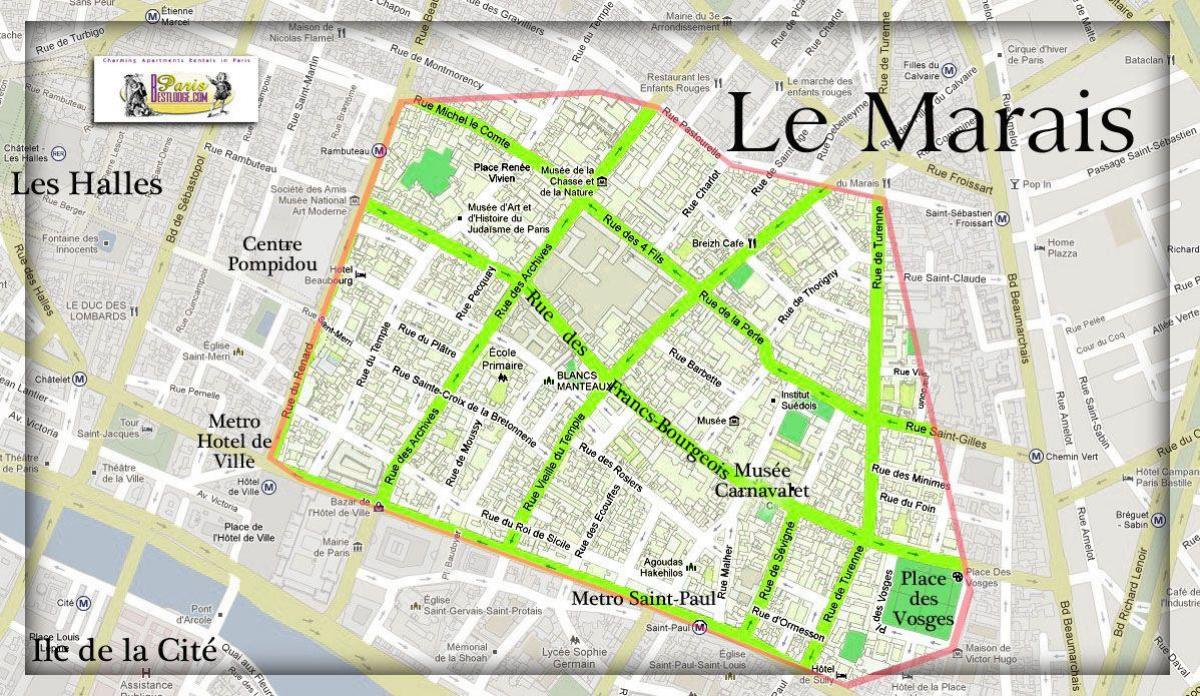
Whenever I am in Paris for more than a few days, I prefer to rent an apartment in my favorite district of the city. It may not be the in the hippest arrondissement, but I have always loved the vibe and the mix of cultures. Not to mention, the best falafel in town. Filmmaker Thomas Guerrin followed an (unnamed) boarder through the streets of Le Marais in Paris (using a glidecam + 5D III) for this short, sweet film.


Posted in Architecture, Europe, Film, Tourism | Tagged , | 2 Comments

To Be Hopeful

                          To Be Hopeful

“To be hopeful in bad times is not just foolishly romantic. It is based on the fact that human history is a history not only of cruelty, but also of compassion, sacrifice, courage, kindness.

What we choose to emphasize in this complex history will determine our lives. If we see only the worst, it destroys our capacity to do something. If we remember those times and places—and there are so many—where people have behaved magnificently, this gives us the energy to act, and at least the possibility of sending this spinning top of a world in a different direction.

And if we do act, in however small a way, we don’t have to wait for some grand utopian future. The future is an infinite succession of presents, and to live now as we think human beings should live, in defiance of all that is bad around us, is itself a marvelous victory.”
― Howard Zinn

Posted in Uncategorized | 2 Comments

James Baldwin: Mountain to Fire

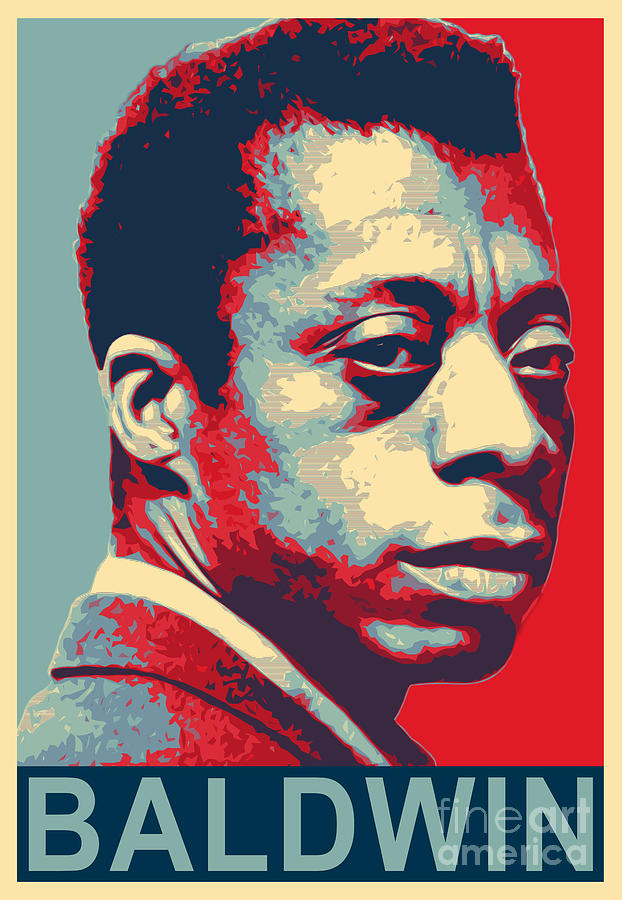
James Baldwin // “The world changes according to the way people see it, and if you alter, even by a millimeter, the way people look at reality, then you can change it.”

To celebrate what would have been the 100th birthday of writer, activist, essayist, and public intellectual on August 2, the New York Public Library has assembles a collection of the most important and extraordinary items from its holdings of Baldwin’s papers.

Celebrating 100 Years of James Baldwin at NYPL honors James Baldwin’s love for libraries and the story of James Baldwin’s education and literary path is deeply intertwined with the history of The New York Public Library. Baldwin was born in Harlem across the street from what would later become the Schomburg Center for Research in Black Culture, and visited the library three or four times a week in his youth when it was one of the first integrated libraries at NYPL.

Baldwin first arrived at the flagship 42nd Street Library, now known as the Stephen A. Schwarzman Building, as a teenager. The library left such an impression on him that he became a regular patron, and the building makes an appearance in the novel Go Tell It on the Mountain. Today the Schomburg Center stewards James Baldwin’s collection of personal papers, ephemera, manuscripts, and materials.

Visitors can now see the first major exhibitions of NYPL’s  Baldwin papers at the two libraries that inspired him. Highlights include manuscripts of his most famous and influential works, including the drafts of Go Tell It on the MountainGiovanni’s Room, and The Fire Next Time. Also on show is James Baldwin’s high school literary magazine from DeWitt Clinton High School, and correspondence with Maya Angelou and Lorraine Hansberry.

“James Baldwin was born with gifts, but there’s no question that the New York Public Library and other public city resources played a critical, nurturing role in the early intellectual development of this artist who opened the minds and hearts of so many people around the world. That’s something that all New Yorkers can celebrate,” said Charles Cuykendall Carter, Assistant Curator of the Carl H. Pforzheimer Collection of Shelley and His Circle and Curator of James Baldwin: Mountain to Fire.

James Baldwin: Mountain to Fire at the Polonsky Exhibition of The New York Public Library’s Treasures (Stephen A. Schwarzman Building) runs through Fall 2025. JIMMY! God’s Black Revolutionary Mouth (Schomburg Center for Research in Black Culture) opens August 2, 2024 and runs through February 2025.

Posted in Books, History, Libraries, USA, Writing | Tagged , , | Leave a comment

The Original Swiss Army Knife

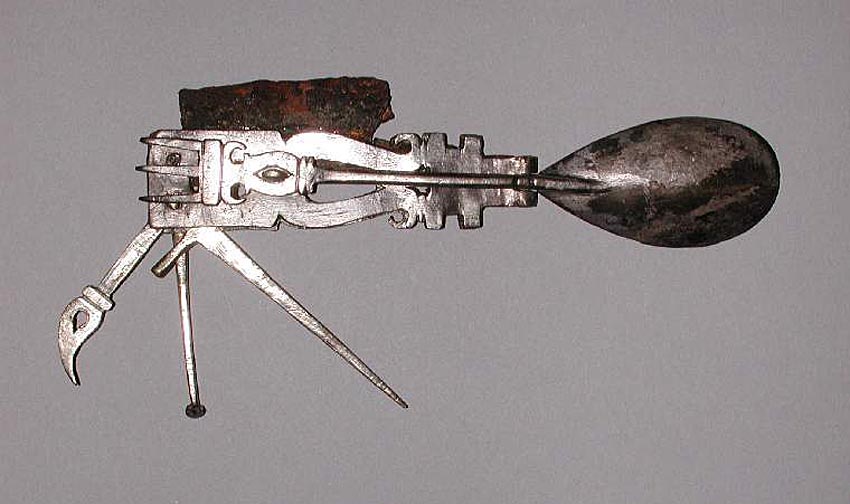
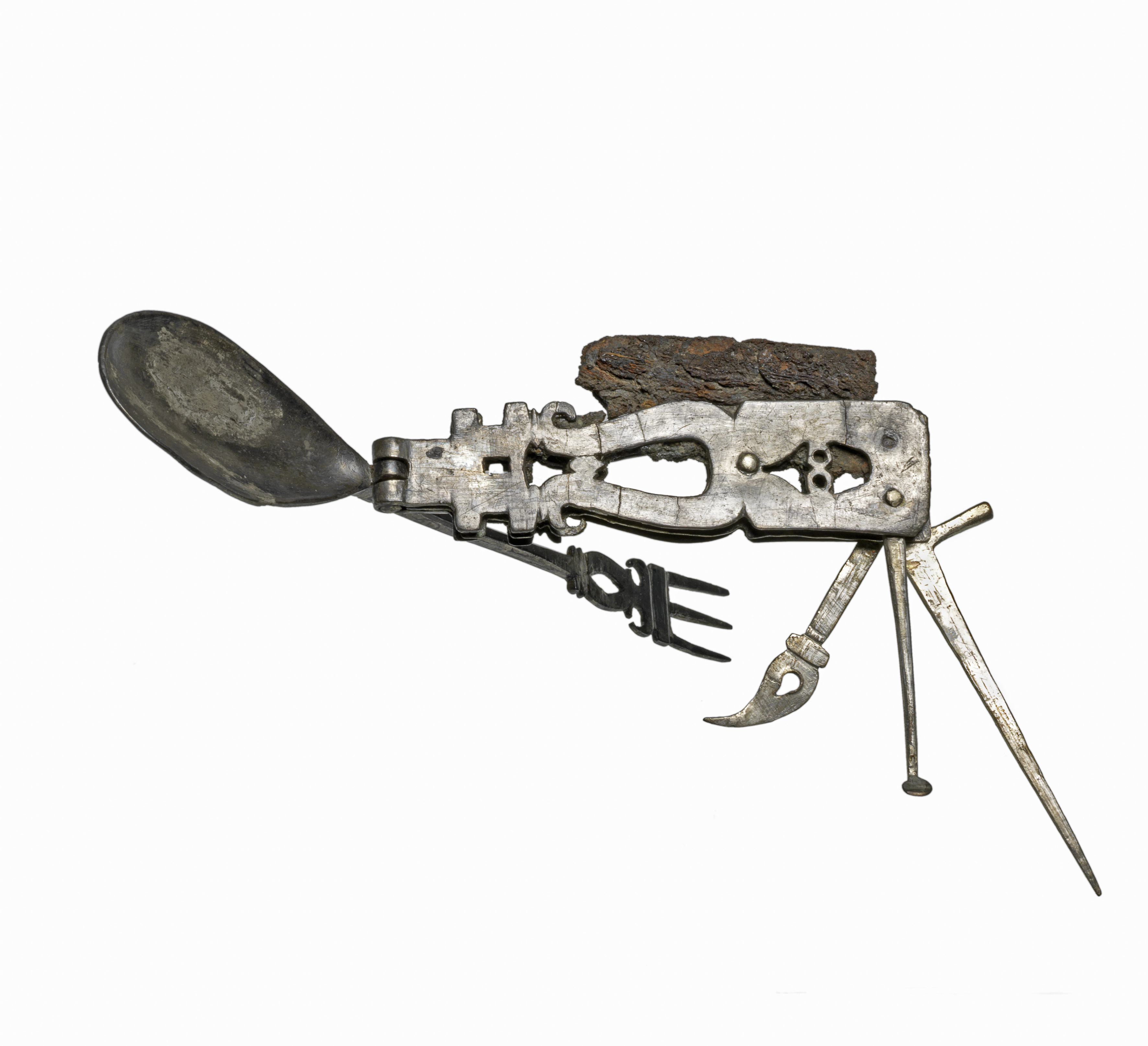
I miss traveling with my handy Swiss Army knife. Since the advent of strict air travel security regulations, I stopped packing my trusty multi-function tool. Recently, I learned that the original version of the utility knife was invented by the Romans.

With a spoon, knife, fork and toothpick, a spike and a mini-spatula, the Roman knife was a useful everyday carry for everyone from soldiers to the wealthy. In fact, some surviving 2,000 year-old models were made of silver with iron blades. Although the iron knife blades have corroded, the other handy sections, hinged and riveted onto a flat silver handle, are all still functional. the cleverness of design and virtuosity of craftsmanship recalls that of the Swiss army knives that we love today.


Posted in Europe, History, Tech | Tagged , , | Leave a comment

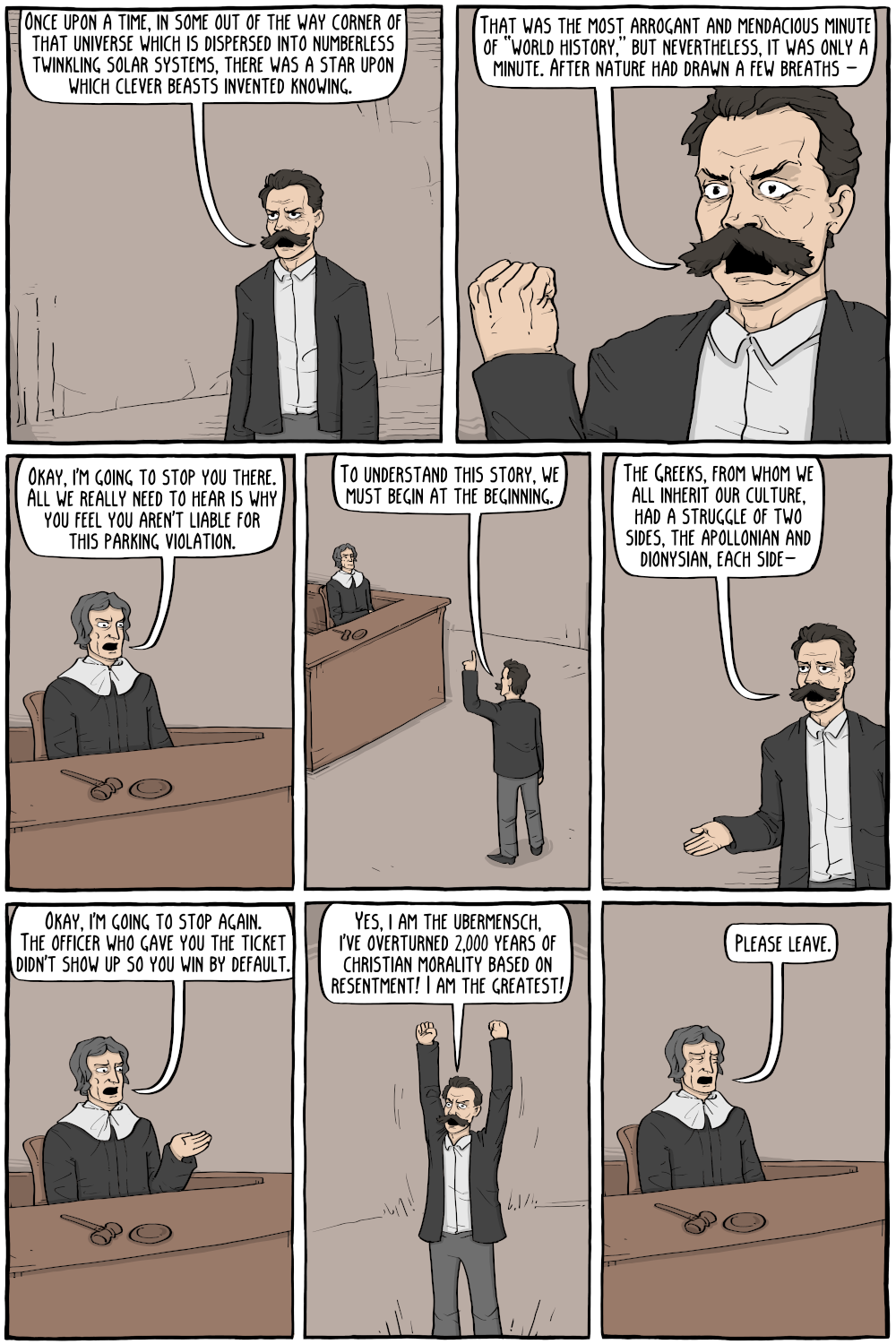
We must begin at the beginning

via 


Posted in Animation, Art, Books | Tagged , , , | Leave a comment

the danger that carries us like a mother

Alaska

When I think about Alaska what comes to mind are glaciers, mountains, fjords, forests and snow, deserts not so much. But the other day I stumbled upon a story about the discovery of 10,000 year-old obsidian tools in an area called the Nogahabara Dunes in Northwest Alaska. It’s a relatively small desert compared to the vast Alaskan wilderness, but apparently it’s a rich archeological region for ancient tool kits. This oddly reminded me of the micro short story titled Proposal by Denis Johnson.

“Proposal”

by

Denis Johnson


The early inhabitants of this continent
passed through a valley of ice two miles deep
to get here, passed from creature to creature
eating them, throwing away the small bones
and fornicating under nameless stars
in a waste so cold that diseases couldn’t
live in it. Three hundred million
animals they slaughtered in the space of two centuries,
moving from the Bering isthmus to the core
of squalid Amazonian voodoo, one
murder at a time; and although in the modern hour
the churches’ mouths are smeared with us
and all manner of pleading goes up from our hearts,
I don’t think they thought the dark and terrible
swallowing gullet could be prayed to.
I don’t think they found the smell of baking
amid friends in a warm kitchen anything to be revered.
I think some of them had to chew the food
for the old ones after they’d lost all their teeth,
and that their expressions
were like those we see on the faces
of the victims of traffic accidents today.
I think they threw their spears with a sense of utter loss,
as if they, their weapons, and the enormous animals
they pursued were all going to disappear.
As we can see, they were right. And they were us.
That’s what makes it hard for me now to choose one thing
over all the others; and yet surrounded by the aroma
of this Mexican baking and flowery incense
with the kitchen as yellow as the middle
of the sun, telling your usually smart-mouthed
urchin child about the early inhabitants
of this continent who are dead, I figure
I’ll marry myself to you and take my chances,
stepping onto the rock
which is a whale, the ship which is about to set sail
and sink
in the danger that carries us like a mother.

Posted in Museums, Tourism, USA, Writing | Tagged , , , | Leave a comment

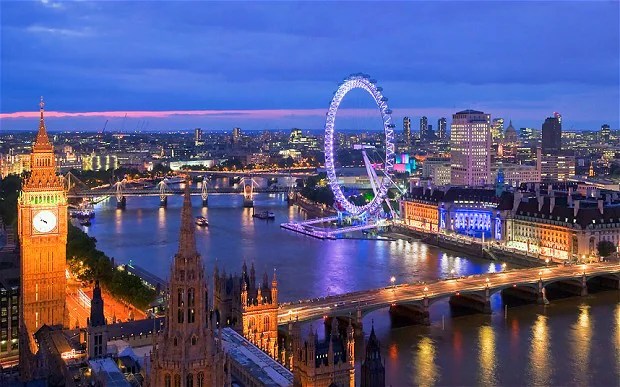
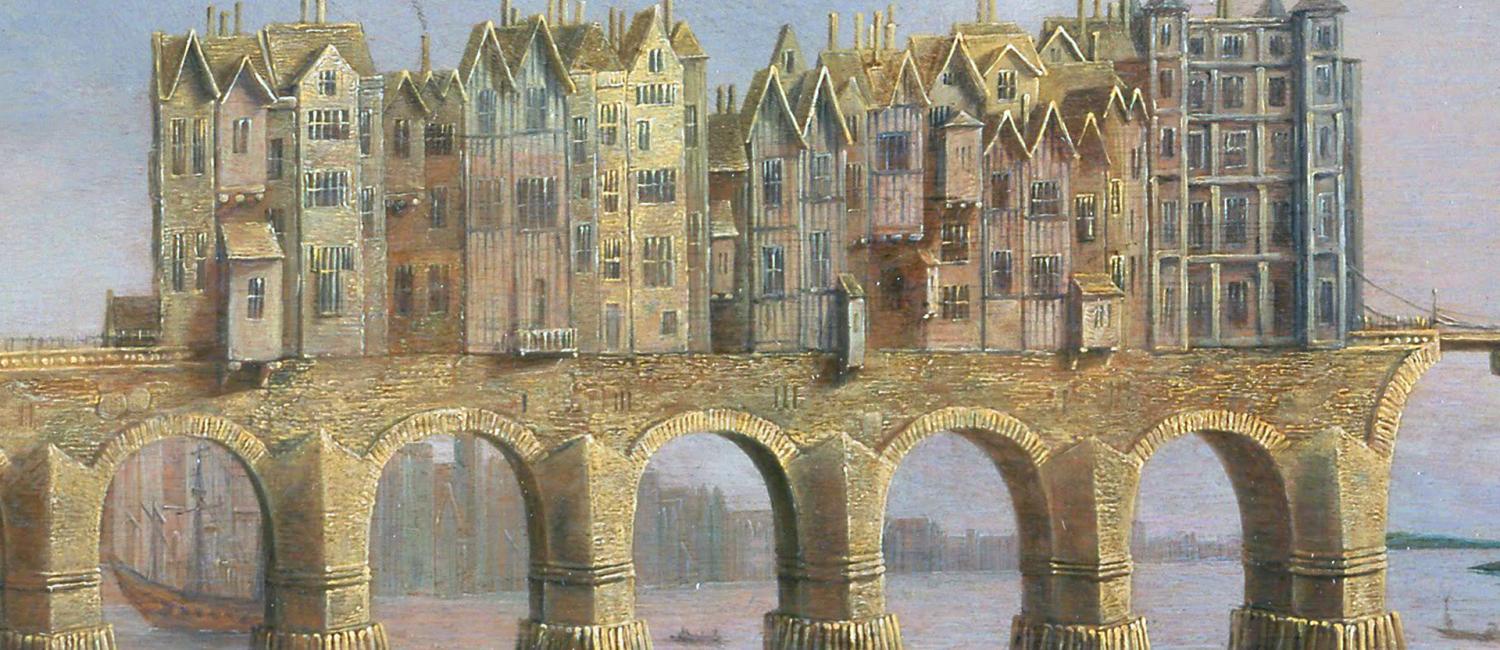
London is already great, and it can be even greater.

Followers of Travel Between The Pages already know that I am an enormous Londonphile (if that’s even a word). Way back in the olden days of the 20th century I had the opportunity to spend some quality time getting to know the city and even wrote a little guide for budget travel there. But lately it seems that everyone is slagging off London due to the congestion, crime, pollution, soaring costs, etc., etc.. I recently ran across a website promoting something called The Greater London Project which aims to address the city’s potential.

This new project by Sam Bowman and Joe Hill, hopes to solicit and explore ideas on how to improve one of the world’s greatest urban centers. As the project creators say, “You could go to a different gallery, play, concert, restaurant, park, or museum every day for the rest of your life here without ever getting bored. It is home to some of the most important and exciting companies in the world, which sit alongside some of the oldest and most august ones. It is constantly becoming home to new smart and interesting people, and new businesses, ideas, and scientific breakthroughs are created here every day. ” But there’s opportunity to make it greater. if you love London too, check it out here.

Here are some of their thoughts on the next chapter for this ancient city:

  • A growing city with dense, beautiful, affordable, abundant housing of all kinds and tenures. More people should be able to live in London – we should be excited by a future with twenty million Londoners.
  • Built to human scale, so people can walk, cycle and get public transport to where they need to be.
  • For people to live, not just work, with a thriving pub and dining culture which spreads out onto pedestrianised the streets in summer.
  • Be the safest capital city in the Western world, where people aren’t afraid of crime, no matter where they are or the time of day, with the police working efficiently to catch serious and petty criminals.
  • A clean, beautiful, verdant and shared space, with parks and squares which everyone can enjoy in peace and quiet, and new buildings that are intended to be beautiful.
  • A city that embraces new technologies like drone delivery and self-driving cars. London should lead the world in experimentation and adoption of technologies like these, rather than following the pack.
  • A historic city, where we celebrate the past and live up to its amazing heritage, without treating the whole city like a museum that can never change.
  • An open city for people of all different backgrounds, and at all different stages of life, from all around Britain and the world.
Posted in Architecture, Europe, History, Museums, Public Transport, Tourism | Tagged , , , | Leave a comment

‘Like all hotel rooms, this one’s asking you / to cry’

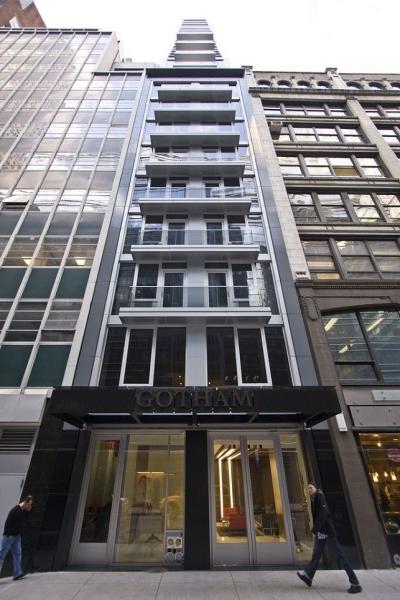
The Gotham Hotel

by K. Iver

  has twenty-five floors. Its letters hum
to pedestrians in large metal serif.
From Floor 19, you can see offices across
the street, suits dimming their desk lamps.
Like all hotel rooms, this one’s asking you
to cry. You wait until you’ve left the large bed,
the elevator dings open and you’re on West 46th
passing long October coats. Only there, away
from the cornerless dark where your lover sleeps,
away from the room’s disarming neutrality,
can you soften into what’s next. The relief
of dropping sad water on pavement used
to catching it. How steady the scaffolding.
How predictable its right angles. Under them,
the curve of your head gains balance.
Feathers continue their low pivoting
in sudden storm. On Floor 19, your lover’s eyelids
and shoulders open, the glass wall bends
to his length. Last night, while under it,
you could taste plaster, steel, ascension of thighs,
their blueprint drawn for reascending. Under him,
you understood there’s no safe engineering
for this much want. What will you lose, pivoting
on 10th Ave? If you could tell him no, you wouldn’t.


Copyright © 2024 by K. Iver. Originally published in Poem-a-Day on July 18, 2024, by the Academy of American Poets.

About the poem:

“The sentence ‘Like all hotel rooms, this one’s asking you / to cry’ came to me during my stay at The Gotham Hotel. Unable to sleep, I wrote it down as a way of listening to desire, its hopes and warnings. The ‘he’ is trans, and that’s important in a text that highlights building as both a noun and a verb. The number of lines, including the bleeding title, matches the hotel’s twenty-five floors. Exteriors are emphasized as sentence subjects—coats and feathers rather than people and pigeons—in a movement that I hope meets the value of Rimbaud’s ‘derangement of the senses,’ which is how I experience desire.”
—K. Iver


Posted in Uncategorized | Leave a comment