None dare call it travel hacking

I am relieved that actual travel writers and bloggers have stopped the tiresome use of the term “travel hacking” and just get on with the business of helpful suggestions. Here are a few of those that I’ve recently spotted.

If you don’t fly business class or have another way into specific airline lounges, Priority Pass is a great alternative in most international airports. For years, I had a credit card that offered a limited version of the Priority Pass, but alas that’s disappeared. However, recently I found another way to finagle lounge access. The Altitude Connect card from US Bank only gets you four included lounge visits a year, but it has no annual fee, no foreign transaction fees, and you get 20K travel portal points after a $1,000 minimum spend. Yes, I know that it’s bougie and elitist, but I’m old and need some peace and quiet when I fly.

I haven’t used  Welcome Pickups car service yet, but I’ve been told that it’s a good alternative to Uber and various local options.  You book online before your flight, see the exact price upfront (usually comparable to Uber), and most importantly, a driver will be waiting for you right after luggage pickup with your name on a sign. They speak English and can help with your bags. They operate in over 350 destinations worldwide. It’s the small dose of certainty that makes arriving in a new city less stressful.

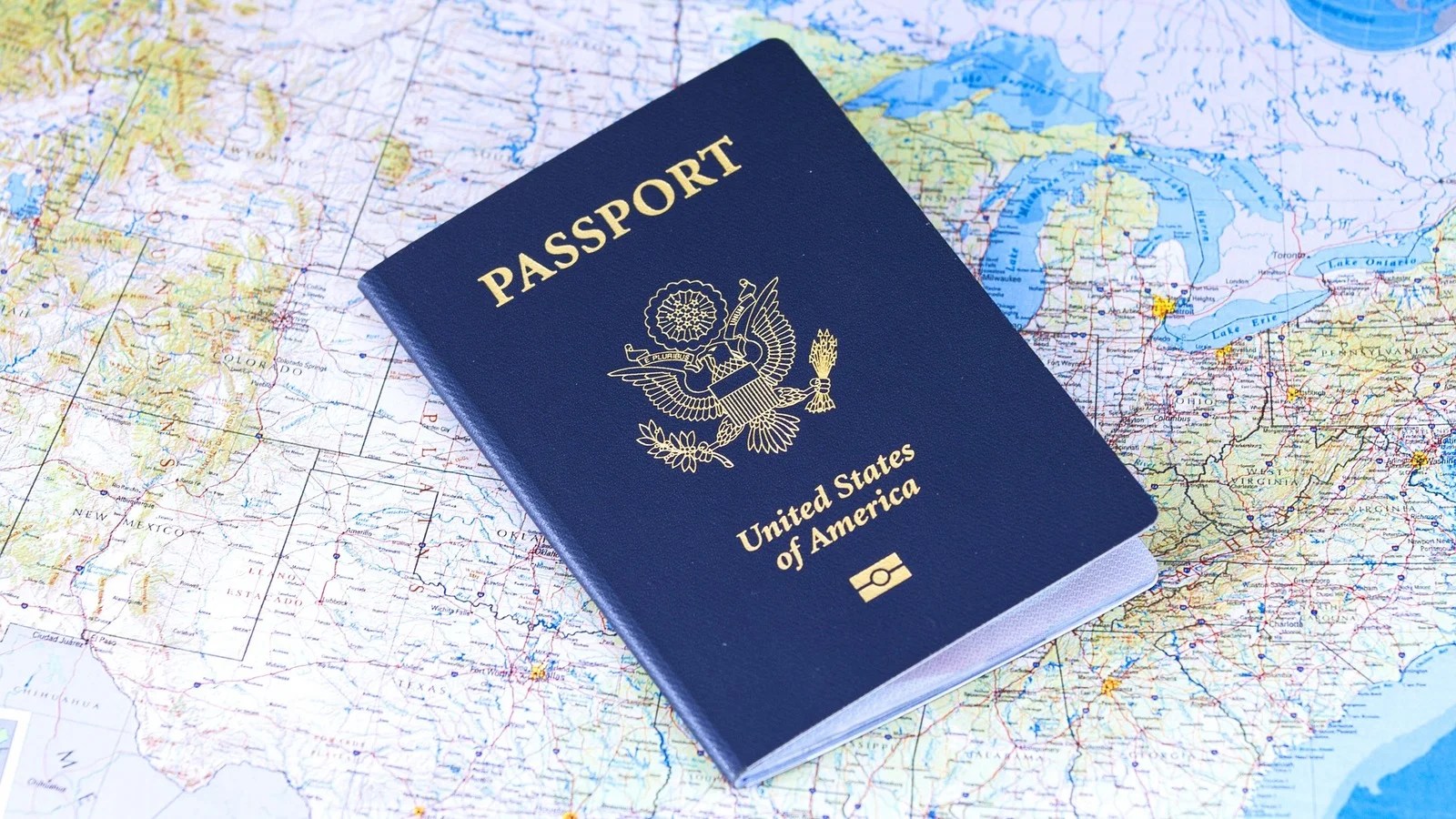
You can now add a U.S. passport as your digital ID to your wallet app on an iPhone running iOS 26.1 or later. You still need to carry your passport overseas, but you can pull out this ID for TSA clearance at 250 airports in the U.S., including SFO, LAX, JFK and LGA. To do this go to your wallet, hit the + in the upper right, then choose “Driver’s License and ID Cards,” then “Digital ID.” You’ll be prompted to hold your phone’s camera over the photo page of your passport and then you need to touch your phone to the chip embedded in the back of the passport. Then you’ll be asked to take a selfie and do some prescribed head movements to verify you are real. Finally, your application will await verification. Once verified your passport ID will appear in your wallet.

The best bargain flights to Japan are through a Japan Airlines subsidiary called Zip Air. All routes begin or terminate in Tokyo, flying from hub cities in Asia, such as Singapore, Hong Kong, and from select cities in the US. Prices vary widely during the year, but on some weeks this coming spring an economy round trip flight from San Francisco to Tokyo is only $283. Of course, they charge for everything from meals, water, blankets, and luggage. And their “lie full flat” seats (business class) are less than $2,000, but also without blankets, pillows, or service.

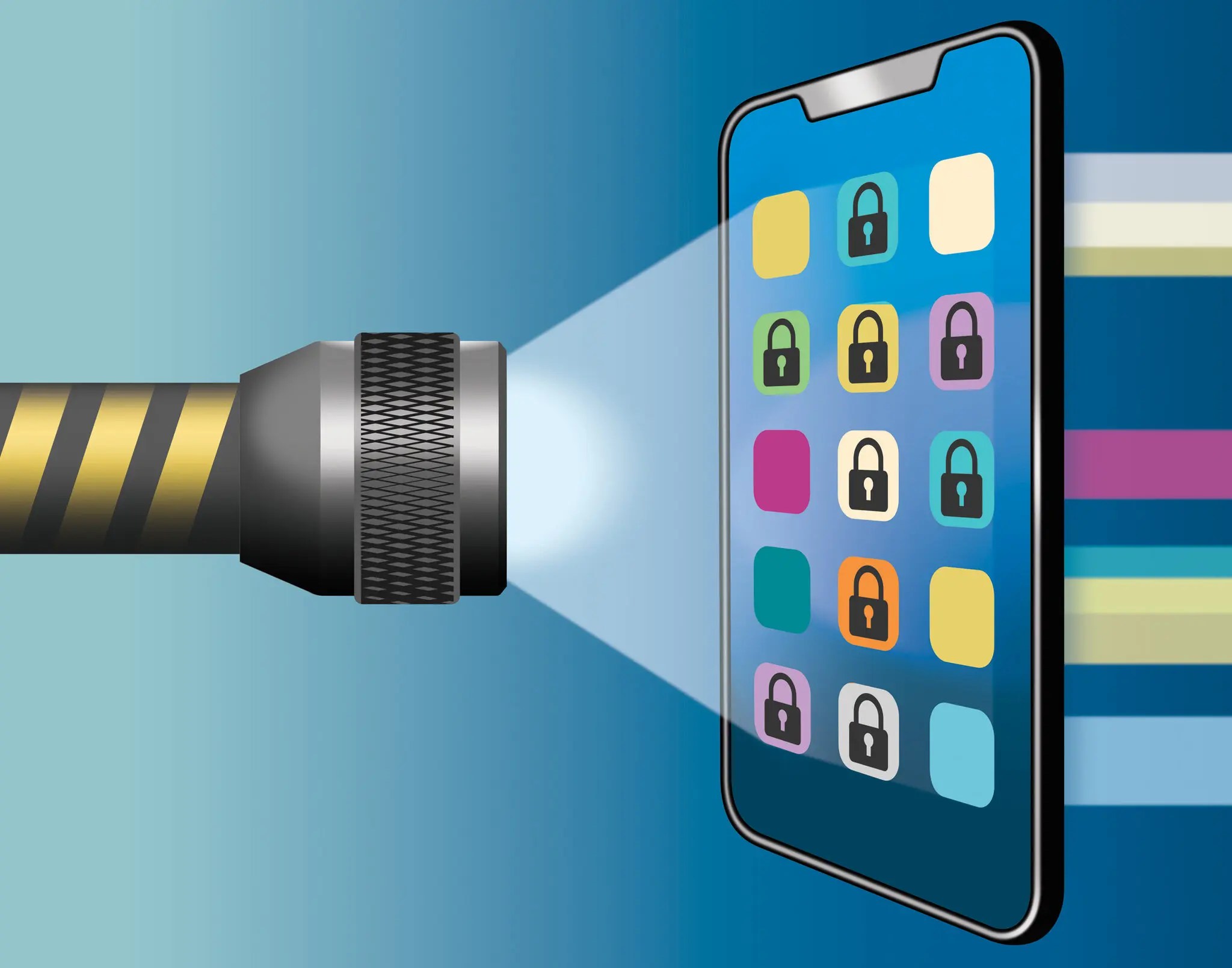
Traveling? Be aware that US Customs might demand to see what’s on your phone upon entry. Here’s some advice on how to handle the problem. GIFT ARTICLE


Posted in Uncategorized | Tagged , , , | Leave a comment

Blue (Rider) Winter

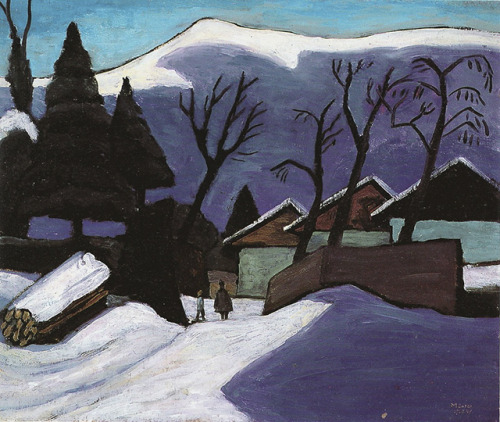
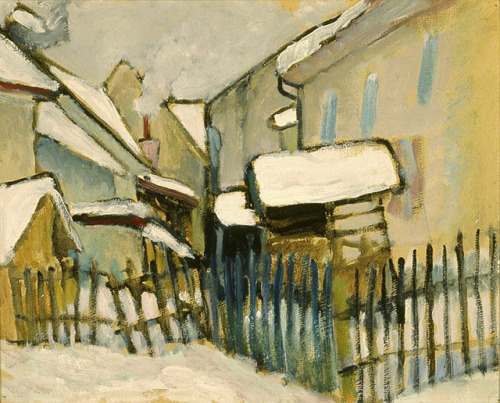
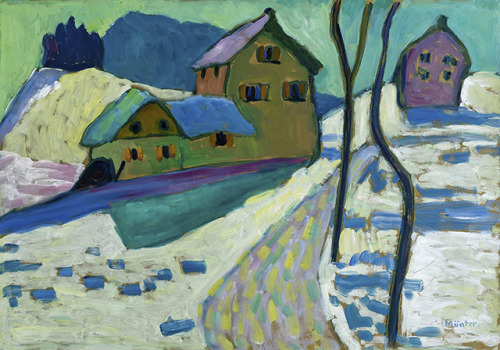
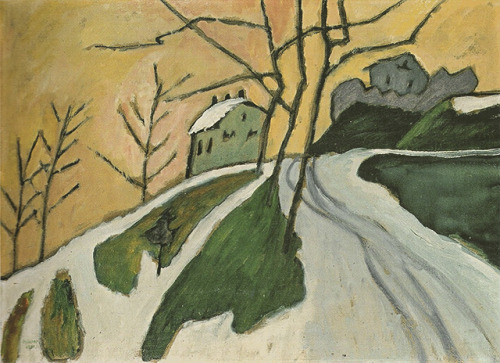
Despite being surrounded by artists, I know so little about art. However, as they say, I know what I like. Many years ago, I was fortunate to stumble on a wonderful exhibition on the Blue Rider (Der Blaue Reiter) movement of German Expressionists at the long defunct Pinacothèque de Paris private art museum. I was enthralled by the show, but the standout for me was a group of paintings by Gabriele Münter . These chilly scenes of winter are some of my favorites.


Posted in Uncategorized | Tagged , , , | Leave a comment

sentimental souvenirs of the past

“I remembered once, in Japan, having been to see the Gold Pavilion Temple in Kyoto and being mildly surprised at quite how well it had weathered the passage of time since it was first built in the fourteenth century. I was told it hadn’t weathered well at all, and had in fact been burnt to the ground twice in this century.
“So it isn’t the original building?” I had asked my Japanese guide.
“But yes, of course it is,” he insisted, rather surprised at my question.
“But it’s been burnt down?”
“Yes.”
“Twice?”
“Many times.”
“And rebuilt.”
“Of course. It is an important and historic building.”
“With completely new materials.”
“But of course. It was burnt down.”
“So how can it be the same building?”
“It is always the same building.”
I had to admit to myself that this was in fact a perfectly rational point of view, it merely started from an unexpected premise. The idea of the building, the intention of it, its design, are all immutable and are the essence of the building. The intention of the original builders is what survived. The wood of which the design is constructed decays and is replaced when necessary. To be overly concerned with the original materials, which are merely sentimental souvenirs of the past, is to fail to see the living building itself.”

Douglas Adams 
As the global poster child for Kyoto’s many World Heritage Sites, Kinkaku-ji Temple (Golden Pavilion) runs the real risk of being disappointing in real life. But despite the crowds all jostling for the same selfie, and the fact that you can’t actually go inside the temple building, Kinkaku-ji is sublime to see.
The temple’s brilliant exterior gives the impression of fire on the water but Kinkaku-ji has actually been on fire more than once. The first blaze occurred back in the Onin War (1467-77) while the second happened in 1950 when a distraught novice monk attempted to die among the golden flames.
Posted in Architecture, Asia, Tourism, Travel Writing | Tagged , , | Leave a comment

Why Are Americans Afraid of Dragons?

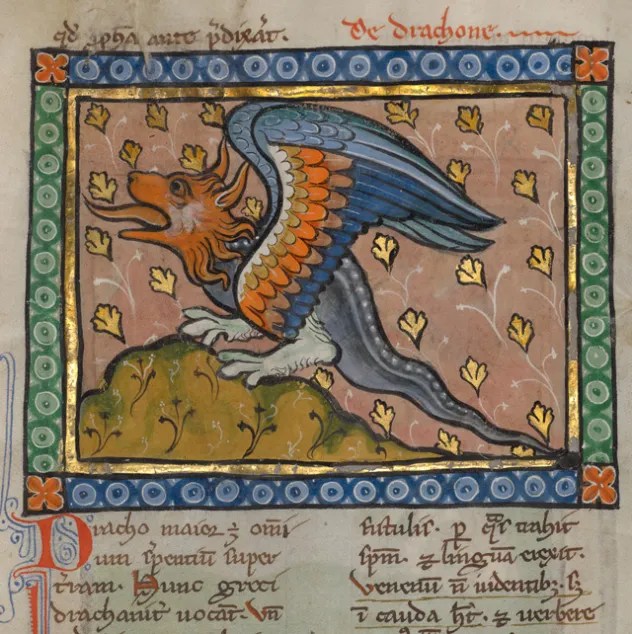
“In wondering why Americans are afraid of dragons, I began to realize that a great many Americans are not only anti-fantasy, but altogether anti-fiction. We tend, as a people, to look upon all works of the imagination either as suspect or as contemptible. ‘My wife reads novels. I haven’t got the time.’ ‘I used to read that science fiction stuff when I was a teenager, but of course I don’t now.’ ‘Fairy stories are for kids. I live in the real world.’ Who speaks so? Who is it that dismisses ‘War and Peace,’ ‘The Time Machine,’ and ‘A Midsummer Night’s Dream’ with this perfect self-assurance? It is, I fear, the man in the street – the men who run this country.
Such a rejection of the entire art of fiction is related to several American characteristics: our Puritanism, our work ethic, our profit-mindedness, and even our sexual mores. To read ‘War and Peace’ or ‘The Lord of the Rings’ plainly is not ‘work’ – you do it for pleasure. And if it cannot be justified as ‘educational’ or as ‘self-improvement,’ then, in the Puritan value system, it can only be self-indulgence or escapism. For pleasure is not a value, to the Puritan; on the contrary, it is a sin.
Equally, in the businessman’s value system, if an act does not bring in an immediate, tangible profit, it has no justification at all. Thus the only person who has an excuse to read Tolstoy or Tolkien is the English teacher, who gets paid for it. But our businessman might allow himself to read a best-seller now and then: not because it is a good book, but because it is a best-seller – it is a success, it has made money. To the strangely mystical mind of the money-changer, this justifies its existence; and by reading it he may participate, a little, in the power and mana of its success.

If this is not magic, by the way, I don’t know what it is. The last element, the sexual one, is more complex. I hope I will not be understood as being sexist if I say that, within our culture, I believe that this anti-fiction attitude is basically a male one. The American boy and man is very commonly forced to define his maleness by rejecting certain traits, certain human gifts and potentialities, which our culture defines as ‘womanish’ or ‘childish.’ And one of these traits or potentialities is, in cold sober fact, the absolutely essential human faculty of imagination…

But I must narrow the definition to fit our present subject. By ‘imagination,’ then, I personally mean the free play of the mind, both intellectual and sensory. By ‘play’ I mean recreation, re-creation, the recombination of what is known into what is new. By ‘free’ I mean that the action is done without an immediate object of profit – spontaneously. That does not mean, however, that there may not be a purpose behind the free play of the mind, a goal; and the goal may be a very serious object indeed. Children’s imaginative play is clearly a practicing at the acts and emotions of adulthood; a child who did not play would not become mature. As for the free play of an adult mind, its result may be ‘War and Peace,’ or the theory of relativity.

To be free, after all, is not to be undisciplined. I should say that the discipline of the imagination may in fact be the essential method or technique of both art and science. It is our Puritanism, insisting that discipline means repression or punishment, which confuses the subject. To discipline something, in the proper sense of the word, does not mean to repress it, but to train it – to encourage it to grow, and act, and be fruitful, whether it is a peach tree or a human mind. I think that a great many American men have been taught just the opposite. They have learned to repress their imagination, to reject it as something childish or effeminate, unprofitable, and probably sinful. They have learned to fear it. But they have never learned to discipline it at all.”

— Ursula K. Le Guin, from Why Are Americans Afraid of Dragons? (1974)

Posted in USA, Writing | Tagged , | Leave a comment

Free Books For Kids

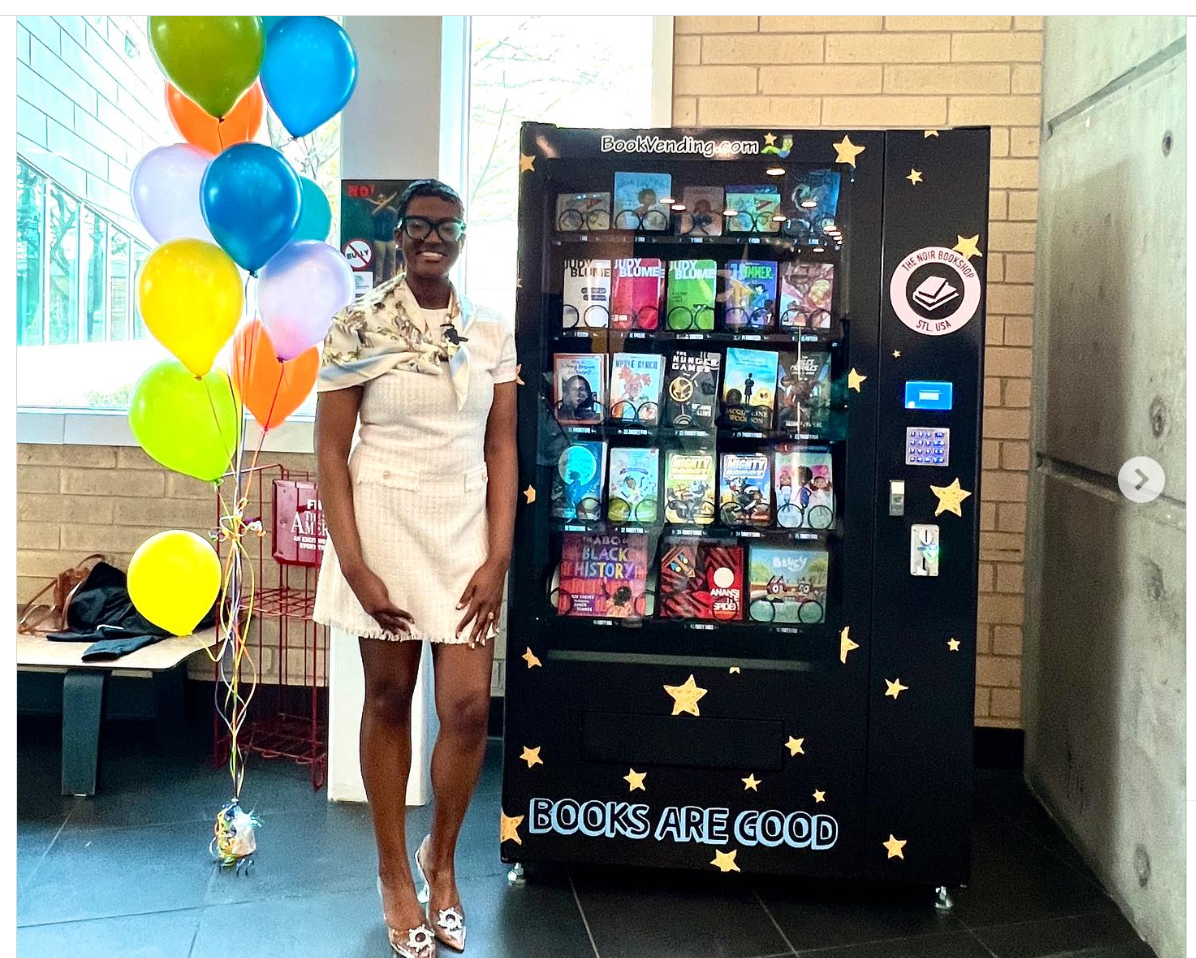
I’m a sucker for feelgood stories about folks who are promoting literacy programs for children in their communities, but when you add book vending machines with free books for kids I’m sold.

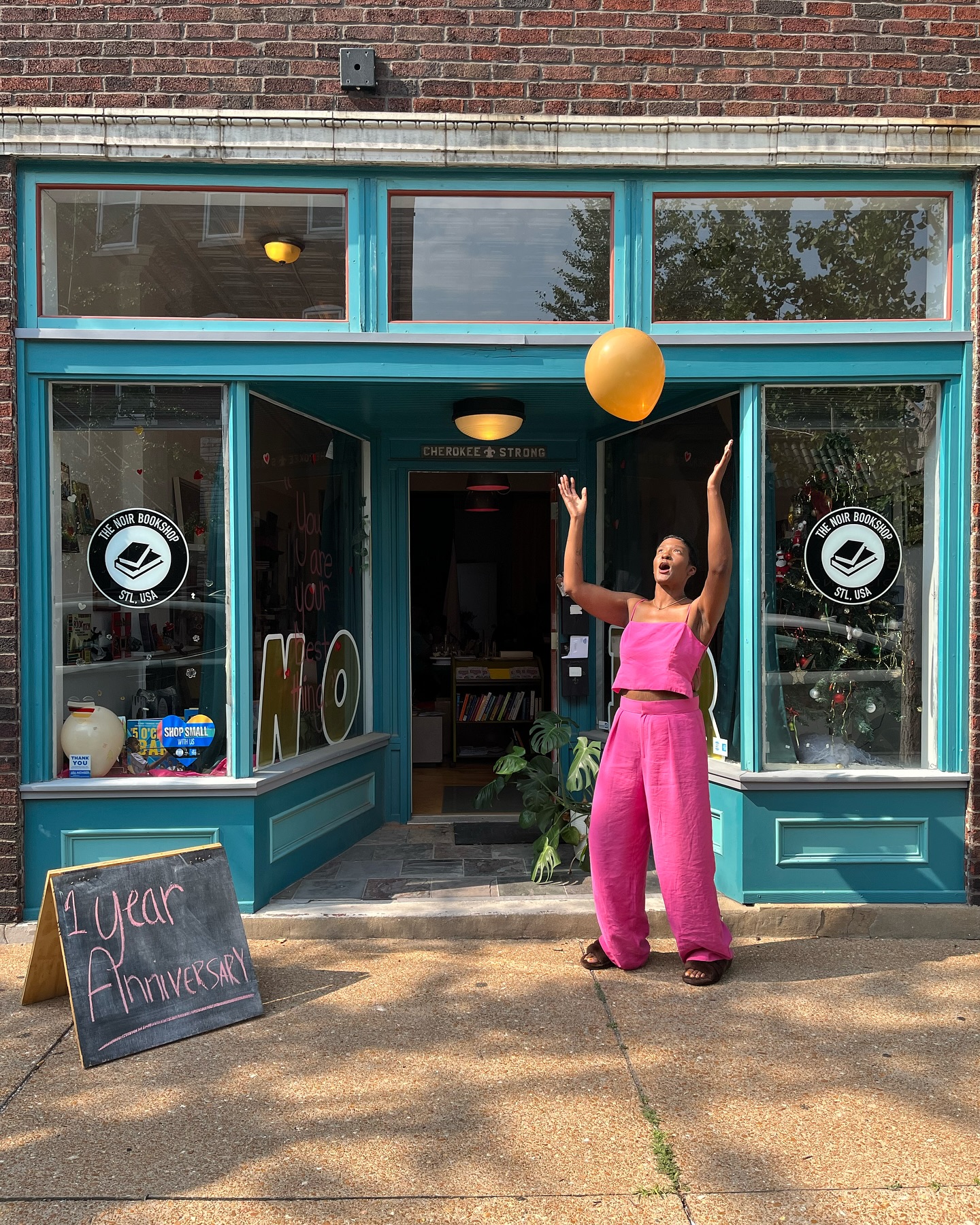
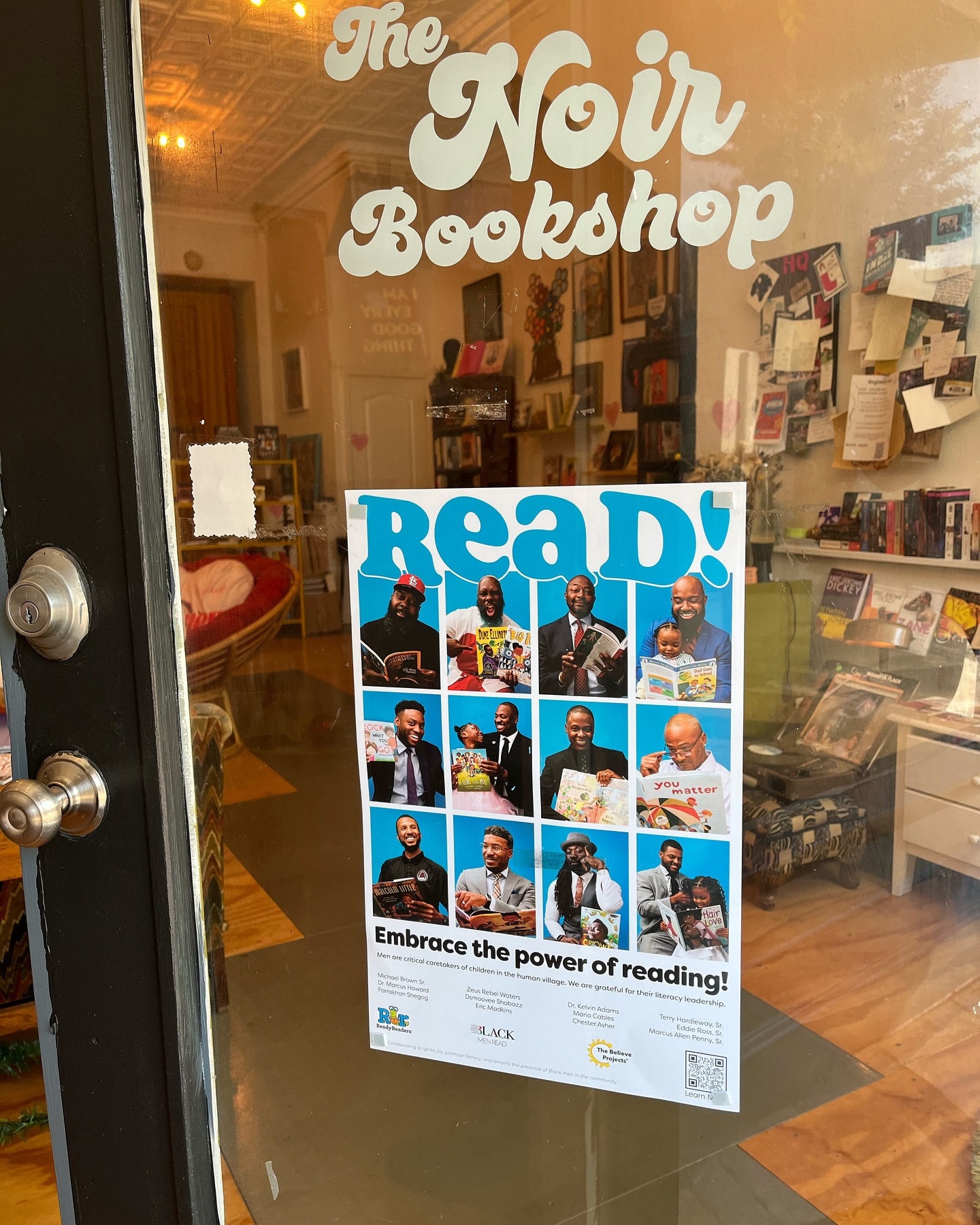
Ymani Wince isn’t just the owner of a local bookstore; she’s a community leader with a major soft spot for books, kids, and breaking down barriers. Her shop, The Noir Bookshop, sits on Cherokee Street in St. Louis, and it’s exactly the kind of cozy, inclusive place you might find yourself lingering in for longer than you planned. It’s not just a bookstore; it’s a hub for education, artistry, and a celebration of Black literature and culture.

Enter ONYX, a free book vending machine aimed at putting books directly into the hands of kids. And the best part? They don’t pay money; they pay with curiosity, tokens, and excitement.

Here’s how it works: community centers, clubs, and other local spaces house these vending stations. Kids get a special token from the staff or center, and boom: they choose a book they want. It’s as simple as that: token goes in, book comes out. No money changing hands, just pure opportunity.

In St. Louis, Black students are more than twice as likely to struggle with grade-level reading proficiency compared with white students. That’s the kind of statistic that makes people stop and think. So having initiatives like ONYX isn’t just nice, it’s necessary. The vending  machine isn’t a gimmick; it’s a practical, innovative response to a real, measurable need.


Posted in Uncategorized | Tagged , , , | Leave a comment

Paris 1970

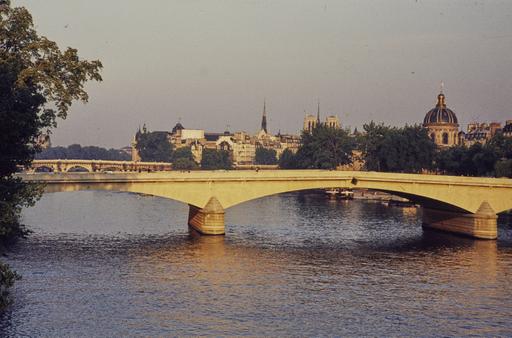
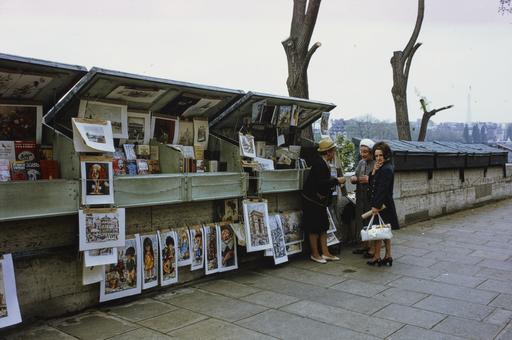
I recently learned about an amateur photography contest called ‘C’était Paris en 1970’ (‘This Was Paris in 1970’), whose roughly fourteen thousand participants produced seventy thousand black-and-white prints and thirty thousand color slides of the capital in the midst of enormous changes.

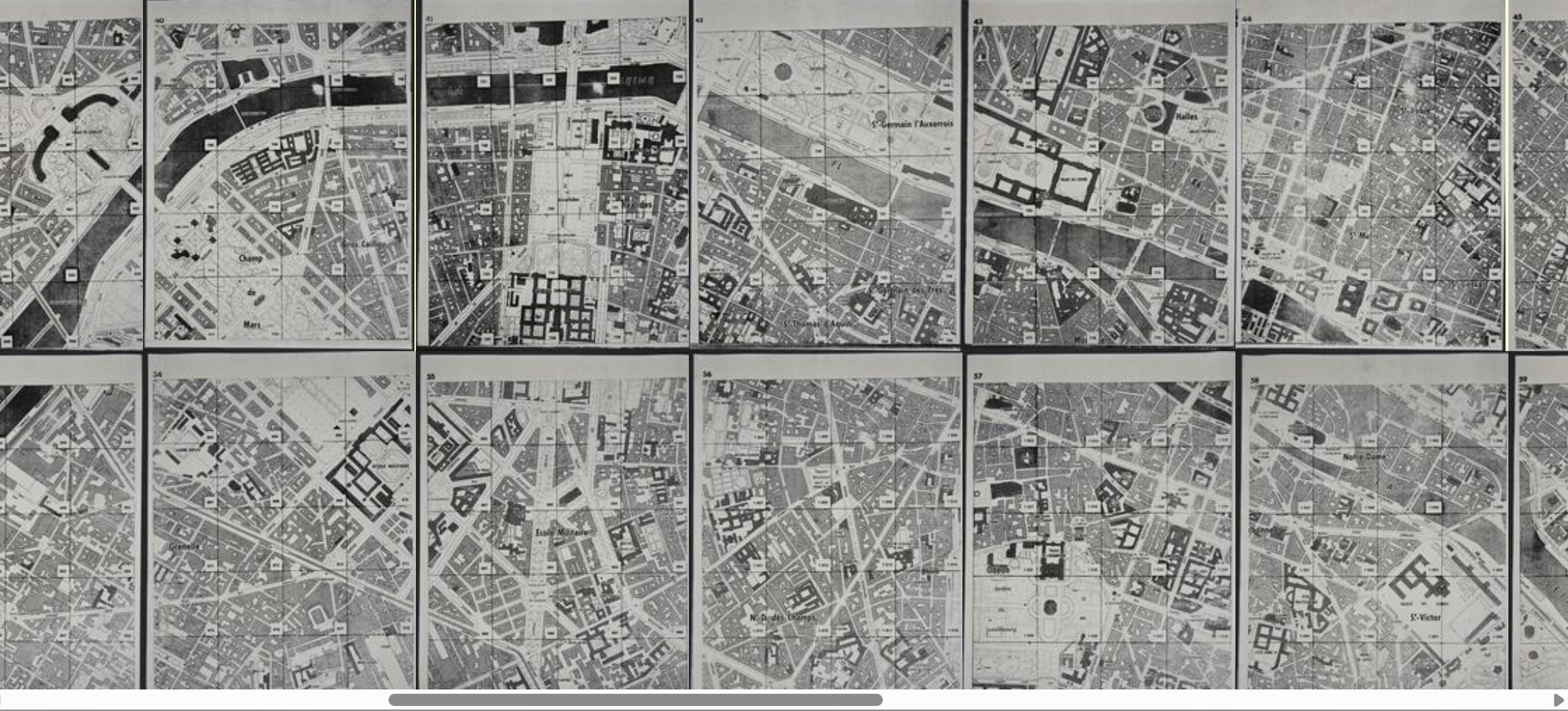
“The city of Paris … organized in the spring of 1970 an amateur photography competition aiming to produce exhaustive photographic coverage of [the city], divided into a grid of 1755 squares.” Click the map of Paris and at the top of each page click a link corresponding to a numbered square / carré on the map. The link will also show how many contest participants / candidats captured how many photographs / photographies for the square. As Catherine E. Clark explained in “‘C’était Paris en 1970’: Amateur Photography, Urbanism and Photographic History,” “the contest supplied a very uneven portrait of Paris in May of 1970.” But this newer website provides an interface for quickly browsing 30225 photographs from the event.


Posted in Europe, Photography, Tourism | Tagged , , | 2 Comments

Sounds Great


Posted in Uncategorized | Tagged , , | Leave a comment

Bookish TV

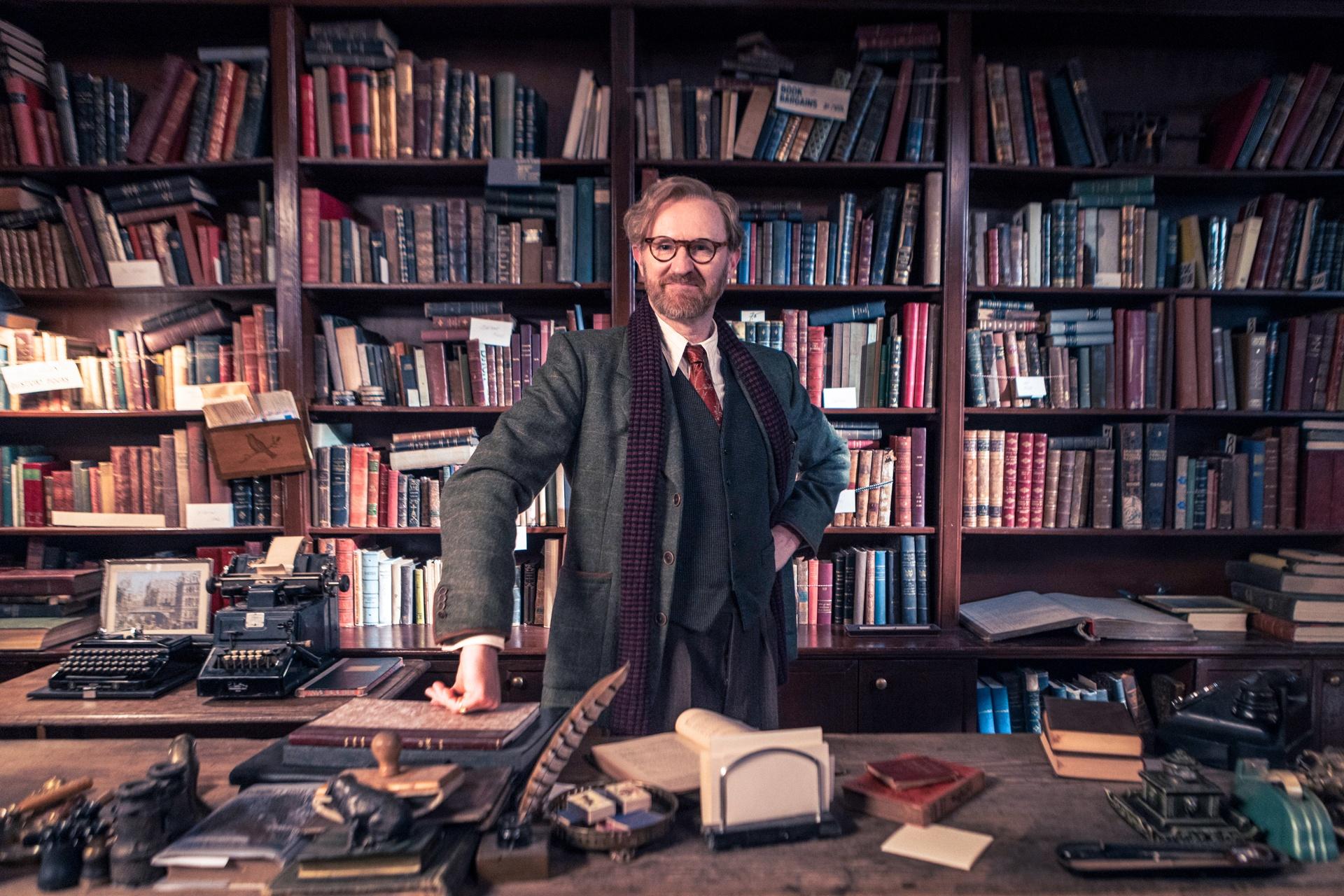
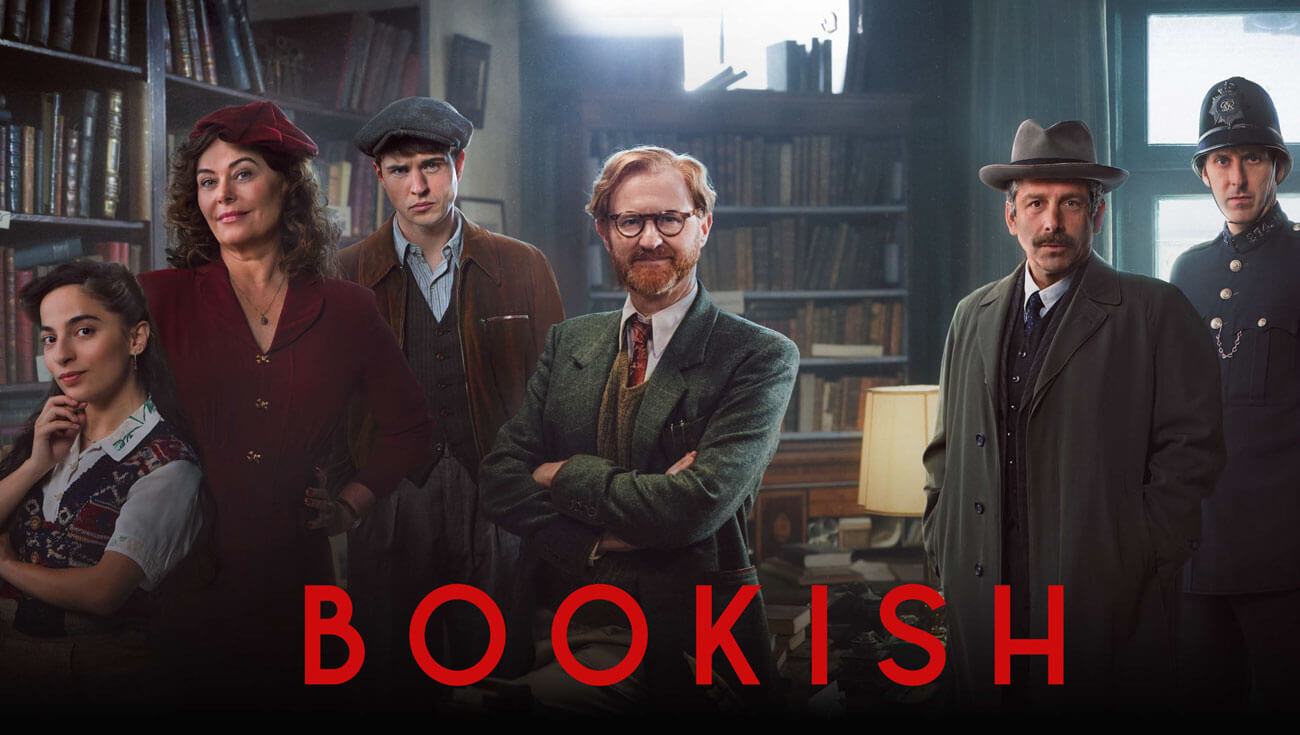
Folks in the UK may be au fait about this, but it’s news to me. Bookish, a new six-part murder mystery series created, starring, and written by Mark Gatiss (SherlockThe League of Gentlemen), will premiere January 11 on PBS, with new episodes released every Sunday through February 15. Directed by Carolina Giammetta, the series is co-written by Gatiss and Matthew Sweet.

PBS noted that Gatiss and director Carolina Giammetta take viewers “into the chaotic and dangerous shadows of post-war 1946 London, where Gabriel Book’s [Gatiss] encyclopedic knowledge of literature and history makes him an invaluable–if unconventional–consultant to the local police. With razor-sharp wit and an entourage of charming social misfits, Book helps unravel London’s most puzzling mysteries by turning to the thousands of books lining his shelves.”

Polly Walker (BridgertonLine of Duty) stars as Trottie Book; Connor Finch (Everything I Know About Love) as Jack; Elliot Levey (We Were the Lucky OnesQuiz) as Inspector Bliss; Blake Harrison (World on FireStill Up) as Sergeant Morris; and Buket Kömür (Our House) as Nora.

Posted in Uncategorized | Tagged , , , , | Leave a comment

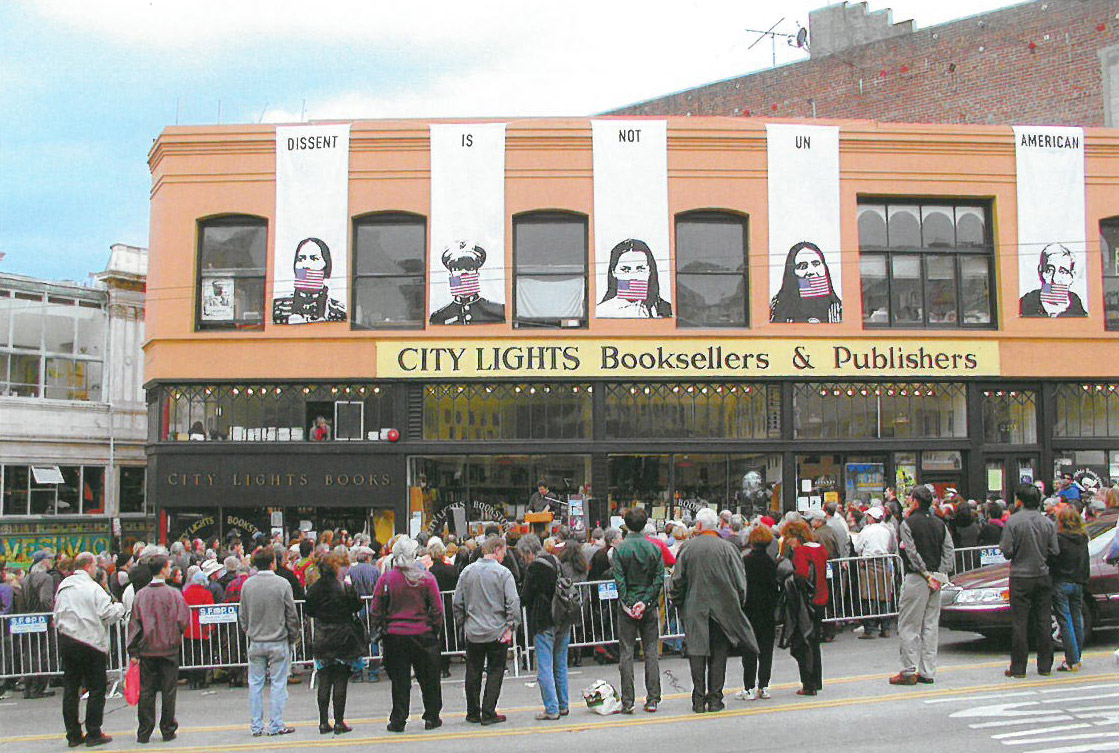
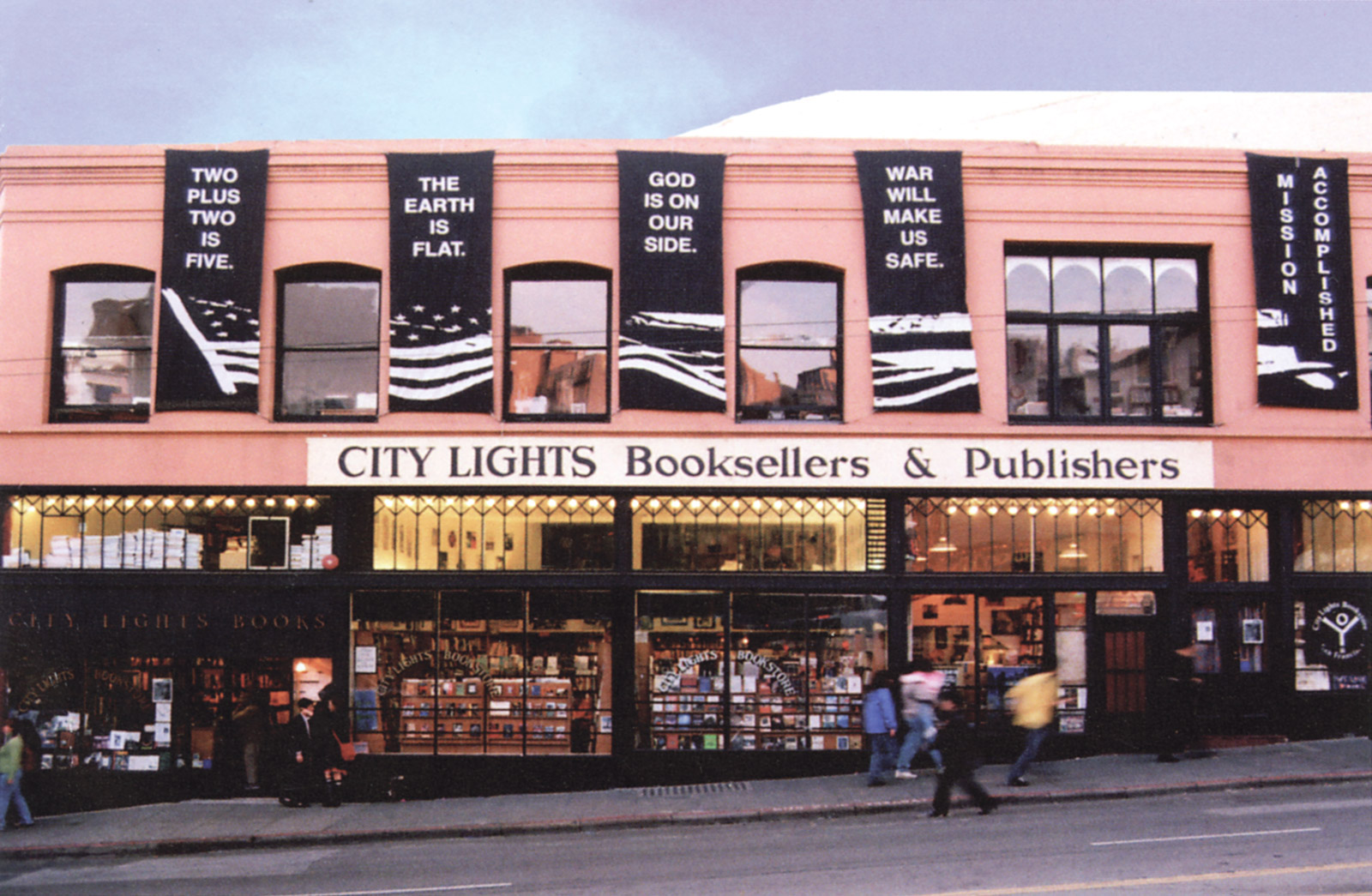
“Dissent is NOT Un-American!”

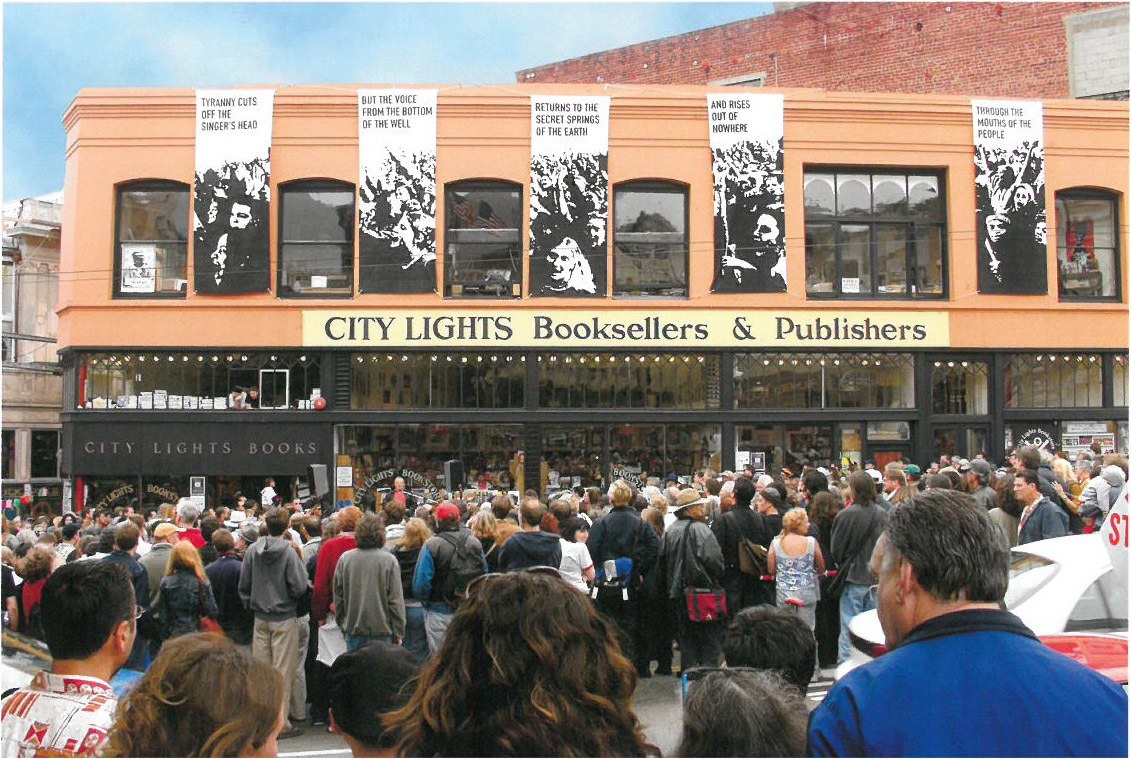
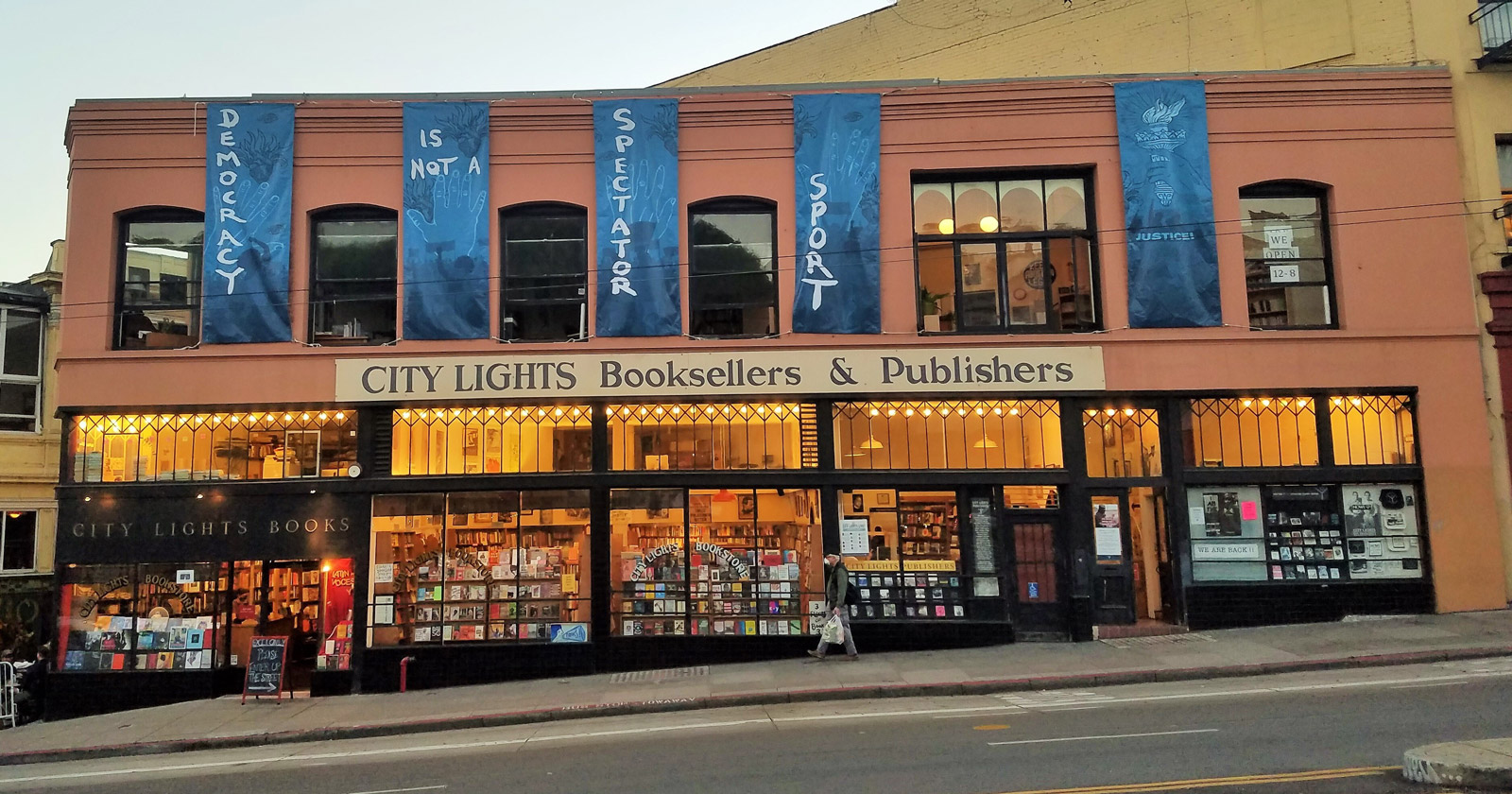
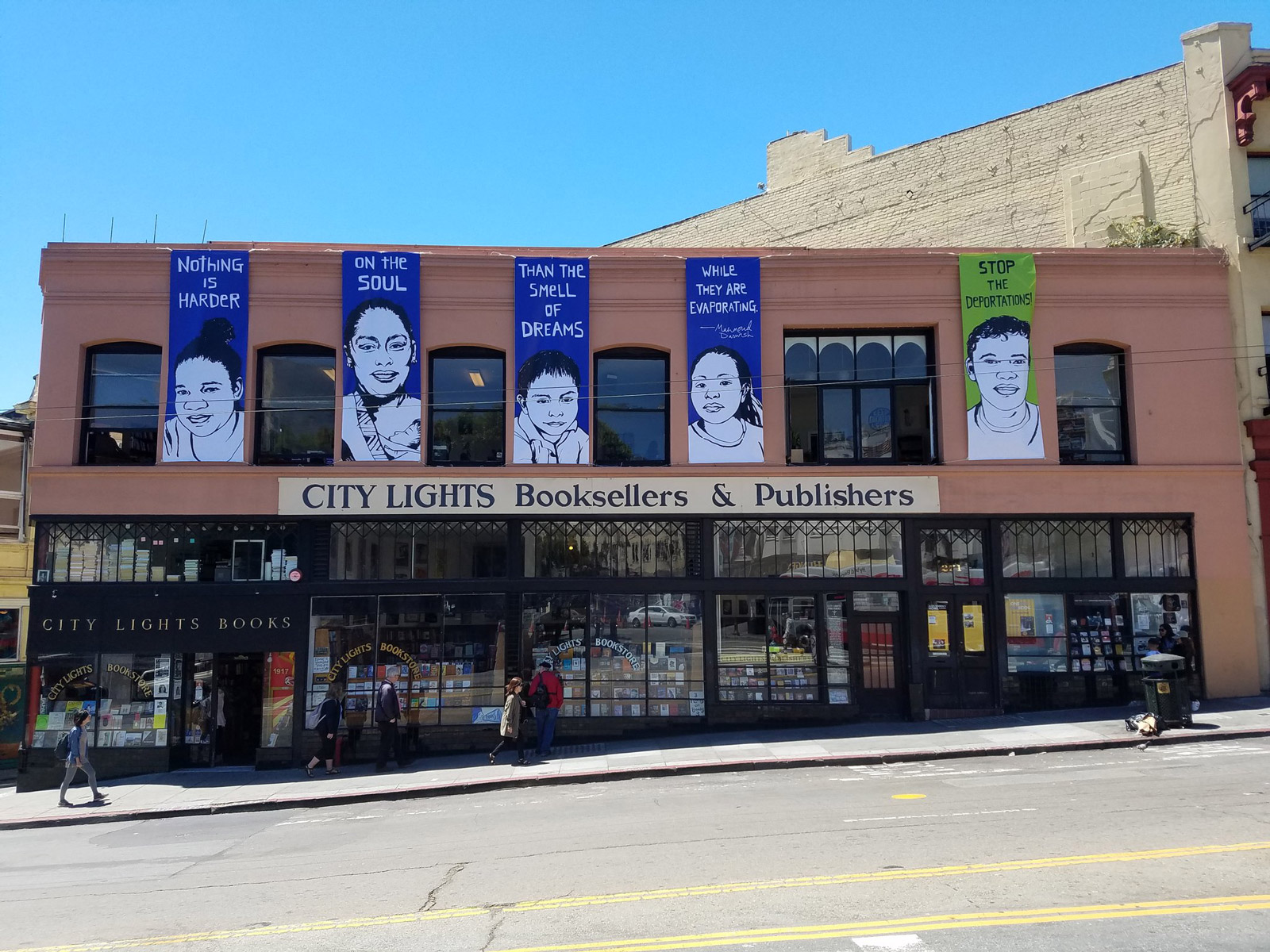
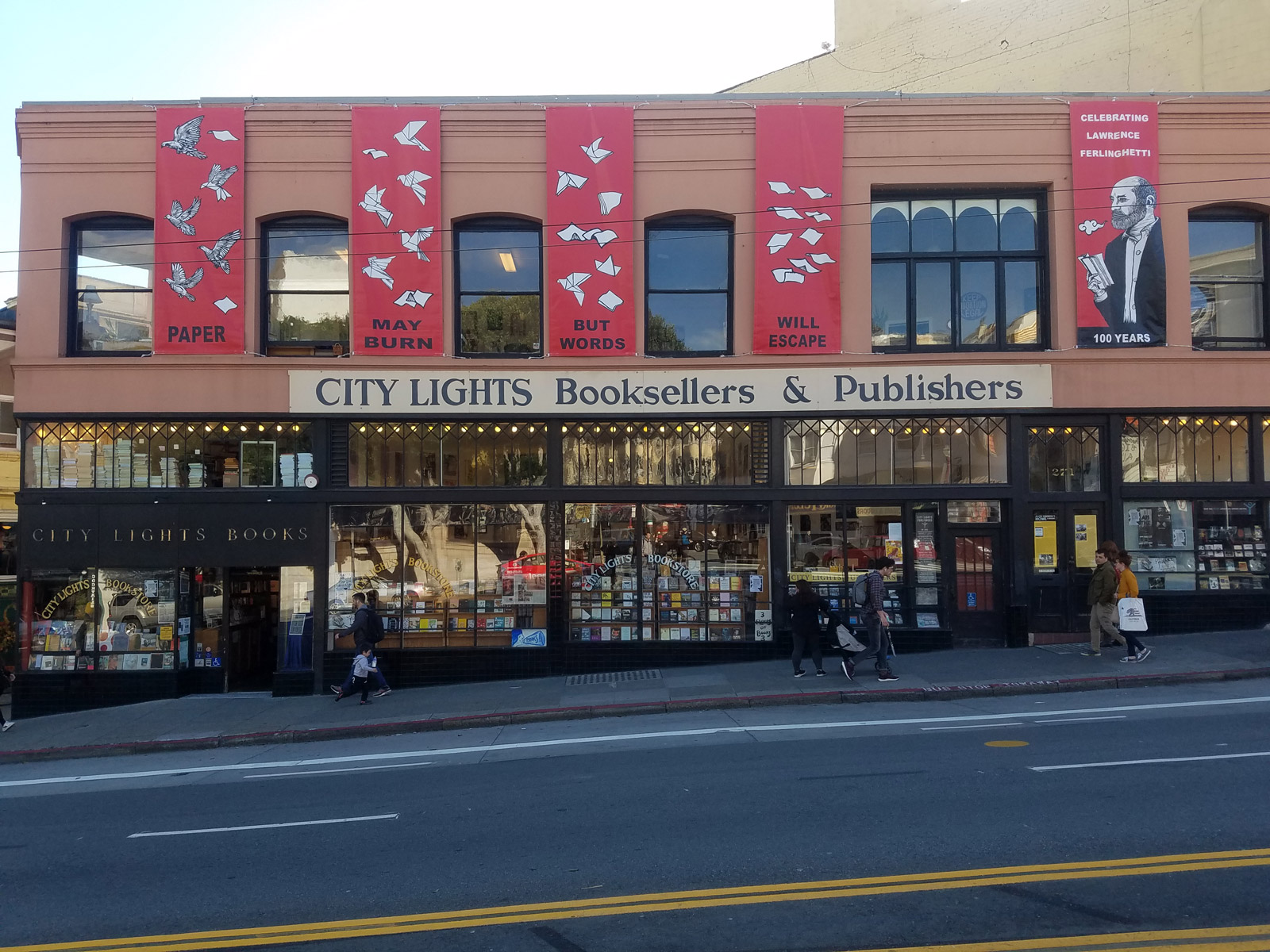
Twenty-five years ago San Francisco’s iconic City Lights Books initiated a bold project using a series of banners hung along the front of the bookstore. That 5-panel banner installation was the first in a series followed by a period during which founder poet Lawrence Ferlinghetti used the second-story windows of City Lights as a site for his own hand-painted messages in response to current events. In 2016, City Lights inaugurated a new banner series with new collaborators, and they intend to continue activating our building as a public platform, a forum to inspire and provoke thoughtful civic engagement.

“Tyranny cuts off the singer’s head / But the voice from the bottom of the well / Returns to the secret springs of the earth / And rises out of nowhere through the mouths of the people”

–Pablo Neruda, translated by Alistair Reid

June 2003, Photograph © Larry Keenan


Posted in Uncategorized | Tagged , , , | Leave a comment

So you’re going to New York City

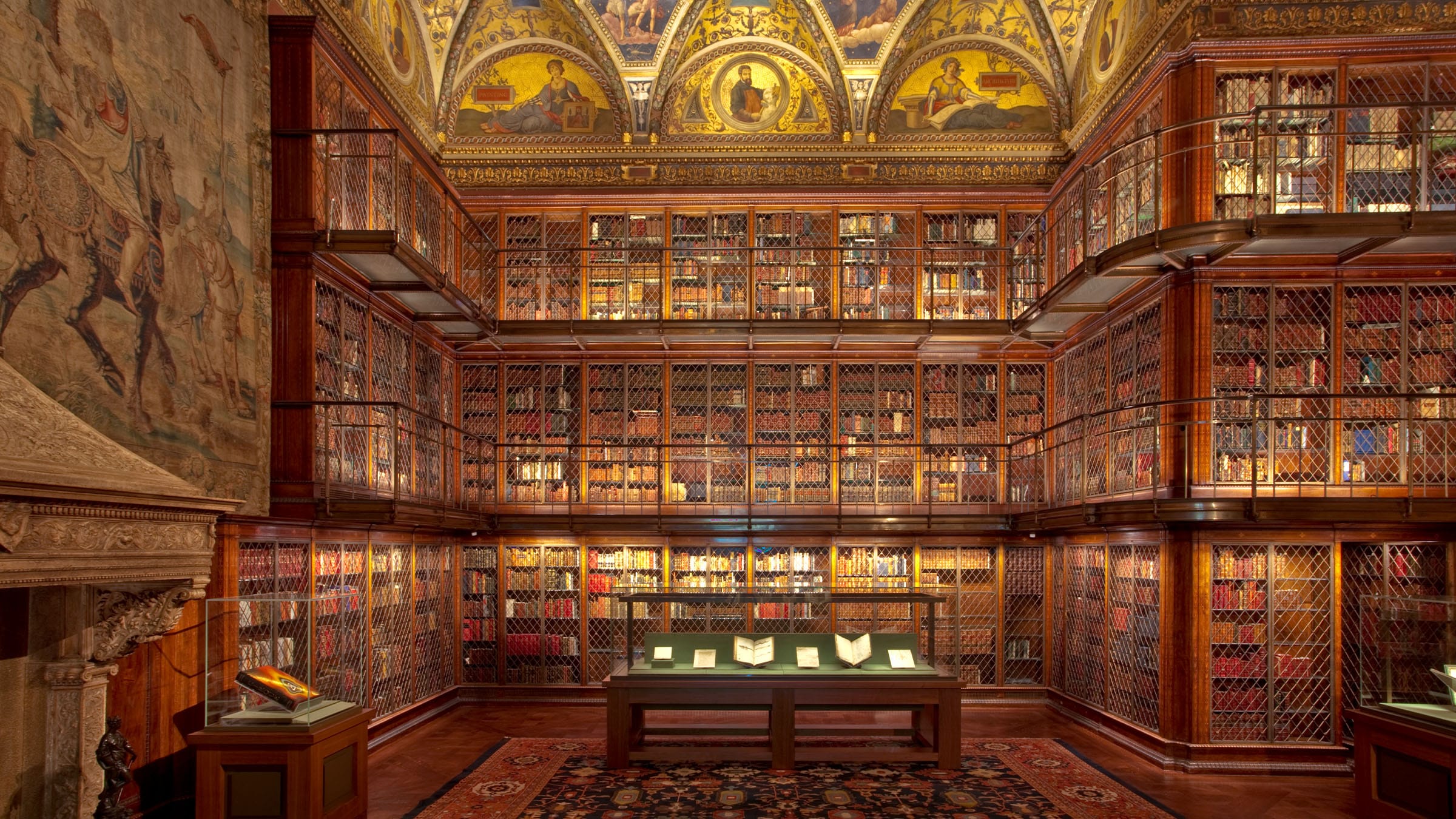
Book lovers and bibliophiles who are heading to New York City this year will have an embarrassment of choices when it comes to special exhibitions at some of the city’s premier institutions.
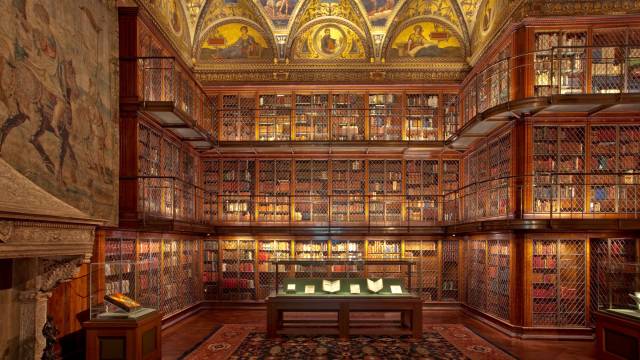
The Morgan Library & Museum‘s Come Together: 3,000 Years of Stories and Storytelling will explore the history of storytelling running January 30 through May 3, 2026.

It highlights a variety of narratives from the Babylonian Epic of Atrahasis which is among the earliest literary works preserved in written to works by writers inspired by New York City, featuring printed books, manuscripts, comics, photographs, drawings, paintings, films, and artifacts.

Come Together will be divided into five sections:

  • ‘Belief and Belonging’ will consider origin stories, epics, legends, and myths, giving primacy to the Indigenous storytellers of North America
  • ‘Shaping Stories’ sheds light on the roles of editors, publishers, illustrators, and translators to the development of literary works
    and are often less visible than the authors, featuring a heavily annotated page of James Joyce’s Ulysses, Jean de Brunhoff’s earliest drawings of Babar, and a woodcut-illustrated edition of Chaucer’s Canterbury Tales printed around 1483 by William Caxton
  • ‘Picture This’ showcases diverse approaches to visual storytelling including devices such as the speech bubble and a leaf from an English medieval manuscript which uses sequences of pictures to signal movement through time
  • ‘Life Stories’ includes texts and artworks centered on personal experience such as Henry David Thoreau’s journals and Édouard Manet’s only surviving notebook
  • ‘New York Stories’ reflects the multicultural metropolis as seen through the lens of visitors, immigrants, and native New Yorkers, among them Walt Whitman and Langston Hughes.

The exhibition is accompanied by a series of programs, including; a lecture on storytelling through poetry with Pádraig Ó Tuama on February 19; an online short course on the importance of narrative with Morgan curators in February; and James Baldwin’s Go Tell It on the Mountain with Rhonda Evans on April 9.

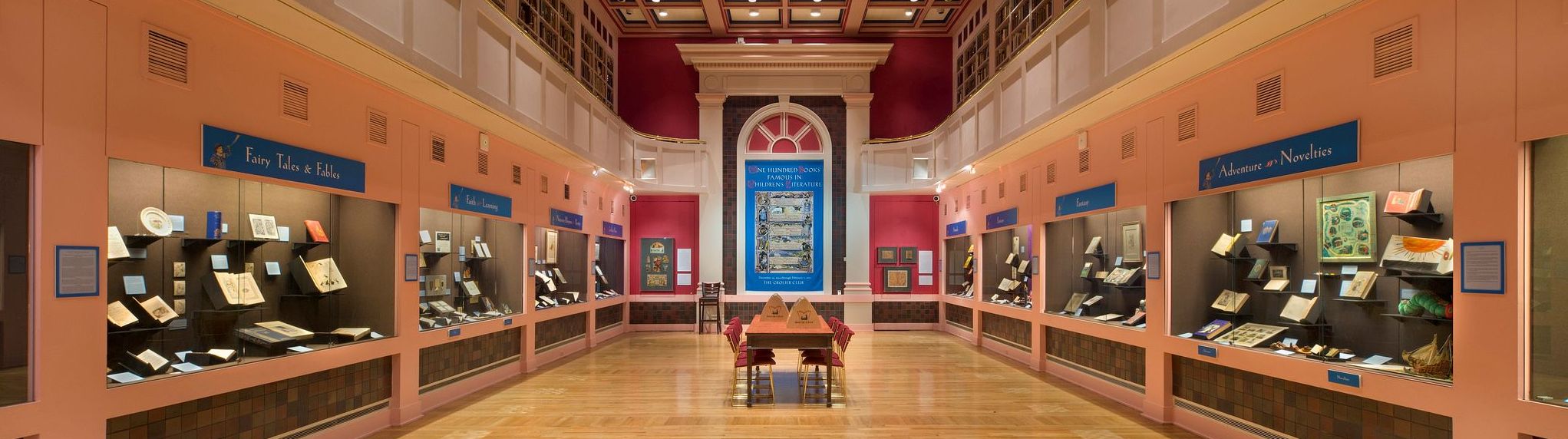
A new exhibition at The Grolier Club explores the evolution of technology and its impact on labor through a close look at the history of printing.

The Second Printing Revolution: Invention of Mass Media will be on view in the Club’s ground floor gallery from January 14 through April 11, 2026, examining the transition from handcrafted book production to mechanized papermaking, printing, illustration, typesetting, and bookbinding. Curated by Grolier Club member Jeremy Norman from his personal collection, the exhibition features 150 books, prints, and artifacts from 1800 to 1904, with many rarities from England, France, Germany, and the United States. An accompanying catalogue will be available in January 2026.

The exhibition is organized into four main sections, Innovation (detailing steam-powered presses and papermaking), Diffusion (exploring the spread of early magazines and typesetting), Design (highlighting bookbinding and color imagery), and Scale (focusing on mass printing in America). Other elements include a spotlight on the railroad and mass market reading, women’s labor, and Charles Dickens.

Highlights include:

  • a copy of the first issue of the daily London newspaper from November 29, 1814, printed on a double-cylinder steam-powered printing machine
  • the educational reform group Society of the Diffusion of Useful Knowledge The Menageries (1829), the first extensively illustrated machine-printed book, featuring highly detailed woodcuts of animals
  • Robert Seymour’s The March of Intellect (London, 1828), a satirical illustration about the social impact of groups like SDUK, featuring an automaton made of printing machine parts
  • a 1794 French petition for a women’s typographic school, promoting an apprenticeship program
  • Baxter’s Gems of The Great Exhibition (London, 1851) with brilliantly color-printed images that recorded the event printed on iron handpresses via an elaborate patented process
  • an 1847 letter from Charles Dickens to his publisher Edward Chapman expressing hope that sales of a “Cheap Edition” of his works might reach a record breaking 100,000 copies
  • an 1826 bible printed in Boston that was the first edition of the Old and New Testaments ever printed on a printing machine

“At the beginning of the 19th century, the Industrial Revolution had been underway in England for nearly a century, yet book production had hardly changed since Gutenberg’s invention of printing by movable type in the mid-15th century,” said Jeremy Norman. “This exhibition tells the story of the second printing revolution that took place during the 19th century as key inventions led to some of the first developments in mass production and the factory system, and ushered in a period of profound change in the socio-economic relationship between workers and employers.”
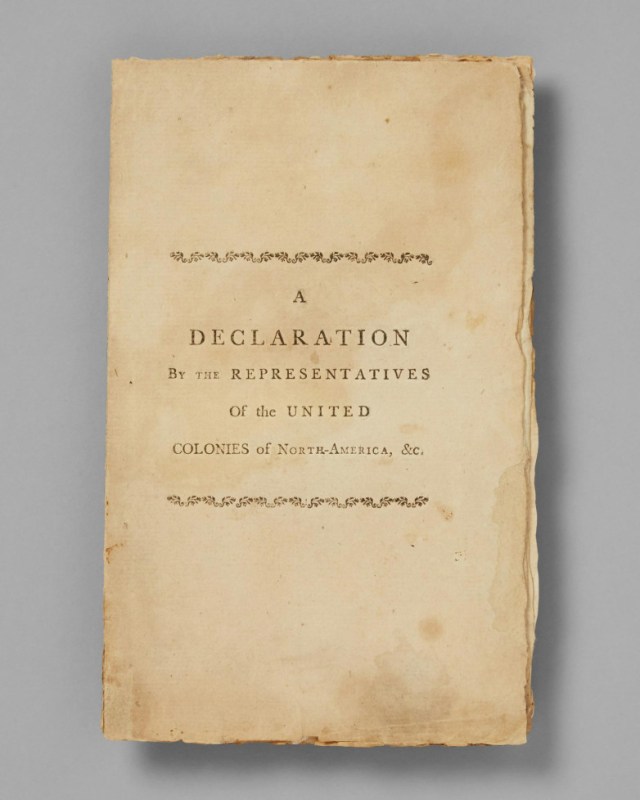
The current exhibition at The New York Historical focuses on the development of the ideas of the American Revolution through original printings and explores how their dissemination strengthened the push for American independence.

Running through April 12, 2026, Declaring the Revolution: America’s Printed Path to Independence; Historical Works from the David M. Rubenstein Americana Collection is among the many celebrations of the 250th anniversary of the Declaration of Independence.

A collection of 18th-century pamphlets, broadsides, engravings, proclamations, and books, reveal different aspects of how the colonies achieved independence. The highlights are two especially important printings of the Declaration, the very rare first newspaper appearance in the Pennsylvania Evening Post and the State Department engraving of the original engrossed copy.

Also on show are:

  • Thomas Paine’s  1776 pamphlet Common Sense which called for independence from Great Britain
  • John Hancock’s 1774 oration honoring the Boston Massacre confrontation between British soldiers and American colonists on March 5, 1770
  • key texts which provided the intellectual foundation for the revolution such as printings of the Magna Carta, books by John Locke and Jean-Jacques Rousseau

“Declaring the Revolution traces the emergence of our nation through a shared belief in the power of the people and the promise of democracy,” said Dr. Louise Mirrer, president and CEO of The New York Historical. “Through historical printings, the origins of the ‘American experiment’ are on display, allowing us to reflect on how we live and fulfill the ideals of our nation today.”

Declaring the Revolution shows that America’s goal of independence was not only a military conflict, but also a battle of ideas. The Virginia Declaration of Rights, drafted by George Mason in 1776, and shown in its uncommon earliest printing, outlines the requirement of natural rights that influenced subsequent documents like the Declaration of Independence. An exceptionally rare 1773 handbill printed by enslaved people in Boston asks that the language of freedom apply to them and points out the incongruousness of a land with bondage desiring to be liberated.

The exhibition is curated by Mazy Boroujerdi, special advisor to the David M. Rubenstein Americana Collection which mounts non-partisan exhibitions of historically important printings to foster civic engagement and historical understanding.

“The items on view bring new context to one of the most important documents ever written,” said David M. Rubenstein.  giving insight into the minds of our Founding Fathers as they changed the course of history. My reason for collecting these original printings is to show them to the public to give Americans an opportunity to encounter our country’s impressive history and the accomplishments of those who came before us. To not remember these origins of our democracy is to risk losing our democracy.”
Posted in Books, History, Libraries, Museums, Tourism, USA | Tagged , , , | Leave a comment